
Abraham-Louis Breguet was granted French Patent 157 on 26 June 1801, nineteen months after submitting the specification. The device it described, a rotating cage carrying the entire escapement and balance wheel, addressed a specific problem of the pocket watch: when the watch sat vertically in a waistcoat pocket for hours at a time, gravity acted constantly on the balance and escape wheel pivots, skewing the watch's rate. By continuously rotating these parts through every position, Breguet reasoned, the positional errors would average out.
Breguet called the device the tourbillon, French for whirlwind, and spent the next two decades refining it. He completed no more than about 35 pocket watches with tourbillons during his lifetime, and each was numbered, signed, and priced at roughly twice the cost of a comparable non-tourbillon Breguet. The earliest surviving example, No. 169, was delivered to John Arnold & Son in London in 1808, the only tourbillon Breguet ever made for a rival watchmaker. He died in 1823, ten years before the word tourbillon first appeared in a French dictionary.
"I have the honour to describe to you the conception of a regulator which I have invented and which I name a tourbillon. I have placed the entire escapement in a cage which turns on its own axis, so that the defects of rate which occur in a fixed vertical position spread over every point of the circle."- Abraham-Louis Breguet, patent application, 1795
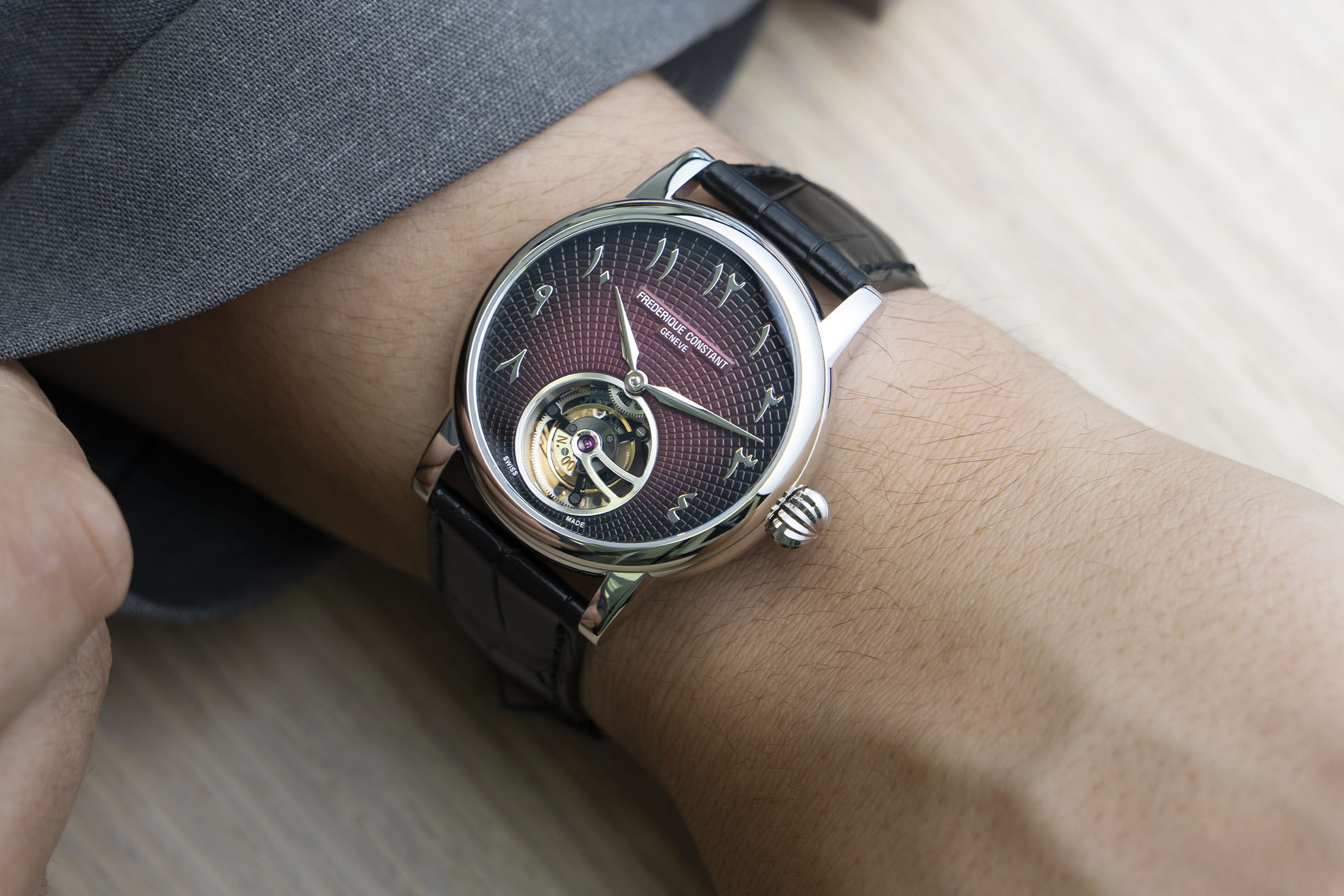
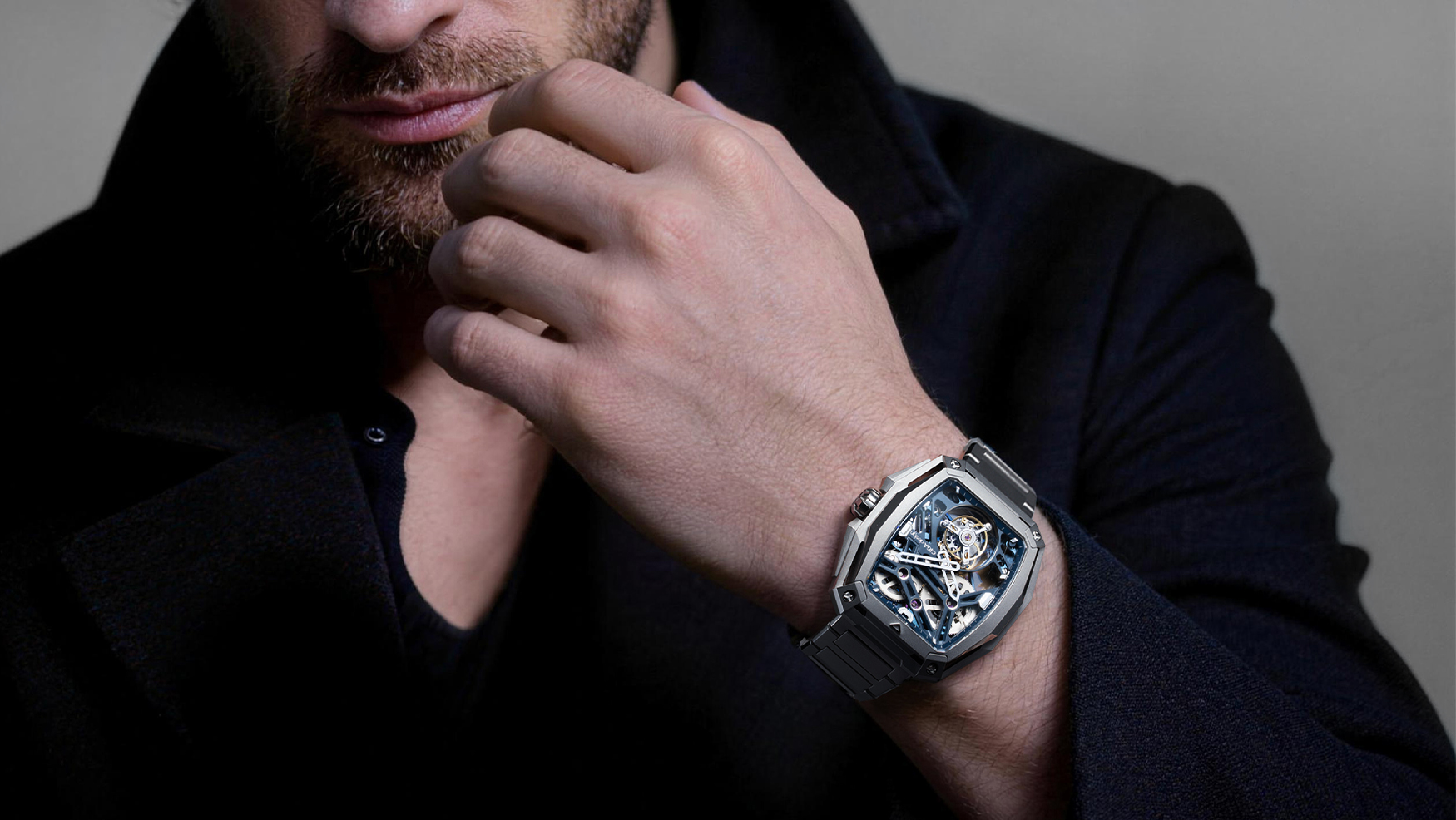
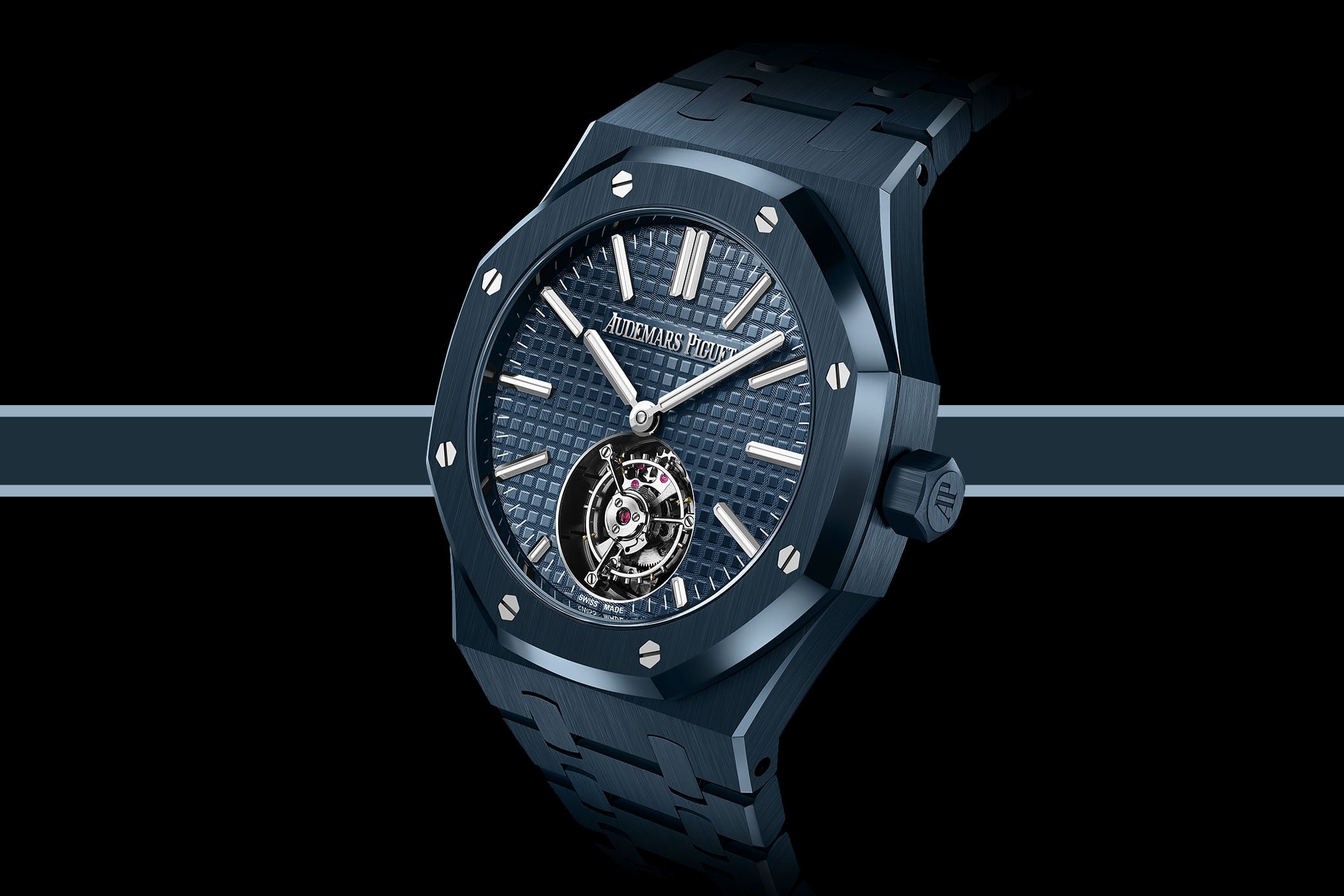
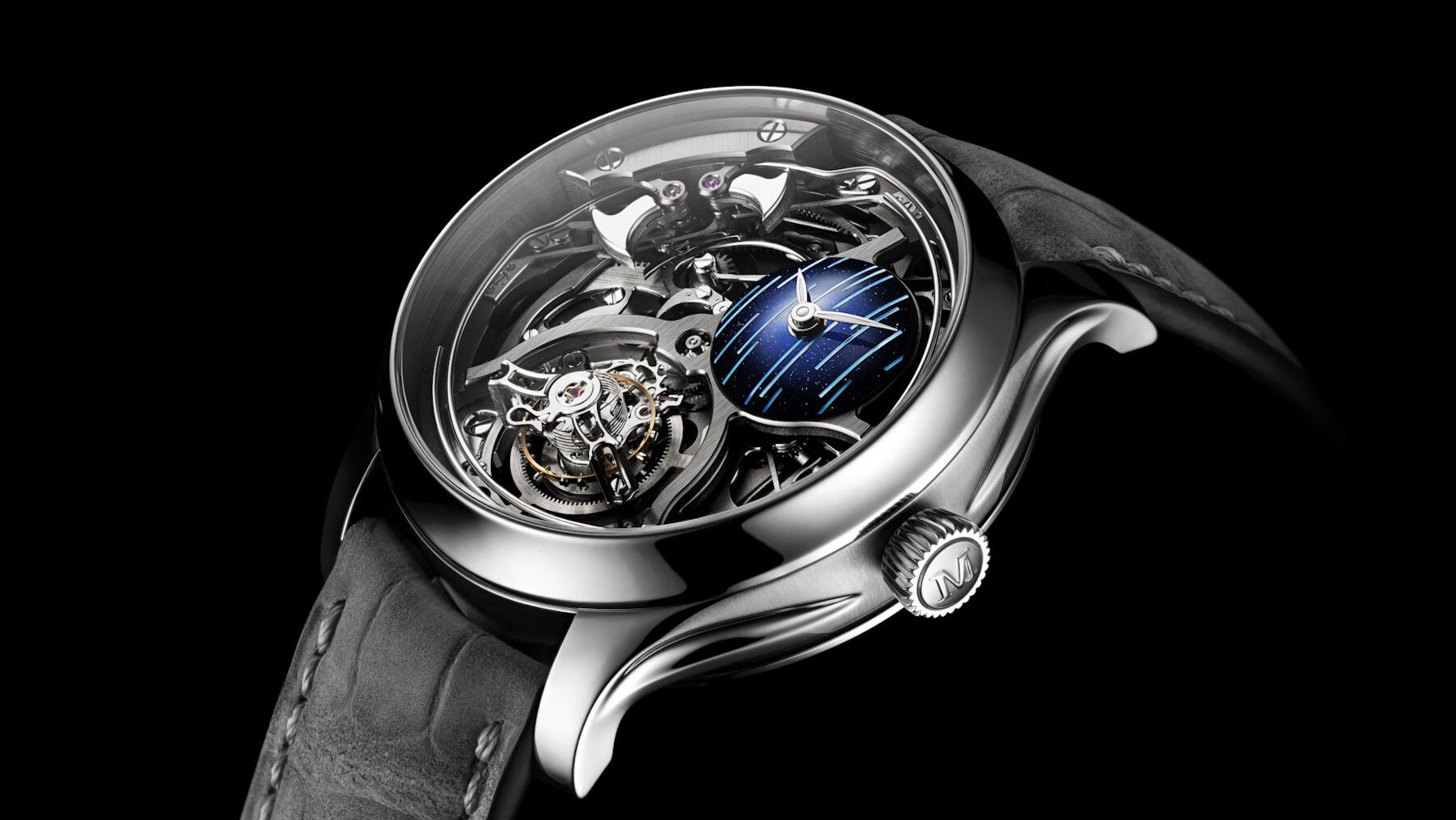
The crucial fact about the tourbillon on the wrist is that it does nothing useful. The natural motion of the wrist already averages the movement through every position many times per day, the pocket-watch problem Breguet solved simply does not exist in a wristwatch. Rate-measurement tests on modern chronometers with and without tourbillons consistently find no meaningful accuracy gain. Despite this, the tourbillon has become the most desired, and one of the most expensive, complications in mechanical watchmaking, because of what it signals: a level of craftsmanship, finishing, and hand-assembly that is visible through a dial aperture.
Modern innovations have extended Breguet's 1801 concept in three directions. The flying tourbillon was developed by Alfred Helwig at the Glashütte watchmaking school in 1920, it eliminates the upper bridge, holding the cage only from below, making the entire cage visible. Multi-axis tourbillons (Greubel Forsey, Jaeger-LeCoultre Gyrotourbillon) rotate the cage around two or three axes simultaneously. And silicon escapement components, introduced in series tourbillons from the 2000s onward, have made them more magnetically resistant and slightly lighter.
Today a tourbillon sits in a roughly identifiable price tier: around €30,000-€50,000 for an entry-level series-production piece from brands like TAG Heuer, Frederique Constant, or Schwarz Etienne; €100,000-€300,000 for a serious haute-horlogerie example from Breguet, Vacheron Constantin, or Jaeger-LeCoultre; and anywhere from €500,000 to several million euros for experimental or unique pieces from Greubel Forsey, F.P. Journe, or the independents. In 2025 Breguet itself remains the benchmark, its Classique Tourbillon Extra-Plat 5367 is the purest expression of the watch Breguet made in 1801, now in platinum and 3mm thick.



Comments 1