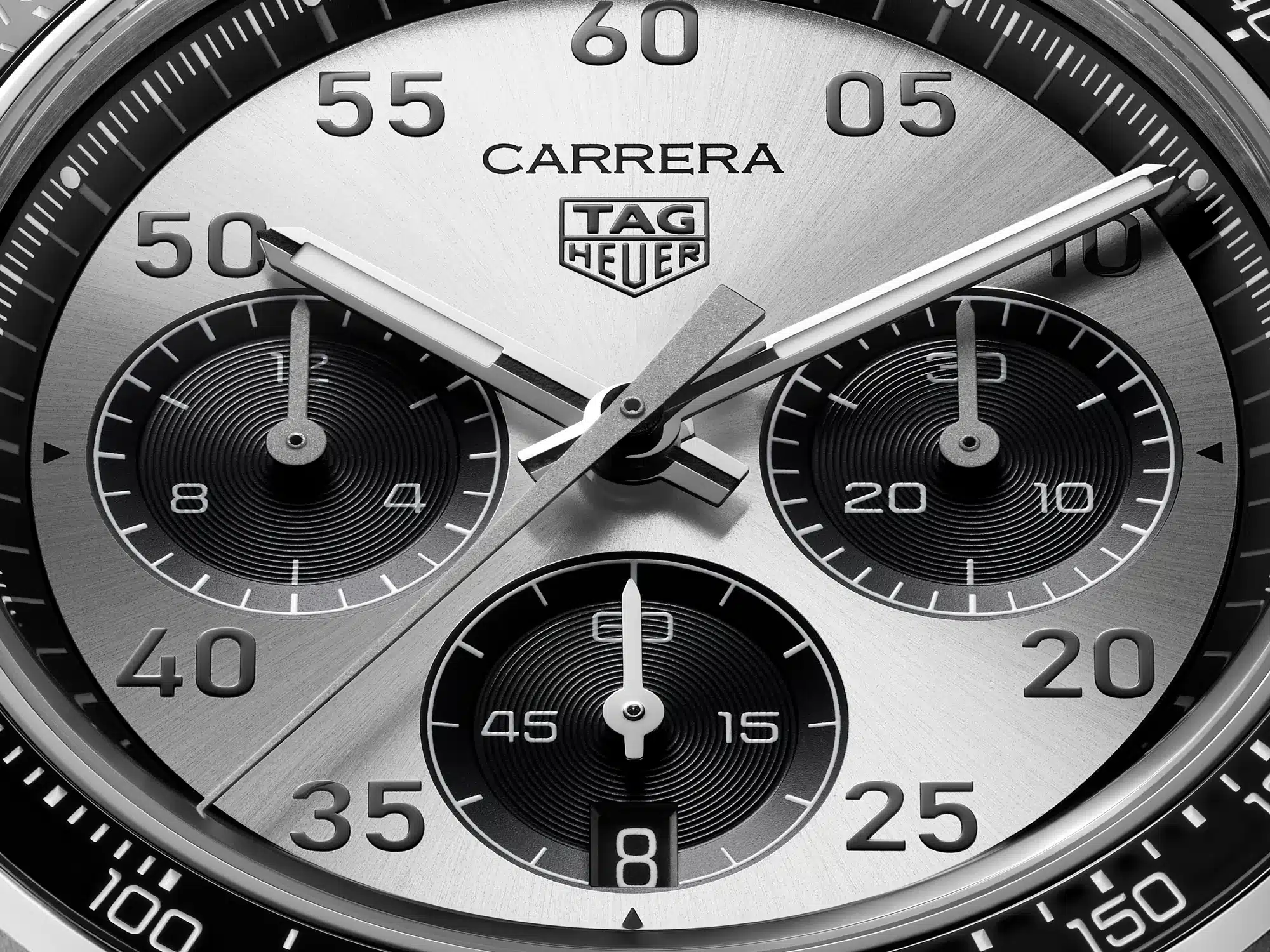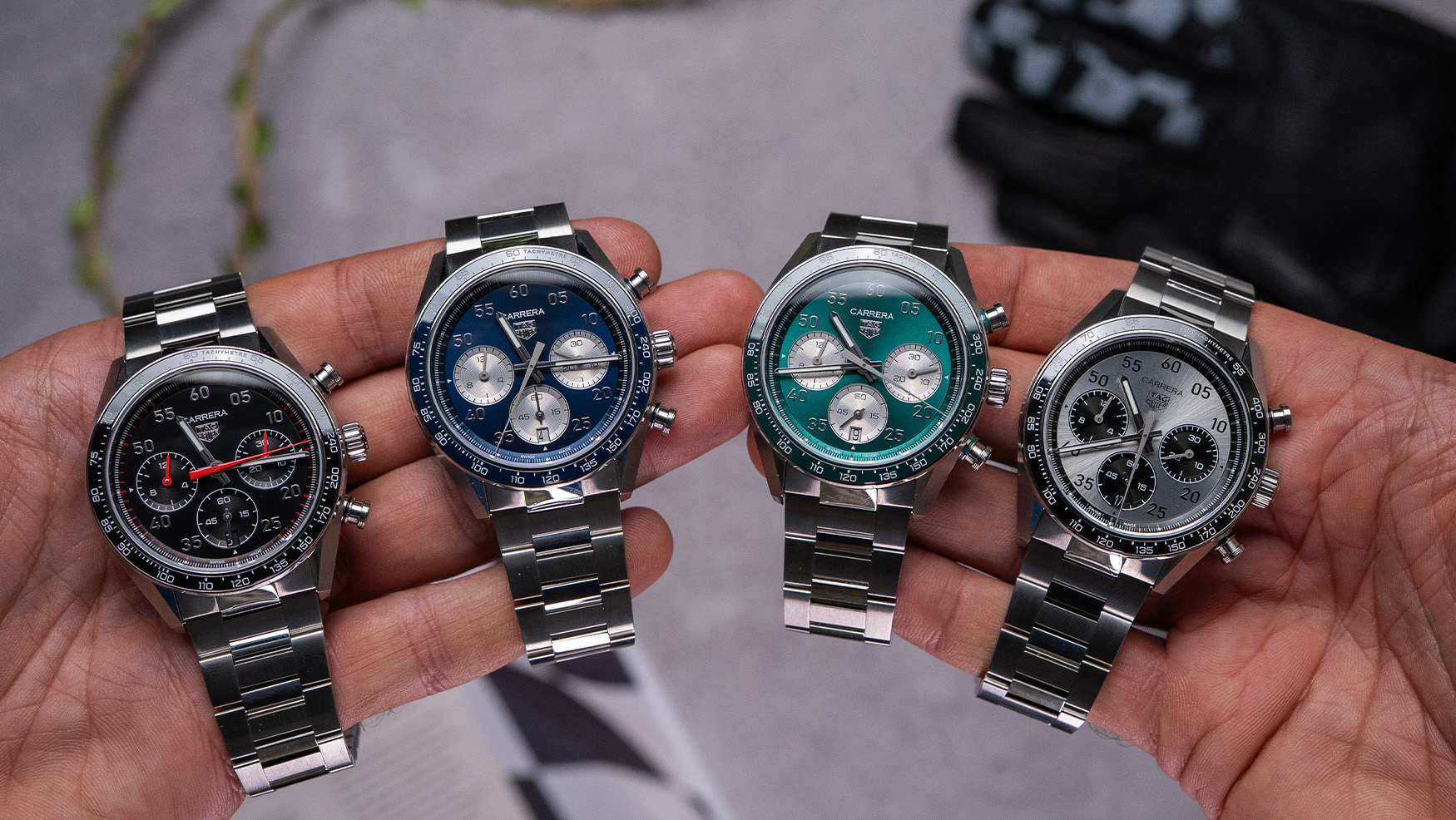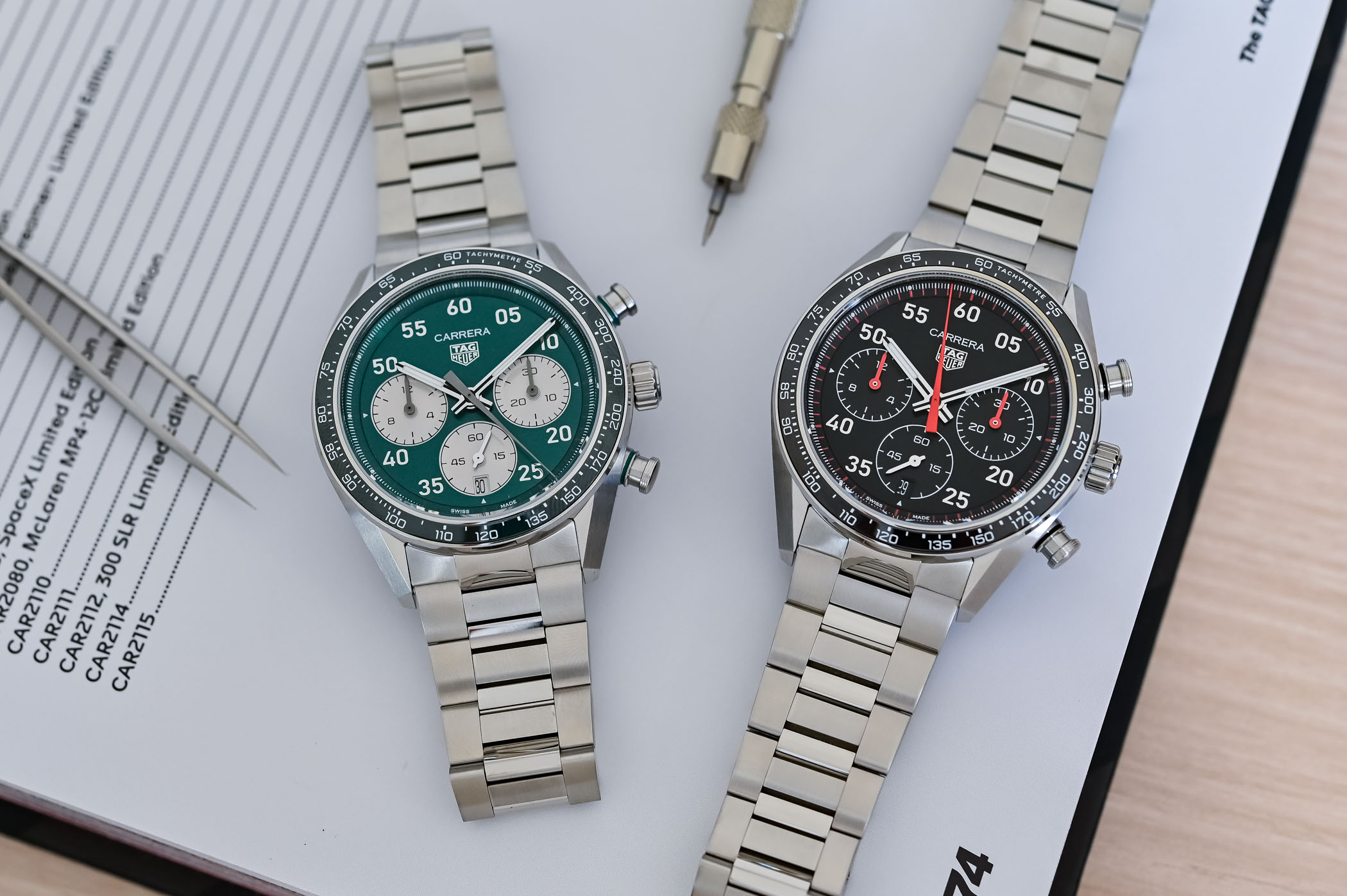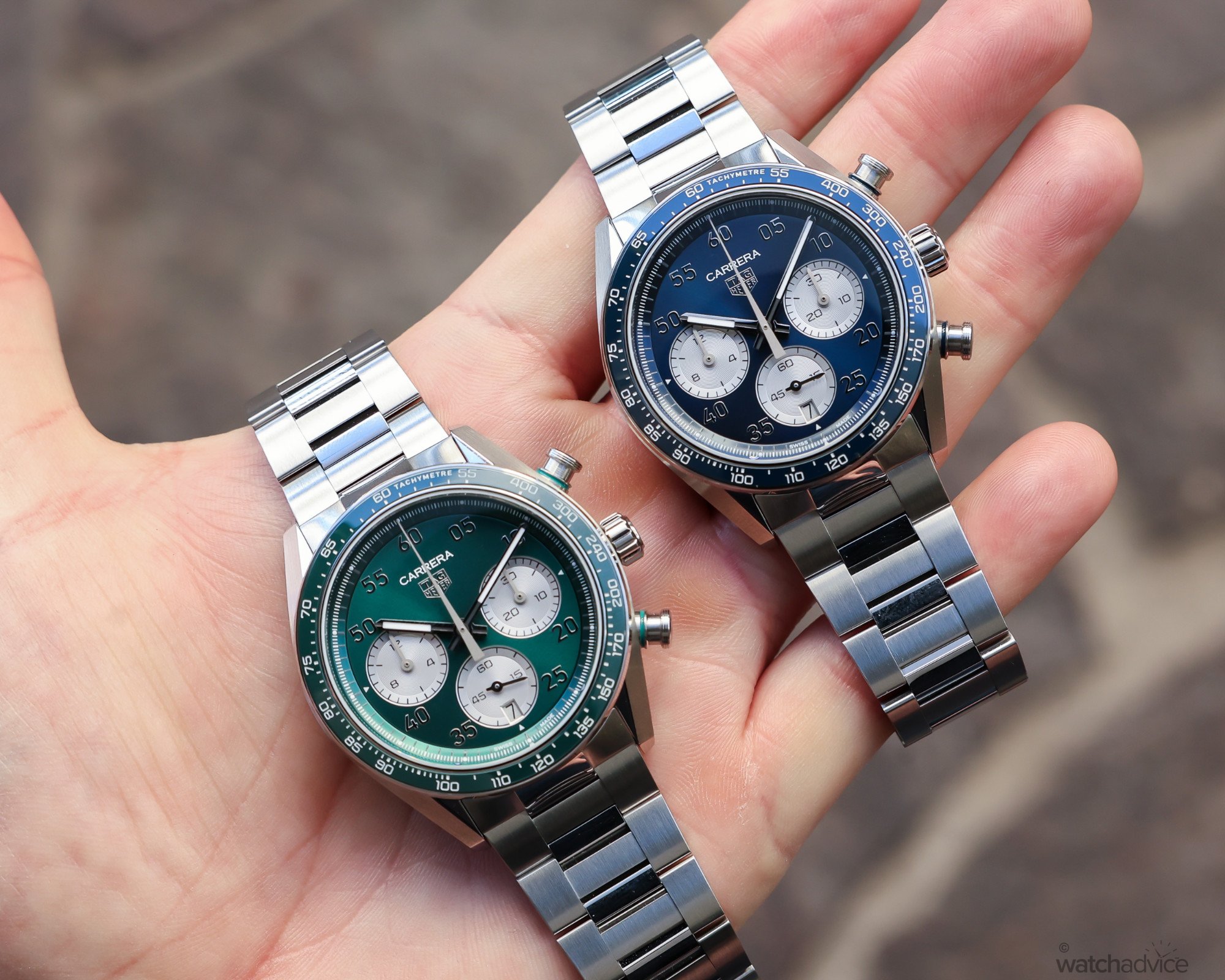
TAG Heuer's story begins in 1860 when Edouard Heuer founded his workshop in Saint-Imier, Switzerland, at the age of just twenty. From those early days, Heuer was obsessed with precision timing - not just for wristwatches but for the emerging field of sports timekeeping. Heuer developed innovations in chronograph technology that would position the brand at the intersection of watchmaking and athletic competition, a position it has never relinquished. The oscillating pinion, patented in 1887, remains one of the most important chronograph innovations in watchmaking history.
The relationship between Heuer and motorsport deepened through the twentieth century, culminating in Jack Heuer's appointment as official timekeeper of Formula 1 in 1971. That year, the brand sponsored both Ferrari and Marlboro McLaren - and put Heuer chronographs on the wrists of Steve McQueen for the film Le Mans, creating one of the most enduring pieces of watch marketing ever produced. The Monaco, a square-cased chronograph worn by McQueen in the film, became a cultural icon that continues to define TAG Heuer's identity fifty years later.
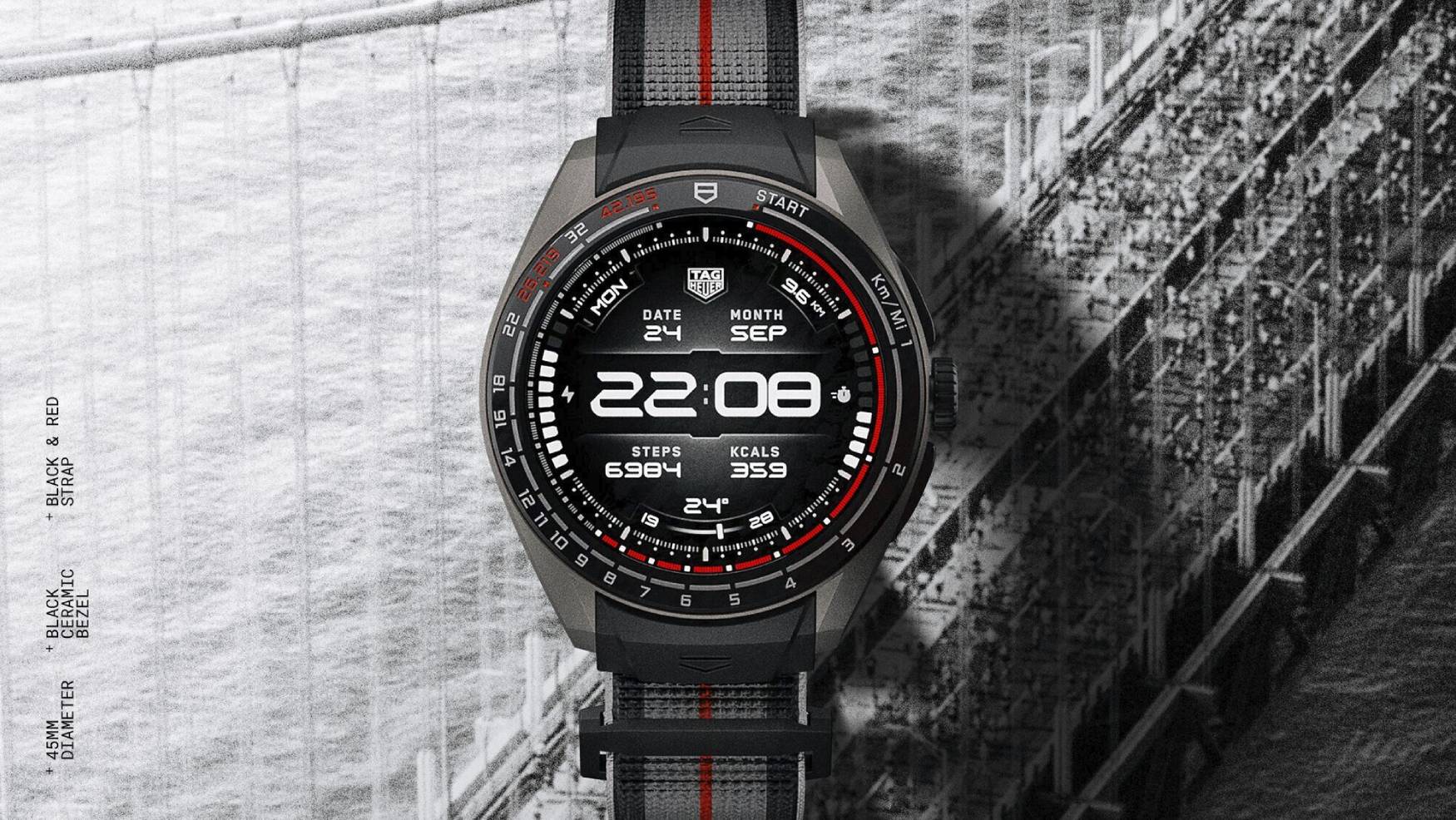
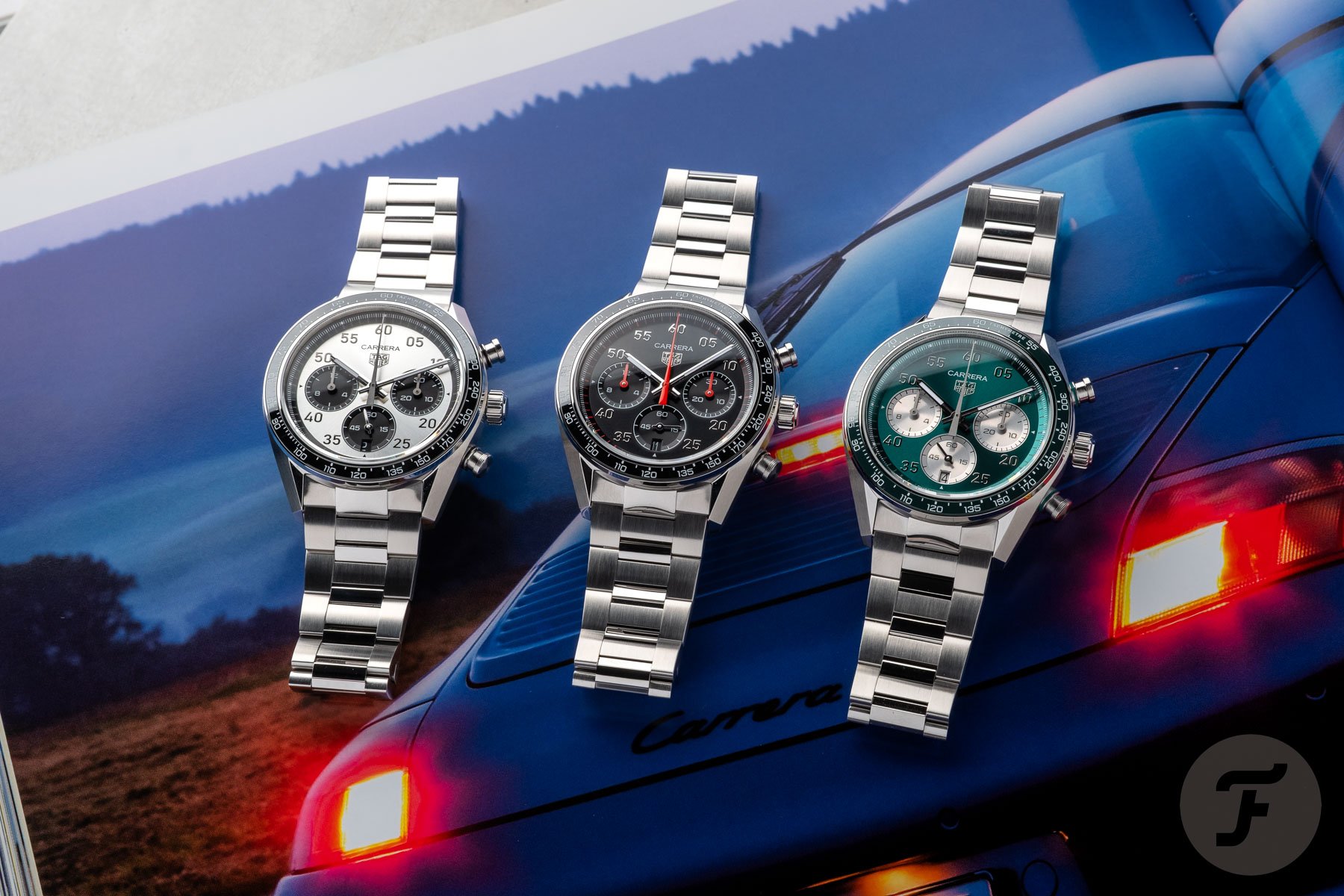
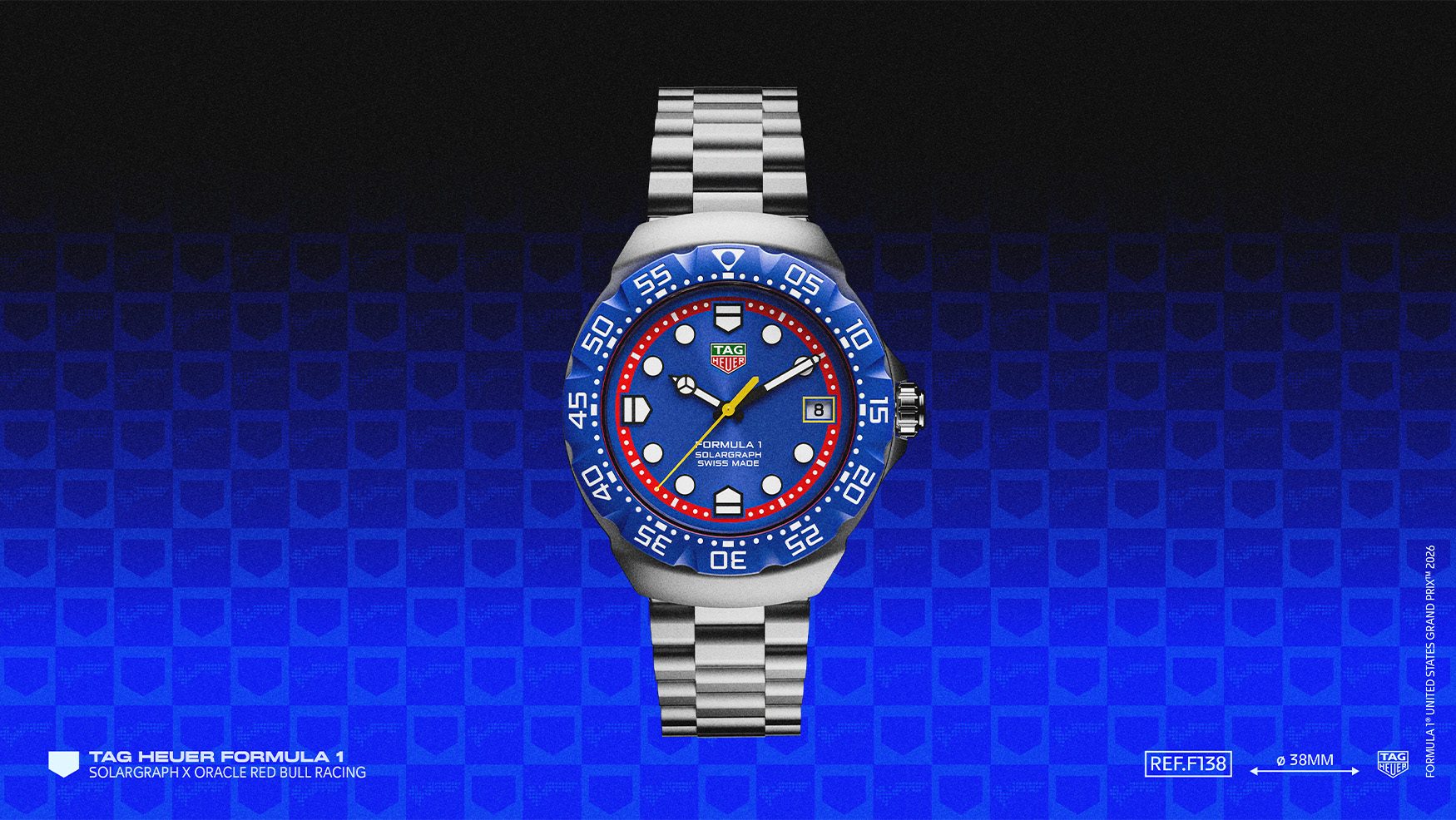
The TAG prefix arrived in 1985 when Techniques d'Avant Garde acquired Heuer, providing investment for a new range of movements and the purchase of racing team Techniques d'Avant Garde. Under LVMH ownership since 1999, TAG Heuer has repositioned as a serious luxury sports brand while maintaining its motorsport DNA. The brand's current portfolio spans from the entry-level Formula 1 collection to the Carrera Heuer-02 Tourbillon, with a successful foray into connected smartwatches that reflects its appetite for technological innovation.