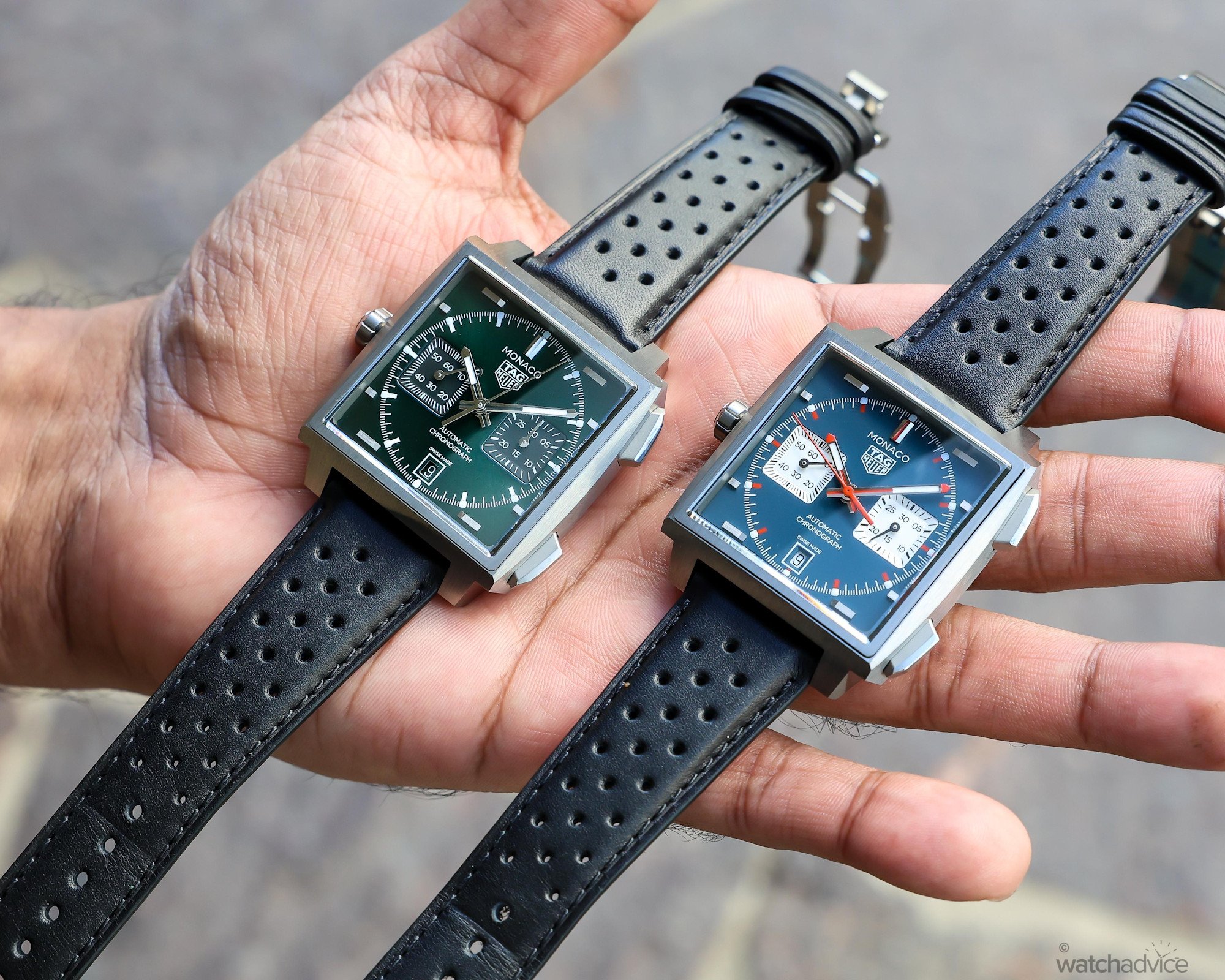
The Monaco was launched at simultaneous press conferences in New York and Geneva on 3 March 1969 - the same day Breitling, Hamilton-Büren, Dubois-Dépraz, and Heuer jointly announced the Calibre 11 "Chronomatic", one of the world's first automatic chronograph movements. Jack Heuer had challenged his engineer team to create a distinctive case to showcase the new movement, and Erwin Piquerez of Piquerez S.A. delivered something without precedent: a water-resistant square case - the first ever produced in series. Racing was booming, square television screens were redefining visual culture, and the Monaco landed at the perfect cultural moment. Heuer named it after the Monaco Grand Prix, the most prestigious and photographed race on the F1 calendar.
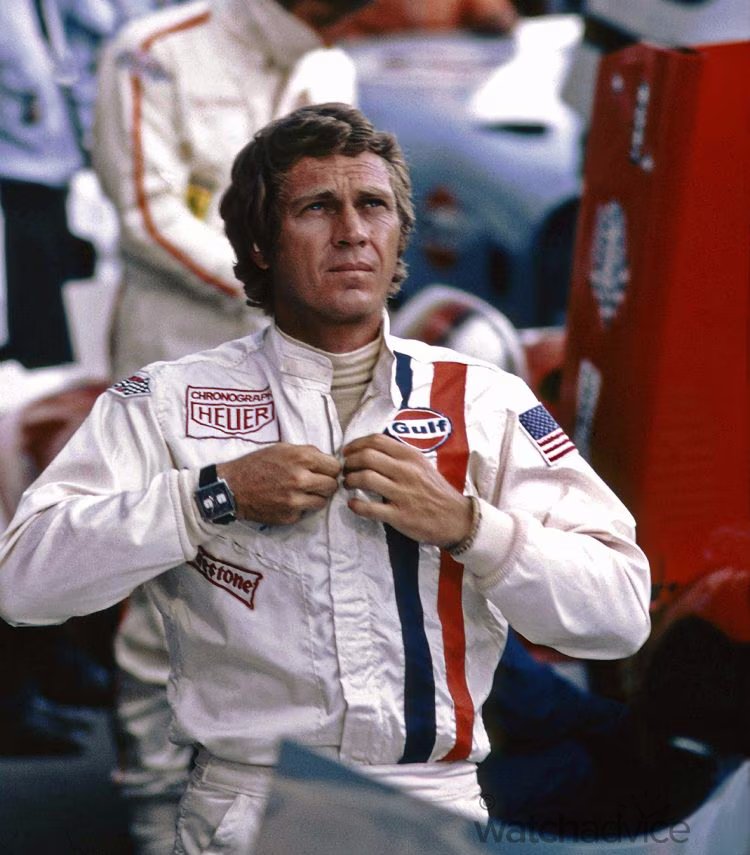
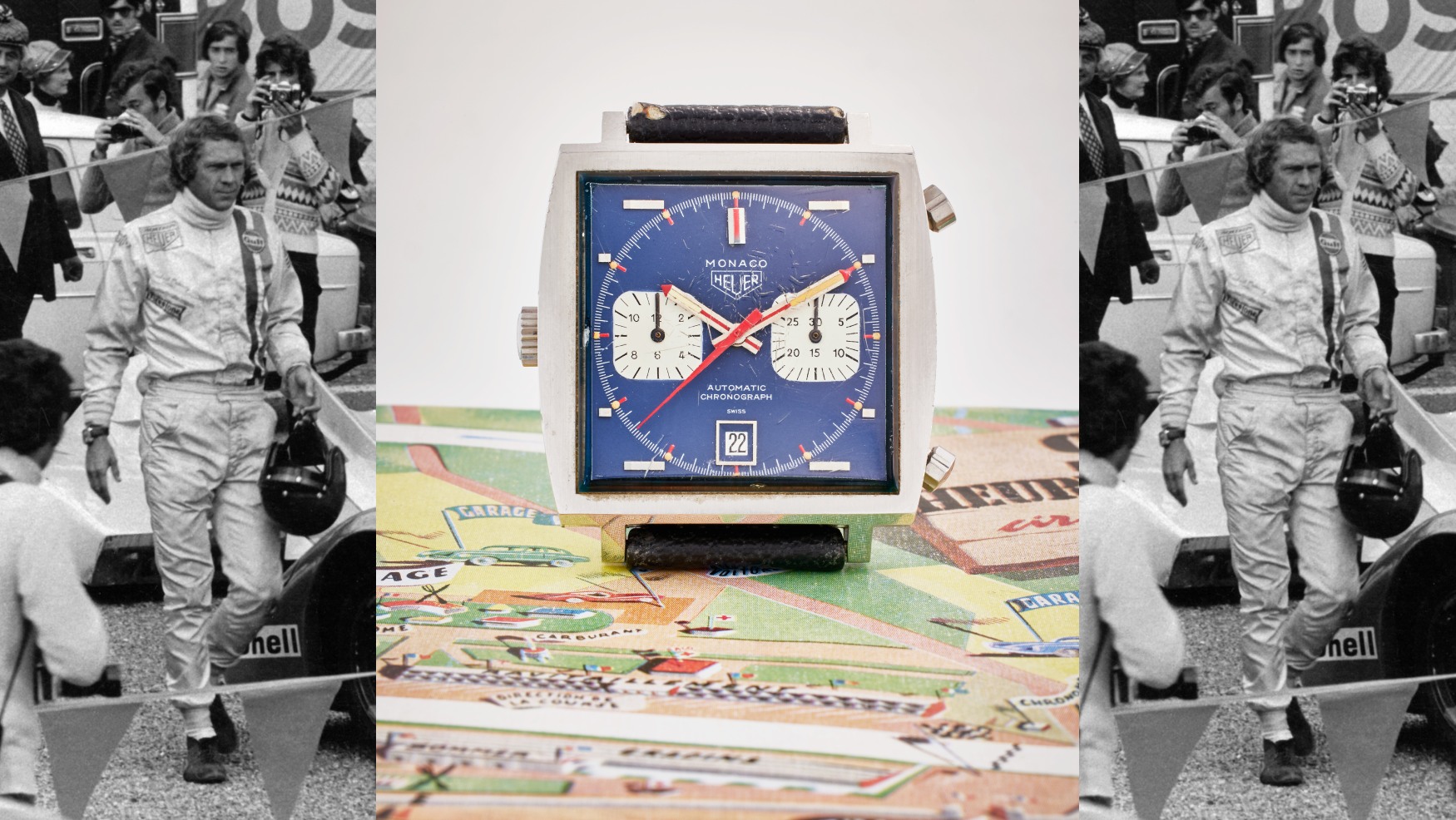
The defining moment came two years later. Actor Steve McQueen, in preparation for his 1971 racing film Le Mans, consulted with professional driver Jo Siffert on costume details. Siffert was a Heuer ambassador and wore the Monaco, and McQueen adopted it for his character Michael Delaney - complete with Heuer logos on his racing suit. The film was a box-office failure but became one of the most influential motorsport films ever made, and the on-screen Monaco Reference 1133B - with its metallic blue dial, red accents, and crown on the left-hand side of the case - became inseparable from McQueen's image. Over the next 40 years, Christie's and other auction houses would sell McQueen-attributed Monacos for millions.
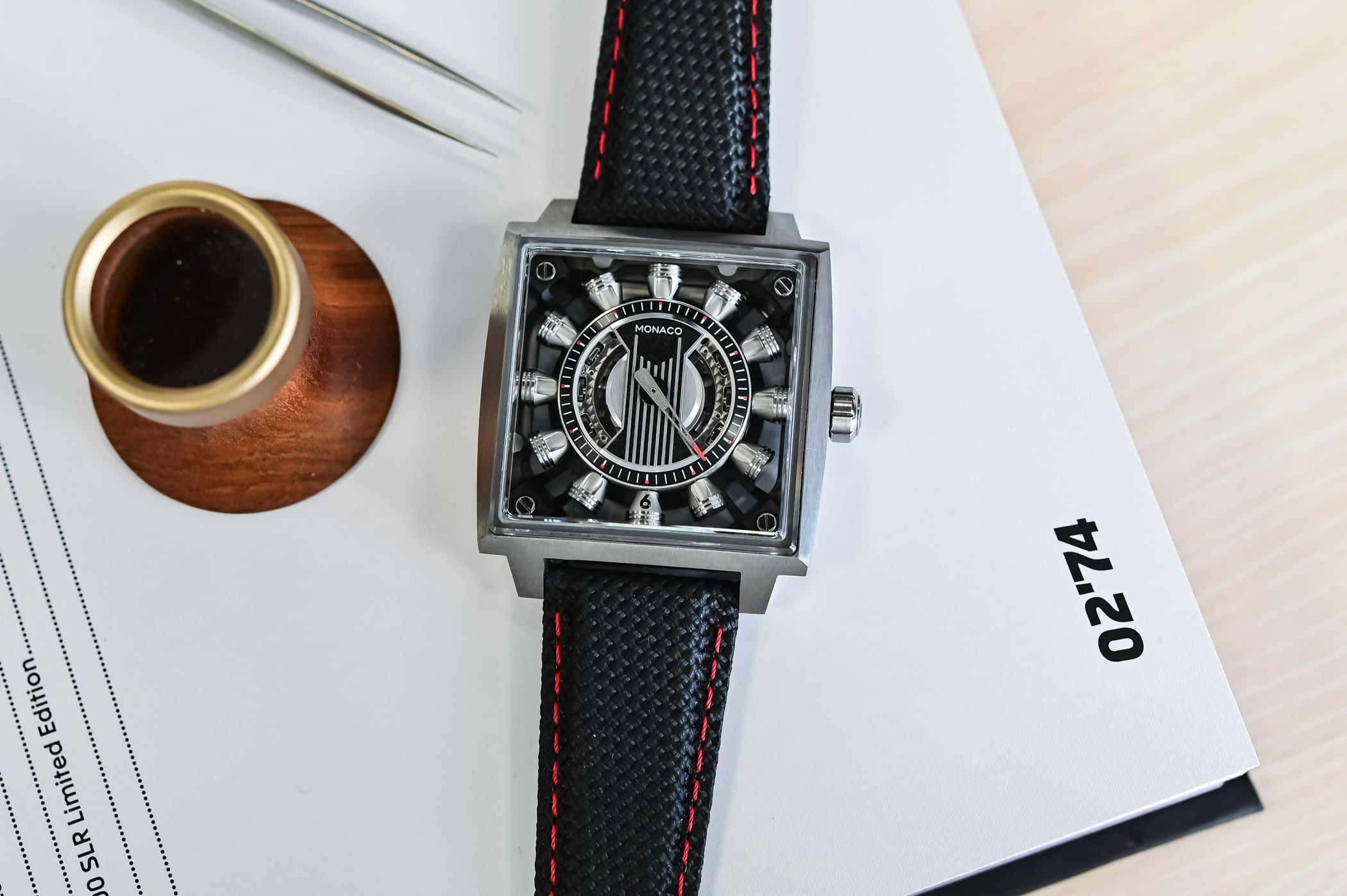
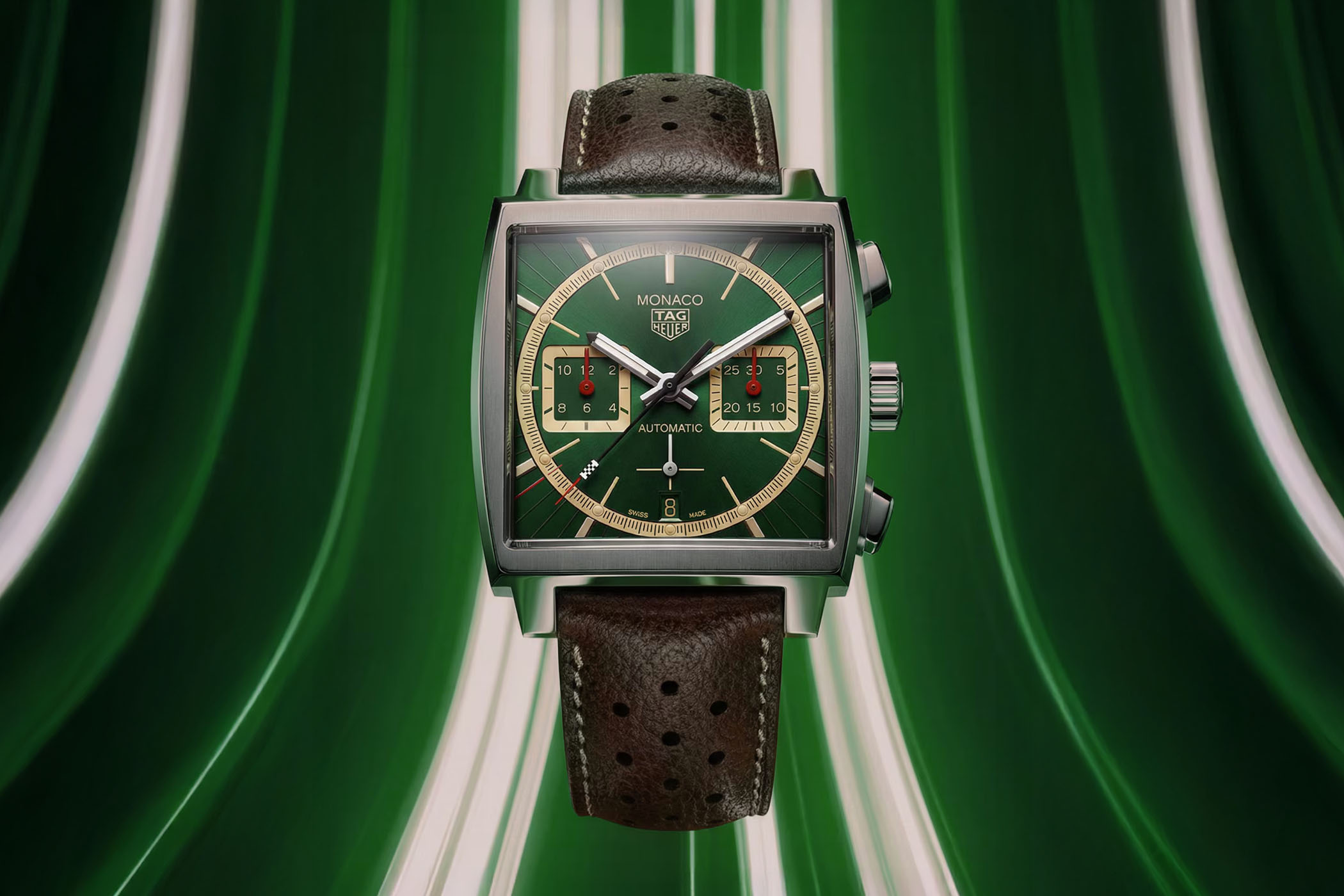
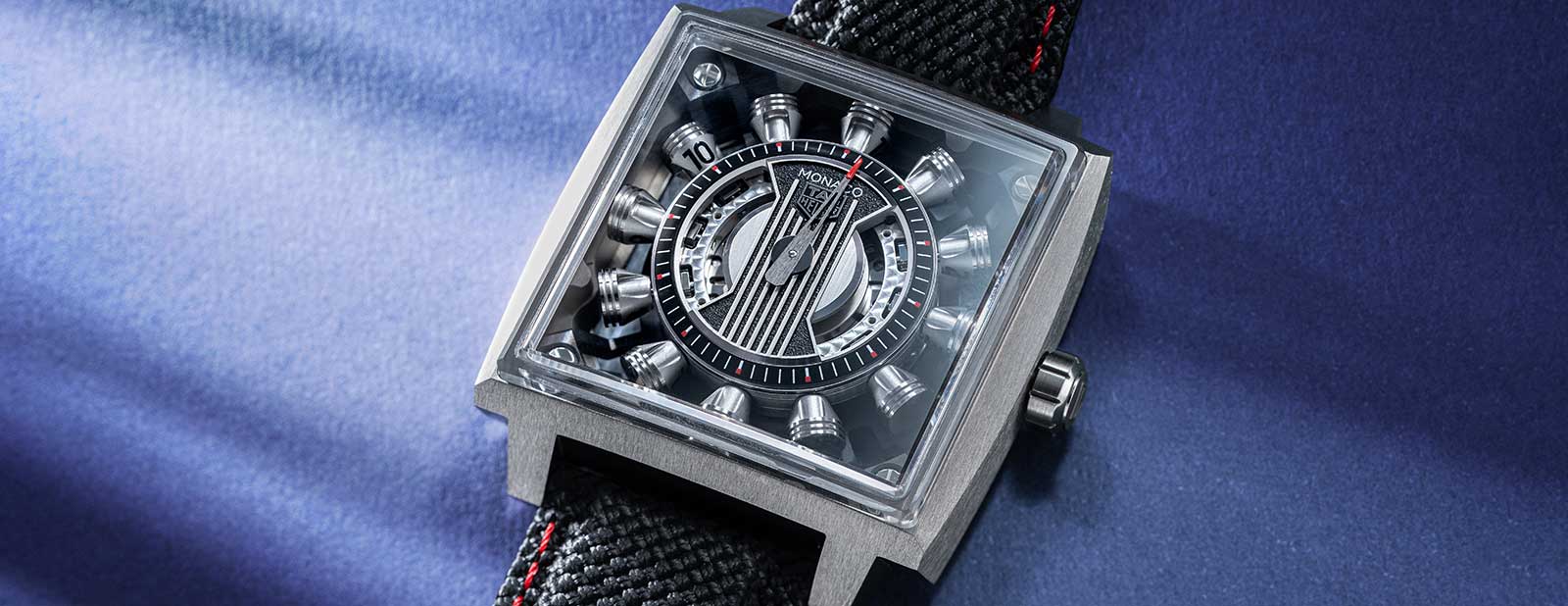
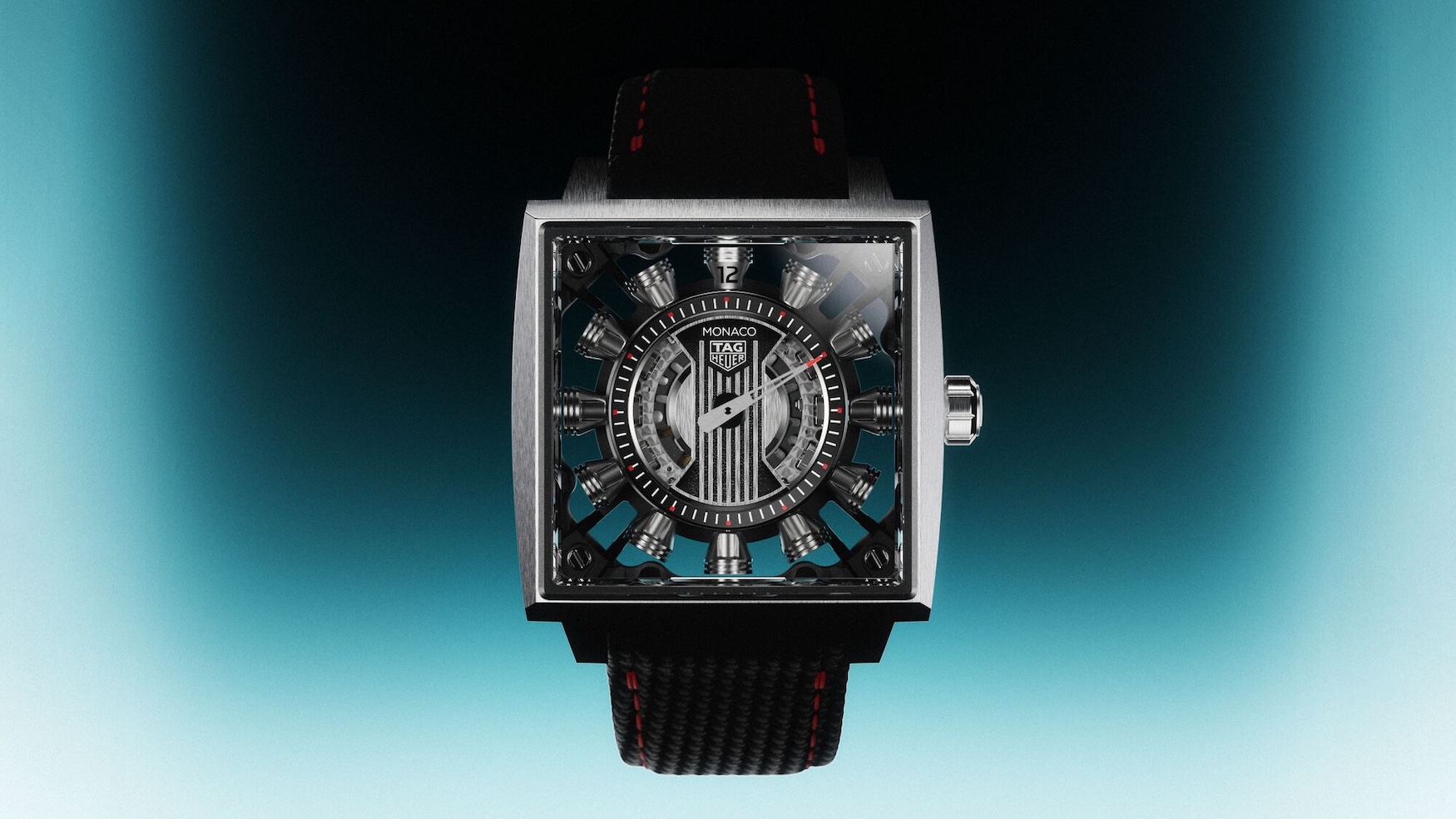
Heuer discontinued the Monaco during the quartz crisis but relaunched it under TAG Heuer ownership in 1998 as the Monaco "CS2110" - Valjoux 7750-based, 38mm case, recognisable McQueen-blue dial. Variants followed rapidly: the Monaco V4 (2009, belt-driven linear-weight movement), Monaco Calibre 12 (30th anniversary reissues), Monaco Twenty Four (concept piece with integrated chronograph), and numerous Steve McQueen anniversary editions. The current Calibre Heuer 02-powered Monaco (2021) brought the in-house automatic column-wheel chronograph into the square case.
The Monaco's cultural endurance is without parallel for a single watch design. It has appeared in dozens of major films and television productions, been worn by drivers from Lewis Hamilton to Max Verstappen, and featured as part of the F1 official timekeeping partnership. In 2024 TAG Heuer released the Monaco Split-Seconds Chronograph (Cal. TH81-00, 41mm, skeletonised dial) and the Monaco Chronograph "Gulf" livery edition. Retail: ~$7,300 (Cal. Heuer 02 blue dial, steel) to ~$150,000+ (Split-Seconds in carbon). Still one-of-one among square watches in terms of cultural weight.




Comments
No comments yet, be the first to weigh in.