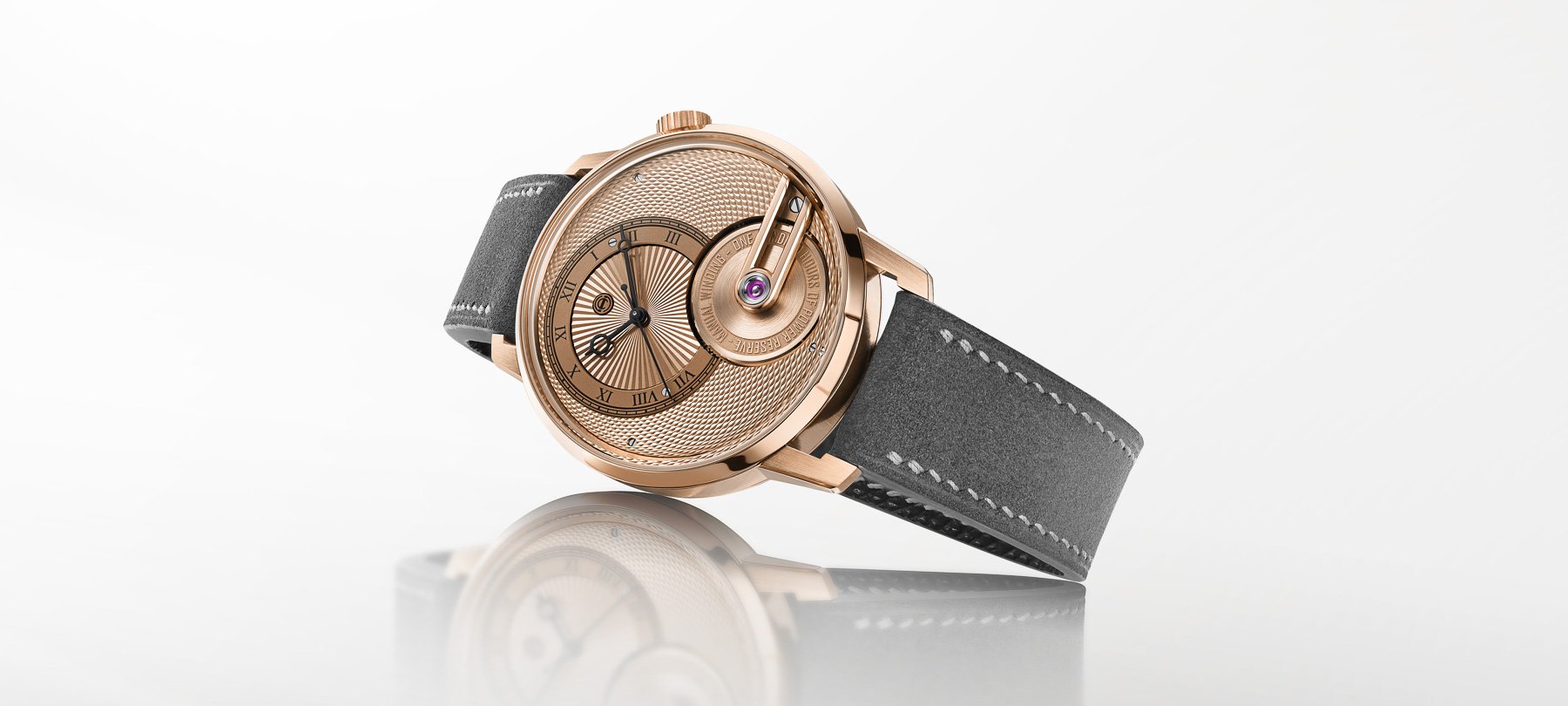
The name Armin Strom belongs first to a master watchmaker born in 1938, whose workshop in Biel, Switzerland became quietly legendary among collectors and institutions seeking the highest-level movement restoration. Strom specialised in complex historical pieces, working on antique repeaters, tourbillons, and museum-grade pocket watches with a level of craft rarely encountered outside the great ateliers of Geneva. He died in 1998, but his name had become synonymous in the Biel region with the most demanding kind of watchmaking expertise.
In 2008, Claude Greisler and Serge Michel acquired the Armin Strom trademark and established a new independent watch brand in Biel, deliberately invoking the legacy of the original craftsman. They engaged master watchmaker Andreas Strehler for movement development, and from the very first pieces the brand signalled its intent: fully in-house manufactured movements, architectural skeletonisation that exposed every component to scrutiny, and a commitment to technical substance over commercial compromise. Early skeleton pieces attracted serious attention from collectors who had grown tired of industrial luxury.
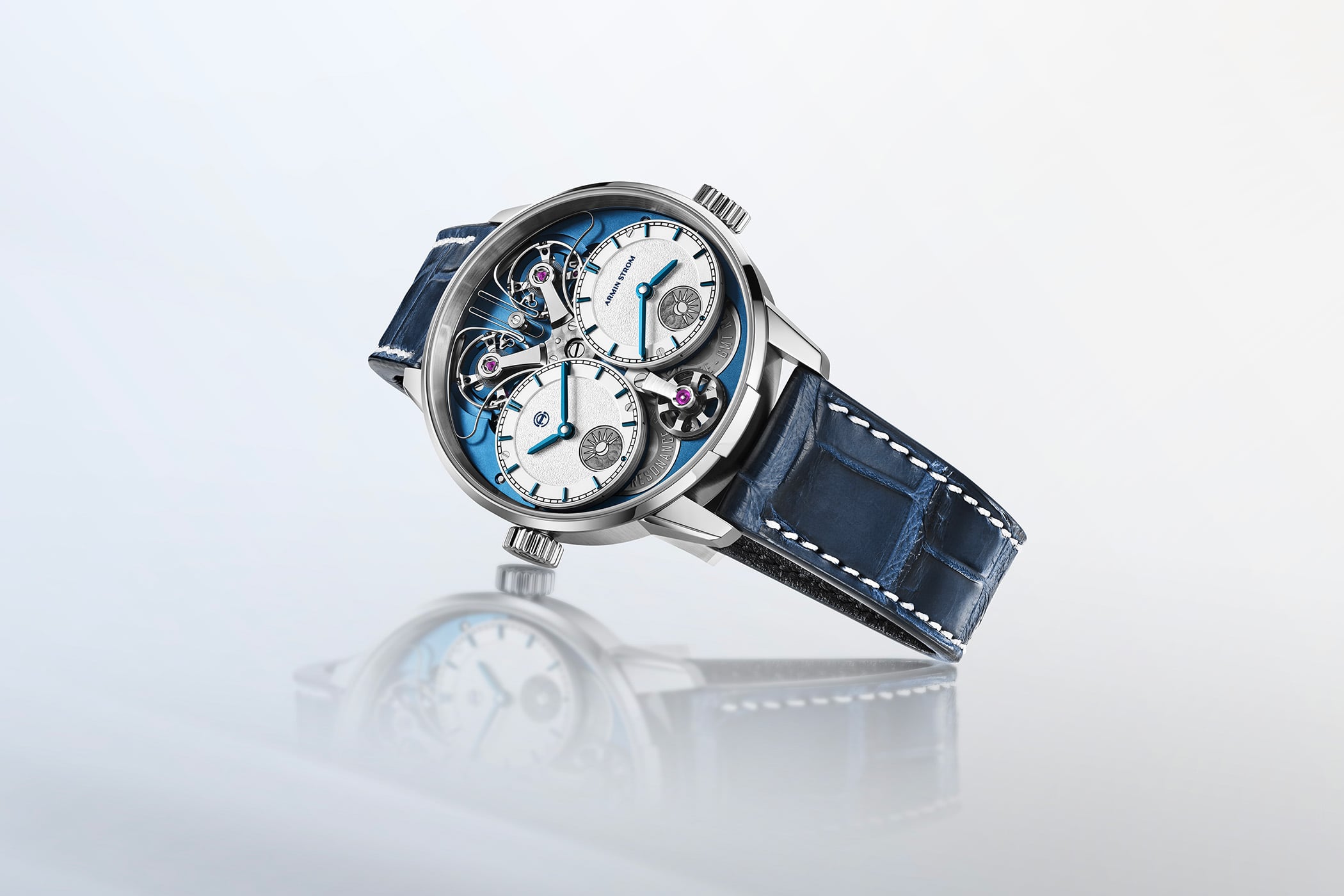
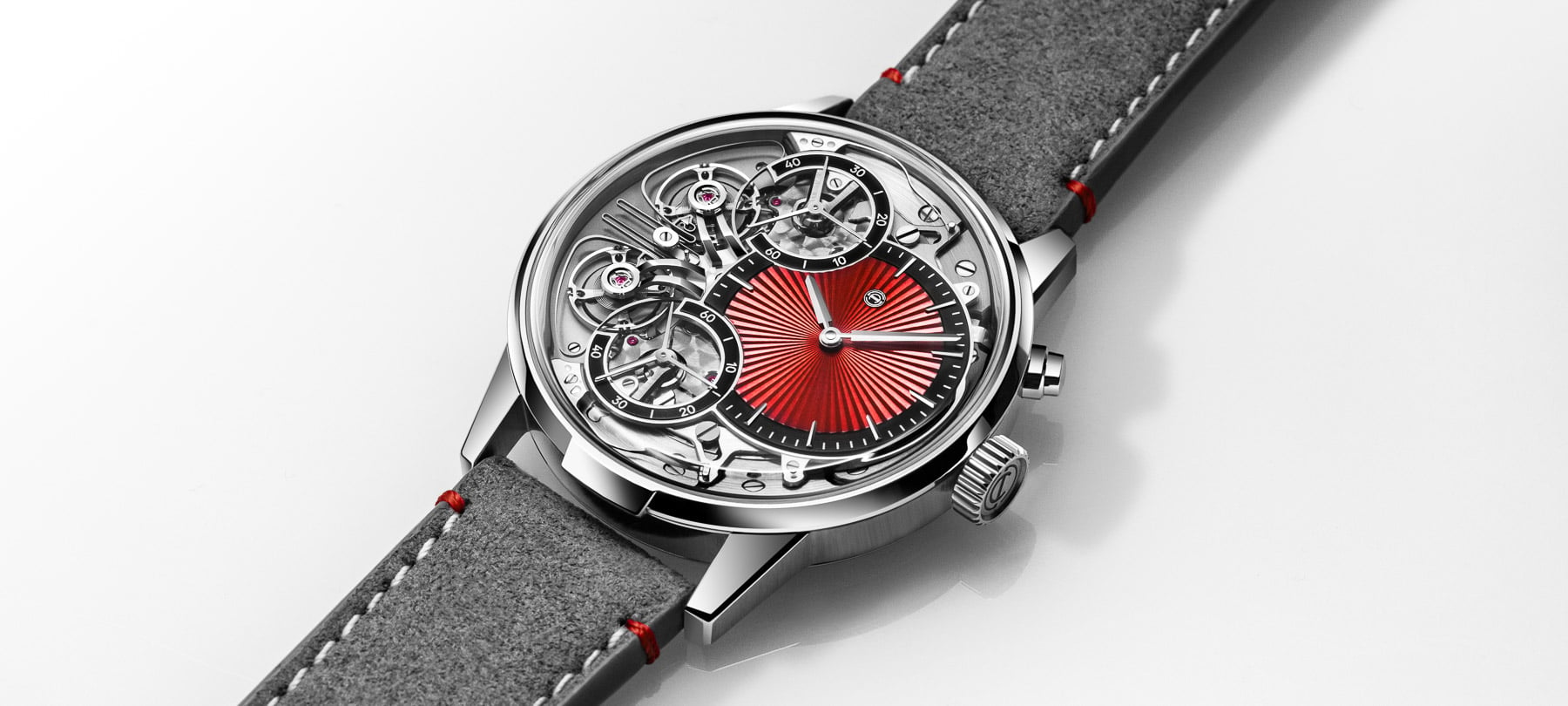
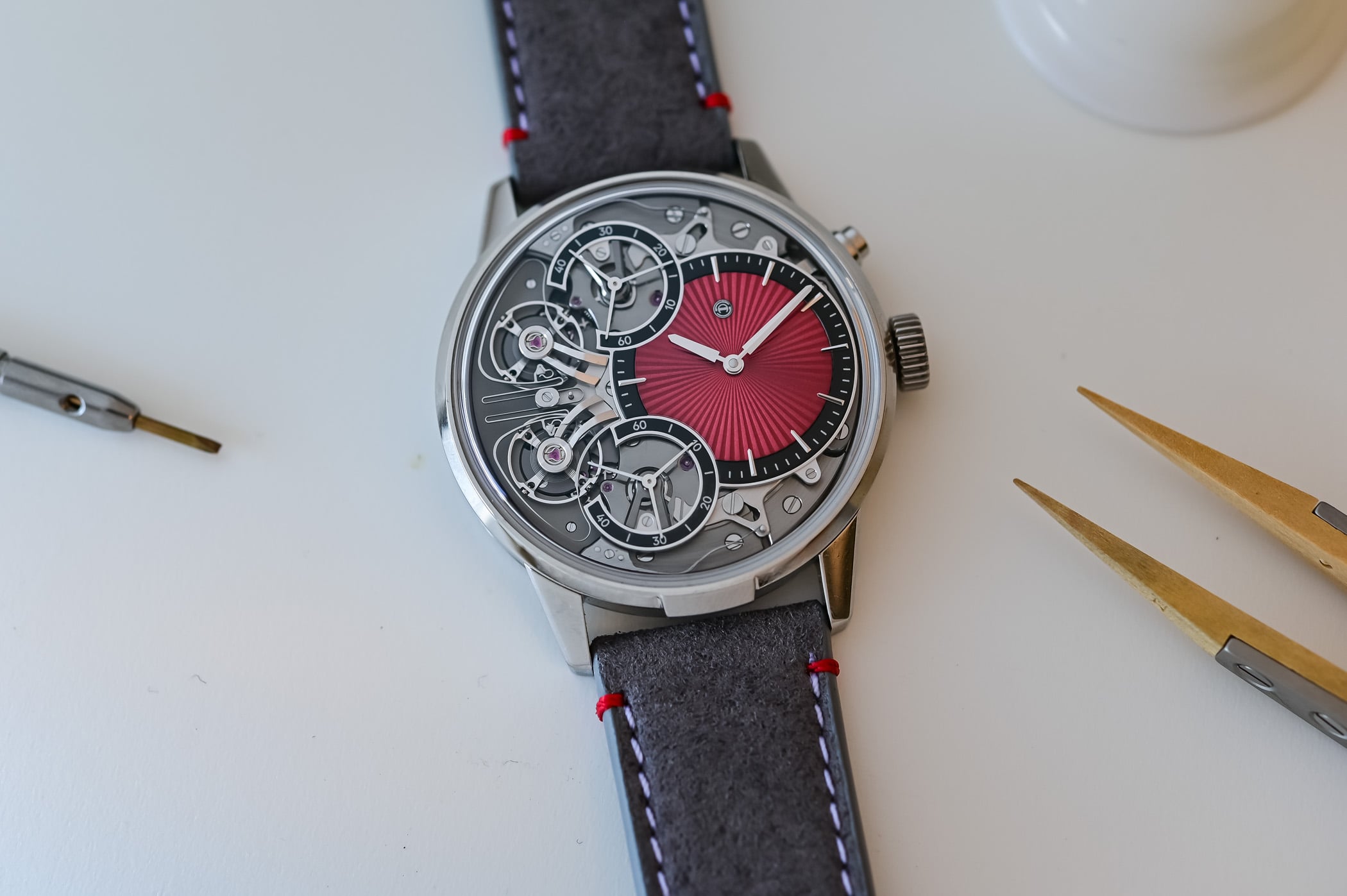
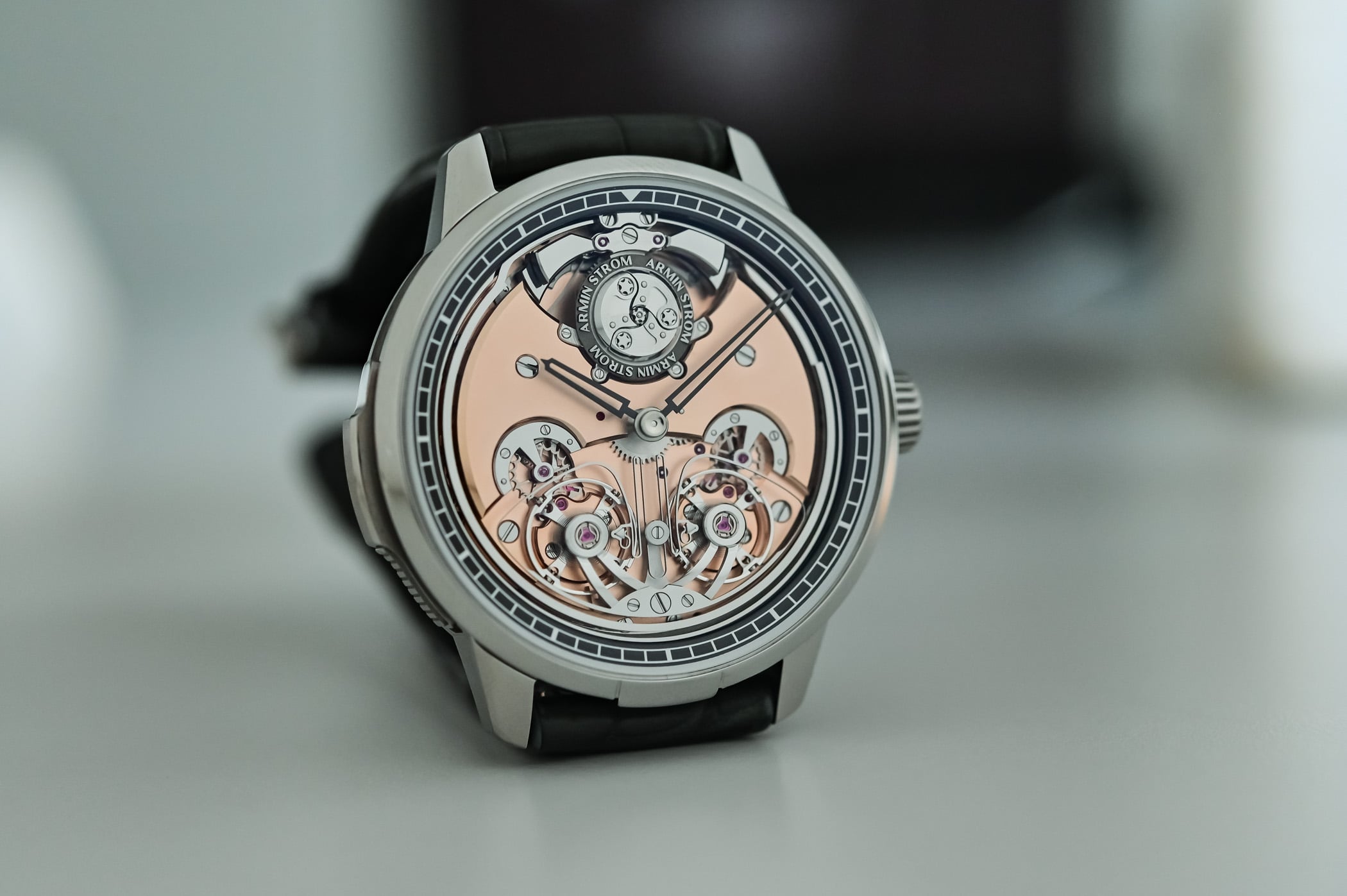
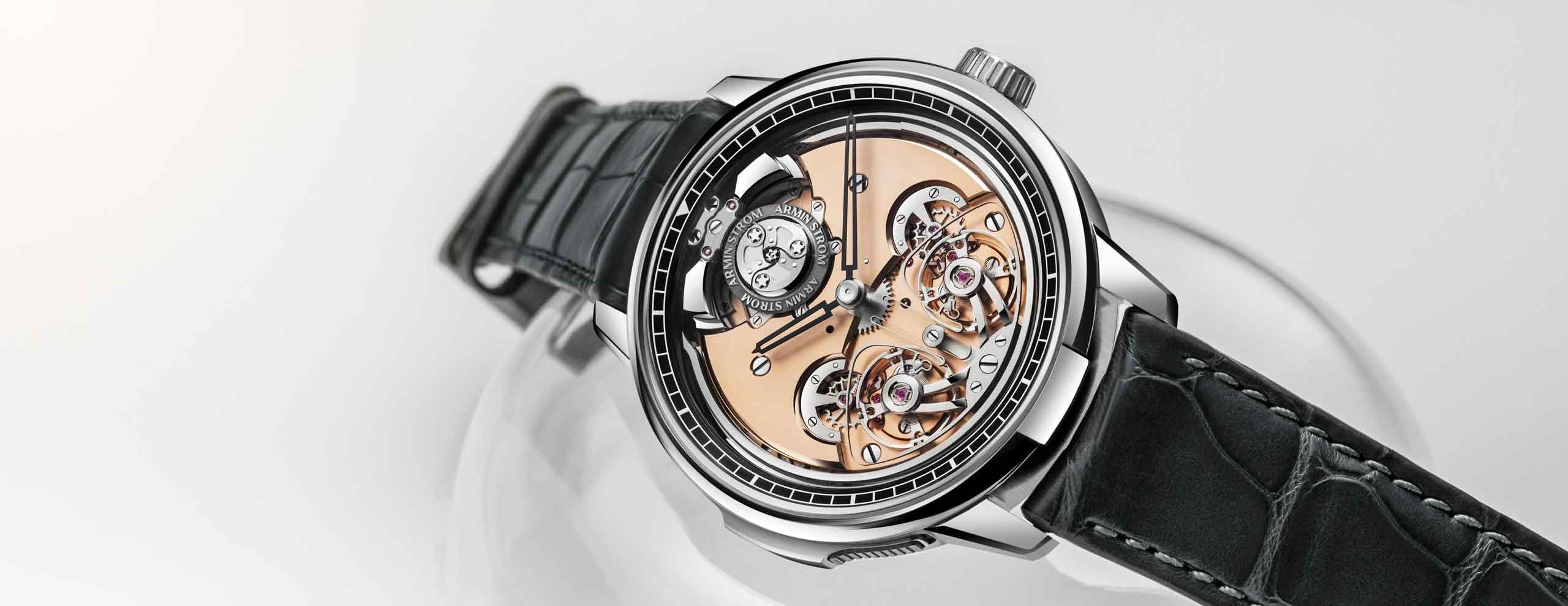
The brand's defining technical achievement arrived in 2016 with the Mirrored Force Resonance. For centuries watchmakers had known that two pendulums or balance wheels placed in close proximity will naturally synchronise their oscillations through a shared structure, a phenomenon first observed by Christiaan Huygens in 1665. No one had successfully applied this to a wristwatch in a commercially produced form. Armin Strom's solution places two fully independent movement halves within a single case, coupled by a specially designed resonance clutch spring that allows the balances to communicate and lock into sympathy. The result is a self-regulating system that is more resistant to the disruptions of daily wear than any single-balance alternative.



Comments
No comments yet, be the first to weigh in.