Sotirio Bulgari was born in Paramythia, Greece, in 1857, and arrived in Rome in the 1880s after periods in Corfu and Naples. He opened a small silver shop on Via Sistina in 1884, offering jewellery that reflected his Greek heritage while absorbing the classical Roman aesthetic of his new home. The shop relocated to Via Condotti in 1905, the most prestigious street in Rome and an address the house still occupies. Sotirio's two sons Giorgio and Costantino expanded the business through the early 20th century, developing a Bulgari style that drew from Roman antiquity, Byzantine mosaics, and the Mediterranean palette rather than following the prevailing French fashion for Art Deco.
Bulgari's entry into watchmaking was gradual and deliberate. The house had incorporated watches into jewellery pieces throughout the mid-20th century, but it was in the 1970s that dedicated watch collections emerged with a fully formed identity. The Bulgari Bulgari watch, introduced in 1975 with the brand name engraved twice around the bezel in the style of ancient Roman coins, was an immediate statement of Italian confidence in a Swiss-dominated industry. The double-logo became one of the most recognisable design signatures in watchmaking, simultaneously elegant and assertive in a way that no Swiss house could have conceived.
The house's approach to watchmaking became more technically ambitious in the late 1990s and 2000s, as CEO Francesco Trapani invested in Swiss manufacture capabilities. The acquisition of Gerald Genta and Daniel Roth in 2000 brought exceptional complication expertise in-house. The Octo Roma, launched in 2012 after LVMH acquired the house the previous year, established Bulgari as a serious force in the sports watch segment with an octagonal bezel referencing both ancient Roman architecture and Gerald Genta's design language.
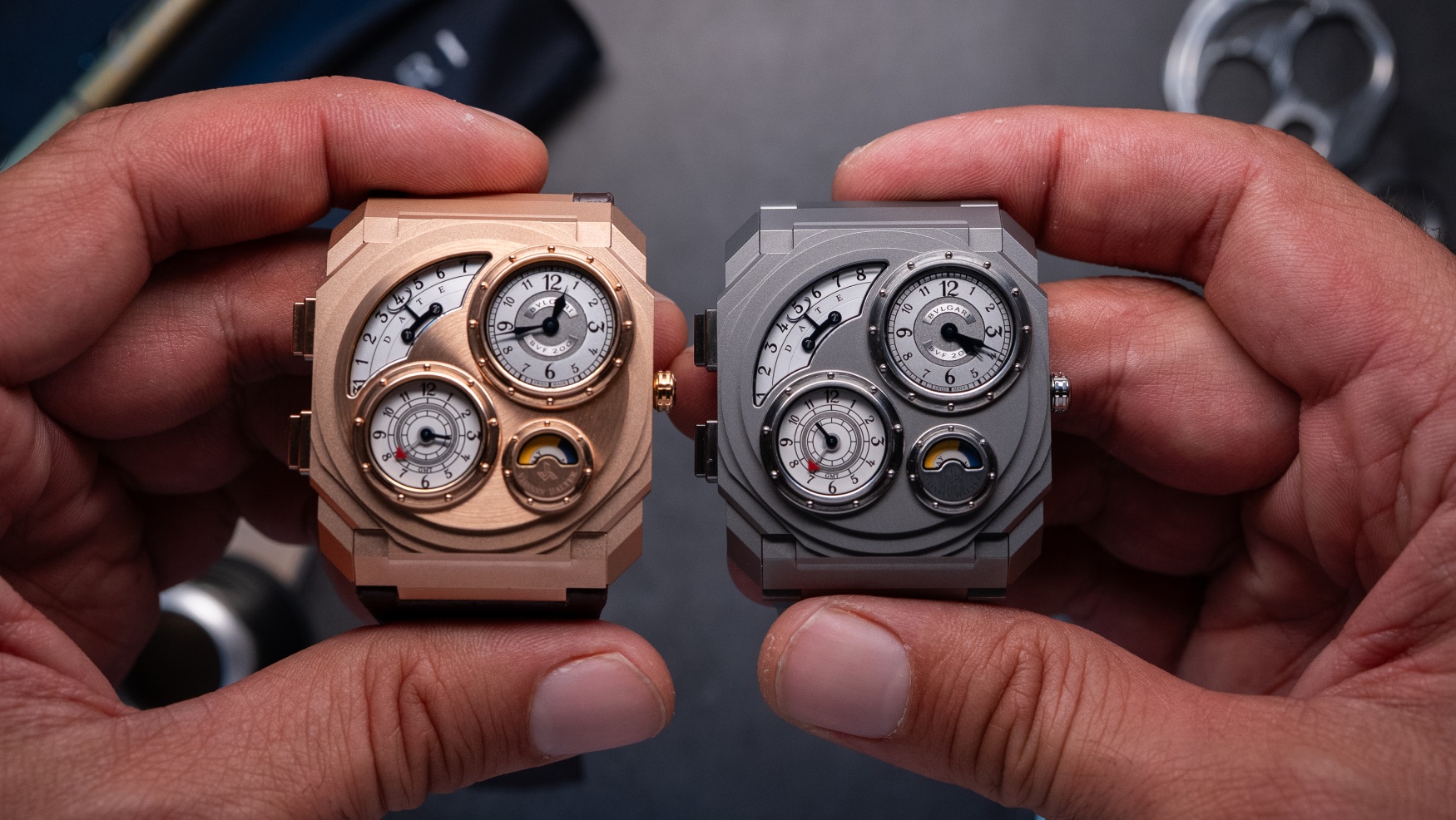
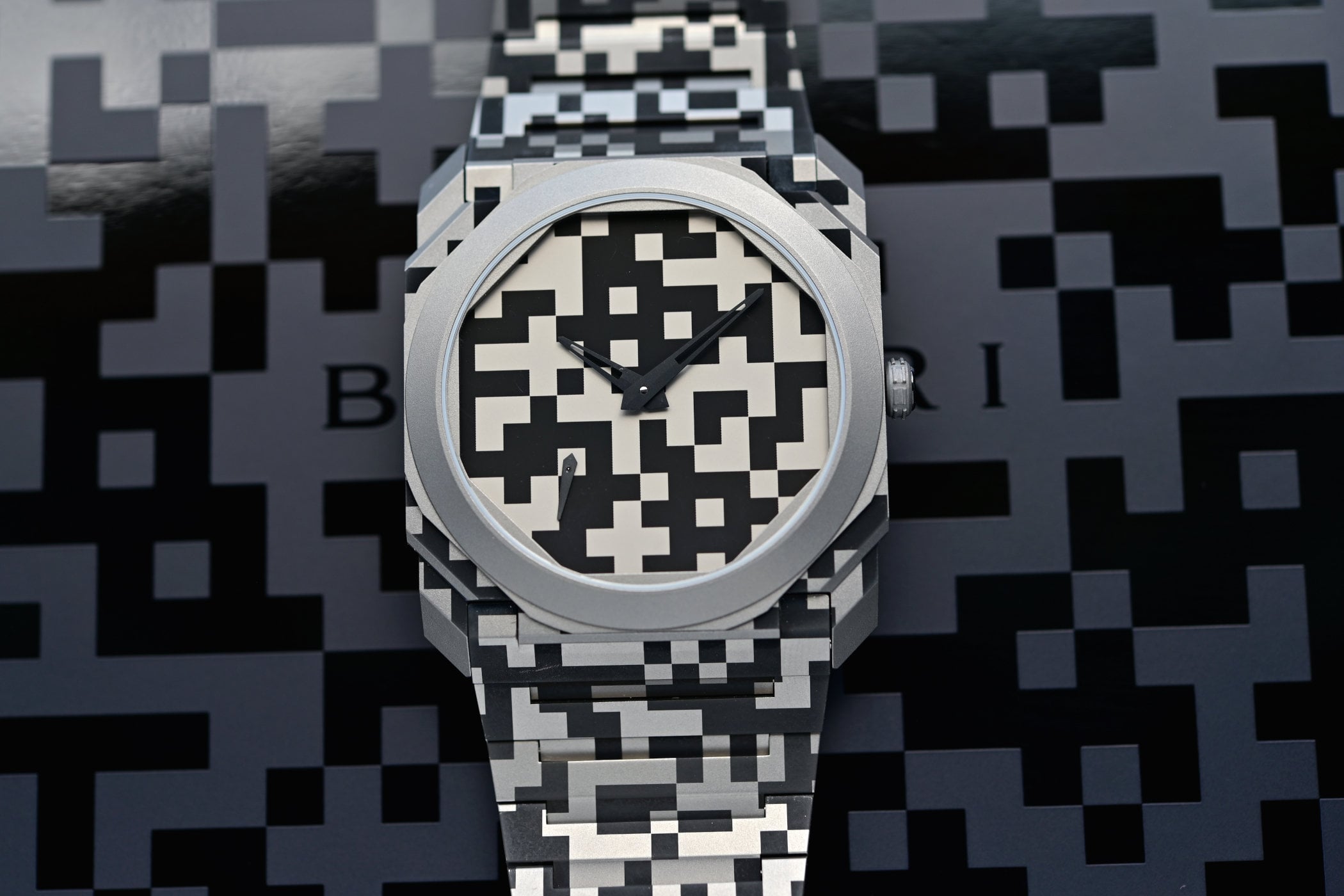
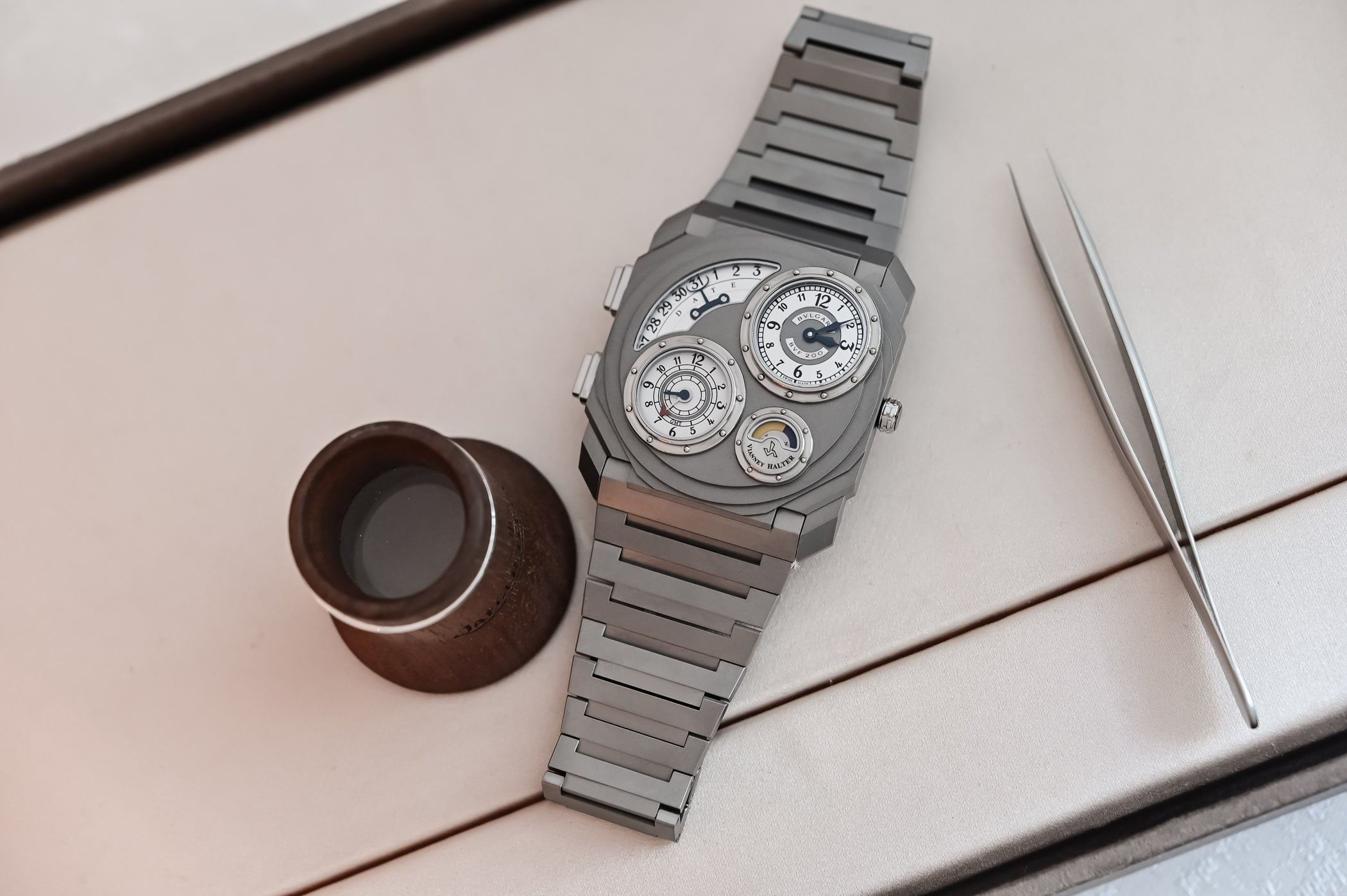
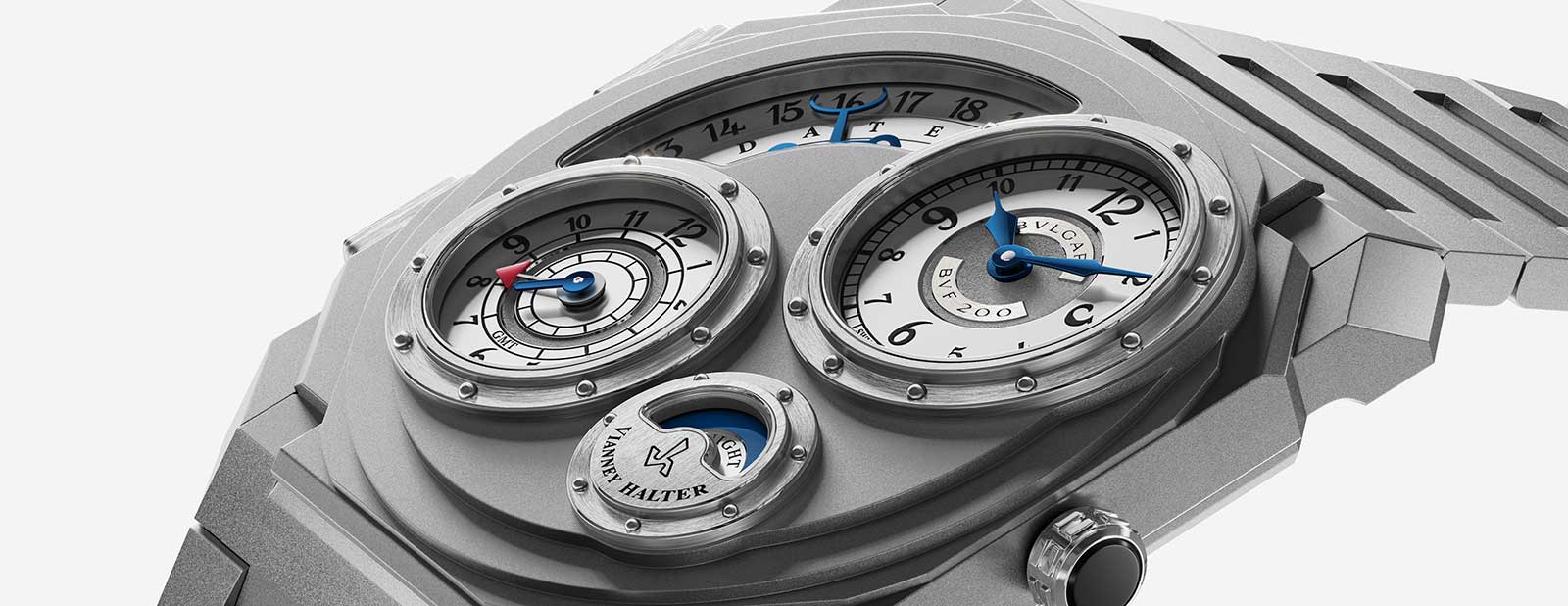
Bulgari's record-breaking pursuit of ultra-thin movements has become one of the most distinctive technical narratives in contemporary watchmaking. The manufacture in Le Sentier has successively broken the world record for thinnest automatic movement, thinnest tourbillon, and thinnest minute repeater, each achievement culminating in the Octo Finissimo series beginning in 2014. The movement in some configurations measures as little as 0.95mm and complete watches thinner than a euro coin, demonstrating that engineering ambition and Italian design elegance are not mutually exclusive.