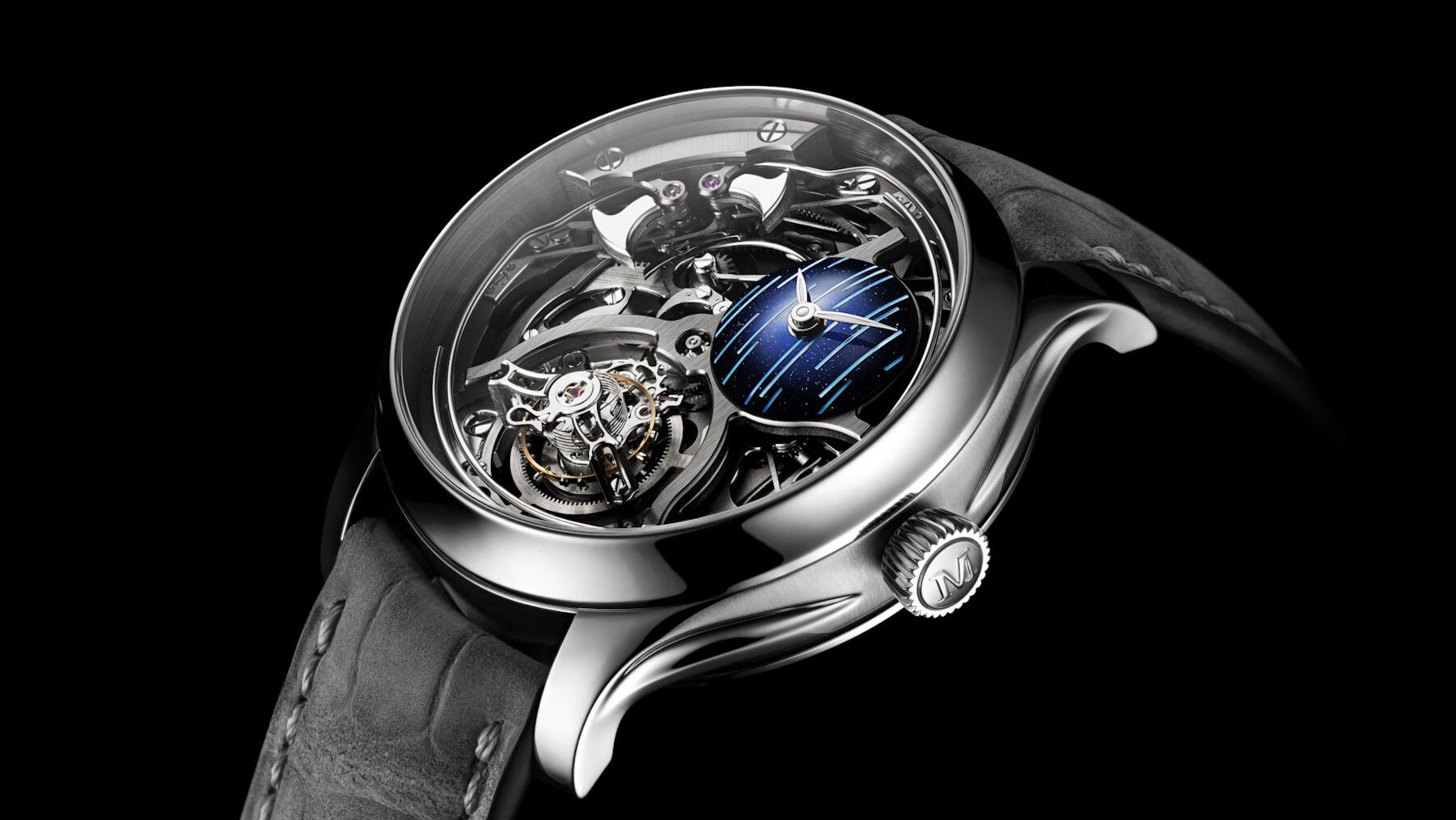
Heinrich Moser (1805-1874) founded H. Moser & Cie in 1828, establishing a workshop in Schaffhausen (Switzerland) and selling Swiss-made timepieces into the Russian imperial market throughout the 19th century. After the Russian Revolution Moser's Swiss operations entered a century of quiet decline. In 2005 the brand was revived by Dr. Jürgen Lang (a former Patek Philippe board member) in partnership with Heinrich Moser's great-great-grandchildren. The relaunch reference was the Endeavour, and it established the visual identity of modern H. Moser at the first glance.
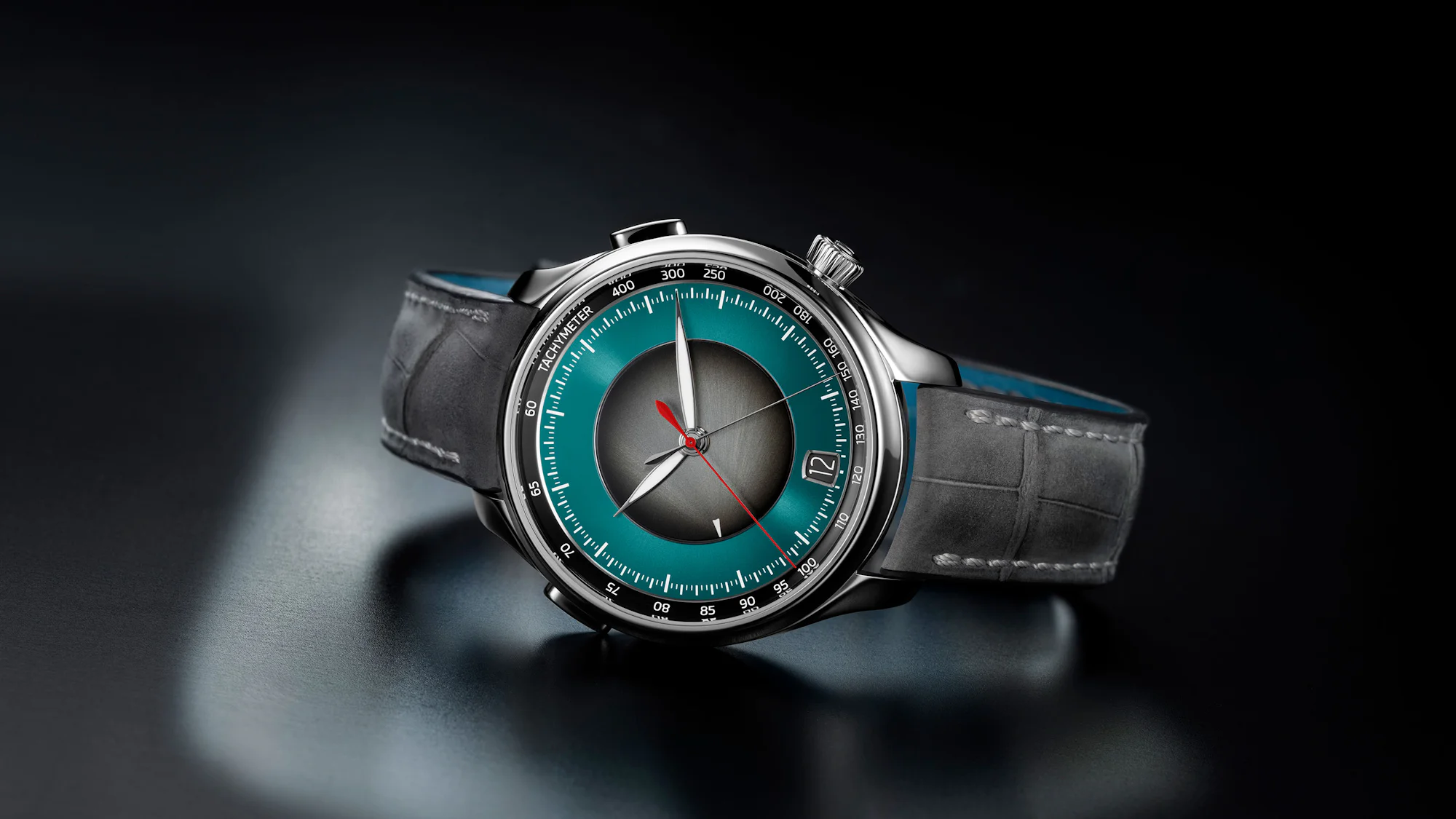
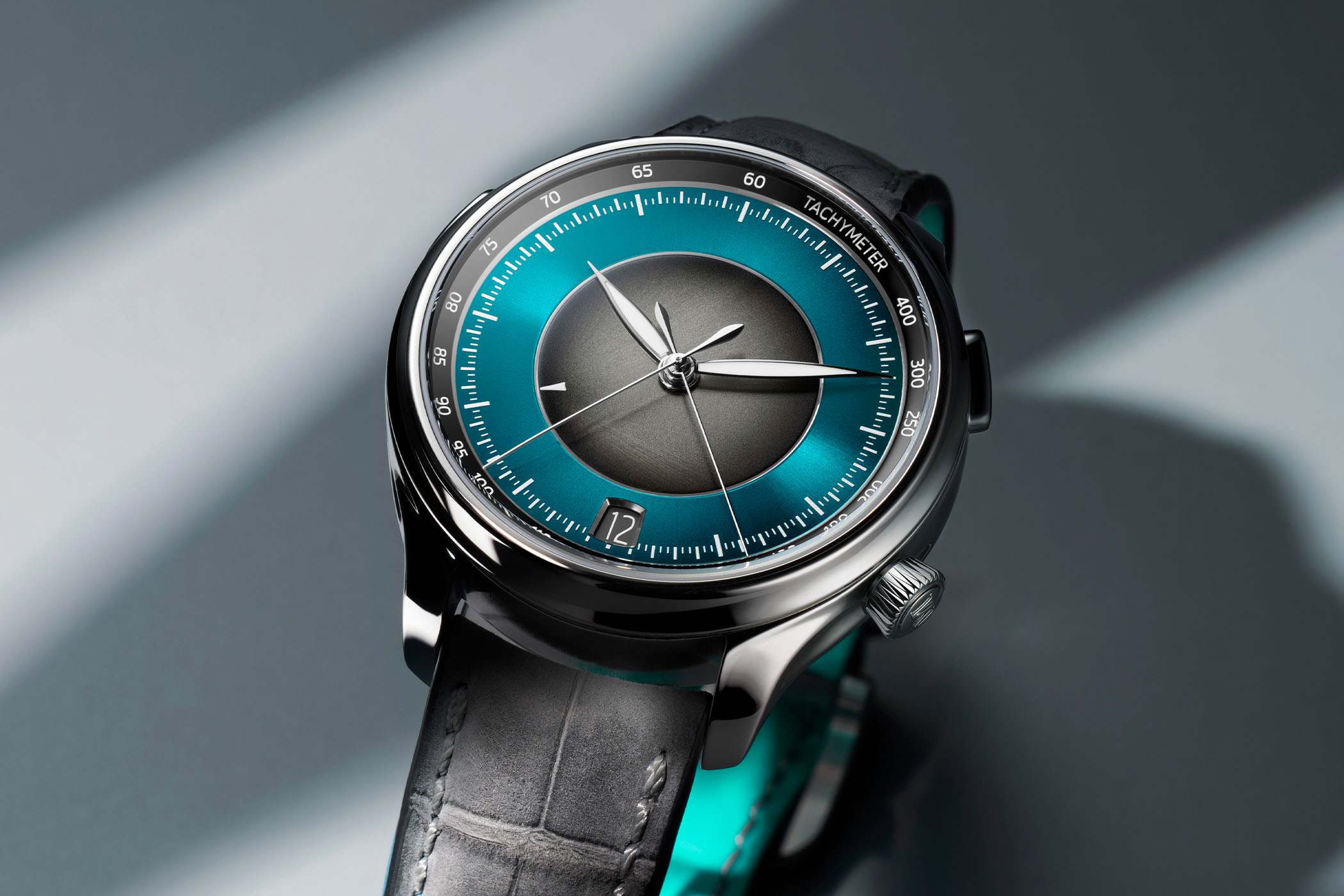
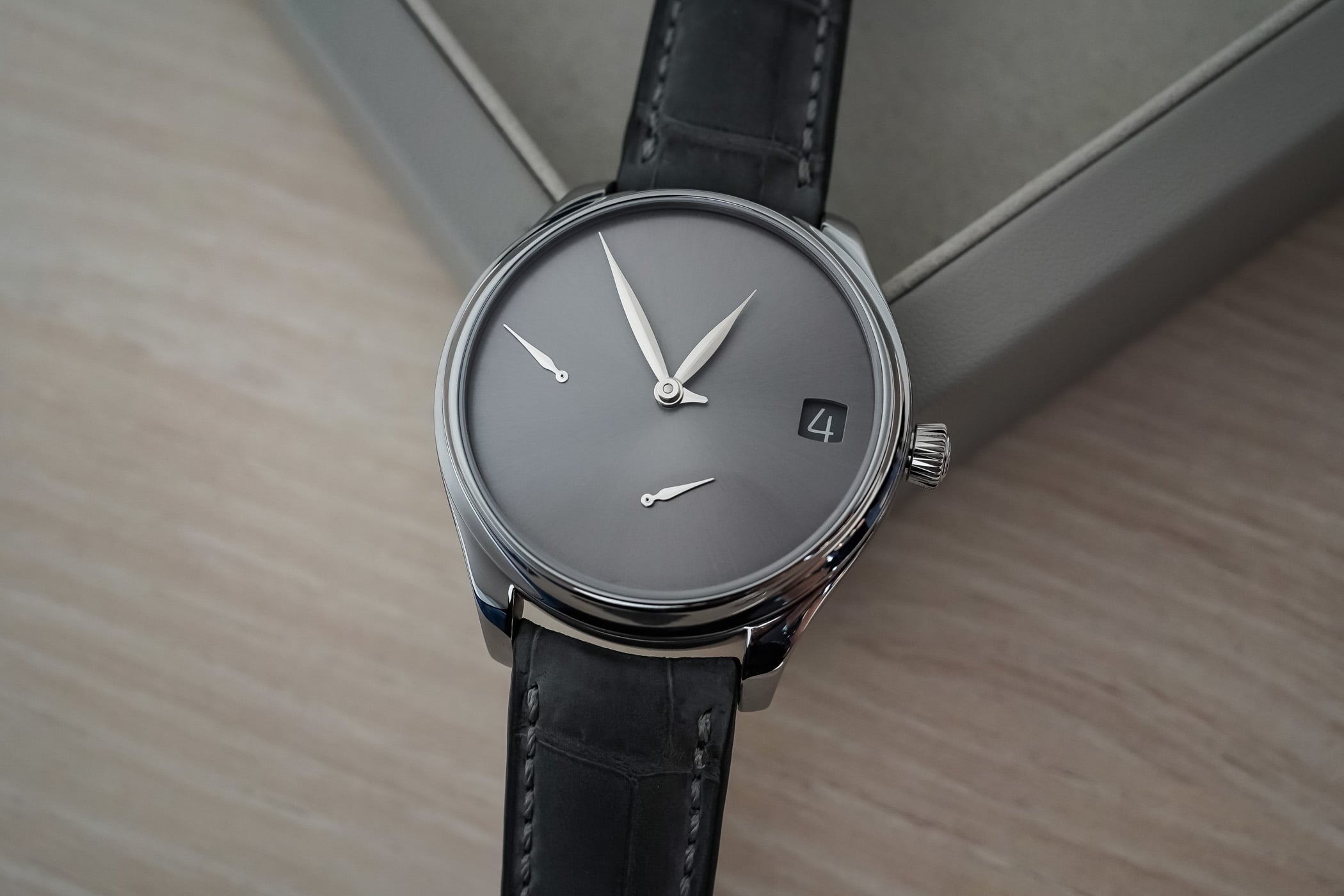
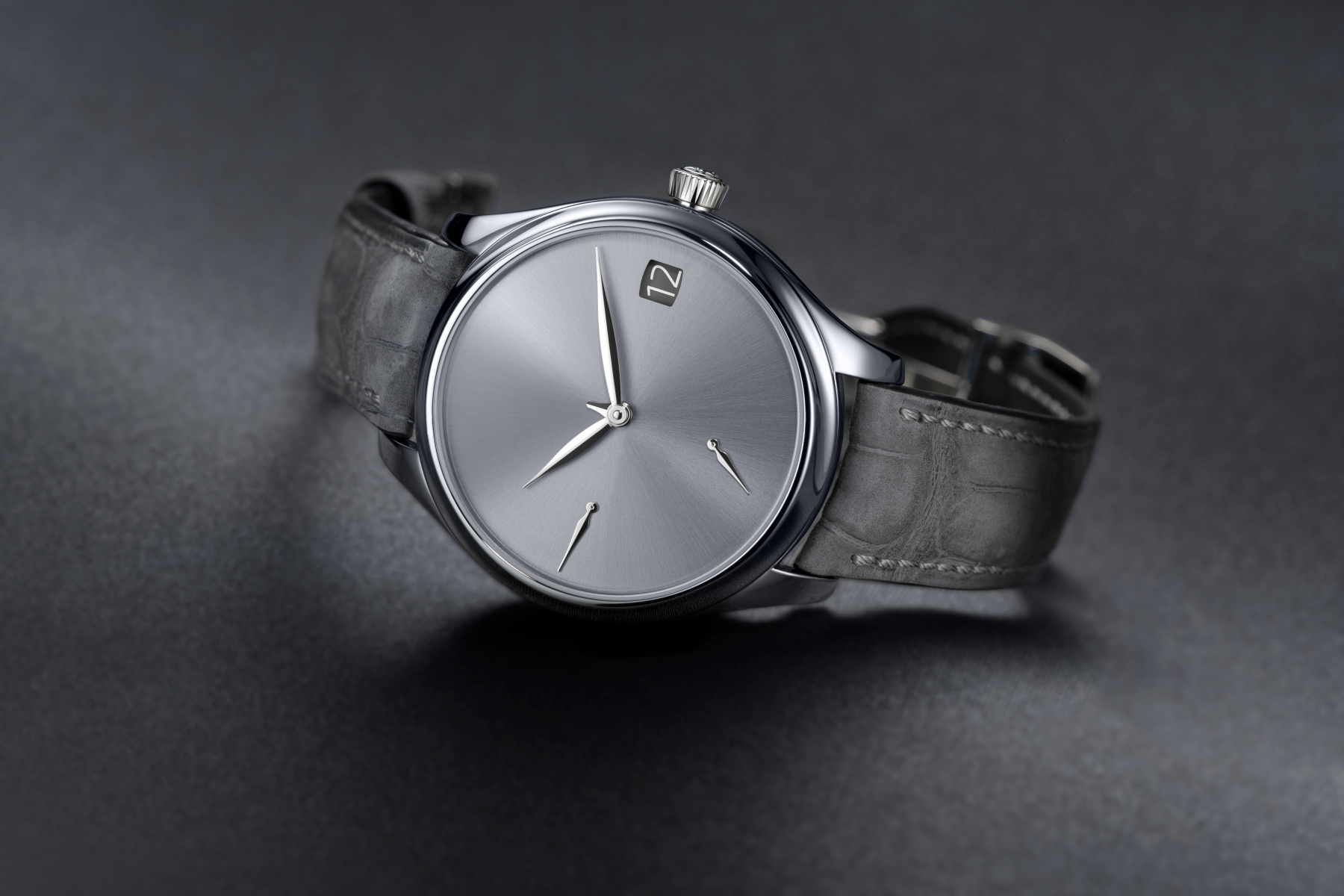
The Endeavour's signature is the fumé dial, a gradient colour that fades from a lighter centre to a darker edge, achieved via a sunburst underlayer with a semi-transparent colour lacquer layered over it. Introduced in 2005, the fumé dial became so closely identified with H. Moser that the term is now informally synonymous with the brand. Paired with the fumé was a deliberately minimal dial architecture: no logo, no brand name, no numerals, often no date, just applied baton indices and the Moser leaf-shape hands. The "Concept" sub-series stripped the dial even further, famously launching the 2013 Endeavour Centre Seconds Concept without a single marking at all, which sold out in 24 hours.
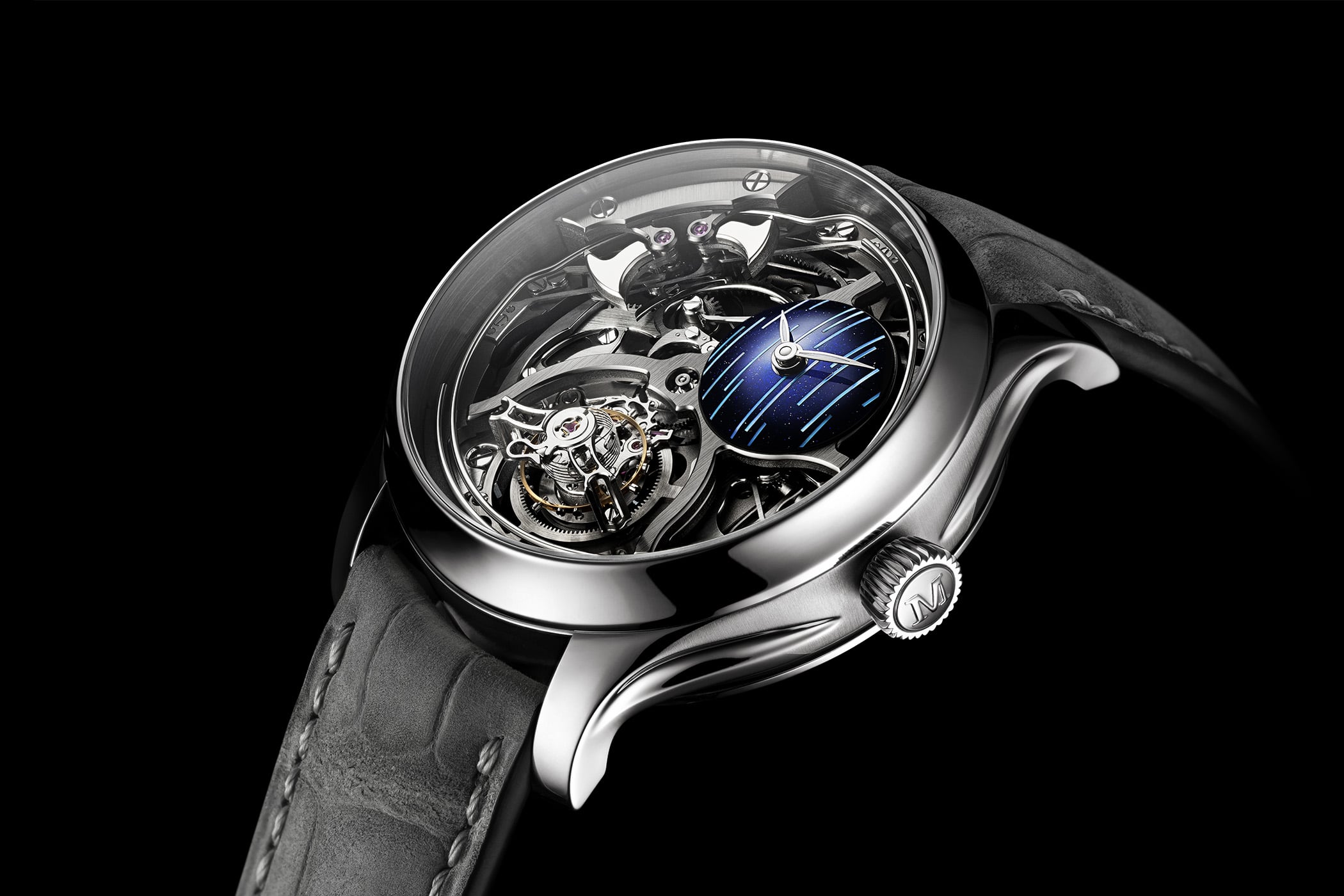
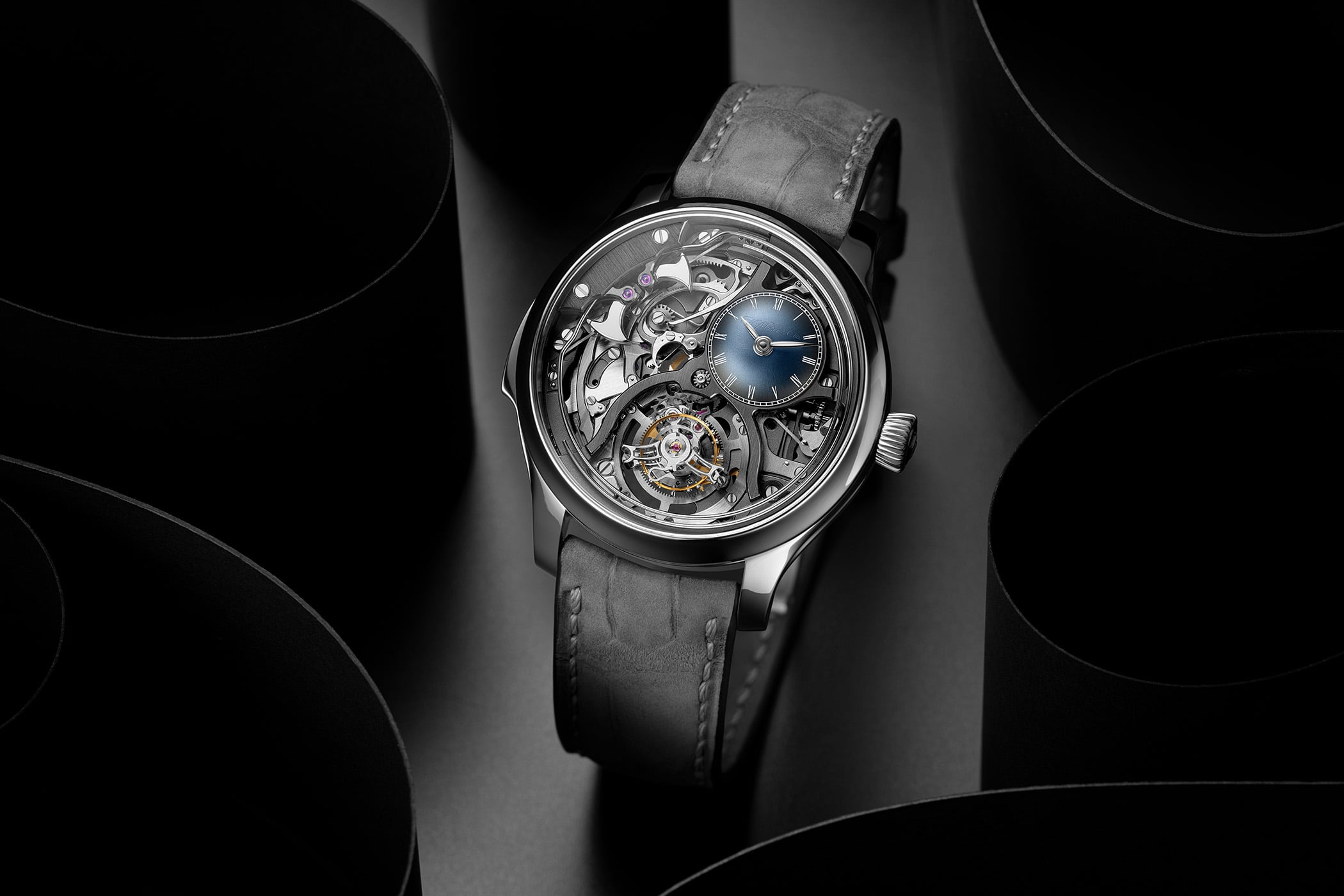
The movement architecture was equally considered. Philippe Dufour's design cues influenced Moser's hand-finishing approach, and the brand developed a family of in-house calibres from the start: the HMC 200 automatic (centre seconds), HMC 327 (moon phase), HMC 341 (perpetual calendar), and the striking HMC 806 tourbillon. All movements feature Moser's patented interchangeable escapement module (IEM), allowing the escapement to be swapped out as a unit for service, and the iconic Moser double balance spring system for improved isochronism.
The Endeavour today sits as H. Moser's anchor collection. It comes in multiple case materials (white gold, red gold, steel, platinum) and a full range of complications: Centre Seconds, Small Seconds, Perpetual Calendar, Perpetual 1 (a discretely indicated perpetual calendar, the brand's most celebrated complication), Tourbillon, and the Concept series. Retail runs from approximately CHF 22,000 (Endeavour Centre Seconds steel) to CHF 90,000 (Perpetual 1) and upward for tourbillons. H. Moser's provocative marketing, notably the 2017 Swiss Alp Watch parody of the Apple Watch, has kept the brand among the most-discussed small independents, but the Endeavour's quiet elegance remains the core product.



Comments
No comments yet, be the first to weigh in.