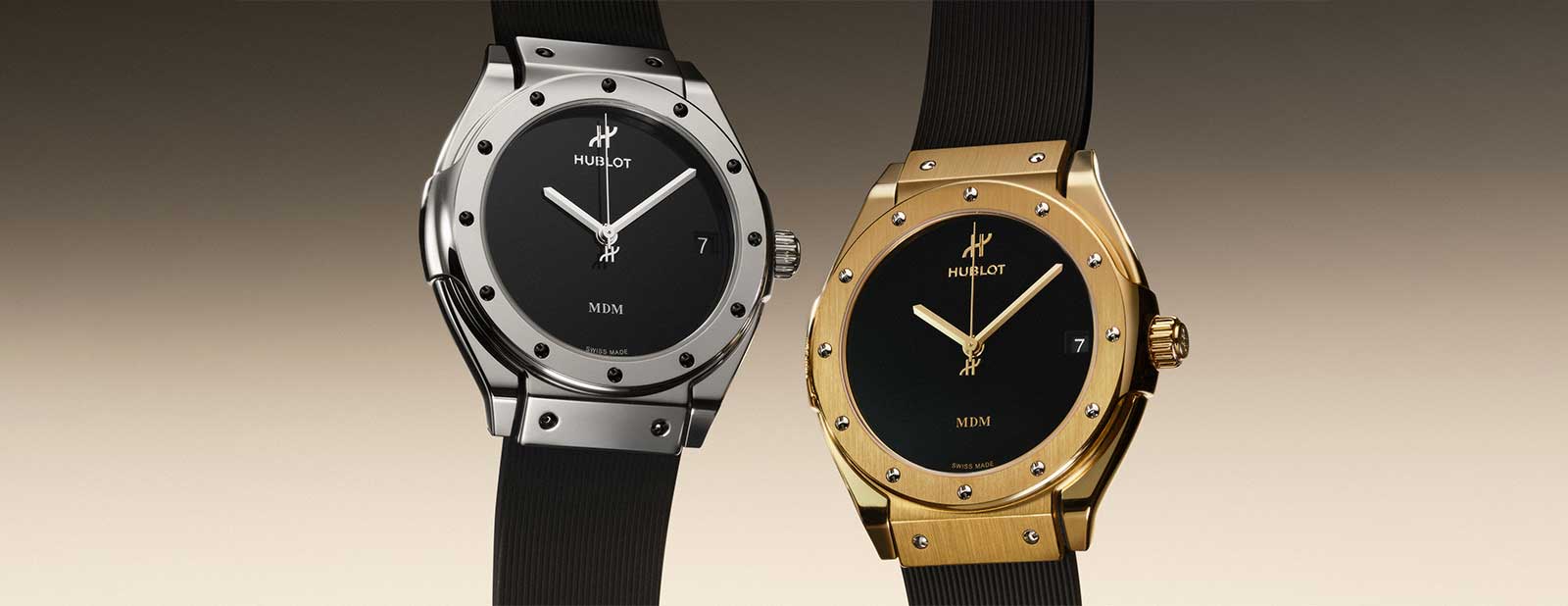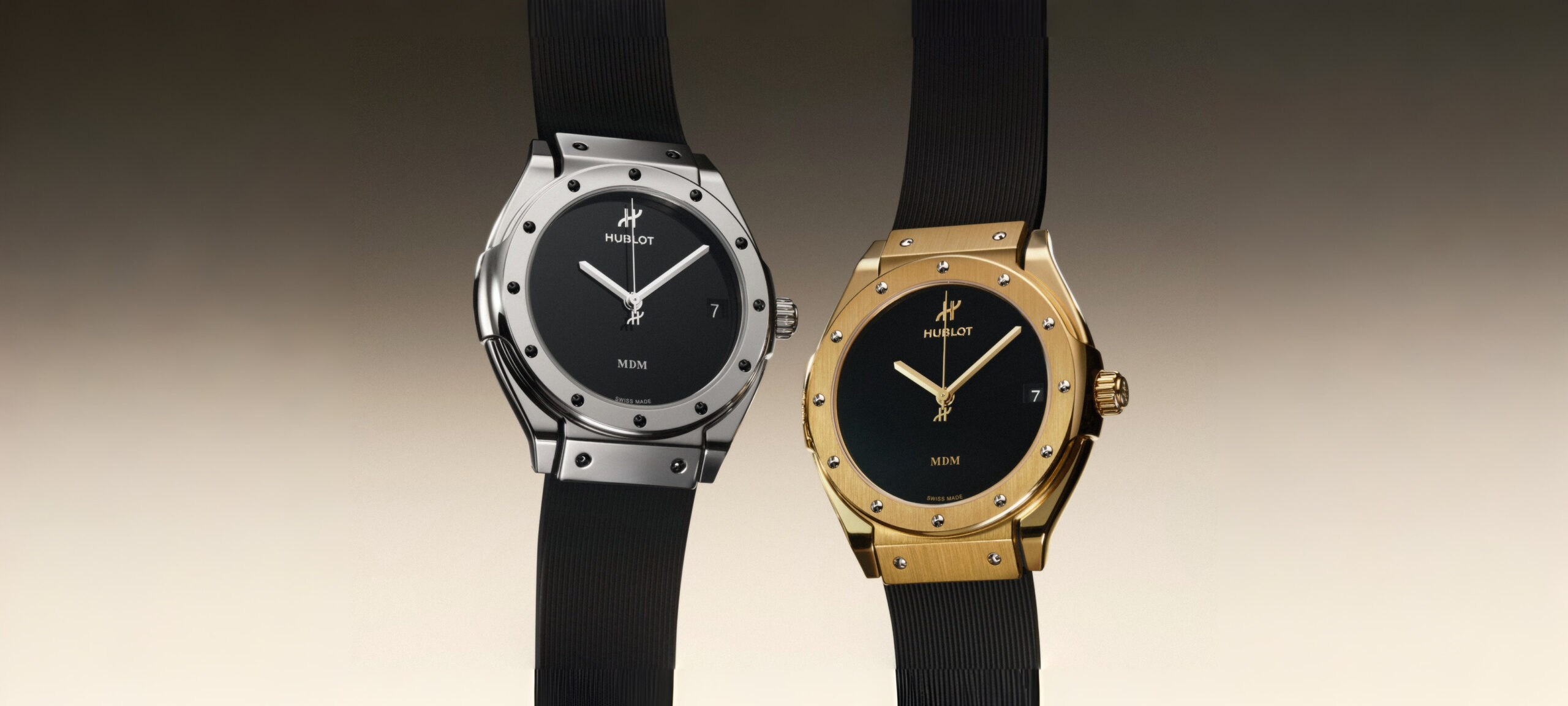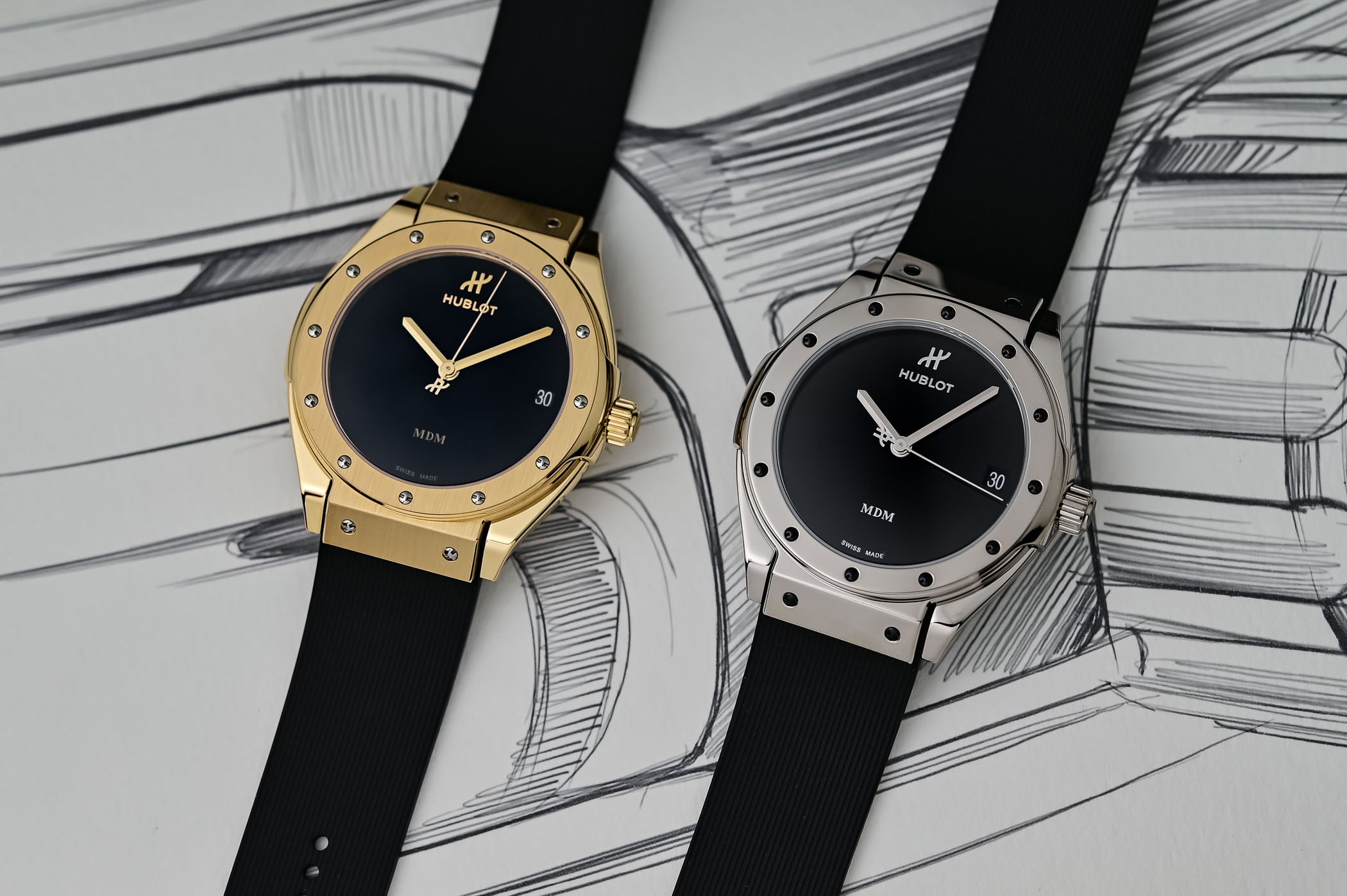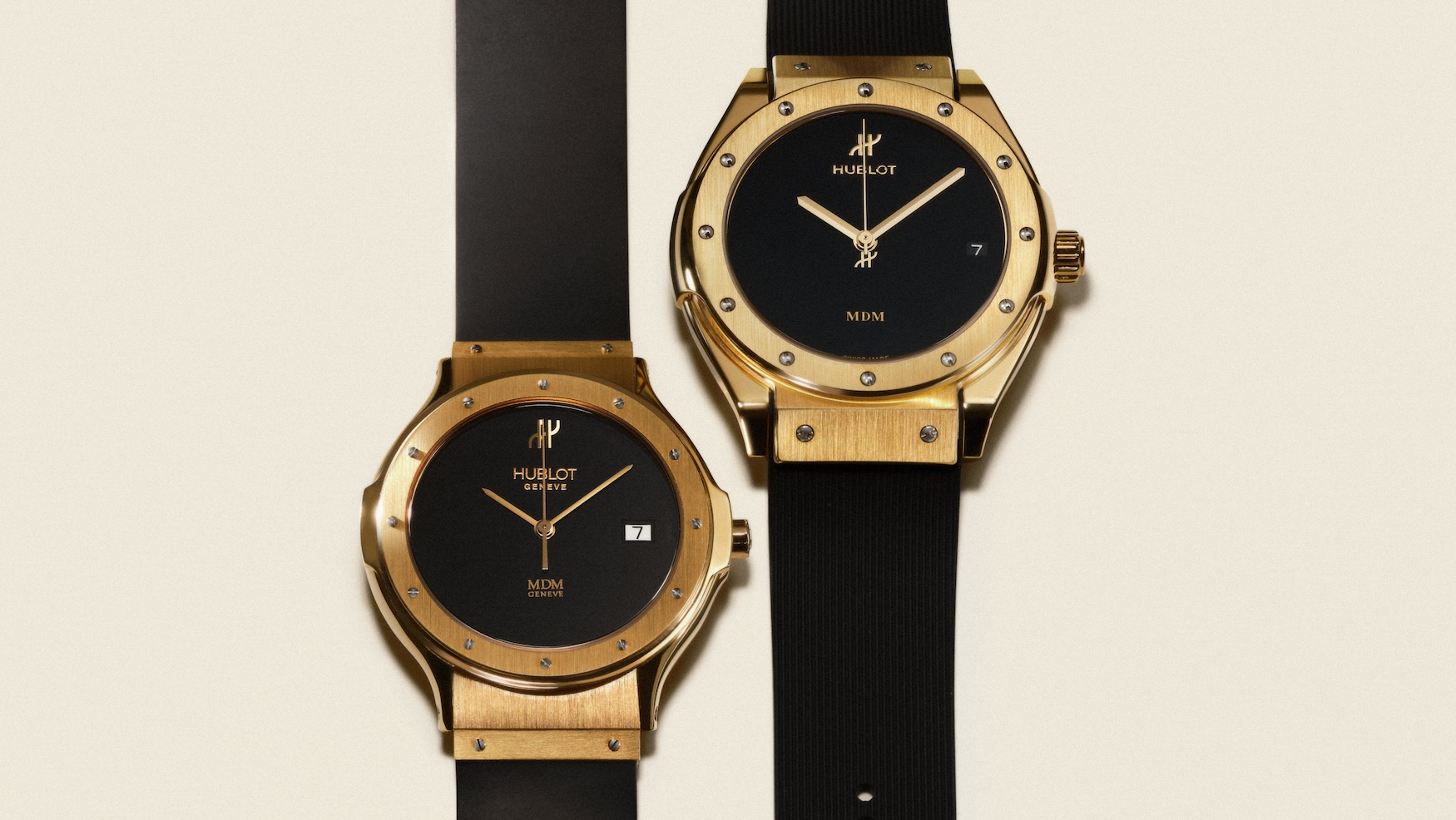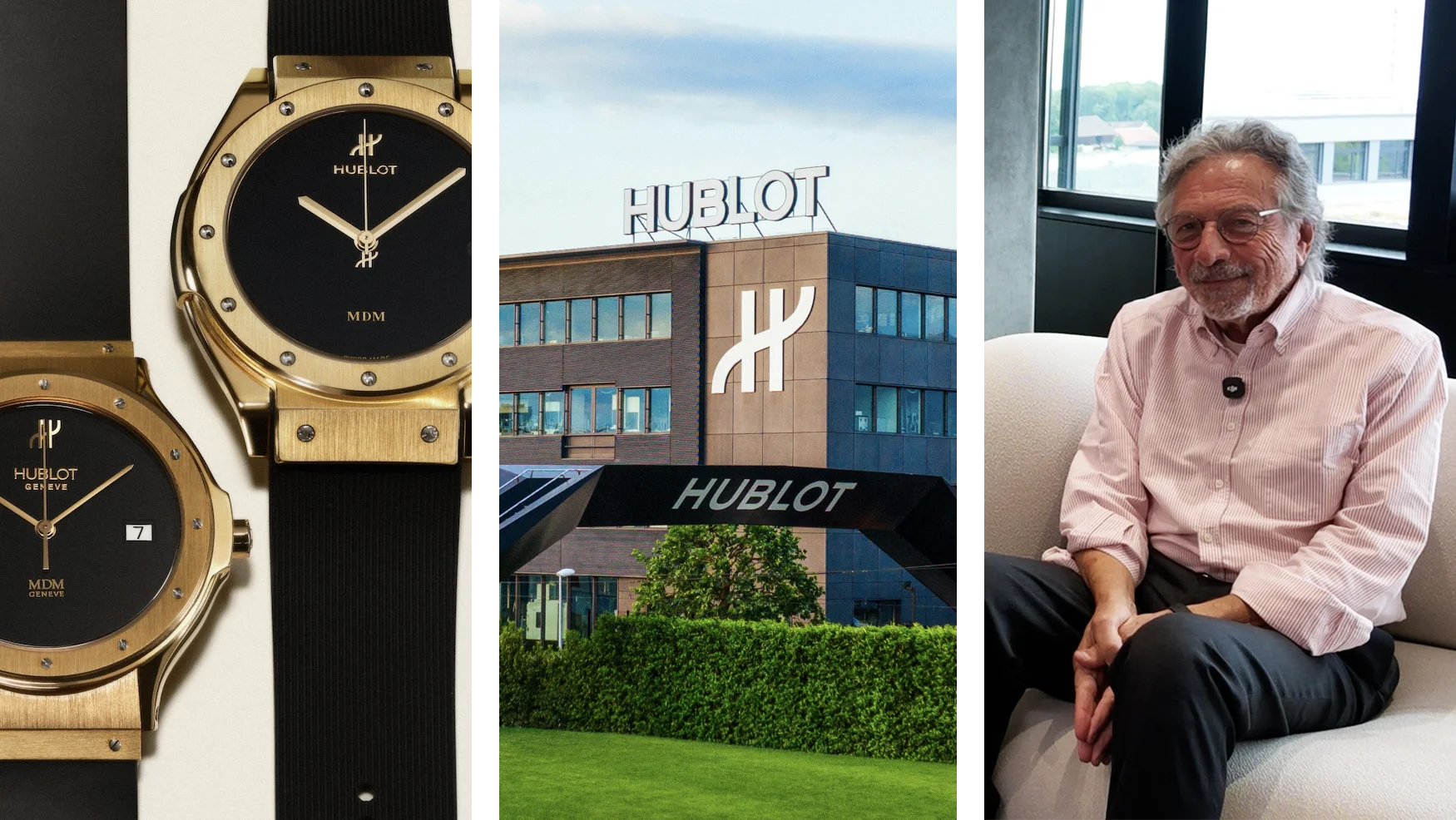
Hublot was founded in 1980 by Italian entrepreneur Carlo Crocco in Nyon, Switzerland. The name means "porthole" in French - a reference to the original watch's round case with the distinctive H-screws on the bezel that evoked nautical portholes. The breakthrough concept was radical for its time: combining a gold case with a natural rubber strap. The Swiss watch establishment regarded this fusion of precious metal and industrial material as vulgar; the market treated it as a revelation, and the first model sold out within a year.
The pivotal era began in 2004 when Jean-Claude Biver - the Swiss watch industry's most celebrated marketer, having previously revived Blancpain from the dead - took the helm. In 2005 he launched the Big Bang, a 44mm chronograph that applied the porthole aesthetic to a larger, more assertive case with interchangeable bezels and straps. The Big Bang was a commercial phenomenon: aggressive sports ambassadors, football partnerships, bold marketing, and a price that sat above TAG Heuer but below Patek Philippe created a new luxury tier. By the time LVMH acquired Hublot in 2008, the brand's revenue had multiplied tenfold under Biver.
Hublot's material science credentials are genuine. The brand developed Magic Gold - a 18-karat gold alloy with boron carbide ceramic that is scratch-resistant, something no conventional gold has ever achieved. It also pioneered King Gold (a proprietary rose gold alloy) and Texalium (carbon fibre coated with aluminium). Today the Manufacture Hublot in Nyon produces in-house movements including the UNICO chronograph column-wheel flyback calibre, demonstrating that behind the fashion-forward exterior lies genuine horological depth.