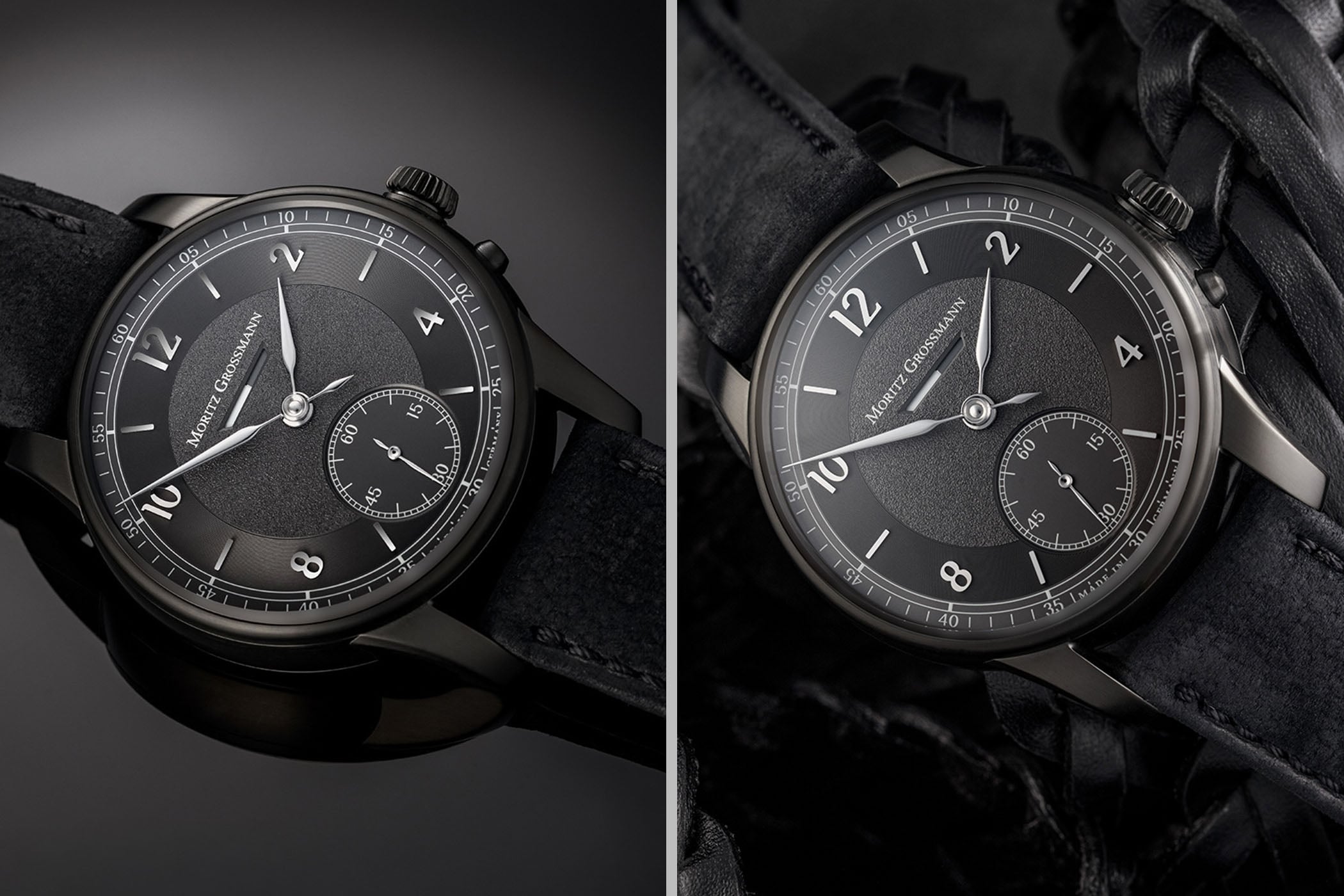
Karl Moritz Grossmann (1826-1885) was a Glashütte watchmaker who trained under Ferdinand Adolph Lange (founder of A. Lange & Söhne) and opened his own workshop in 1854. His historical significance is less as a commercial watchmaker (production was always small) and more as an educator and technician: in 1878 he founded the German Watchmaking School (Deutsche Uhrmacherschule) in Glashütte, the institution that trained generations of German watchmakers and that still exists today as a state-run technical college. Grossmann also wrote foundational texts on detent escapements and lever-escapement design, establishing the scientific watchmaking framework for the Glashütte tradition.
The original Grossmann firm closed after his death in 1885. In 2008 the Grossmann name was revived in Glashütte by Christine Hutter, a watch-industry executive who had previously worked at Glashütte Original and Wempe. Hutter's vision was a classically-proportioned, hand-wound three-hand Saxon watch produced in very small numbers with serious hand-finishing, positioned between Nomos and A. Lange & Söhne in price and in finishing quality.
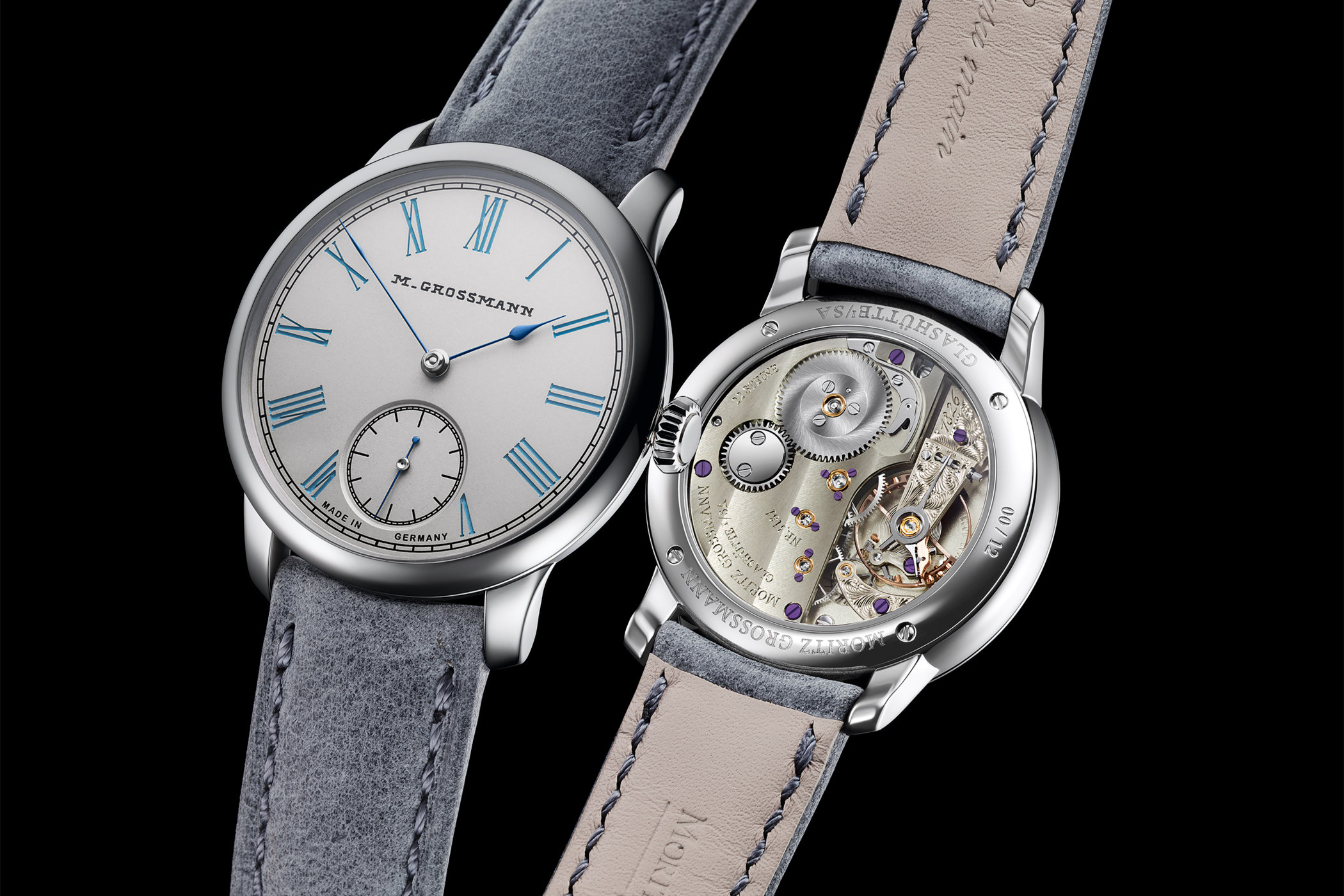
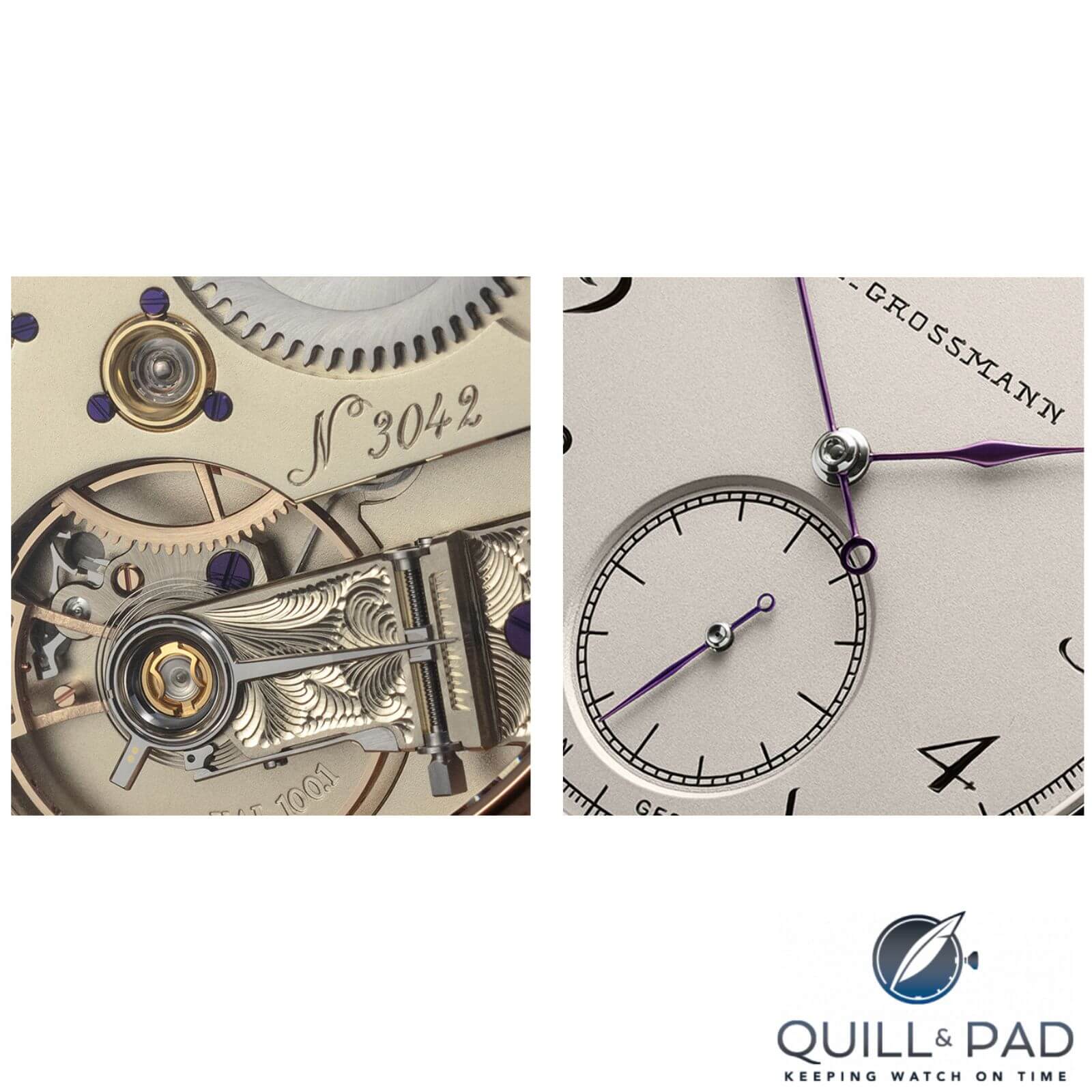
The modern house style is immediately recognisable. Movements show the traditional Glashütte three-quarter plate, hand-polished bridges with the signature brown-violet anglage (a subtle purple bevel achieved through a careful chemical bluing process), and lilac-tempered steel screws (achieved by heating to a slightly different temperature than the conventional blue screws on classical German movements). Hand-engraved balance cocks, hand-polished steel work, and hand-applied Glashütte ribbing (a wider-spaced variant of Côtes de Genève) round out the visual vocabulary.
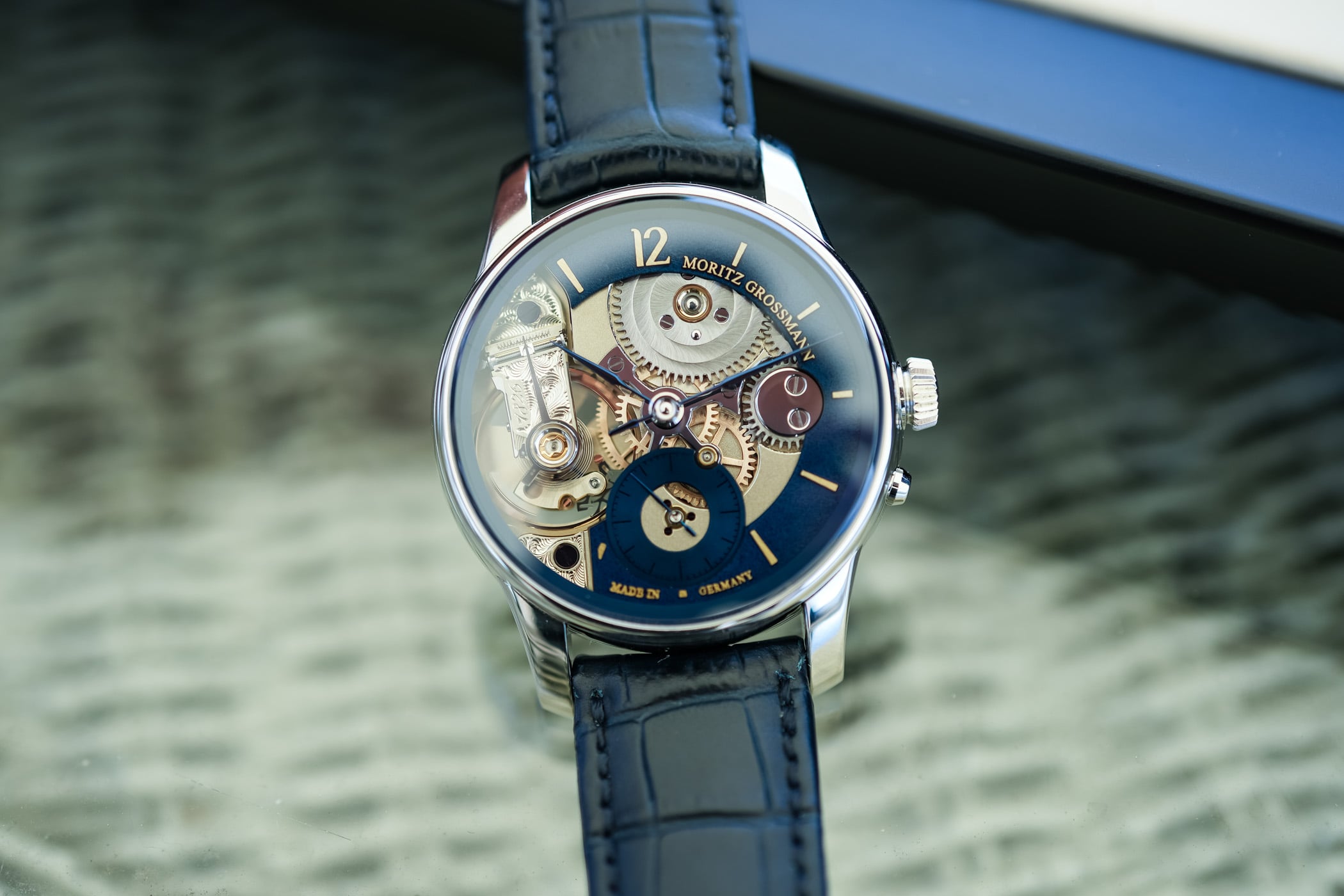
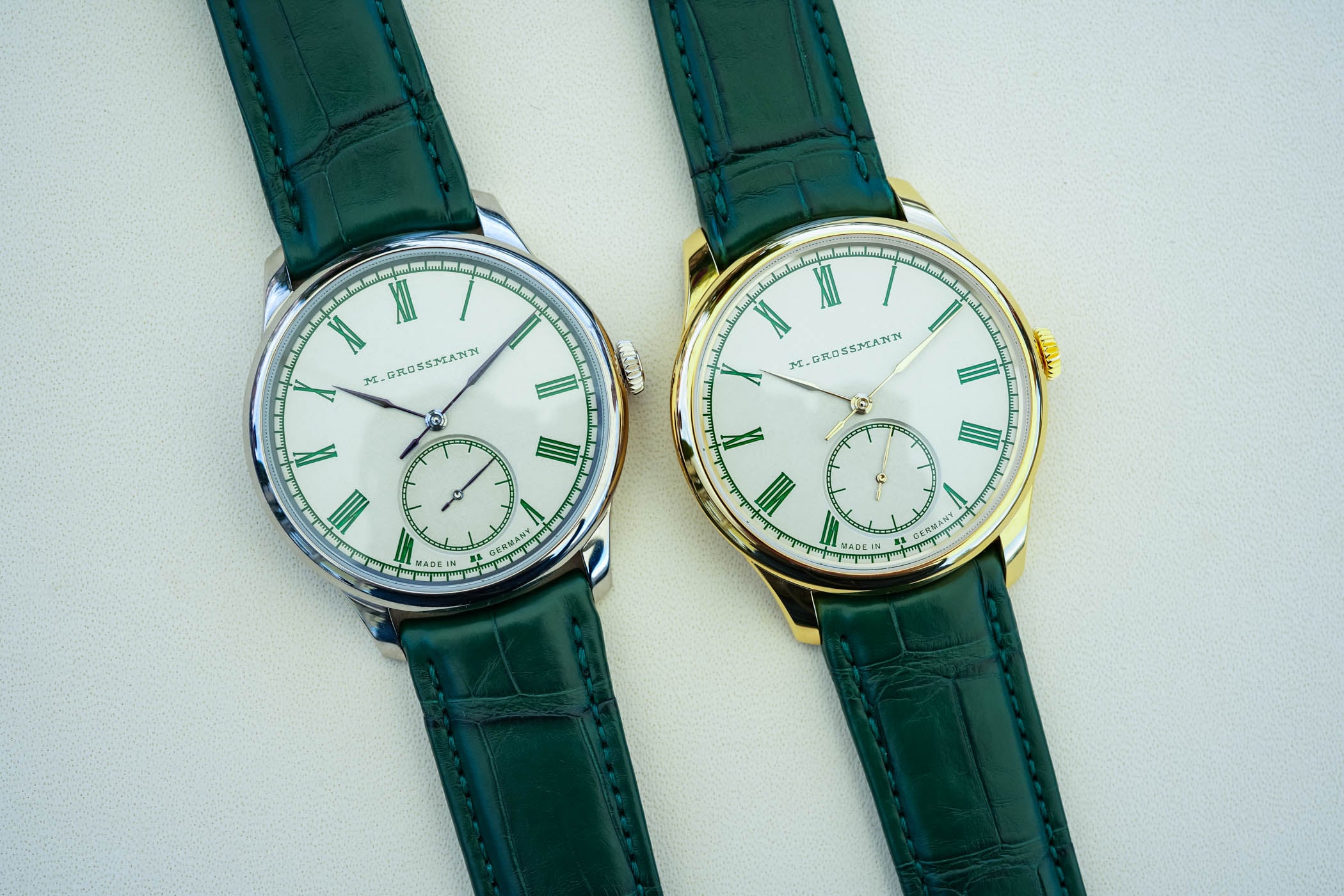
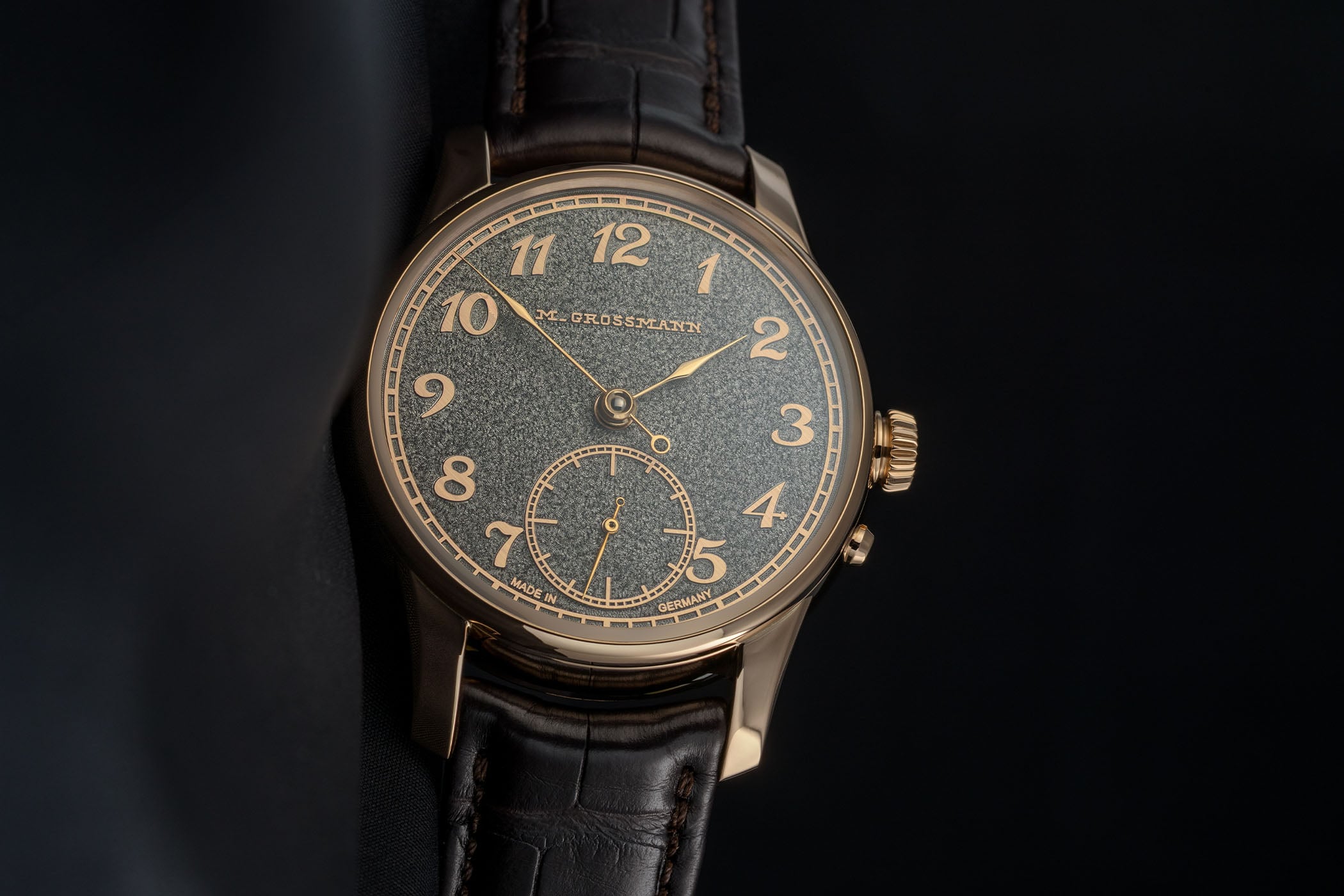
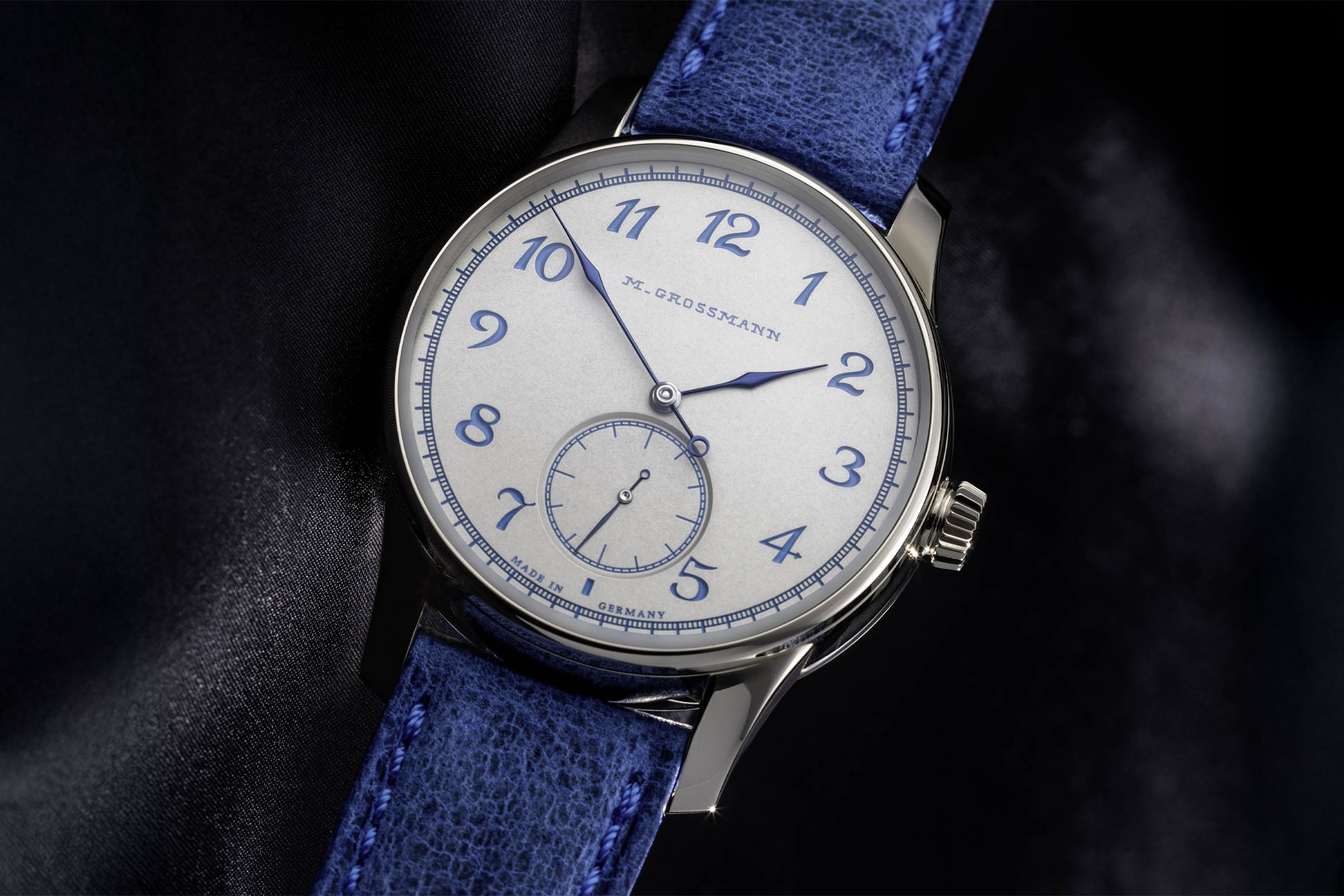
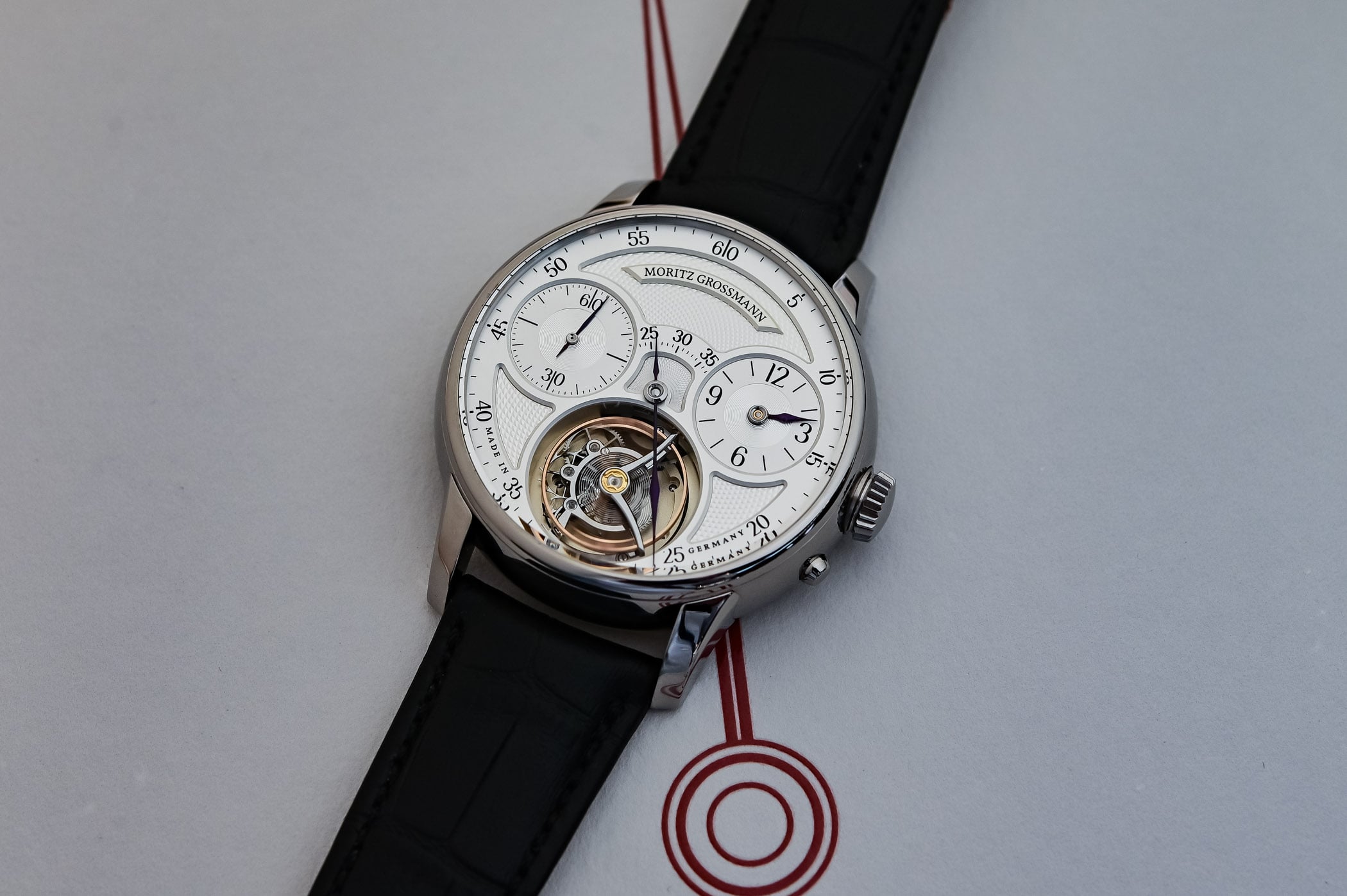
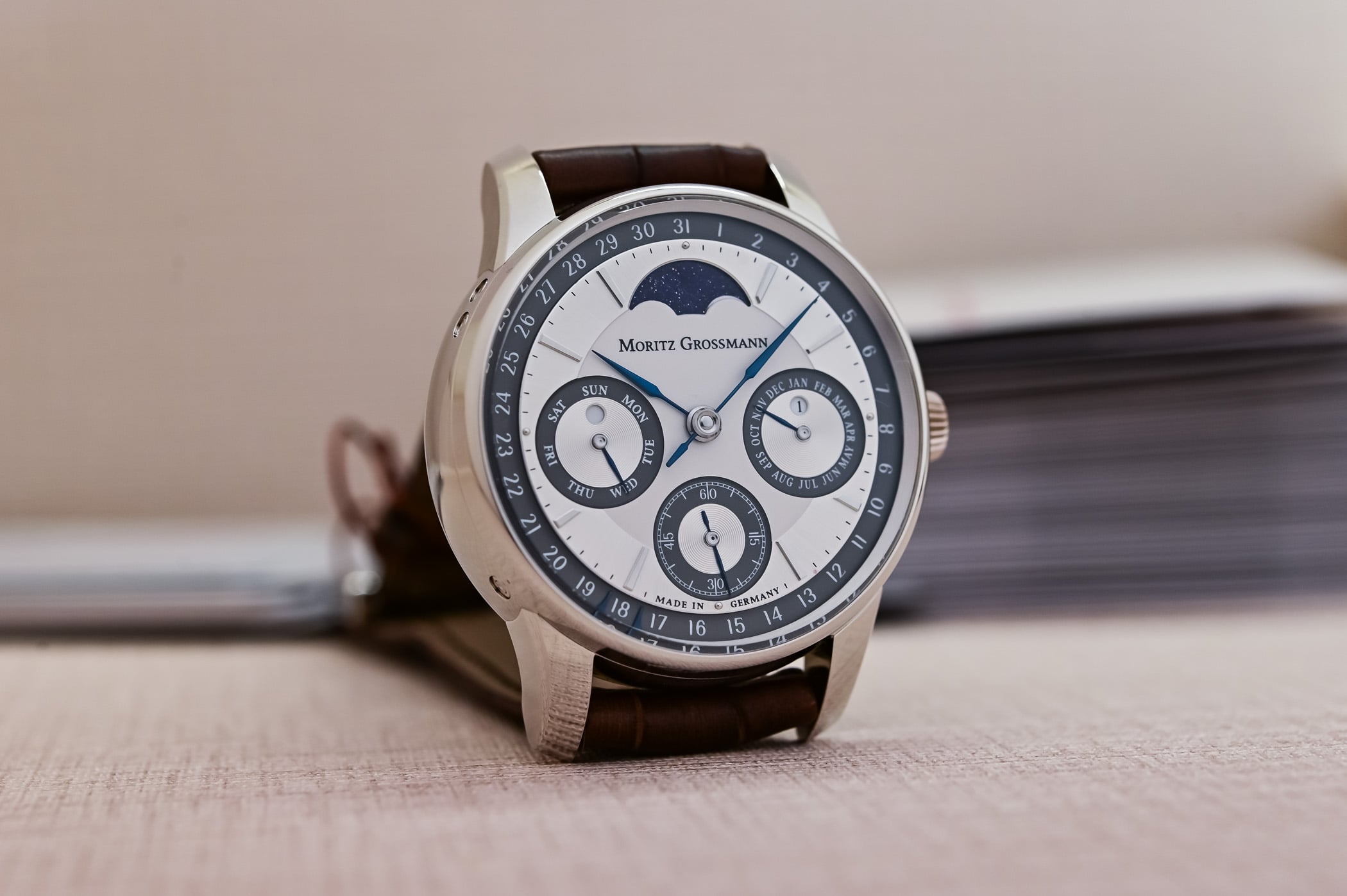
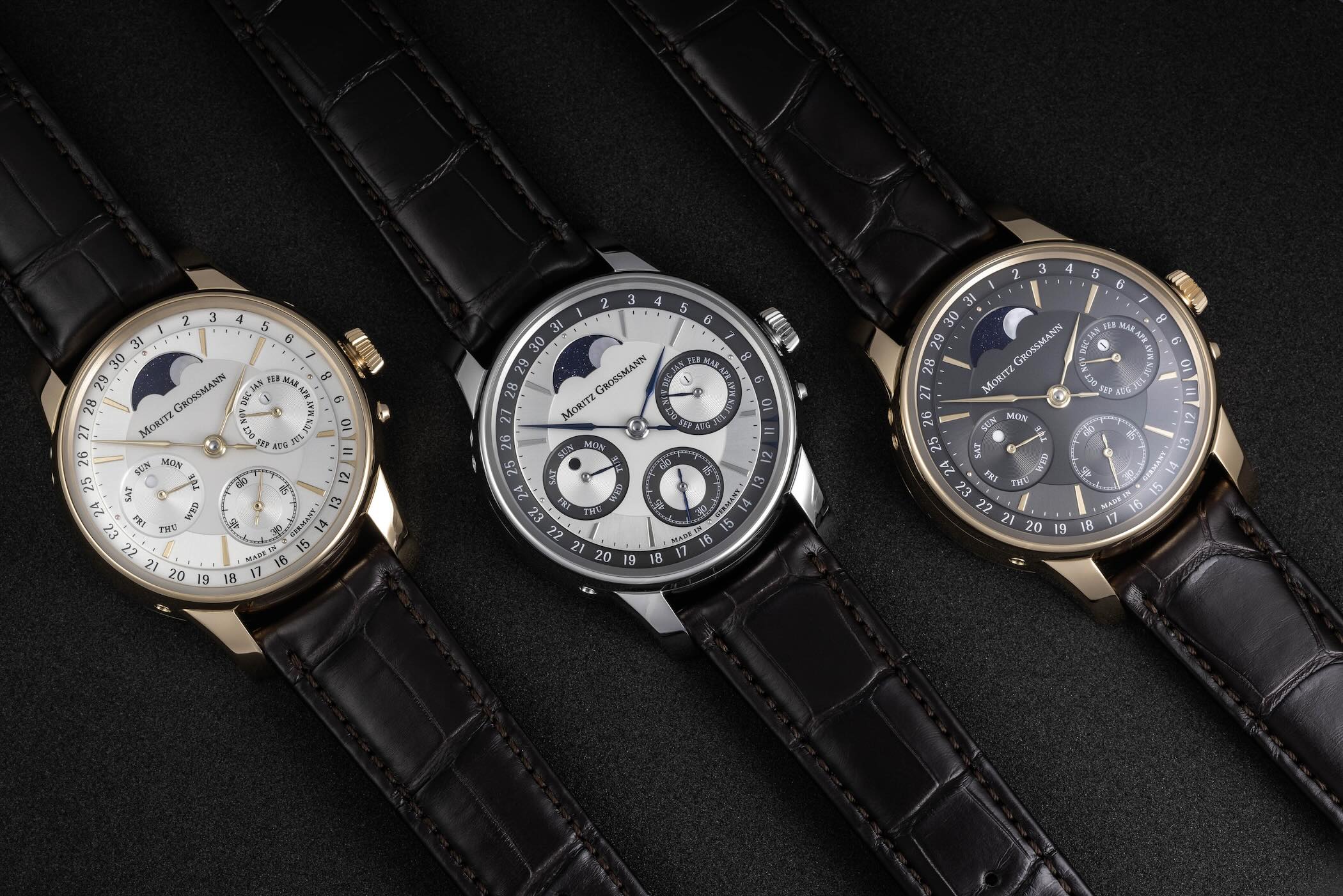
Production stays at roughly 250 watches per year across all references. The Benu (2010) is the launch reference and the brand's anchor, a 41mm hand-wound three-hander with visible going-train architecture. The Atum adds a more decorated dial and smaller case; the Tefnut is a ladies series; and the Hamatic introduces an automatic movement with a hammer rotor (Glashütte-patented bidirectional winding). Retail runs from approximately €23,000 (Benu Power Reserve) to €40,000+ (Atum Datum) and €100,000+ for the rare chronograph and tourbillon references. The brand remains wholly independent.


Comments
No comments yet, be the first to weigh in.