Dec 28, 2022
Which Hand Do I Wear My Watch On? Actually, There's No Wrong Answer
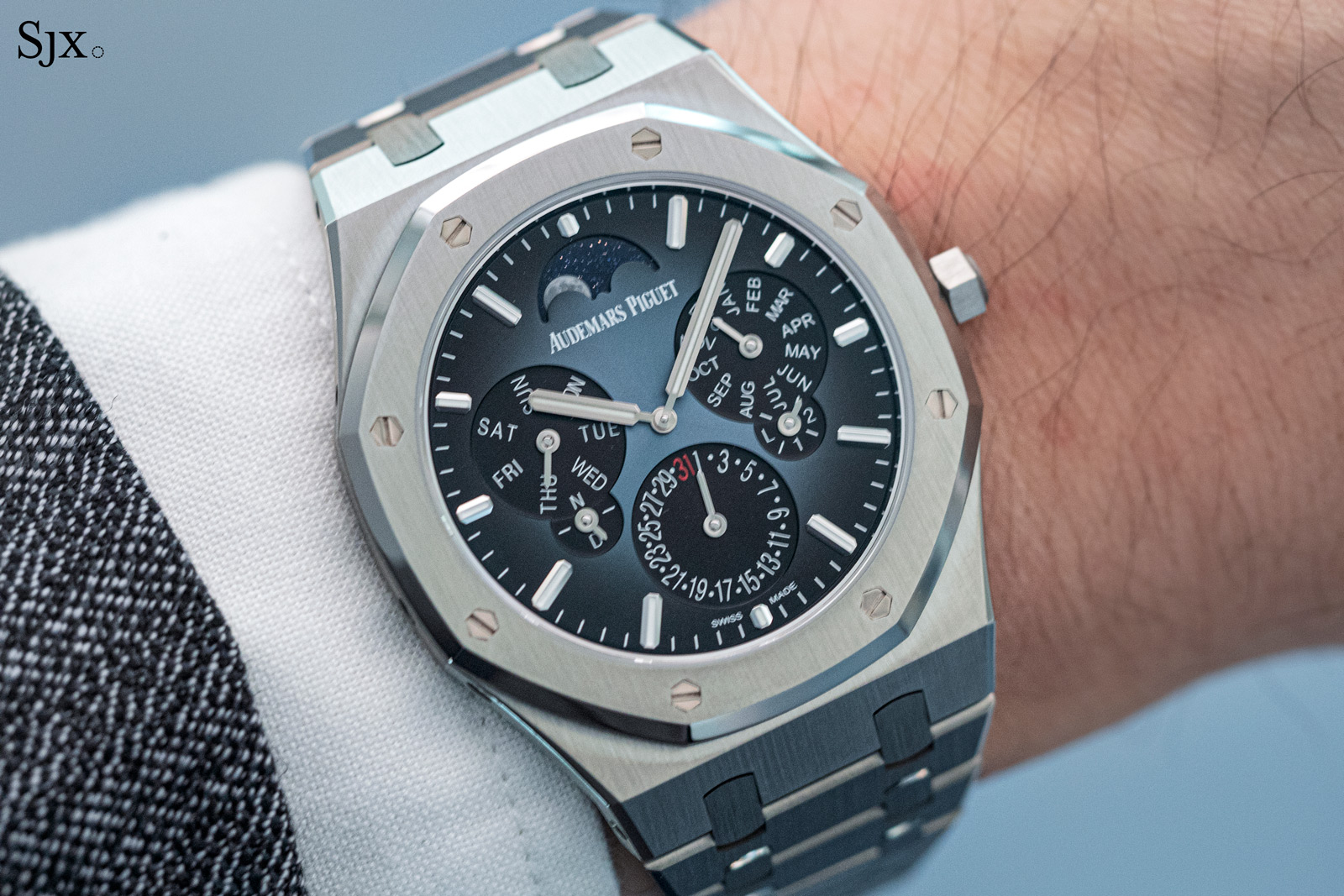
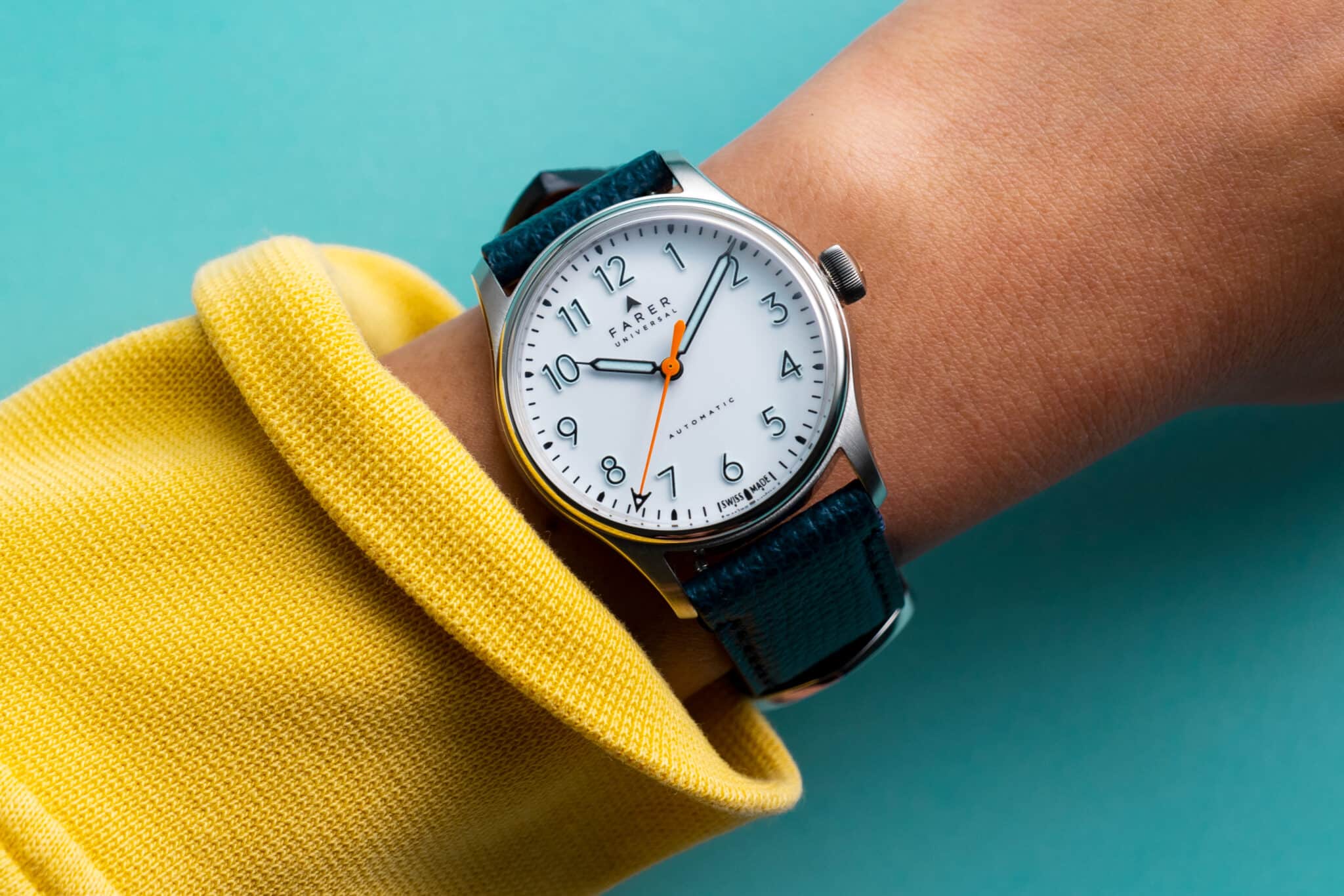
As you start to read this article, let’s first see how much time it takes. Start by checking the time on your watch. Now stop and note which of your wrists you just raised to read the watch’s dial. For the vast majority of us, it’s the left wrist, right (er… correct)? Did you ever wonder how wearing a watch on one’s left arm became the norm? Let us briefly trace the evolution of portable timekeeping to arrive at the explanation. Wristwatches, of course, were not the first means by which individuals carried the time around with them. As I explore more extensively in this article, the first watches were essentially miniature clocks worn on a chain around the neck. These somewhat unwieldy timekeepers gave way to pocket watches, which were smaller, more streamlined, and could be worn stylishly inside the pocket of a waistcoat. When one wanted to check the time (as below), one simply reached for his watch inside one of these pockets to consult it, and then stash it again until it was needed. Utilitarianism and practicality, however, have always been at the core of watchmaking, and the pocket watch ultimately proved to be too impractical for the needs of an evolving 20th-century society. Women started wearing timepieces as bangles on their bracelets as early as the 1800s, but it wasn’t until the 1900s that the utility of a wrist-worn watch became apparent to the male population at large, which had long considered such a device feminine. It started with Louis Cartier...
 Time+Tide