 Two Broke Watch Snobs
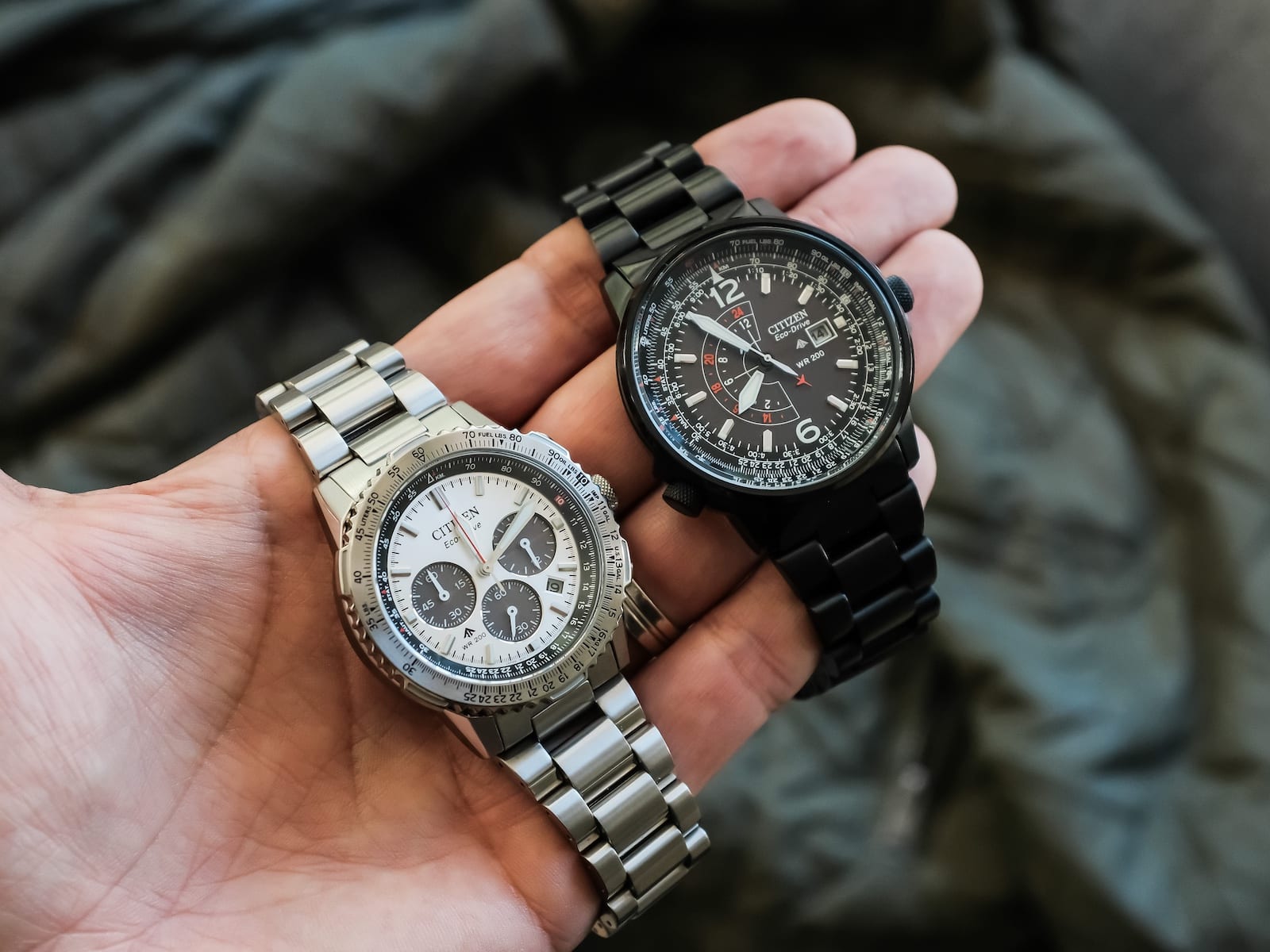
Citizen Eco-Drive Watch Showdown: Nighthawk vs Navihawk Hands-On Review
The Citizen Navihawk 40 and Nighthawk offer two very different takes on the modern pilot watch. After wearing both, one proved easier to recommend.
1,135 articles found · page 17 of 38
Two Broke Watch Snobs
The Citizen Navihawk 40 and Nighthawk offer two very different takes on the modern pilot watch. After wearing both, one proved easier to recommend.
 Hodinkee
Earlier this year, Tudor invited a small group of watch media into its Swiss manufacturing network to see what "Swiss Made" actually means in practice—not a one-stop visit in a single day, but the full process from start to finish over multiple days. I've been on plenty of manufacturer tours, and I've never had access like this. The result is one video, broken into three parts: cases and bracelets; hand-painted and hand-lumed dials; movements and assembly. Case and Bracelet We start by looking at cases and bracelets. I've had my Tudor Pelagos 39 on my wrist for a couple of years now, and until recently I'd never given much thought to what "Swiss Made" on the dial actually meant, beyond the concept and branding tied to those two words. So, using my own Pelagos as the starting point, this segment traces how a titanium dive watch's case and bracelet are actually made, moving through three Swiss companies closely linked to Tudor: Joseph Baume, Orolux, and Detech. Titanium case blanks are the start of the story. The progressive evolution of Tudor cases at Joseph Baume. Heat treating in a special furnace. The case begins at Joseph Baume, an independent forge where steel components are cold-stamped through up to fifteen strikes, while titanium cases, like that employed by my Pelagos, undergo hot stamping instead, heated to nearly 950 degrees Celsius and pressed into shape by a robotic arm. It's a more physical, almost blacksmith-like process than I ever would have expecte...
 Two Broke Watch Snobs
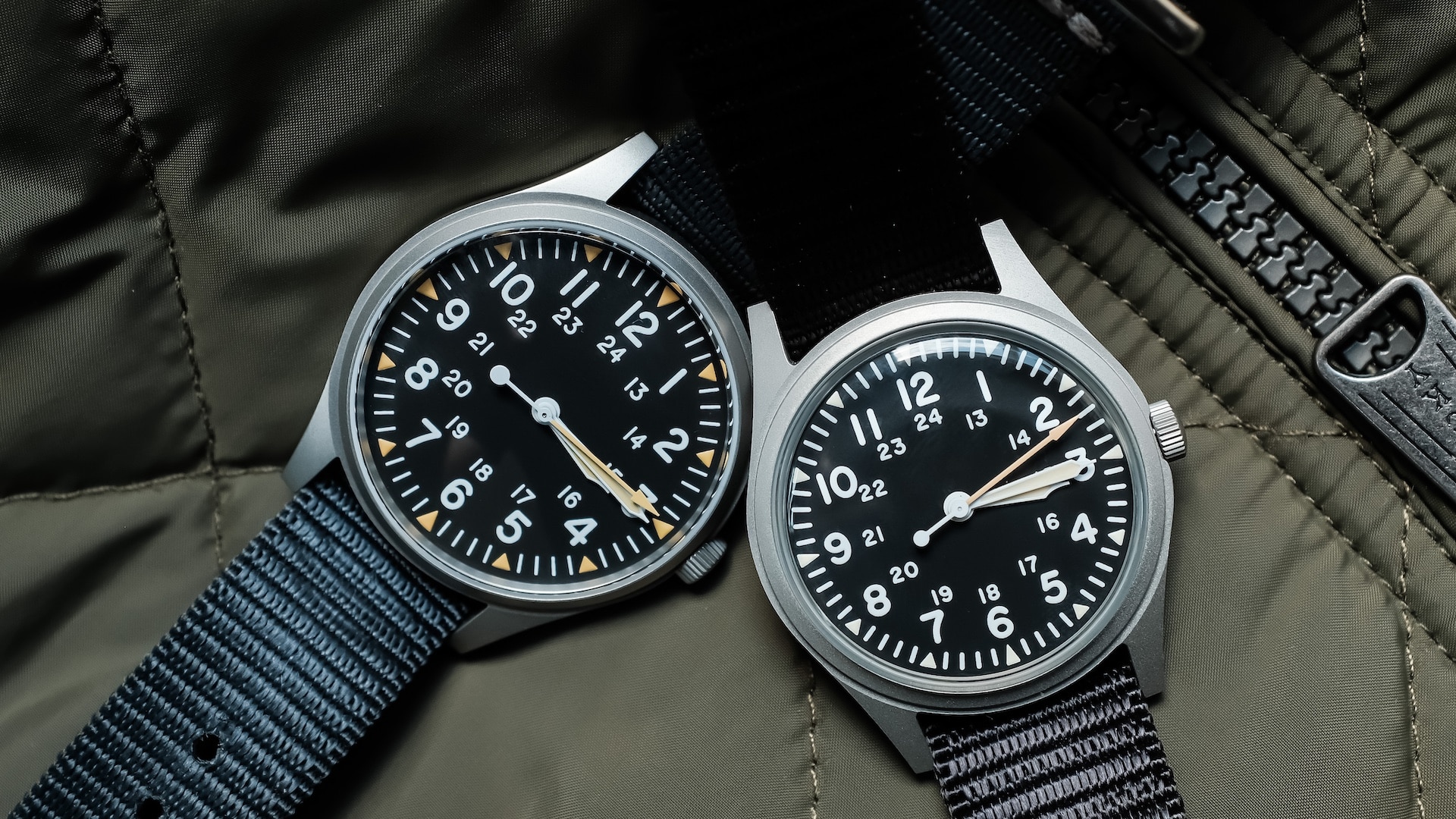
A hands-on comparison of two affordable field watch models that deliver serious value, comfort, and convenience at under $50.
 Two Broke Watch Snobs
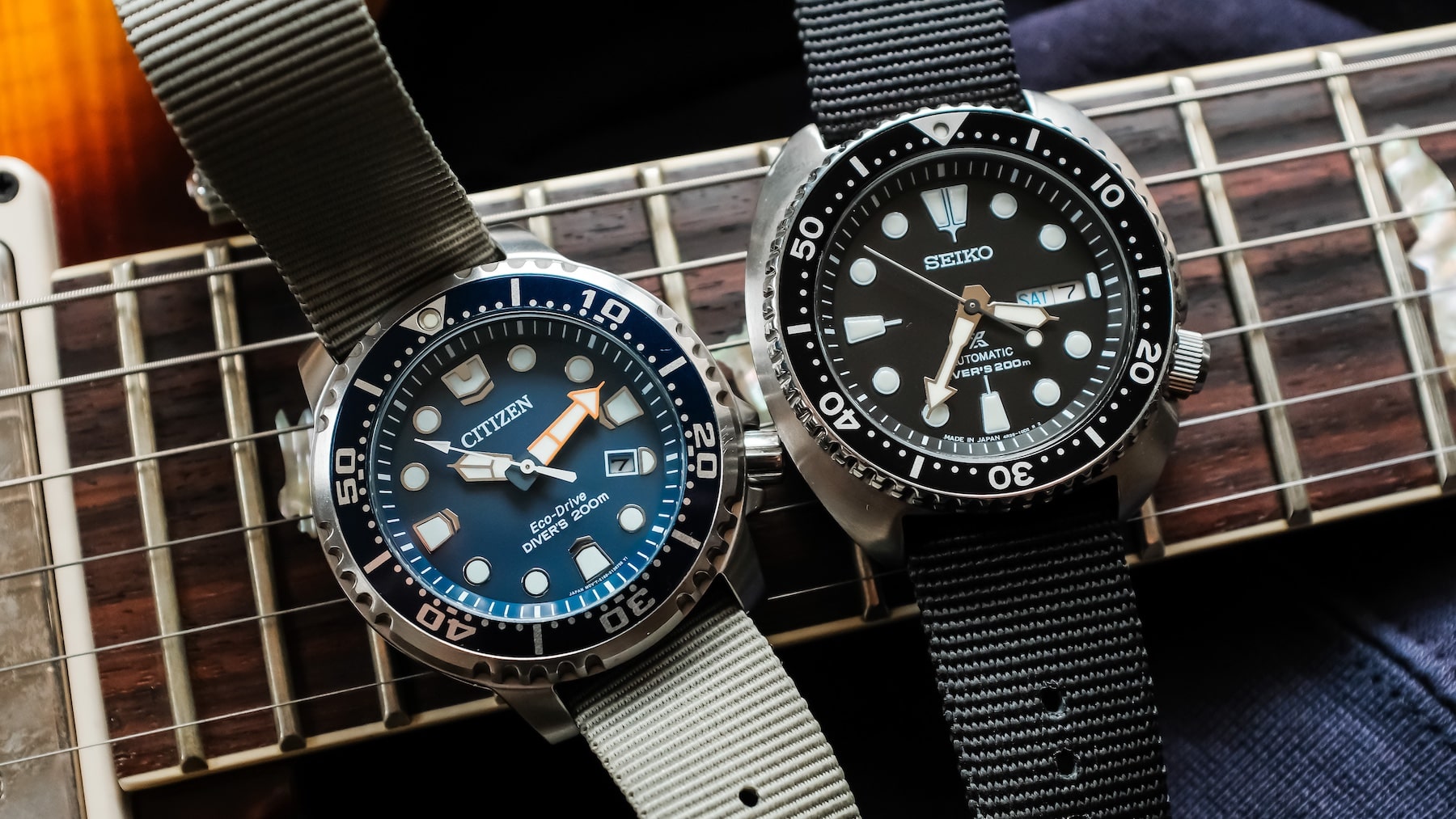
After years of wearing Seiko and Citizen dive watches, we compare ownership, movements, build quality, wearability, and long-term appeal.
 Two Broke Watch Snobs
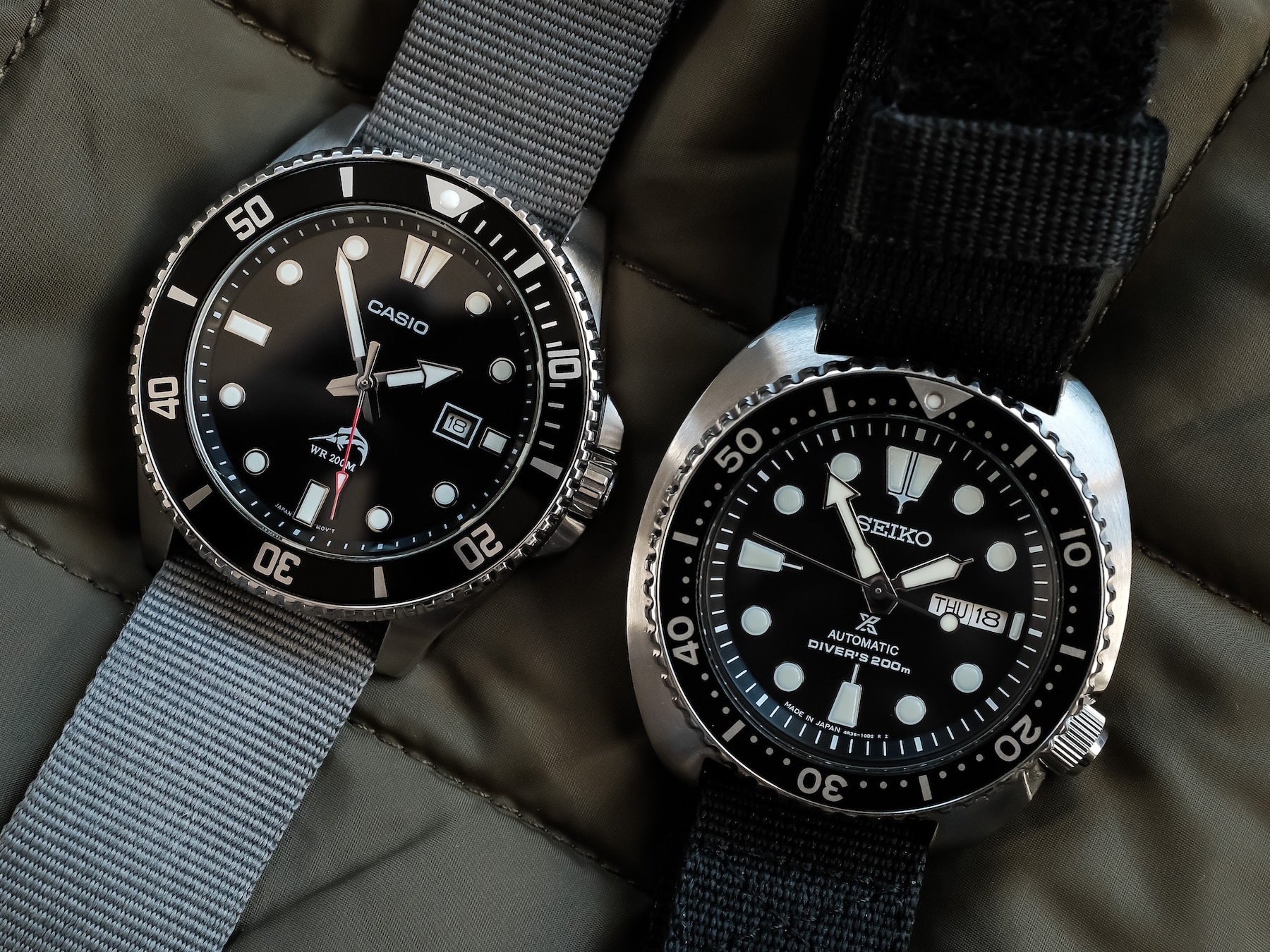
The Casio Duro costs a fraction of the Seiko Turtle, but price does not tell the whole story. We tested both to decide which one we would keep.
 Two Broke Watch Snobs
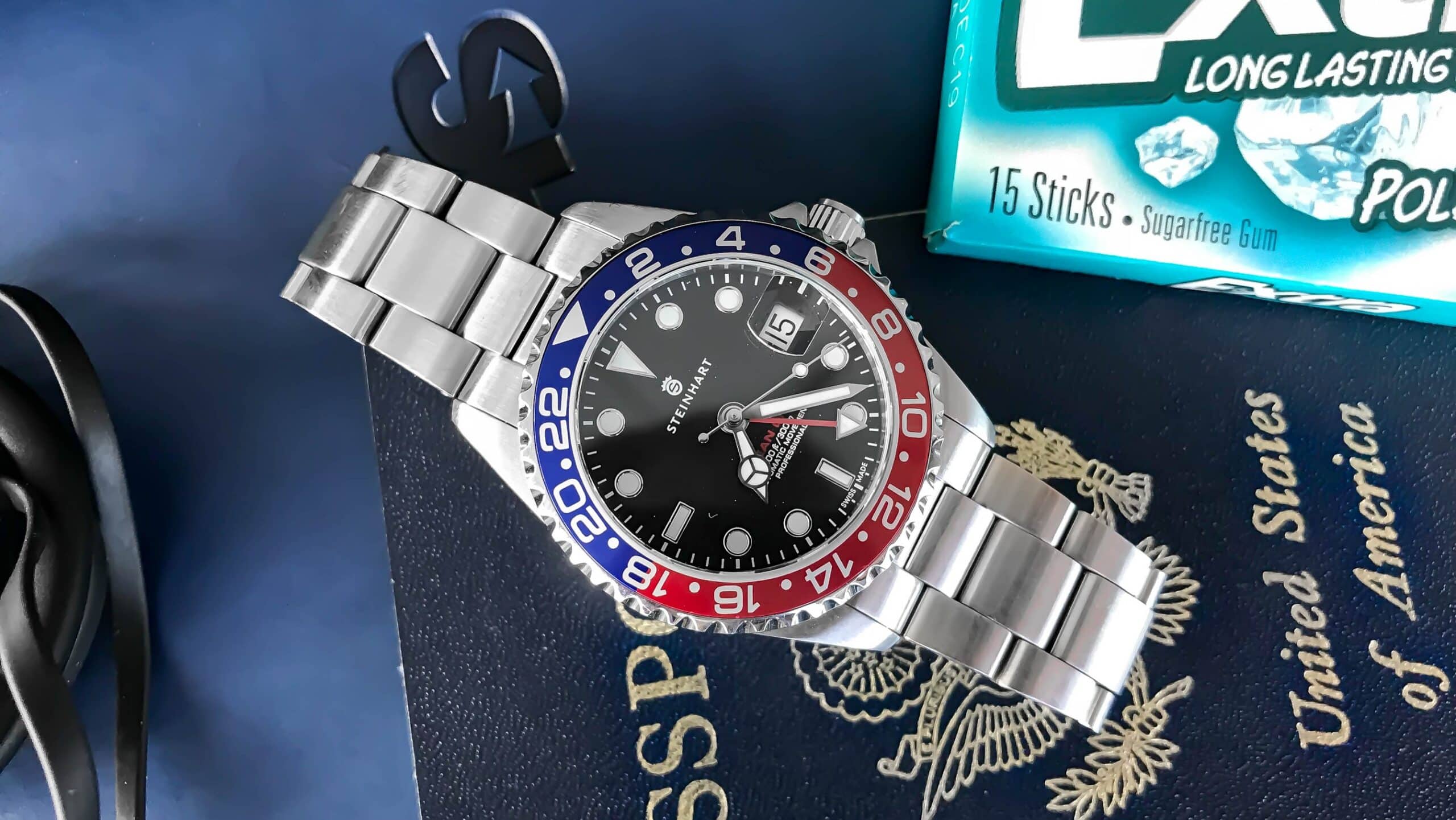
See how the automatic Steinhart Ocean 39 GMT compares with the quartz Vaer G2 Meridian and which affordable Pepsi GMT we would choose.
 Two Broke Watch Snobs
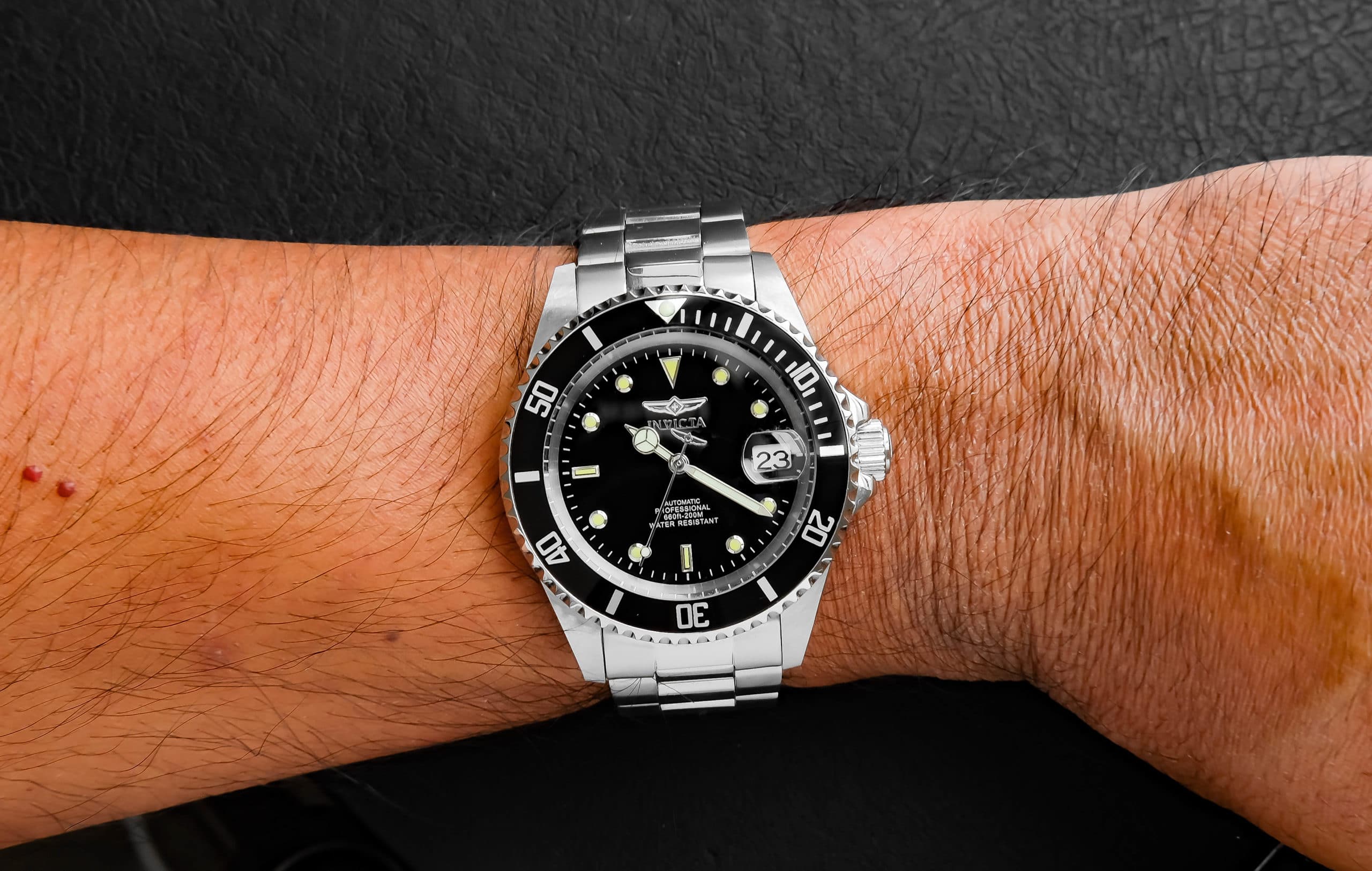
See how the Invicta Pro Diver and Casio Duro compare after hands-on testing, from movements and build quality to value, wearability, and the winner.
 WatchRider
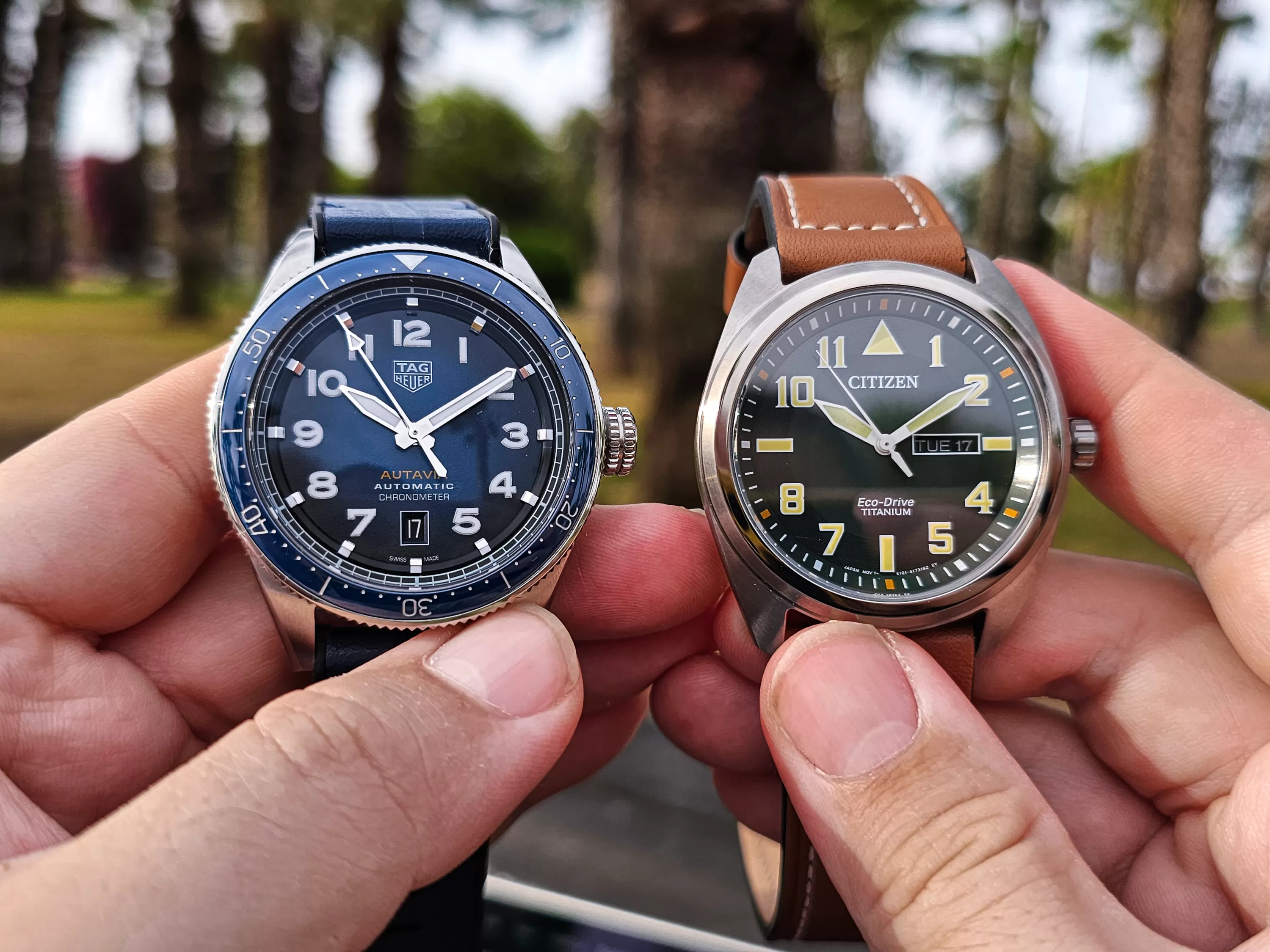
I own both the Citizen Garrison and the TAG Heuer Autavia WBE5116.EB0173, and the difference between them goes far beyond price. The Citizen Garrison uses Citizen’s light-powered Eco-Drive movement and a remarkably light Super Titanium case, while the TAG Heuer Autavia is a Swiss automatic pilot watch with a COSC-certified Calibre 5 movement, a 42 mm steel case and a distinctive blue smoked dial. One is accessible and practical, designed for easy daily ownership. The other is a discontinued premium model with strong aviation heritage. That makes this an unusual but revealing comparison. Can an affordable Citizen Garrison provide the same wrist presence, legibility and everyday enjoyment as a significantly more expensive TAG Heuer Autavia? And how much do the Autavia’s automatic movement, finishing, heritage and premium positioning actually change the ownership experience? In this comparison, I will examine their design, comfort, materials, movements, readability and real-world value. For anyone searching for the best affordable pilot watches, or wondering whether an affordable pilot watch alternative can compete with a premium Swiss model, these two watches offer a fascinating answer. Case Size, Quality, and Comfort Both watches are very well made, but I sincerely prefer the Citizen’s case. The TAG Heuer Autavia has the solid construction and clean finishing expected from a premium Swiss watch. Its stainless-steel case feels substantial, and the transitions between i...
 Teddy Baldassarre
Enamel and lacquer are two of the most well known dial finishing techniques, here we establish the differences and similarities between the two.
 Two Broke Watch Snobs
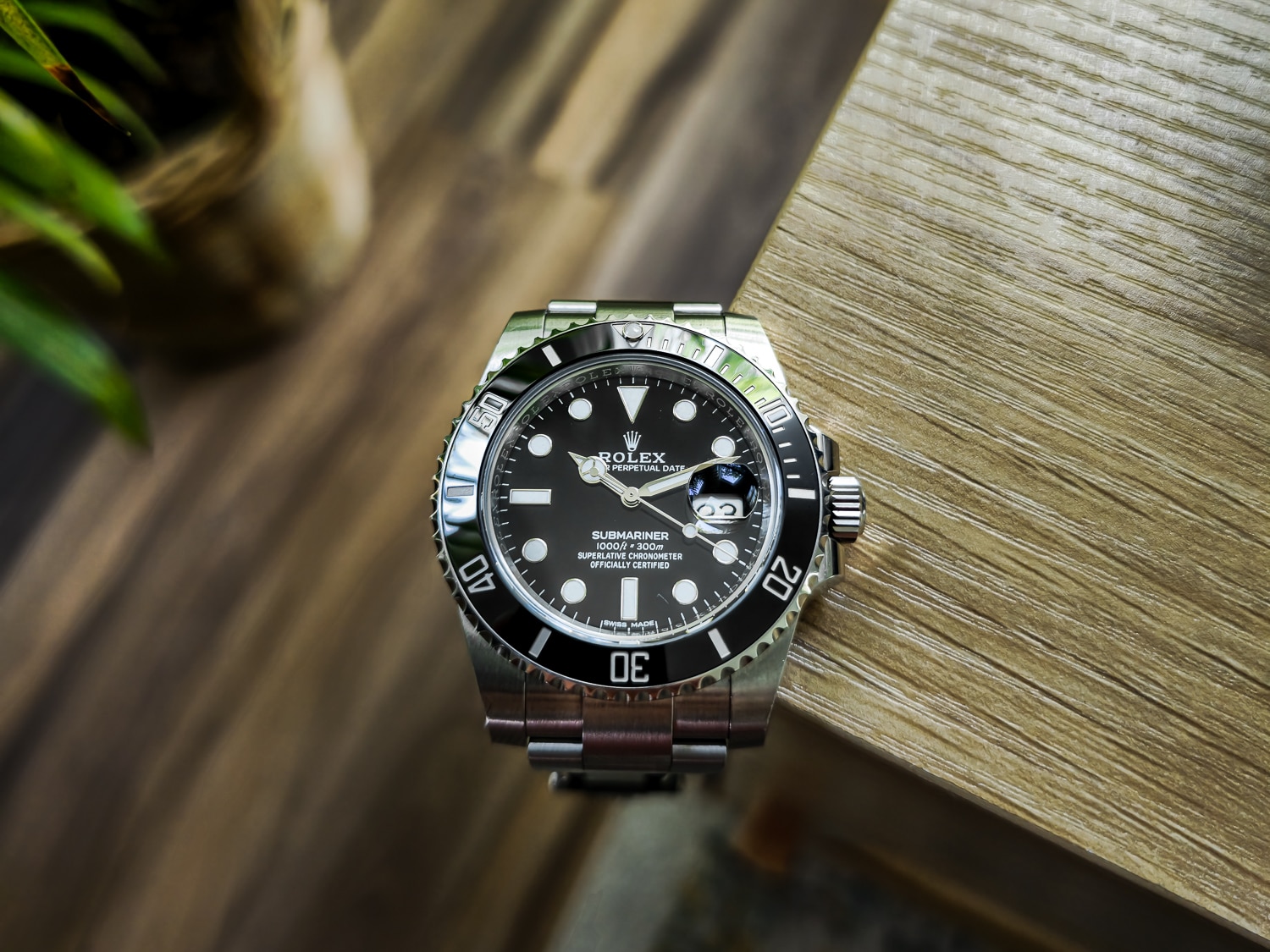
We wore the Tudor Pelagos FXD and Rolex Submariner to find out whether the Rolex justifies twice the price or the Tudor is the better dive watch.
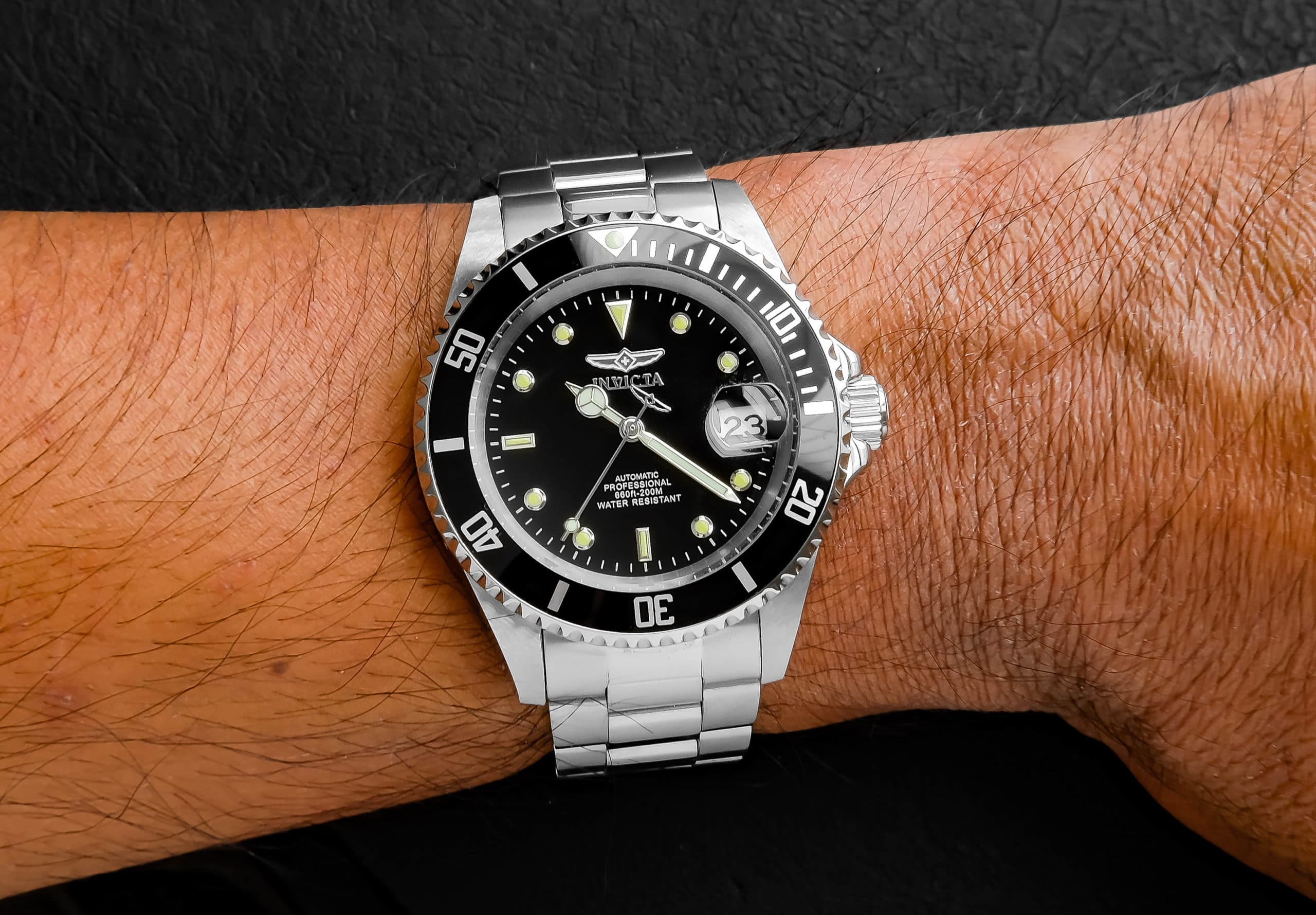 Two Broke Watch Snobs
We compare the Invicta Pro Diver and Rolex Submariner after wearing both. See where the $10,000 price difference goes and which watch offers better value.
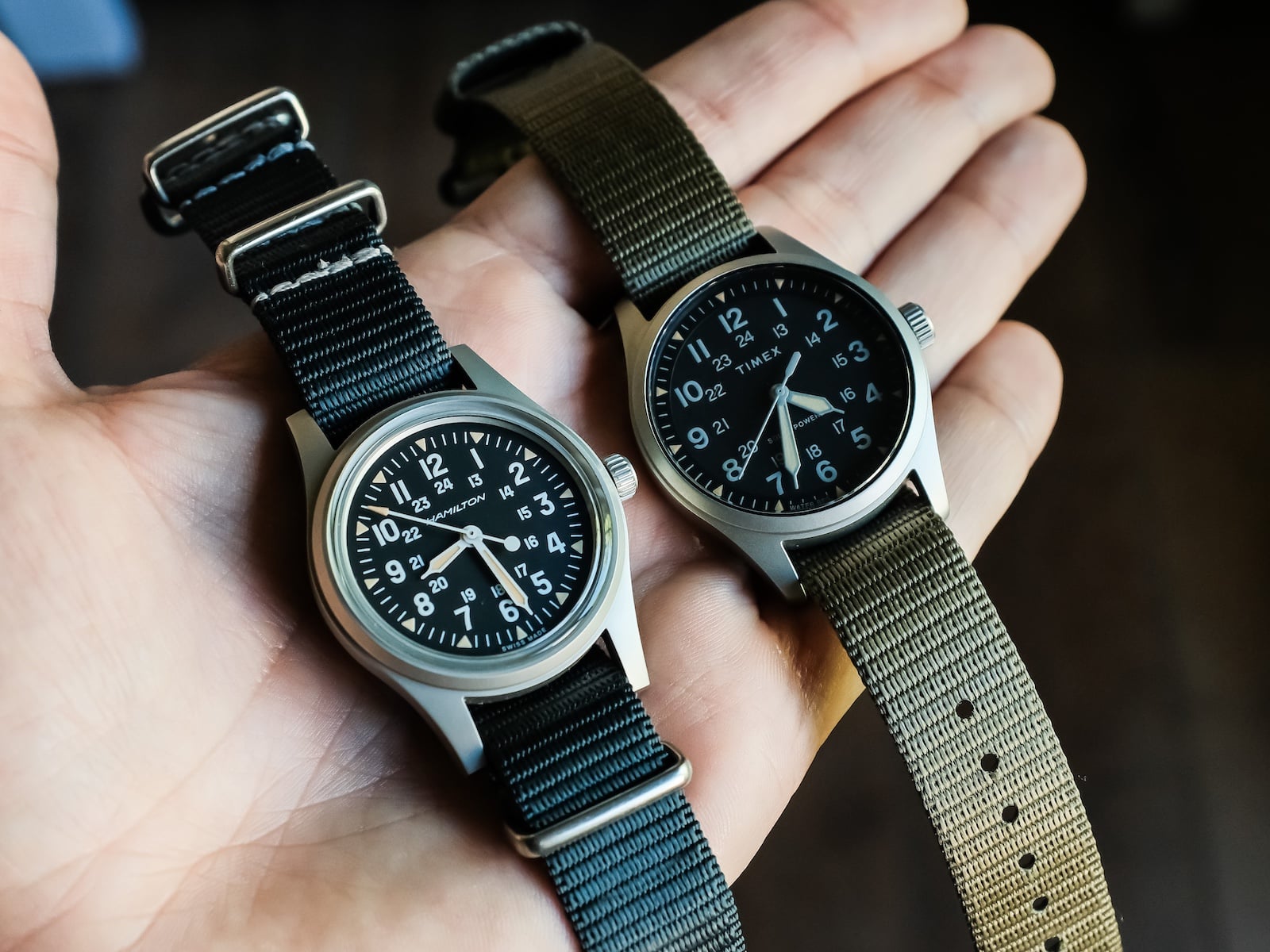 Two Broke Watch Snobs
I own the $199 Timex Expedition and the $725 Hamilton Khaki Field 250. Only one field watch stays.
 Two Broke Watch Snobs
Two vintage-inspired divers, two very different approaches. We compare the Squale Sub 37 Legend and Baltic Aquascaphe to see which one works better.
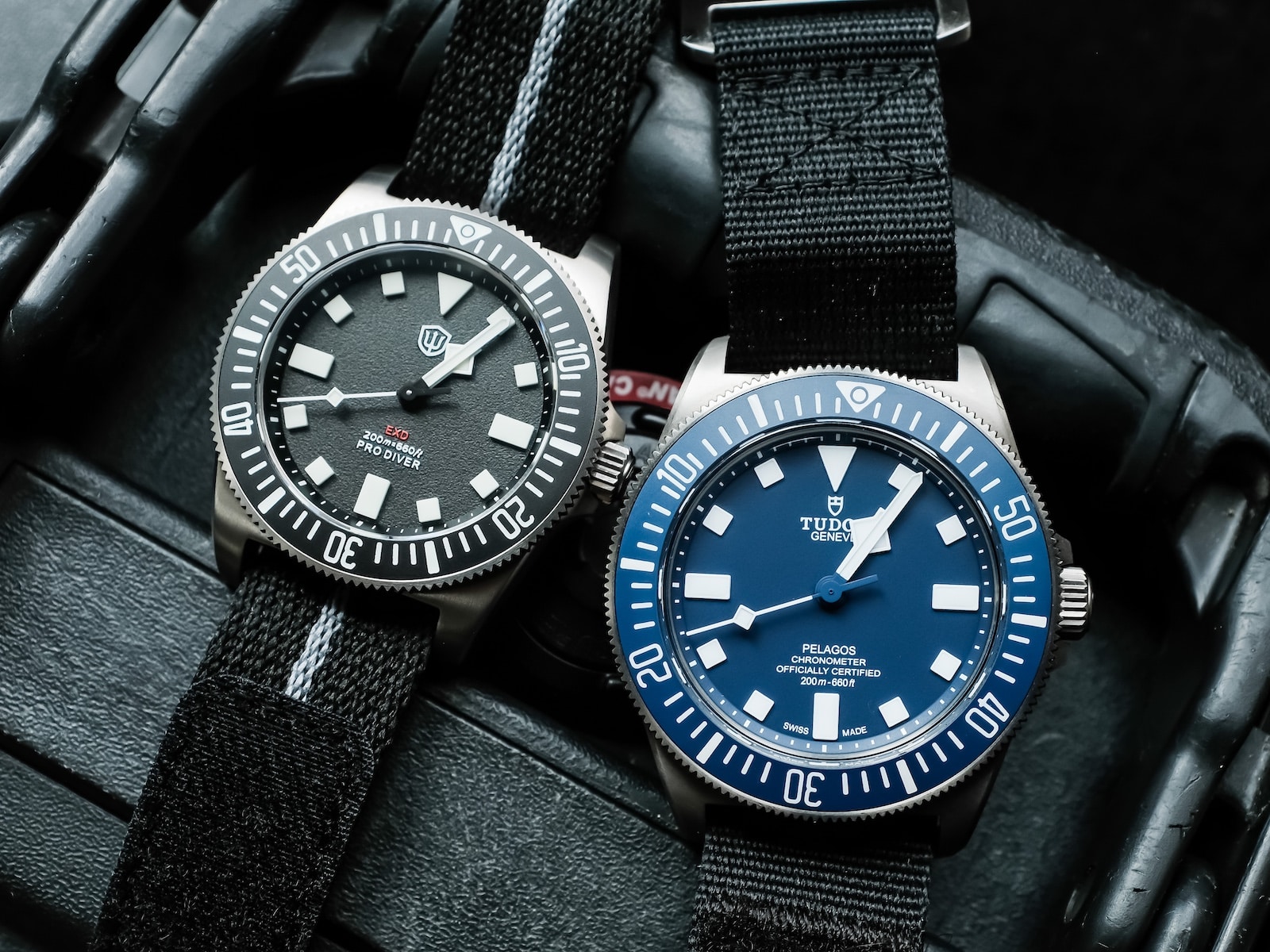 Two Broke Watch Snobs
We compared the $149 Watchdives EXD and $5,025 Tudor Pelagos FXD on wearability, movement, and value to see how close cheap titanium really gets.
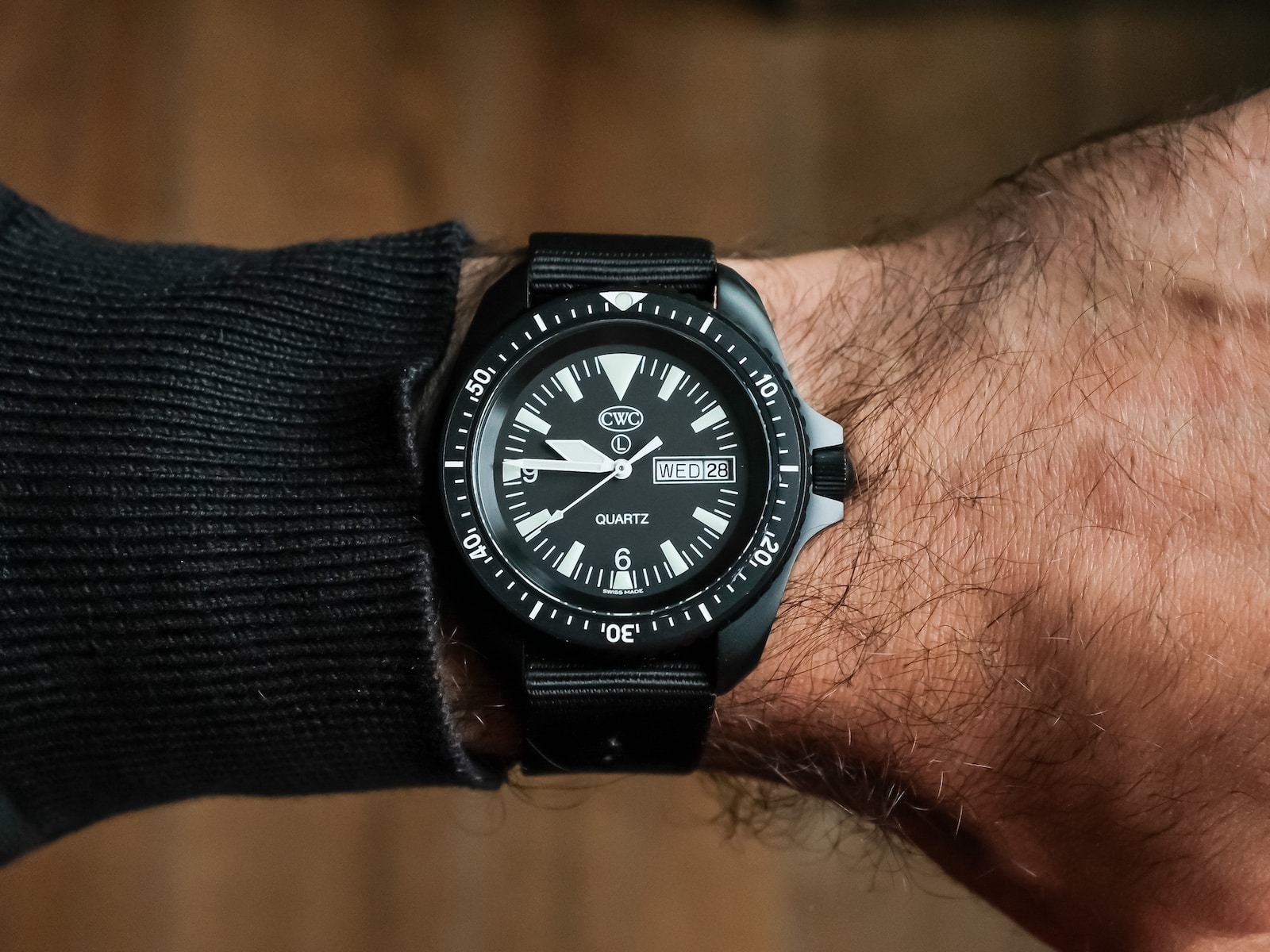 Two Broke Watch Snobs
We tested the Marathon TSAR, CWC 1980 Royal Navy Diver Re-Issue, and CWC SBS Diver to see which military dive watch is worthy of your collection.
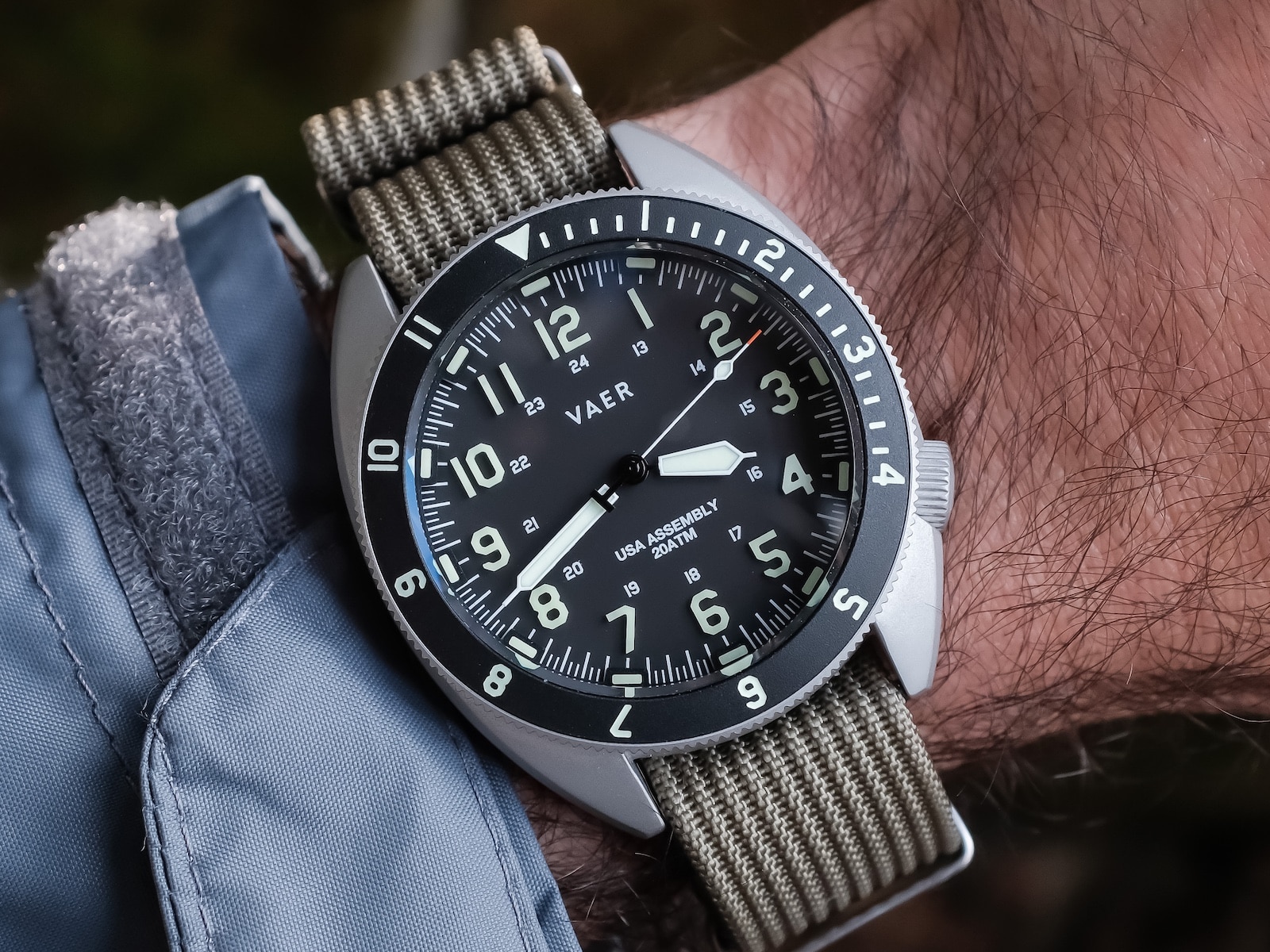 Two Broke Watch Snobs
We compare solar and mechanical field watches across accuracy, maintenance, durability, cost, and ownership to find the better real-world choice.
 Hodinkee
We've all been told at least once in life to stick to our own lane. It's an old trope that historically holds merit. Stick to one discipline, master it, and you'll succeed. But in 2026, the rulebook has changed in almost every aspect of life, and sometimes those one-trick ponies aren't the ones leading the charge; they're actually left in the stable. La Montre Hermès S.A in Brugg, Switzerland. In watchmaking, it transpires that the latest crop of brands to realize this are the names we most associate with being wider fashion houses. Empires sustained by hand-stitching legacy into cloth, amplified in the theatre of the catwalk, now play in the watchmaking arena. We've witnessed many of these names turn to watchmaking as an additional arm to their already bulletproof name, and crucially, they're delivering watches with real merit. For Hermès, despite having a presence in watchmaking since the early 20th century, with Universal Genève as the brand's watchmaking partner from the 1930s and the production of exclusively Hermès-signed pieces such as desk clocks, this rise has been built brick by brick since the 1970s. Outfitting horses came first, then their riders, and it quickly proved that true luxury comes from mastery, not scale. During the 1970s, the maison decided to build schools to train artisans the Hermès way, passing along hand-stitching, leather cutting, and scarf-printing techniques from master to apprentice. While other names pursued mass production or outsour...
 Hodinkee
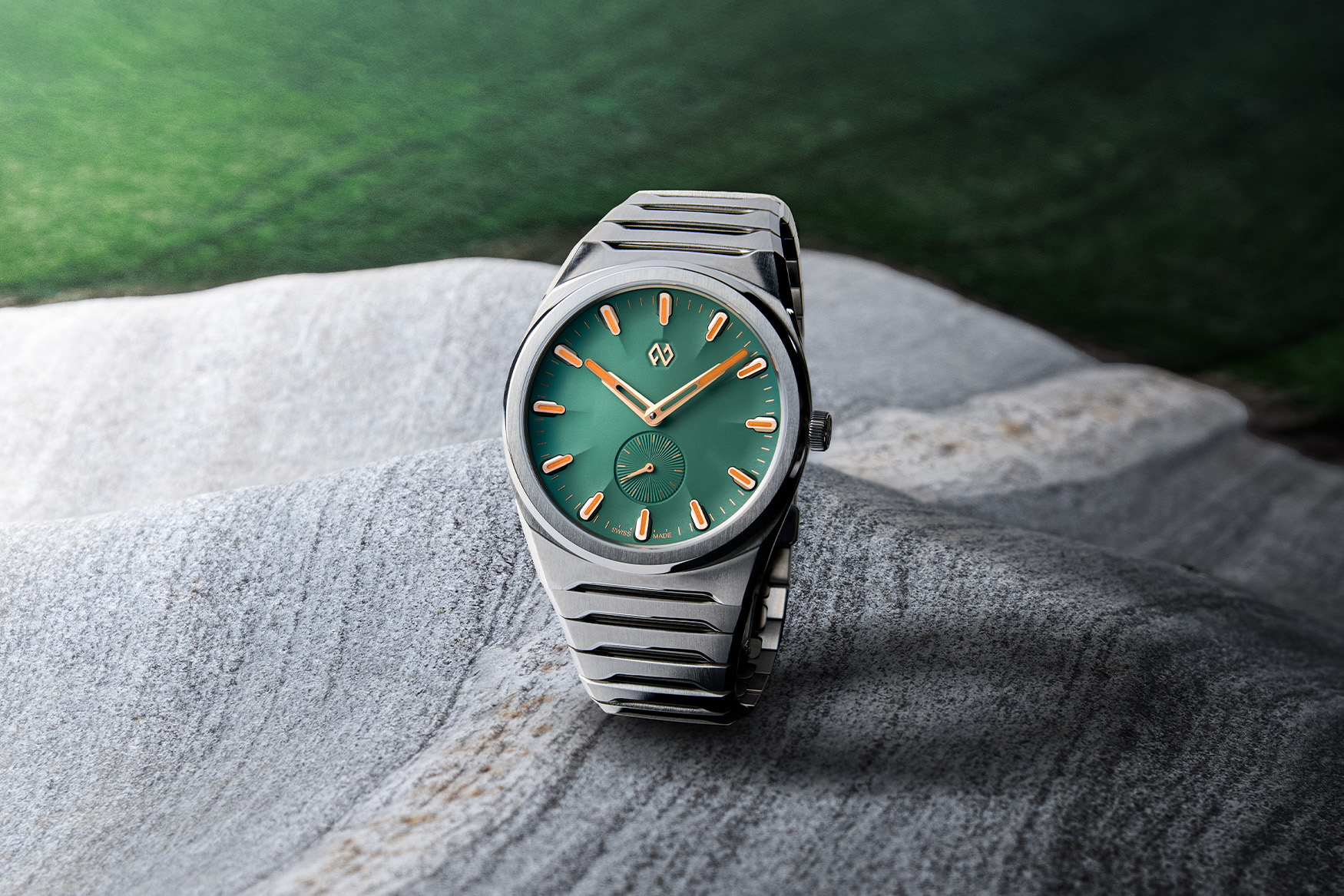
What We Know The last time I covered something from Formex was over a year ago, when the brand released a highly finished, full-ceramic sports watch, complete with a ceramic bracelet and even a ceramic micro-adjust clasp, at an unrivaled price point. Today, the brand continues its upmarket trend with a brand-new watch design called the Aria. The Aria takes the form of a broad, integrated-bracelet design in full grade 5 titanium. The 40mm case feels broader than normal, thanks to an impressively thin case height of 6.9mm, even though the lug-to-lug is still quite reasonable at 45.45mm. While the silhouette gives a smooth look, there's quite a bit of contrasting finishing going on here, with brushing of the titanium case and bracelet links done entirely by hand. Though the styling certainly leans towards its identity as a bold sports watch, there's a lot of subtlety in the design, for example, with the individual bracelet links being slightly curved or the extra dimensionality of the layer of titanium peeking out from each link's milled-out spaces. The clasp includes Formex's proprietary micro-adjust system, which provides extra space on both sides of the bracelet by pulling or pushing each side. There are three dials for the Aria: "Selva Green," "Ardesia Grey," and "Denso Blue." All three have a certain muted look to the hue, matching the slightly darker nature of titanium. Dimensionality is achieved through contrasting indices in rose-gold coloring, set on applied raised p...
 Time+Tide
The Time+Tide NYC Discovery Studio proudly hosted the launch of the Formex Aria and an in-depth discussion about the details that shape it.
 Worn & Wound
Formex has formally introduced what is likely to be at or near the top of many of our “Watch of the Year” lists when 2026 is all said and done. Long a brand synonymous with squeezing an absolutely insane amount of value from every dollar spent, the new Aria is Formex’s most ambitious watch to date, by a wide margin. We got a look at the Aria during Watches & Wonders week while Formex exhibited at Chronopolis, and then again at Windup San Francisco a few weeks later, and we remain impressed with what the brand has accomplished. This is a big step forward for them on a number of fronts. The Aria is an integrated bracelet sports watch that is also ultra-thin and uses the brand’s first manufacture movement. It makes sense, I think, to start with the case and bracelet, because they are immediately striking to hold and wear when you first experience the watch. The Aria is 40mm in diameter and crafted from titanium, with a tapered bracelet that has meticulously hand finished elements throughout. The total case height comes to just 6.9mm, and a close examination of the case, bracelet, and how they are integrated to one another reveals an intense attention to detail on the part of Formex and their design team. The Aria seems to understand what makes an integrated bracelet sports watch really work, which is a continuity of form from the case to the bracelet, and all the way to the clasp. They are integrated in the truest sense of the word, with matching finishes and tight ...
 Two Broke Watch Snobs
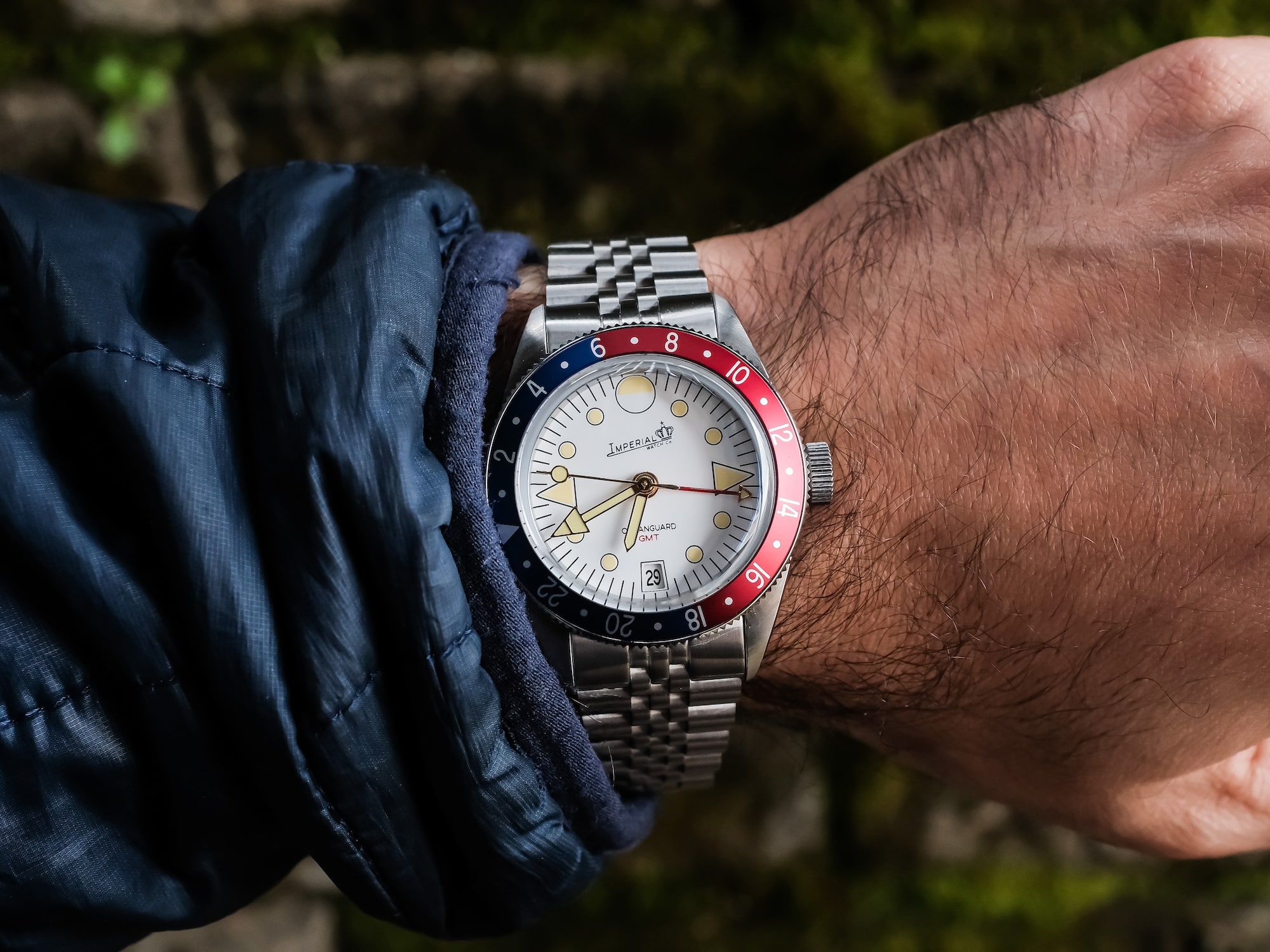
We reviewed the Imperial Oceanguard GMT and Steinhart Ocean 39 GMT hands-on to see which affordable Rolex GMT-Master II alternative is easier to live with.Gemini is AI and can make mistakes.
 Two Broke Watch Snobs
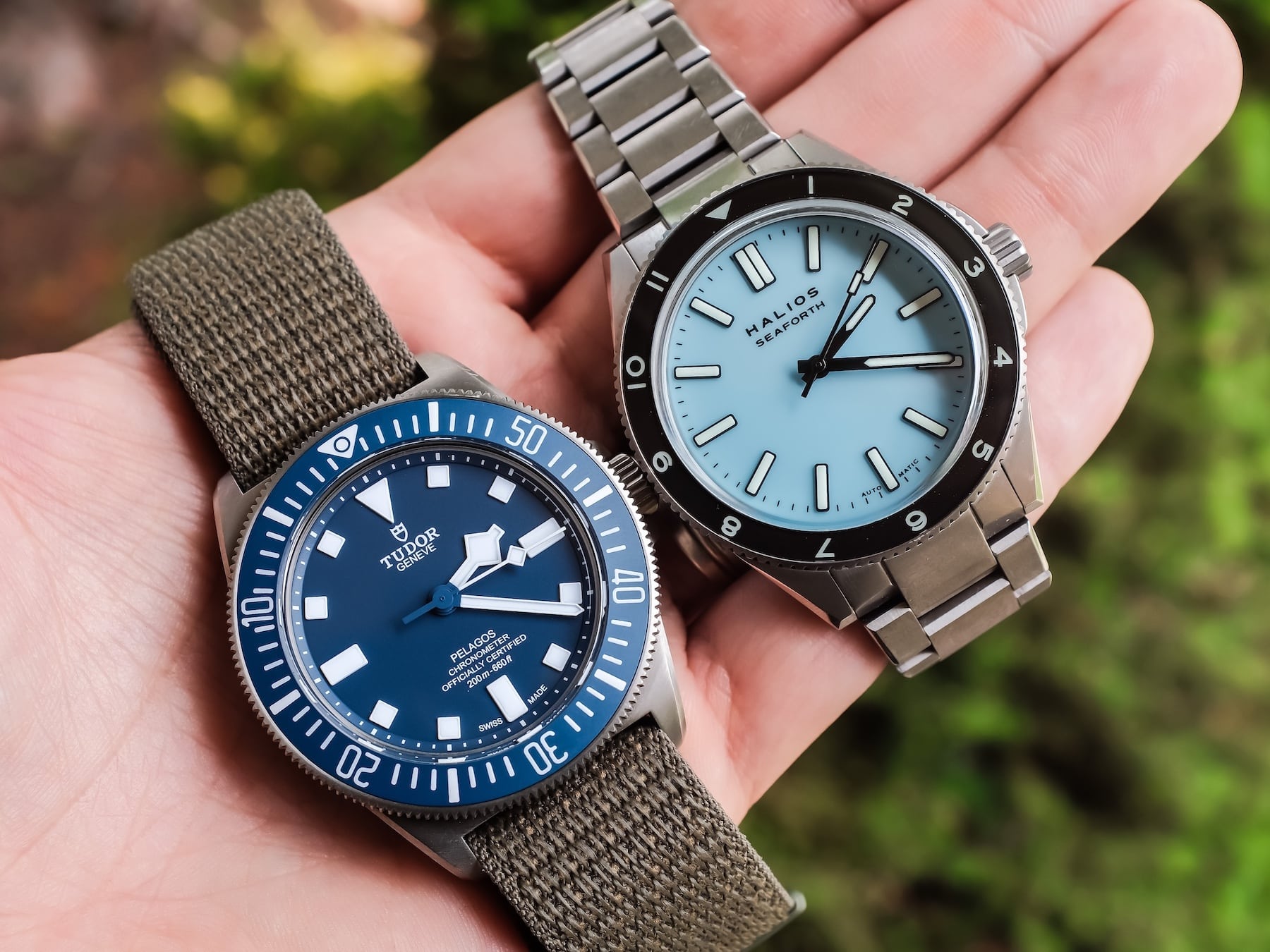
We reviewed both the Halios Seaforth IV and Tudor Pelagos FXD to compare comfort, design, value, and long-term appeal between these two titanium dive watches.
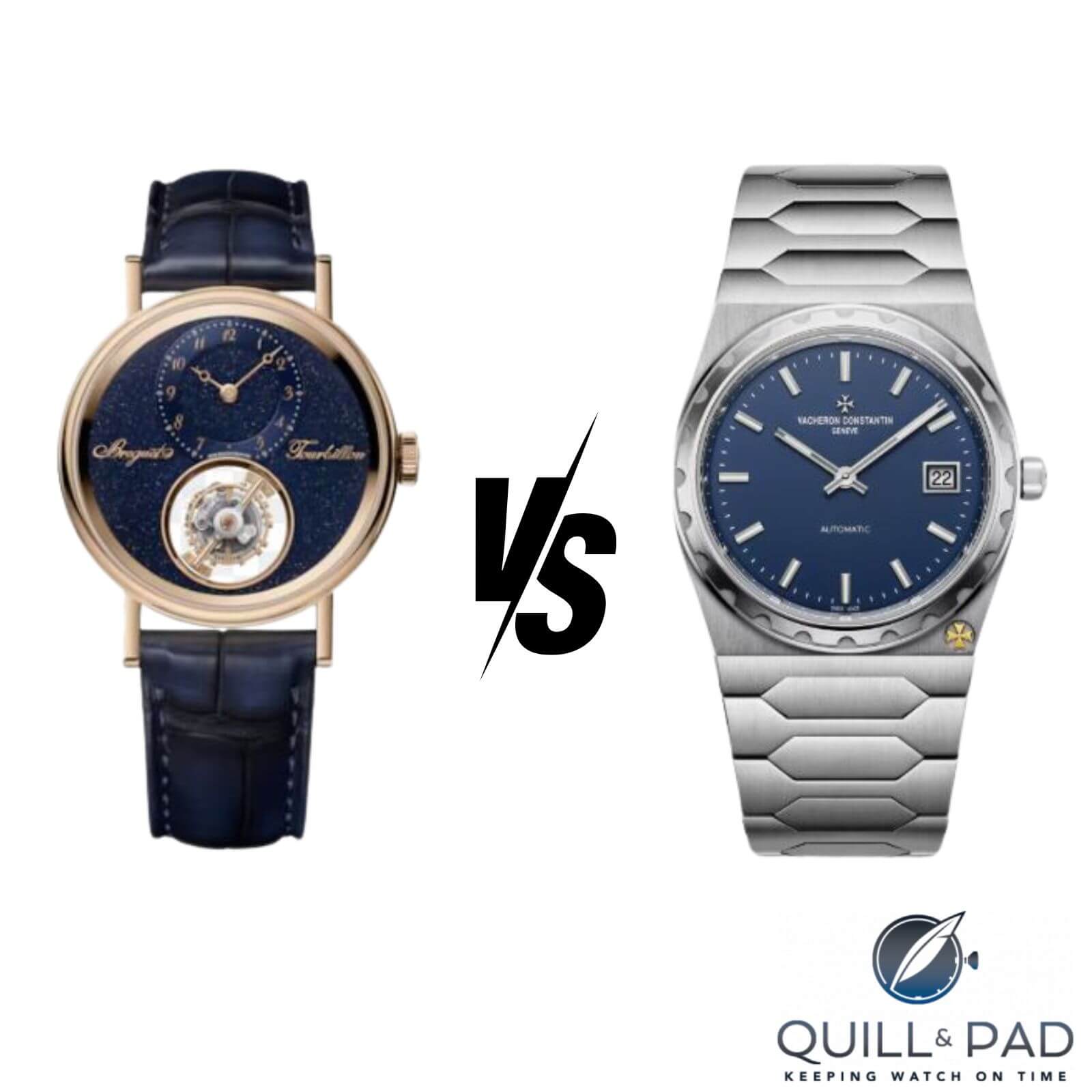 Quill & Pad
Put two authentic, luxury timepieces on a table, and you won’t kill a conversation. There may, however, be a second or so of awkward silence, as the recipient takes in what the hand has achieved.
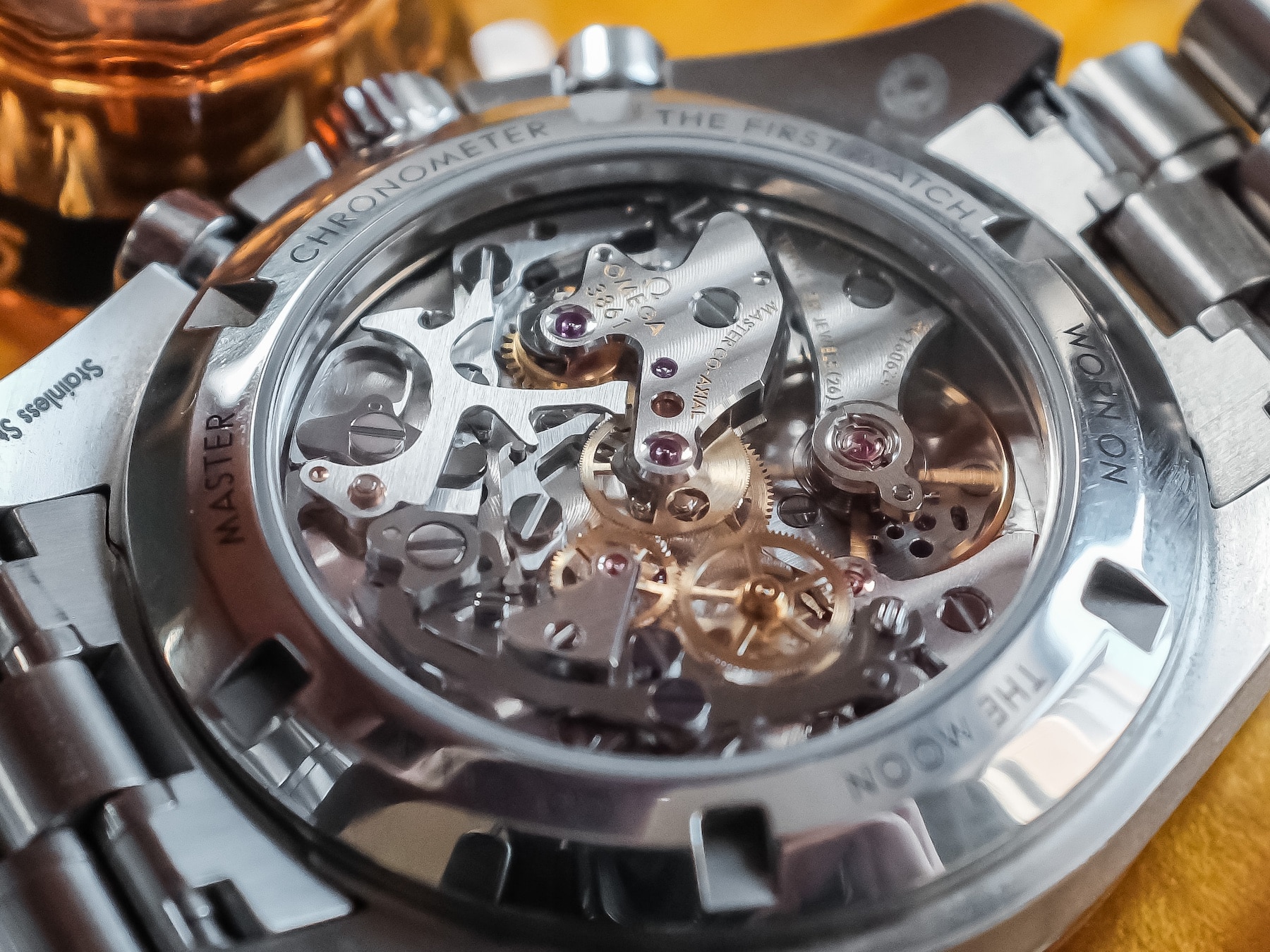 Two Broke Watch Snobs
Choosing between a mechanical chronograph and a quartz chronograph? See which is smarter for daily wear, ownership costs, reset precision, and long-term value.
 Time+Tide
What happens when Kevin O'Leary walks into the Time+Tide NYC Discovery Studio with $10K and an opinion about everything?
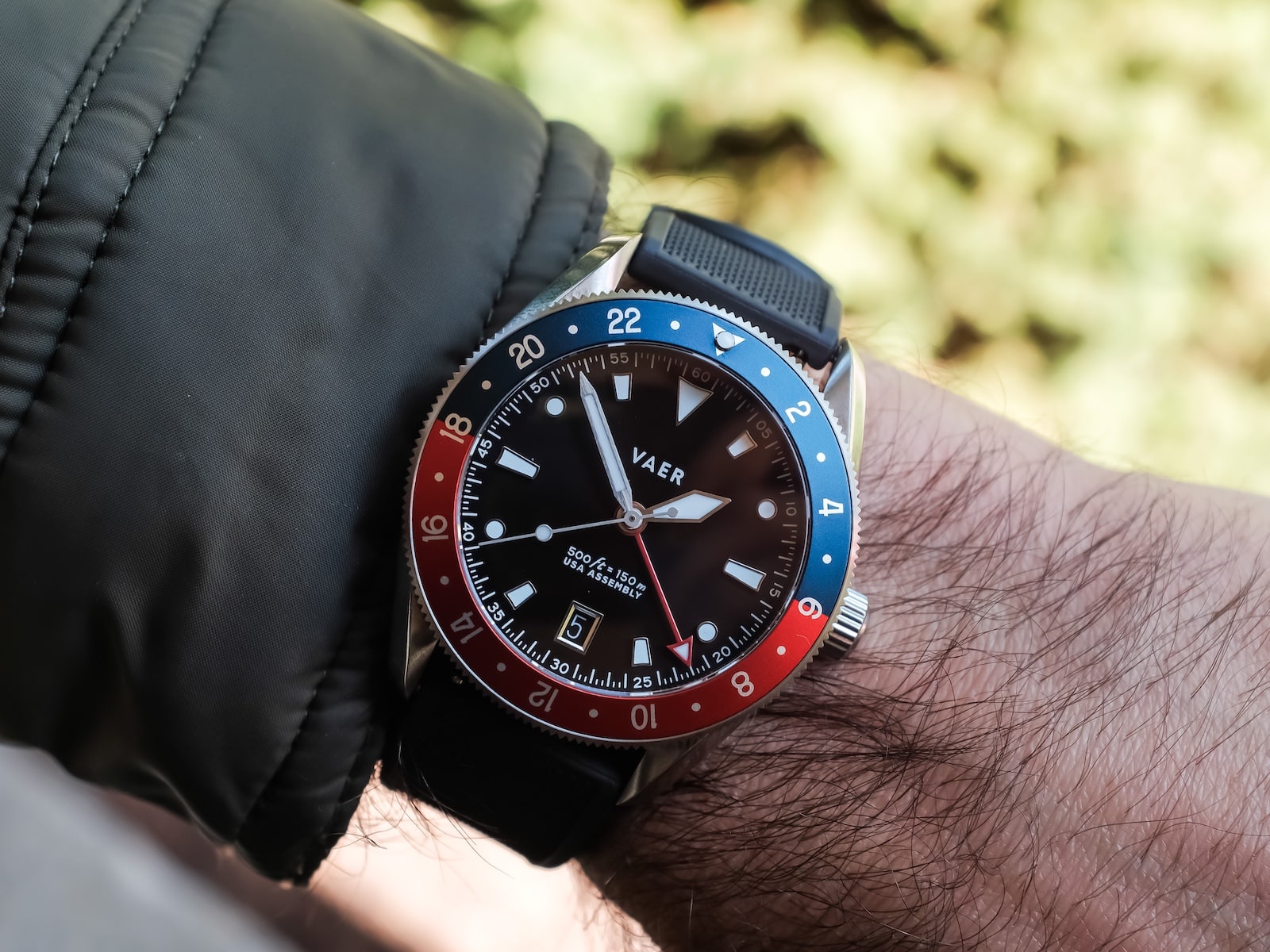 Two Broke Watch Snobs
Compare the Vaer G2 Meridian GMT and Imperial Oceanguard GMT as affordable Rolex GMT-Master II alternatives, with hands-on notes on wearability, movements, value, and daily use.
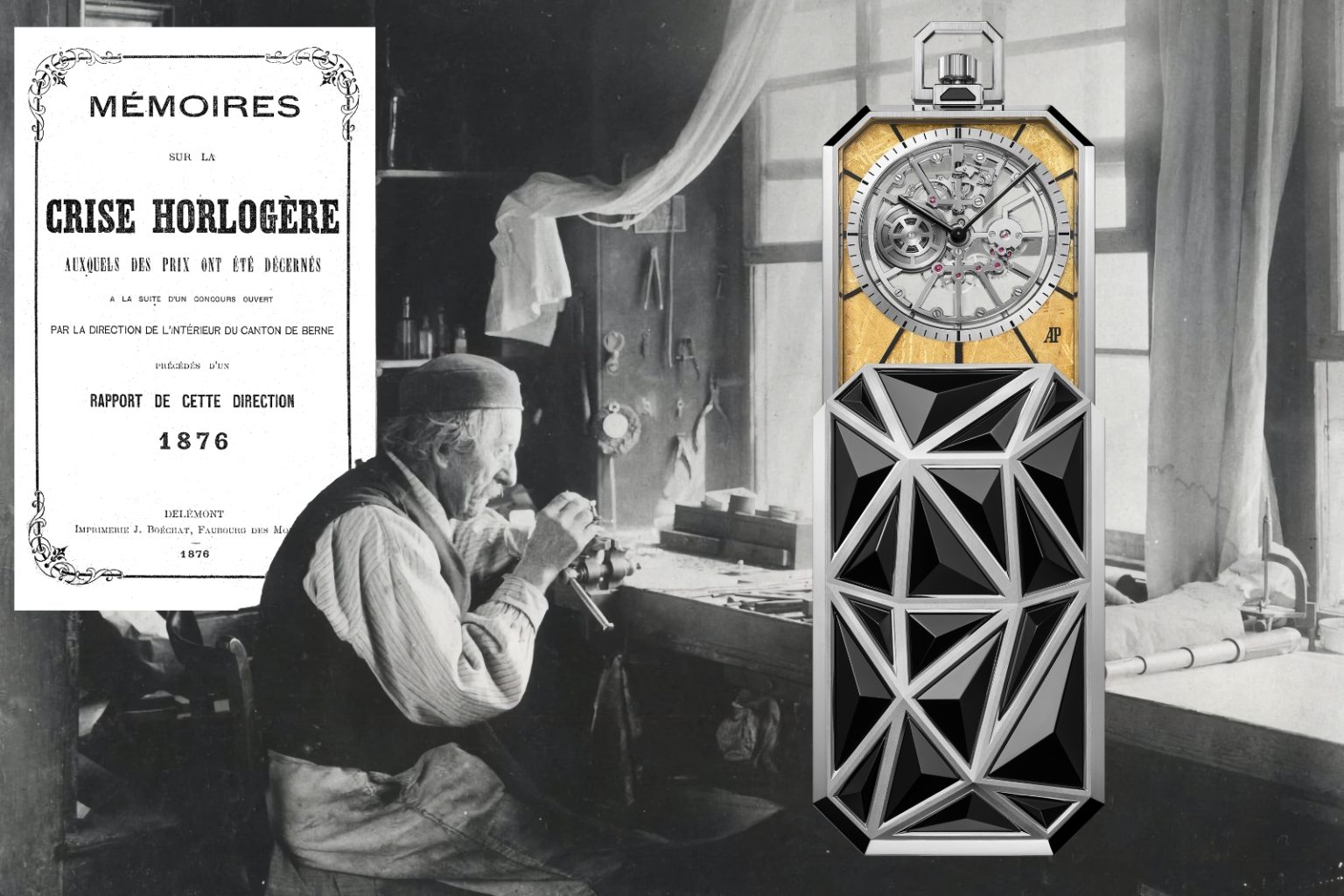 SJX Watches
This year Audemars Piguet (AP) walked into Watches & Wonders Geneva for the first time in seven years, and it did so carrying a word it had not used in public for the better part of a century. The brand had departed the predecessor of the fair, the Salon International de la Haute Horlogerie (SIHH), in 2019 alongside Richard Mille, declaring its intention to forge direct relationships with collectors through its own channels and AP Houses rather than through the shared theatre of a trade fair. The return to Geneva in 2026, under CEO Ilaria Resta, was already a signal of strategic realignment, but the word it brought with it made the move more interesting: établisseur. The watches it presented — three of them — each made in very limited numbers by a network of named artisans working within and around the Musée Atelier in Le Brassus, were introduced under the name Atelier des Établisseurs, a project AP described in its launch communications as a revival of the collaborative spirit that had driven the watchmaking industry for generations. The établissage system The framing was historically accurate, as far as it went. The établissage system did shape the Vallée de Joux from the late 18th century onward. Farmers working through the long alpine winters crafted individual components like wheels, bridges, and screws in home workshops, coordinated by an établisseur who assembled the finished watch and brought it to market. The Audemars Piguet Établisseurs Gallets hand-w...
 Two Broke Watch Snobs
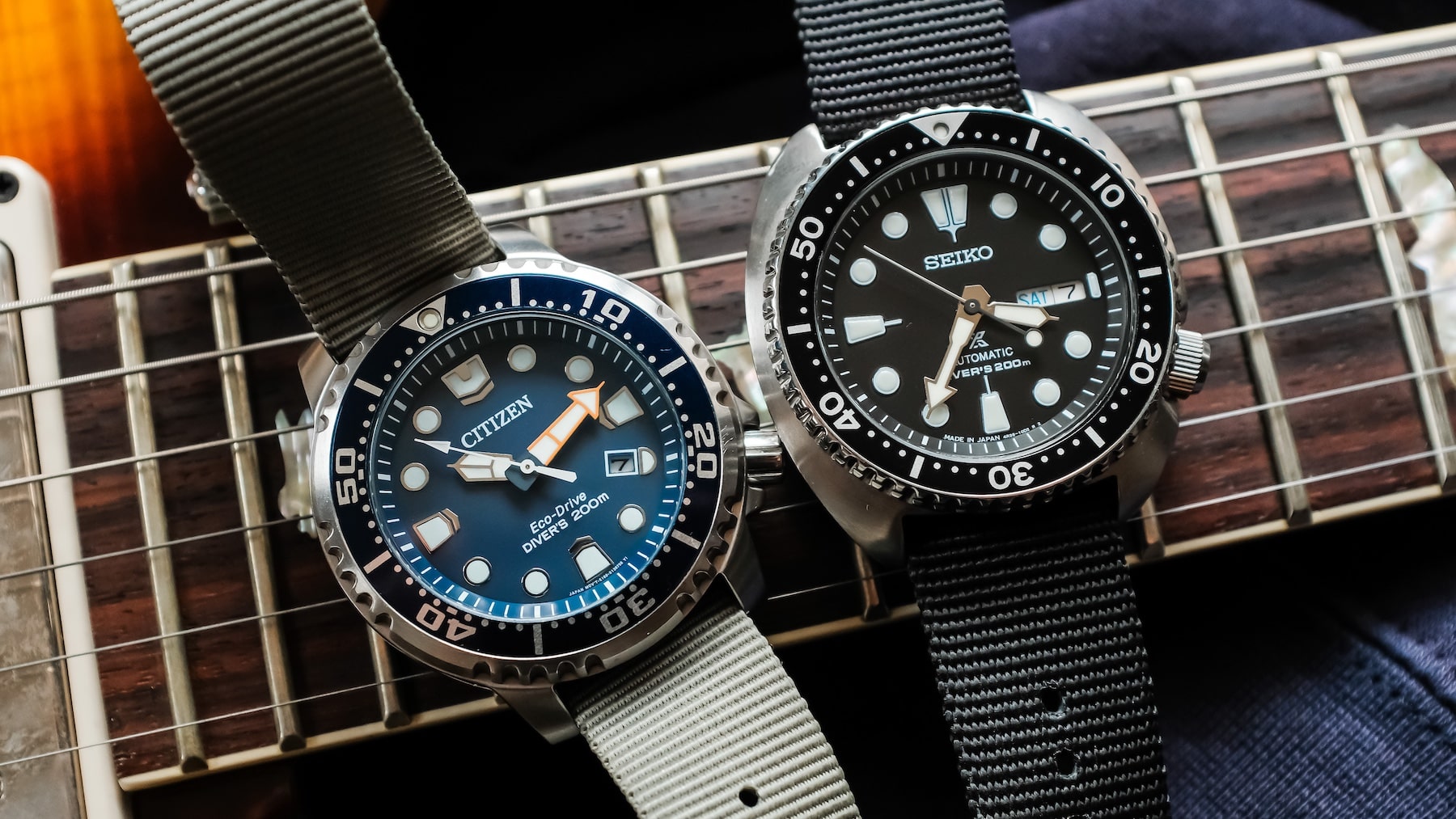
Choosing between quartz and automatic dive watches? See which one makes more sense for real ownership, maintenance, accuracy, and everyday wear before you buy.
 Two Broke Watch Snobs
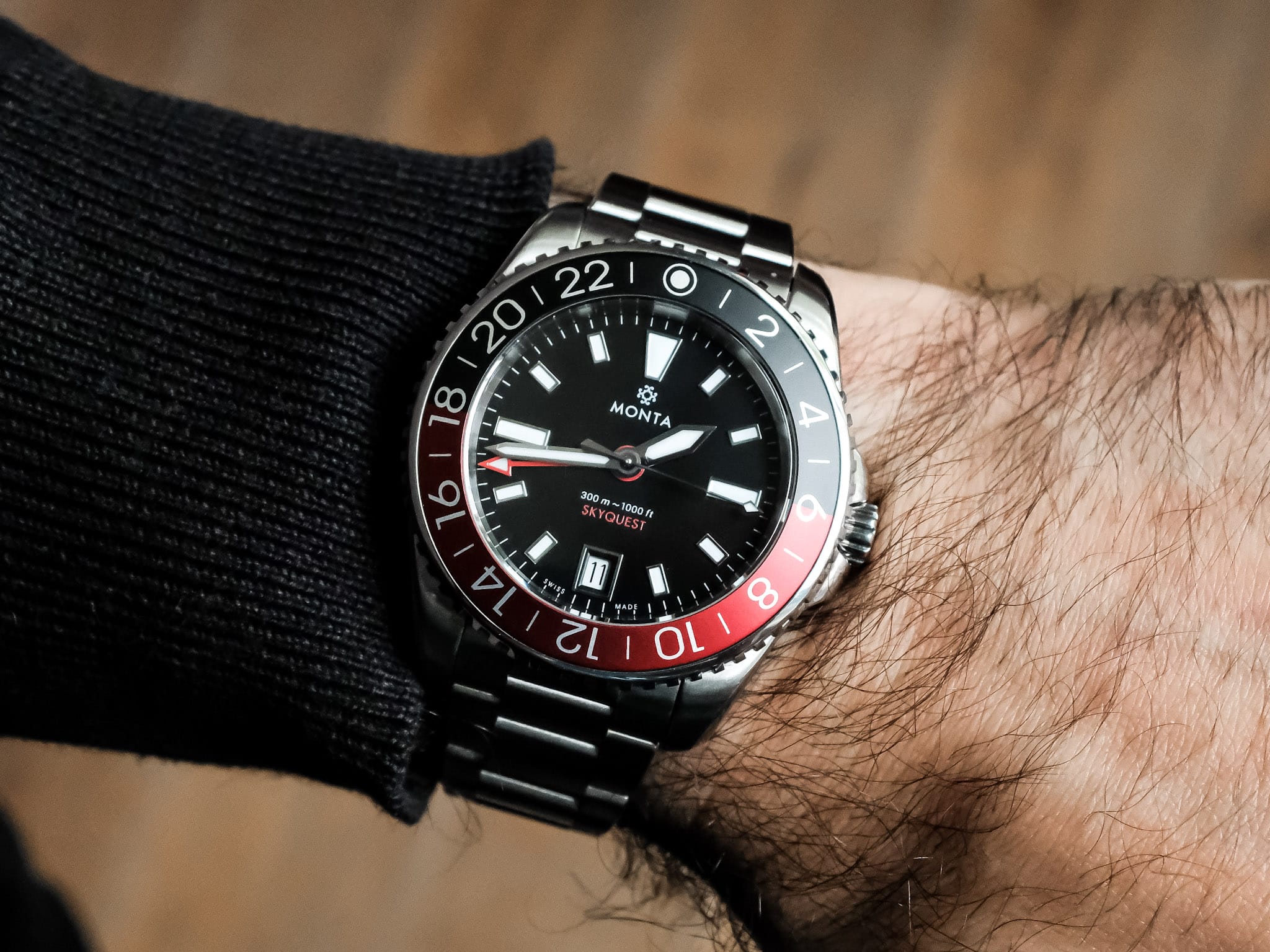
Before choosing a microbrand GMT, see how Monta and Jack Mason compare in real-world wear, from bracelet feel and finishing to travel functionality and overall value.
 Two Broke Watch Snobs
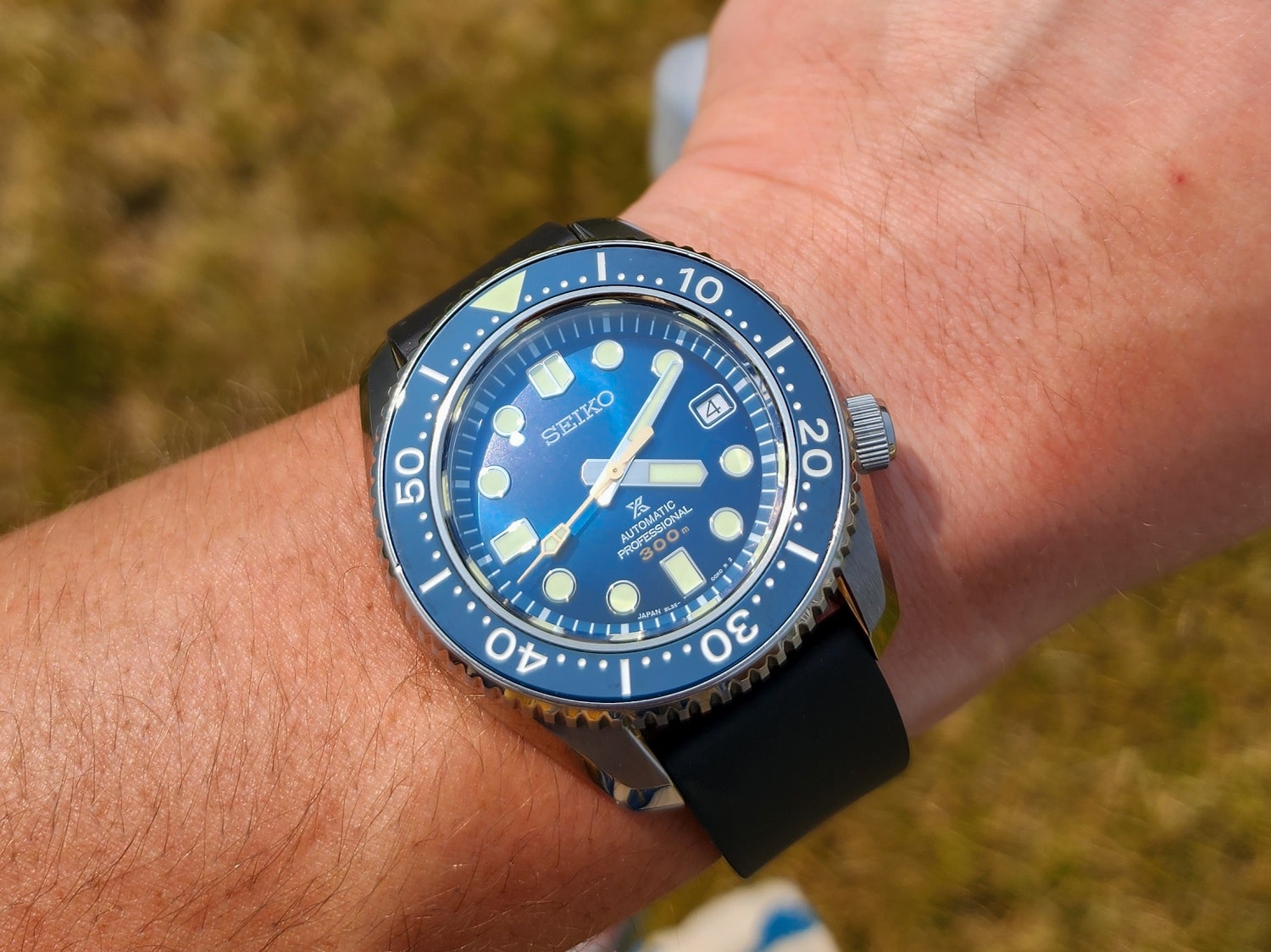
Thinking about upgrading from the Seiko 5KX to the Marinemaster? Compare movement, build, design, lume, and wearability to see if the price jump makes sense.
Question, suggestion, or just want to say hi? Drop a note.