The établisseur model is the historical default of Swiss watchmaking. Through the 18th and 19th centuries the Jura watchmaking valleys (Le Locle, La Chaux-de-Fonds, Glashütte) were structured as a networked supply chain: hundreds of specialised cabinotiers made cases, dials, hands, hairsprings, escape wheels, plates, and bridges in their workshops; brand-name "établisseurs" purchased components from each, assembled them in their own ateliers, and sold the complete watches under their brand. Antoine LeCoultre, Edouard Heuer, Patek and Czapek, and Charles-Auguste Reymond were all originally établisseurs in this networked sense; the term carried no negative connotation.
The manufacture model emerged through the late 19th and 20th centuries as larger brands integrated upstream component production. Patek Philippe developed in-house movement production through the 1840s onward; Rolex integrated movement assembly through the 1950s and full in-house movement design from the 1960s; Jaeger-LeCoultre developed the most extensive in-house manufacturing footprint of any 20th-century maison (over 1,200 in-house calibres). The haute-horlogerie tier (Patek, AP, VC, Lange) is structurally manufacture-only.
"There is no shame in being an établisseur. The Swiss industry was an établisseur industry for two centuries before 'manufacture' became a marketing claim."- Watch industry historian
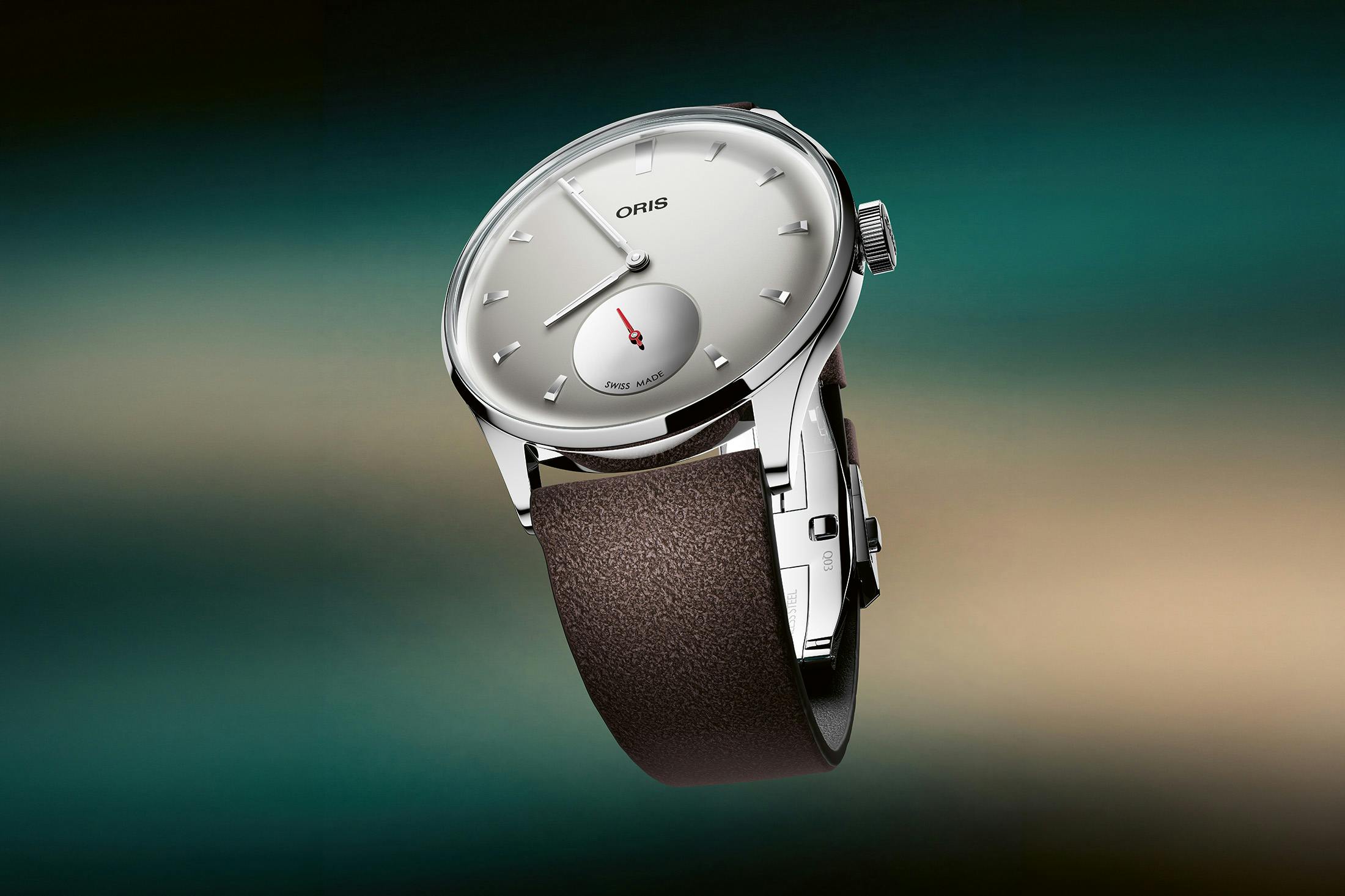
The modern industry default for the volume tier (Hamilton, Mido, Tissot, Oris, most microbrands, vintage Tudor) remains the établisseur model: brands buy movements from ETA SA (the dominant supplier, owned by Swatch Group) or its independent alternatives. The most-used ETA calibres are the 2824-2 (3-hand-with-date), 2892-A2 (thinner premium), and the 7750 (chronograph). These movements are sold as bare ébauches (semi-finished) or finished modules; the buyer brand can specify regulation grade (Standard, Élaboré, Top, Chronometer) and finishing.
In 2002 ETA announced, under Swatch Group strategic instruction, that it would reduce third-party movement sales and ultimately stop selling to brands outside Swatch Group; this triggered an industry-wide scramble. Sellita (a former ETA assembly contractor in La Chaux-de-Fonds) began producing its own near-clones of the ETA architecture (SW200 = 2824-2 clone; SW300 = 2892 clone; SW500 = 7750 clone), backed by the legal expiry of ETA's patents on the original movements. Soprod in Le Locle, Kenissi (Tudor's in-house manufacture in Le Locle, supplying Tudor + Chanel + others), and STP / Fossil-owned all stepped into the gap. As of 2024 the ETA-throttle is partial rather than complete; Sellita has effectively become the dominant alternative supplier and now matches ETA's volume share for non-Swatch brands.
The "manufacture" claim in modern marketing has become contested. Brands that historically used ETA are launching "in-house" calibres at premium pricing; the integrity of these claims varies. Some are genuine manufactures (Tudor MT-series, Bvlgari Octo Finissimo BVL family, Zenith El Primero / Defy family, Grand Seiko 9SA5/9R/9F families), with full upstream component production. Others are "branded" calibres made for the brand by third parties (Sellita, Vaucher Manufacture Fleurier, La Joux-Perret) under exclusive supply agreements but not produced in the brand's own factory. The distinction can be technical (where is the calibre actually assembled?), legal (which entity owns the IP?), and marketing-driven (what does the brand claim?).
A practical heuristic for buyers: brands that claim "in-house" with no further detail typically mean a third-party-made exclusive calibre; brands that name a specific manufacture (e.g., "Vaucher Manufacture Fleurier") are transparent about the model. Brands that openly use ETA or Sellita (Hamilton Khaki, Oris with the Cal. 754 base, vintage Tudor) face no stigma in modern collector culture; the établisseur model has long-standing technical legitimacy and economic logic. The "manufacture or nothing" stance is largely a 21st-century marketing development driven by perceived brand-value differentiation, not a technical truth about quality. ETA-base movements regulated to chronometer-grade outperform many "in-house" calibres on objective metrics.


Comments 2