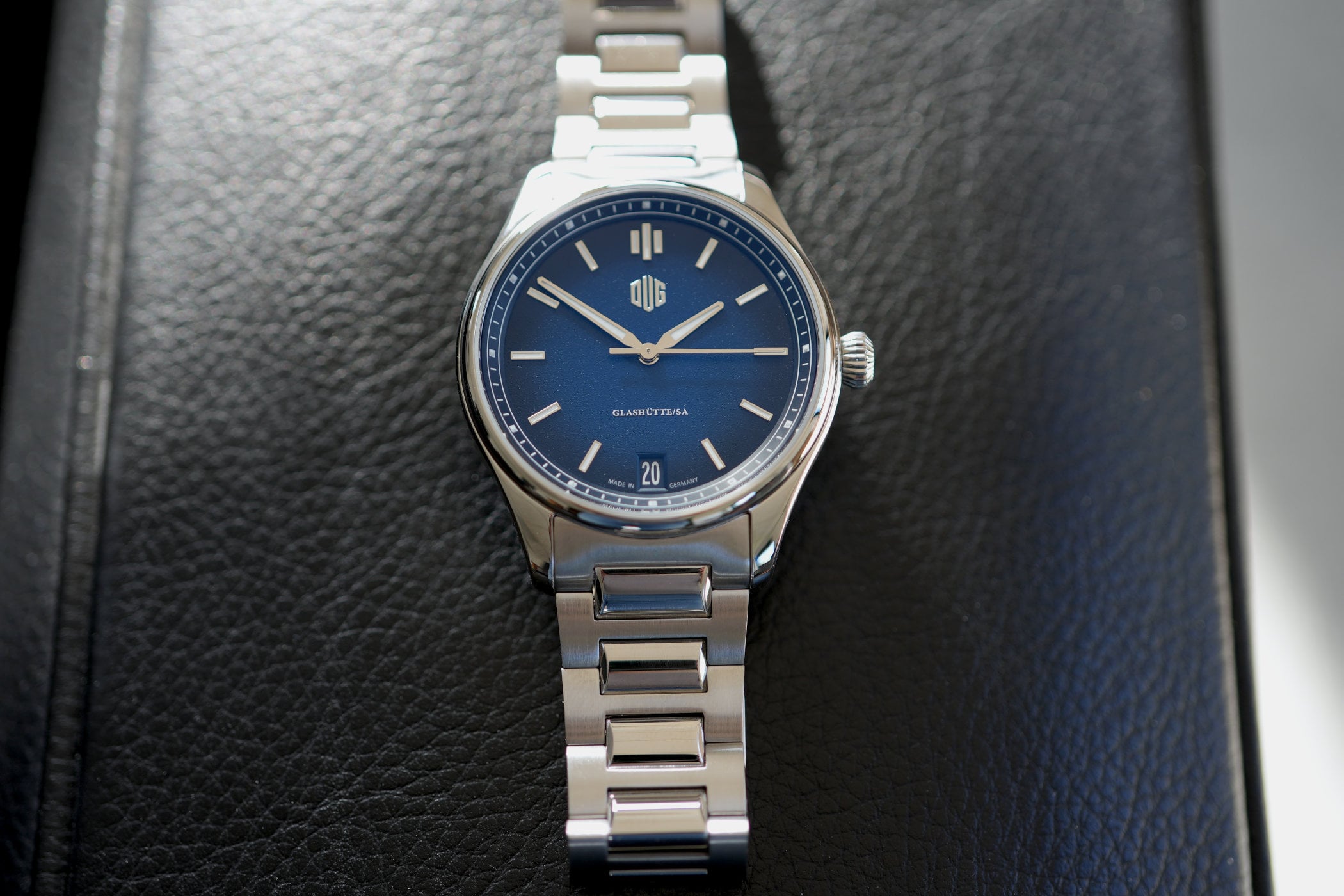
Glashütte is the town in the Saxon Erzgebirge, 35 km south of Dresden, that has been the centre of German fine watchmaking for almost 180 years. Until the mid-19th century the area was a depressed silver-mining valley; the seams had been exhausted and unemployment was severe. Ferdinand Adolph Lange, a Dresden watchmaker trained in Paris and Geneva, applied to the Royal Saxon government in 1845 for a state subsidy to establish a watchmaking school in Glashütte and provide work for the unemployed miners. The subsidy was granted; on 7 December 1845 Lange opened his workshop and began training apprentices. The German watchmaking industry as it now exists begins with that date.
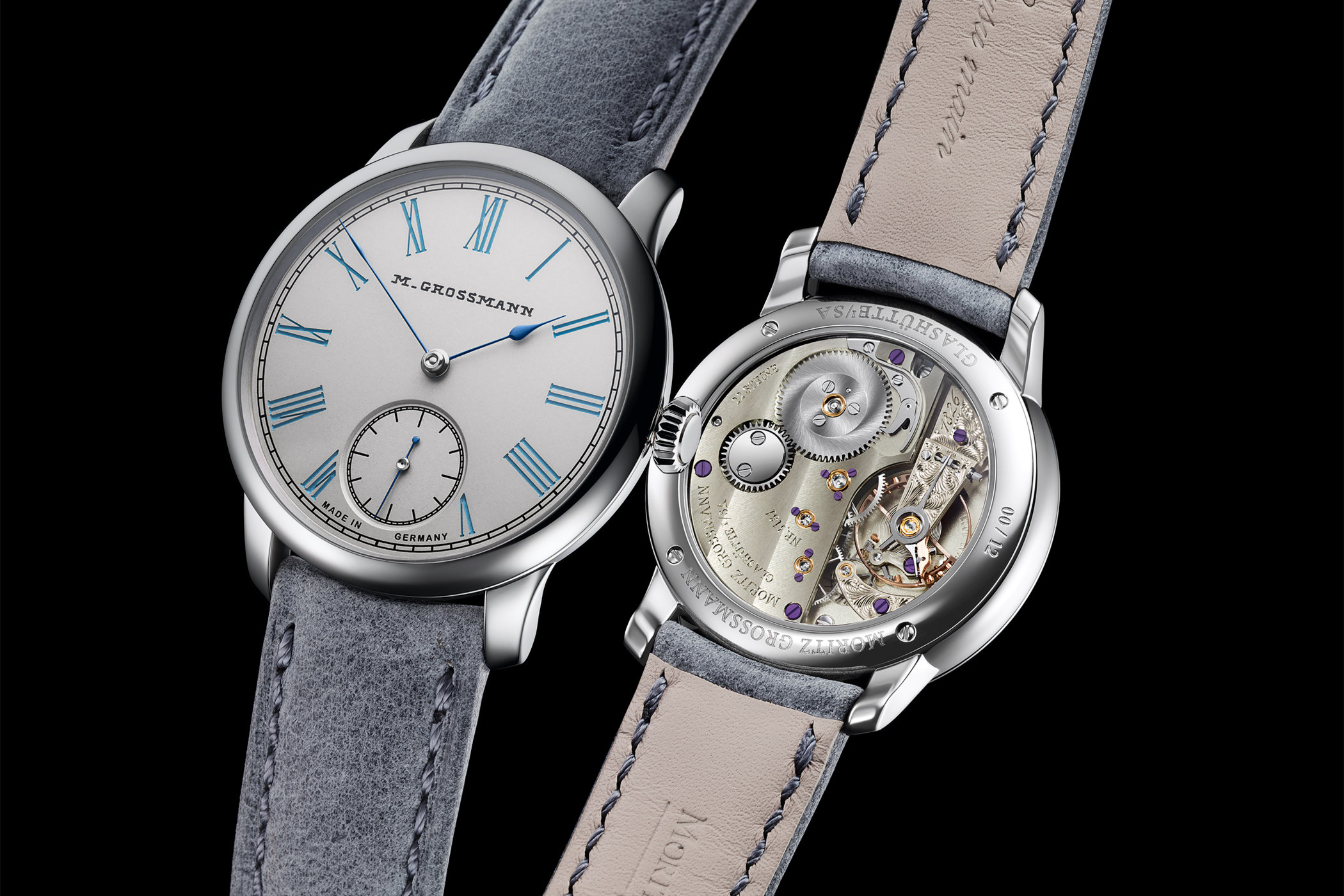
The Deutsche Uhrmacherschule Glashütte (German Watchmaking School) was founded in 1872. By the late 19th century the town had become the German equivalent of Le Locle, with a dense cluster of watchmaking ateliers, suppliers, finishers, and a horological observatory. Brands founded in Glashütte before 1900 include A. Lange & Söhne (1845), Strasser & Rohde (1875), Union Glashütte (1893), and Wempe Glashütte (1878). The technical signatures of "Glashütte watchmaking" crystallised in this period: the three-quarter plate (a single large bridge spanning most of the movement, instead of multiple smaller bridges as in Swiss practice), gold chatons screwed into the plate around the jewel bearings (a Lange specialty), the swan-neck regulator, and blued steel screws.
"Glashütte i/SA. The mark on a Lange dial means more than a place; it means the place where the movement was thought, made, finished, and signed."- Walter Lange, refounder of A. Lange & Söhne (1990)
The two world wars and Soviet occupation interrupted but did not end Glashütte watchmaking. After 1945 the Soviet army dismantled the manufactures as war reparations and shipped the machinery to Russia; in 1948 the East German government nationalised the surviving Glashütte ateliers into a single state combine, the GUB (Glashütter Uhrenbetriebe). For the 41 years of East German rule, Glashütte produced workmanlike movements (notably the GUB 70/75 family) under the "Glashütte" mark and exported them under the Spezimatic and Spezichron names. The town's population, shrunk by the wars and emigration, fell to under 7,000 by reunification.
The post-reunification revival began on 7 December 1990, exactly 145 years after Lange's original founding, when Walter Lange, the great-grandson of Ferdinand Adolph, refounded A. Lange & Söhne. Lange's first post-reunification watches were unveiled in October 1994: the Lange 1, the Saxonia, the Arkade, and the Tourbillon "Pour le Mérite". Glashütte Original spun out of the privatised GUB in 1994 under Heinz Pfeifer; NOMOS Glashütte launched in 1990 with the Tangente and Orion under Roland Schwertner. Mühle-Glashütte resumed in 1994 under Hans-Jürgen Mühle, returning to the family's late-19th-century instrument-making roots.
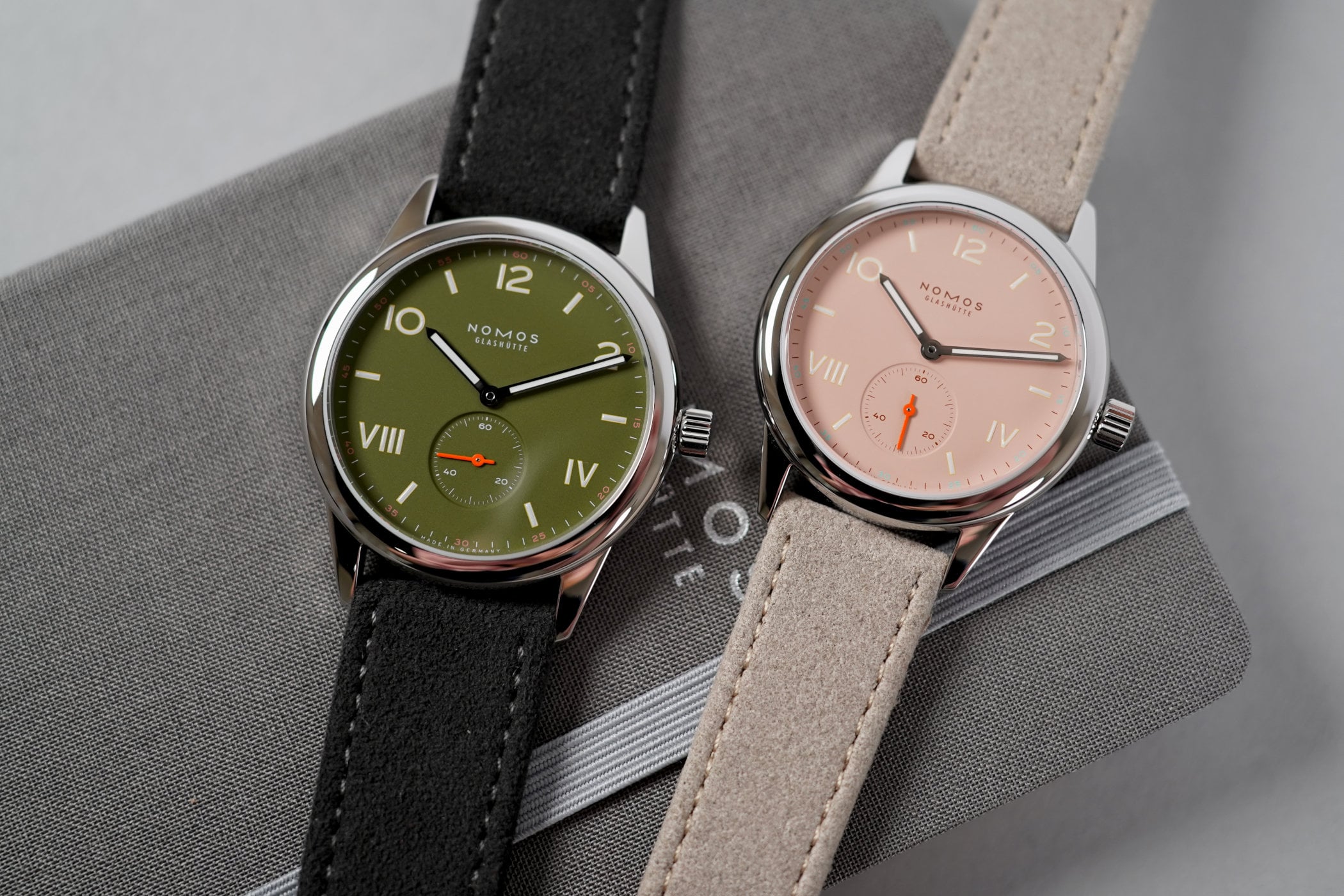
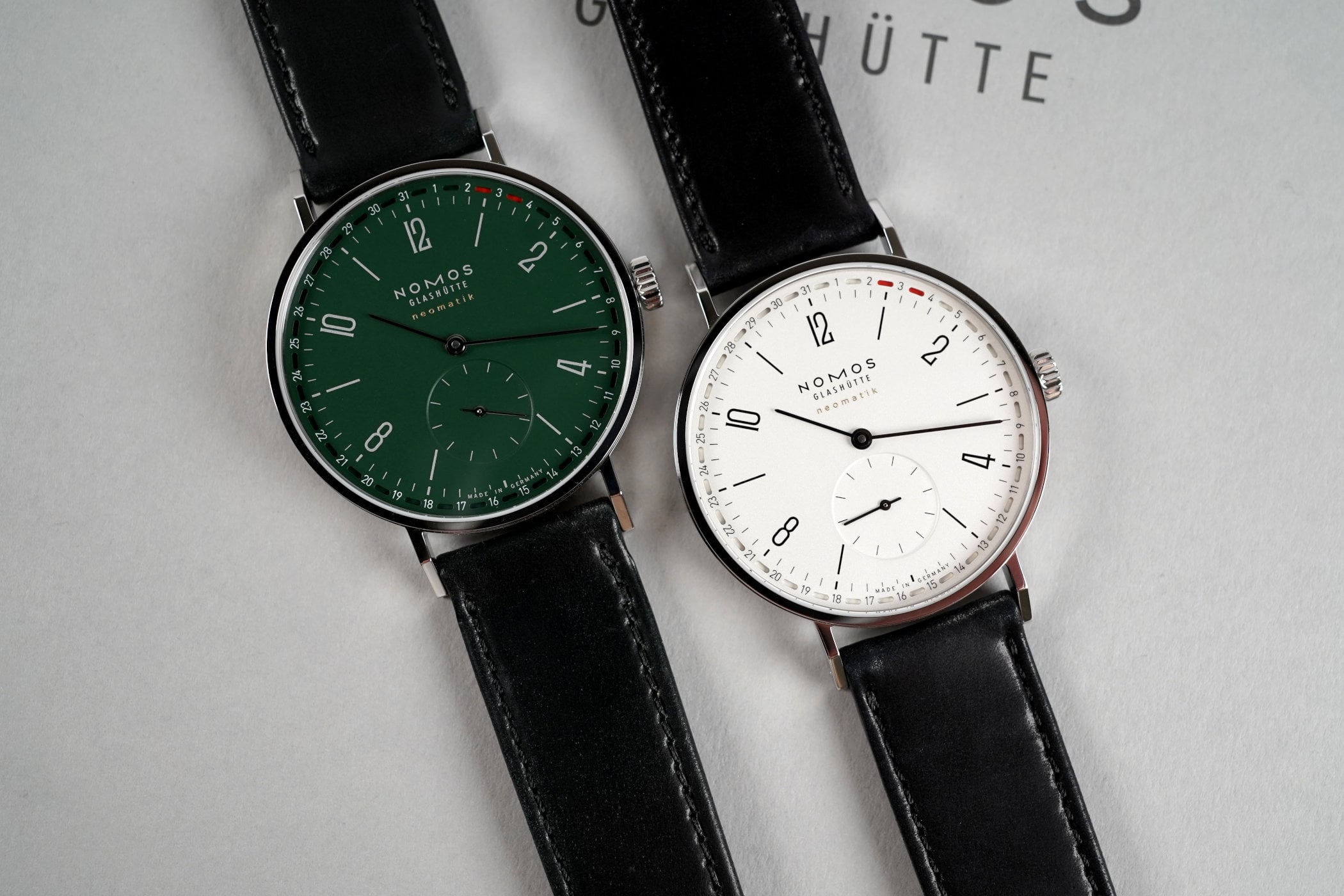
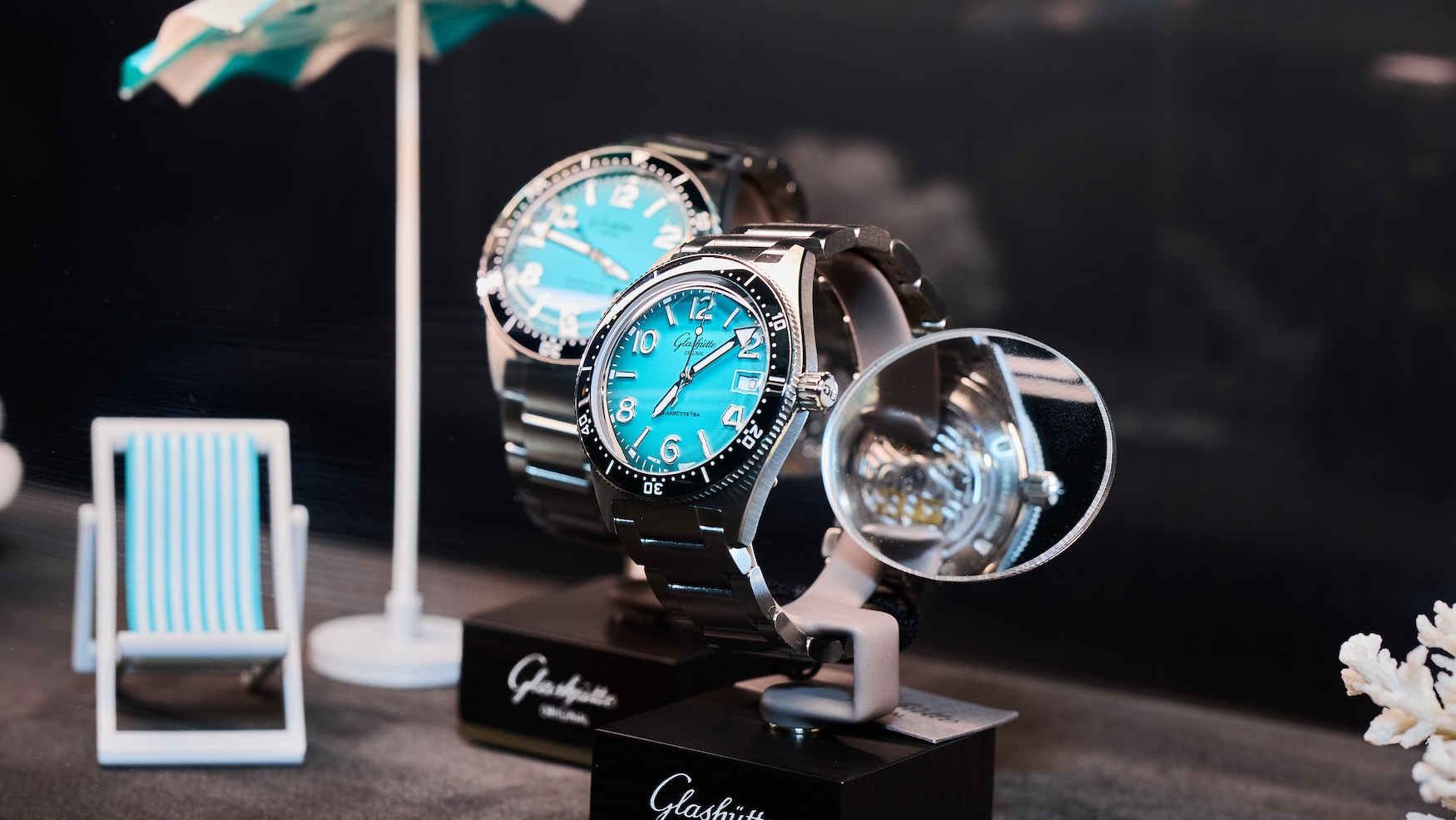
Glashütte today produces under 30,000 watches per year combined across all brands, perhaps 1% of Swiss output, but at the highest end of the price spectrum. A. Lange & Söhne, owned by Richemont since 2000, is consistently ranked alongside Patek Philippe and Audemars Piguet in the very top tier of fine watchmaking. Glashütte Original, owned by the Swatch Group since 2000, occupies the upper-mid market with full in-house movements. NOMOS is the Bauhaus-design entry point with neo-vintage hand-wound and automatic calibers built fully in-house in Glashütte.
Since 1 January 2022, the "Glashütte" designation on a watch dial is legally protected under German law on the model of Swiss Made. To carry the "Glashütte" mark, a watch must be assembled in Glashütte, the movement must be in significant part of German manufacture, and at least 50% of the value-added work on the movement must be performed in Glashütte. The "Glashütte i/SA" location-of-origin mark on a Lange or Glashütte Original dial today is the German technical equivalent of "Genève" on a Vacheron, with comparable provenance value to a serious collector.





Comments 1