
Patek Philippe was founded in 1839 in Geneva by the Polish watchmaker Antoni Patek and the French watchmaker Adrien Philippe, inventor of the keyless winding system. From its earliest years, the company set its sights on the highest tier of watchmaking, creating pieces for royalty, industrialists, and figures such as Queen Victoria, Albert Einstein, and Tchaikovsky. The firm's signature emphasis on technical excellence combined with understated elegance has remained constant for nearly two centuries.
In 1932, during the depths of the Great Depression, the company was purchased by Charles and Jean Stern, dial suppliers from the Geneva suburb of Plan-les-Ouates. The Stern family has remained in complete control ever since - Thierry Stern, Patek's current president, represents the fourth generation. This unbroken family stewardship is critical to understanding Patek Philippe: the company does not answer to shareholders, does not chase quarterly growth, and produces approximately 70,000 watches a year - a tiny number by luxury industry standards, which helps keep demand perpetually ahead of supply.
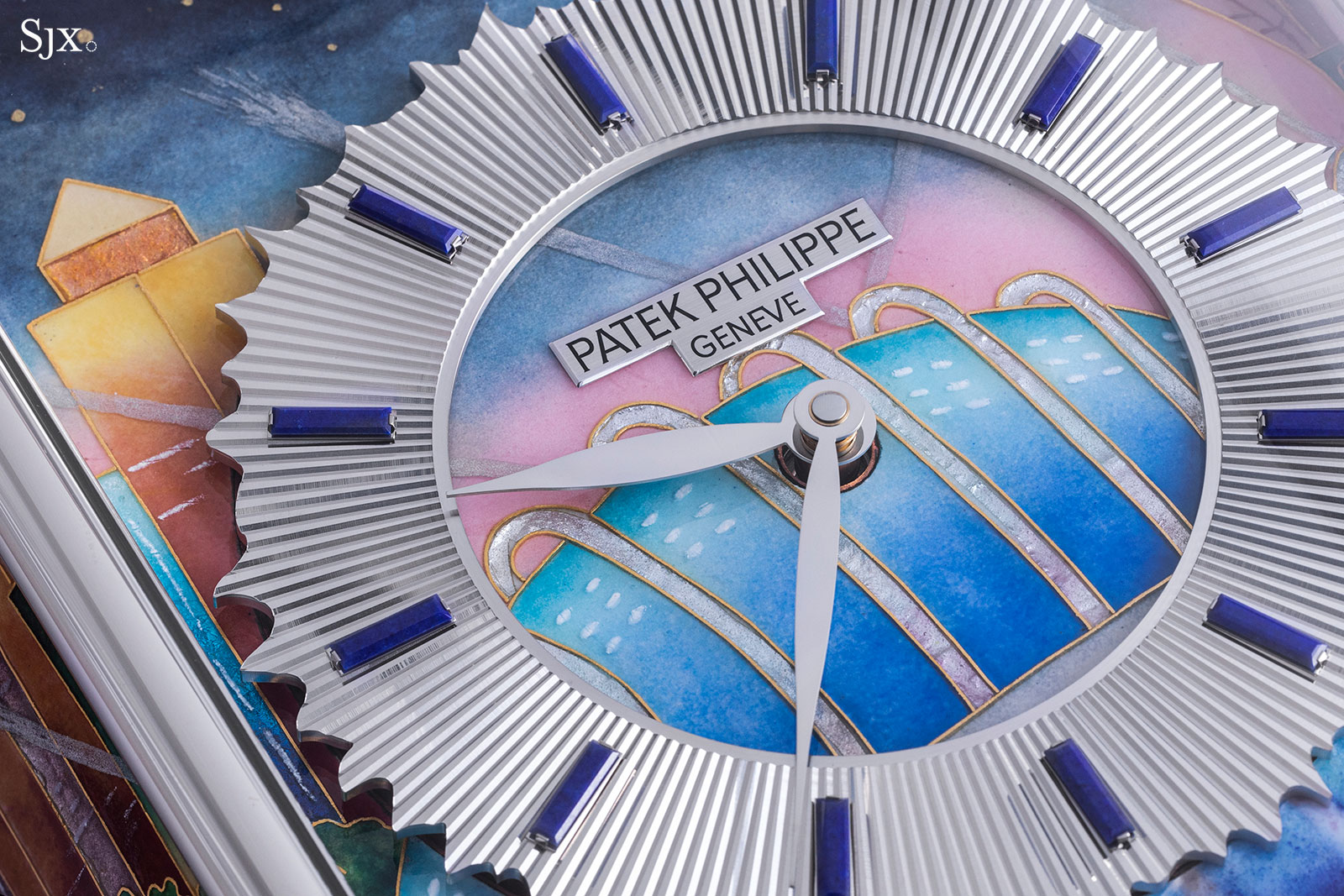
Patek's catalogue spans the entire spectrum of haute horlogerie. The Nautilus, designed by Gerald Genta in 1976 with its iconic porthole-shaped octagonal case, became the most sought-after steel sports watch of the 21st century. The Calatrava, introduced in 1932, remains the defining dress watch. At the highest end, Patek's Grand Complications incorporate minute repeaters, tourbillons, split-seconds chronographs, and perpetual calendars - often all in a single wristwatch - with results that typically sell at auction for seven and eight figures. The Patek Philippe Seal, introduced in 2009, replaced the Geneva Seal as the brand's self-imposed quality certification, exceeding it in several criteria.




Comments
No comments yet, be the first to weigh in.