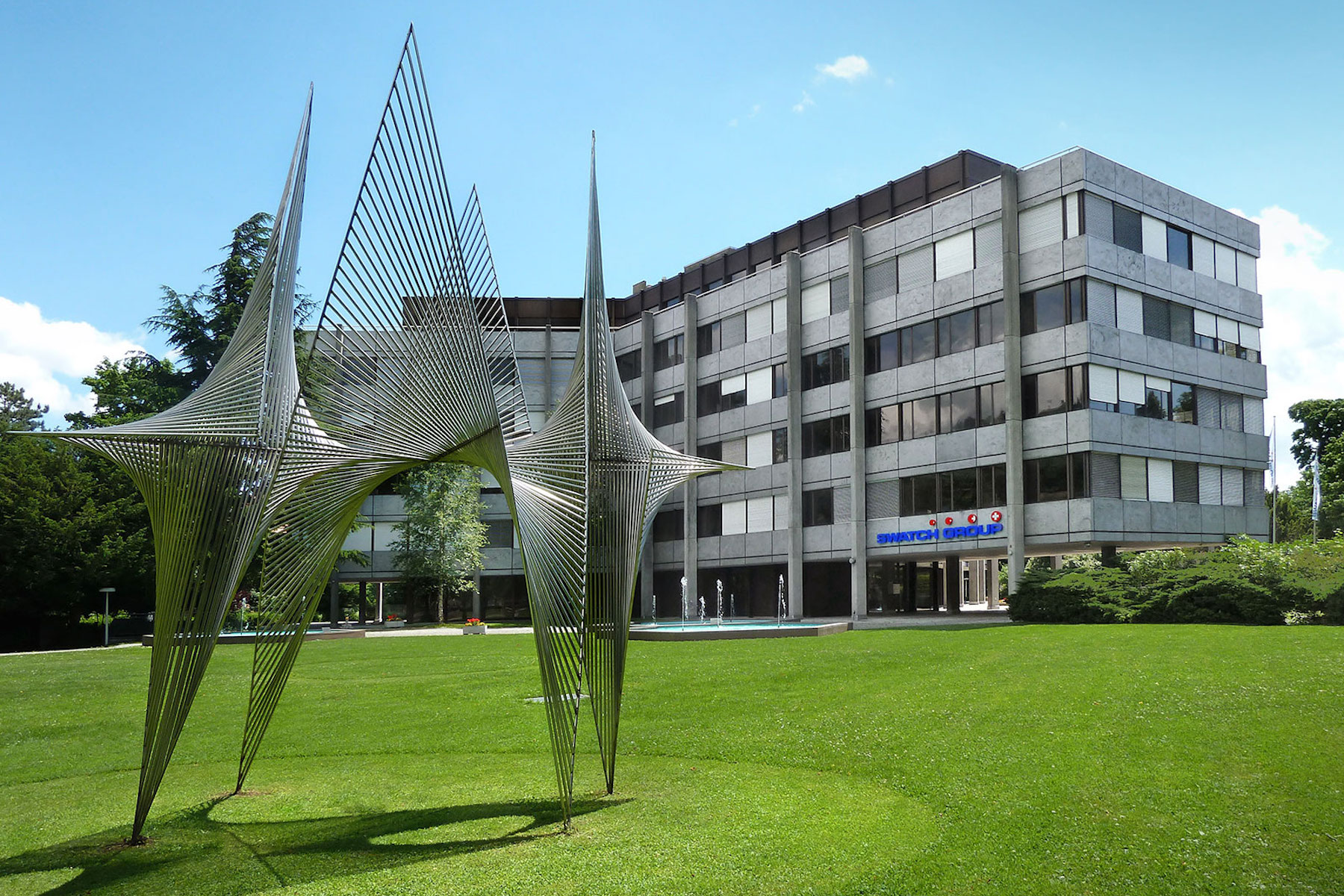
The Swatch Group is the result of the 1983-86 consolidation of two earlier Swiss watch holding groups: ASUAG (founded 1931, holding Longines, Rado, Mido, ETA) and SSIH (founded 1930, holding Omega, Tissot, Lemania). Both were technically bankrupt by 1980 due to the quartz crisis; Nicolas Hayek's 1982-83 industry analysis recommended their full merger and the launch of a low-cost quartz "Swatch" product to compete with Japanese pricing. The merger was completed in 1983 creating SMH; the Swatch brand launched in March 1983; Hayek personally acquired a 51% controlling stake in 1985-86. The combined entity was renamed Swatch Group in 1998.
The group is structured around three vertical layers. Watch brands form the customer-facing layer: 18 brands spanning the price spectrum from Swatch at CHF 50-200 to Breguet, Blancpain, Glashütte Original, and Jaquet Droz at CHF 30,000+. Movement and component supply forms the industrial layer: ETA SA (the largest Swiss movement maker, source of the 2824, 2892, 7750 calibre families), Nivarox-FAR (the dominant supplier of hairsprings and escapement components for the entire Swiss industry, including non-Swatch brands), and Renata (silver-oxide button-cell batteries). R&D and electronic engineering forms the third layer through CSEM and Asulab in Neuchâtel.
"We will not sell. The watch is more than a business; it is the inheritance of a country. The Swatch Group stays Swiss, and stays family."- Nicolas Hayek, on rejecting acquisition offers
The haute-horlogerie tier (Breguet, Blancpain, Glashütte Original, Jaquet Droz, Léon Hatot) was assembled through 1990s-2000s acquisitions: Breguet from Investcorp in 1999 (CHF 1.4 billion, the largest single watch-brand acquisition in history at the time), Blancpain via the Biver-led 1992 sale, Glashütte Original via the 2000 acquisition of the GUB residual operations, and Jaquet Droz via 2000 expansion. These brands operate as quasi-independent maisons within the group, each with its own manufacture, watchmakers, and product strategy.
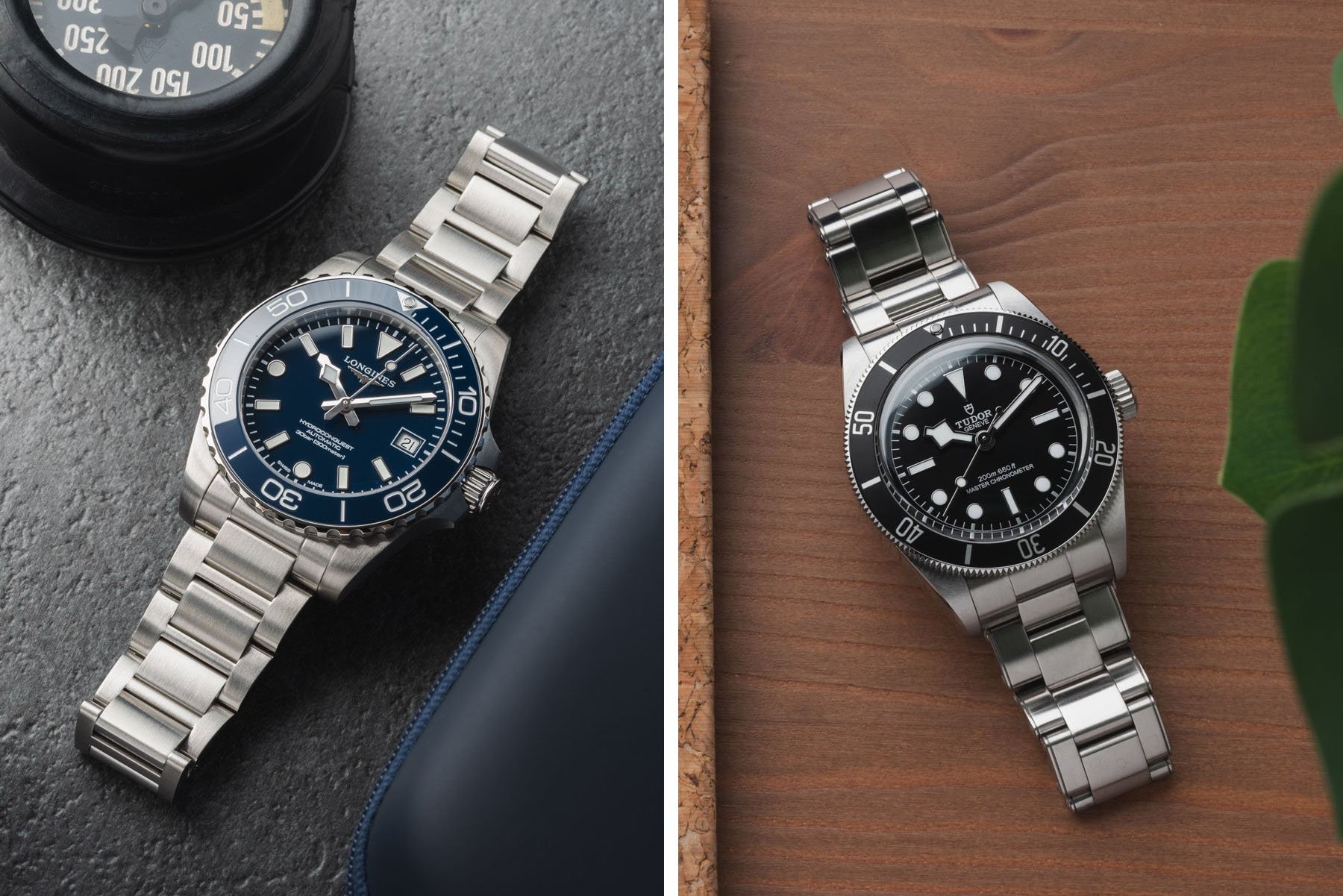
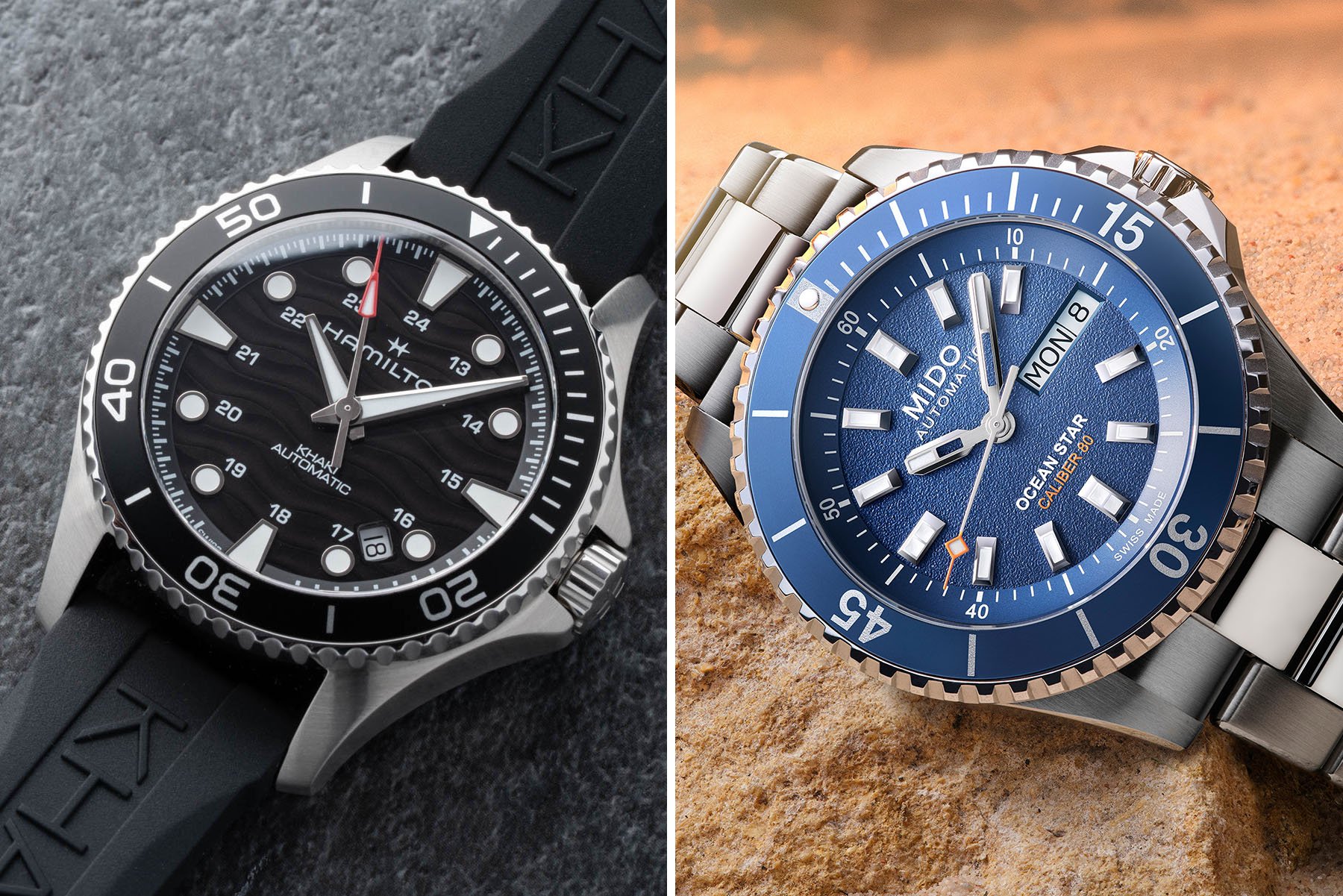
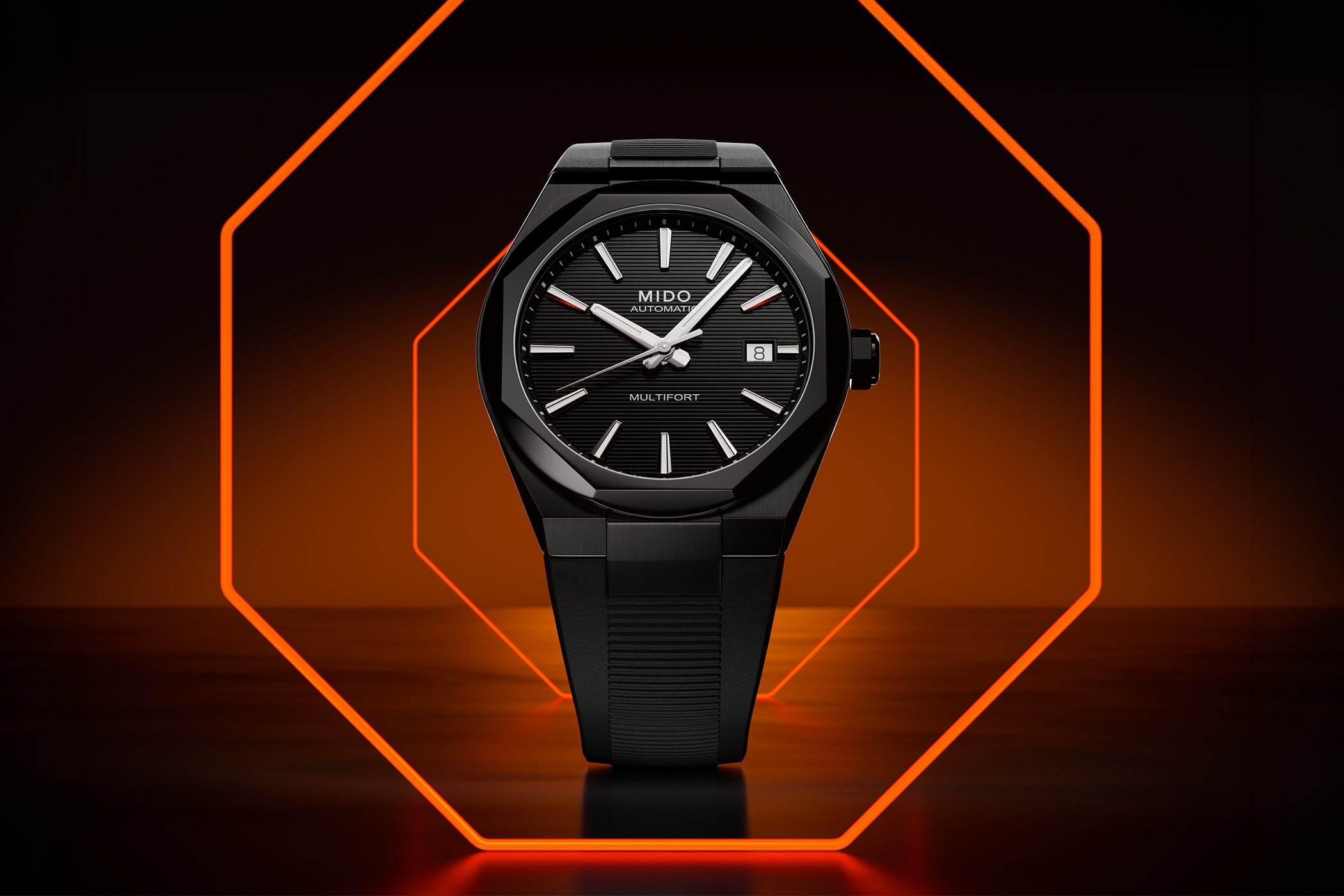
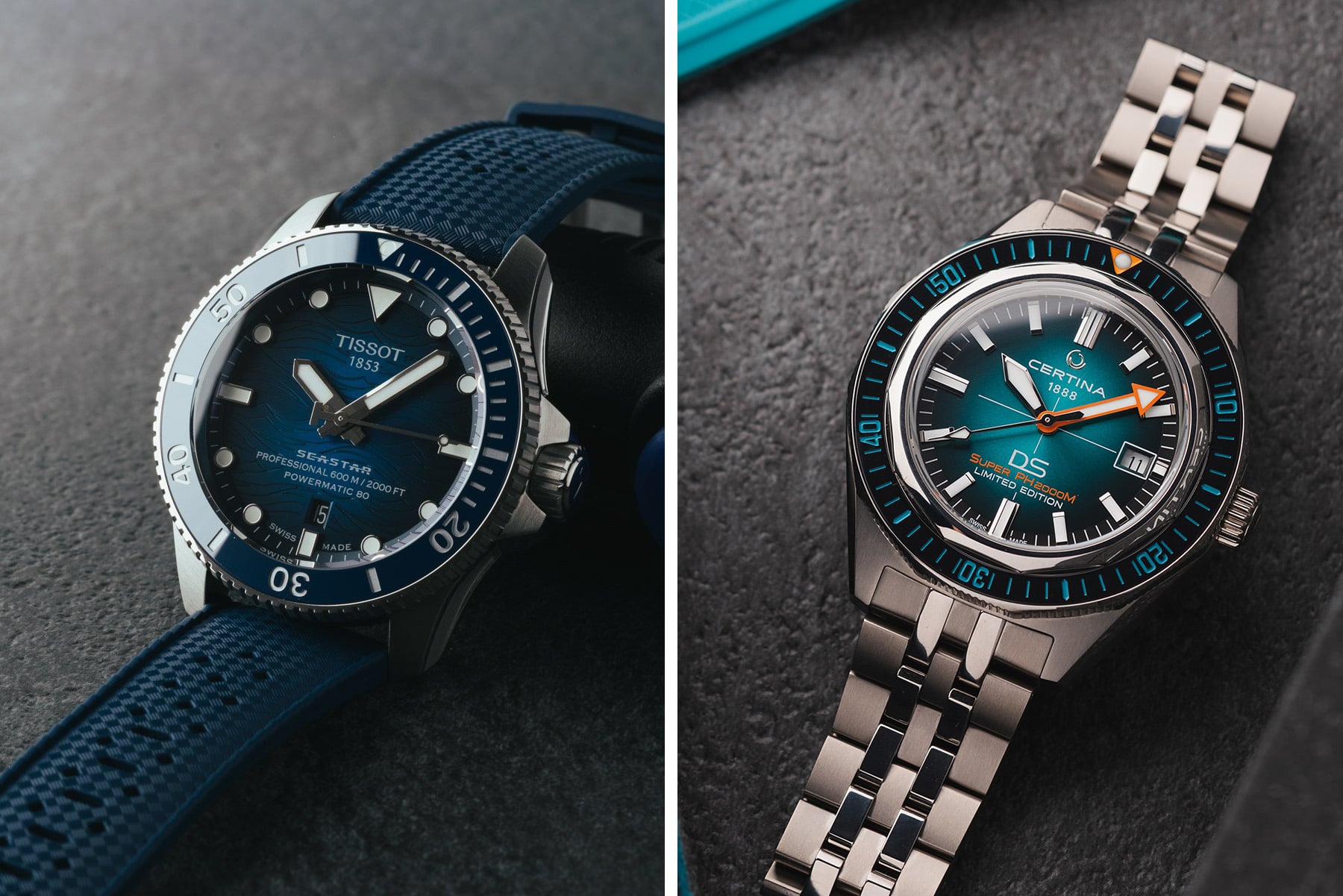
The volume tier (Omega, Longines, Rado, Tissot, Hamilton, Mido, Certina) is the commercial backbone. Omega is the highest-revenue brand in the group (CHF 2-2.5 billion annual revenue, ~700,000-900,000 watches/year produced); Longines, Tissot, and Hamilton together exceed Omega in unit volume but at lower price points. The volume brands draw on ETA movements as the engine, with Omega-specific calibre development (Cal. 8800/8900, Cal. 3861) handled at the Omega manufacture in Bienne.
The Swatch brand itself remains the entry point: ~5-10 million plastic-cased quartz watches/year, ~CHF 200-300M revenue, manufactured at the ETA Granges facility. The Swatch product line has occasionally crossed into mechanical (the Sistem51 automatic, launched 2013, with a 51-component automatic movement assembled robotically) and into "fashion-collab" volume editions (the 2022 Swatch x Omega MoonSwatch Speedmaster homage in 11 planet variants, the highest-selling new launch of any Swiss watch in 2022 by unit volume).
The Hayek family retains a controlling stake through the family's holding companies. Nayla Hayek (born 1951, daughter of Nicolas) chairs the group; Nick Hayek Jr. (born 1954, son of Nicolas) serves as CEO. The family has consistently rejected acquisition approaches from LVMH, Richemont, and various sovereign wealth funds; the structure is one of the few major Swiss luxury businesses still under family control (alongside Patek Philippe, Audemars Piguet, and Rolex via the Wilsdorf Foundation). The group's 2020-2024 strategic emphasis has been on direct-to-consumer retail, component supply rationalisation (gradually reducing third-party ETA sales), and the explosive Swatch x Omega MoonSwatch programme.


Comments 2