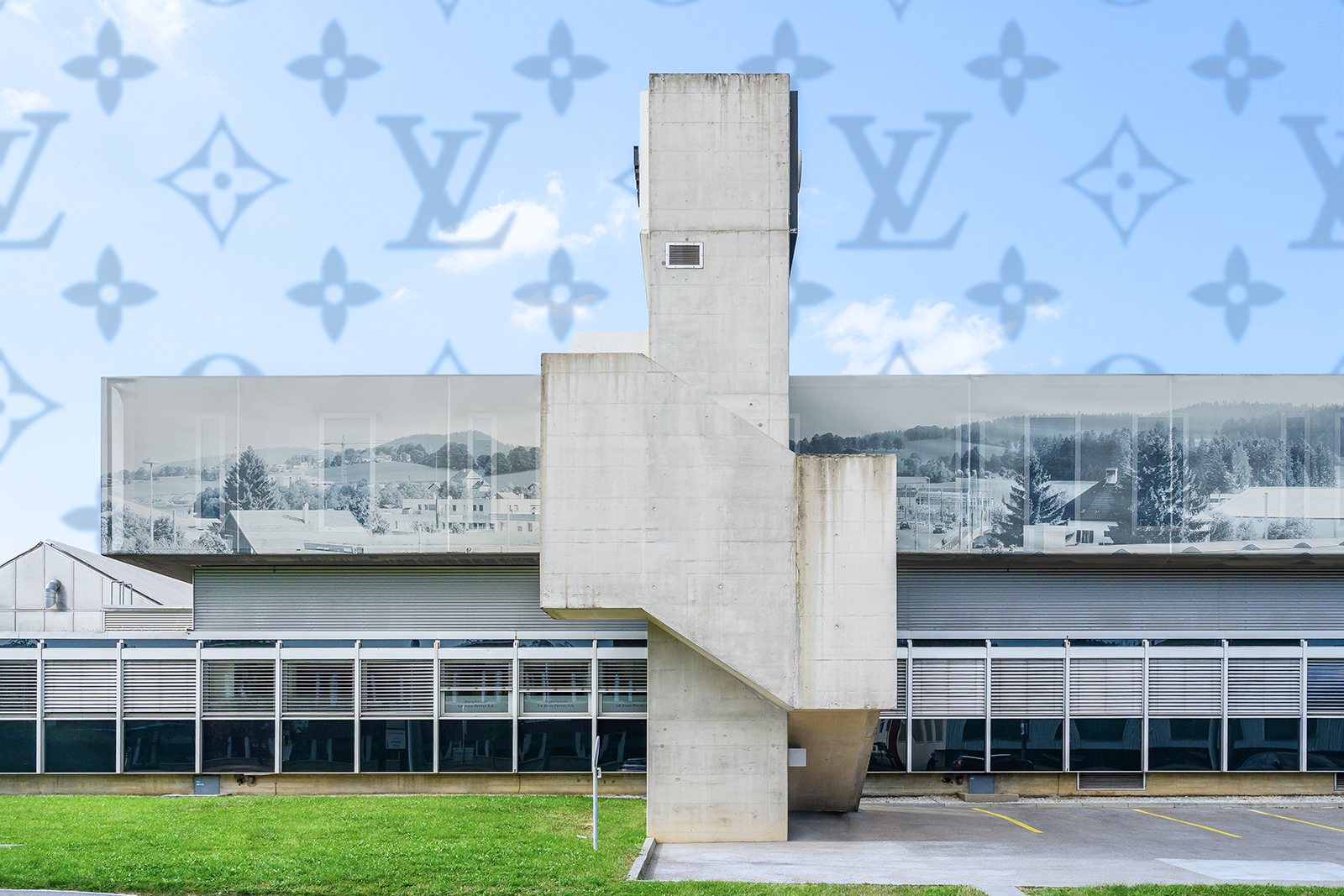
LVMH was formed in 1987 through the merger of Louis Vuitton (luggage, founded 1854) and Moët Hennessy (champagne and cognac); within months Bernard Arnault (then a French construction-industry executive) acquired control through a hostile-takeover sequence and became Chairman/CEO. Arnault's strategy was the systematic acquisition of "maisons of the highest order" across luxury fashion, leather, jewellery, beverages, and (from the 1990s) watchmaking. The watch portfolio was built deliberately late, through 1999-2011, after Arnault judged that the haute-horlogerie segment had recovered sufficiently from the quartz crisis and the 1985 Swatch consolidation to be a viable luxury growth segment.
The 1999 acquisitions of TAG Heuer (CHF 1.15 billion) and Zenith (CHF 700 million) brought LVMH into the watch industry simultaneously. TAG Heuer, the racing-chronograph specialist (the Carrera, Monaco, Aquaracer, Formula 1 lines), provided immediate volume access at the EUR 2,000-15,000 price band; Zenith, the El Primero manufacture, provided in-house chronograph manufacturing capability that LVMH was missing across its emerging watch group.
"Hublot was the smallest brand we owned and the most-talked-about. That is the kind of marketing leverage we want across the watch group."- LVMH executive on the Biver-era Hublot strategy
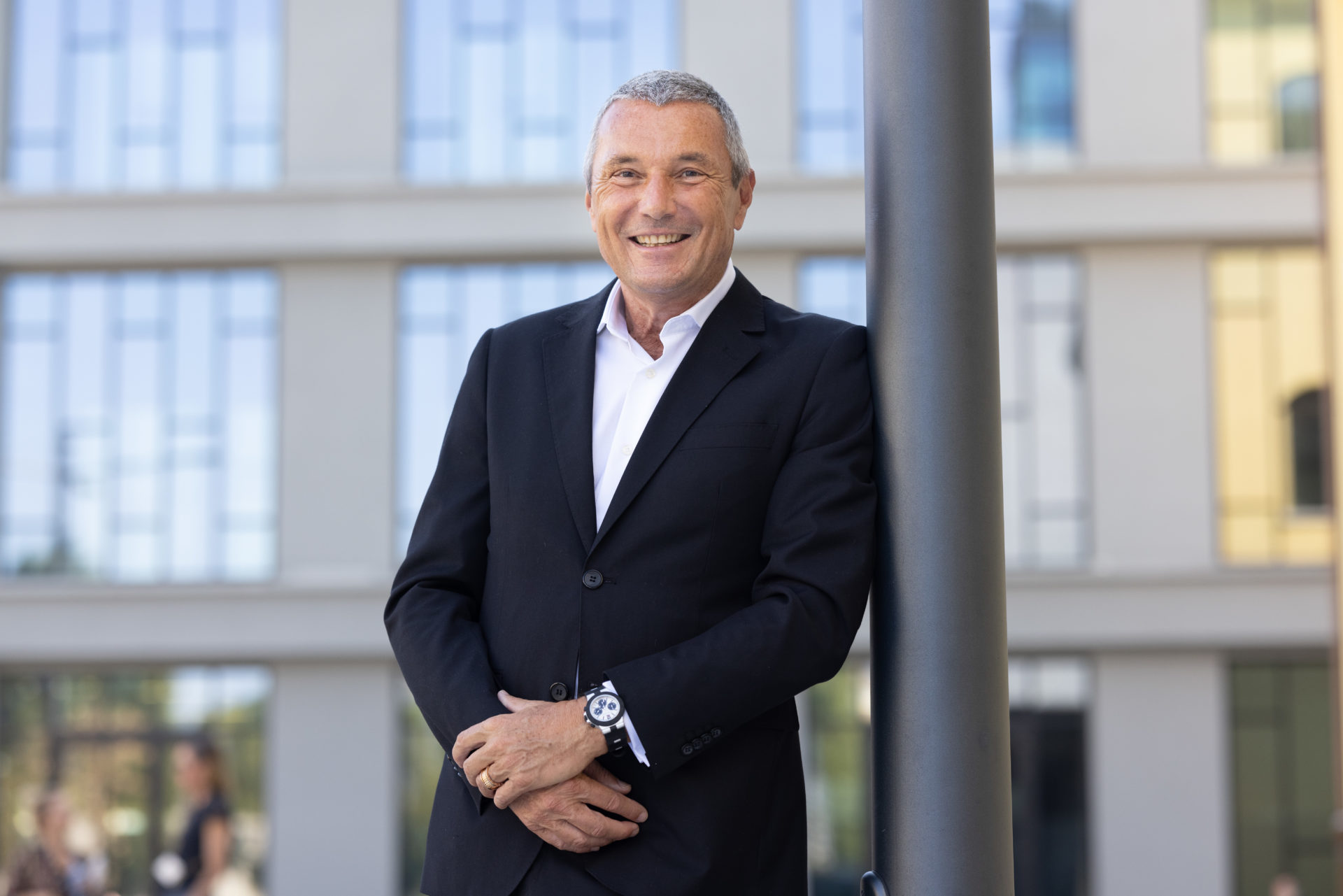
Hublot was acquired in 2008 for approximately CHF 500 million from Jean-Claude Biver, who had purchased the dormant brand in 2004 and grown it from ~CHF 30M to CHF 200M+ revenue through the launch of the Big Bang (2005). Biver remained as Hublot CEO and (from 2014) as President of LVMH Watches Division, the operational role that effectively coordinated the group's watch maisons. Bulgari was acquired in 2011 for approximately EUR 4.3 billion, the largest LVMH acquisition of the period; Bulgari brought the Italian jewellery-house heritage and the Octo / Serpenti / Bulgari Bulgari watch lines, plus the small but elite Bulgari Manufacture in Le Sentier.
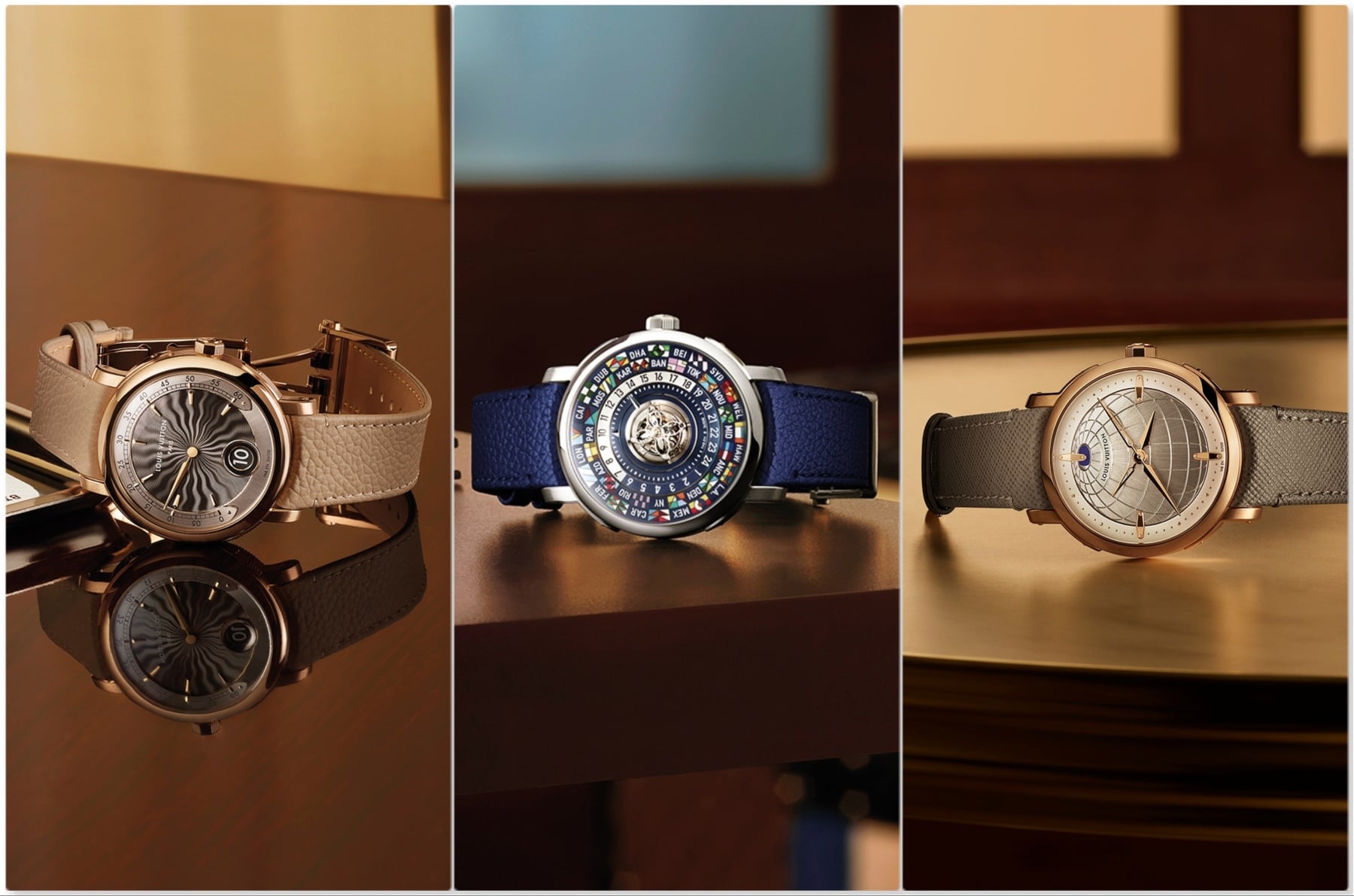
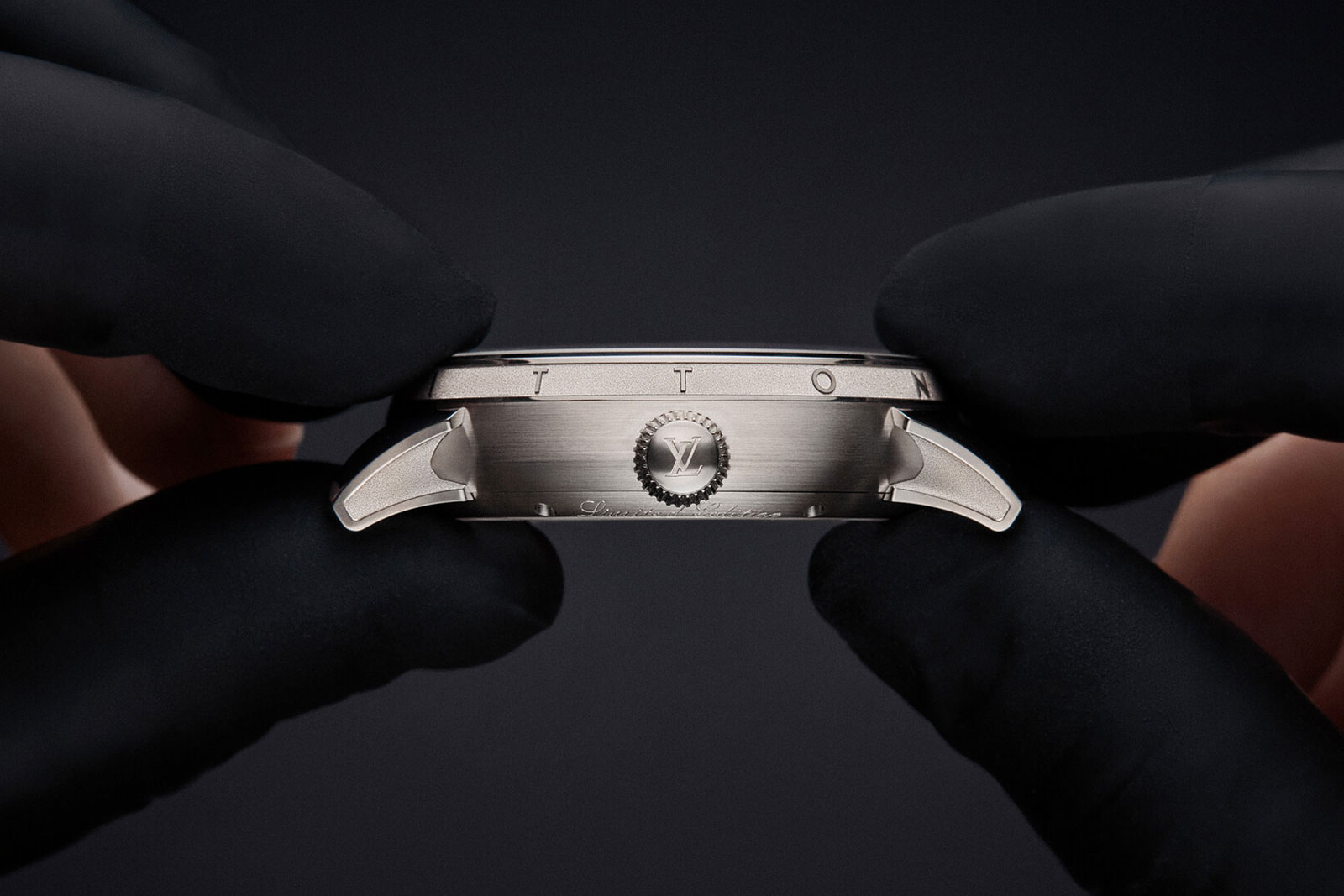
The Louis Vuitton in-house watch programme was reset in 2011 through the acquisition of La Fabrique du Temps, the Geneva-based watchmaking atelier of Michel Navas and Enrico Barbasini (former Patek Philippe and Audemars Piguet watchmakers). La Fabrique now develops in-house calibres for the Louis Vuitton Tambour and Spin Time families; the programme is intentionally small (~5,000-10,000 watches/year), positioned as a haute-horlogerie offering rather than a mass-market line. The 2021 acquisition of Tiffany & Co. for USD 15.8 billion brought a US-flagship jewellery brand with its own watch line into the group; Tiffany watches operate as an LVMH brand alongside the Swiss four.
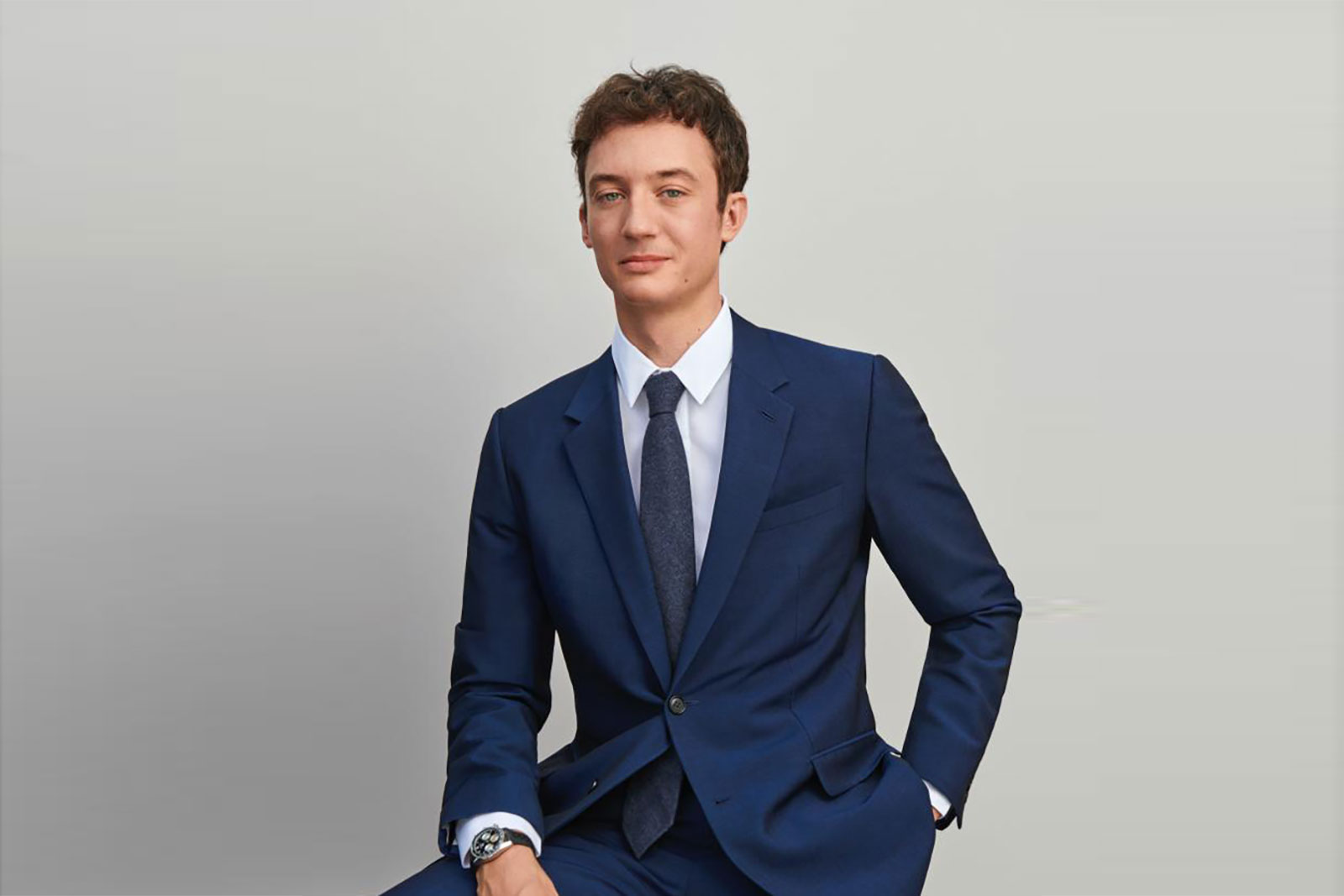
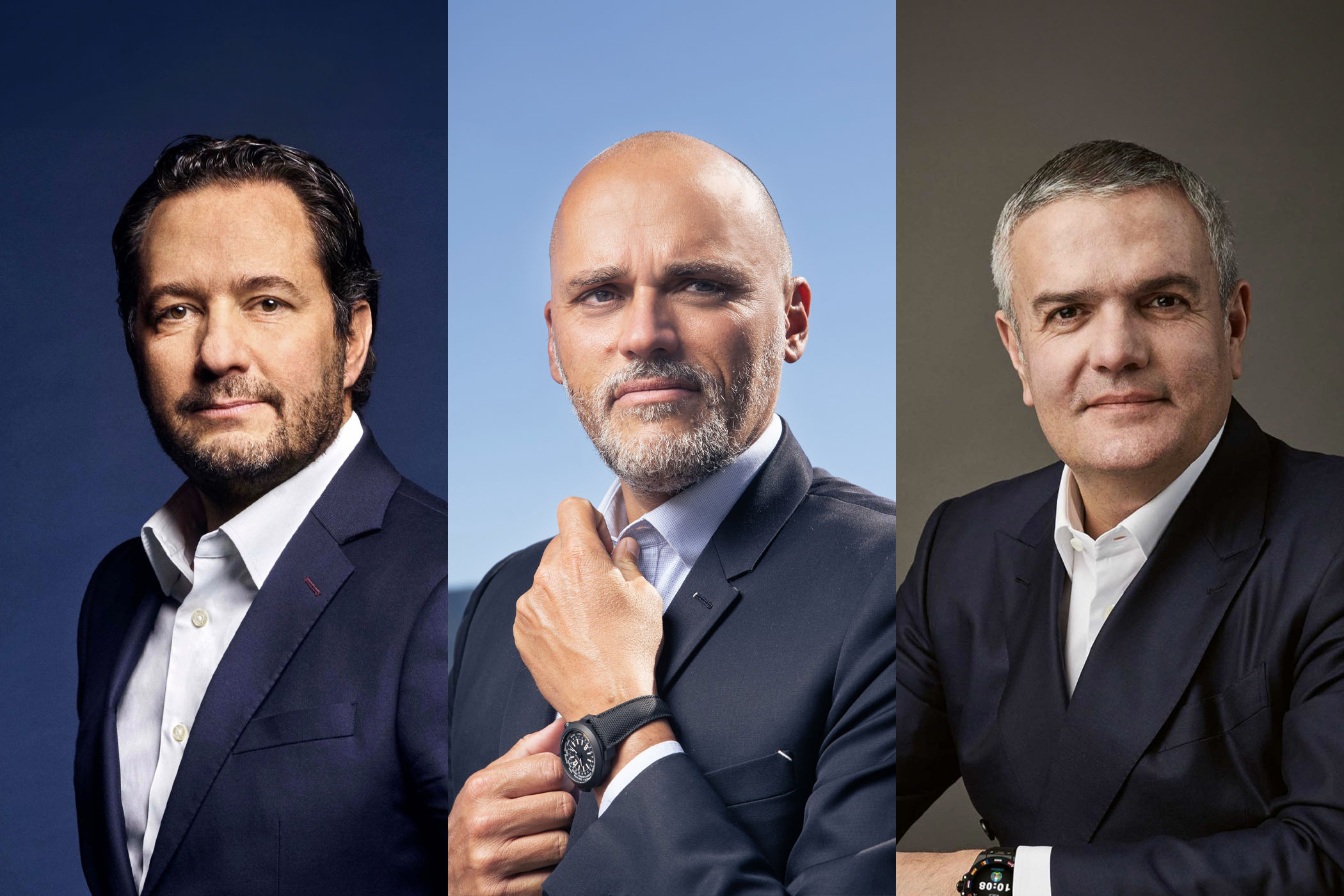
The operational structure of LVMH Watches changed in 2014 when Biver was promoted to President of LVMH Watches Division, becoming the operational head of TAG Heuer + Hublot + Zenith. The role coordinated cross-maison strategy, common watchmaking standards, and (from 2017) the LVMH Watch Week annual product-launch event. Biver retired from the role in 2018; subsequent operational leadership has rotated through Stéphane Bianchi (2018-2022) and Frédéric Arnault (Bernard's son, 2020-23 at TAG Heuer specifically). In 2023-24 the structure was decentralised: each maison reports to LVMH group separately.
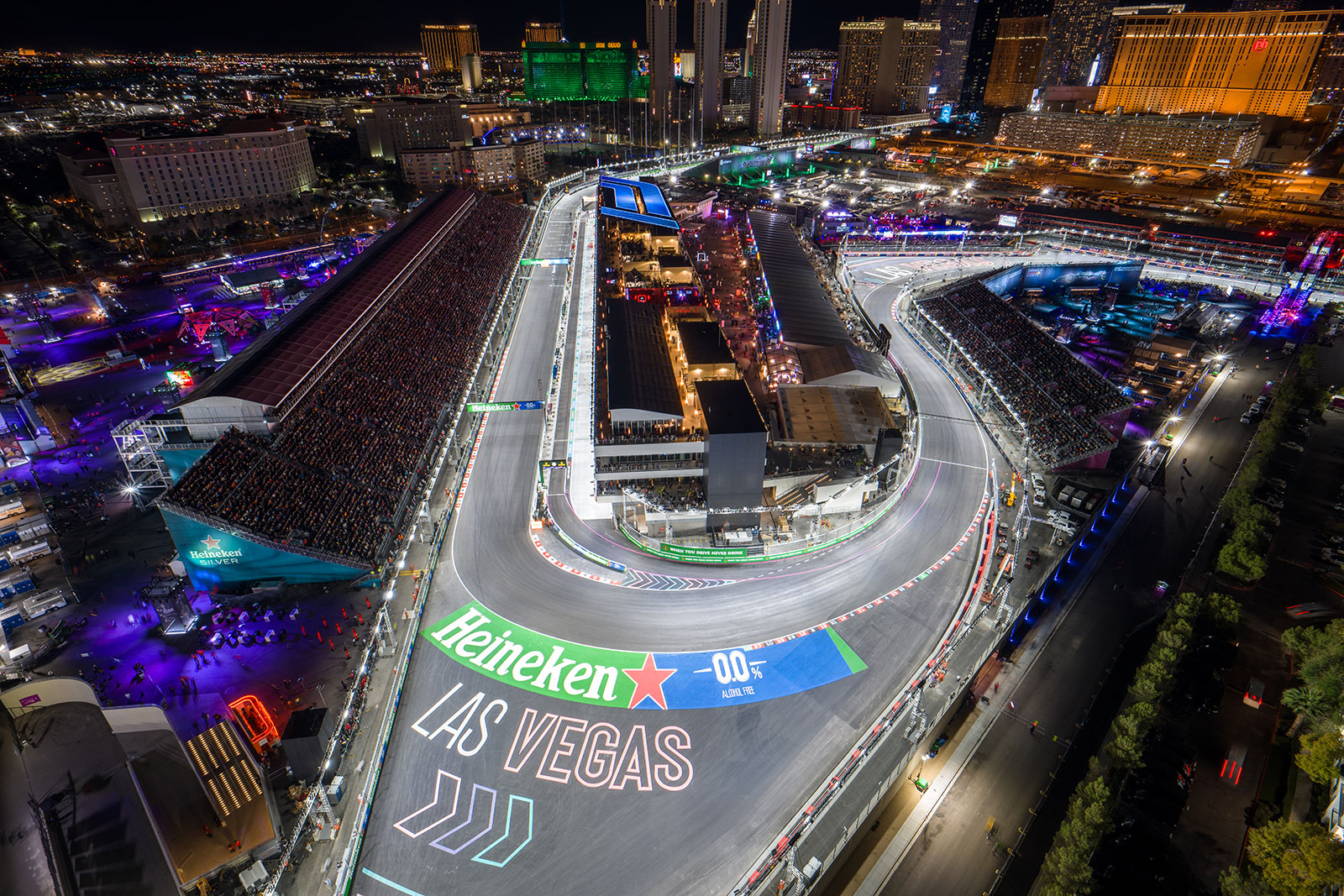
The strategic positioning of LVMH Watches has been distinctively marketing-led. TAG Heuer's pivot to motorsport and lifestyle ambassadors (Senna estate, Ayrton Senna heritage, Patrick Dempsey, Cara Delevingne); Hublot's "Art of Fusion" multi-material cases and aggressive sport sponsorship (FIFA World Cup, F1 partnerships); Zenith's heritage El Primero / Defy Skyline marketing; Bulgari's record-setting thinness (Octo Finissimo Tourbillon, world records 2014-2024). Combined annual revenue grew from ~EUR 1.5B in 2000 to ~EUR 4-5B by 2023, though the post-2022 luxury watch correction has created volume pressure across the portfolio.



Comments 2