Zenith was founded in 1865 by Georges Favre-Jacot, aged just 22, in Le Locle - one of the epicentres of Swiss watchmaking. Favre-Jacot's insight was to consolidate all watchmaking operations under one roof rather than the piecework system prevalent at the time, creating what may have been the first true manufacture in the Jura arc. By 1900 the company had adopted the name Zenith, chosen to reflect the brand's ambition for the pinnacle of watchmaking. The star symbol, still part of the logo today, appeared on movements in the early twentieth century and became a permanent fixture from 1911.
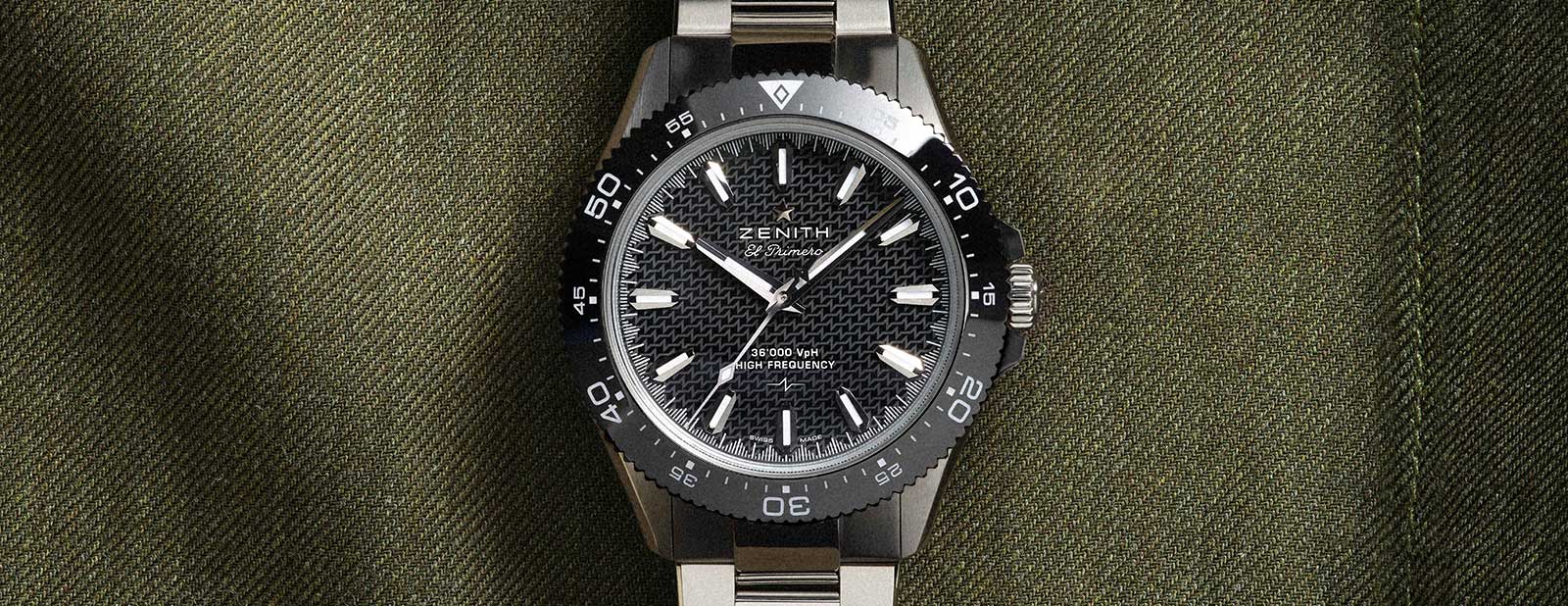
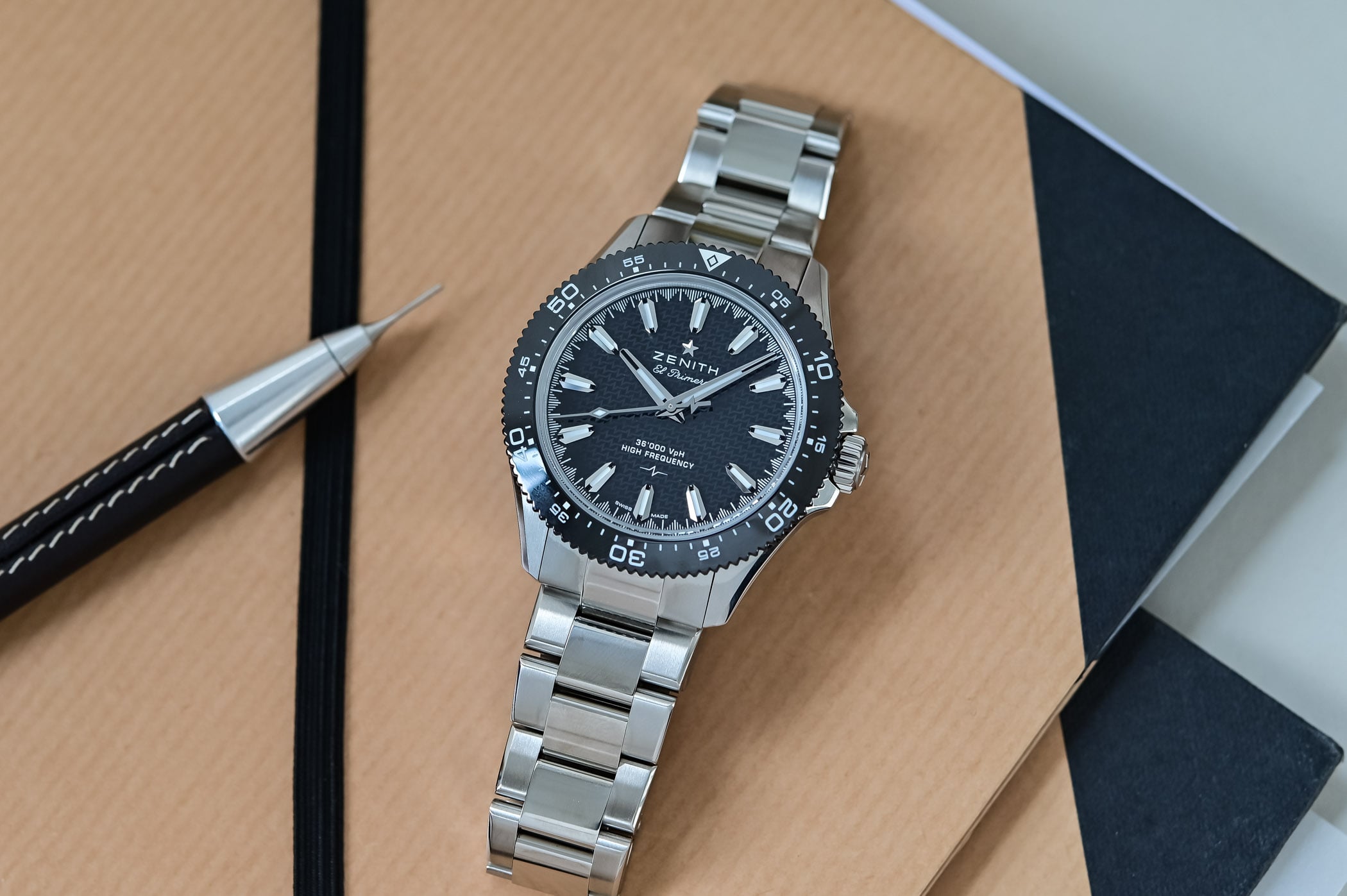
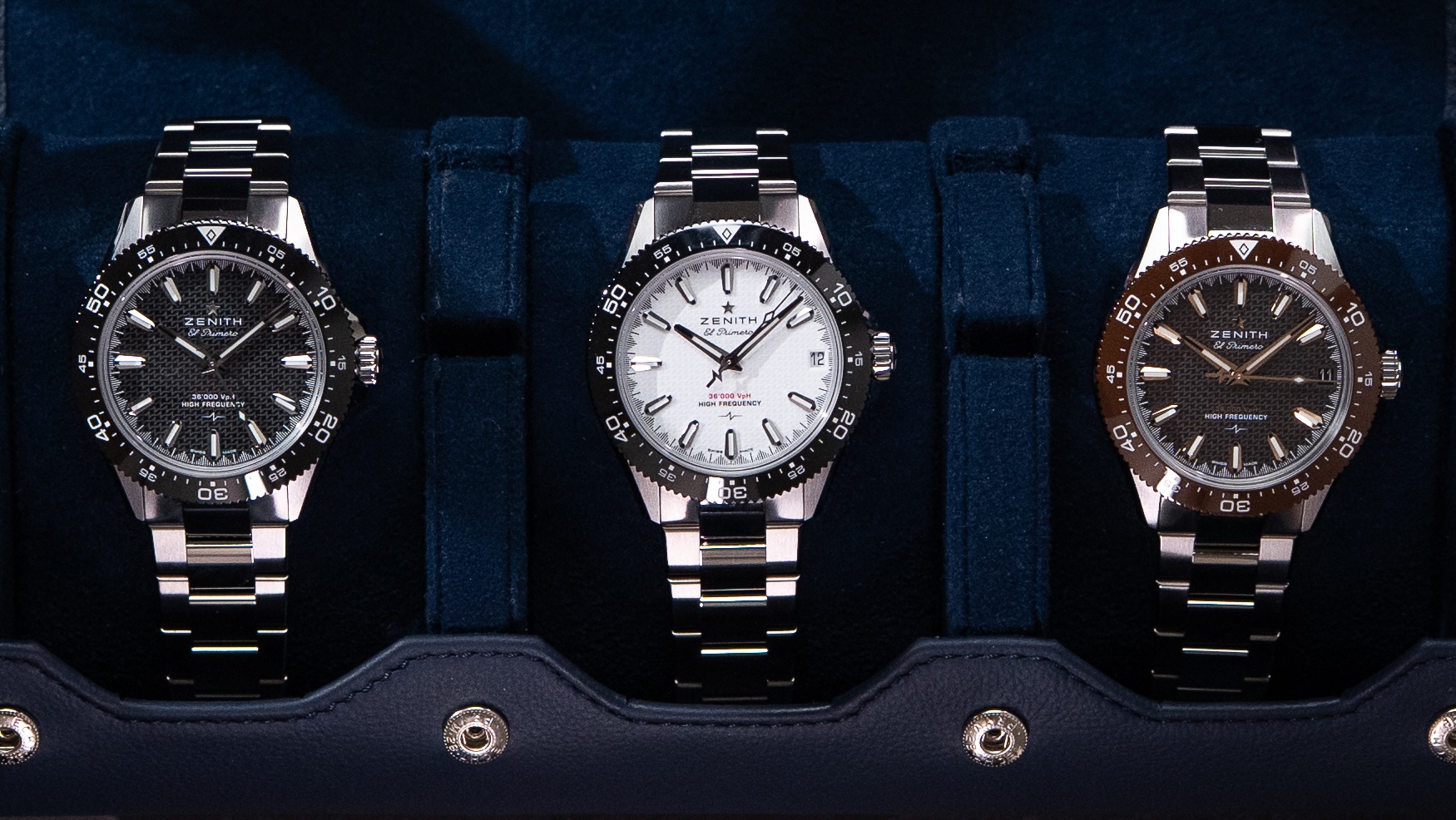
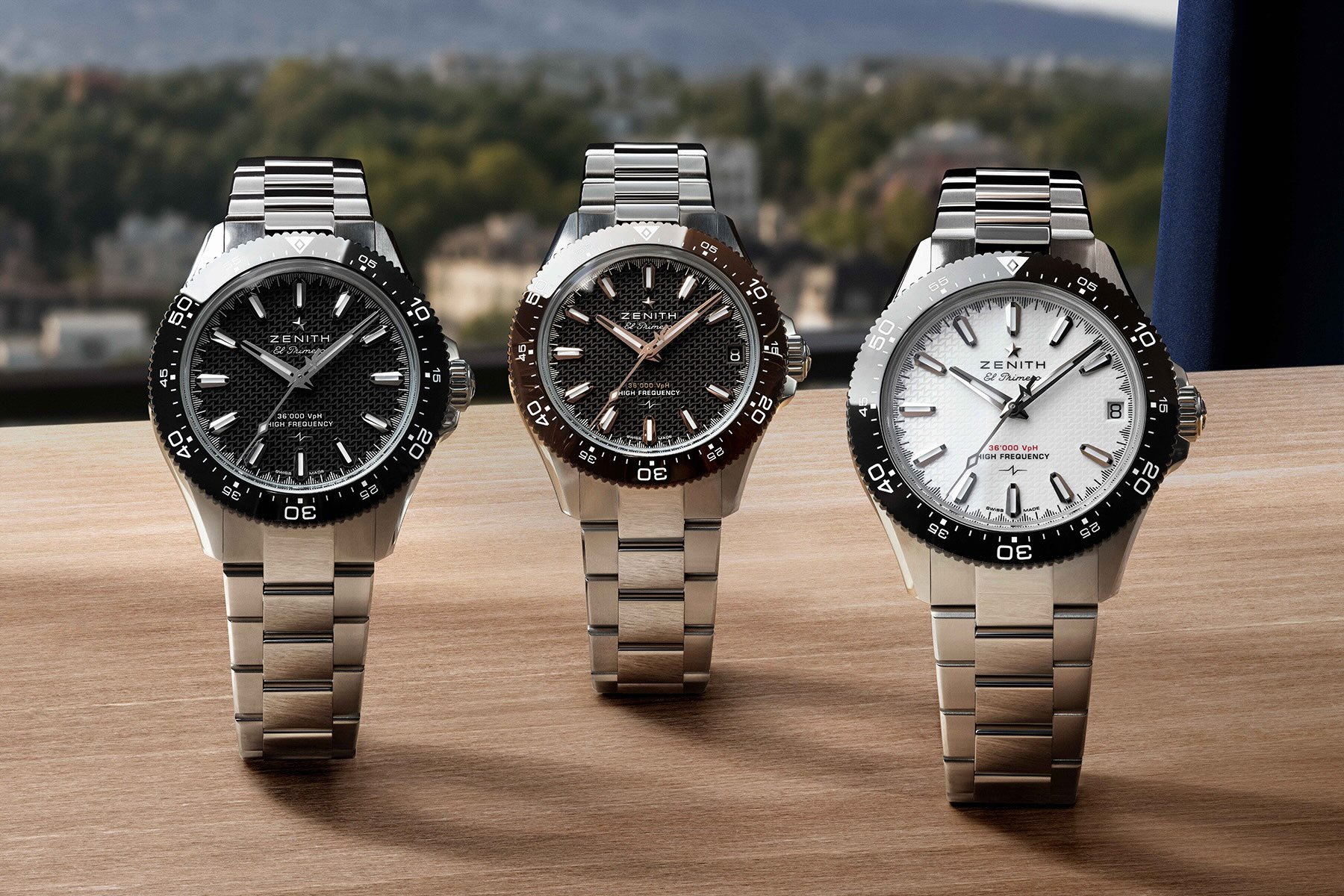
The most dramatic episode in Zenith's history came on January 10, 1969, when the brand simultaneously launched the El Primero - the world's first self-winding integrated chronograph movement - at the same moment that competing projects from Heuer-Breitling-Hamilton-Buren and Seiko were also reaching the market. What made the El Primero unique was its frequency: 36,000 vibrations per hour (10 beats per second), enabling the chronograph to measure time to one-tenth of a second rather than the one-fifth of a second typical of lower-frequency movements. This made El Primero technically superior to all competition and, when Rolex needed a reliable automatic chronograph base for the Daytona in the 1980s, it turned to Zenith - using El Primero for over two decades.
The El Primero has a legendary survival story: when LVMH took control in 1999 and centralised movements, a watchmaker named Charles Vermot hid the El Primero tooling in the attic of the Le Locle factory, wrapped in curtains, to save it from the corporate purge. When demand for mechanical movements returned in the 1980s, Zenith was the only manufacture with an automatic chronograph ready to go - because Vermot had preserved it. Today part of LVMH alongside TAG Heuer and Hublot, Zenith continues to develop the El Primero platform while pushing into new territory with the Defy collection's innovative escapements.