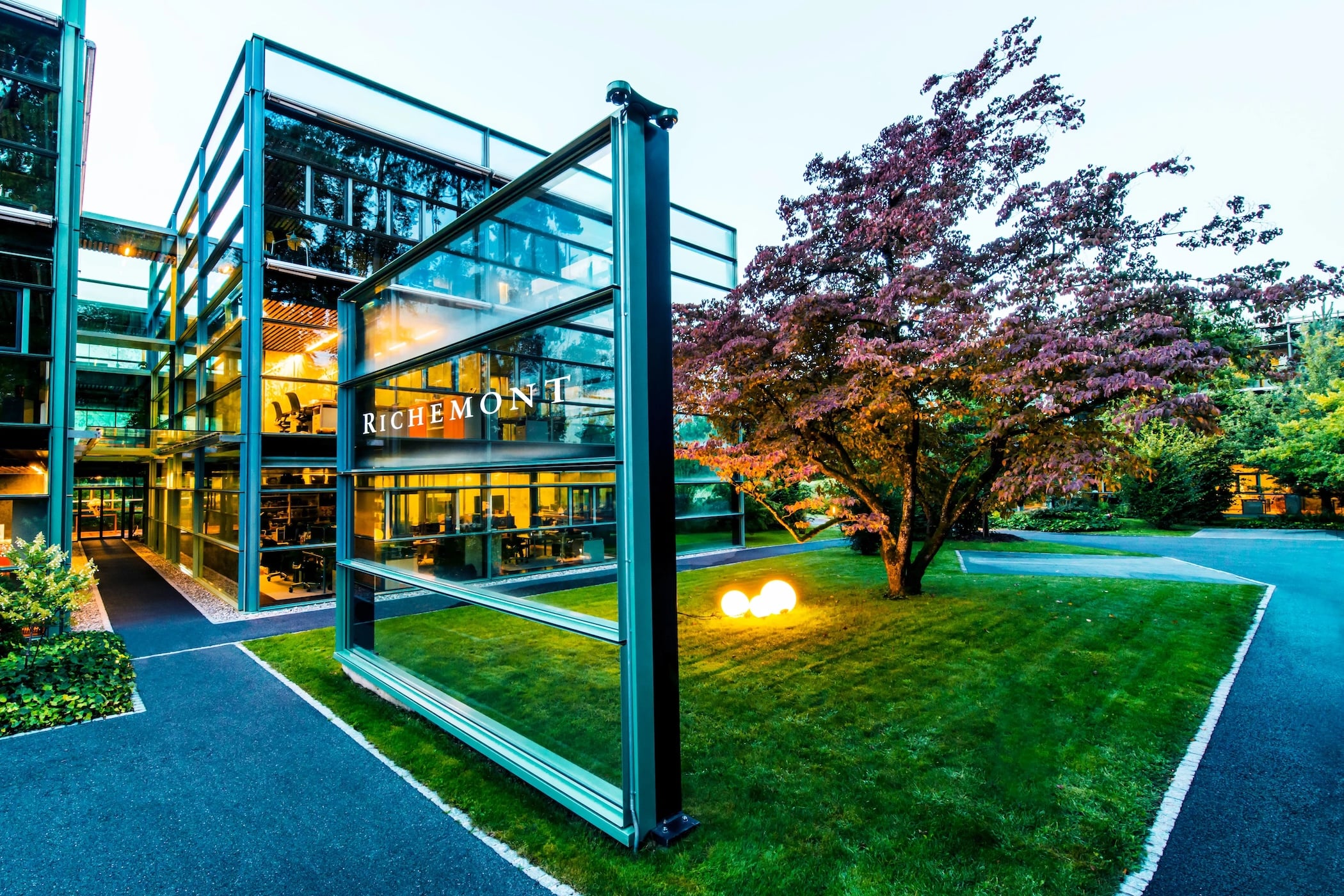
Richemont (formally Compagnie Financière Richemont SA) was founded in 1988 through the spin-off of the South African Rembrandt Group's international assets into a Swiss-listed holding company. The architect was Johann Rupert (b. 1950), son of Anton Rupert (Rembrandt founder); the strategic rationale was to separate the South African business from the international luxury portfolio at a time of South African political uncertainty. The new entity was domiciled in Zug (later Geneva), listed on the SWX Swiss Exchange, and structured to hold long-term controlling stakes in luxury maisons rather than to operate them day-to-day.
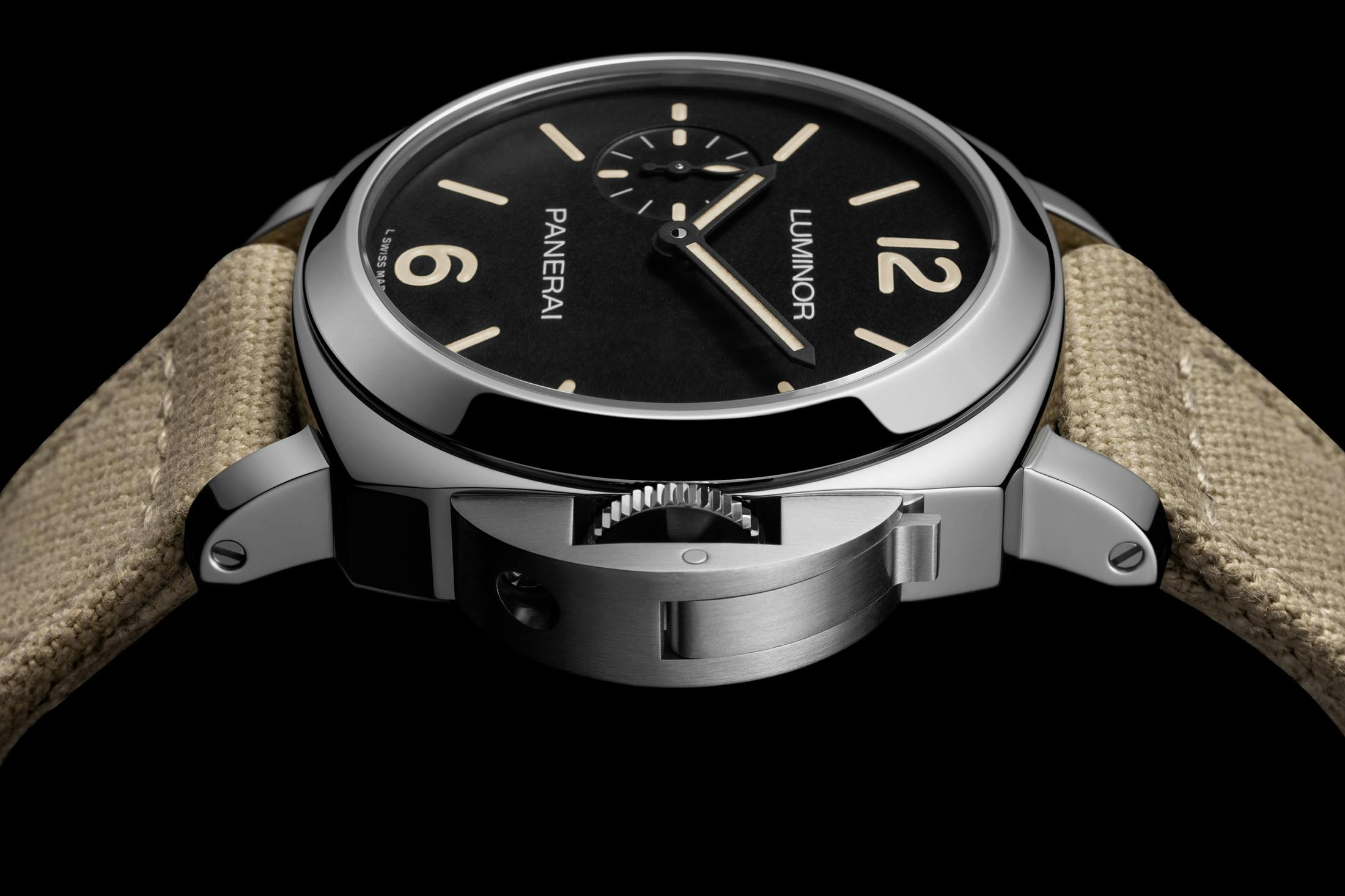
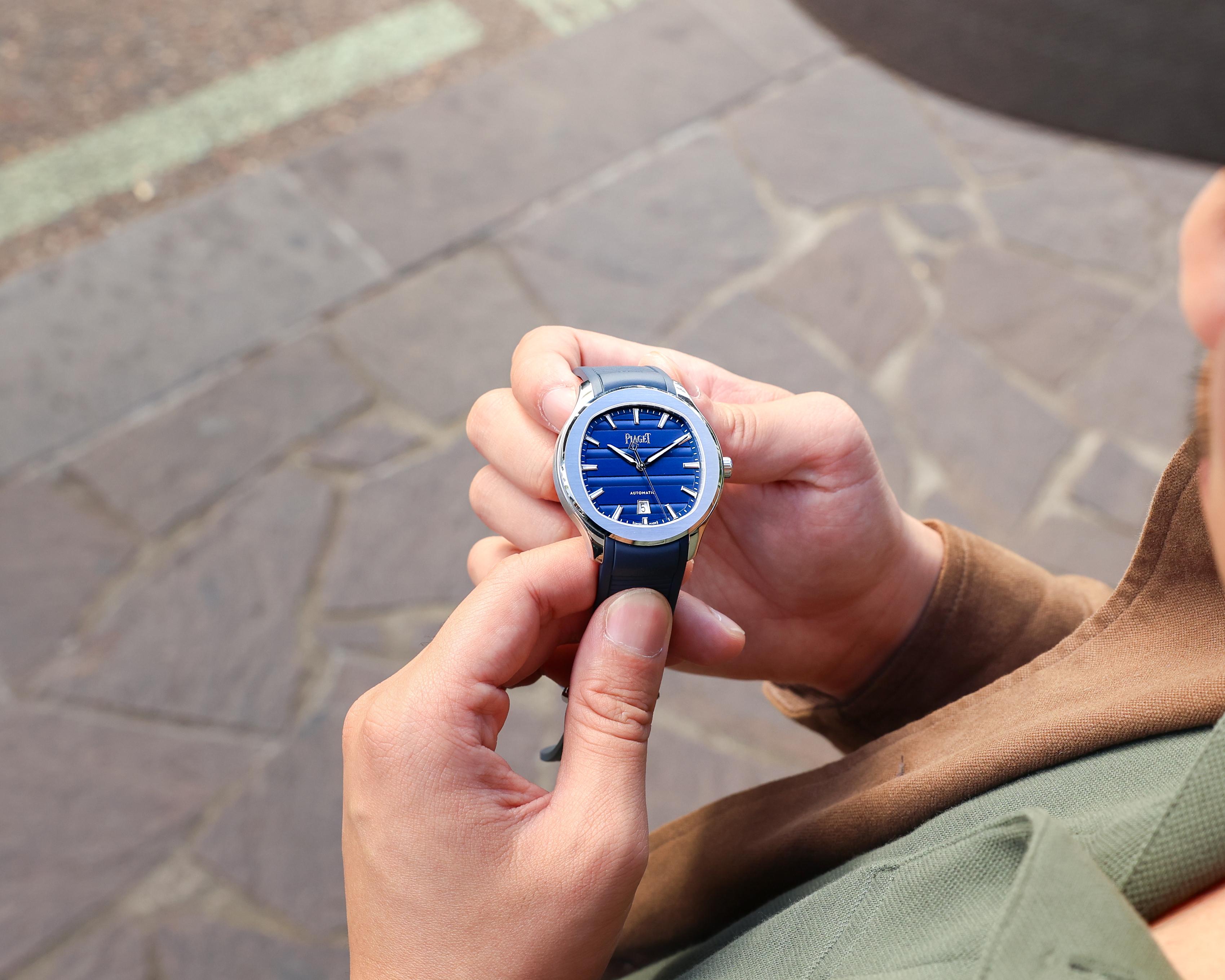
The early Richemont portfolio centred on Cartier (acquired in stages through the late 1980s after Rembrandt's involvement in the 1972 Cartier rescue), Dunhill, Montblanc, and Piaget. Through the 1990s and 2000s Rupert's strategy was systematic horizontal acquisition of haute-horlogerie maisons, often acquiring brands from financially-distressed parent groups: Vacheron Constantin (1996, from the Sandoz family / Vendôme), Officine Panerai (1997, from the Italian navy supplier rebrand), IWC, JLC, and A. Lange & Söhne together (2000, via the LMH consortium that Mannesmann had assembled and Vodafone divested after the merger). Roger Dubuis followed in 2008. By 2010 Richemont controlled the largest haute-horlogerie portfolio in the industry.
"We invest in maisons. We do not run them; we let them run themselves. Our role is patience, capital, and the long view."- Johann Rupert, on Richemont's operating model
The group's operating model grants each maison significant brand autonomy: separate CEOs, independent product strategies, and minimal cross-brand sharing of components or distribution. The shared infrastructure is at the group services level (treasury, IT, retail-network management, watchmaking-school sponsorship via WOSTEP). The maisons compete with each other within the group on pricing tiers and target customers; this is structurally different from Swatch Group (where ETA component supply is shared across the group) and closer to LVMH's "house of brands" model.
Cartier is by some distance the largest single brand in the group: roughly CHF 11-13 billion annual revenue across watches and jewellery, of which approximately CHF 3-4 billion is watches alone. The 2010-20 product strategy focus was the Tank, Santos, Pasha, and Panthère revivals; the Tank Must Solar relaunch (2021) and the Cartier Privé limited series (Tank Asymétrique, Tonneau, Crash) drew significant collector attention through 2021-23. Cartier's in-house movement programme (Cal. 1904 MC family) was developed at the JLC manufacture in Le Sentier from 2010.
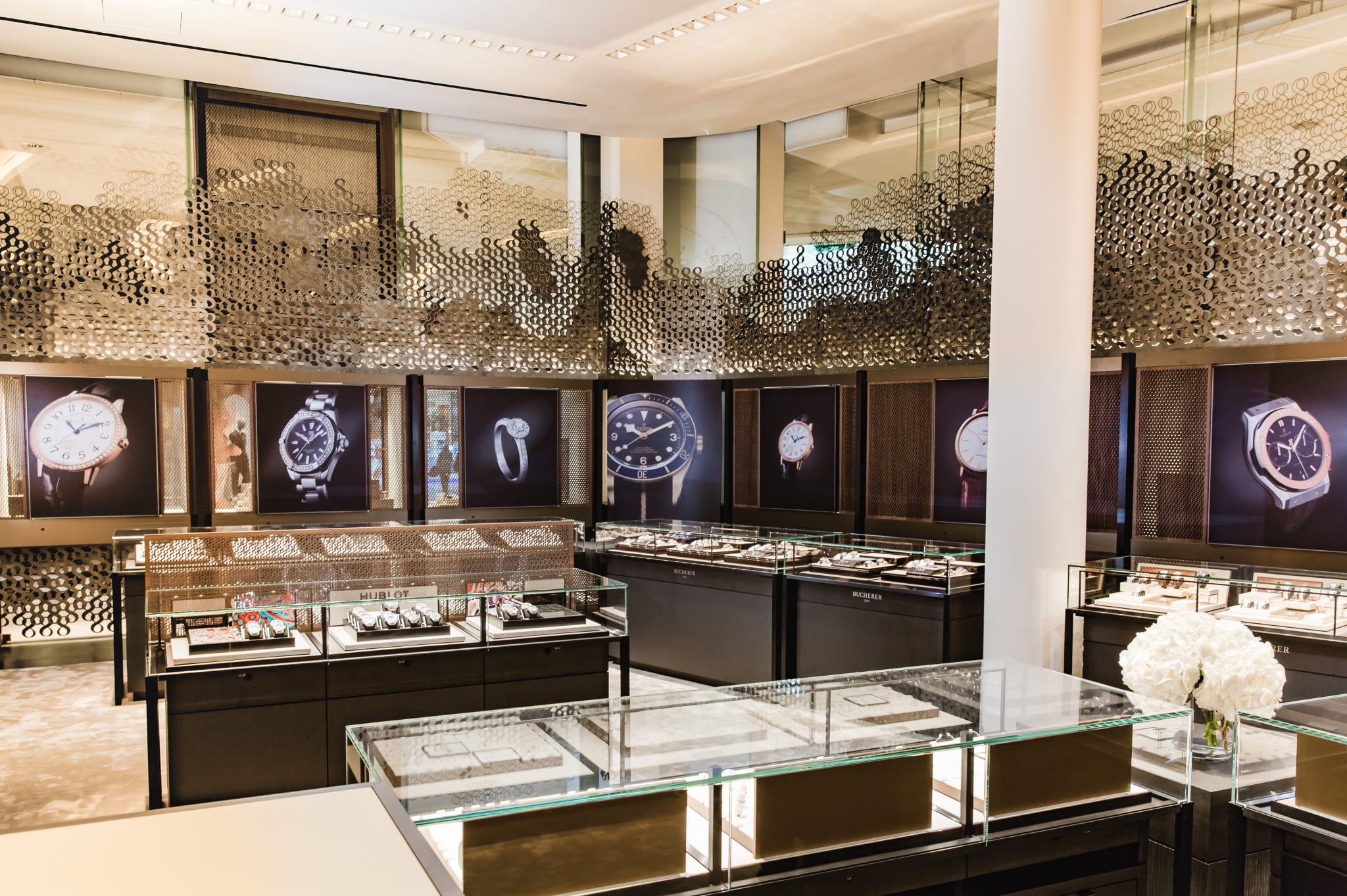
The other major watch brands operate at significant individual scale. IWC ~CHF 1.5-2B (Pilot, Portugieser, Ingenieur), JLC ~CHF 1B+ (Reverso, Master, Polaris), Vacheron Constantin ~CHF 1B+ (Patrimony, Overseas, Traditionnelle, Métiers d'Art), Panerai ~CHF 700M-1B (Luminor, Radiomir, Submersible), A. Lange & Söhne ~CHF 400-600M (Lange 1, Datograph, Saxonia, Zeitwerk), Piaget ~CHF 400-500M, Baume & Mercier ~CHF 200-300M, Roger Dubuis ~CHF 100-200M.
Strategic challenges 2020-2024 have included the gradual integration of e-commerce and digital channels (Richemont sold Net-a-Porter to Mytheresa in early 2025 after years of unprofitable operation), the Apple Watch and smartwatch competition at the entry-luxury price band, and the post-2022 vintage market correction. Despite the headwinds, Richemont's haute-horlogerie portfolio remains the most defensible in the industry: the maisons are the recognised top-tier of mechanical watchmaking and the brand-equity moats are deep. Johann Rupert remains chairman as of 2024, with operational management under CEO Nicolas Bos (since 2025).




Comments 2