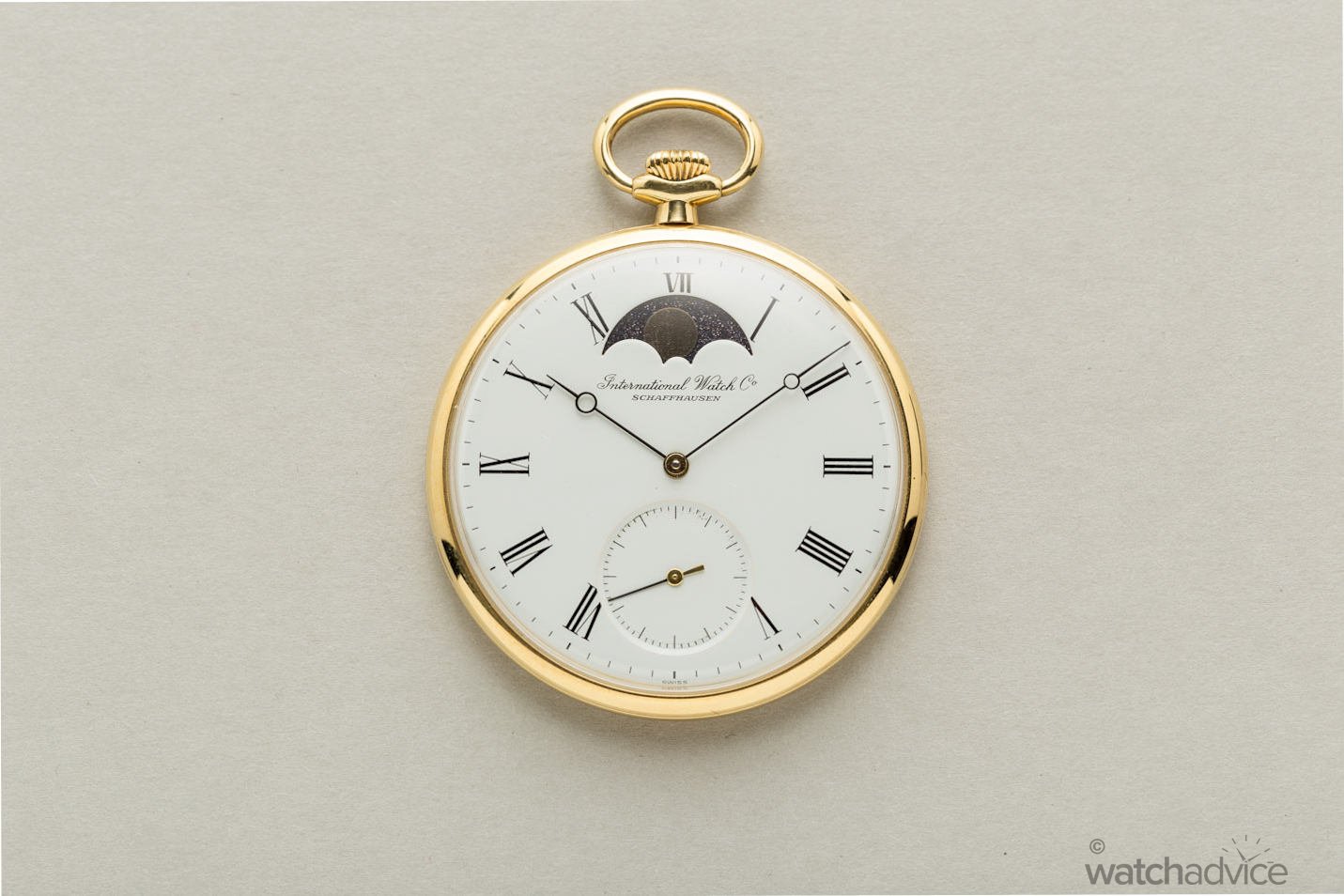
IWC Schaffhausen was founded in 1868 by American engineer Florentine Ariosto Jones, who came to Switzerland with a bold idea: to combine American manufacturing methods with Swiss watchmaking craftsmanship. He established his workshop in Schaffhausen on the Rhine - unusual for a Swiss watch manufacture, which are normally concentrated in the Jura arc - partly because the Rhine Falls provided waterpower and partly because the location offered access to American industrial machinery. The combination of engineering rigour and watchmaking tradition that Jones sought has defined IWC ever since.
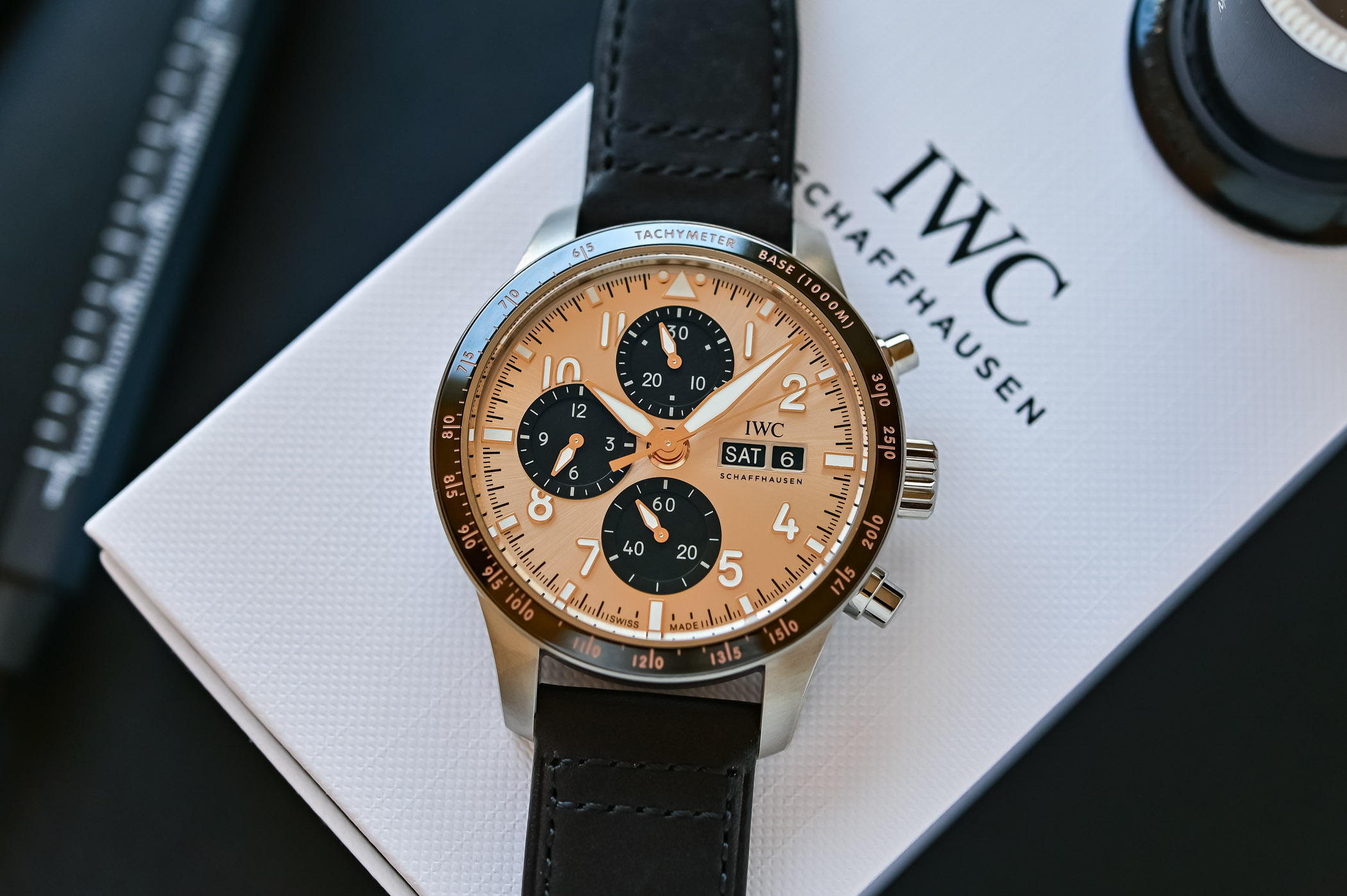
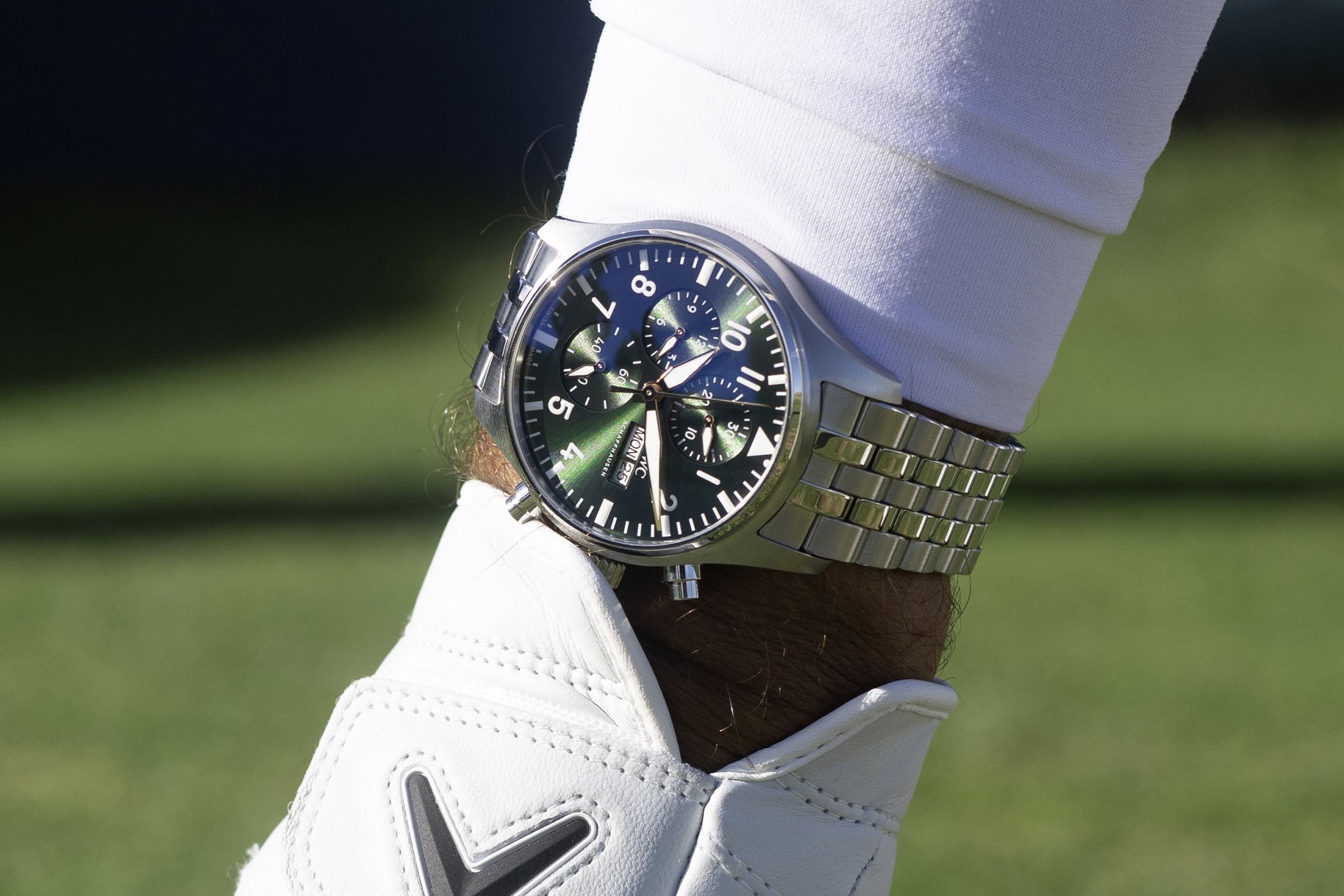
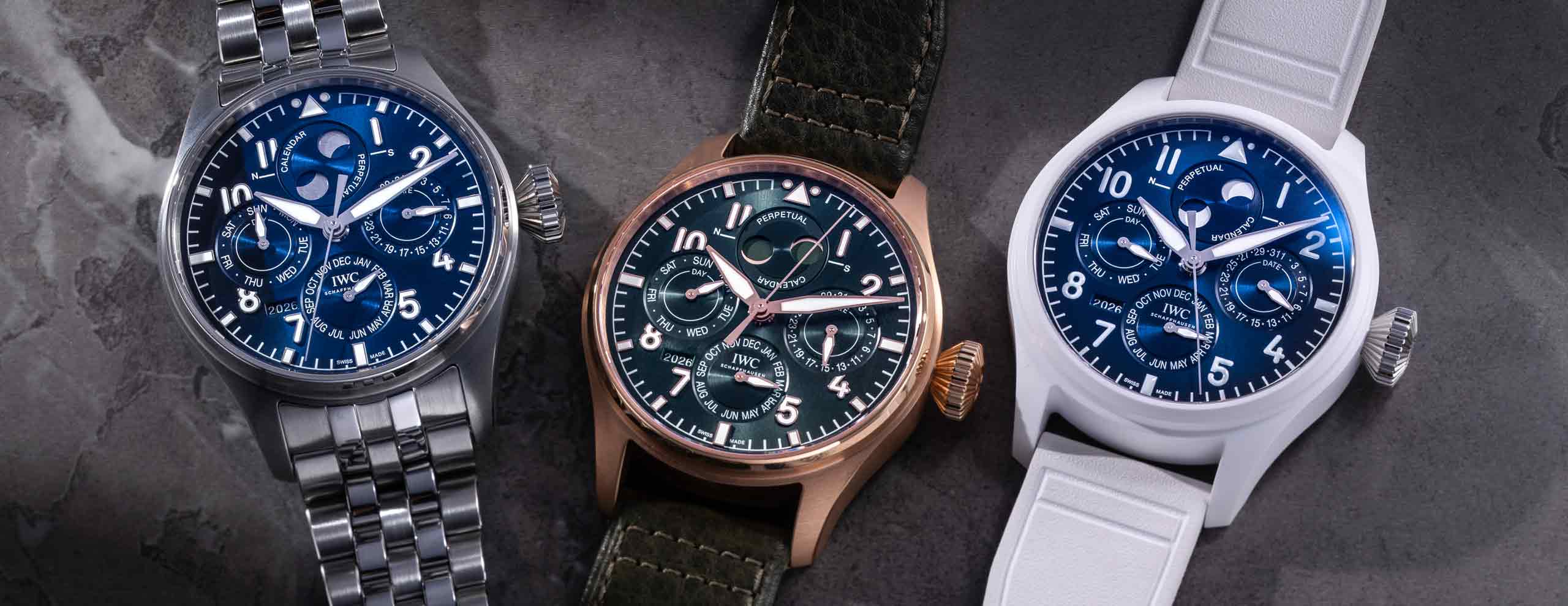
The Pilot's Watch lineage, which traces back to the Spezialuhr für Flieger of 1936, is arguably IWC's most important contribution to watch culture. The Big Pilot ref 52 T.S.C. of 1940, with its 55mm case and iconic oversized crown, established the visual language that informs the Big Pilot Watch to this day. IWC's pilot watches are defined by their anti-magnetic protection, legibility, soft-iron inner cages to deflect magnetic fields, and the power reserve displays that have become a signature IWC feature. The current Big Pilot 43 and Big Pilot 46 continue this tradition in cases sized for modern tastes.
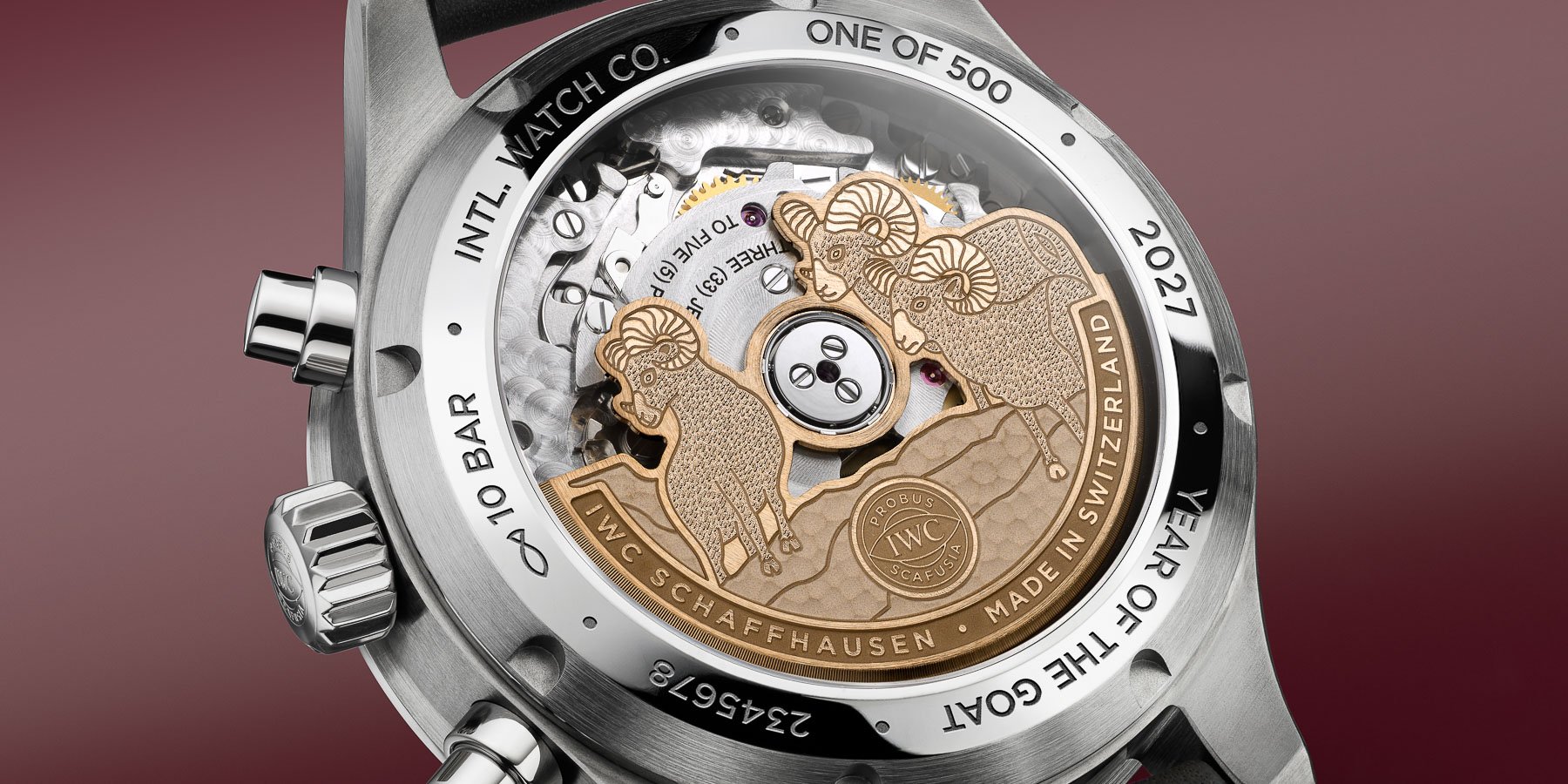
The Portugieser, introduced in 1939 for Portuguese navigation officers who wanted a pocket-watch movement in a wristwatch case, became IWC's definitive dress watch family. The Portugieser Chronograph and the Perpetual Calendar Portugieser are considered among the most elegant expressions of Swiss watchmaking at IWC's price tier. Part of Richemont Group since 2000, IWC has expanded its in-house movement capabilities significantly, developing calibres like the IWC-manufactured 52000 series that appear across the Pilot's and Portugieser lines.