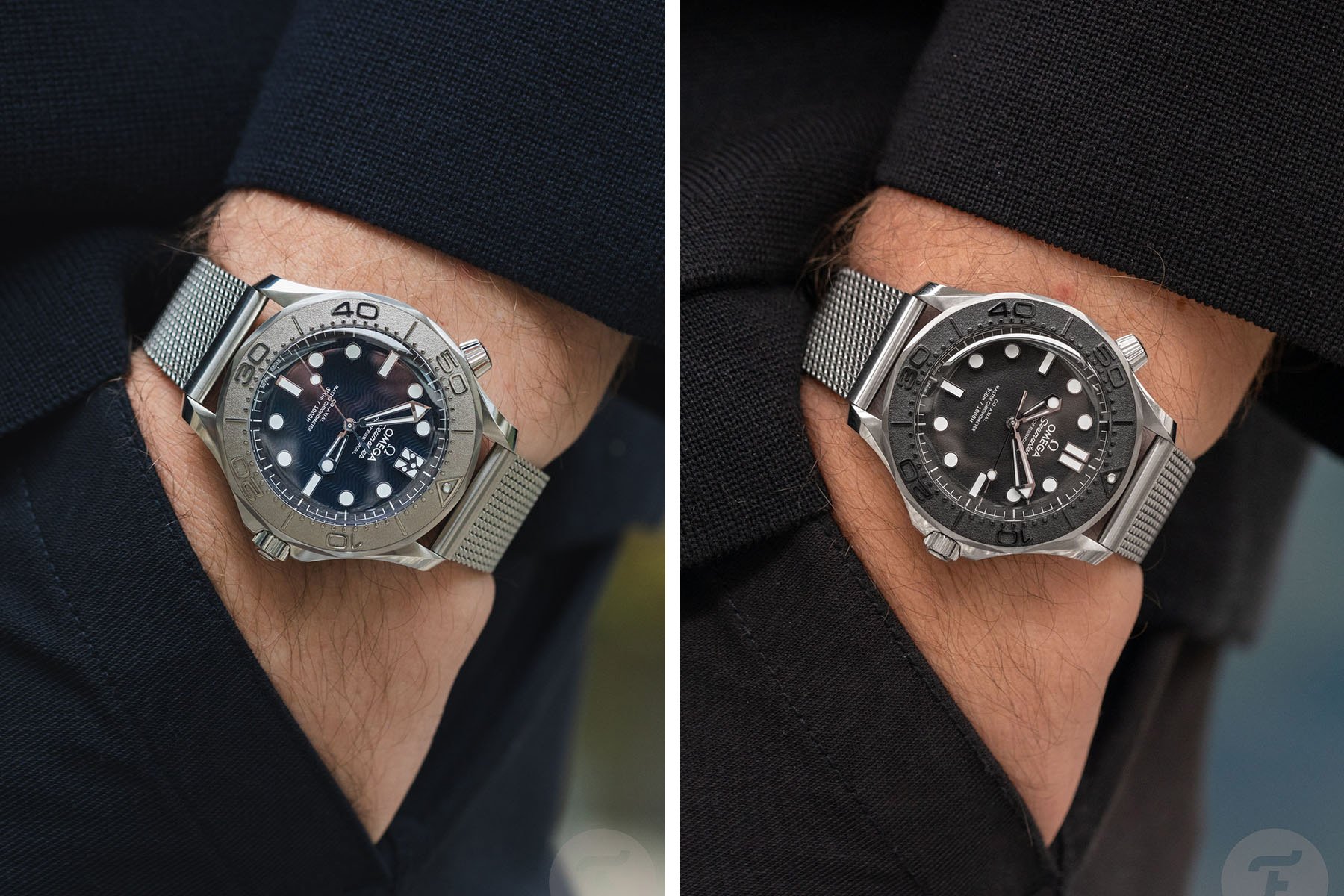
Omega's origins lie in 1848 when Louis Brandt assembled his first precision pocket watches in La Chaux-de-Fonds, sourcing parts from local craftsmen and selling through agents across Europe. After Brandt's death, his sons moved the firm to Biel/Bienne and drove an era of industrialisation that produced the 19-ligne Labrador calibre in 1894 - a movement of such quality and consistency that the company renamed itself Omega, taking the name of its finest calibre. The name stuck, and the brand has been defined by the pursuit of precision ever since.
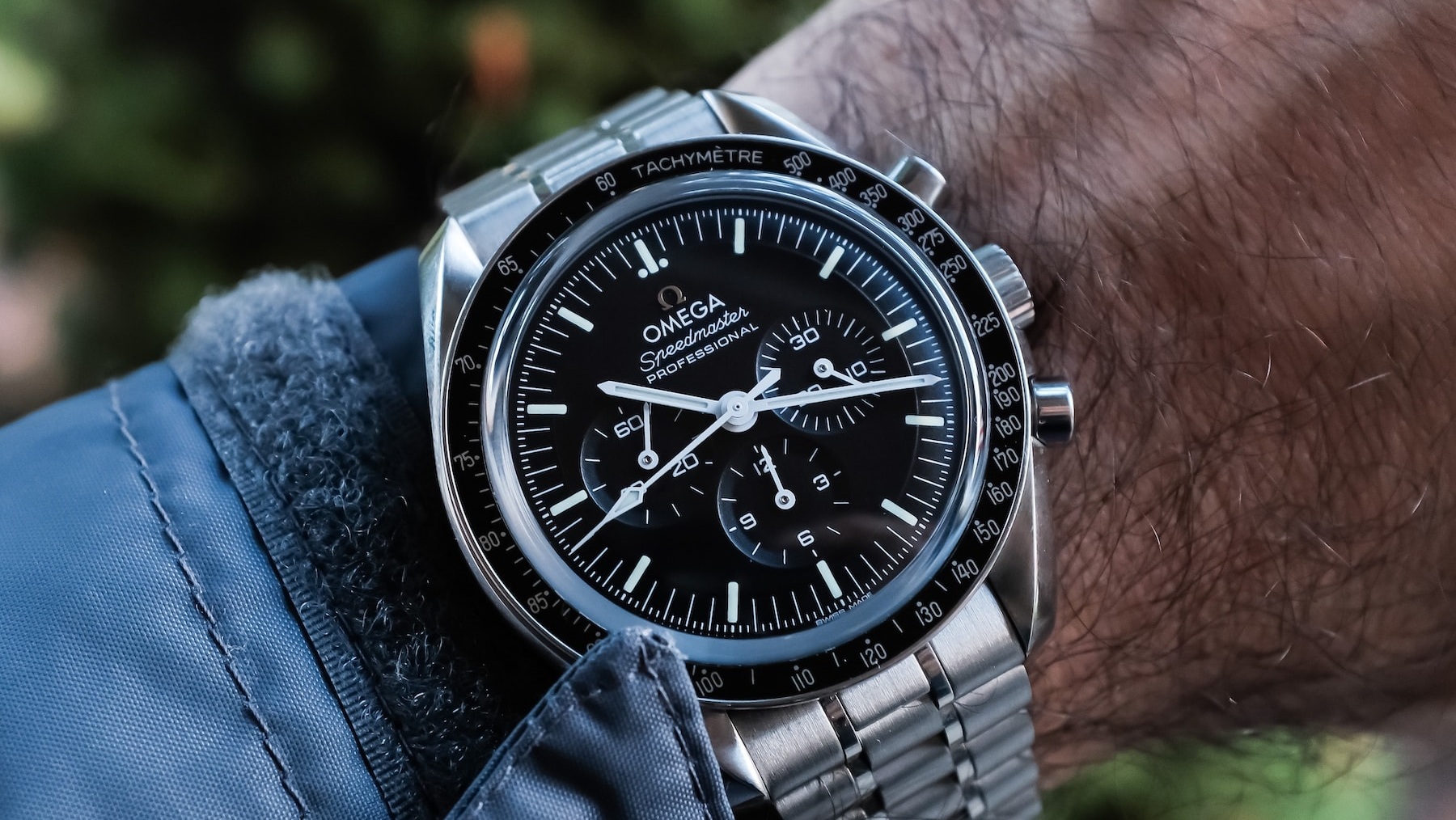
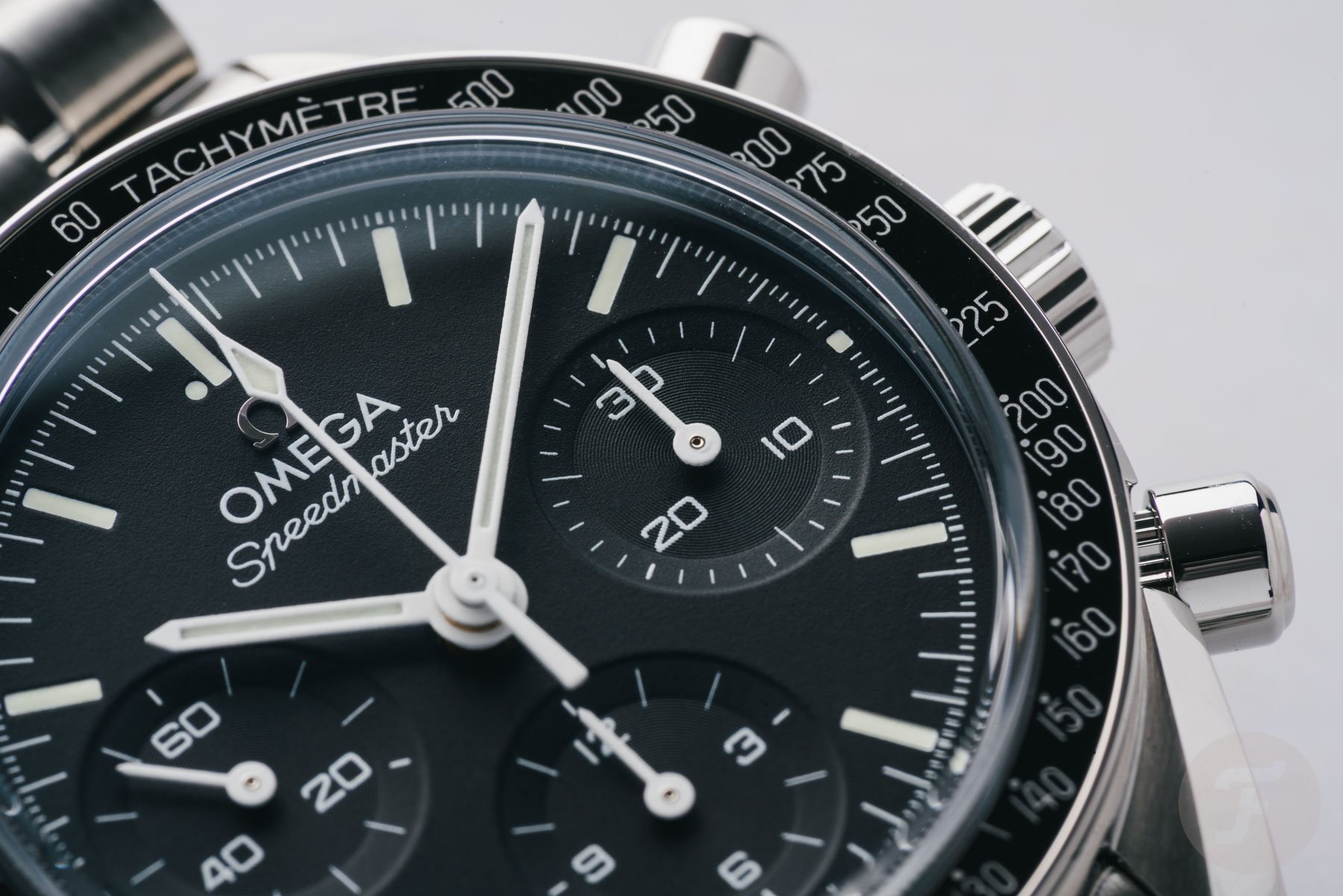
Omega's most famous moment came on July 21, 1969, when Neil Armstrong stepped onto the lunar surface with a Speedmaster Professional on his wrist - the culmination of NASA's rigorous testing programme that had selected the Speedmaster over all competitors in 1965. The Speedmaster's qualification tests included extremes of temperature, vacuum, humidity, shock, vibration, and acceleration that no other watch survived. The Moon landing sealed Omega's identity as the world's most technically proven watch, and the Speedmaster remains in continuous production today essentially unchanged from the 1969 model.
As part of the Swatch Group since 1983, Omega has invested heavily in movement technology, most notably the Co-Axial escapement - invented by independent watchmaker George Daniels and acquired by Omega in 1994. The Co-Axial's unique geometry reduces sliding friction between escapement components, extending service intervals and improving long-term accuracy. METAS certification, introduced in 2015, pushes the standard further: METAS-certified movements must achieve -0/+5 seconds per day accuracy after exposure to 15,000 gauss of magnetic field - a standard no other production watchmaker has matched.