
The De Ville originated as a sub-name of the Seamaster in the early 1960s: the Seamaster De Ville was the dress-watch variant of the Seamaster line, distinguishing the formal references from the dive-oriented Seamasters. In 1967 Omega split the De Ville off as its own collection: the De Ville became the dedicated dress-watch family, freeing the Seamaster to focus on water-resistant sport and dive references.
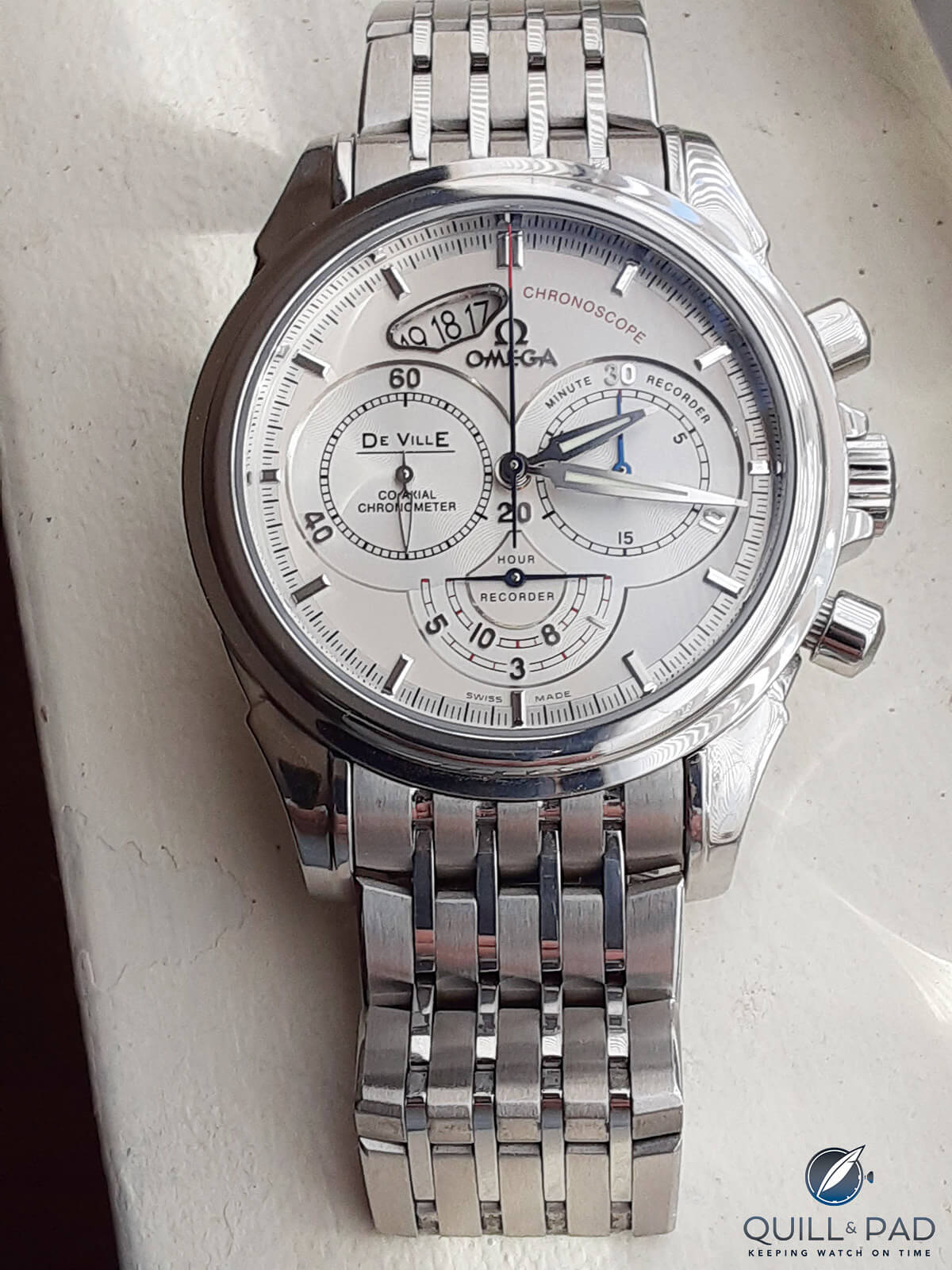
The 1967-1980 De Ville generation included a wide range of formal references: ultra-thin time-only watches with Cal. 620, 625, 711, calendar references with Cal. 1020 / 1021, and the rare De Ville chronograph Cal. 861 (a pure-dress chronograph distinct from the Speedmaster). Through the 1980s and 90s the De Ville survived the Quartz Crisis and the post-quartz revival; many 1990s references used Omega Cal. 1109 / 1120 automatics.
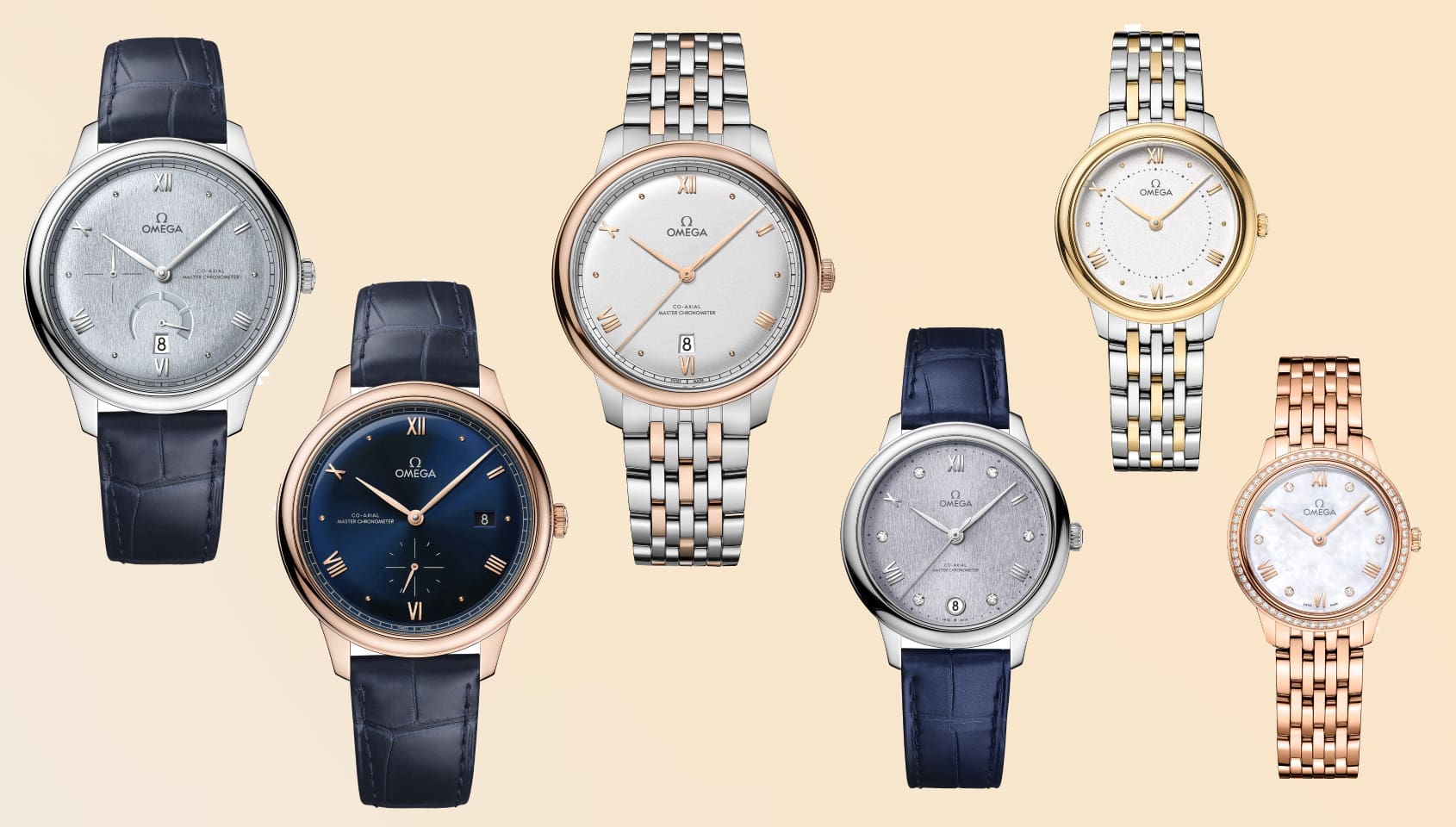
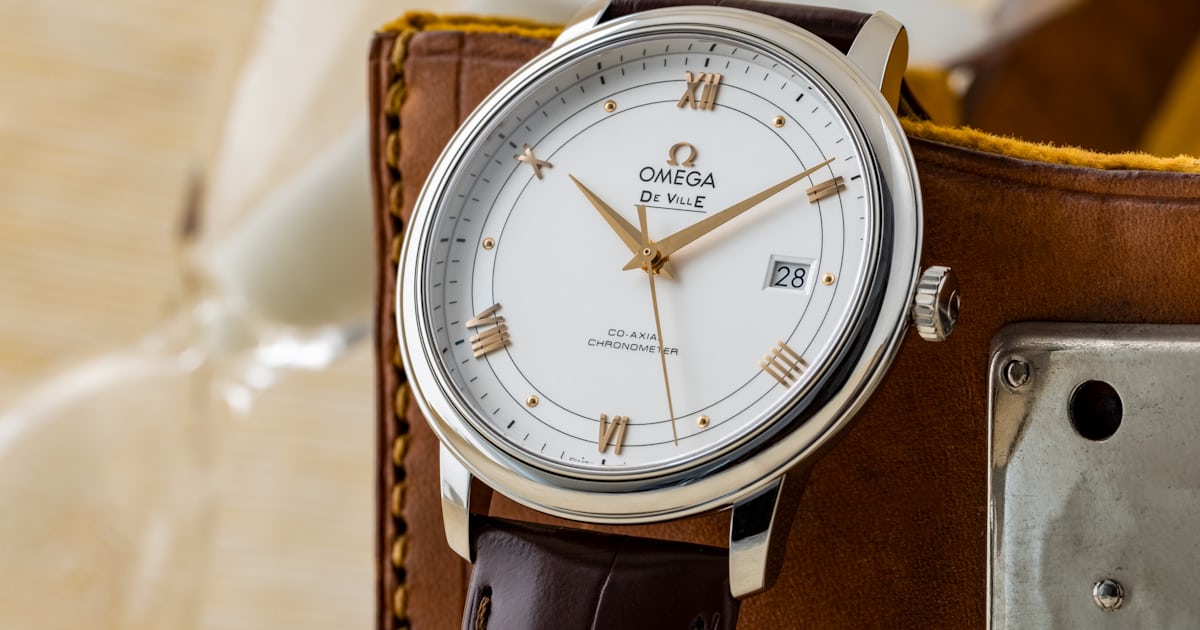
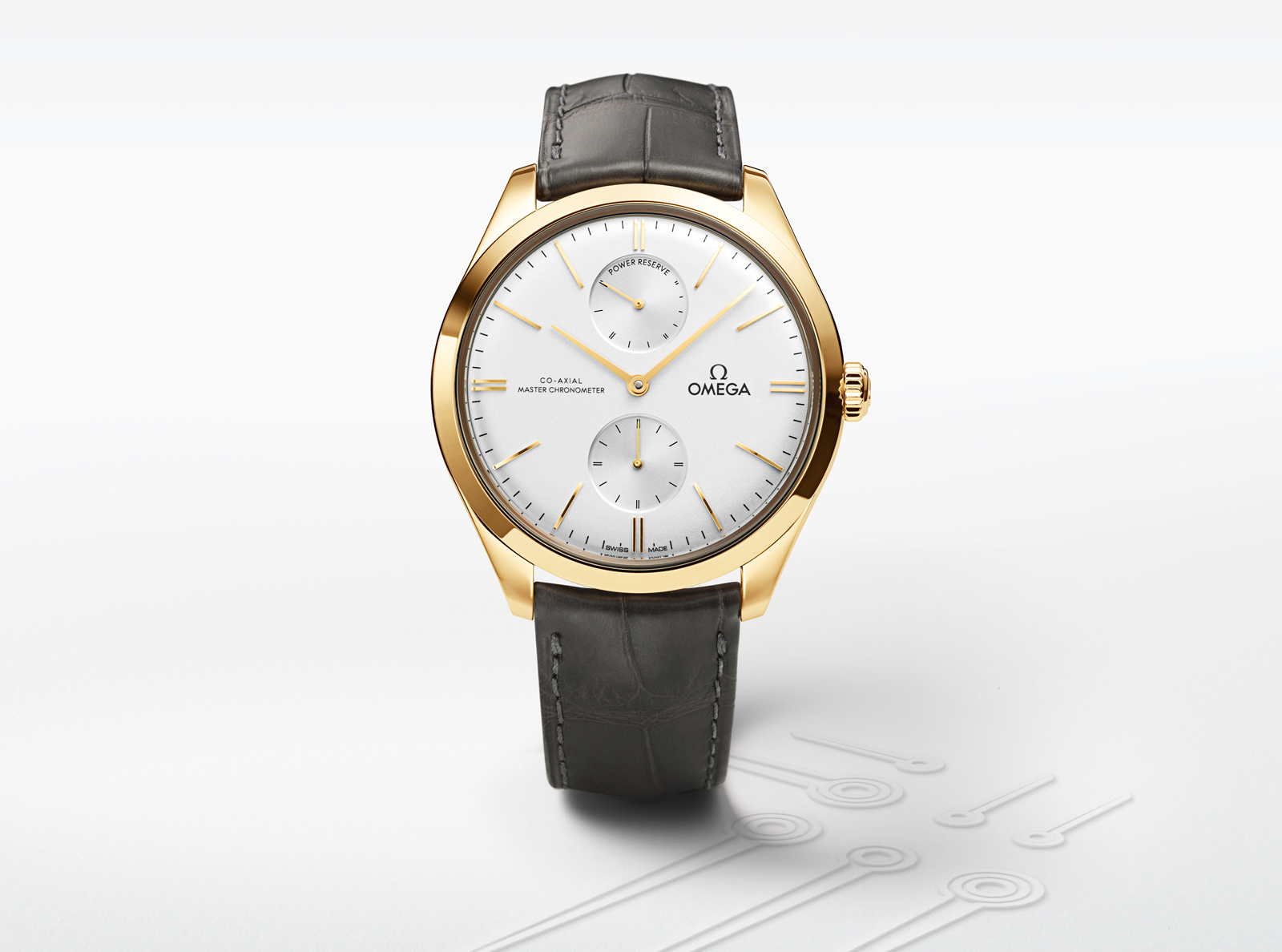
The modern De Ville catalogue centres on three sub-families. The De Ville Trésor is the ultra-thin reference (8.6mm thick, Cal. 8910 manual or 8929 small-seconds variant), 39mm or 40mm in steel or precious metal, the most formal modern Omega. The De Ville Hour Vision introduced a sapphire side-window in the case middle (the lateral case wall is sapphire rather than metal), letting the wearer see the movement from the side; Cal. 8500 or 8501 Co-Axial Master Chronometer base. The De Ville Prestige is the entry-level dress reference at 36-39mm, Cal. 8800 or 2500.
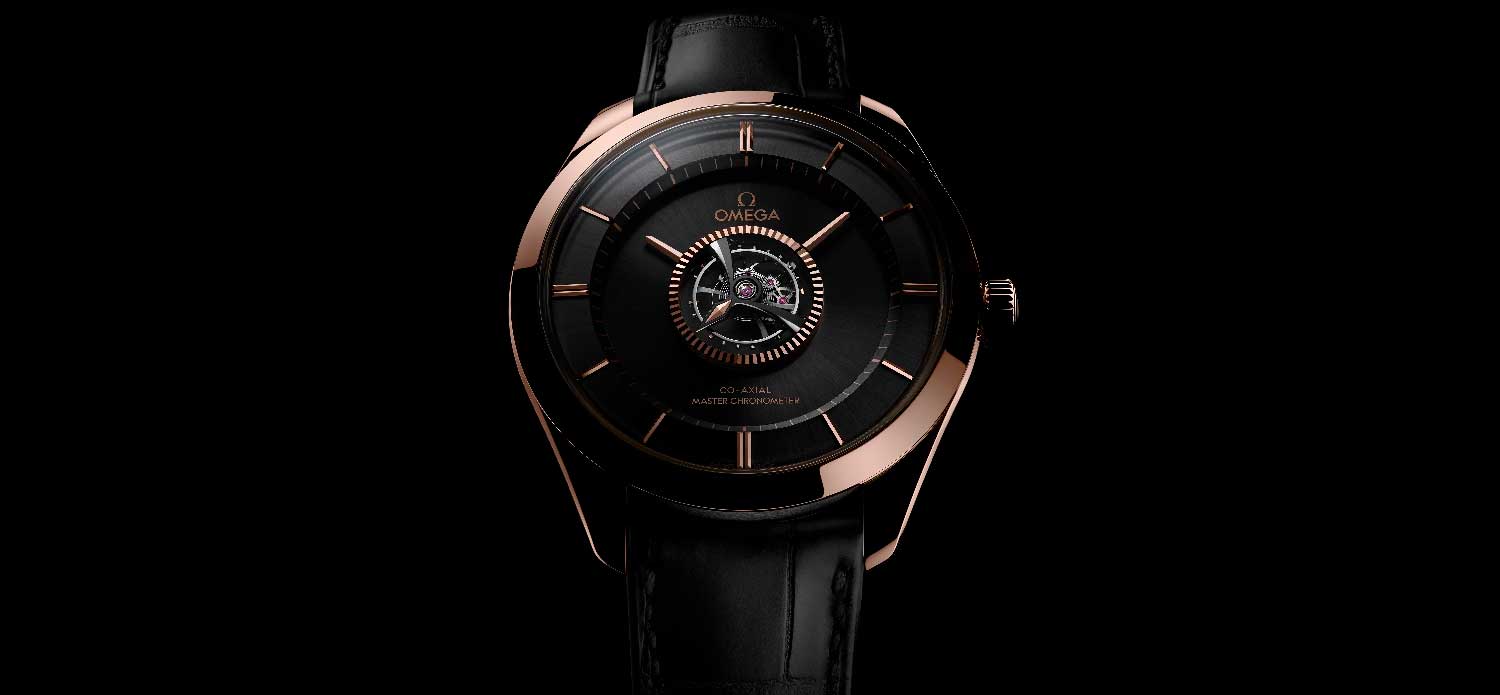
The haute-horlogerie peak is the De Ville Tourbillon Co-Axial, a flying tourbillon with Cal. 2641 hand-wound movement and platinum case, retail approximately CHF 130,000. The full De Ville range spans USD 2,500 (Prestige steel) to USD 130,000+ (Tourbillon platinum). The De Ville is now the dress-watch counterweight to the Speedmaster's tool-watch identity and the Constellation's integrated-bracelet identity in the modern Omega catalogue.





Comments
No comments yet, be the first to weigh in.