What "8800 vs 8900" means
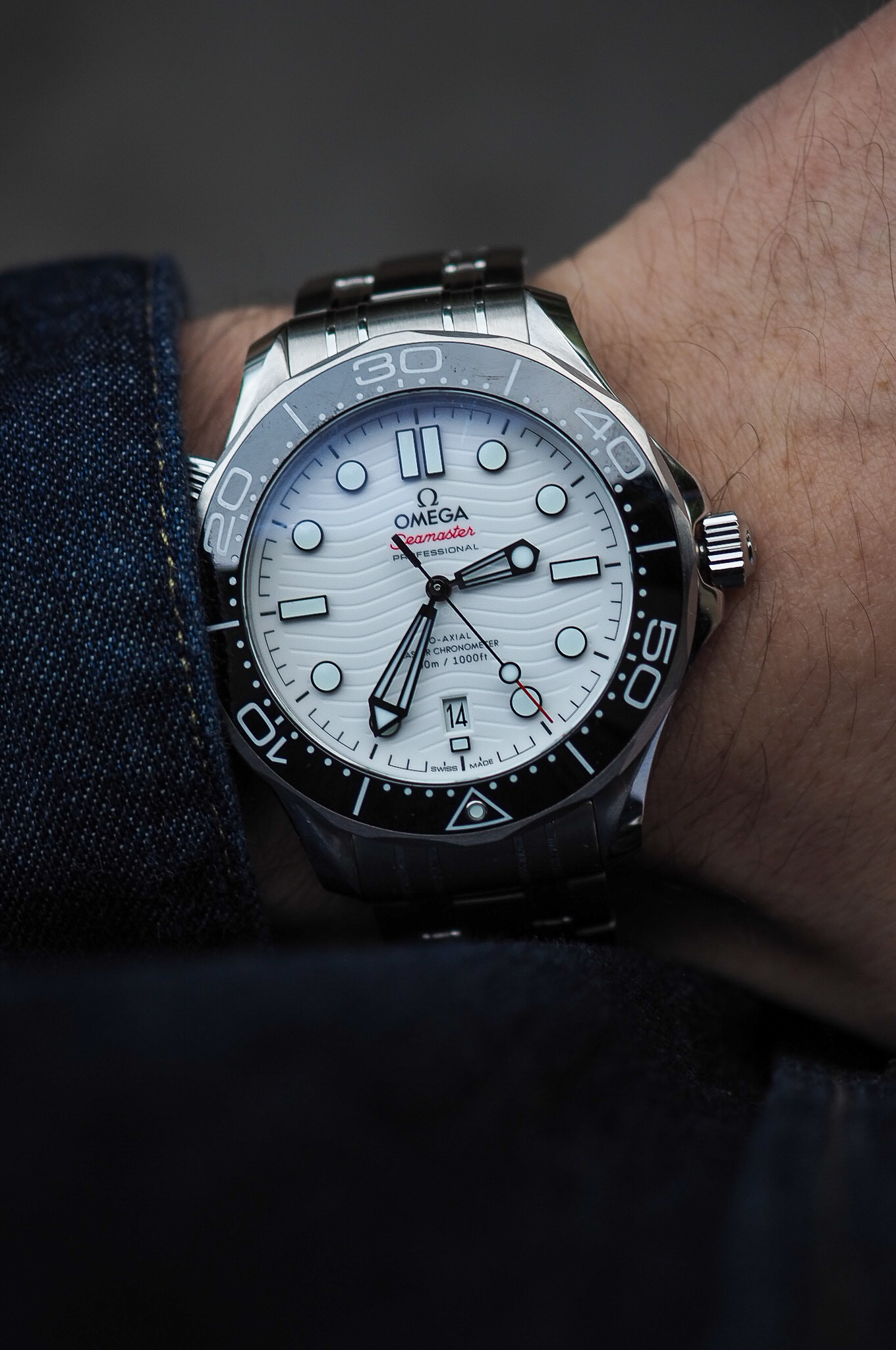
Omega's modern in-house catalogue uses a numbering convention where the last two digits indicate functional variants and the first two digits indicate the base architecture. The 8800/8900 family share the same co-axial escapement, silicon hairspring, and 3.5 Hz frequency. 8800: smaller, 55-hour reserve, no second time-zone function, used in 39-44 mm cases. 8900 / 8901: larger, 60-hour reserve, room for additional complications (date placement, second time-zone in the 8906). Both are METAS Master Chronometer certified, sometimes labelled "Master Co-Axial" on the dial. The 8800 went into the Seamaster Diver 300M in 2018; the 8900 powers the Aqua Terra Master Chronometer line; the 8901 was the first one out, in the Globemaster.
Co-axial: what it actually does
The co-axial escapement is George Daniels's 1970s invention, industrialised by Omega from 1999. Where the standard Swiss-lever escapement transfers energy by sliding (which generates friction and demands lubrication), the co-axial transfers energy through three short, near-frictionless impulses per swing. The practical result is that the impulse surfaces stay efficient for much longer between services. Omega rates the modern co-axial at 8-10 years between services; in owner reports, many 8800/8900 watches run 12+ years without amplitude loss. The 8800/8900 family runs the co-axial at 3.5 Hz (25,200 vph); this is unusual in modern movements (most are 4 Hz) and is a deliberate choice to keep the escapement geometry working efficiently.
METAS Master Chronometer
The big shift from the older 8500/8600 family is METAS certification. The Swiss Federal Institute of Metrology runs an 8-test cased-watch protocol on top of COSC: rate measured in 6 positions, at two power-reserve states (full and 1/3), before and after exposure to 15,000-gauss magnetic fields, with an in-case rate tolerance of 0 to +5 seconds per day. The whole watch (movement plus case) must pass. See our chronometer-vs-COSC-vs-METAS explainer for the wider context. In practice, owner-reported rates on Master Chronometers cluster around +1 to +3 sec/day, with very low variance across the day.
Anti-magnetism: 15,000 gauss
The 15,000-gauss spec is the most-marketed feature of the Master line and the easiest to verify. Inside the movement, the escape wheel and lever are made of nickel-phosphorus (the same material Rolex uses for its Chronergy) with silicon-treated balance staff and the Si14 silicon hairspring. None of these materials are ferromagnetic; they shrug off household, office, and even hospital magnetic environments. There is no soft-iron Faraday cage in modern Master Chronometers (older Aqua Terra >15,000G models used one); the resistance comes from material choice. Practical consequence: you can stick a Seamaster Diver next to a speaker, in an MRI scanner waiting area, on top of an iPad, or beside an induction stove without any rate impact.
Watches it powers
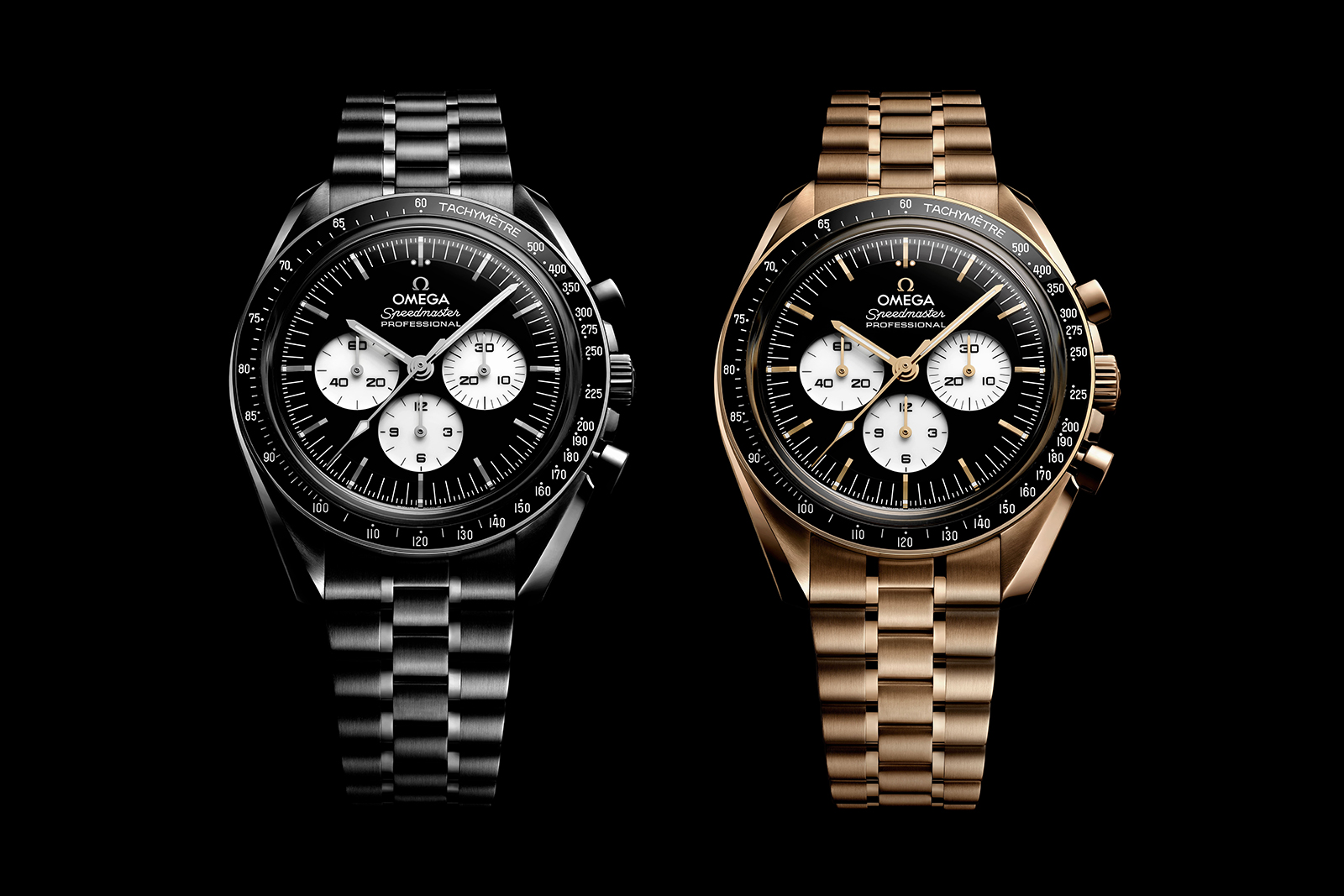
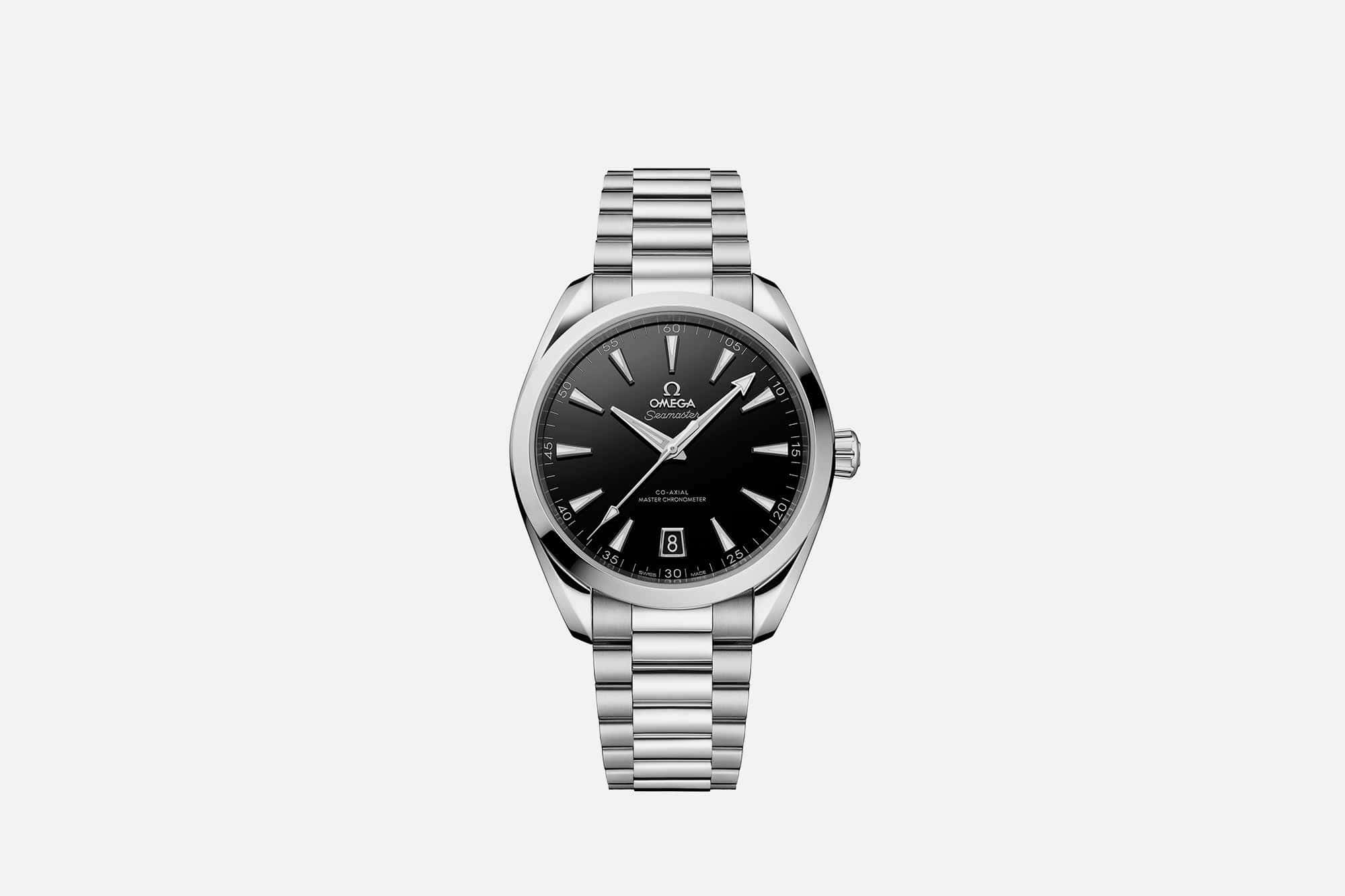
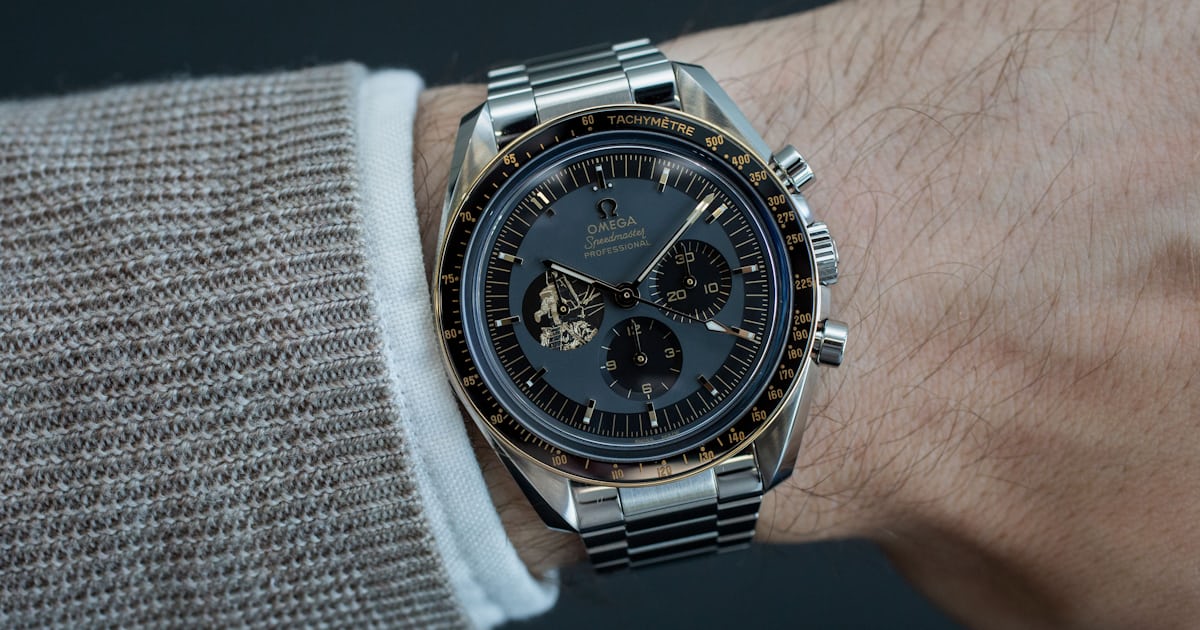
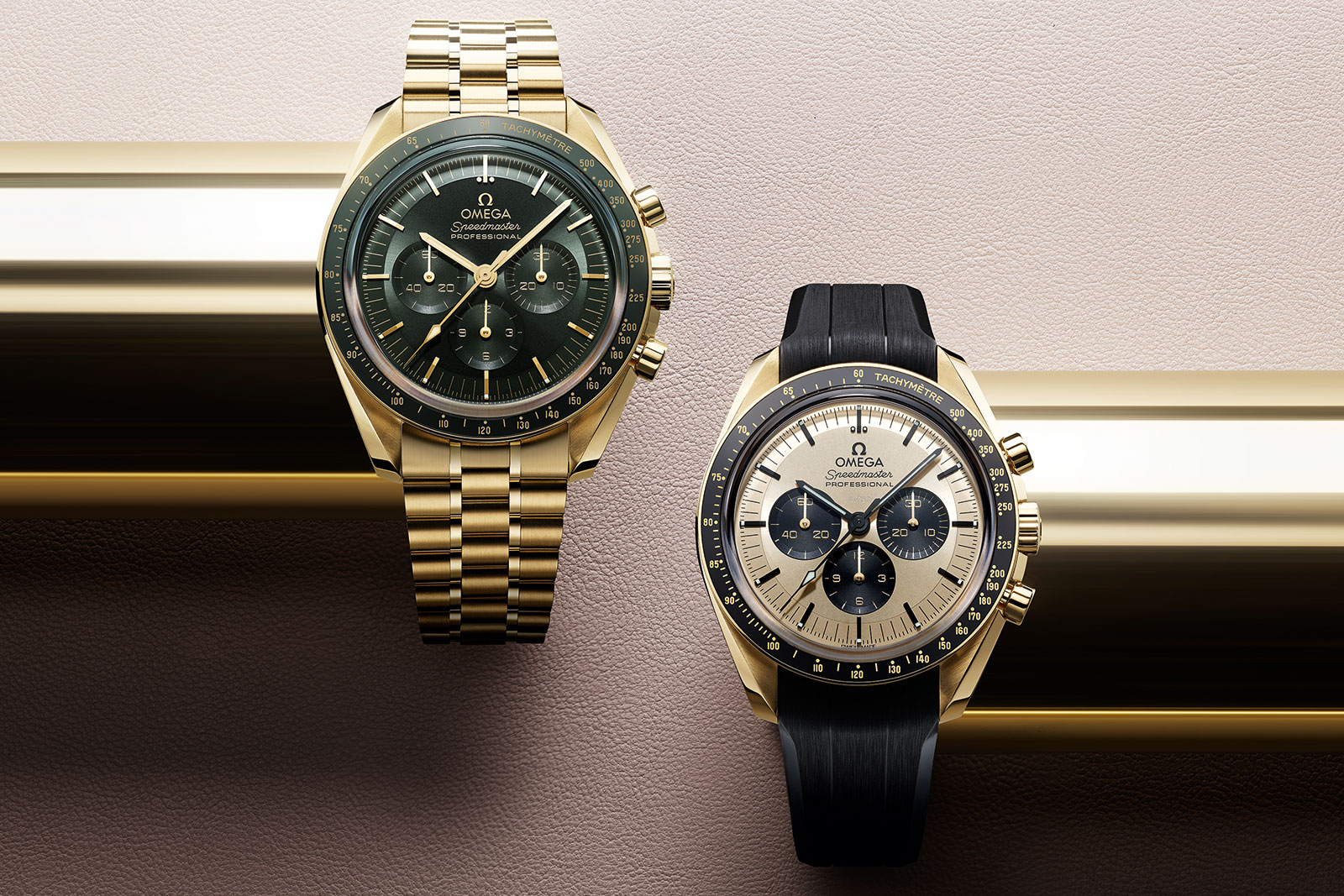
The 8800 powers the modern Seamaster Diver 300M 42 mm, the Planet Ocean 39.5 mm, and certain Aqua Terra references. The 8900 powers the Aqua Terra 41 mm Master Chronometer, the Globemaster (8901), and the Planet Ocean 43.5 mm. The chronograph variants in this family are the 9300/9900 series (Speedmaster Racing, Planet Ocean Chronograph), which are mechanically related but architecturally distinct. The current Speedmaster Moonwatch keeps the manual-wind Cal. 3861 instead, for heritage reasons.
Service notes
A factory-fresh 8800/8900 service through Omega currently runs CHF 600-800 for a Seamaster-class case, including movement strip-down, fresh oils, mainspring replacement, gasket replacement, water-resistance test, and 2-year warranty. The factory-recommended interval is 8-10 years, which is roughly twice the historical mechanical-watch standard. Independent service is possible; the silicon hairspring and co-axial parts are now widely available through the Omega service network and competent independents can source them through proper channels. A worn-in 8800/8900 returning from service typically gains 0 to +2 sec/day for the first few weeks, then settles in. See watch service cost for context.

Comments
No comments yet, be the first to weigh in.