
Master Chronometer is a watch certification programme established jointly by the Swiss Federal Institute of Metrology (METAS) and Omega on 1 July 2015. It is the first full-watch certification programme in modern Swiss watchmaking that tightens performance specifications across rate, anti-magnetism, power reserve, and water resistance simultaneously, all on the cased watch rather than on the bare movement as COSC does. Where COSC measures the bare movement in five positions over fifteen days, METAS measures the finished watch in eight individual tests over approximately ten days, including two tests at 15,000 gauss (1.5 tesla) magnetic exposure.
The programme grew out of a specific Omega technical decision. By 2013 Omega had developed a fully antimagnetic movement, the Cal. 8508, using non-ferrous components throughout (silicon hairspring, non-magnetic balance staff, Nivagauss escape wheel). The marketing claim, "antimagnetic to 15,000 gauss", was unprecedented; existing antimagnetic standards (ISO 764) topped out at 4,800 A/m, roughly 60 gauss. Omega needed an independent third-party body to verify the new anti-magnetic capability, since no existing Swiss certification body tested above ~1,000 gauss. The Swiss federal metrology institute, METAS, was the natural fit, with its existing role in calibrating measurement standards across Switzerland.
"For the first time, an independent and recognised authority validates that a watch is more than just a chronometer; it is a Master Chronometer."- Raynald Aeschlimann, CEO Omega, on the launch of Master Chronometer in 2015
METAS designed an eight-step test sequence covering: rate at 6 positions (0/+5 sec/day after 24 hours wound to 100%); rate after 30 hours at 50% wind; rate at 33% wind under 15,000 gauss magnetic exposure; rate at full wind under 15,000 gauss; rate after 24 hours at 50% wind under 15,000 gauss; rate at 33% wind in two positions; water resistance at the rated depth; and power reserve against the manufacturer's claim. Each cased watch is run through the full sequence; certificates are issued individually. The programme is administered by METAS but the actual testing happens at certified test stations inside Omega's Bienne manufacture.
The first Master Chronometer watch was the Omega Globemaster in 2015, with the Cal. 8900 (a co-axial Master Chronometer descended from the Cal. 8500). The Cal. 8800/8900 family rolled across the entire Seamaster, Aqua Terra, and Constellation lines from 2016 onward. The Cal. 3861 brought Master Chronometer to the Speedmaster Moonwatch Professional in 2021, the most heritage-loaded mechanical reference Omega makes. By 2024 Omega had certified an estimated 2 million Master Chronometers, the bulk of post-2016 Omega production.
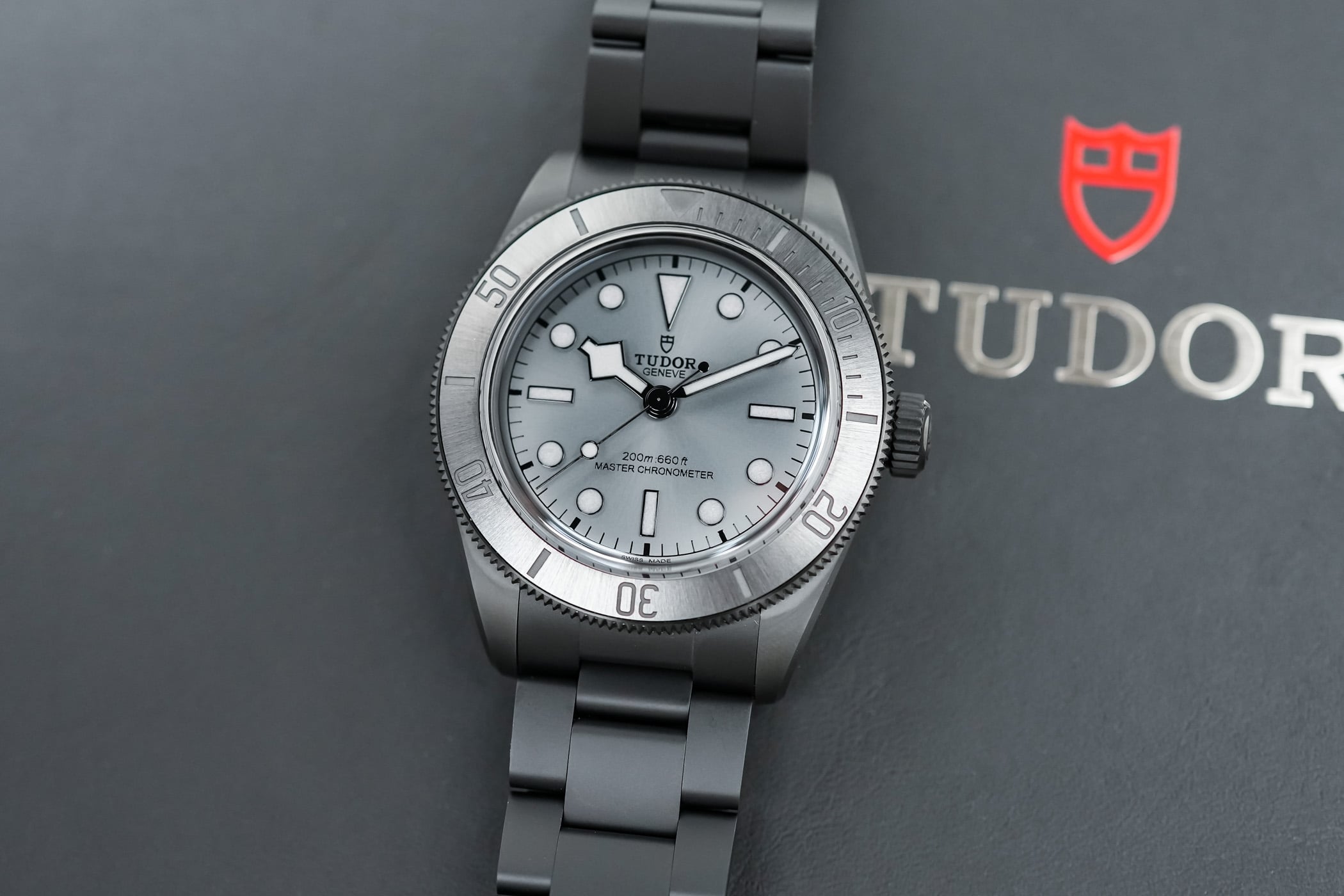
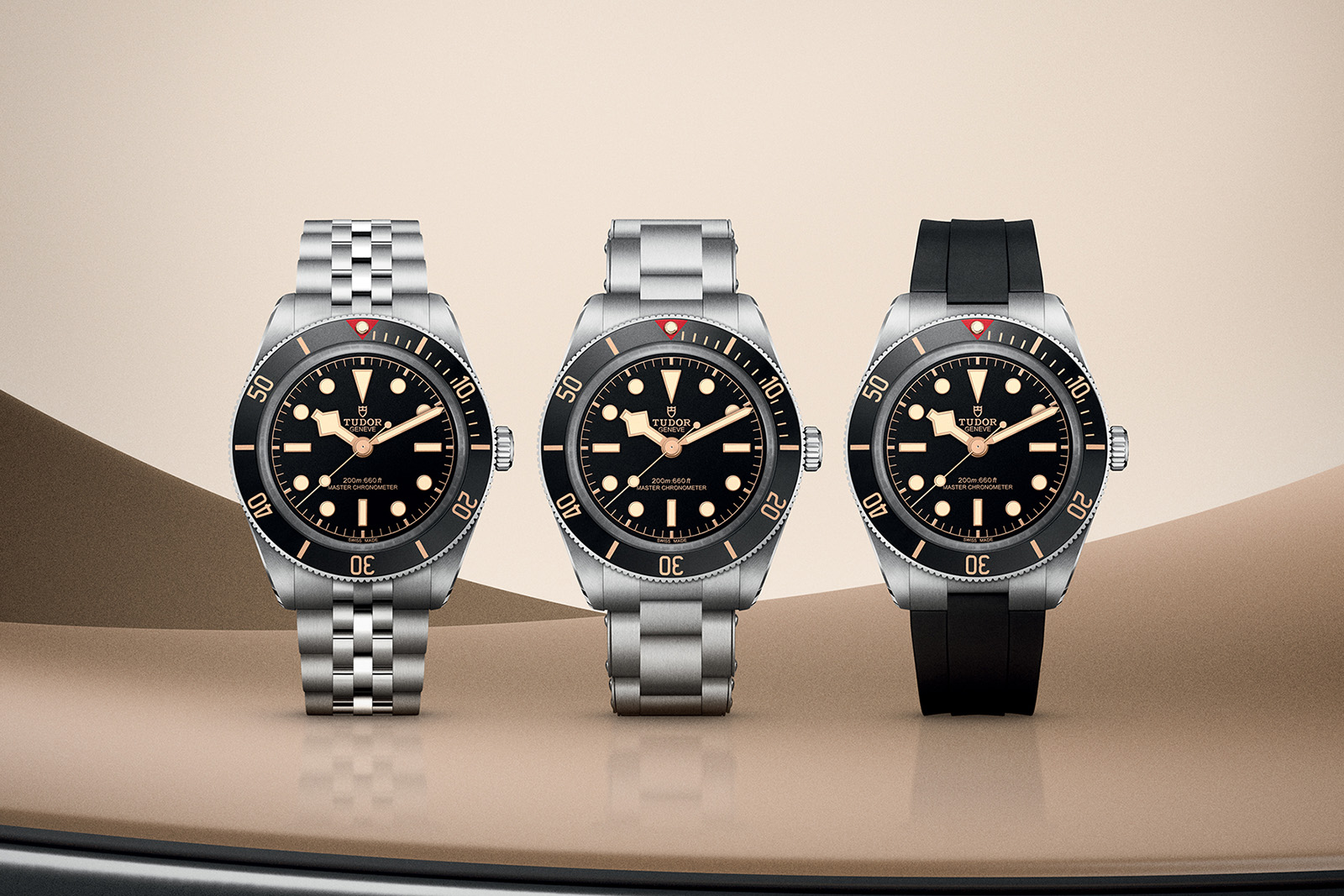
The programme expanded outside Omega for the first time on 1 March 2021, when Tudor announced Master Chronometer certification on the Black Bay Ceramic. Tudor's parent group, the Wilsdorf Foundation, owns Rolex, which runs its own Superlative Chronometer programme (±2 sec/day, in-house certified). Tudor's adoption of an external programme rather than the Rolex internal one reflects the brand's positioning as a separate technical house. Master Chronometer is also available, in principle, to any Swiss manufacturer; in practice Omega's scale and Tudor's adoption account for nearly all certified watches today.
In the hierarchy of Swiss watchmaking certifications the Master Chronometer sits at or near the top of performance-led programmes. Geneva Seal and the Patek Philippe Seal are finishing-led: they require haute horlogerie movement decoration plus a watch-level rate test of ±1 minute per 7 days. COSC is performance-only, on the bare movement. Master Chronometer combines COSC + ISO water resistance + 15,000-gauss anti-magnetism + power-reserve verification, all on the cased watch, all by an independent state body. It is, in 2024, the broadest performance-only certification on the market.







Comments 2