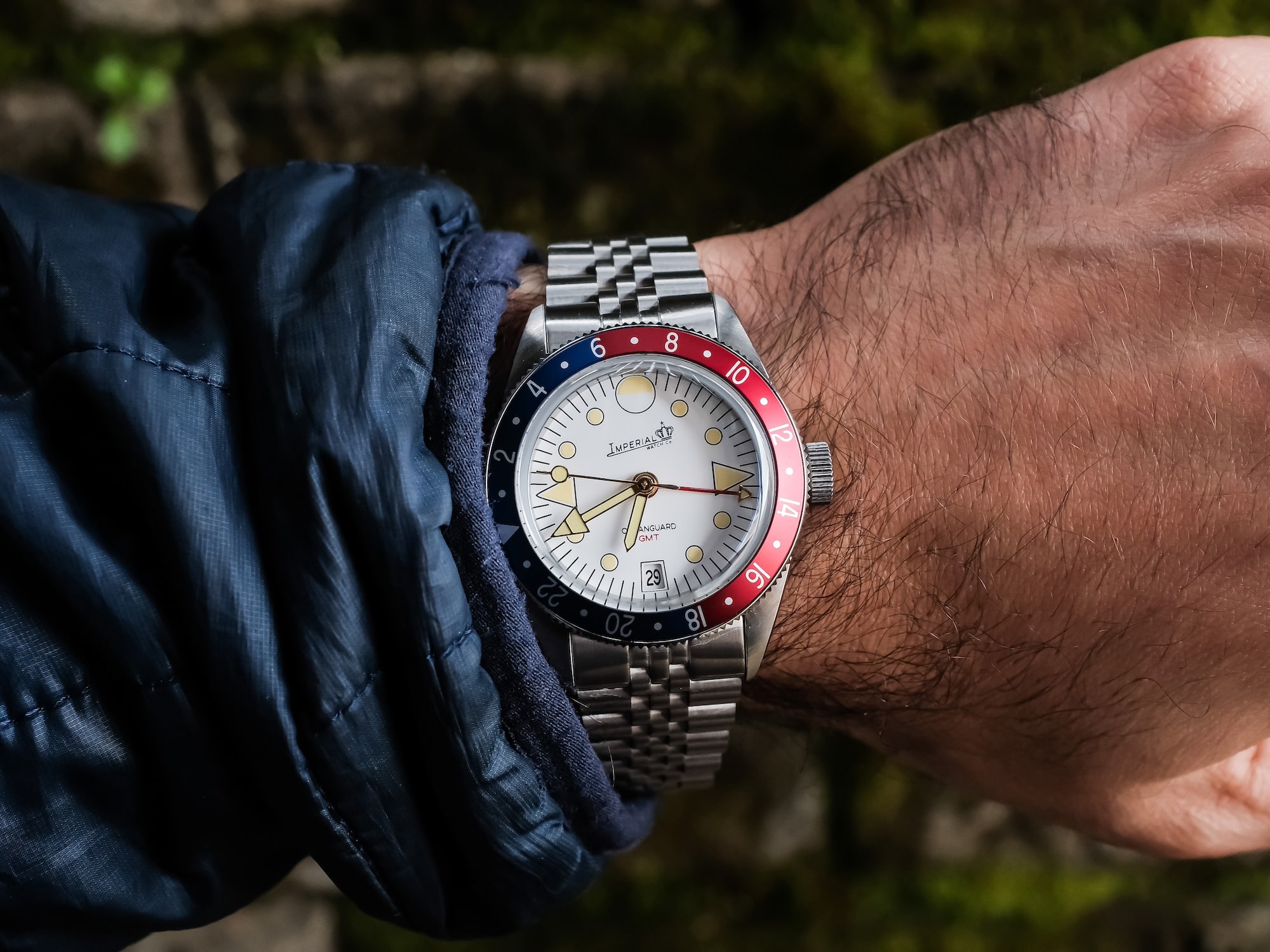
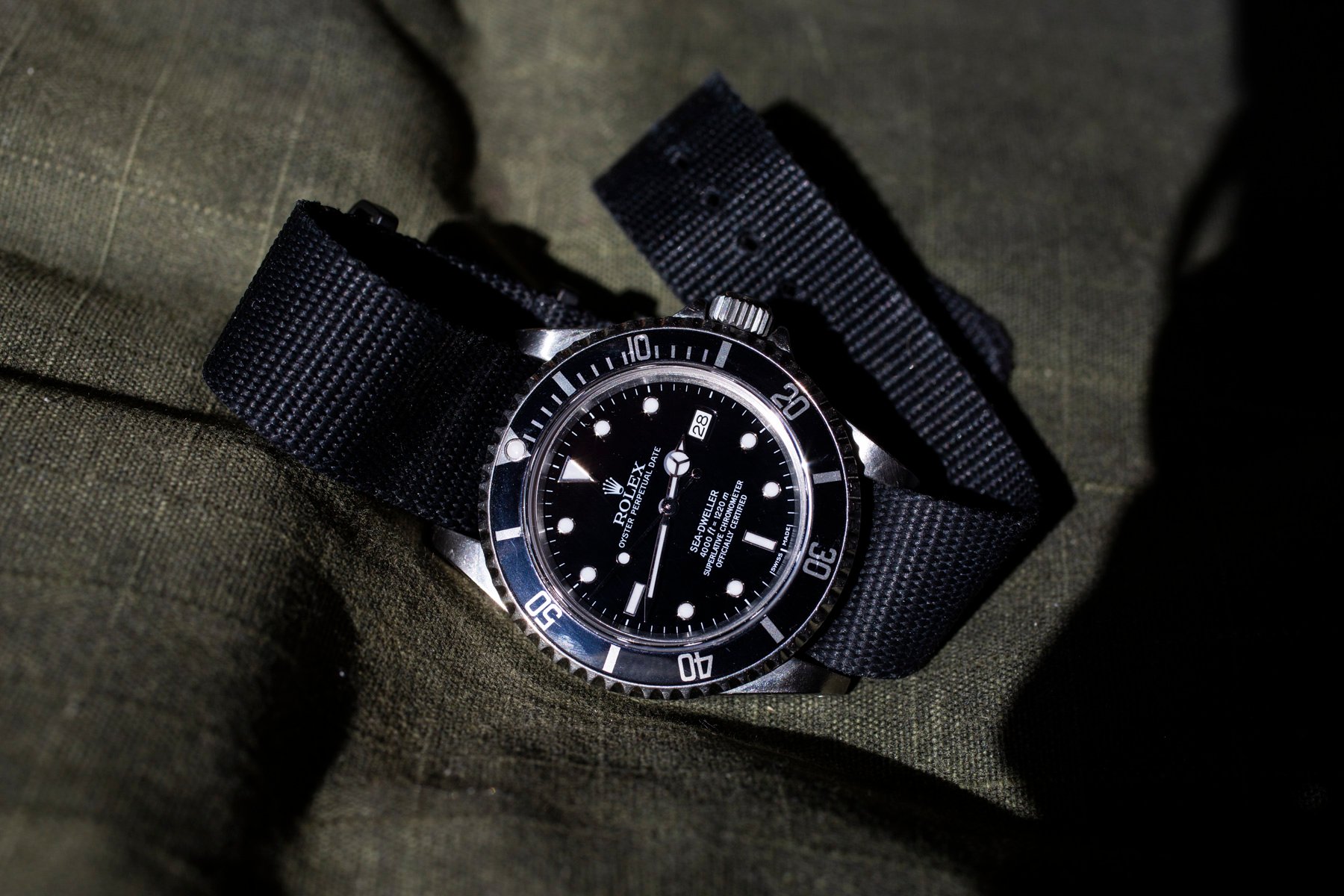
The modern GMT hand was introduced in 1954 by Rolex as the GMT-Master ref 6542, built to order for Pan American World Airways pilots flying the new transatlantic jet routes. The watch added a 24-hour hand driven off the main hour wheel at half the speed, plus a 24-hour rotating bezel: the hour hand still showed local time (adjustable via the crown in hour jumps on later Cal. 3185 / 3285 movements), while the 24-hour hand always tracked Greenwich Mean Time, the reference time zone for aviation. The original bi-colour Pepsi bezel, in red and blue Bakelite, is the single most imitated bezel design in watchmaking.
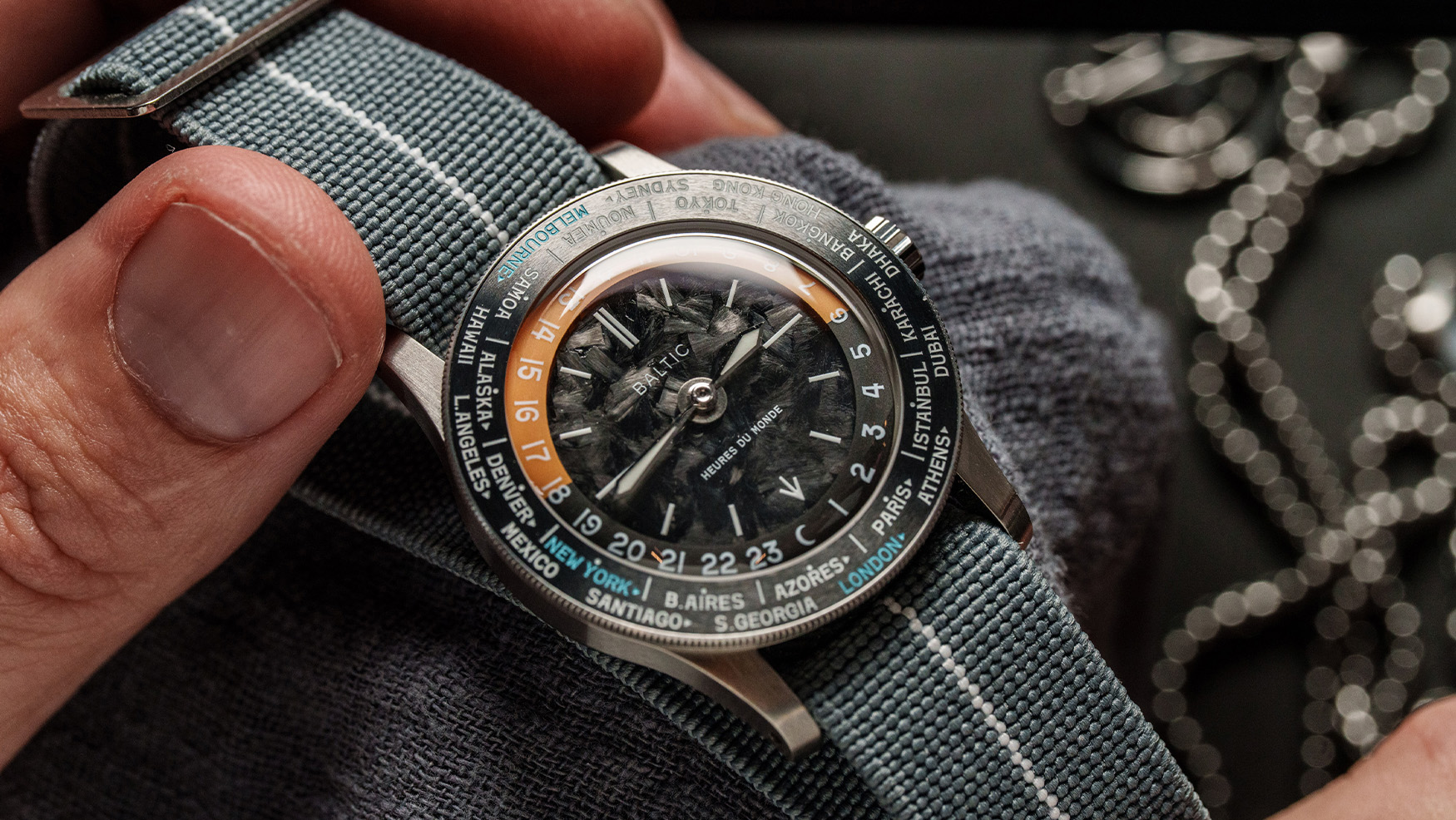
The World Time complication is older and more elegant. Louis Cottier, an independent watchmaker in Carouge near Geneva, patented the mechanism in 1937: a 24-hour disc rotating once per day under a fixed dial ring printed with 24 reference cities (one per zone). At a glance you can read the time anywhere on earth. Cottier licensed the mechanism to Patek Philippe, Vacheron Constantin, and Agassiz; Patek produced the ref 1415 in 1939, the first serial World Time wristwatch. A 1939 Patek 1415 sold at Phillips in 2019 for CHF 7.24 million, the record for a time-only wristwatch.
"We wanted one instrument that told us what time it was in New York while we were over the Atlantic. The rest followed."- Pan Am Chief Pilot, on the 1953 brief that became the GMT-Master
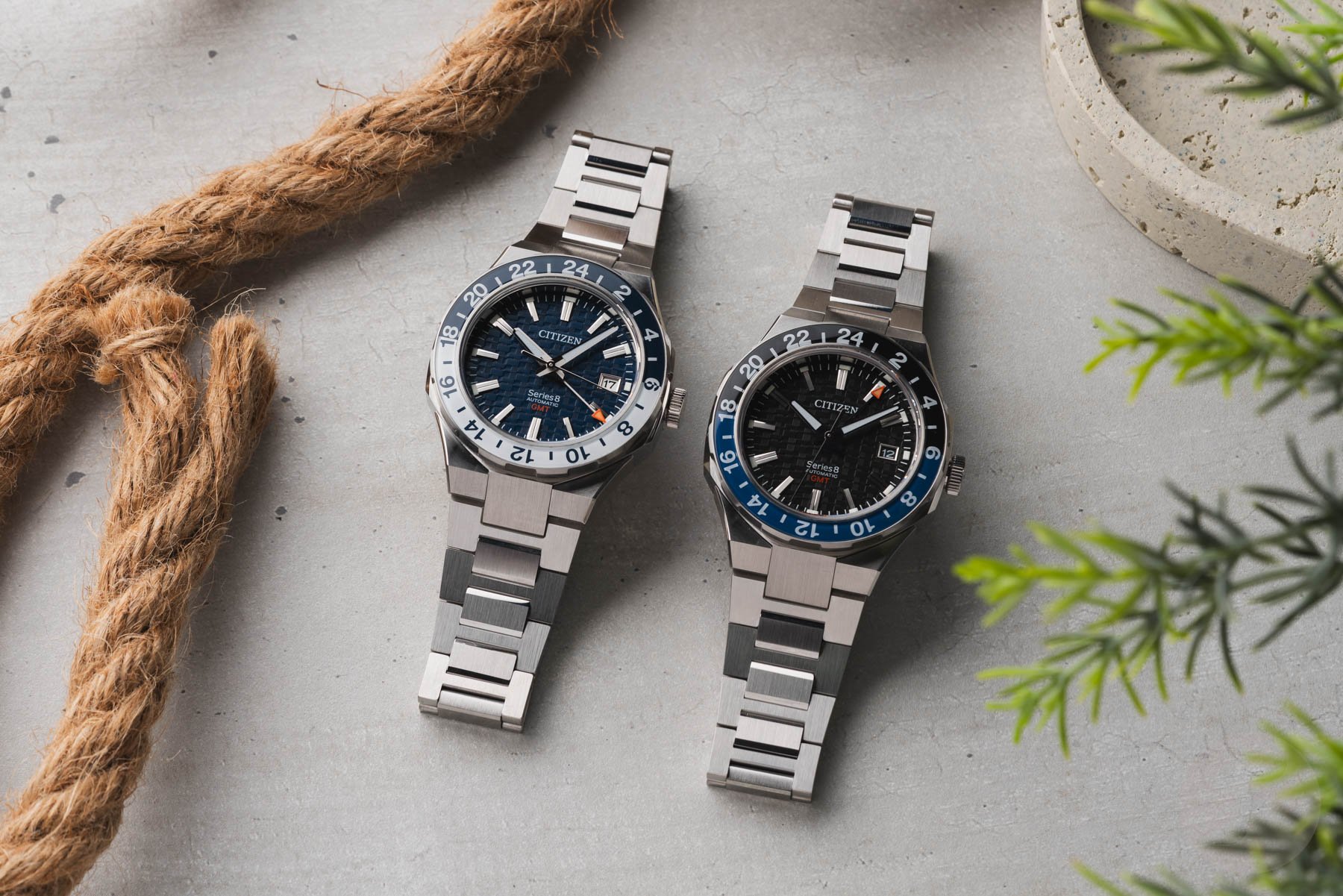
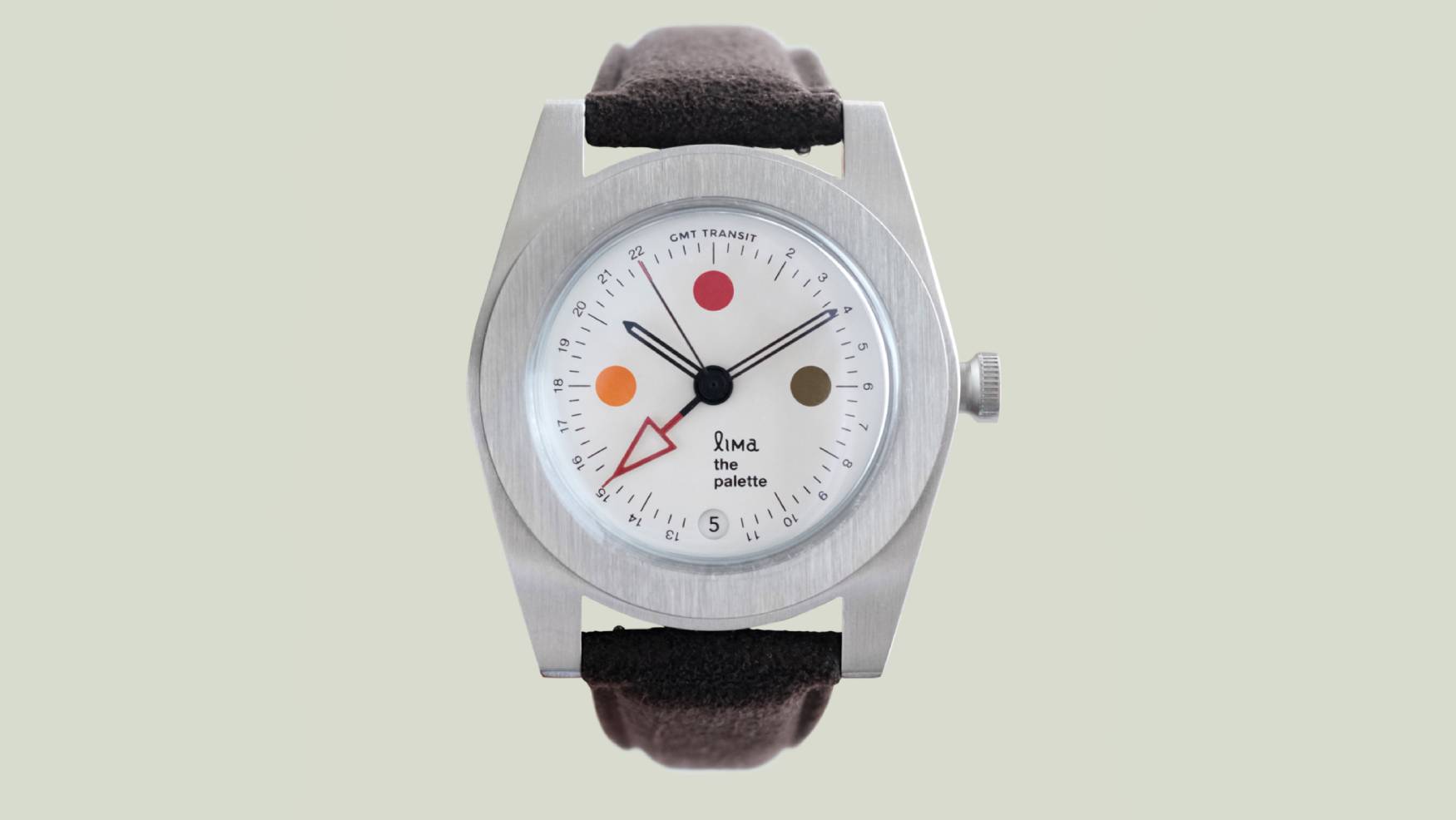
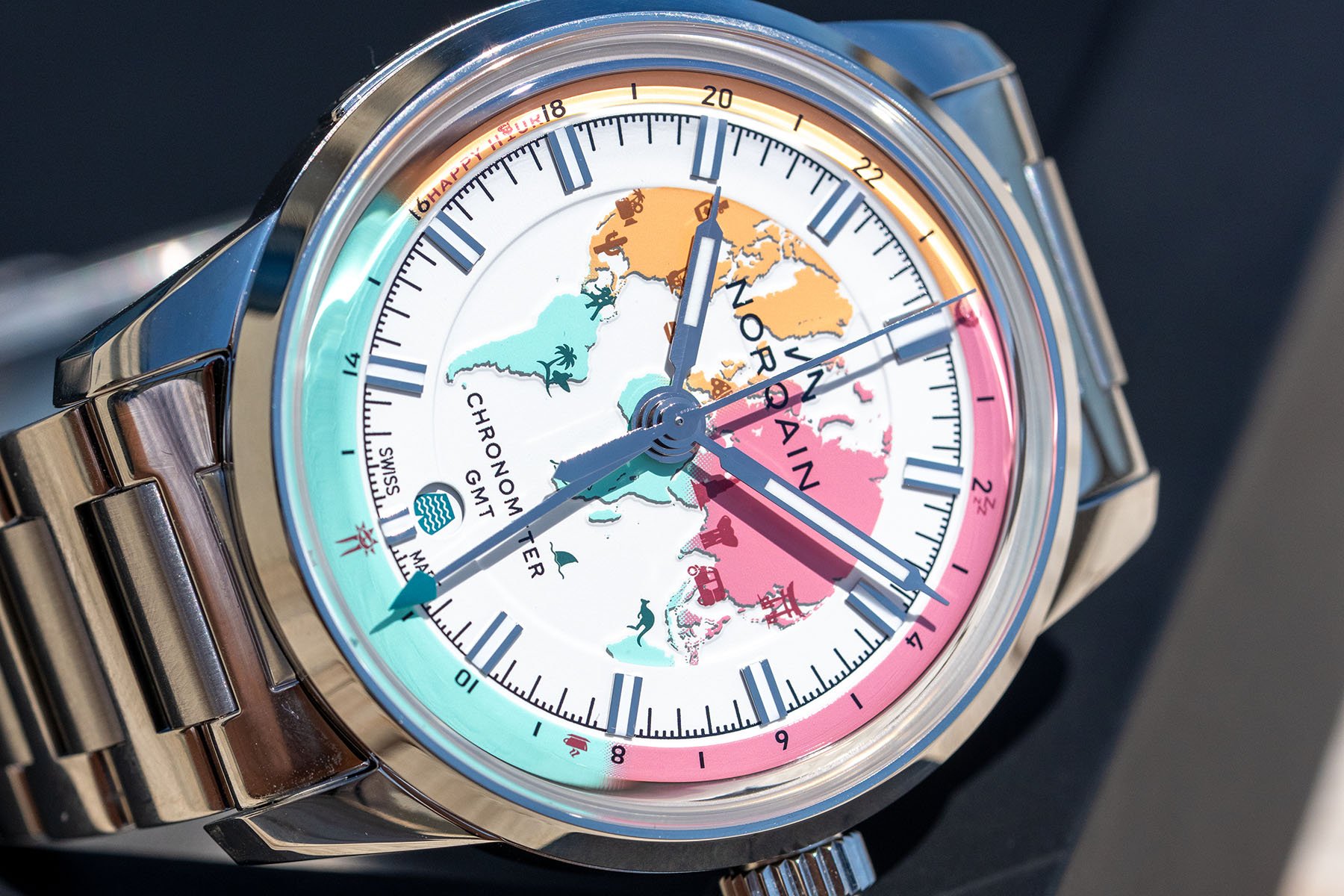
Reading a modern GMT is a matter of learning one extra hand. If the 24-hour hand points at "12" on the 24-hour scale it is noon UTC; at "18" it is 18:00 UTC. A rotating 24-hour bezel then lets the wearer track a third timezone by offsetting the bezel relative to the hand. The Rolex GMT-Master II introduced an independently-jumping local hour hand in 1982, so travellers can change local time in hour steps without disturbing the running 24-hour reference, now the industry standard for "true GMT" movements.
The World Time is a denser display. Patek's modern 5110 / 5130 / 5131 references (1999 onward) rotate the outer city ring to select a home timezone and rotate the inner 24-hour disc to read UTC offsets at a glance, with hour/half-hour/15-minute adjustments via a single pusher at 10 o'clock. Vacheron Constantin's Overseas World Time (Cal. 2460 WT/1, 2011) displays all 37 IANA time zones including half-hour offsets like India (+5:30) and the 45-minute offset of Nepal, a feature that requires a fundamentally different geared architecture from the classical 24-zone display.
At the high end World Time now meets grand complications. Patek Philippe Grandmaster Chime 6300 combines a world time with a minute repeater and perpetual calendar. Vacheron Constantin Les Cabinotiers Celestia combines 23 complications including a sidereal world time. For the traveller, the single most-sold GMT in the world remains a GMT-Master II Pepsi or Batman reference, the legacy of a design brief given to Rolex in 1953 by Pan Am, for flights that no longer exist.




Comments 2