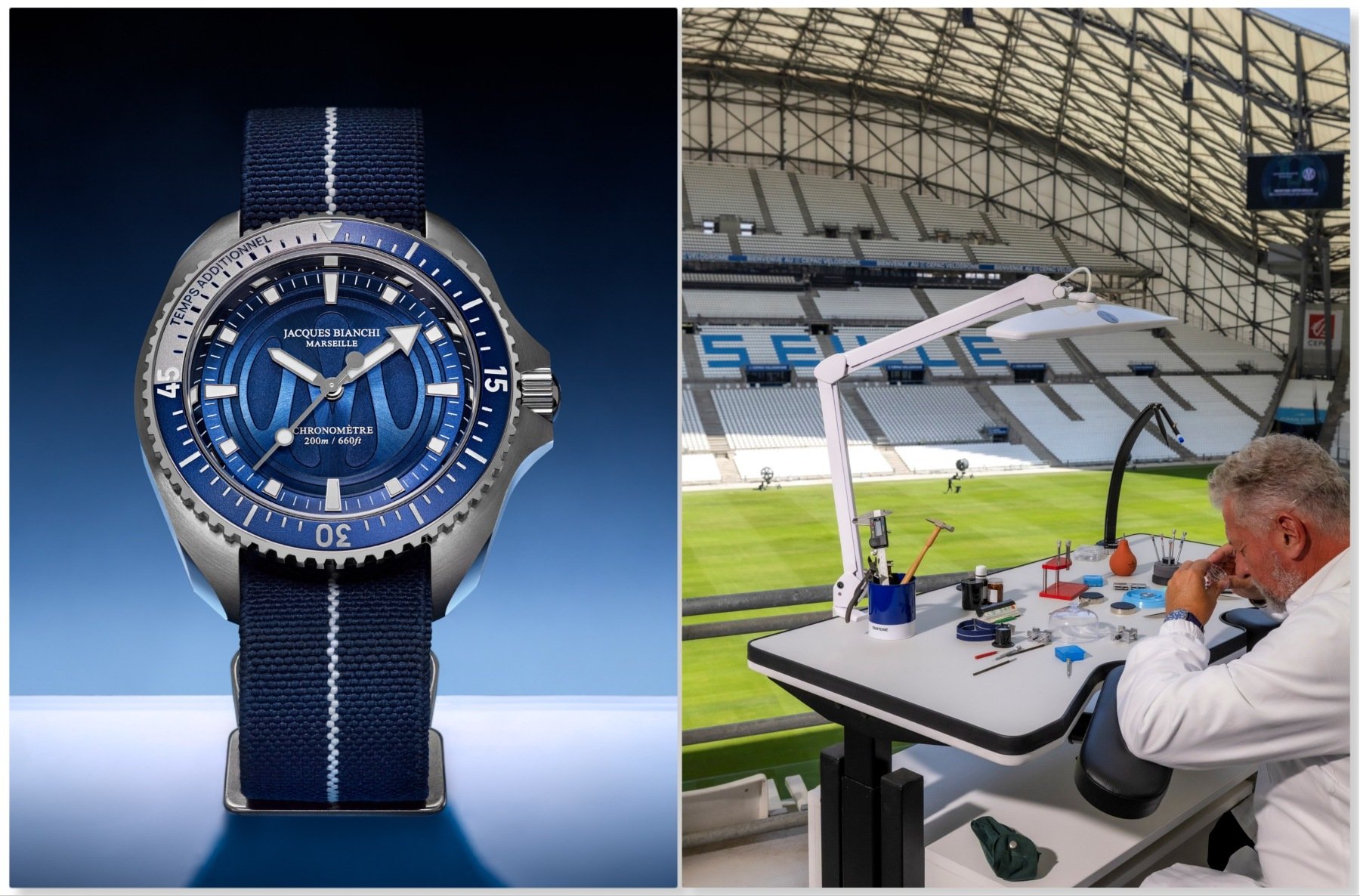
COSC (Contrôle Officiel Suisse des Chronomètres) is the Swiss non-profit that tests and certifies mechanical watch movements against the ISO 3159 chronometer standard. A movement submitted for certification is tested over 15 days at three temperatures (8°C, 23°C, 38°C) in five positions (crown up, crown down, crown left, crown right, dial up, dial down, cycled). Daily rate, mean variation, largest variation, rate in different positions, and temperature-induced rate change are all measured. A movement earns certification by meeting seven criteria, including the headline minus 4 to plus 6 seconds per day tolerance.
The COSC itself was founded in 1973 as the successor to the Bureaux Officiels network, the regional observatories (Bienne, Geneva, Neuchâtel, Le Locle) that had tested chronometers since the 19th century. Historical chronometer certificates from the Neuchâtel and Kew Observatories were prestigious ratings issued to specific watches; COSC's modern certification is issued to movements before casing and is a mass-industrial process. Rolex alone submits roughly one million movements per year; Omega, Breitling, Mido, Tissot, and Panerai make up most of the balance.
Some brands exceed COSC. Rolex's Superlative Chronometer standard (since 2015) retests every COSC-certified movement after casing, to a tighter minus 2 / plus 2 seconds per day. Omega's Master Chronometer programme (since 2015, co-developed with Swiss Federal Institute of Metrology METAS) certifies cased watches to minus zero, plus five seconds per day, and adds antimagnetic resistance to 15,000 gauss as a required test. These post-casing, tighter-tolerance standards are, in industrial terms, the modern successors to the old observatory chronometer certificates.
There is also a chronometer for hand-wound watches (historically, the Neuchâtel Observatory prize categories); marine chronometer, the historical category for ships' navigation clocks that the modern COSC standard descends from; and Geneva Seal / Poinçon de Genève, a separate quality certification specific to Geneva-cantonal manufactures that combines accuracy with movement-finishing standards. Geneva Seal is now overseen by Timelab and applies only to roughly 20,000 to 30,000 watches per year from Patek Philippe, Roger Dubuis, Vacheron Constantin (cased), and a handful of others.






Comments 2