
Breitling was founded in 1884 by Léon Breitling in Saint-Imier, in the Swiss Jura mountains, initially focusing on precision chronographs for scientific and industrial use. The company developed pushers on the outside of the case and independent column-wheel chronograph mechanisms that became industry standards, establishing a reputation for functional precision that would define the brand's identity for the next 140 years. By the early 20th century, Breitling chronographs were found in aviation, sport, and military contexts wherever accurate time measurement under stress was required.
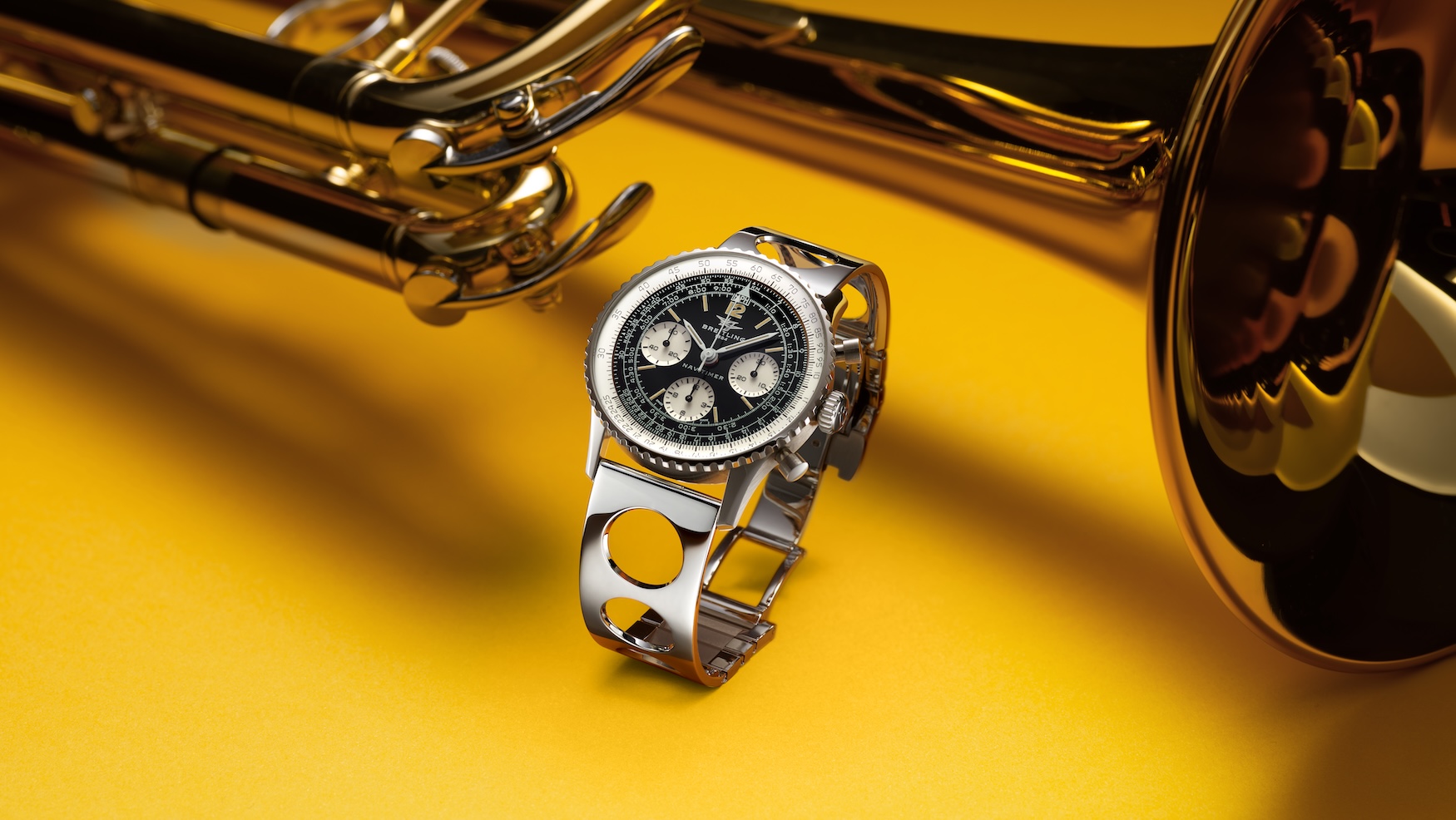
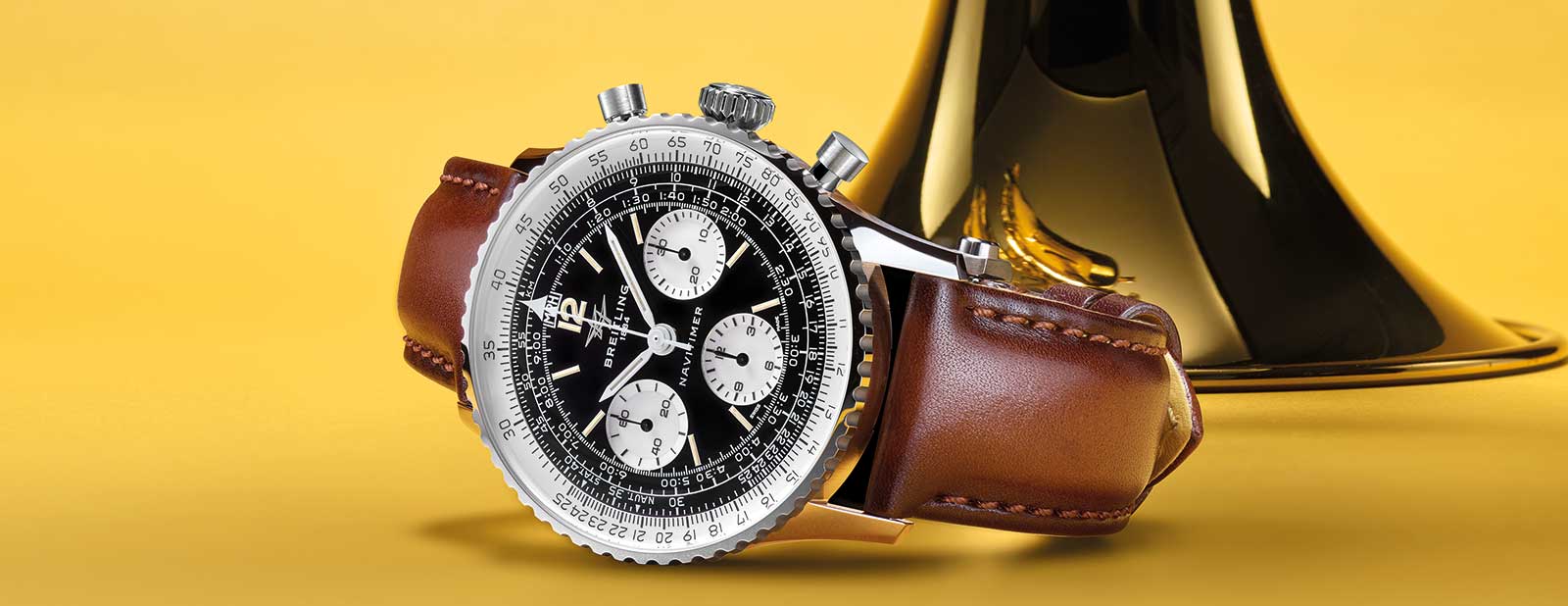
The defining moment in Breitling's history came in 1952 with the Navitimer, a pilot's chronograph with a circular slide rule bezel that allowed aviators to perform in-flight calculations: fuel consumption, speed, distance, and rate of climb. Adopted by the Aircraft Owners and Pilots Association (AOPA) as its official watch, the Navitimer became the reference for cockpit-worn chronographs across the golden age of aviation, worn by test pilots, military fliers, and airline captains throughout the jet age. It remains in continuous production today, making it one of the longest-running watch models in history.
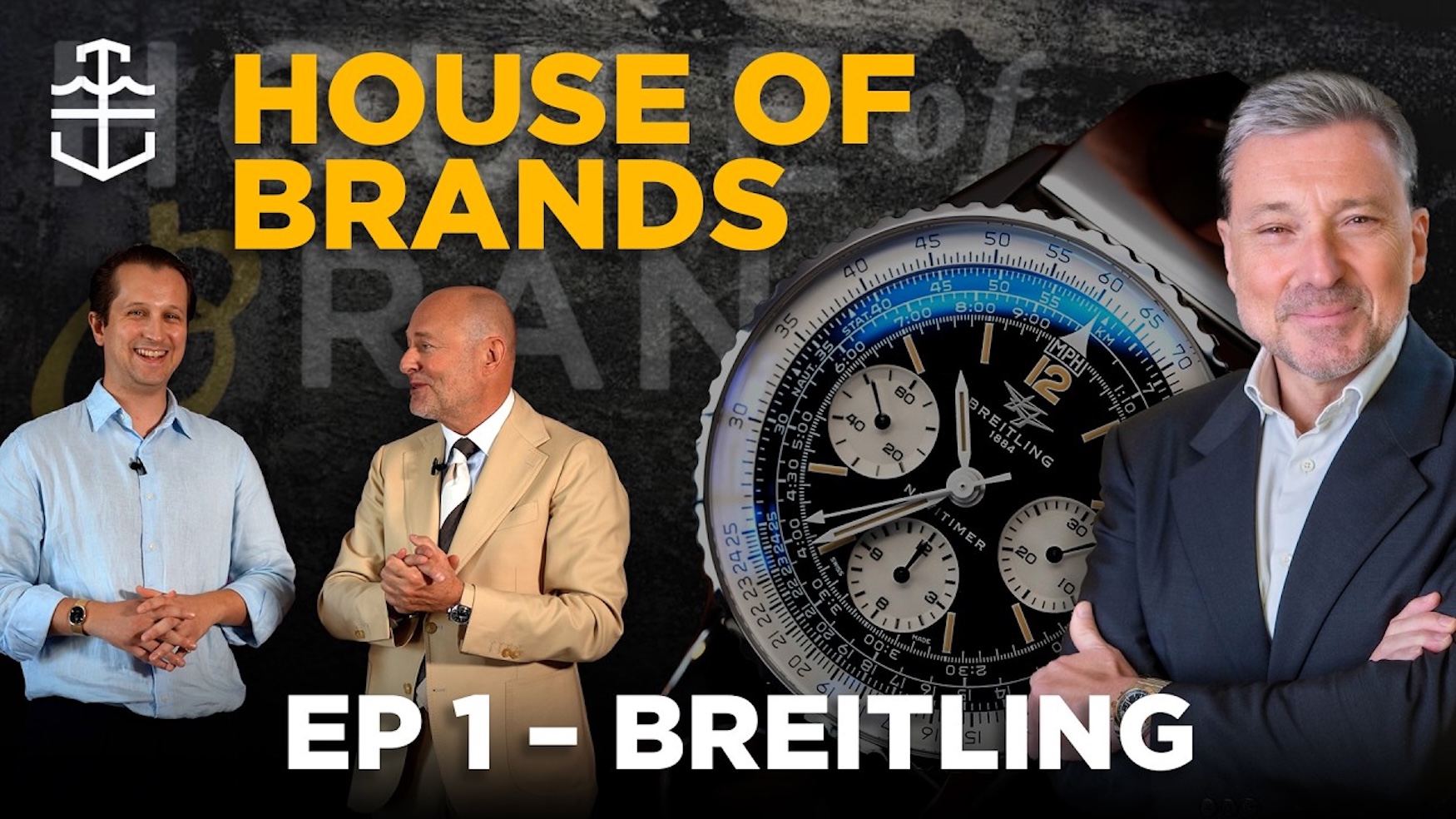
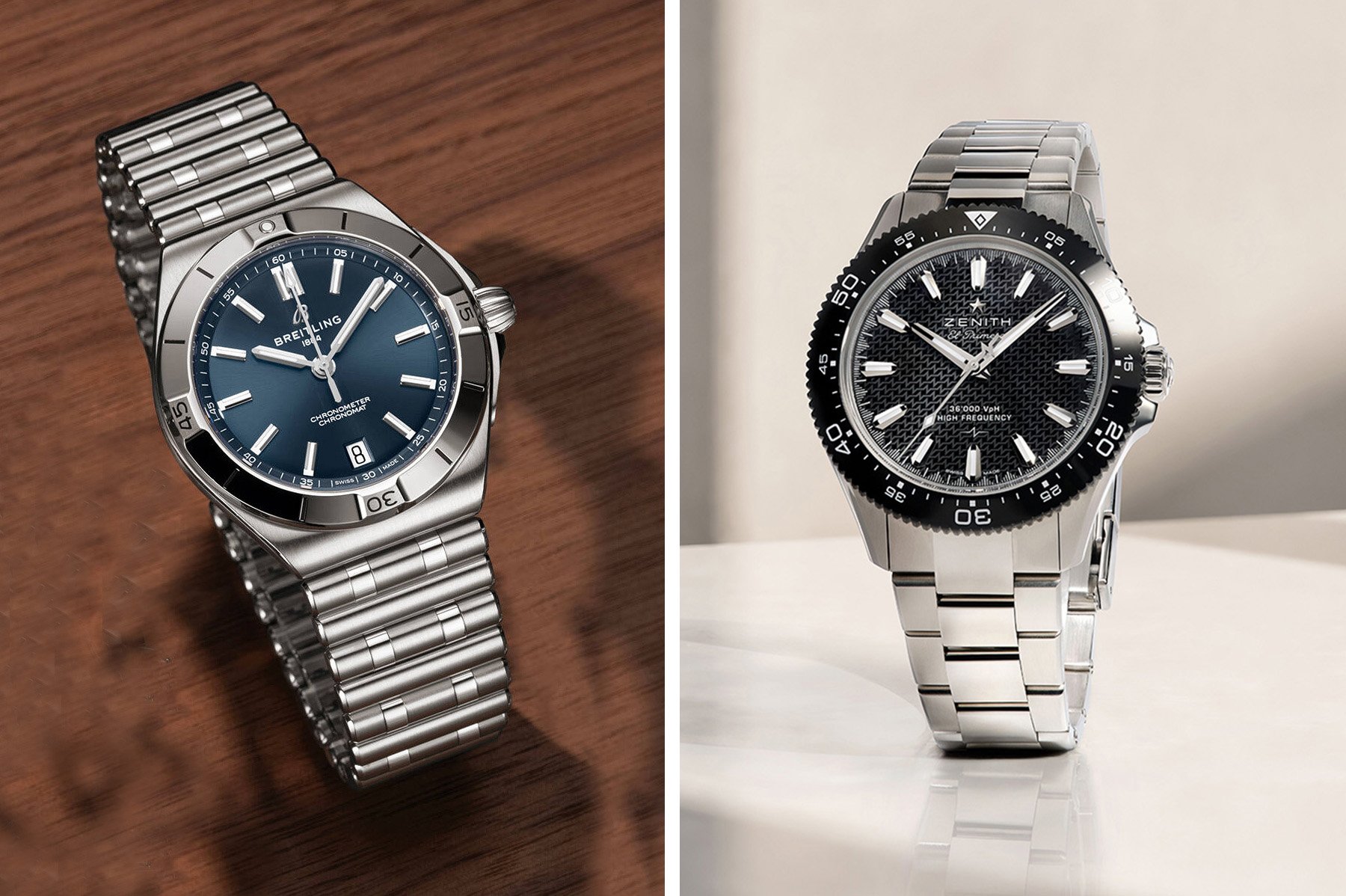
The brand navigated the quartz crisis under the leadership of Ernest Schneider, who acquired it in 1979 and steered it through the difficult decade. Georges Kern, who joined as CEO in 2017 after transforming IWC, repositioned Breitling significantly: moving the brand away from pure aviation into a broader lifestyle proposition, introducing the "Breitling squads" marketing approach with celebrity partnerships, and expanding into dive, automotive, and sport categories. The brand was acquired by private equity firm CVC Capital Partners in 2017 and continues to operate independently, producing all movements in-house at its manufacture in Grenchen.




Comments
No comments yet, be the first to weigh in.