
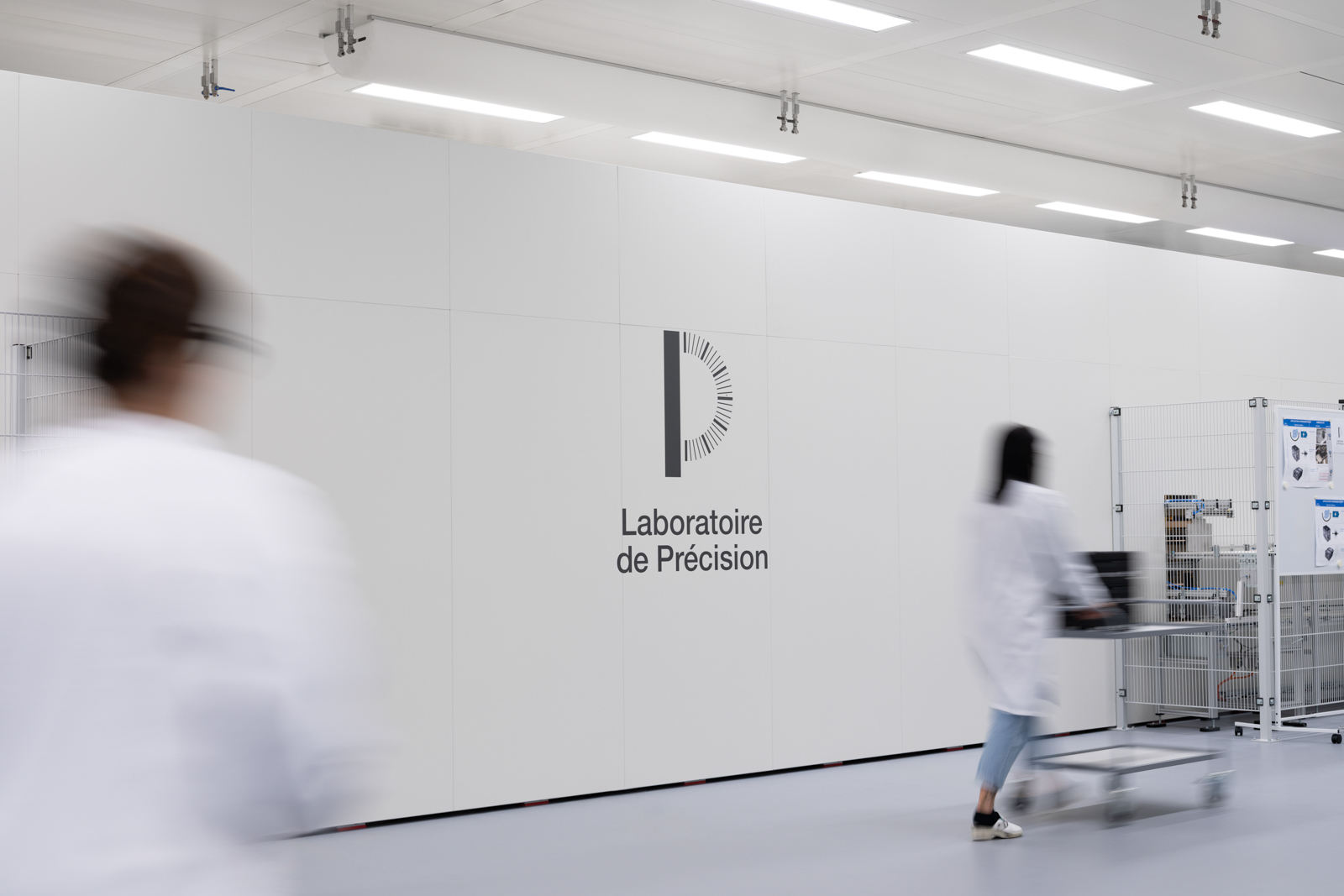
Bienne (in French; Biel in German) is the bilingual French/German Swiss city of approximately 55,000 residents on the northeast shore of Lake Bienne, near the foot of the Swiss Jura mountains. It is the largest officially bilingual city in Switzerland, with both languages used in public administration, signage, and commerce; the canton boundary between French-speaking Neuchâtel and German-speaking Bern runs through the city itself. By industry weight, Bienne is the most important watchmaking centre in modern Switzerland: more watches are assembled here per year than in any other Swiss city.
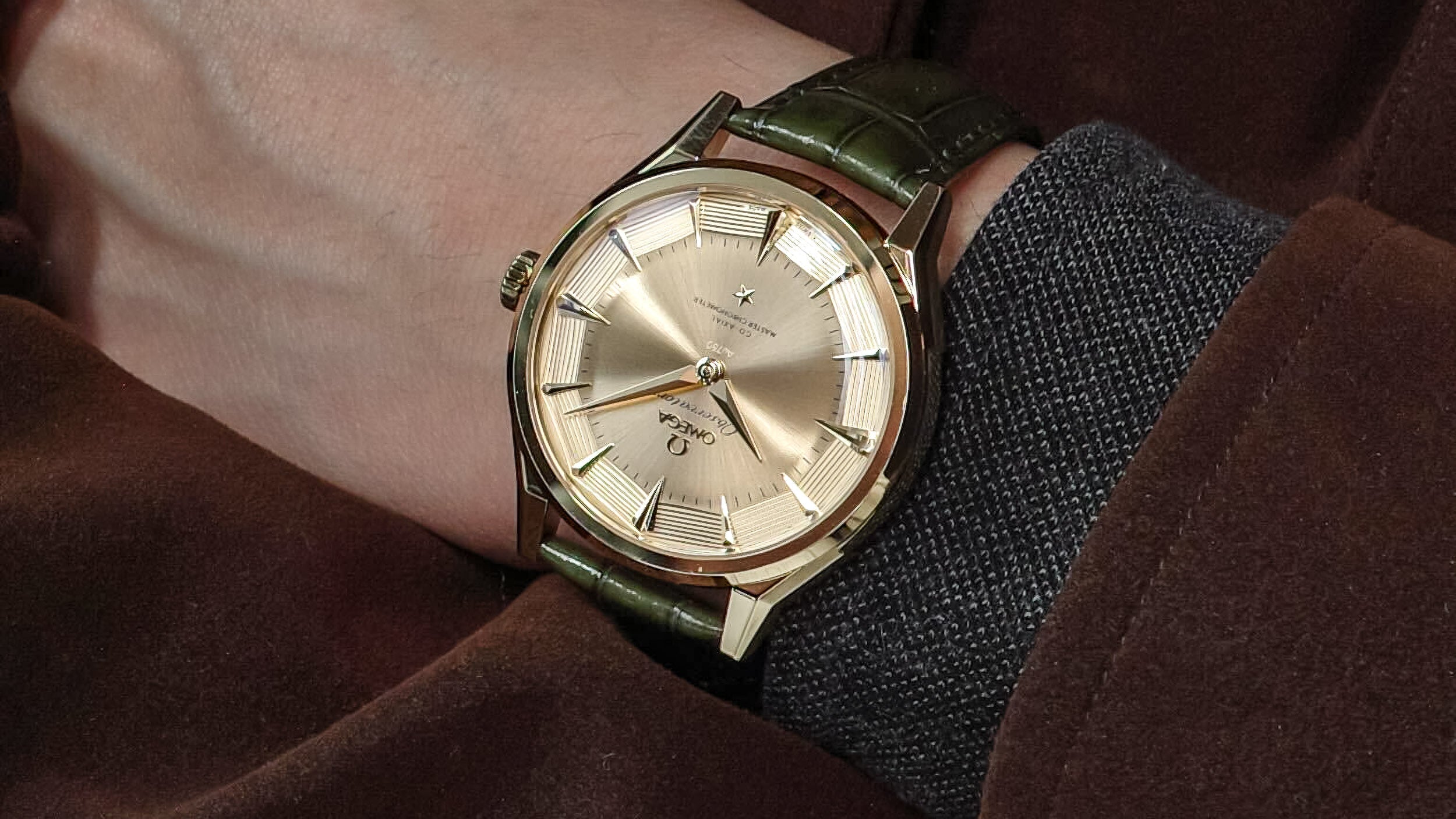
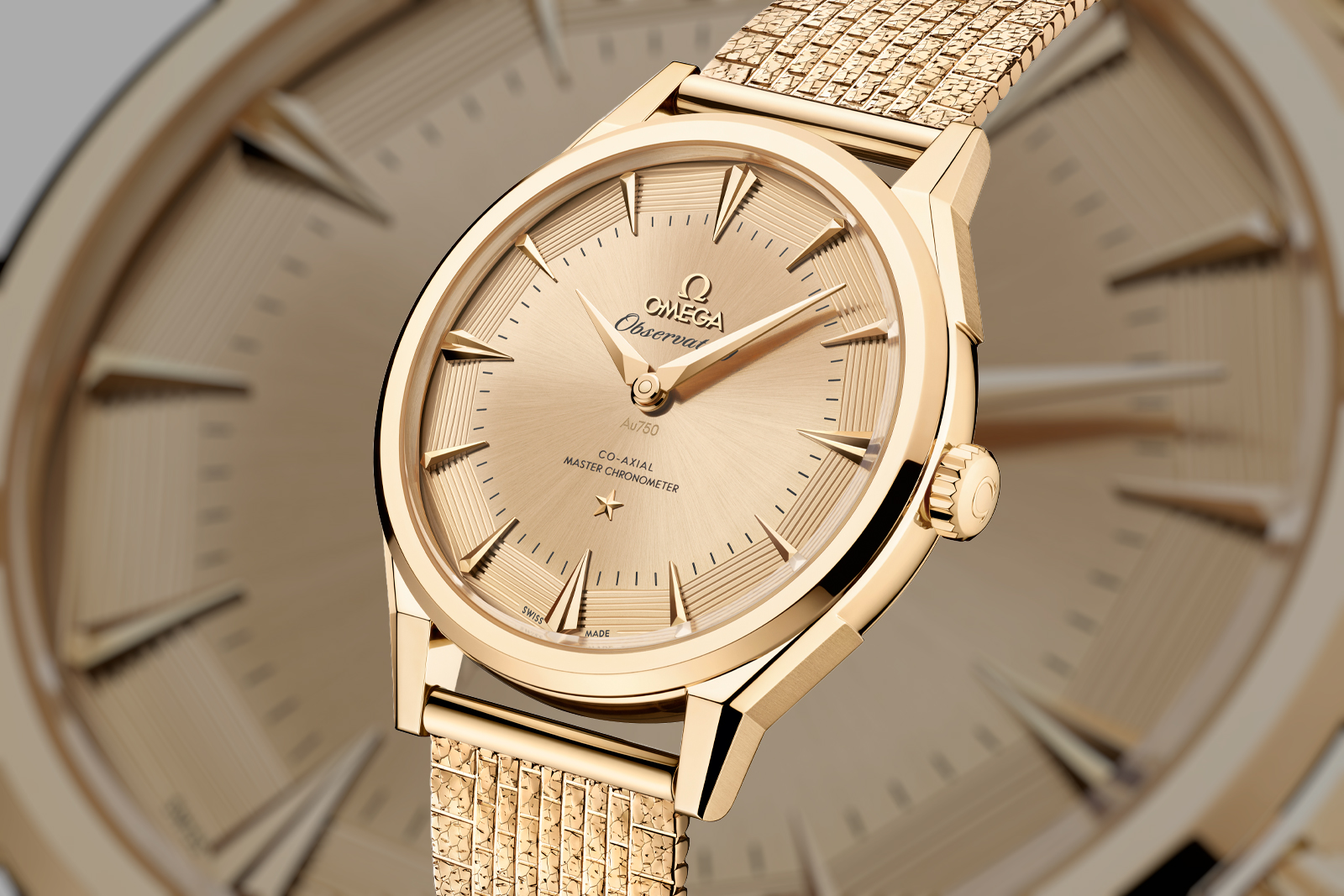
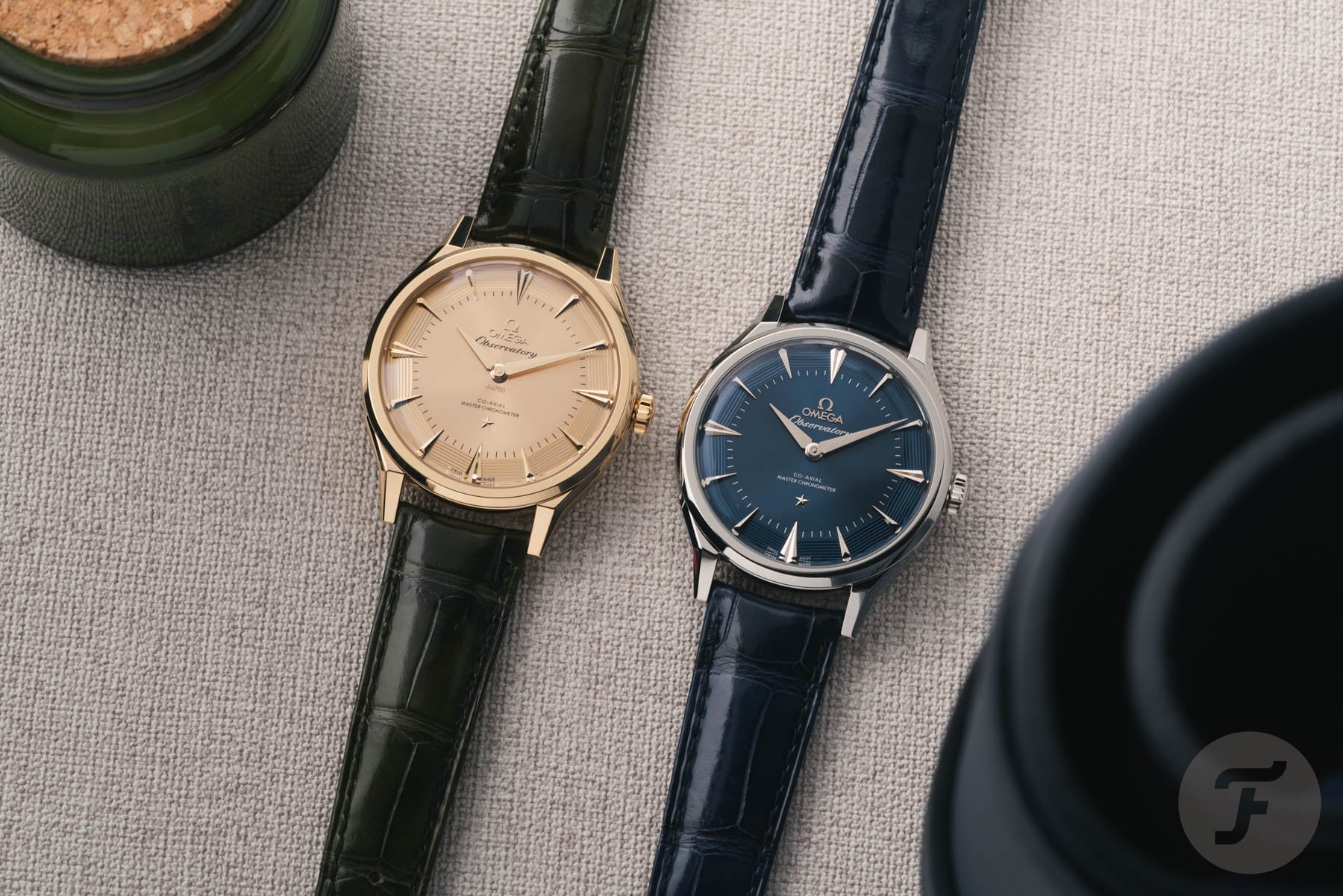
The watchmaking industry took root in Bienne in the 1850s-1860s as the first wave of established Swiss watchmakers expanded out from La Chaux-de-Fonds and the Jura villages. The decisive arrival was Louis Brandt's firm (later Omega), which relocated from La Chaux-de-Fonds to Bienne in 1880 and adopted American-style interchangeable-parts manufacturing. The Brandt sons' Bienne factory grew rapidly; by 1900 it produced 240,000 watches per year, by 1929 nearly 4 million. The original Bienne factory site on Stämpflistrasse is still Omega's global headquarters in 2024.
"Bienne is where Swiss watchmaking ships from. Geneva makes the famous watches, La Chaux-de-Fonds invented the trade, but the volume Switzerland exports leaves on a truck from Bienne every Tuesday."- Hodinkee Reference Points, Swiss watchmaking geography
Rolex moved its operations to Bienne in 1919 when Hans Wilsdorf relocated the firm from London to Switzerland to escape post-WWI British luxury taxes. Wilsdorf chose Bienne for its cheap industrial labour and proximity to ETA (then Aegler) which supplied the movements. The original Rolex factory was on Rue Haute; today Rolex has six campuses across Bienne, the largest being the Plan-les-Ouates Geneva campus (case and dial making, see Plan-les-Ouates) and the Bienne Manufacture on Schöngrünstrasse, where movements are produced. Modern Rolex production volume is estimated at 1+ million watches per year; the firm employs ~9,000 in Bienne alone.
Beyond Rolex and Omega, Bienne hosts Tissot (HQ since 1853, originally Le Locle, factory expansion in Bienne for volume production), Movado (US-owned since 1996, but HQ in Bienne since 1881), Mido (since 1934), Glycine, and Glashütte Original's parent Swatch Group operations including ETA SA (the volume movement maker, headquartered just south of Bienne in Grenchen), Nivarox-FAR (the hairspring/balance specialist), and Hayek family's SWG R&D centre.
The town's Old Town (Altstadt) is medieval, with cobbled streets and 13th-century arcades, but most watchmaking infrastructure is in the industrial belt stretching south from the lake toward Grenchen. The annual Bieler Lauftage / Bienne Marathon is hosted on roads that run past the Omega and Rolex campuses; visitors to the Omega Museum on Stämpflistrasse can see the Brandt-era 1880 factory floor preserved as a heritage exhibit. Rolex does not maintain a public museum; the firm has historically kept its operations confidential.
In modern collector vocabulary, "Bienne" is shorthand for the volume / industrial side of Swiss watchmaking, in contrast to "Geneva" (haute horlogerie, see Plan-les-Ouates) and "La Chaux-de-Fonds" (Marx's "single watchmaking factory", historical centre). A "Bienne caliber" (Cal. 3135, Cal. 3861, ETA 2824, ETA 2892) is one made for industrial-scale production at chronometer-grade or better; a "Geneva caliber" (Patek 240, Vacheron 1142) is one made for haute-horlogerie hand-finishing.



Comments 2