
Plan-les-Ouates (commonly "PLO") is a commune in the canton of Geneva, ~5 km south of central Geneva, bordering the French frontier. Population is small (~10,500 residents) but the watchmaking industrial zone occupies a substantial footprint of the commune's southern edge. The watch industry presence is recent: through the 1980s PLO was a sleepy Geneva suburb, and the modern industrial cluster only began to form in the 1990s when Geneva's historic watchmakers consolidated their scattered city-centre ateliers into purpose-built single-site manufactures.
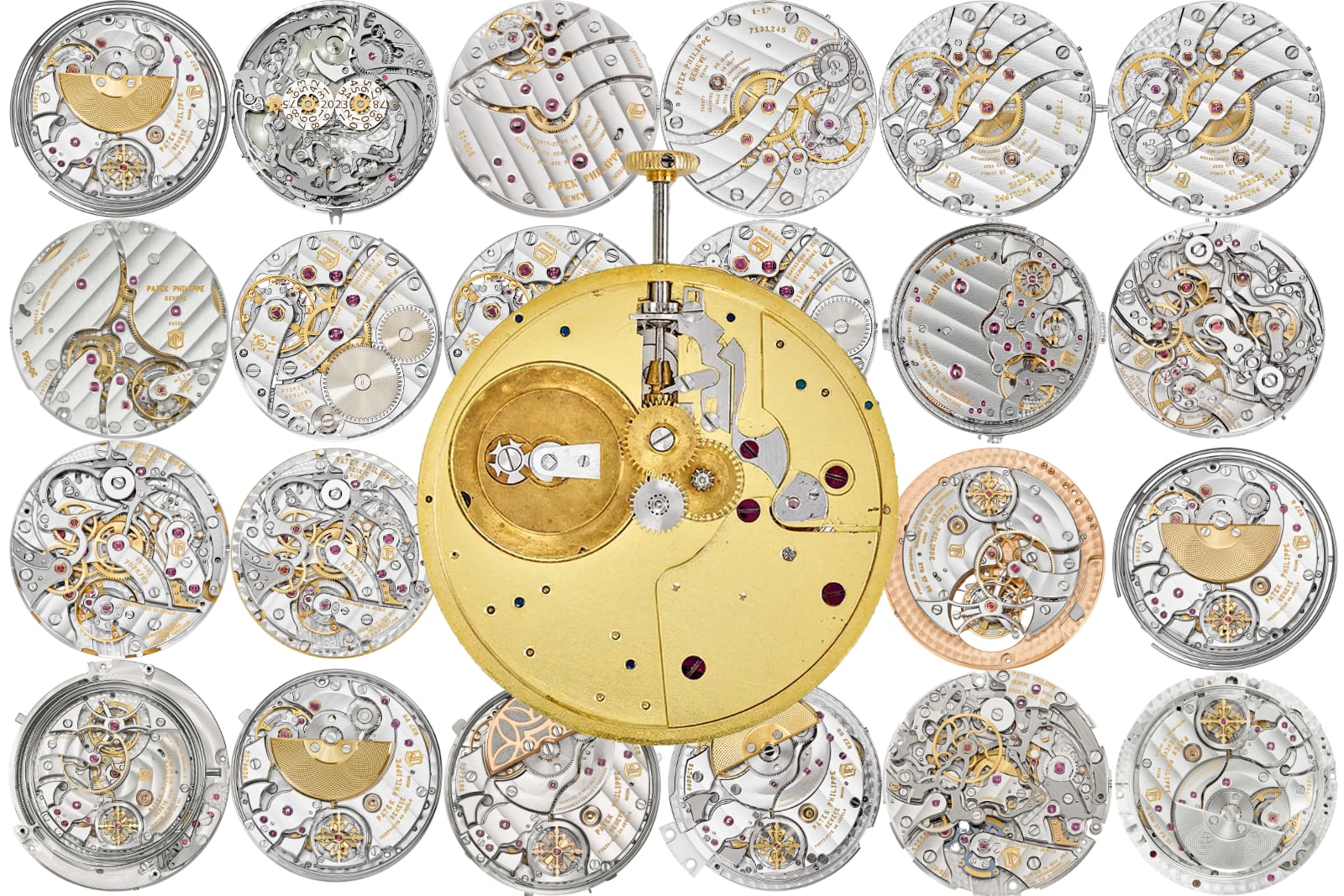
The decisive move was Patek Philippe's 1996 consolidation. Through the 1970s-80s Patek had operated from approximately 14 separate Geneva locations: a movement workshop in one building, dial-making in another, case assembly in a third, executive offices in a fourth, and so on. CEO Philippe Stern decided this was operationally inefficient and commissioned a new combined manufacture at 10 chemin du Pont-du-Centenaire in PLO. The Patek manufacture opened in 1996 and was extensively expanded in 2019 with a new wing dedicated to high complication assembly and the Patek Philippe Museum (the public museum is on Rue des Vieux-Grenadiers in central Geneva, but production research is in PLO).
"In 1996 we owned fourteen buildings in Geneva. By 2019 we owned one. The watchmaking did not change; the geography did."- Philippe Stern, on the 1996 Patek Philippe consolidation to PLO
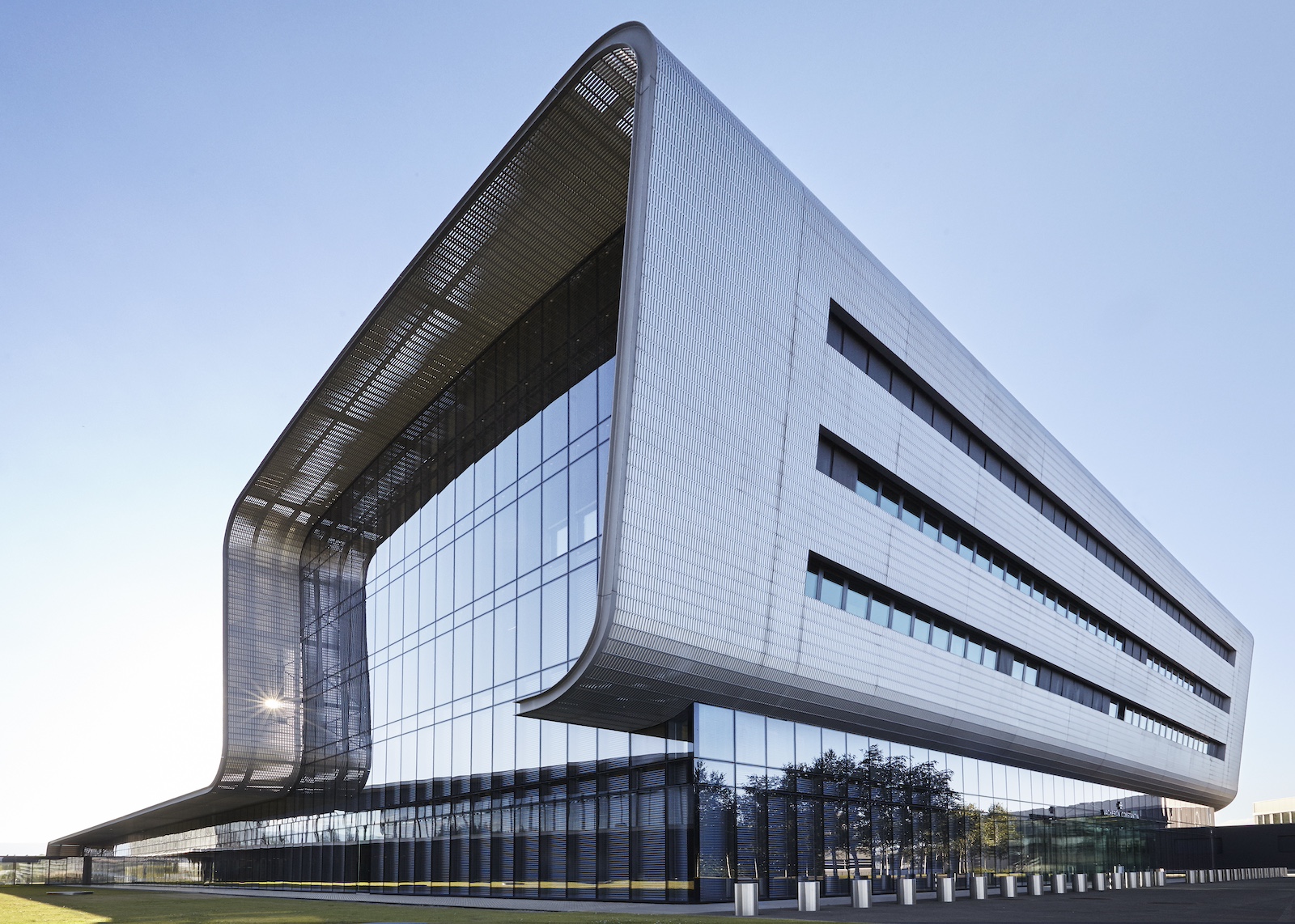
Vacheron Constantin followed in 2005, opening its current manufacture on Chemin de Plein-Vent. The building is famous for its solar-paneled roof shaped like a horizontal cross of Malta (Vacheron's logo); the architectural identity is so strong that Google Maps satellite views are sometimes used in collector tours. Vacheron consolidated movement-making, hand-finishing, and final assembly into the single PLO building at the same time as adopting the new in-house full-watch certification programme.
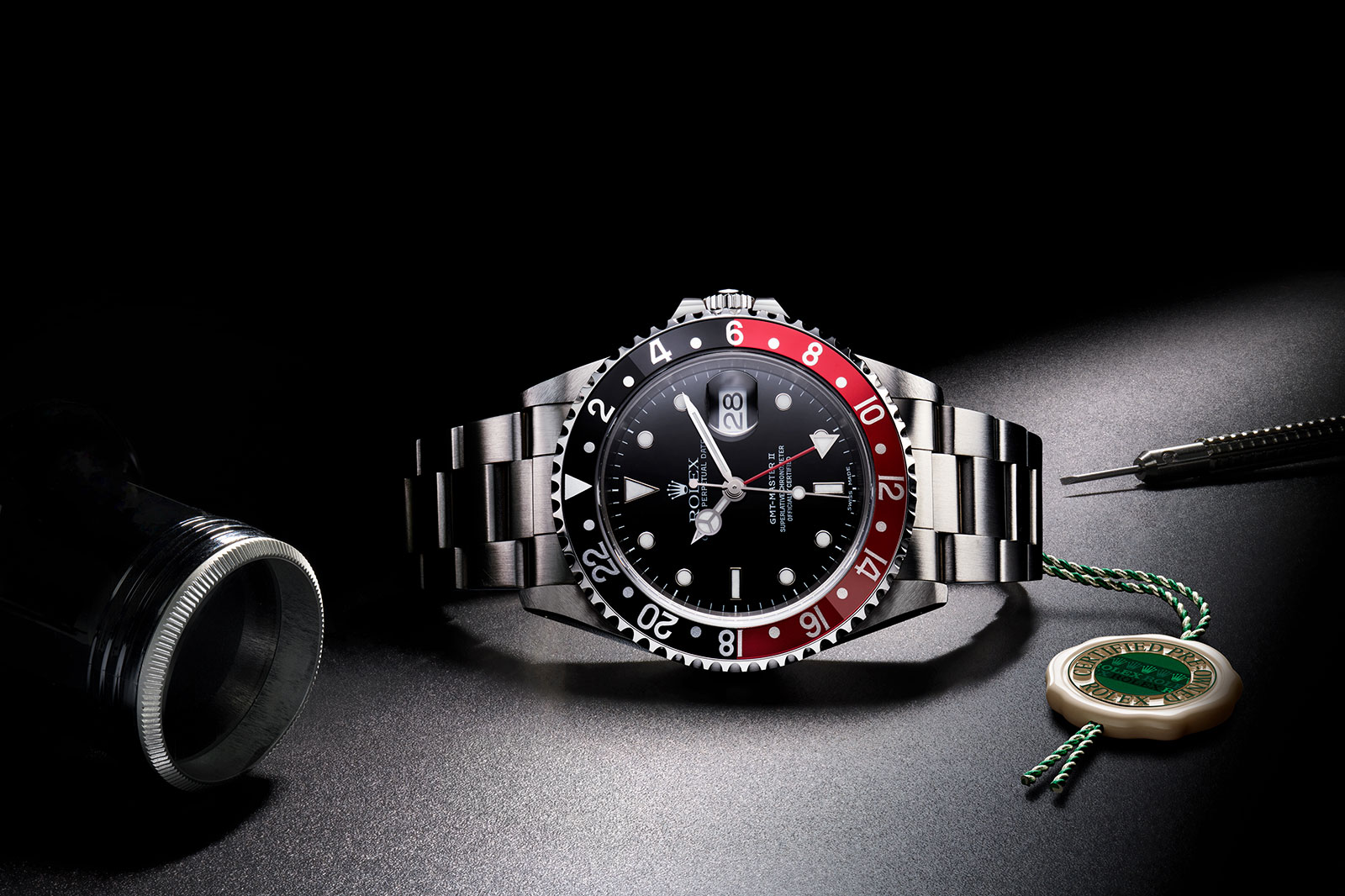
Piaget, owned by Richemont, operates a smaller manufacture in PLO since 2001, focused on ultra-thin movement production (the Cal. 9P descendants). Rolex's extensive case-and-dial-making operations are also in PLO across multiple buildings on Acacias Boulevard, employing approximately 2,500 in case-making alone (though Rolex movement production is in Bienne). Smaller watch industry tenants in PLO include Vaucher Manufacture (the movement supplier that produces ébauches for Parmigiani, Hermès, and others), Cartier's movement workshop, and various finishing specialists.
The total PLO watchmaking workforce is estimated at 8,000-10,000, making it the densest concentration of haute-horlogerie production worldwide. By comparison, the entire Vallée de Joux employs roughly 5,000 in watchmaking, and Glashütte roughly 1,800. PLO produces, by approximate volume, ~80,000 Patek Philippes, ~25,000 Vacheron Constantins, and many tens of thousands of Piaget pieces per year, alongside the Rolex case output that scales into the millions.
In modern collector vocabulary, "Plan-les-Ouates" or "PLO" is shorthand for the industrial heart of Genevan haute horlogerie. A "PLO watch" is one made in the modern post-1996 manufacture style; this is in contrast to "Le Brassus watches" (Audemars Piguet, in the Vallée de Joux) and "Glashütte watches" (German haute horlogerie). The architectural style of the modern PLO manufactures, glass-and-steel industrial buildings with unusual signature features like Vacheron's rooftop cross of Malta, has itself become a recognisable visual identity for "modern Genevan watchmaking" in collector tours and brand documentation.




Comments 2