
The Vallée de Joux is the high Jura mountain valley that has been the centre of complicated watchmaking for nearly 300 years. The valley sits in the canton of Vaud, 30 km north of Geneva and 50 km west of Lausanne, at an altitude of approximately 1,000 metres. The Lac de Joux, an 8-kilometre alpine lake, occupies the valley floor; the surrounding villages, Le Sentier, Le Brassus, L'Orient, Le Pont, total a population of around 6,500. The climate is severe by Swiss standards; the lake freezes thick enough for skating most winters, and snow can lie on the meadows from November through April. Historically the valley was poor and isolated; the agricultural growing season was too short for cereal farming, and the population survived on dairy, lumber, and ironwork.
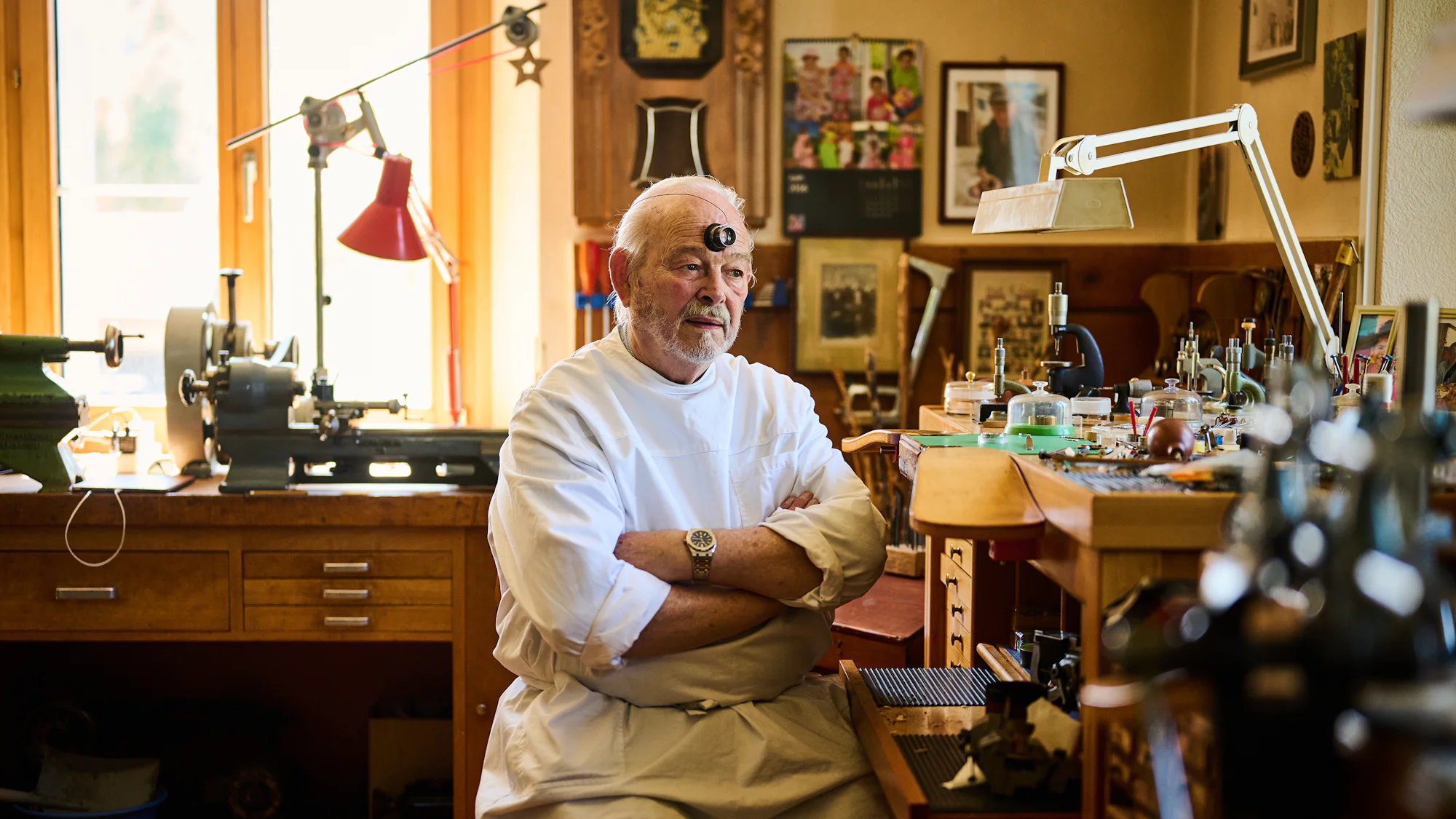
Watchmaking arrived as a winter household craft around 1740. Farmers and ironworkers who could not work the land in winter began making watch parts, springs, gear-cutting blanks, balance wheels, on small benches in their farmhouses. The output was sold to Geneva watchmakers, who had the high-end finishing skills but not the labour bandwidth to produce parts at scale. By 1800 the Vallée had developed dense expertise in complicated movement components, the parts that Geneva watchmakers found hardest to source: repeating mechanisms, perpetual calendar wheels, chronograph bridges. The valley became the back-end of Genevan watchmaking, an arrangement that persisted into the 20th century.
"In the long winters of the Vallée de Joux, a man learned to work with hands that could not feel the cold. He sat at the bench, he read by candle, and he made parts that no one in the world could make better. That is how this valley still works."- Vallée de Joux historical commentary, Espace Horloger
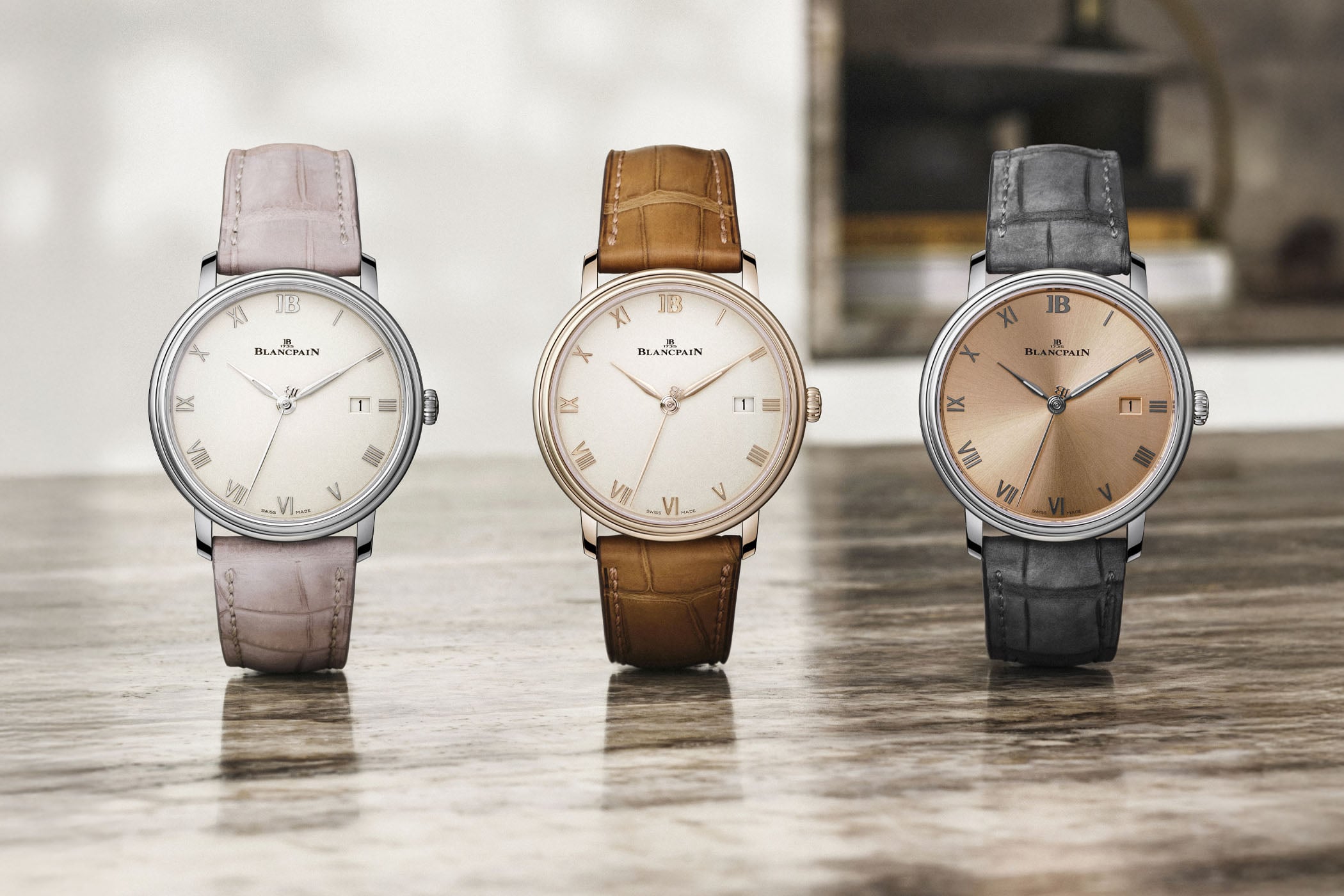
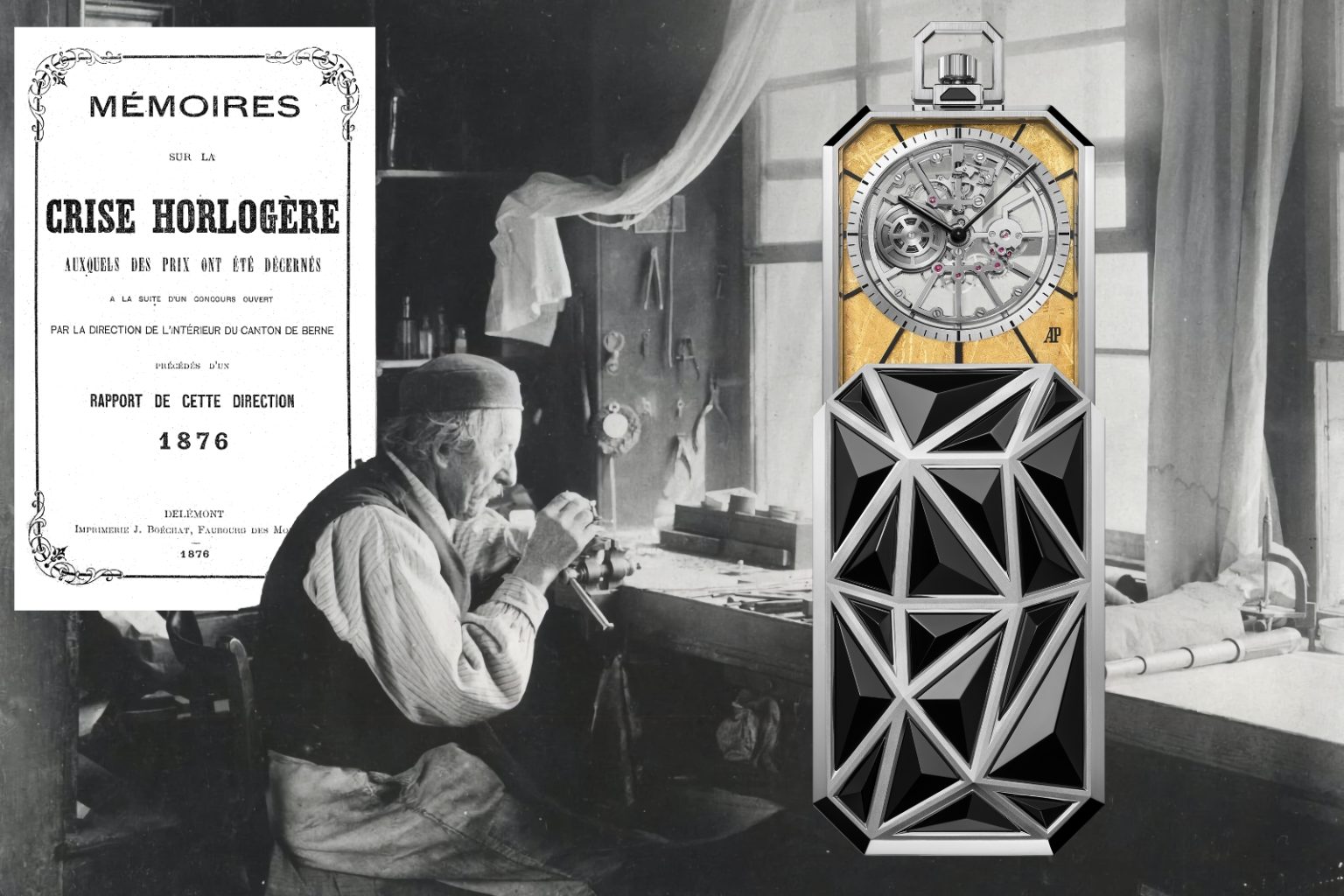
The major Vallée brands grew from this base. Blancpain, founded in Villeret in 1735 (just outside the strict Vallée), is the oldest continuously operating watch brand; the modern Blancpain headquarters is in Le Brassus. Jaeger-LeCoultre was founded by Antoine LeCoultre in Le Sentier in 1833 and remained family-owned until merging with Edmond Jaeger in 1937. Audemars Piguet was founded by Jules-Louis Audemars and Edward-Auguste Piguet in Le Brassus in 1875; the Audemars and Piguet families still own the brand. Breguet's production was relocated from Paris to L'Orient in the Vallée in the 1990s, where its modern manufacture sits today. The Vallée is one of the few major Swiss watchmaking centres where the founding families still own and run major brands.
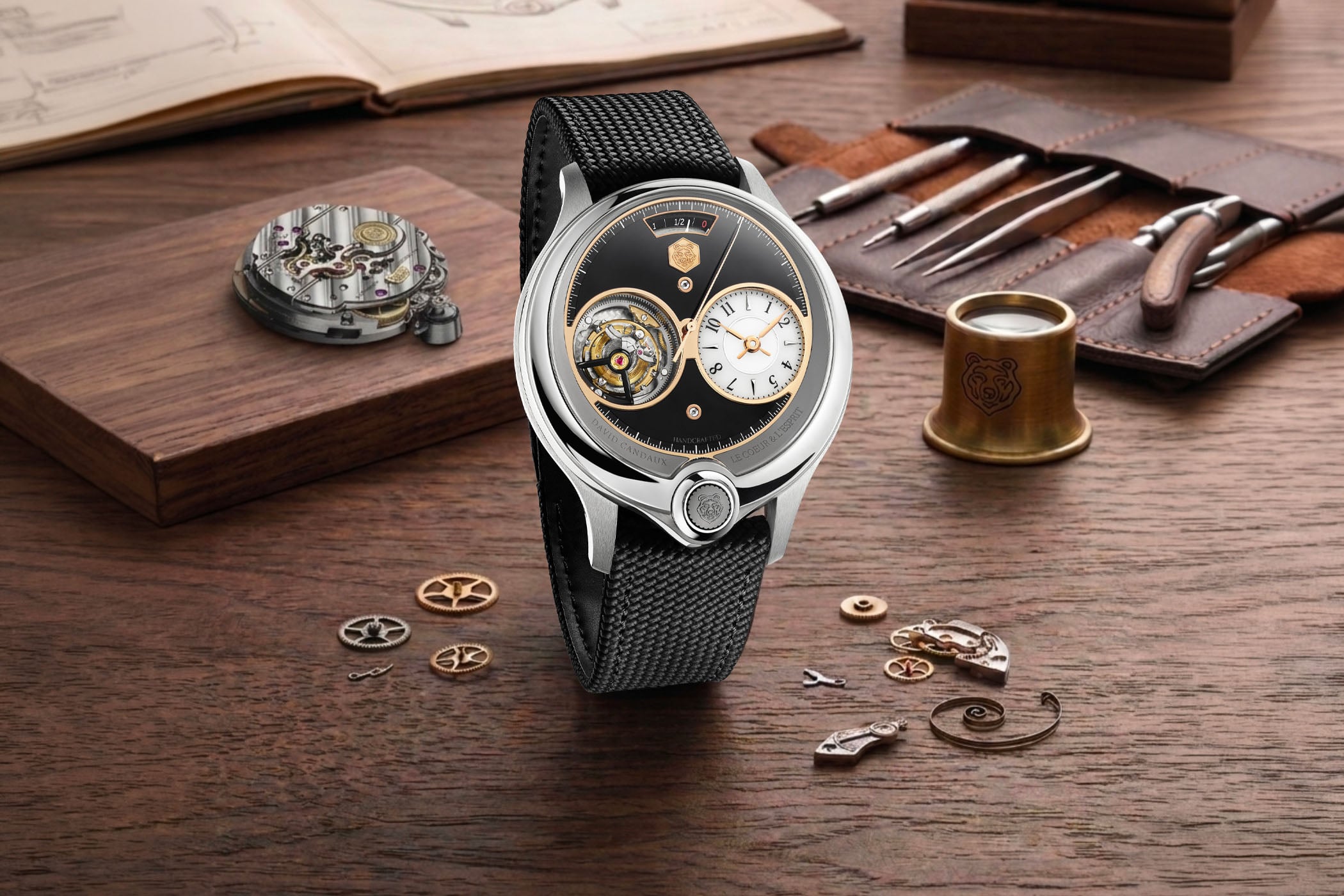
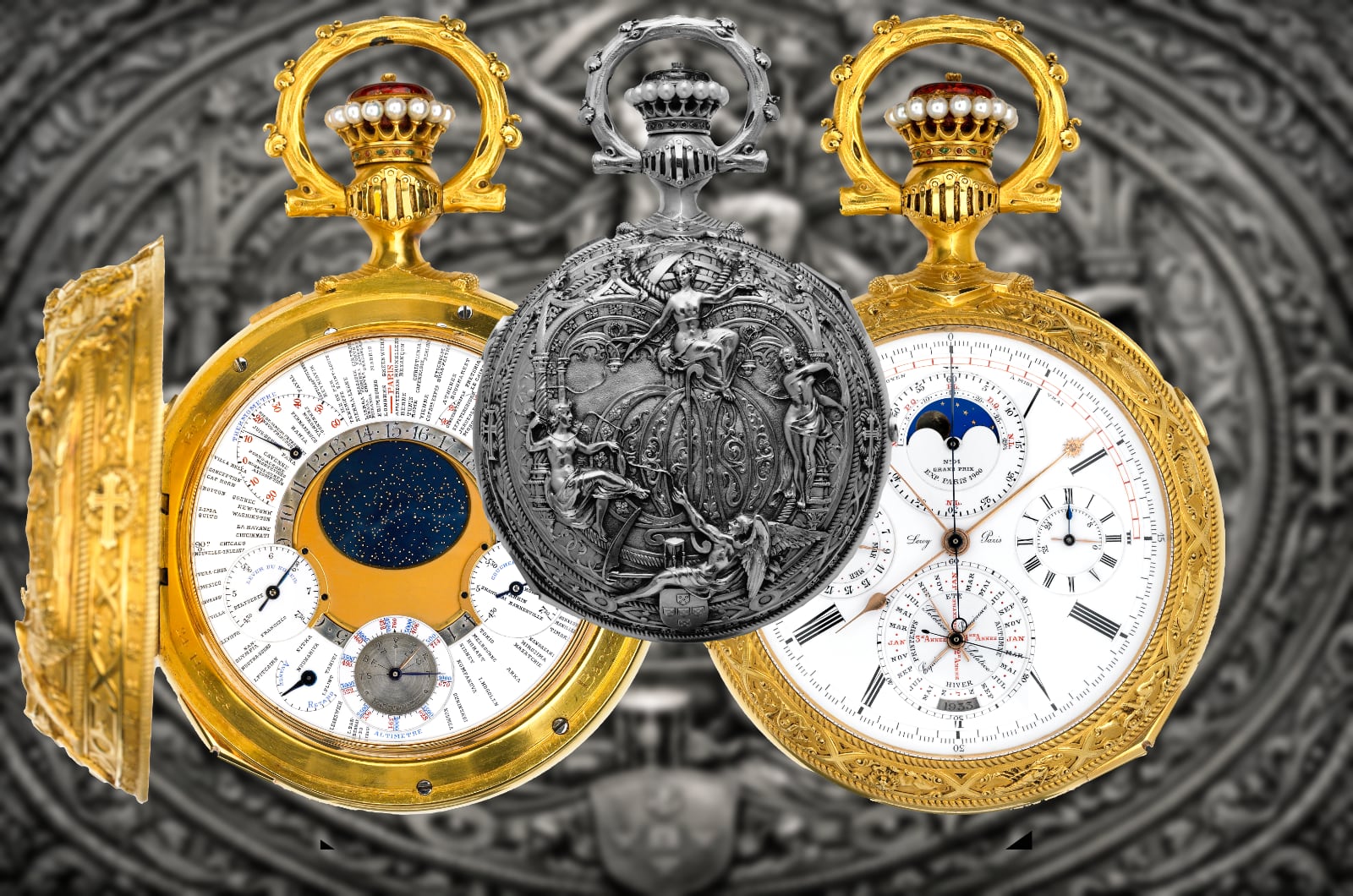
The Vallée's technical specialty has remained grand complications. The minute repeater, tourbillon, perpetual calendar, chronograph, and grande sonnerie all have major production-history concentrated in the valley. Audemars Piguet Renaud & Papi (APRP), founded in Le Locle in 1986 and acquired by AP in 1992, became the back-end complications builder for nearly every Swiss haute-horlogerie brand: Richard Mille, Franck Muller, IWC, Breitling, MB&F, and others have shipped APRP-built movements. APRP is the most concentrated single source of complication expertise in Swiss watchmaking; its workshop is in the Le Locle / Vallée orbit.
The Vallée is not the only Swiss watchmaking centre, but it is the densest concentration of complication watchmaking. Le Locle and La Chaux-de-Fonds together produce more watches by volume; Glashütte has a more concentrated brand portfolio per square kilometre; Geneva has more haute-horlogerie marketing weight. But the Vallée's peculiar combination of long winters, isolation, and 280 years of complication-specialised expertise has produced more grand-complication wristwatches than any other location. The Audemars Piguet Royal Oak Concept Supersonnerie, the Jaeger-LeCoultre Hybris Mechanica 11, the Blancpain Tourbillon Carrousel, and the Breguet Tradition 7027 are all Vallée-built.
A drive through the valley today shows scattered industrial buildings on a rural landscape: AP's Hôtel des Horlogers in Le Brassus (a Bjarke Ingels-designed boutique hotel for clients), the JLC factory in Le Sentier, the modernist Maison Audemars Piguet museum (Bjarke Ingels, 2020), and the Espace Horloger watchmaking museum in Le Sentier. The Vallée de Joux mark is sometimes used informally on watches as a provenance marker, but unlike Swiss Made or Glashütte, it has no formal legal protection. The geography itself, the lake, the altitude, the founding-family ownership, the complication specialisation, is what defines the Vallée's watchmaking identity.



Comments 1