 SJX Watches
Anton Suhanov Returns with the Flamingo
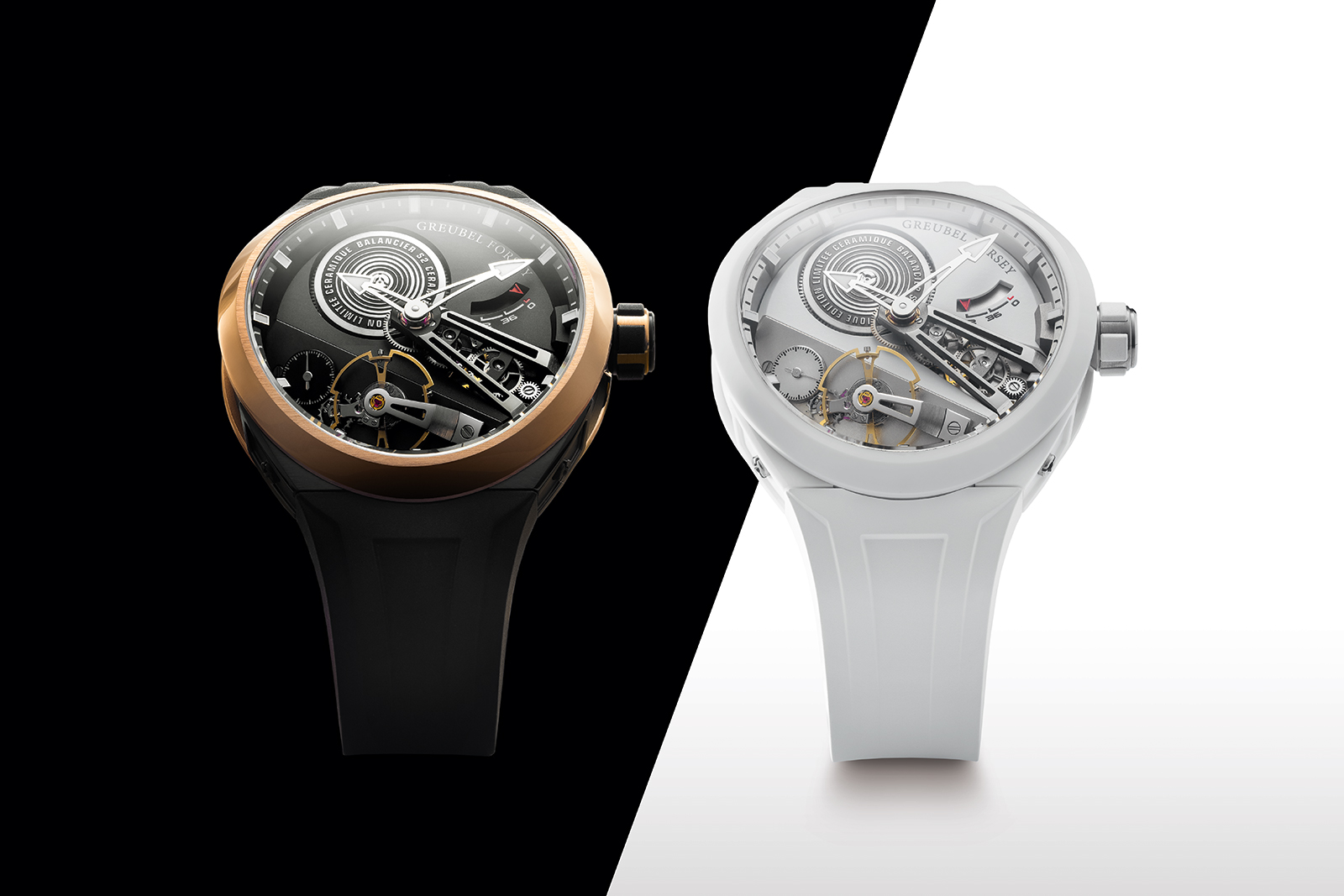
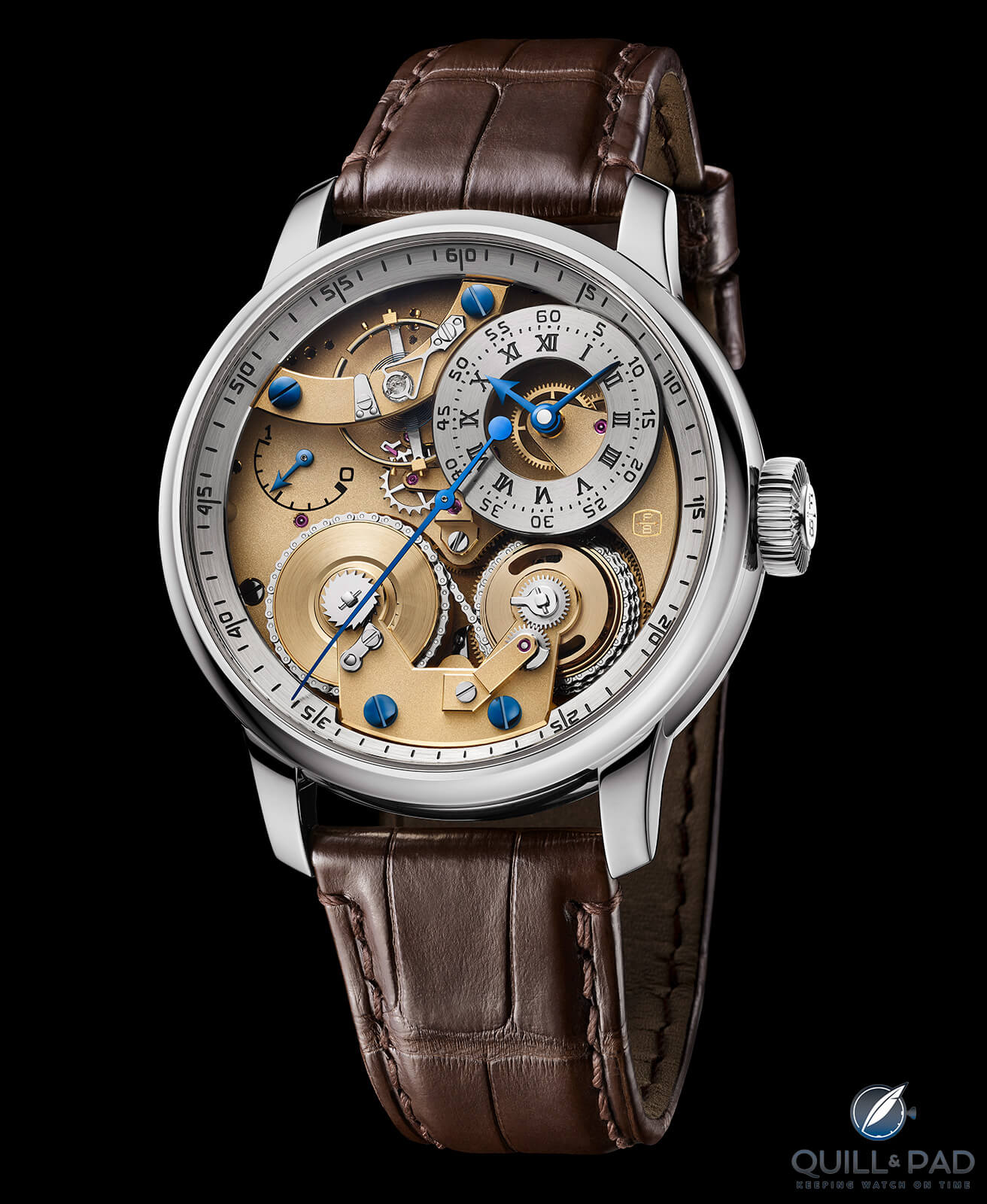
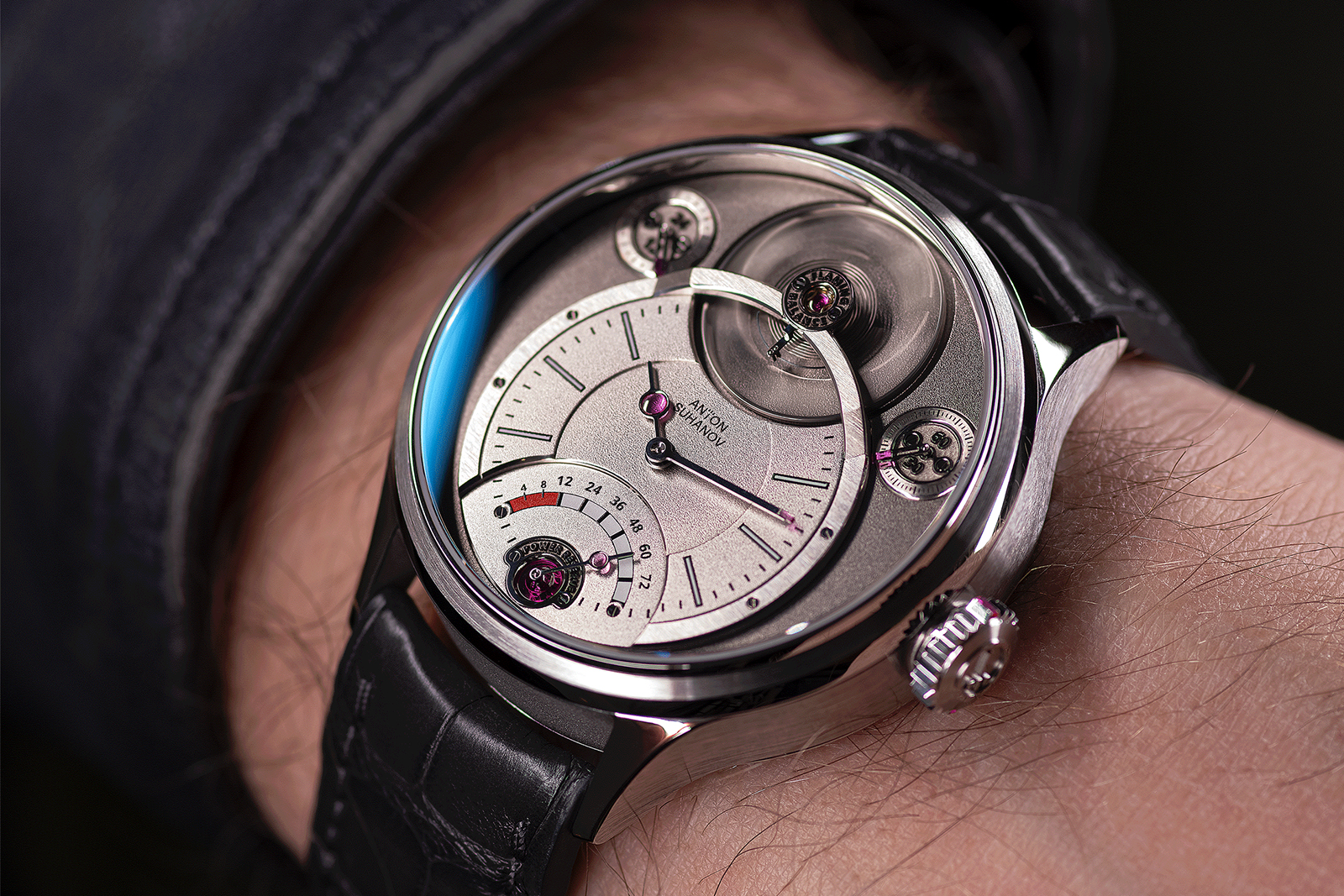
Russian independent watchmaker and ACHI member Anton Suhanov returns with his third wristwatch, the dynamic Flamingo. Featuring Mr Suhanov’s first in-house movement, the Flamingo positions its massive balance wheel dial-side, and has a few other tricks up its sleeve as well. Initial thoughts Anton Suhanov made a name for himself for his inventive clocks, but more recently has turned his attention toward the more lucrative wristwatch market. Mr Suhanov’s first two wristwatches were modular constructions piggybacked on stock movements. Despite this common approach, his modifications were transformative, making his movements feel more personal and “in-house” than some truly in-house movements that are more traditional in concept. This evident commitment to the craft quickly gained Mr Suhanov a good reputation. After about four years of development, Mr Suhanov has unveiled a calibre he can truly call his own, the cal. Su26.1L. He built the movement from scratch, which gave him complete freedom both in terms of design and functionality. The result is a movement that possesses a number of unique and charming traits, both technical and aesthetic in nature. While the design of the Flamingo as a whole is deeply original (especially the use of non-functional ruby pallets for the hands), some elements on the dial side remind me of similar features of Greubel Forsey’s watches. For example, the two small sub-dials - a 24-hour indicator and small seconds - are rem...