Business News: The Importance Of Being Cartier
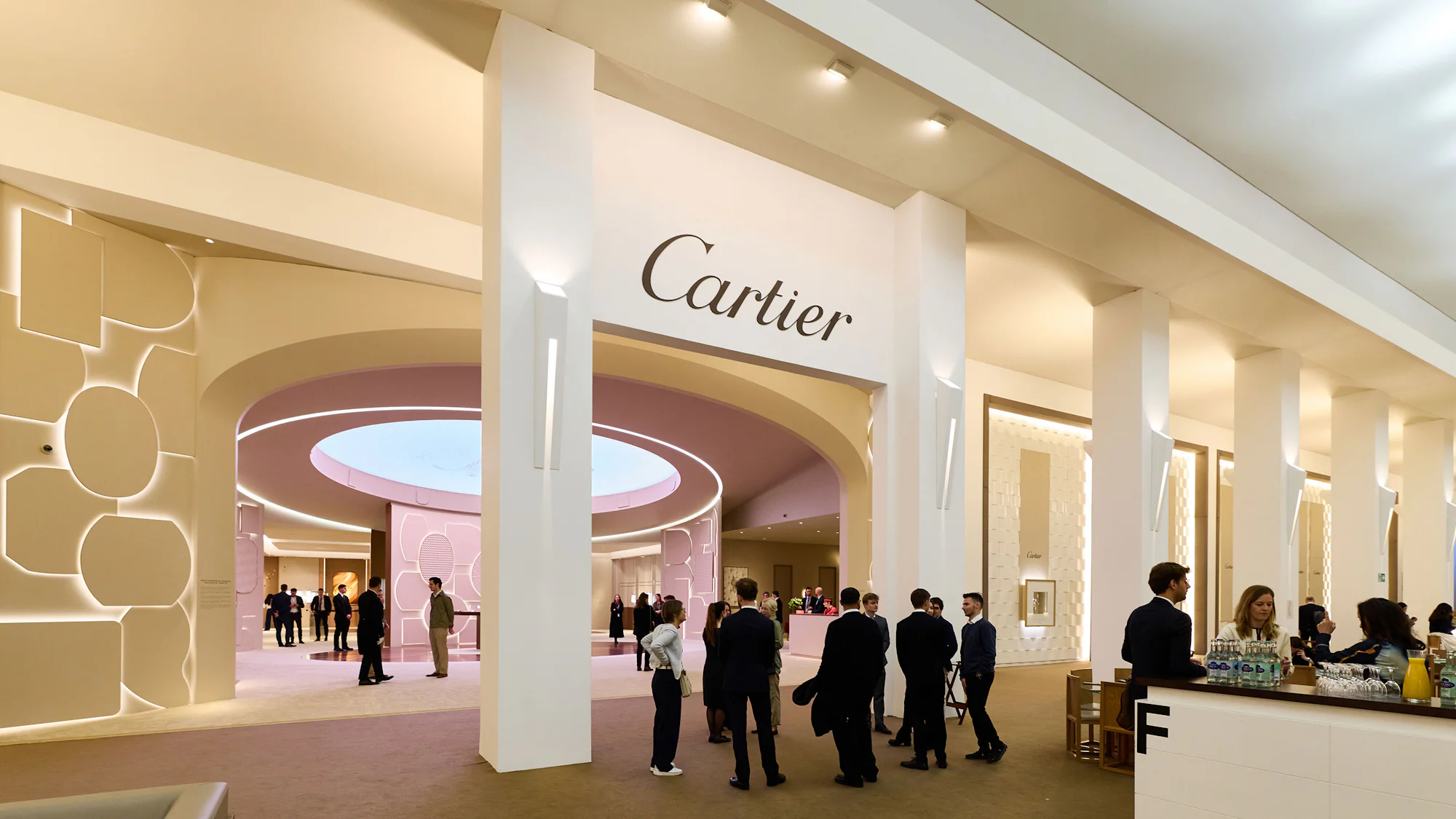
Among top-level, mainstream Swiss-made watch brands, few can match Cartier's performance over the last half-decade. The Paris-based jewelry marque has vaulted ever higher to become the second biggest watch brand by sales, according to analyst estimates from both Vontobel and Morgan Stanley. While the jewelry unit of Cartier remains its primary driver, analysts say estimated sales from the watch division grew about 10% in 2025 to exceed CHF 3 billion, up from less than CHF 2 billion in 2019. What's perhaps more notable is the performance of Cartier's watch division relative to the broader market. As most brands have surfed the undulating wave of the post-COVID boom, followed by a downturn in demand, Cartier's watch unit has outpaced the market while remaining relatively affordable and accessible, with prices averaging about CHF 6,000 per watch and implementing lower price increases than most competitors, according to analysts. That has allowed Cartier to consolidate its position as one of just a handful of high-volume, long-established, and approachable-priced brands that are top choices on mainstream watch consumers' want lists, particularly among younger buyers. Tortue Chronographe Monopoussoir with oversized "XII". At the same time, Cartier has also grown in standing among watch enthusiasts and collectors, with prices for models on the secondary market gaining 8.6% in a year, according to WatchCharts.com's Cartier index. Auction results for vintage pieces have performe...
 Revolution