Watch brandsWatch wikiWatch videosVariousWatch calendarSaved articles
PopularRolexOmegaPatek PhilippeAudemars PiguetTudorGrand SeikoCartierSeikoIWCTAG HeuerBreitlingJaeger-LeCoultreA. Lange & SohneZenith

Results for Swiss Lever Escapement

2,332 articles · 664 videos found · page 1 of 100

Insight: Rolex Land-Dweller Cal. 7135, Patents and Innovation Explained SJX Watches
Rolex Land-Dweller Cal 7135 Patents Mar 31, 2025

Insight: Rolex Land-Dweller Cal. 7135, Patents and Innovation Explained

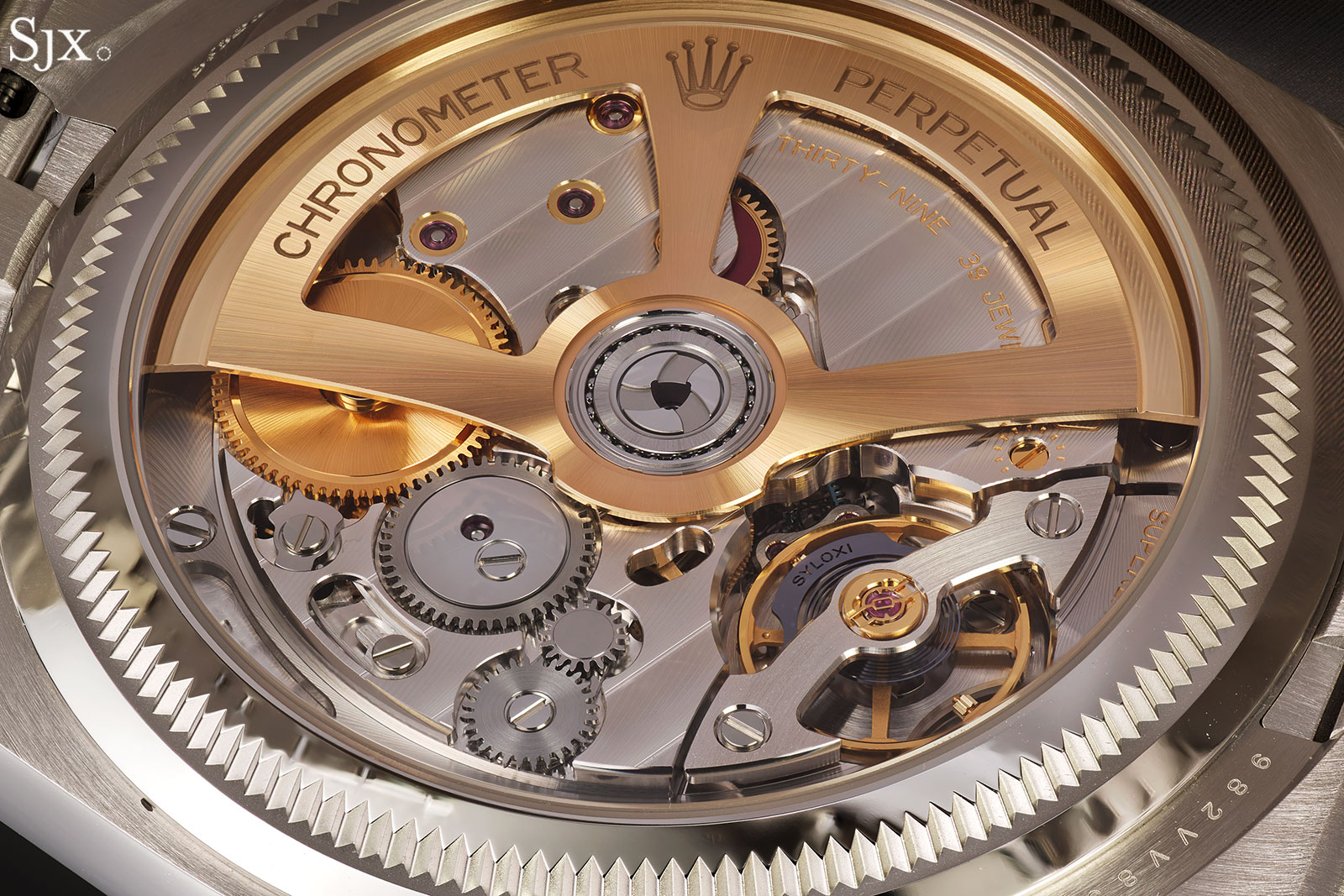
Rolex has entered uncharted territory with the Land-Dweller, arguably the most advanced and radical creation from a hitherto conservative brand. The Land-Dweller is significant, perhaps even game changing, not because of the integrated bracelet or patented solid lume, but because of the cal. 7135, a new calibre with an all-new double-wheel escapement known as Dynapulse and a ceramic balance staff. (This story details the technical advances in the movement; for a review of the watch, check out the accompanying story.) The Land-Dweller 40 mm in platinum The fundamentals Why is it significant, or even game changing? The cal. 7135 is the first in-house, serial production Rolex movement that is high frequency, beating at 5 Hz or 36,000 beats per hour. All things being equal, a higher frequency promises superior timekeeping. Despite the higher frequency, the cal. 7135 still has a 66-hour power reserve. That’s thanks in part to the Dynapulse escapement which is 30% more efficient than a conventional Swiss lever escapement, while occupying essentially the same volume of space. The balance assembly of the cal. 7135 Dynapulse is one of several innovations that make the cal. 7135 a landmark, especially since it will be produced at scale. While Rolex has traditionally been associated with incremental innovation, the cal. 7135 is a revolution. The Land-Dweller is the subject of 32 filed patents, 18 of which are unique to the watch. Moreover, 16 of the patents unique to the watch are ...

Insight: Daniels’ Co-Axial Escapement, an Evolution of the Fasoldt Chronometer SJX Watches
Omega Feb 21, 2023

Insight: Daniels’ Co-Axial Escapement, an Evolution of the Fasoldt Chronometer

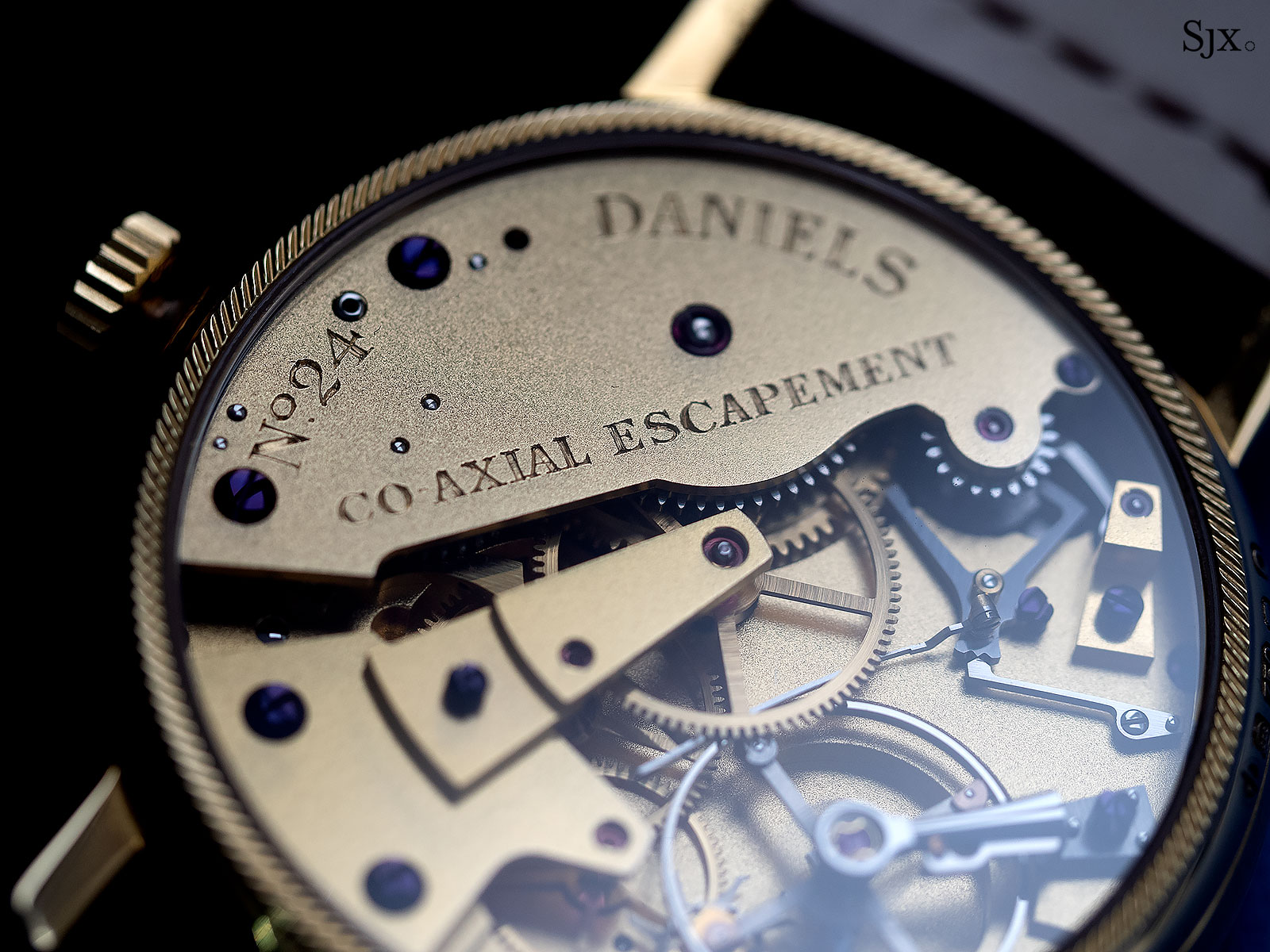
In the quest for precision chronometry in a mechanical watch, perhaps no other component is as crucial as the escapement – often consisting of an escape wheel and lever that engage with the oscillating organ. The history of watchmaking recounts many an attempt at inventing a better-performing escapement, with some attempts naturally more successful than others. By the 20th century, the watch industry had settled upon the Swiss lever escapement, which has proven itself to be a reasonably solid performer and crucially, one fit for mass production. However, in the latter decades of the century, one English watchmaker attempted to challenge the industry status quo. In 1974, George Daniels invented the “co-axial escapement”, a seemingly novel and practical escapement of his own design that was conceived as an functionally superior alternative to the Swiss lever escapement. Daniels’ invention fulfilled his ambition, at least in part, when it was sold to Omega and then successfully industrialised starting in 1999; today it is found in hundreds of thousands of movements that Omega produces each year. The latest iteration of the Omega Speedmaster Moonwatch is kitted out with the co-axial escapement With the merits of the co-axial escapement having been proven in part by its large-scale adoption, my aim here is not to examine its intrinsic qualities, but rather delve into its development. Specifically I will explore the fact that the co-axial escapement might not be an ent...

Raúl Pagès Introduces the Régulateur à détente RP1 SJX Watches
Jan 26, 2022

Raúl Pagès Introduces the Régulateur à détente RP1

Independent watchmaker Raúl Pagès is best known for the Soberly Onyx, which housed a highly-decorated movement that was originally a humble Cyma. His latest creation however, marks a significant step forward – a movement he developed and largely manufactures himself. A time-only watch with some fascinating details, the Régulateur à détente RP1 serves as a strong testament to Mr Pagès’ capabilities: it has a regulator display while the movement has a detent escapement of his own design. And of course, it is finished to the same high standard as his earlier work – or perhaps even better. Initial thoughts The RP1 is intriguing in many ways. It is well-executed both in terms of technical features and finish. The most obvious element that sets it apart is the detent escapement. Due to the technical quirks in implementation, the detent escapement is an uncommon regulation mechanism that contrasts with the Swiss lever escapement that is ubiquitous even at the highest end of watchmaking. It is clear that Mr Pagès designed the movement around the escapement, as the movement bridges expose enough to proudly showcase the mechanism. But the RP1 isn’t only about the movement, as its qualities appear all-encompassing, as demonstrated by the equally well-finished dial. Despite the simple appearance at a glance, the regulator dial is replete with fine finishing details. While the colour scheme may be too quirky for some, I wouldn’t be surprised if Mr Pages accedes to re...

In-Depth: The Unfinished George Daniels Watch SJX Watches
Breguet idea while Feb 23, 2020

In-Depth: The Unfinished George Daniels Watch

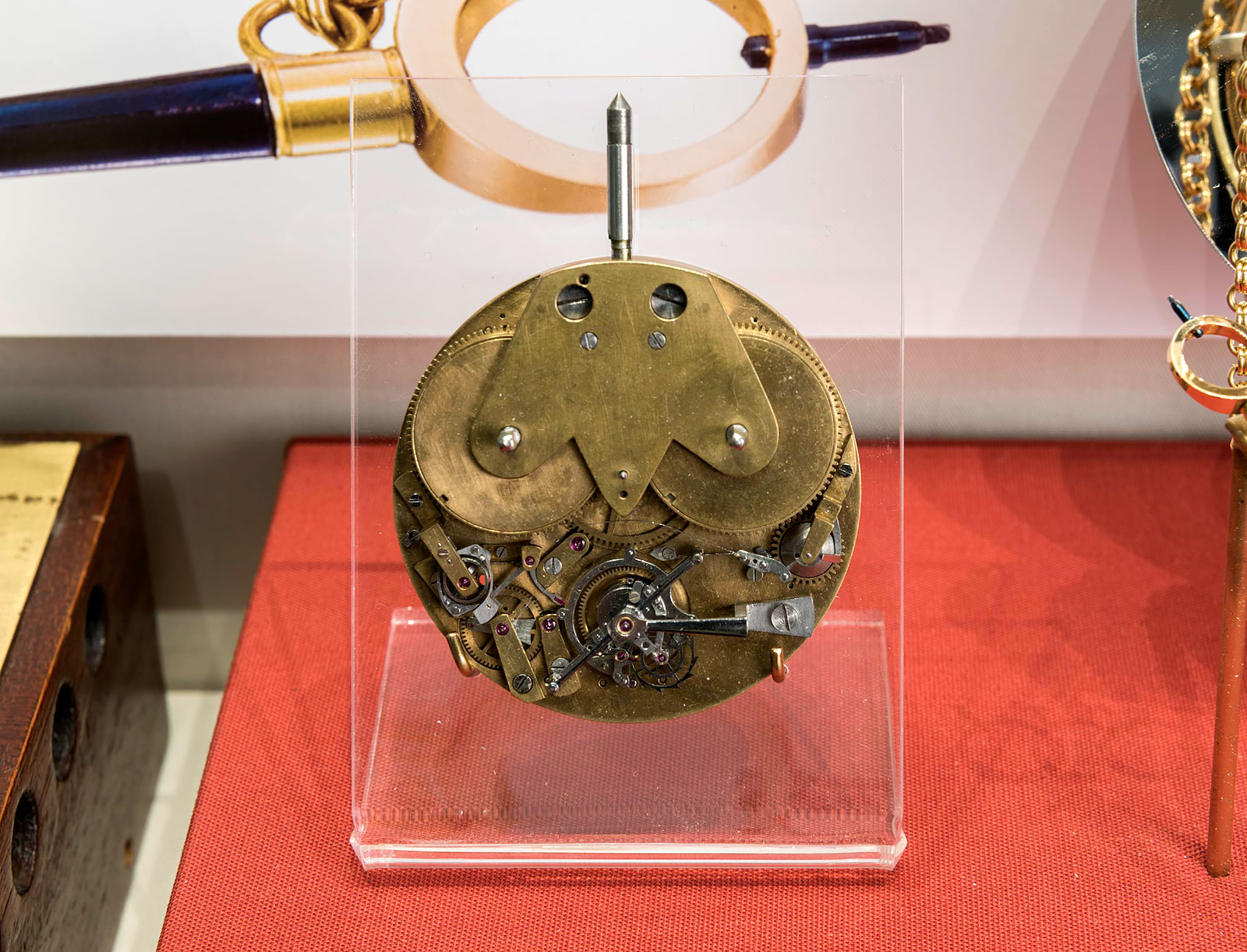
George Daniels’ contributions to horology, as a watchmaker, historian and educator, were multi-dimensional. Most are widely known, and his watches are now incredibly valuable. But one of his creations – the “Unfinished Daniels” – remains tantalisingly incomplete, residing in the Clockmakers’ Museum within London’s Science Museum (which is also now home to Daniels’ Space Traveller II pocket watch). Even though he completed only a small number of watches – 23 pocket watches and four wristwatches made by hand, along with the serially-produced Millennium watches – Daniels’ inventions, techniques and philosophy have been deeply influential. His successor Roger W. Smith now practices the Daniels method with his own hand-made watches, but other notable watchmakers, including Francois-Paul Journe, have cited Daniels as an inspiration. The unfinished Daniels movement in the George Daniels exhibit in the Clockmakers’ Museum. Photo – Science Museum Like many great watchmakers over the ages, Daniels’ pursued perfect chronometry throughout his career; inventing a novel, superior escapement was perhaps his greatest achievement. And he managed to do it twice. Having observed that the sliding friction in the conventional Swiss lever escapement affects the rate of a movement over time, he set about developing solutions. He invented two escapement types: one inspired by a 18th century Abraham-Louis Breguet idea, while the other was the entirely original and mo...

Cleguer Debuts with Proprietary ‘Innate’ Escapement SJX Watches
Breguet s natural escapement Apr 1, 2026

Cleguer Debuts with Proprietary ‘Innate’ Escapement

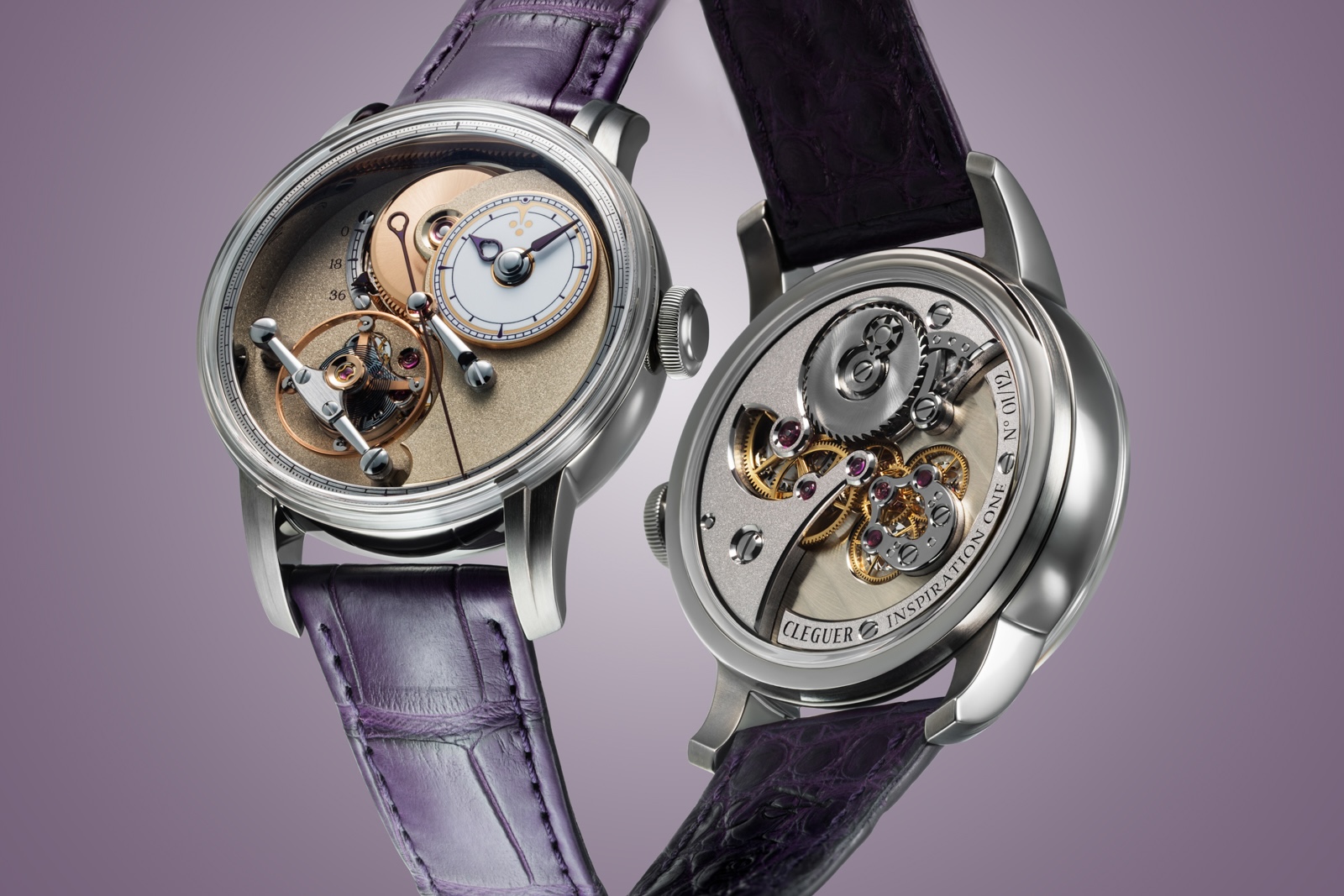
In the run-up to Watches & Wonders, a new crop of emergent independents is making its debut. But even within a crowded field, the Cleguer Inspiration One manages to stand out with an ambitious proprietary escapement and clever construction. It’s a promising start for founder Mathieu Cleguer, an engineer who’s had a hand in developing several calibres for well-known independent brands. Initial thoughts The artisanal, highly finished time-only watch is a well-worn trope among independents, but occasionally one breaks from the pattern. The Inspiration One from Cleguer Horology is one such watch. Mathieu Cleguer is an industry veteran who has worked as a movement construction consultant and now produces watches under his own name. The opening salvo in what is planned to be a larger ‘Inspiration’ series designed to explore alternative escapements, the Inspiration One is built around the so-called innate escapement, a fresh twist on Breguet’s natural escapement. The system is Mathieu Cleguer’s own design, and from initial analysis it exhibits a surprising degree of ingenuity and is original in its execution. Discreet signature on the interior bezel. The open design - an off-centre dial with exposed escapement - is a familiar arrangement among independents, but the delicacy of the components gives it a refined quality. The 38.5 mm case is well-proportioned, though the 12 mm height borders on tall. While there’s room to develop a more cohesive design language goi...

In-Depth: Breguet’s Constant-Force Magnetic Escapement SJX Watches
Breguet s Constant-Force Magnetic Escapement Dec 4, 2025

In-Depth: Breguet’s Constant-Force Magnetic Escapement

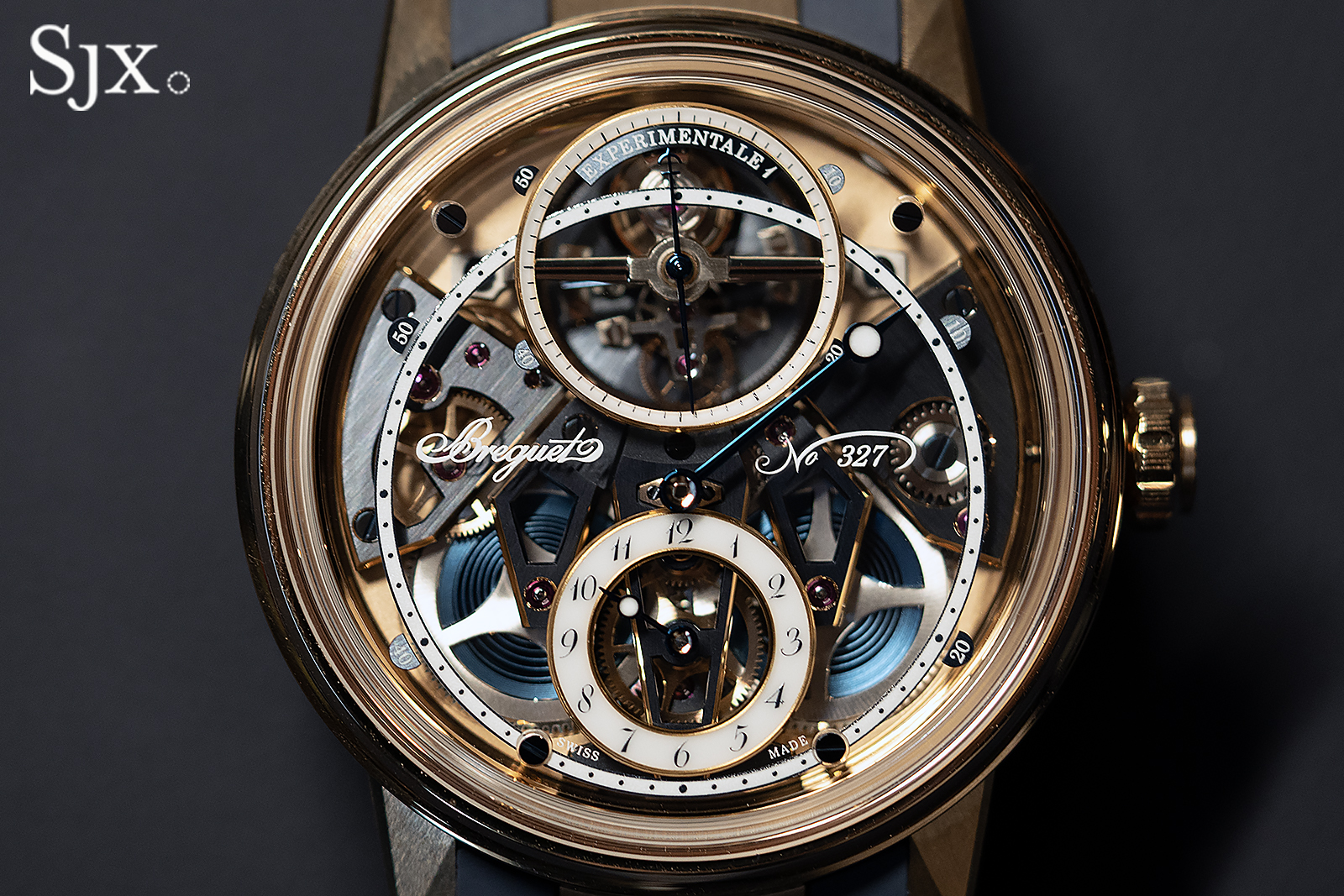
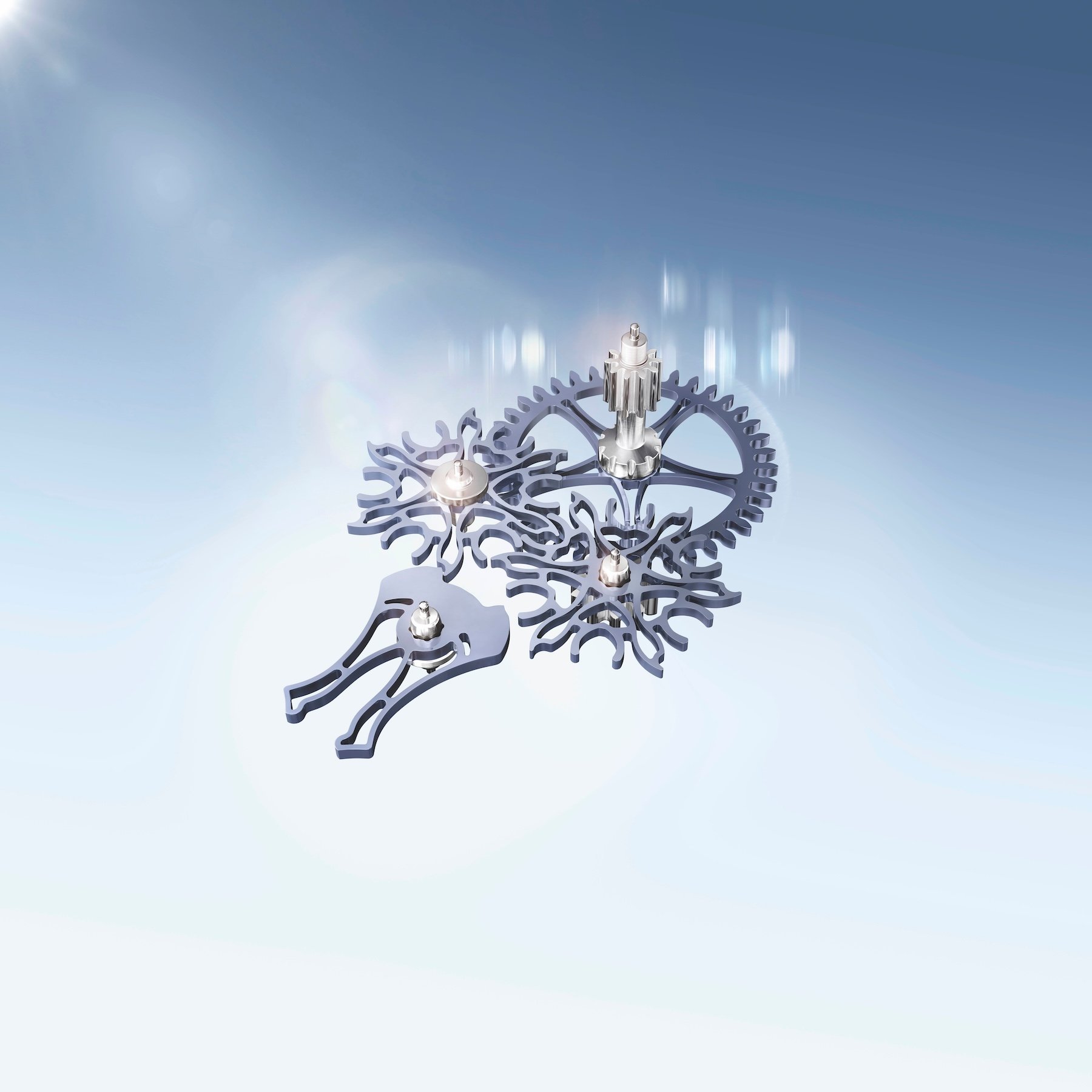
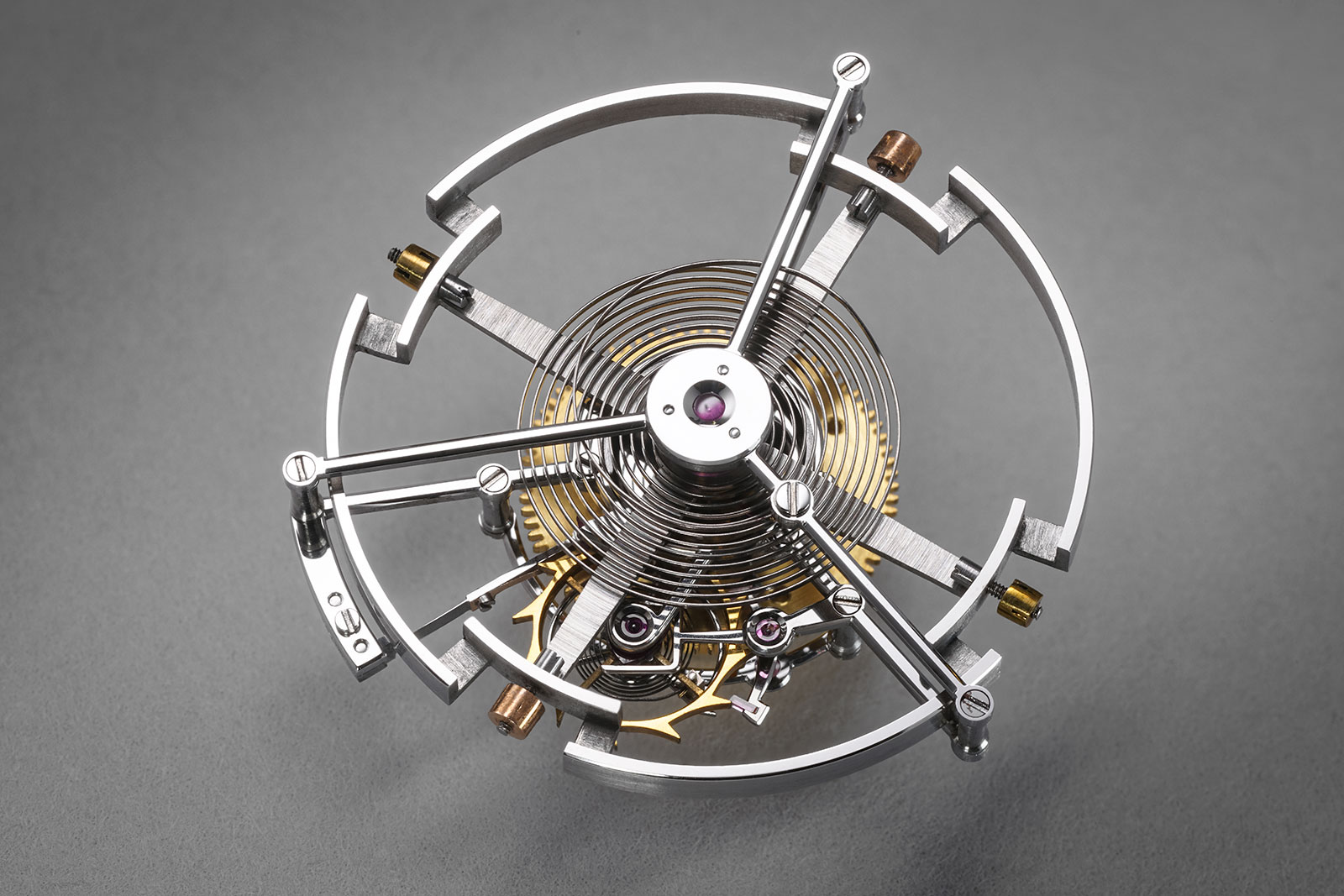
Earlier this week, Breguet rounded off its grandiose 250th anniversary with the unexpected launch of the Expérimentale 1 chronometer in Paris. Showcasing modern Breguet’s most impressive innovation to date - a magnetic constant-force escapement - the watch left many scratching their heads simply because the novel invention defies easy explanation. Here we explain the actual functioning of this remarkable invention, and why it represents such a significant step forward in terms of chronometry and escapement technology. The origins of the concept Before turning to the decidedly modern and futuristic Expérimentale 1, we must first take a short trip to the past and consider how the idea of using magnets in mechanical escapements first came to life. For that we must turn to the late 1930s, when Cecil Frank Clifford, Fellow of the British Horological Institute (BHI), started experimenting with oscillators maintained by magnetic rails or escape wheels.  He was granted a British patent in 1954 for a variety of magnetised escape wheels paired with elastic vibrating magnetic blades. The device would operate silently and Clifford envisioned it being used for naval underwater torpedoes, so the lack of ticking would be harder to pick up by sonars.  Iterations of Clifford magnetic escapements. His designs were rudimentary. The principle was that the escape wheel would be braked by a vibrating pair of magnetised blades (in several possible configurations), while simultaneously ...

An In-Depth Look At The New Rolex Dynapulse Escapement Fratello
Rolex Dynapulse Escapement Rolex surprised Apr 18, 2025

An In-Depth Look At The New Rolex Dynapulse Escapement

Rolex surprised friend and foe with a new movement at this year’s Watches and Wonders. While that’s always a relatively big deal in our little horological sub-universe, caliber 7135 represents a particularly big milestone. Rolex developed a brand-new escapement dubbed Dynapulse. We felt it was about time we took a closer look at it. Of […] Visit An In-Depth Look At The New Rolex Dynapulse Escapement to read the full article.

Explained: The Detent Escapement SJX Watches
Breguet s natural escapement May 8, 2024

Explained: The Detent Escapement

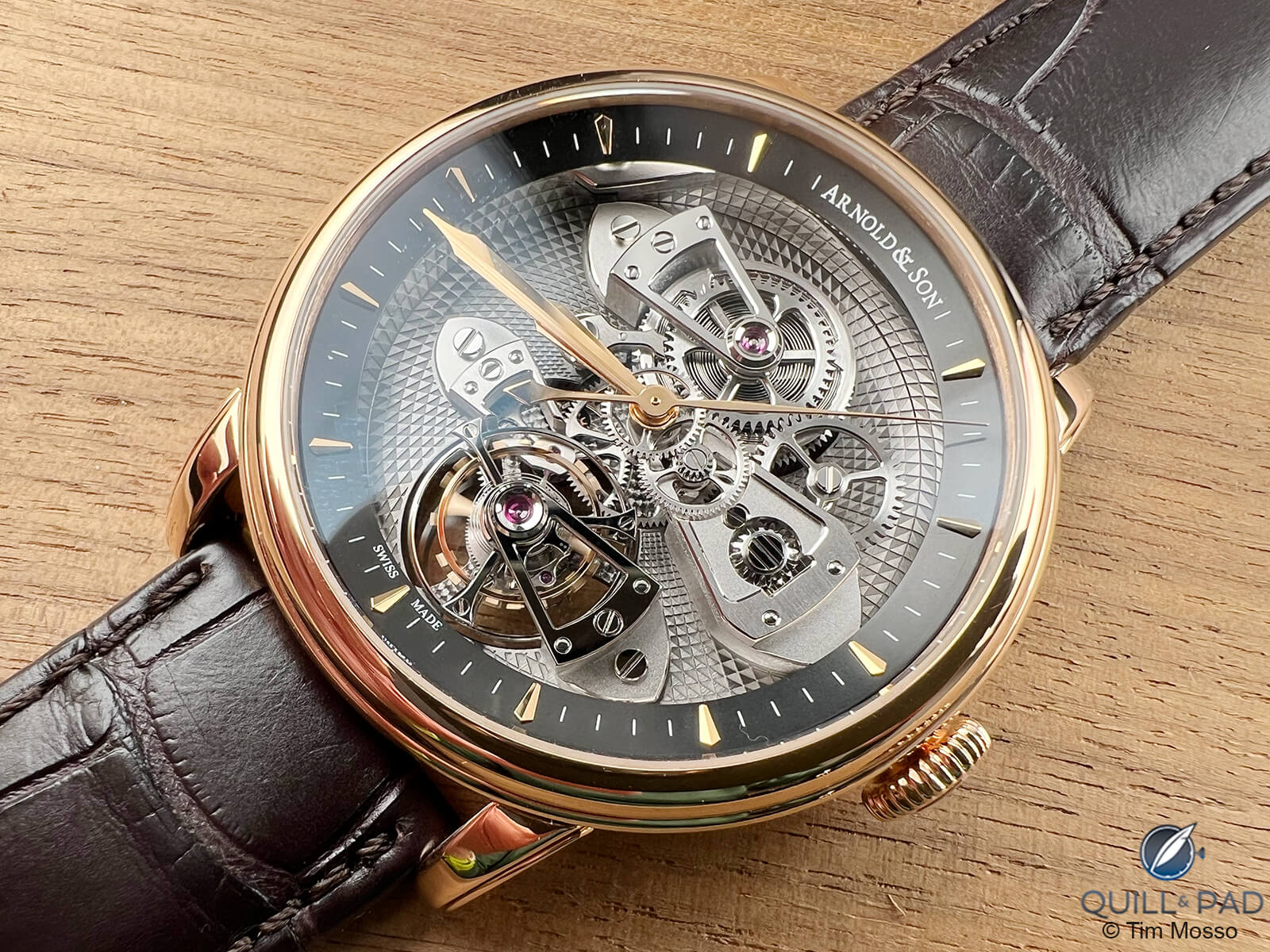
Among the many different escapement types, one in particular stands out, the detent escapement. Taking its name from détente, French for “trigger”, this system is often considered to be the purest type of escapement due to its efficiency and virtually lubrication-free operation. Any sort of mechanical clock or watch requires an escapement, a mechanism that transfers torque from the power source to the regulating organ. The escapement bridges the steady rotation of the gears in the going train and the oscillation of the balance. As a result, the escapement fulfils a double function, both maintaining the swing of the balance and regulating the discharge speed of the mainspring and going train. The detent escapement was invented in the second half of the 18th century,  somewhat simultaneously but independently by the English watchmakers Thomas Earnshaw (1749-1829) and John Arnold (1736-1799). A somewhat similar escapement was prototyped by the Frenchman Pierre Le Roy (1717–1785) some three decades earlier, but the modern detent escapement is derived mostly from Earnshaw’s design. Initially, the escapement was conceived for use in marine chronometers, explaining why it is also known as a chronometer escapement. The chronometer escapement also inspired many innovative subsequent escapements, like the Breguet’s natural escapement, the Robin escapement, and the Daniels co-axial. Drawings of detent escapement types taken from ‘The Marine Chronometer: Its History and ...

Girard-Perregaux Neo Constant Escapement with Patrick Pruniaux, CEO of Girard-Perregaux Revolution
Girard-Perregaux Neo Constant Escapement Mar 27, 2024

Girard-Perregaux Neo Constant Escapement with Patrick Pruniaux, CEO of Girard-Perregaux

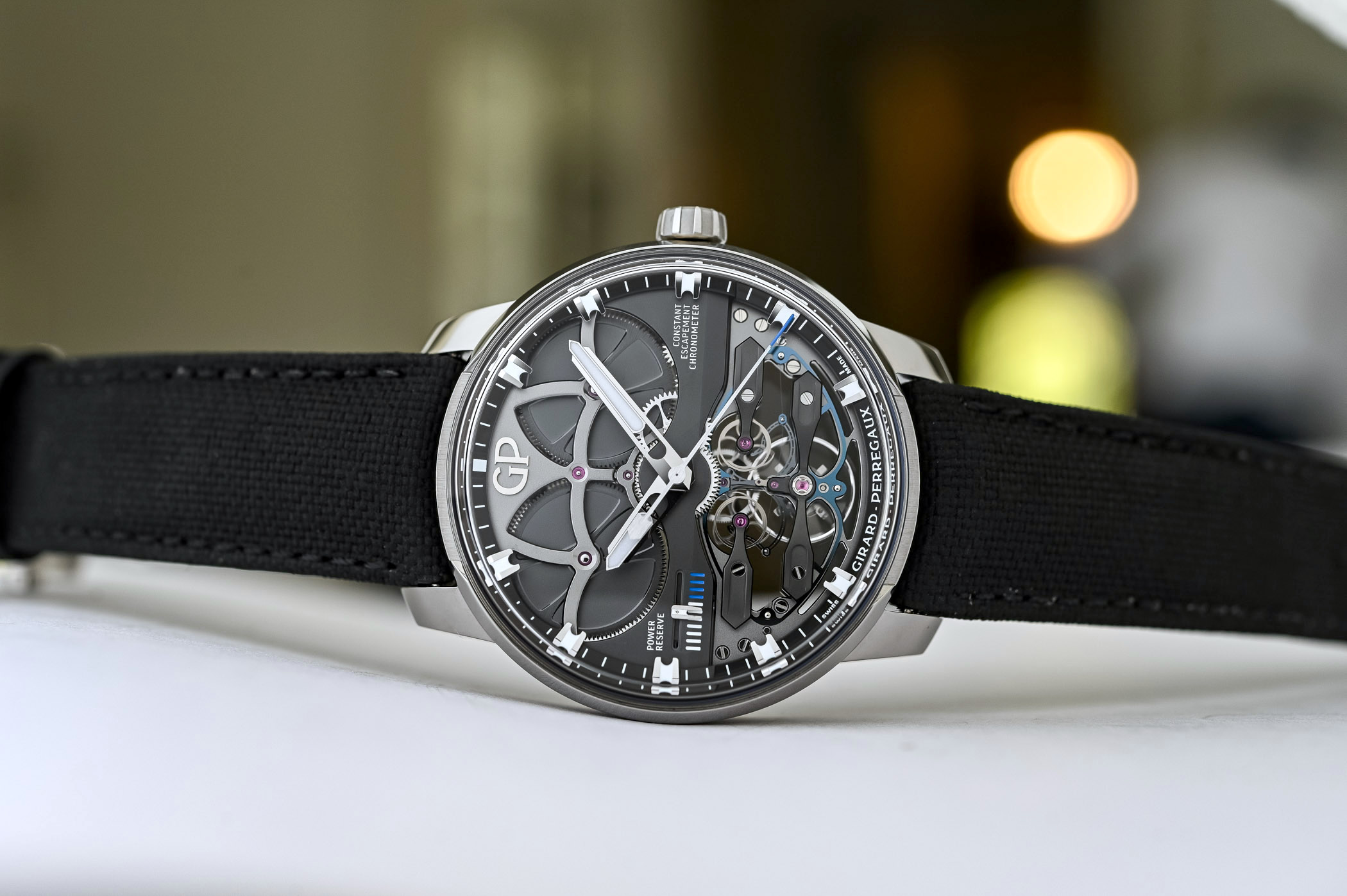
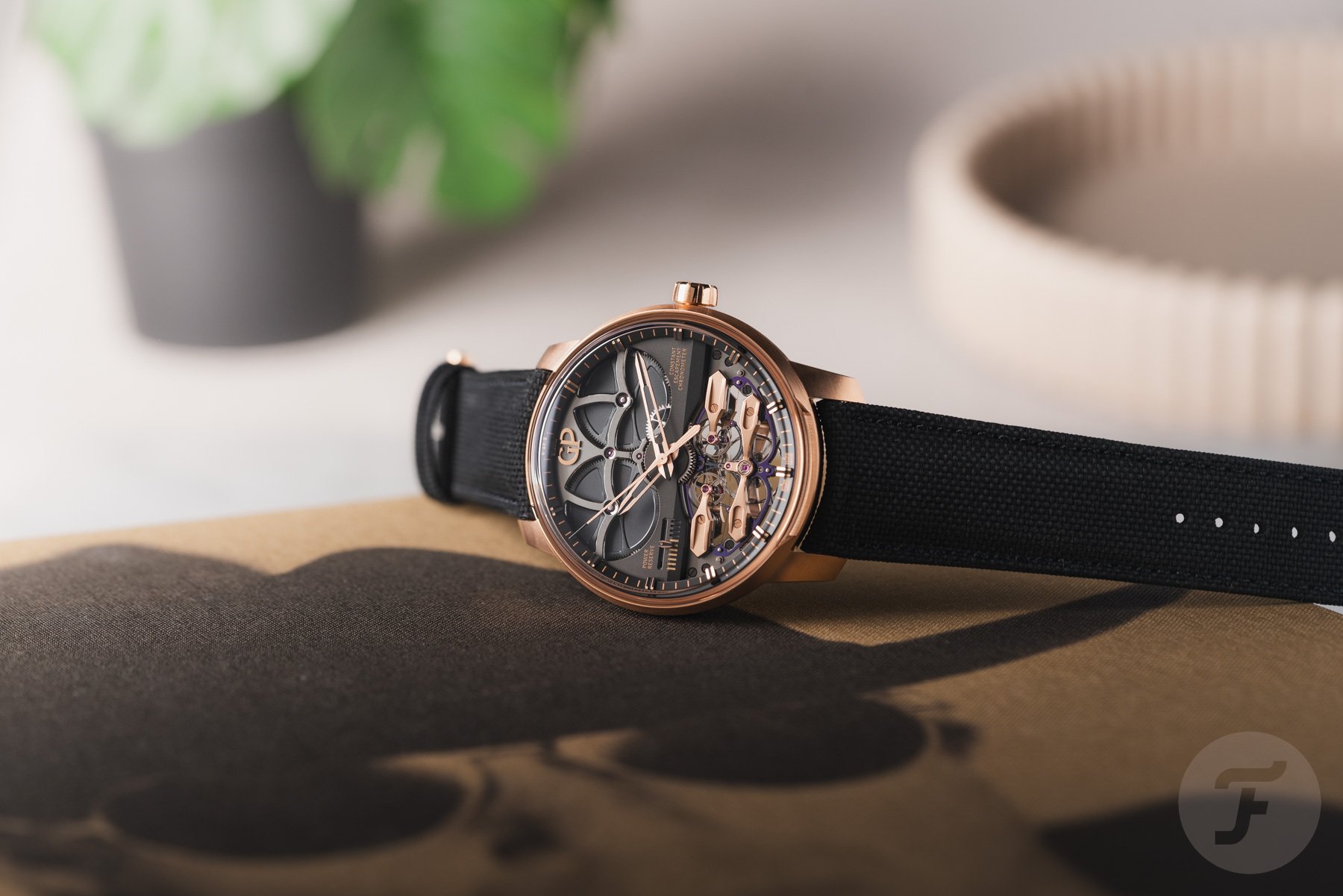
In 2013, Girard-Perregaux debuted the acclaimed Constant Escapement L.M., earning the prestigious ‘Aiguille D’Or’ at GPHG, which is a mechanism that delivered remarkable rate stability irrespective of the available energy. Wei and Girard-Perregaux CEO Patrick Pruniaux explore the Maison’s latest innovation, the Neo Constant Escapement. Enhancing the already remarkable Constant Escapement, it features aesthetic and […]

In-Depth: Girard-Perregaux’s True Constant-Force Escapement SJX Watches
Girard-Perregaux s True Constant-Force Escapement Jan 3, 2024

In-Depth: Girard-Perregaux’s True Constant-Force Escapement

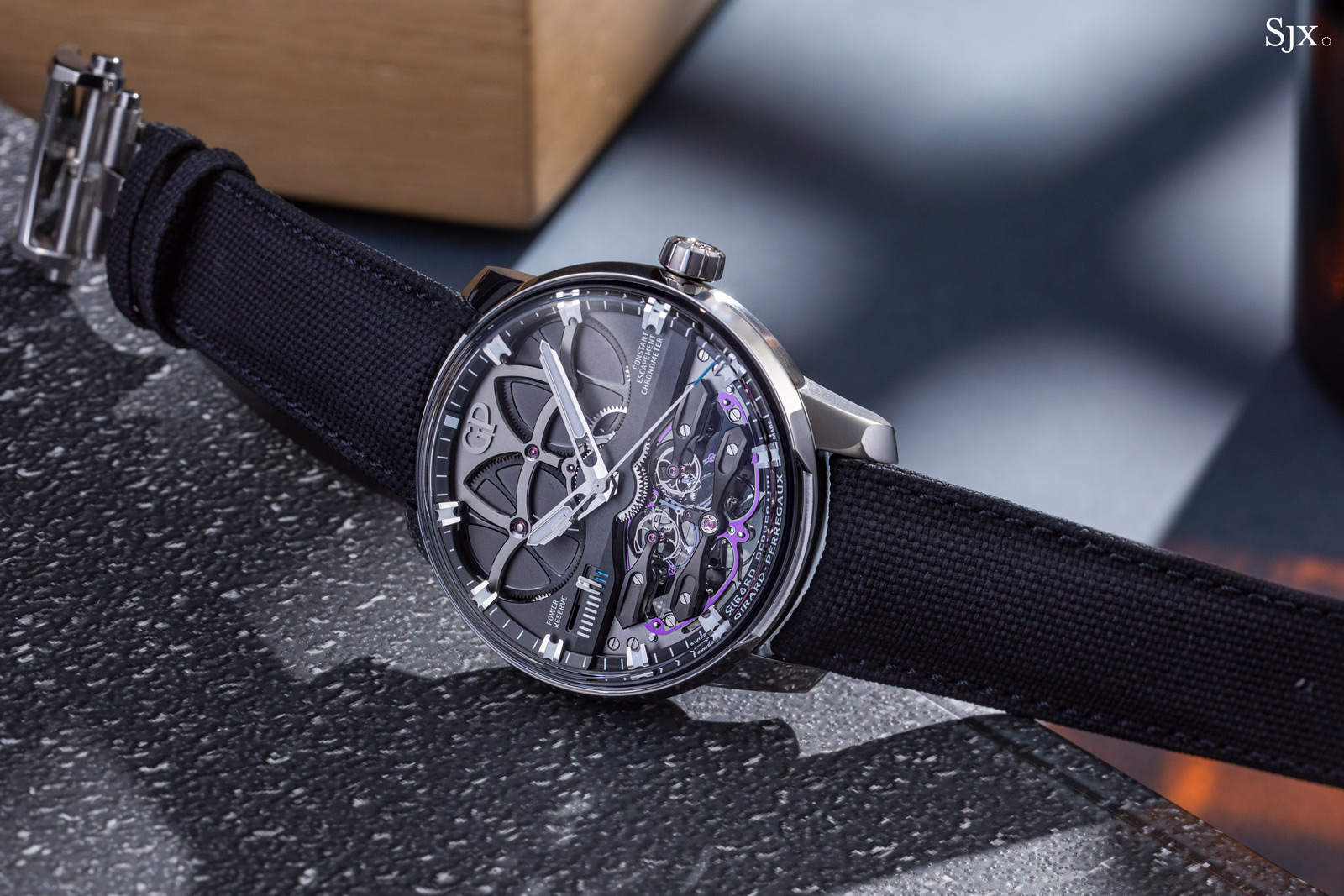
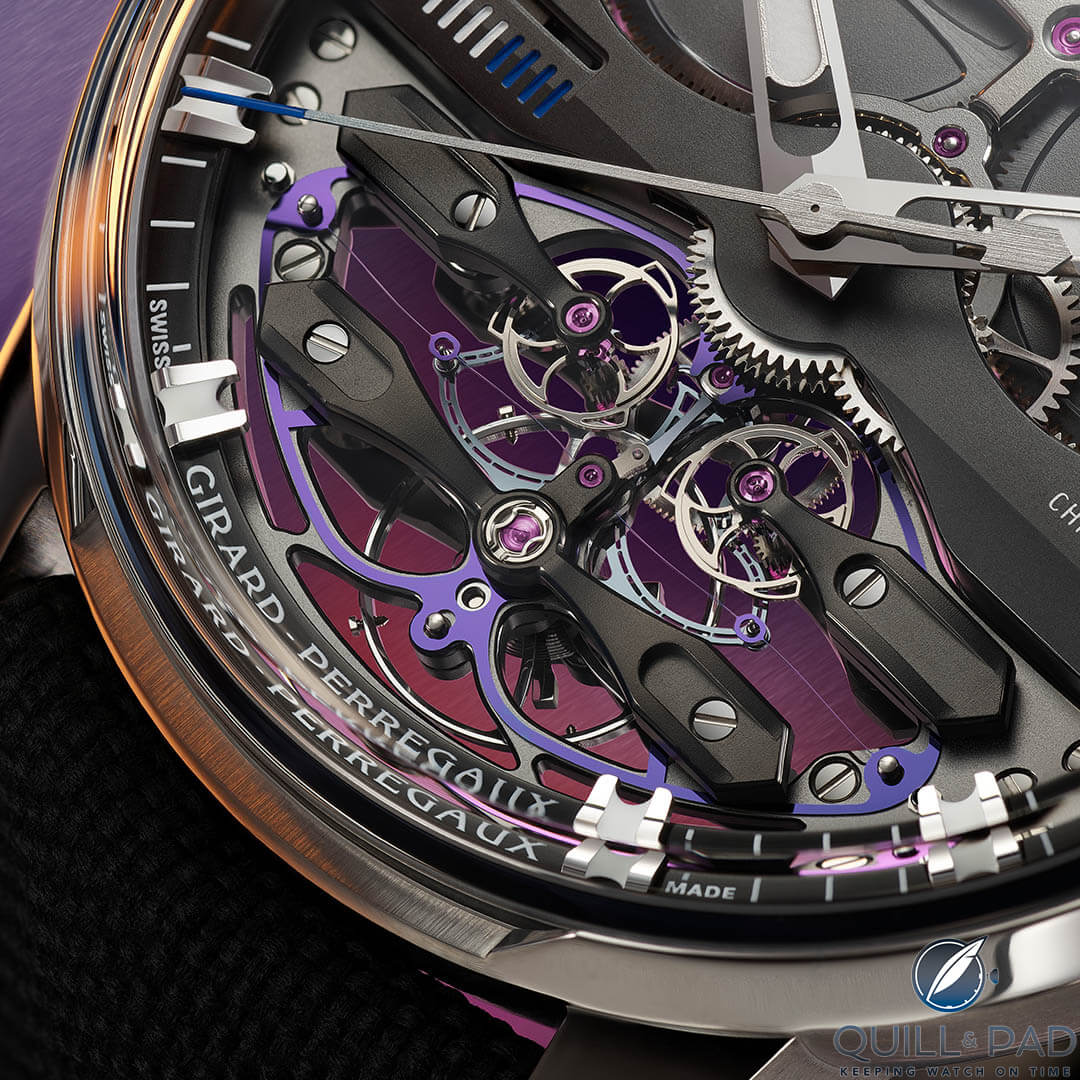
Ten years after it arrived on market, Girard-Perregaux revived its most notable modern-day invention with the Neo Constant Escapement. Operating on the same principles as the original, the Neo Constant Escapement (NCE) features an upgraded movement inside a more compact case. A combination of a historical concept originating with Abraham-Louis Breguet and cutting edge horology, the NCE retains the defining invention of the original – a true constant-force escapement. “True” because the constant-force mechanism, comprising a lozenge-shaped silicon spring, is integrated with the pallet lever, which in turn interacts with a “natural” escapement of twin escape wheels. While the key concept has been retained, the rest of the NCE, however, has been improved over the original, with wearability in particular having been enhanced. Initial thoughts The fundamental concept of the NCE is appealing because it successfully combines a significant historical invention, Breguet’s double-wheel escapement, with an innovation that is entirely 21st century, a compliant mechanism in silicon. Both are brought together in an elegant yet ingenious manner. The basis of the movement is Breguet’s échappement naturel, the “natural” escapement with two wheels that has been adopted in the modern day, in a variety of modified forms, by Voutilainen, F.P. Journe, and Charles Frodsham. But the natural escapement here has been enhanced with a constant force mechanism made up of a single pi...

Girard-Perregaux Neo Constant (Force) Escapement: The Evolution of a Revolution Quill & Pad
Girard-Perregaux Neo Constant Force Escapement Oct 16, 2023

Girard-Perregaux Neo Constant (Force) Escapement: The Evolution of a Revolution

While it is remarkable how Girard-Perregaux made the movement, it is even more astonishing how they turned it into such an incredibly good-looking watch. Compared to its predecessor, the Neo Constant Escapement has a very wearable size of 45mm in diameter at a thickness of 14.8mm. It sits nicely on even a smaller wrist thanks to relatively short lugs, while the titanium case keeps the weight down.

Up Close: H. Moser & Cie. Swiss Alp Watch Final Upgrade SJX Watches
H. Moser & Cie Swiss Alp Feb 3, 2021

Up Close: H. Moser & Cie. Swiss Alp Watch Final Upgrade

The brand of humour peculiar to H. Moser & Cie. has been expressed in many ways – some of which resulted in legal blowback – but the best known was always the Swiss Alp Watch of 2016. Essentially a high-end mechanical wristwatch that resembles the Apple Watch, the oblong timepiece is now taking its curtain call with a final, 50-piece run. Featured an endlessly black dial coated in Vantablack – the blackest of black substance that absorbs almost all light – the Swiss Alp Watch Final Upgrade continues the entertaining aesthetic of its predecessors, with a little added humour in the form of a subsidiary seconds that takes the form of the spinning “loading” indicator found in Apple products. Initial thoughts Derived from an earlier iteration of the Swiss Alp Watch with an all-black, “sleep” dial, the final edition is a droll watch that’s easily the most amusing of the series. Though the Swiss Alp Watch has the same form as the Apple Watch, it is notably larger. Despite being a truly minimalist watch, it does sit large and chunky on the wrist. Legibility is surprisingly excellent despite the near-monochromatic dial, as the polished, dark-grey hands have good contrast against the Vantablack dial. But the Swiss Alp Watch is no horological joke. In fact, it is equipped with one of Moser’s top end movements, the HMC 324. It’s a rare movement Moser has used only in one other model that didn’t sell very well. Unusual for being tonneau shaped, the HMC 324 boas...

IWC ranked as top Swiss watch brand by WWF for reducing environmental impact, celebrates on tiny floating house Time+Tide
IWC ranked as top Swiss Oct 9, 2019

IWC ranked as top Swiss watch brand by WWF for reducing environmental impact, celebrates on tiny floating house

In their latest joint venture, IWC Schaffhausen and surfboard designer and entrepreneur Hayden Cox have teamed up to create a unique concept – the world’s first floating surfboard design studio. This very Australian activation was also designed to highlight the brand’s recent efforts to reduce their environmental impact, by – for example – using 90 … ContinuedThe post IWC ranked as top Swiss watch brand by WWF for reducing environmental impact, celebrates on tiny floating house appeared first on Time+Tide Watches.