 Deployant
Review: The Complete Traveller – The Vacheron Constantin Overseas Dual Time
We bring you the details on the latest addition to the Overseas line, the Overseas Dual Time, and our thoughts on why it might be the complete travel watch.
22,580 articles · 5,923 videos found · page 218 of 951
Deployant
We bring you the details on the latest addition to the Overseas line, the Overseas Dual Time, and our thoughts on why it might be the complete travel watch.
 Revolution
Revolution’s Deputy Editorial Director, Tracey Llewellyn takes her turn to tell the forces that be up in North Pole about her watch dreams next. Two more days to Christmas now!
 Revolution
Among all the technical complications, an astronomical star chart wristwatch must be one of the most appreciated complications by the truly sophisticated watch collectors. At the SIHH 2013 exhibition, Jaeger-LeCoultre pleasantly surprised us with the Jaeger-LeCoultre Rendez-Vous Celestial. With the beautiful sky chart as seen from the Northern Hemisphere rotating at 23 hours 56 minutes and 4 seconds […]
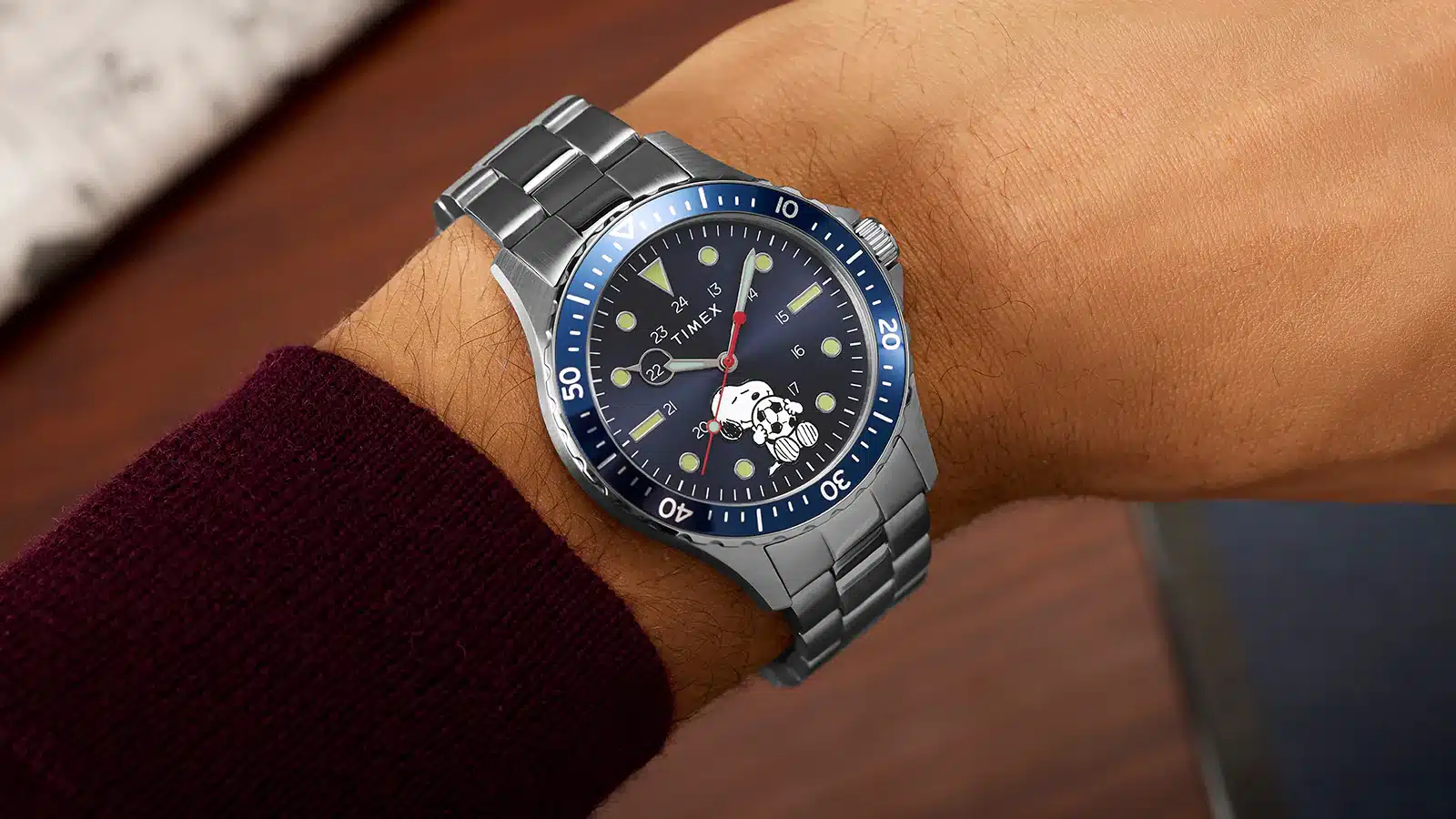 Two Broke Watch Snobs
The new Timex Navi Snoopy Soccer brings Peanuts to Timex's sportier 41mm case. An honest look at the affordable collab, its blue sunray dial, and its trade-offs.
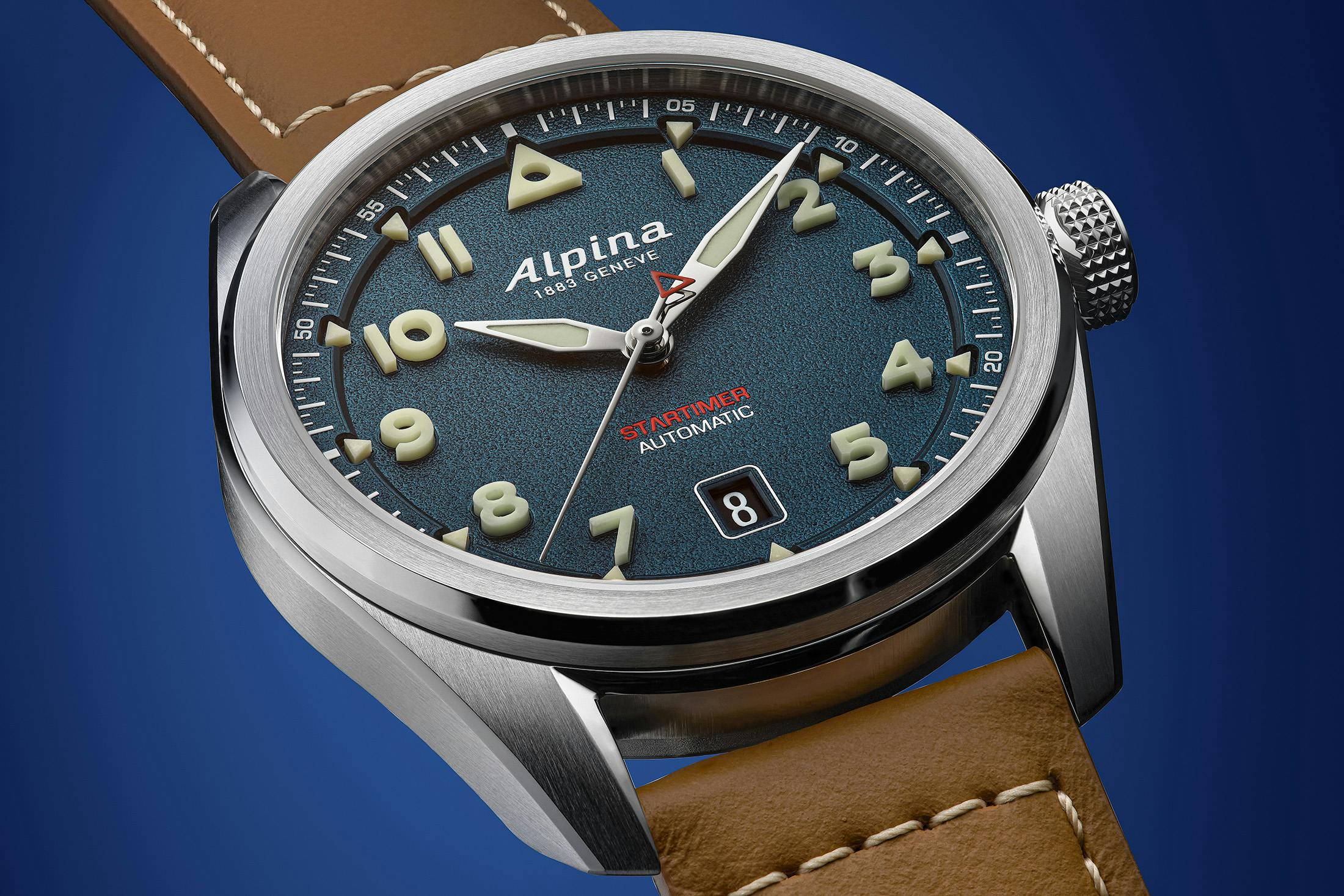 Two Broke Watch Snobs
Alpina updates the Startimer Pilot Automatic with a slimmer 40mm case, bolder applied numerals, and four new dial options.
 Video
Video
 Teddy Baldassarre
Grand Seiko has done something remarkable at Watches and Wonders for 2026. The headline story is the launch of the new Spring Drive UFA Ushio 300 divers, and on top of that, a new smaller case size. The new divers are available in two dial variations, the blue SLGB023 and the green SLGB025. Of course, the main attracti
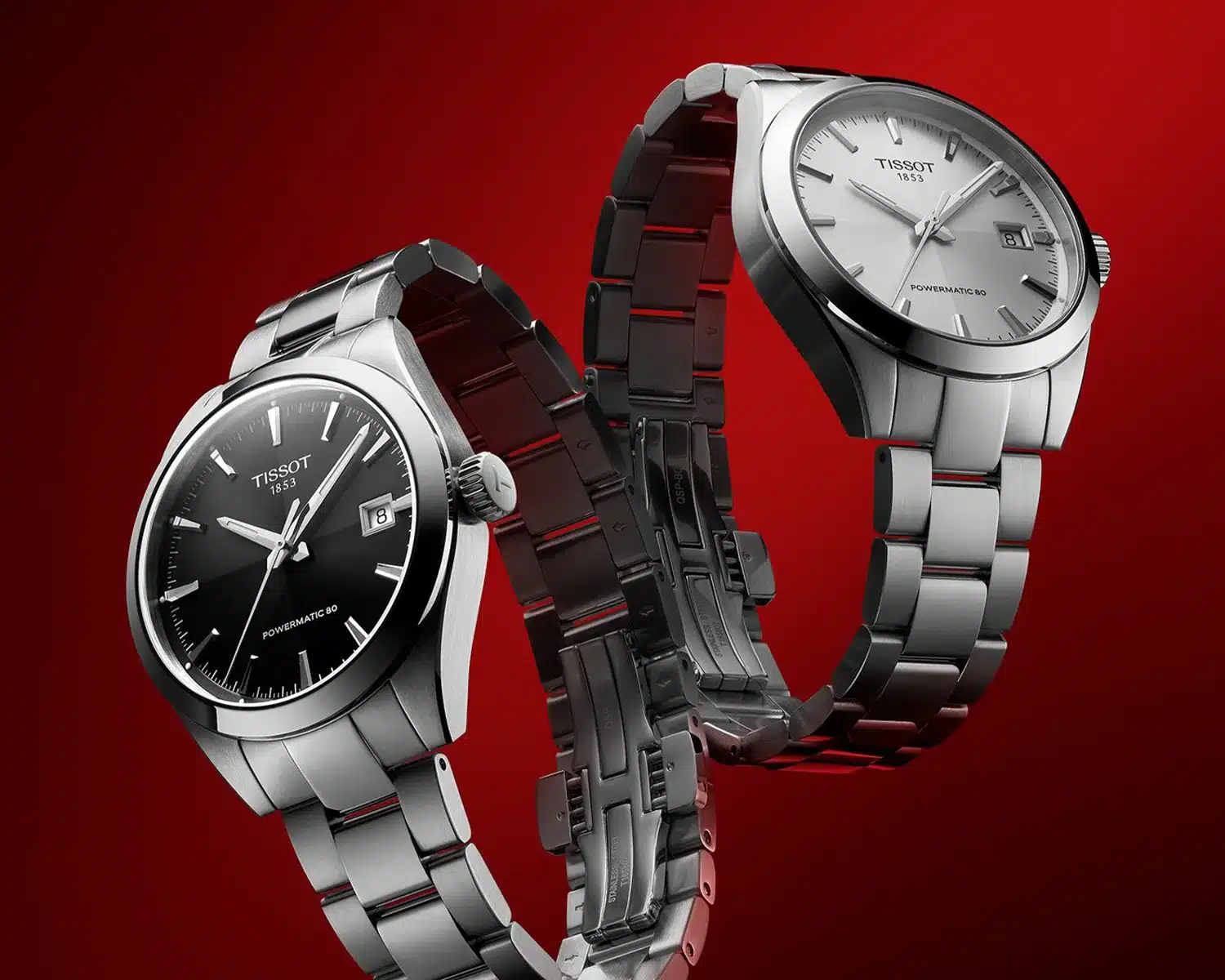 Two Broke Watch Snobs
A look at the Tissot Gentleman now in 38mm with a range of dial and bracelet options. View pricing, specs, photos, and collector insights.
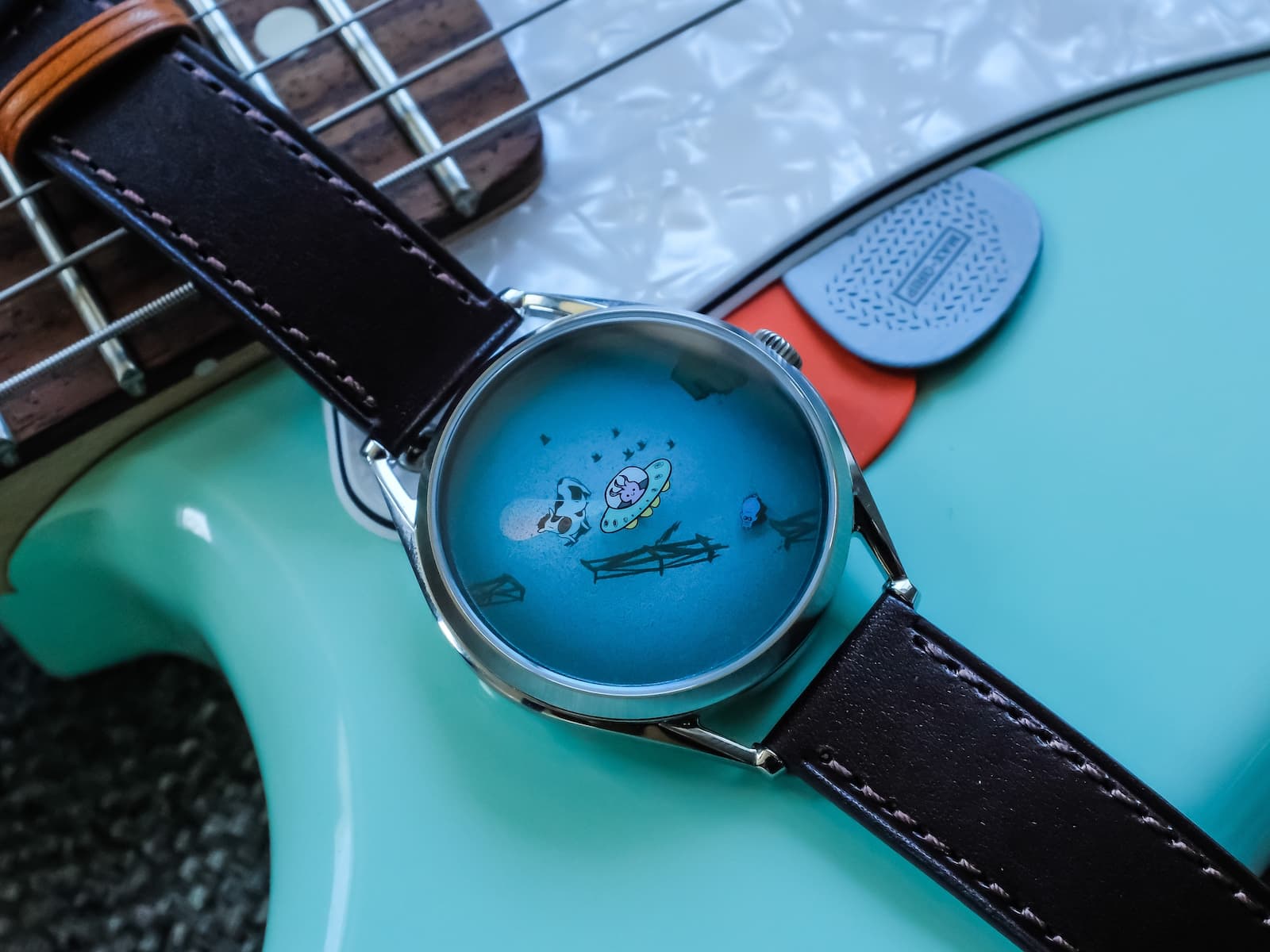 Two Broke Watch Snobs
A hands-on review of the Mr Jones Beam Me Up! mechanical, exploring its playful dial, unconventional time display, and more.
 WatchAdvice
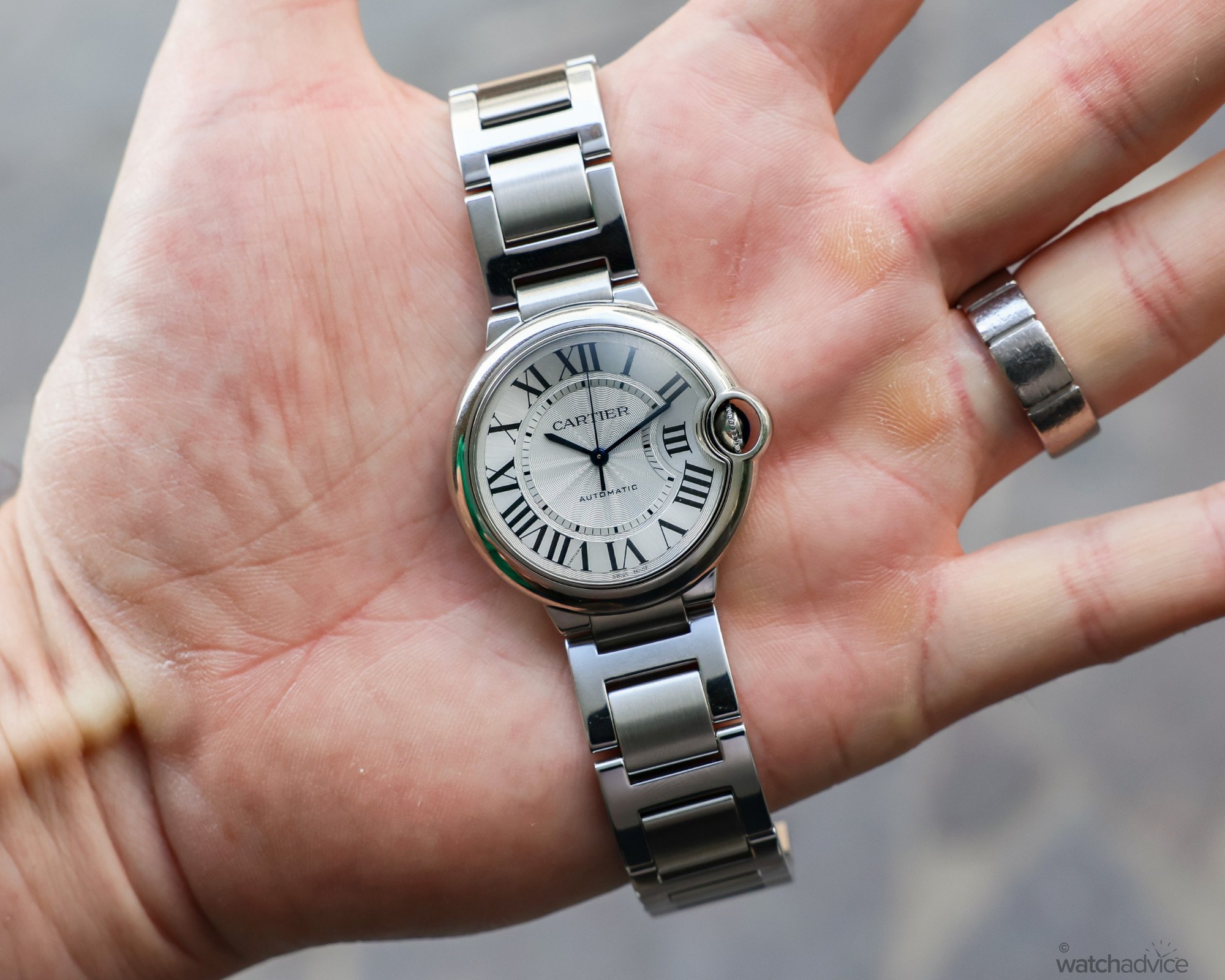
In a world of round watches, the Ballon Bleu de Cartier stands out thanks to its unique design, as only Cartier can! What We Love: The unique style that is very Cartier The great-looking dial that stands out on the wrist Ease of wearing at 36mm for a variety of wrist sizes What We Don’t: The double-folding friction clasp could be upgraded to a push button in this model While unisex, some with larger wrists will most probably need to upgrade to the 42mm The crown was slightly harder to access to change the time for me Overall Rating: 8.25 / 10 Value for Money: 8/10 Wearability: 9/10 Design: 8/10 Build Quality: 8/10 When people think of Cartier watches, the first thing that usually comes to mind is a maker of shapes. The brand has built much of its identity around distinctive case designs rather than traditional round watches, with icons such as the Santos, Tank, Tortue, Crash and Cloche, to name a few, all standing out as examples of Cartier doing things a little differently. That approach to design has long set the Maison apart from many other watchmakers who tend to lean more heavily on classic round cases. So when Cartier introduced the Cartier de Ballon Bleu in 2007, it represented something slightly different for the brand. On paper, it’s a round watch, which might sound straightforward enough, but as with most things Cartier, it’s not quite that simple. Rather than just producing a traditional circular case, Cartier added its own distinctive twist with the n...
 Two Broke Watch Snobs
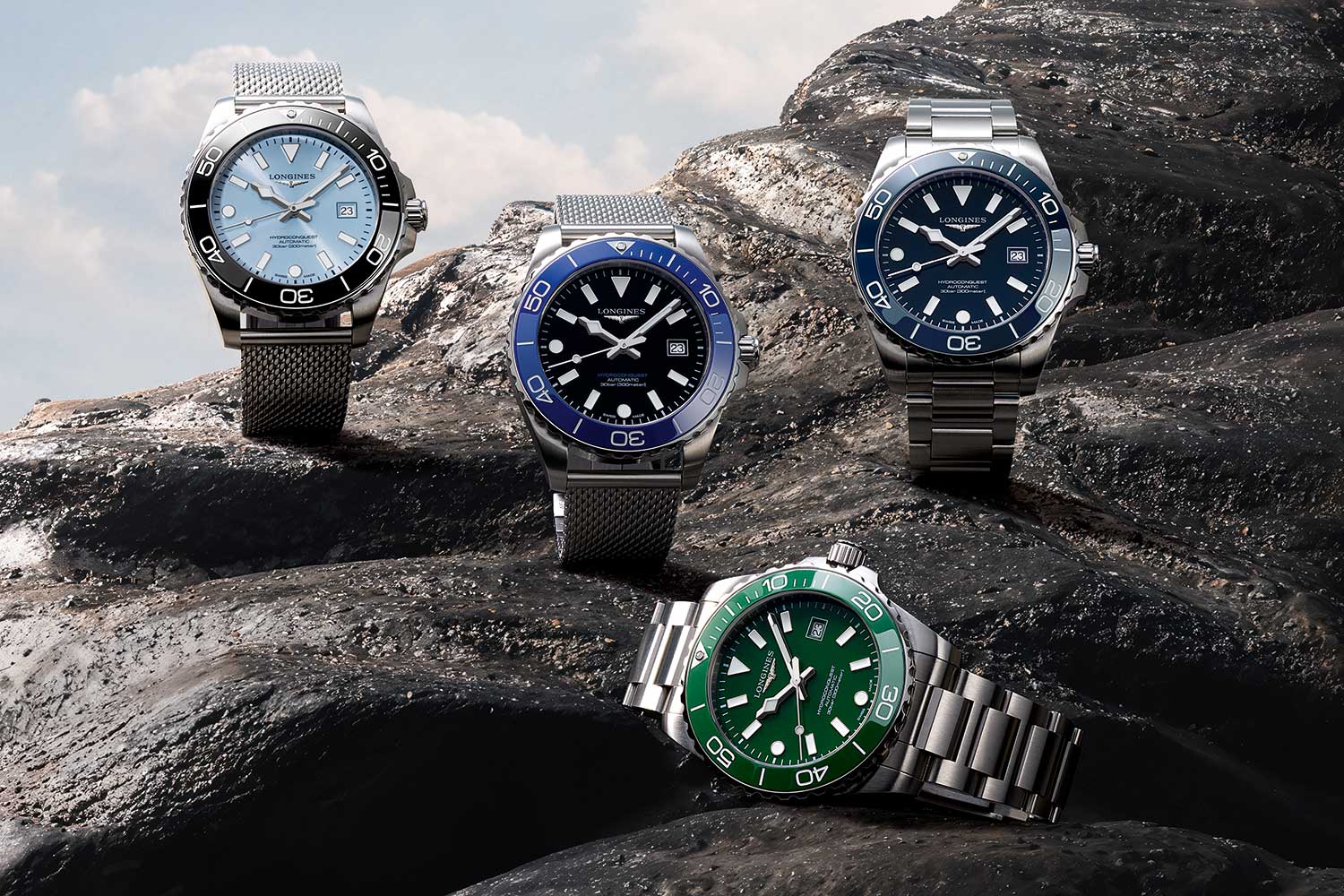
The Longines HydroConquest gets its biggest update in nearly 20 years, with a ceramic bezel, new dial options, and pricing under $2,500.
 Video
Video
 Two Broke Watch Snobs
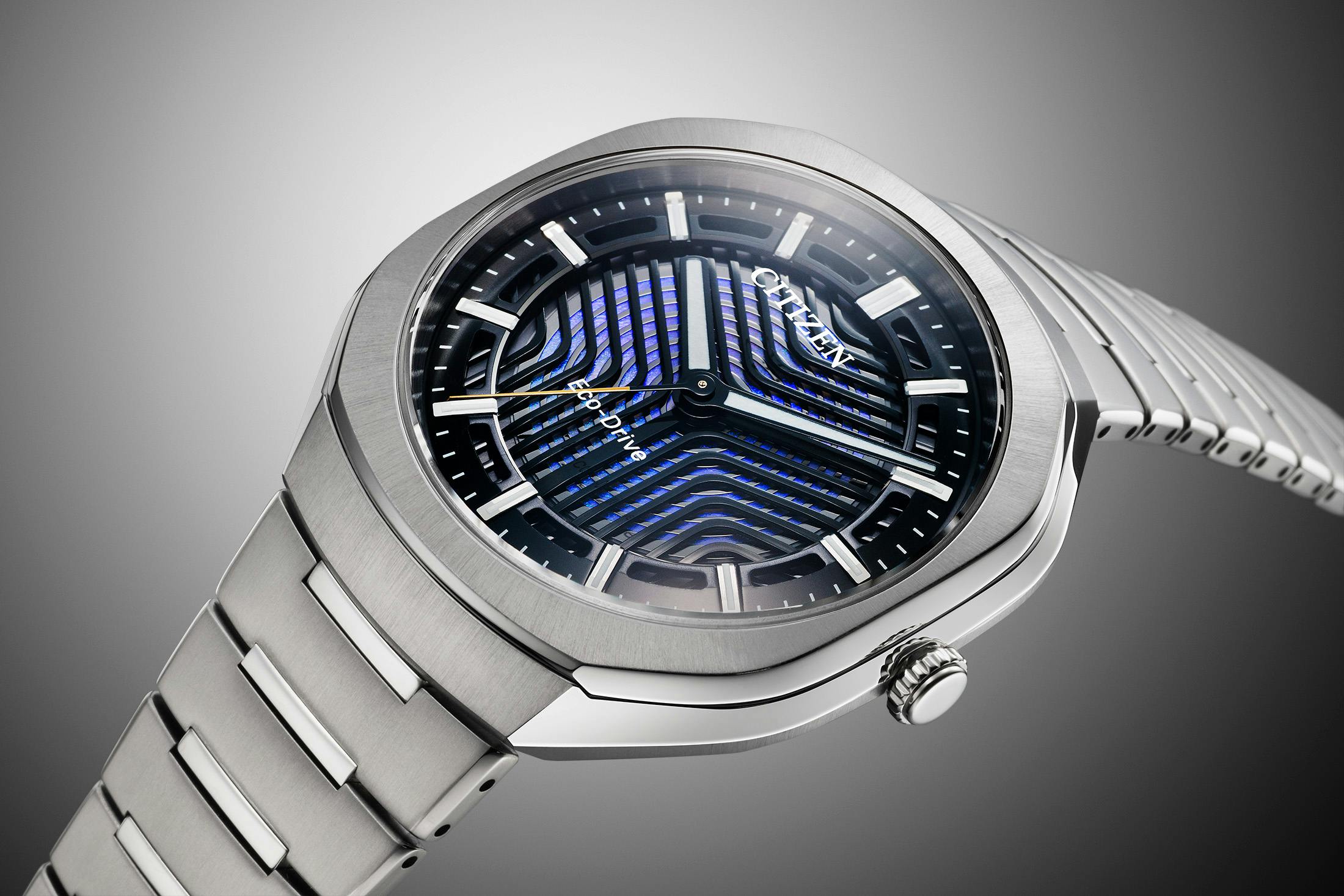
The new Citizen Eco-Drive Photon pairs Super Titanium construction with a dial that creates color through light alone.
 Worn & Wound
Try to think of an objective fact about watches. If you’re anything like me, it’s a task that sounds simple at first, but quickly turns into a surprisingly difficult thought experiment. After some head scratching, my attempt at this exercise ended with a relatively short list, made up mostly of historical facts and a small number of all-encompassing physical descriptions: Watches were invented in the 16th century. They tell time, generally, and are powered by some sort of movement- quartz, mechanical, electric, tuning fork, or otherwise. They are round, or not. And have three hands, or more… and sometimes none at all. As it turns out, objective facts about watches are in short supply, which by default makes mastering the subjective a primary element of watch collecting. Luckily for me and all the other self-proclaimed voices of authority spamming the forums alongside me, becoming an expert boils down to the ability to pick (usually meticulously researched) standpoints where the stakes are low and our personal beliefs are inherently never wrong. In the very first article I wrote for Worn & Wound back in 2023, I stated that forming opinions was one of my favorite things about the hobby. In the time since I picked the premise of individual stances as my first published words on this site, I’ve formed countless of them, and still find tremendous joy in doing so. Watches are round…or not Some of my early opinions (such as a logoed counterbalance on the second hand...
 Hodinkee
Based on your prompts to its AI software, Swatch will design your watch, produce and ship it to you within about a week.
 Two Broke Watch Snobs
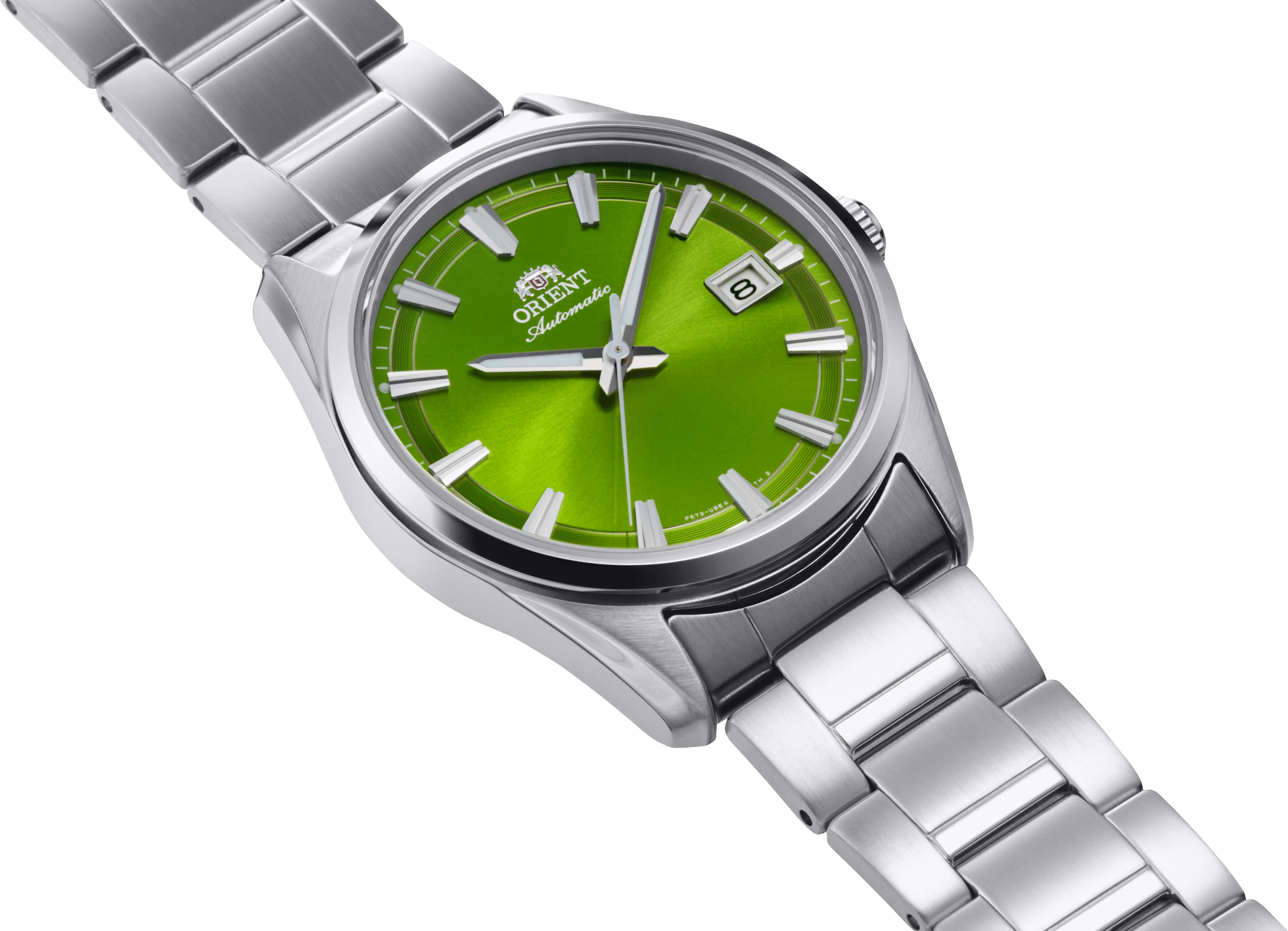
The new Orient Stretto collection adds four vibrant dial colors to one of the most compelling affordable automatic watches under $400.
 Teddy Baldassarre
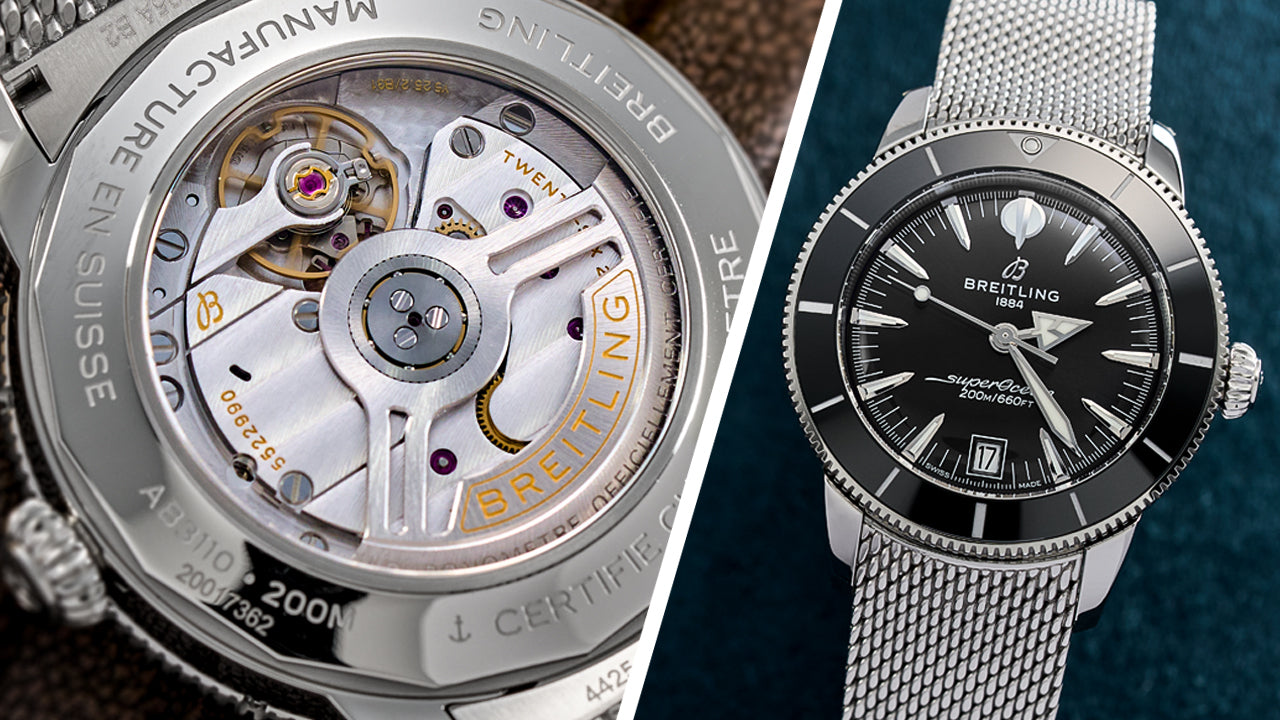
Breitling has made some big moves recently, first with the introduction of an exclusive new three-hand caliber, and secondly, by reinventing some of their best-loved legacy models. The new Caliber B31 made its debut in 2025, powering the 38mm Top Time B31. The 3-handed daily driver was a perfect platform to roll out th
 Video
Video
 Two Broke Watch Snobs
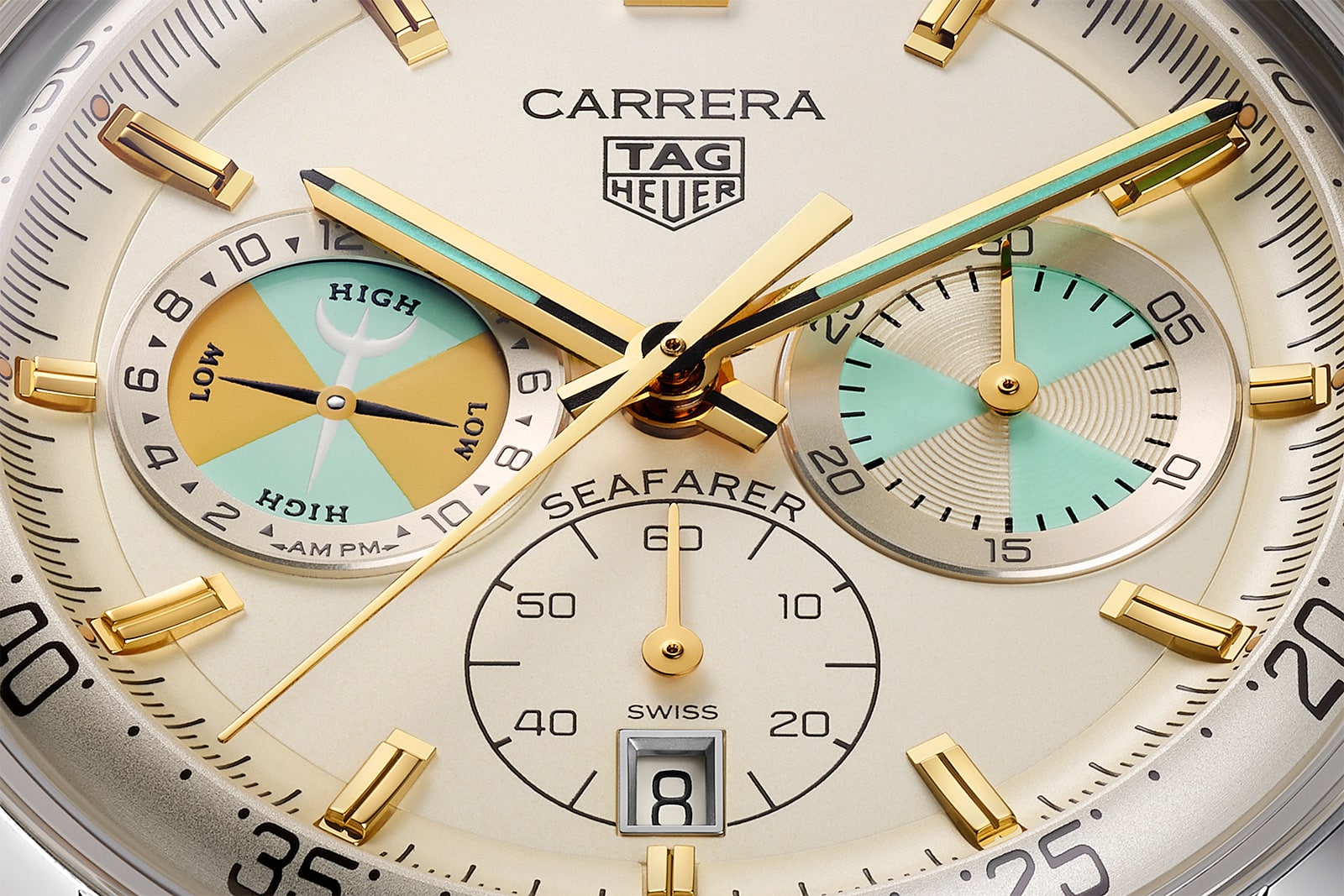
The TAG Heuer Carrera Seafarer brings a historic tide complication to a modern Glassbox chronograph with a bold, maritime-inspired dial.
 Two Broke Watch Snobs
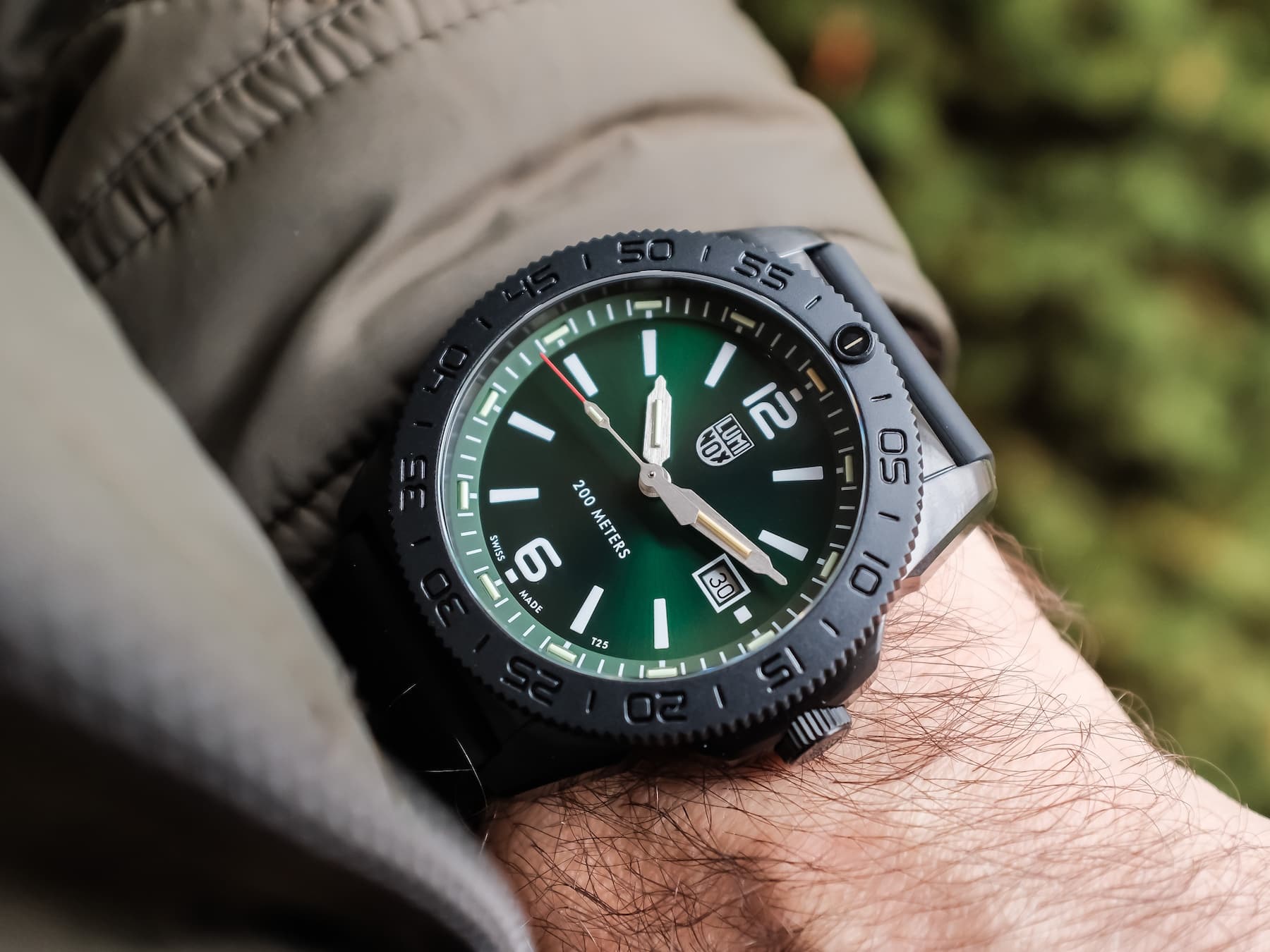
A review of the Luminox Pacific Diver Emerald Depths, focusing on tritium visibility, wrist presence, and daily wear experience.
 Teddy Baldassarre
While it’s more widely known for its jewelry these days, Piaget, founded in the small Swiss village of La Cote-aux-Fées by Georges Piaget in 1874, has been a watchmaker from the beginning. Its original trade, in fact, was making movements, and the company began making complete watches in In the 20th century. Before getting into the Piaget Polo, it's worth it to get into the brand's history in thin watchmaking. Since 1957, when Piaget created the historic 2mm-thick Caliber 9P, the company has been world renowned for the elegant thinness of its watches and movements. The world’s thinnest self-winding mechanical movement, Caliber 12P, followed Caliber 9P just three years later, in 1960, and Piaget has building upon these foundations ever since. Its most recent triumph in this area was the Altiplano Ultimate Concept, which debuted in 2018 as a prototype and hit the market in 2020; the entire watch, case and movement, is just 2mm thick, matching the wafer thinness of the original Caliber 9P. Along with Bulgari, another watchmaker known more for its jewelry, Piaget continues to embody the ne plus ultra of what ultra-thin watchmaking can accomplish. [toc-section heading="The Integrated Bracelet Era Begins"] However, while “thin and elegant” remains the calling card of the Piaget watch brand overall, the market was looking for something a little different - a little bolder, perhaps - in the 1970s. Audemars Piguet had introduced its groundbreaking Royal Oak “Jumbo...
 Hodinkee
The ultimate evolution of Chopard's chiming complications incorporates a minute repeater, grande sonnerie, petite sonnerie, and more in a brand-new caliber with dual certifications.
 Monochrome
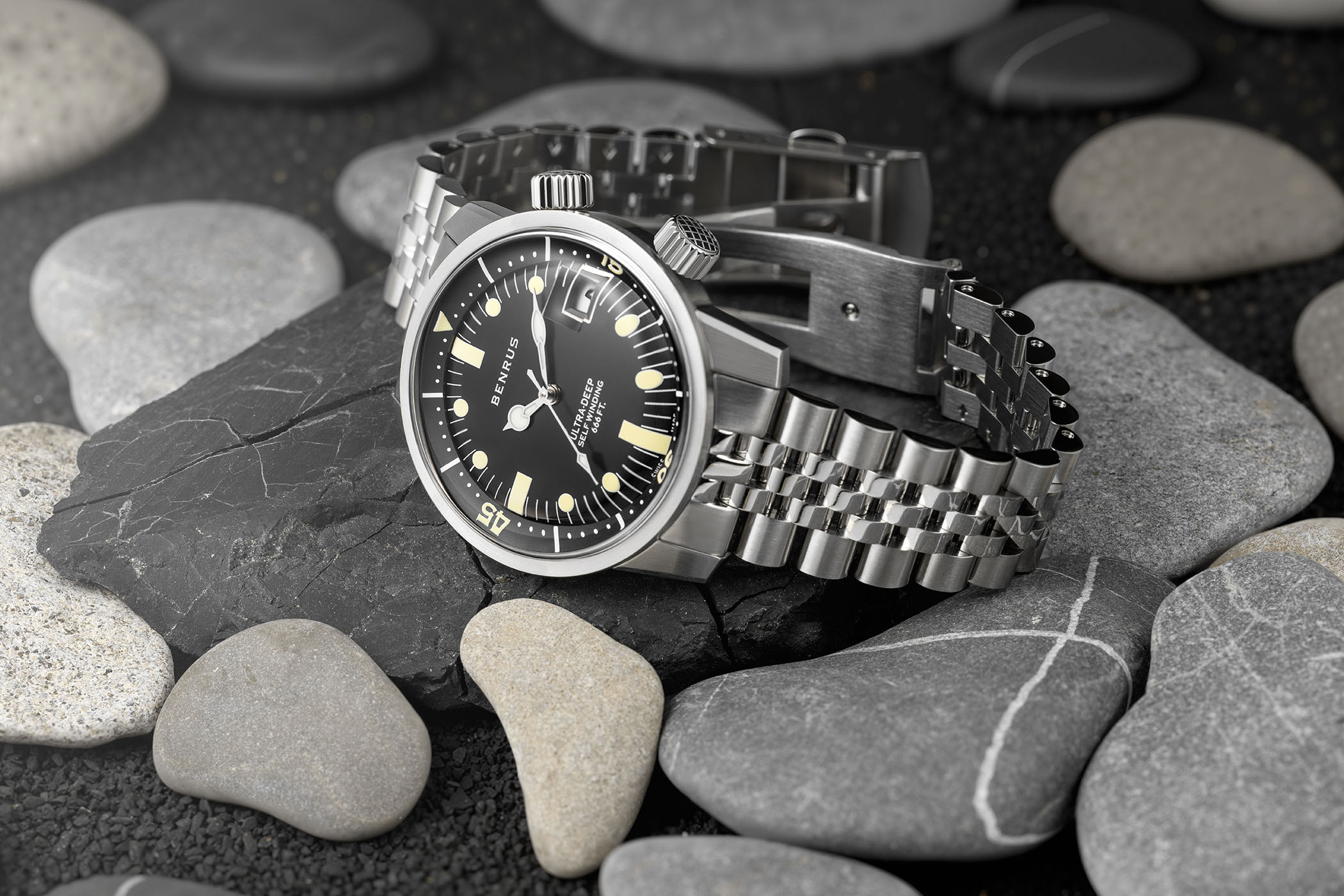
Benrus, founded in 1921 by the Lazrus brothers in New York, has always been at its best when it taps into the things it once did for real: dependable field watches for the U.S. military, purpose-built dive pieces from the boom years of recreational diving, and compact daily beaters that wore smaller than their spec […]
 Video
Video
 Hodinkee
While the dial and case will get the most attention, it's what's under the hood that's worth a bit more attention.
 Teddy Baldassarre
If you’re new to your appreciation of fine watches, you have undoubtedly read a lot of references to and heard a lot of opinions about watches’ bezels. It is somewhat of an esoteric term but it describes something very simple and essential. The bezel is the front part of the case (often but not always ring-shaped) that frames the dial and secures the crystal. Bezels can be made of the same material as the case middle and/or the caseback, but can also be made of a different material. Here we run down the various types of watch bezels you’re likely to encounter. Polygons and Exposed Screws Watch cases, of course, are not uniformly round, which means that bezels, the front-facing parts of those cases, can also be found in a variety of shapes - sharply squared or rectangular, like the Cartier Tank and Jaeger-LeCoultre Reverso (above); softy cushion-shaped, like the Panerai Luminor and Vacheron Constantin Historiques American 1921; oval-shaped, like the Breguet Reine de Naples and other luxury ladies’ models; tonneau (“barrel”-shaped), like the Hublot Spirit of Big Bang and many Richard Mille models; and a host of others that combine elements of these and other polygonal shapes. The shape that has proven to be the most popular and influential is the octagon: eight-sided bezels have proliferated ever since Audemars Piguet launched the Royal Oak (above) in 1972, and watchmakers have also dabbled in other unconventional shapes: the sharply faceted bezel of the Zeni...
 Hodinkee
More price increases are coming, including Patek, MB&F;, and Moser, executives say, without a better U.S. tariff deal.
 Quill & Pad
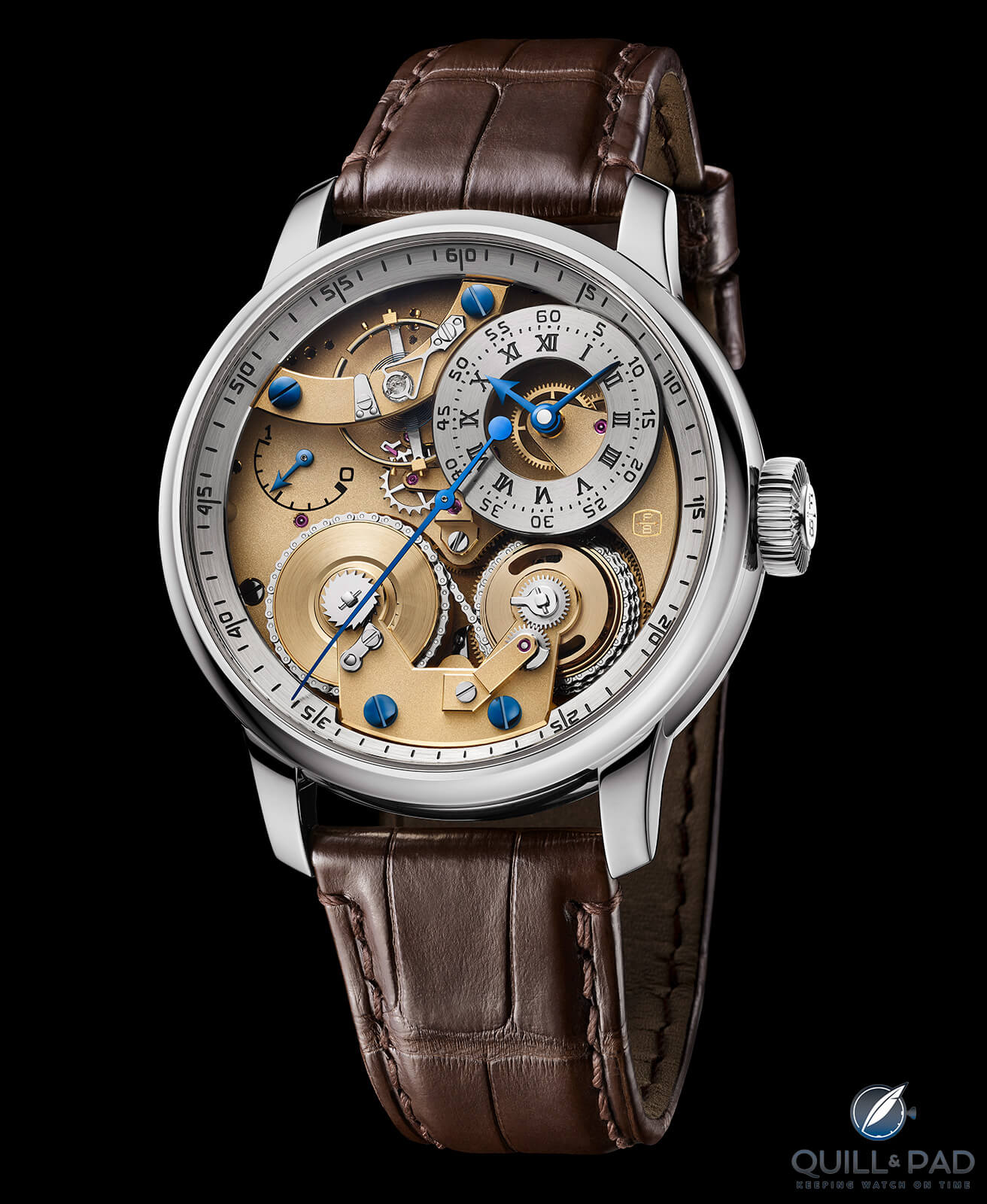
Naissance d’une Montre 3 by Ferdinand Berthoud is a series of 11 completely hand crafted watches powered by a unique combination of a split bimetallic temperature-compensated Guillaume-type balance wheel and a constant-force fusee-and-chain transmission system.
 Two Broke Watch Snobs
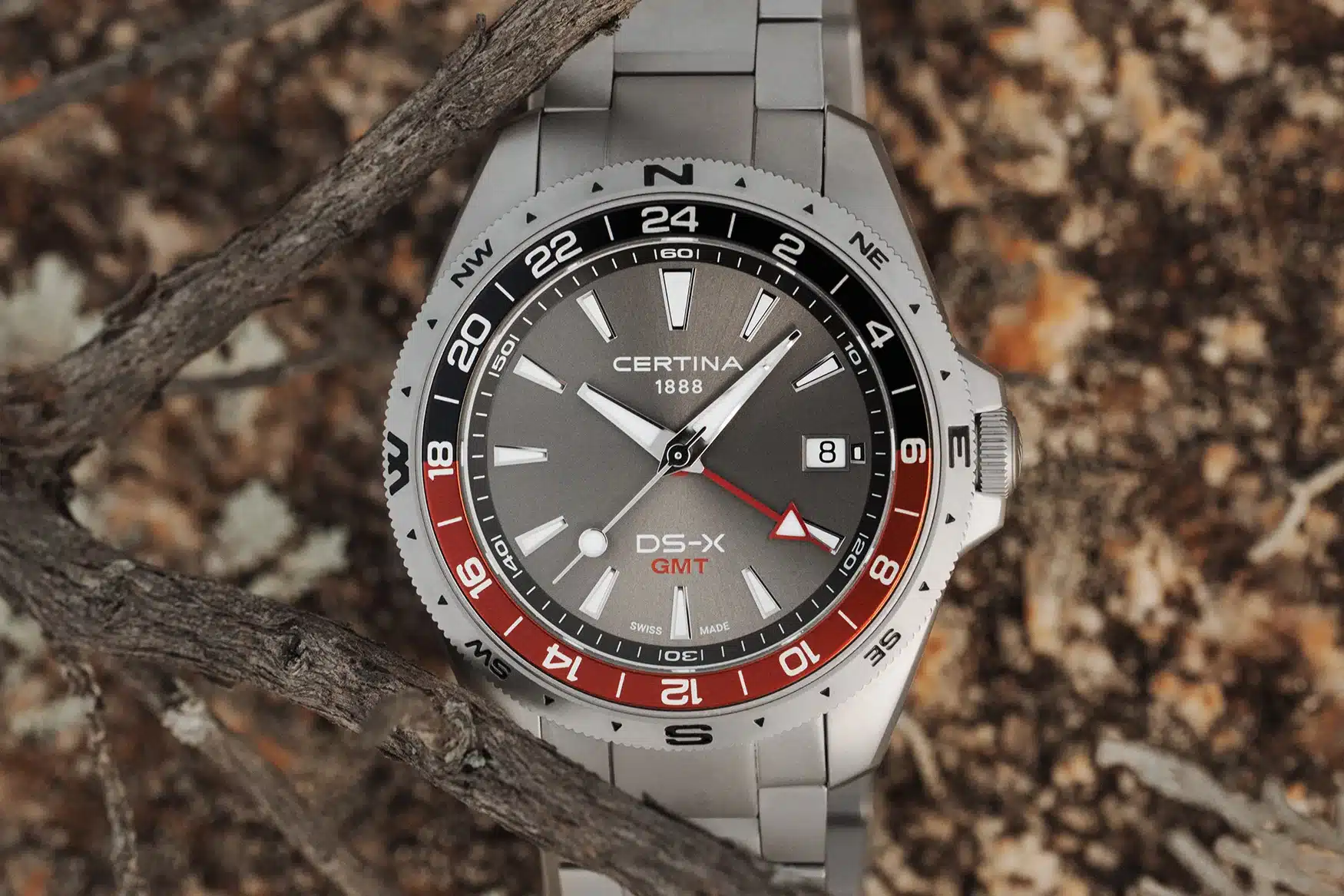
The new Certina DS-X GMT combines rugged build, shock-resistant tech, and a clever dual-function bezel-all for under $700.
 Video
Video
Question, suggestion, or just want to say hi? Drop a note.