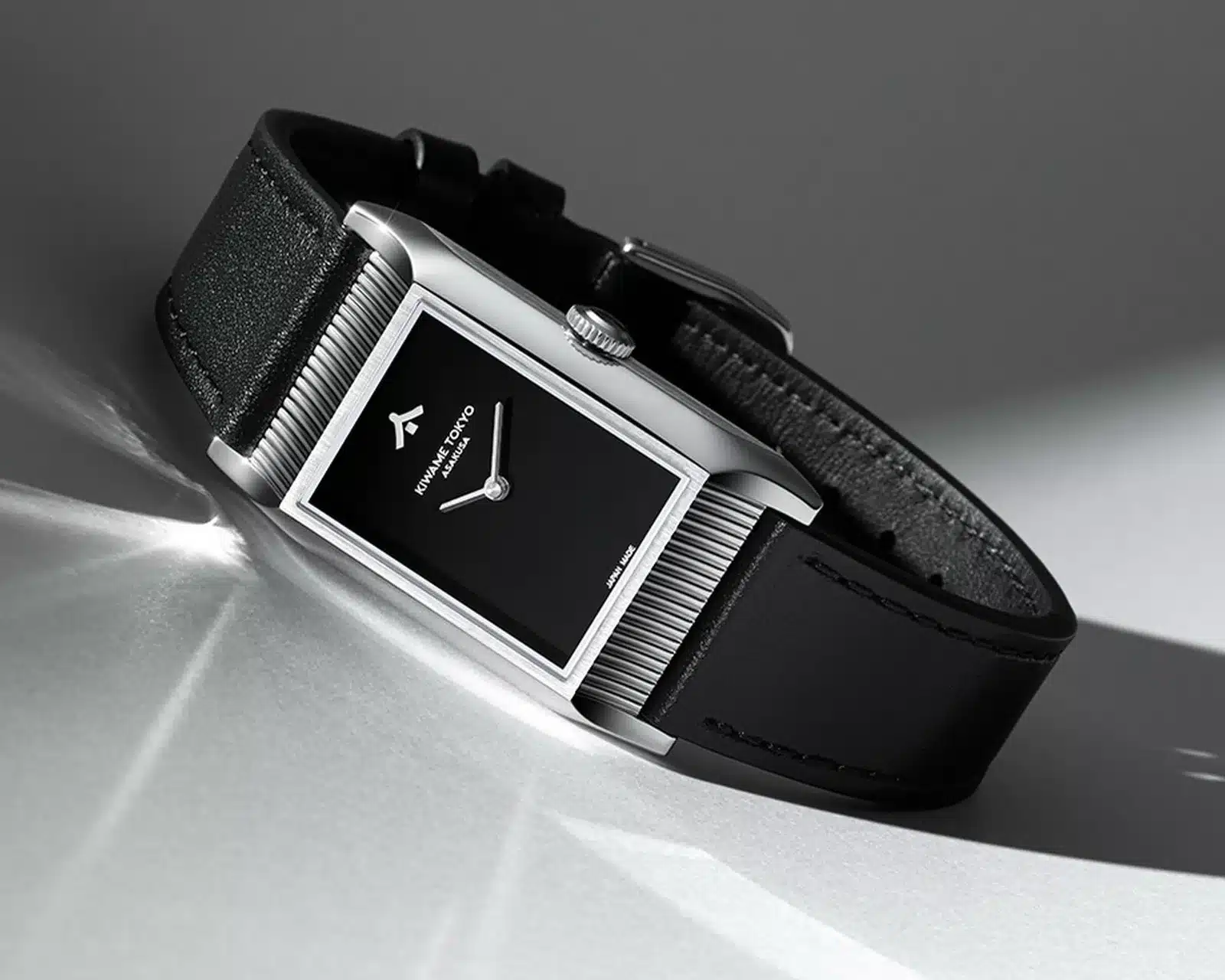
The phrase "tool watch" entered modern collector vocabulary in the early 2000s as a useful shorthand for any wristwatch designed primarily around a single utility function rather than around aesthetics or formality. By construction it is the opposite of the dress watch, which until the 1930s was the only kind of watch most adults owned. The tool / dress axis is now the most common analytical frame for a serious collection: rather than asking "is this watch nice", a collector asks "is this watch built for utility or for occasion, and does my collection have both".
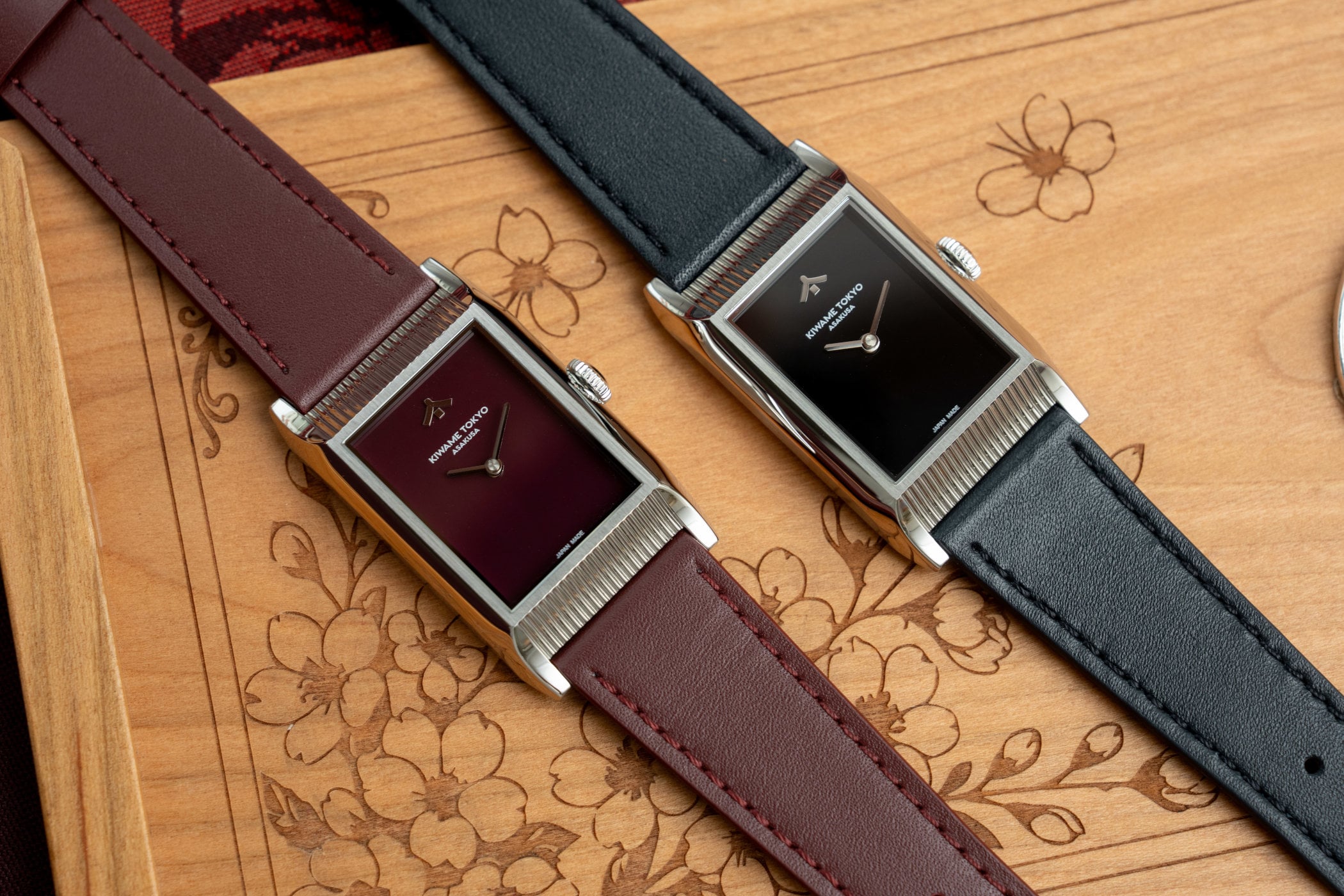
The dress watch is the older form. The canonical modern reference is the Patek Philippe Calatrava ref. 96 (1932), designed by David Penney for Patek to an explicit Bauhaus-inspired brief: thin, round, two-handed, applied baton indices, no decoration, a simple alligator strap. The defining traits, all derived from the Calatrava, are: case under 10 mm thick (often under 7 mm), 36-39 mm diameter, no rotating bezel, no chronograph, modest or no water resistance (30 m typical), no lume, no oversized crown, alligator or calf leather strap with a tang buckle. The movement should ideally be manually wound for absolute thinness, with sapphire-display caseback to show off the finishing. The reference modern dress watches: Patek Calatrava (any reference), A. Lange 1, JLC Reverso, Vacheron Patrimony, Cartier Tank Louis Cartier, F.P. Journe Chronomètre Bleu.
"Buy the tool you need for the work you do, and the dress watch for the occasions you actually attend. The luxury sports watch is the answer if you cannot decide which question to answer first."- Collector axiom, Hodinkee Reference Points "First Watch" series
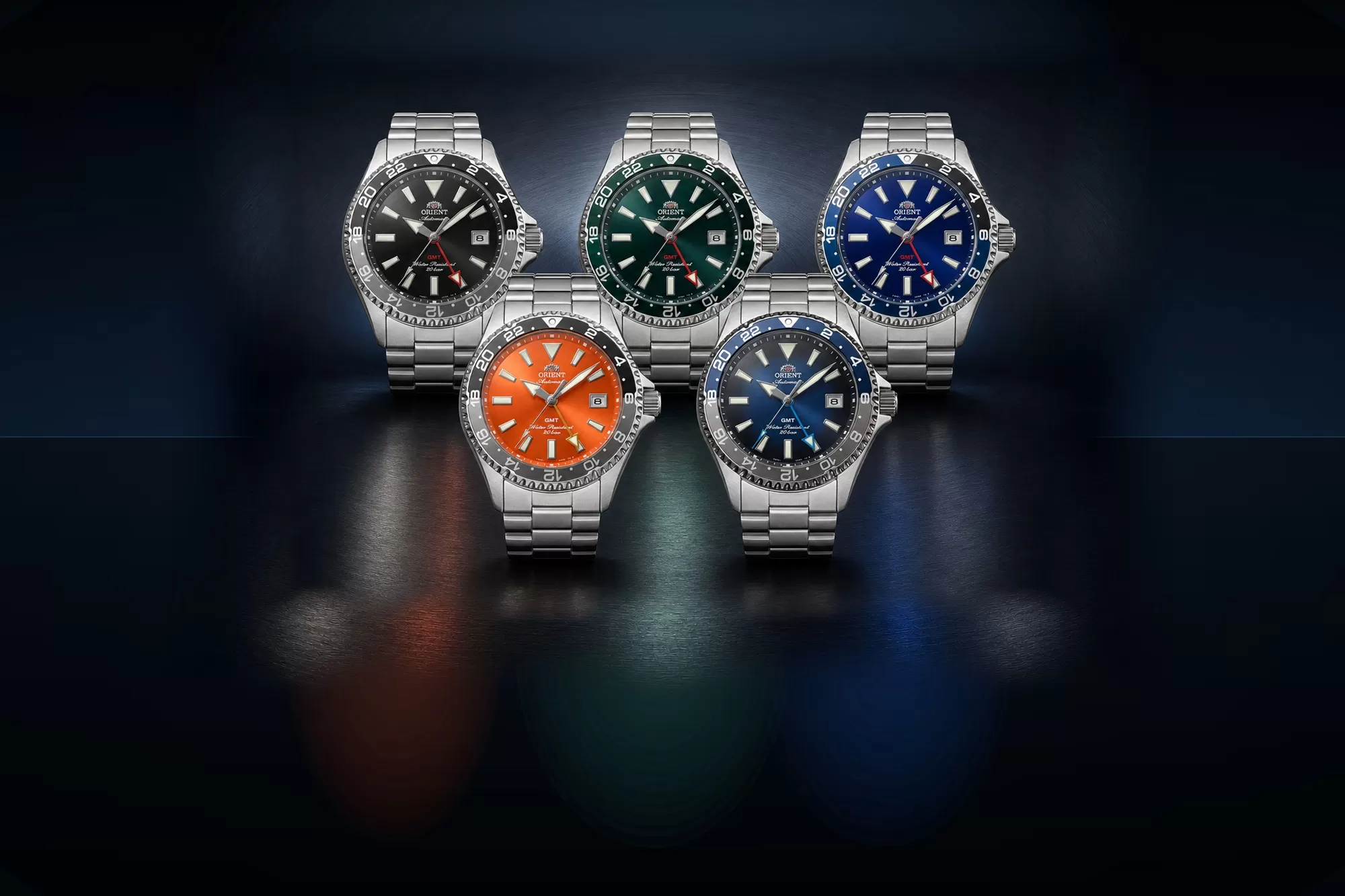
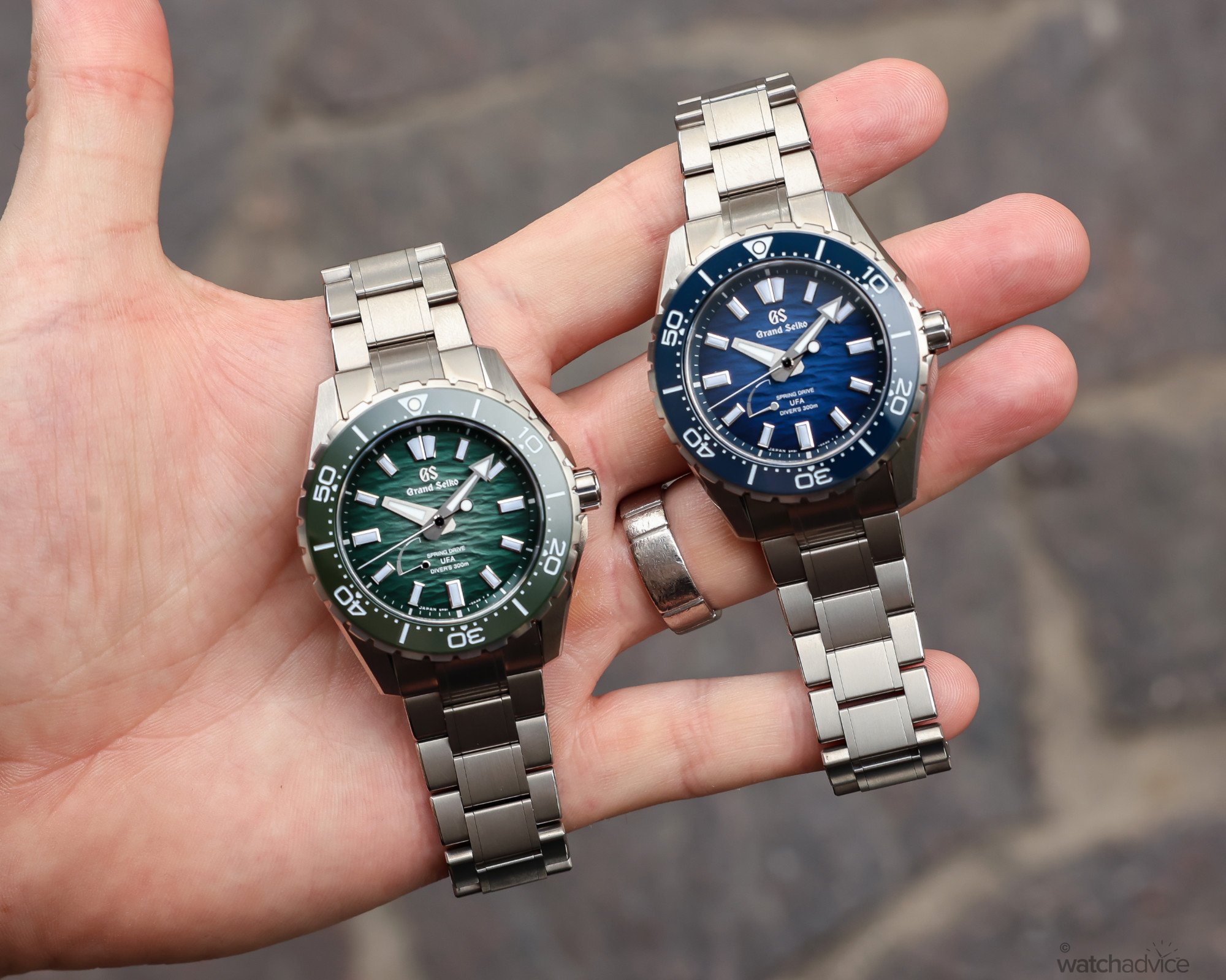
The tool watch is younger. The lineage starts with the Rolex Oyster (1926), the first hermetically waterproof wristwatch case, followed by the four canonical mid-century tool genres: the diver (Rolex Submariner 1953, Blancpain Fifty Fathoms 1953), the pilot (B-Uhr 1940, Mark XI 1948, Navitimer 1952), the racing chronograph (Heuer Carrera 1963, Rolex Daytona 1963, Omega Speedmaster 1957), and the field watch (Dirty Dozen 1944, Hamilton Khaki). All four genres share core construction traits: 100 m+ water resistance, screw-down crown, lume on hands and indices, robust case (often Oystersteel/904L), unidirectional or fixed bezel, 38-44 mm diameter, ~12-15 mm case thickness, hard sapphire crystal, and a metal bracelet or rubber/canvas strap option.
The luxury sports watch emerged in 1972-1996 as a deliberate attempt to occupy the middle ground. Gérald Genta's Audemars Piguet Royal Oak (1972) and Patek Philippe Nautilus (1976) were the first watches to combine tool-watch traits (steel case, integrated bracelet, 100 m water resistance) with dress-watch traits (ultra-thin profile, decorative dial, hand-finished movement). The Vacheron Constantin Overseas (1996) and IWC Ingenieur (1976 Genta original; 2023 reissue) extended the genre. The luxury sports watch is now the dominant new-watch market segment by revenue (~50% of Swiss luxury production); the original three at the top of the market sell for multiples of retail on the secondary market and have re-defined what "tool watch" and "dress watch" mean in a contemporary collection.
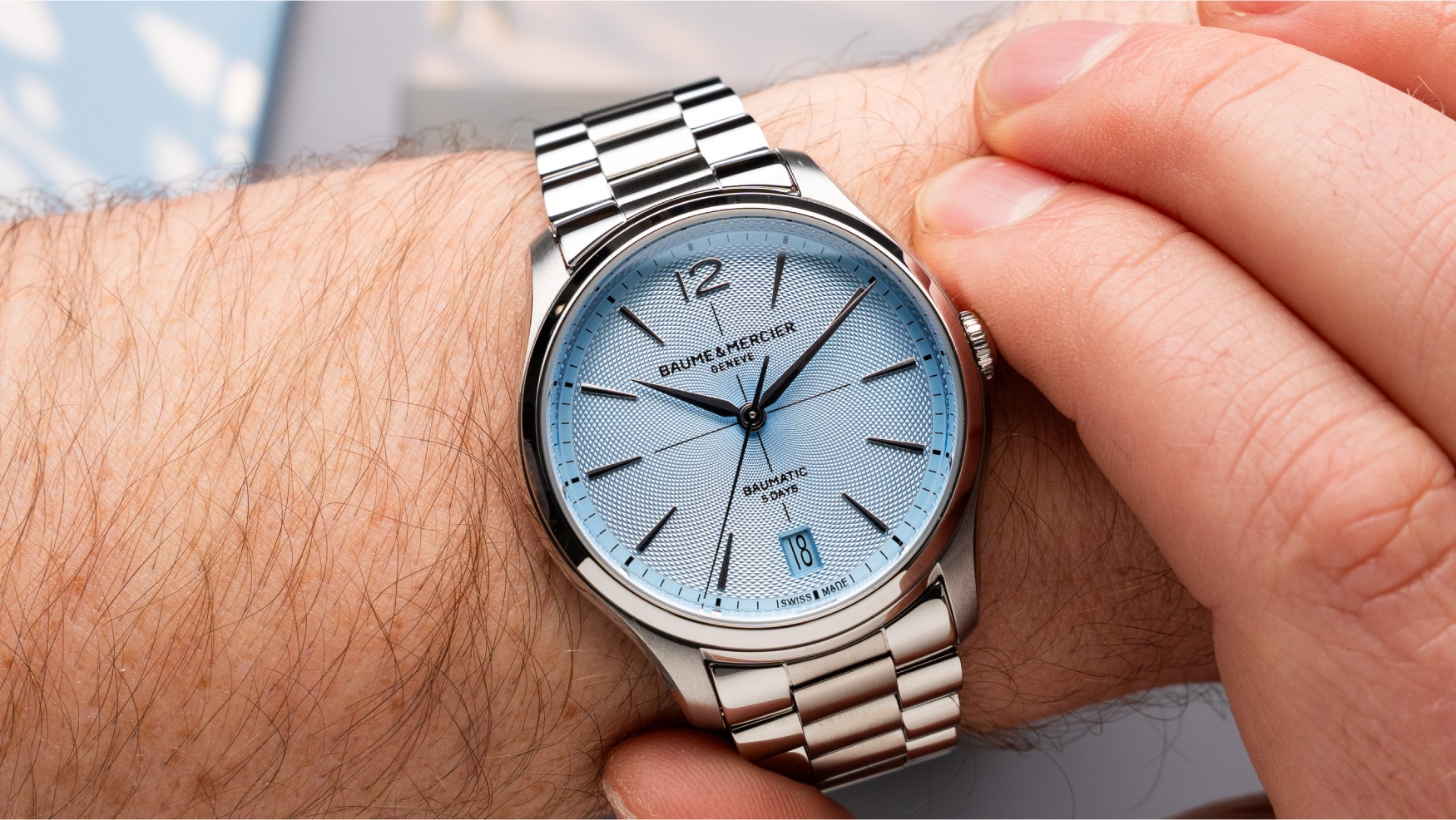
The modern boundaries blur further. A Rolex Datejust 36 mm on a Jubilee bracelet is technically a tool watch (100 m WR, Oyster case, screw-down crown) but is widely worn as a dress watch with a suit. A Tudor Black Bay 36 with no rotating bezel and no date window is similarly a dressy tool. A Patek Calatrava Pilot Travel Time 5524G is a dress watch with deliberate pilot-watch styling cues. The "dressy sport" and "sporty dress" subcategories now contain more new releases than either pure tool or pure dress; the tool/dress axis is most useful as a starting frame, not as a final verdict.
For a one-watch or two-watch collection, the canonical advice is one of each. A daily-driver tool watch (Submariner, Speedmaster Pro, Tudor Black Bay 58) for office, weekend, sport, travel; a dress watch (Calatrava, Cartier Tank, JLC Reverso, Lange 1, Vacheron Patrimony, F.P. Journe Chronomètre Bleu) for formal occasions. The luxury sports watch (Royal Oak, Nautilus, Overseas, AP Code 11.59, IWC Ingenieur) is the "one watch covers both" answer, more expensive than either of the singletons but justified by the dual role. Below those, the Datejust 36 / Black Bay 36 / Tudor Royal pair is the modern affordable equivalent.






Comments 2