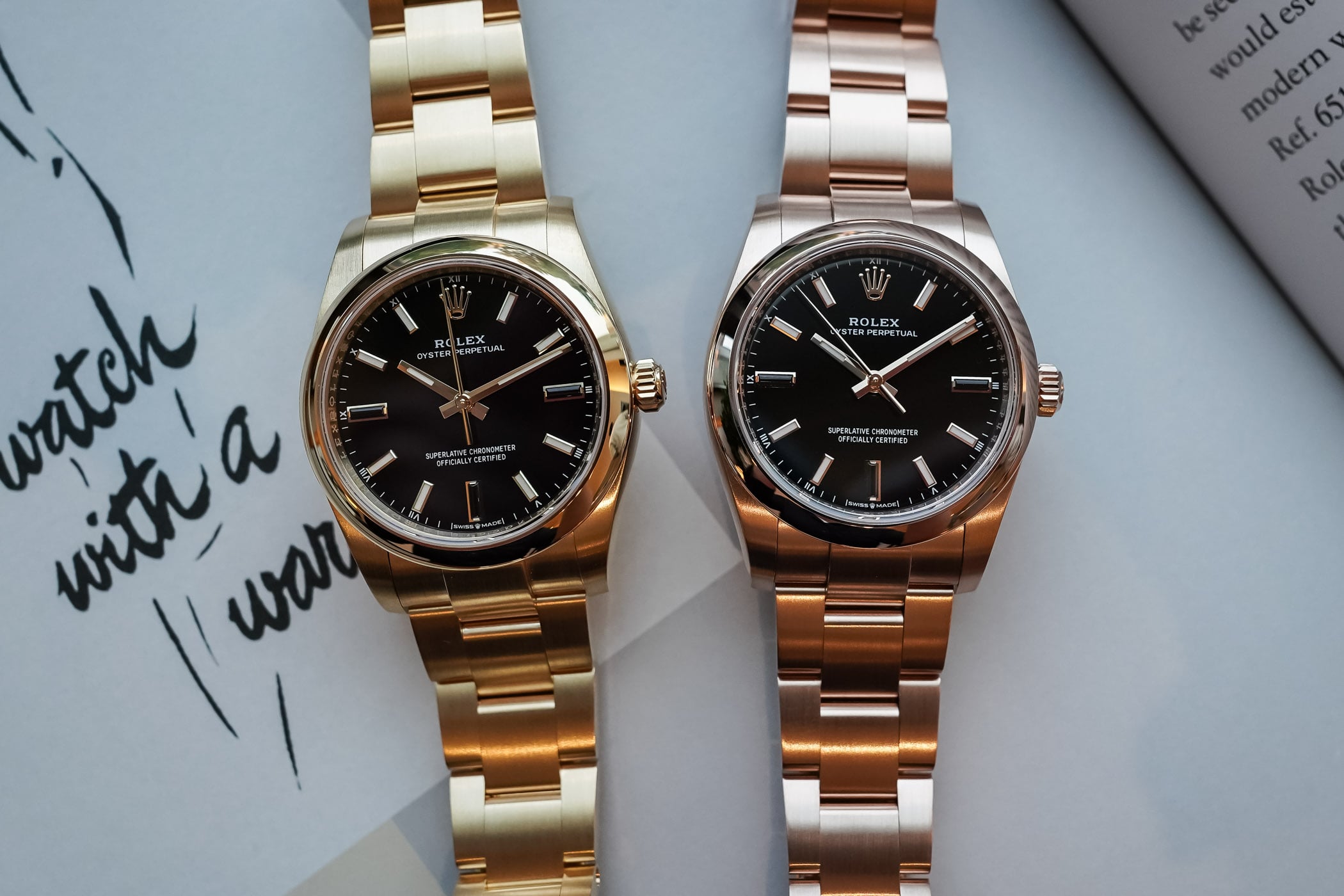
Before 1926, a wristwatch was not waterproof. Getting caught in the rain or washing hands could stop the movement; sweat corroded case interiors; swimming was out of the question. The problem was specifically the crown: even with a pressed-in caseback and bevelled crystal, water migrated past the winding stem and into the case. Hans Wilsdorf, founder of Rolex, had been attacking the problem since the early 1920s. The Oyster case, patented in 1926, was his solution: a screw-down crown that sealed against a gasket when tightened, a screw-back caseback with a second gasket, a hermetically-fitted crystal, and a one-piece middle case machined from solid stock rather than assembled from parts. No path for water existed.
The proof moment came on 7 October 1927. Young English typist Mercedes Gleitze attempted to swim the English Channel, wearing a Rolex Oyster around her neck on a ribbon. The swim lasted 10 hours 15 minutes in 14-degree-Celsius water. When Gleitze emerged at Cap Gris Nez, the watch was still running, still accurate. Wilsdorf paid for a full front-page advertisement in the Daily Mail on 24 November 1927 featuring Gleitze's photograph and the headline "The wonder watch that defies the elements". The Oyster, and Rolex, became globally famous overnight. Gleitze became Rolex's first "testimonee", the forerunner of every modern brand ambassador programme.
"The Oyster solved the one problem that separated the wristwatch from the pocket watch. After 1926 the wristwatch could go anywhere."- Pierre-Yves Donze, A Business History of the Swatch Group
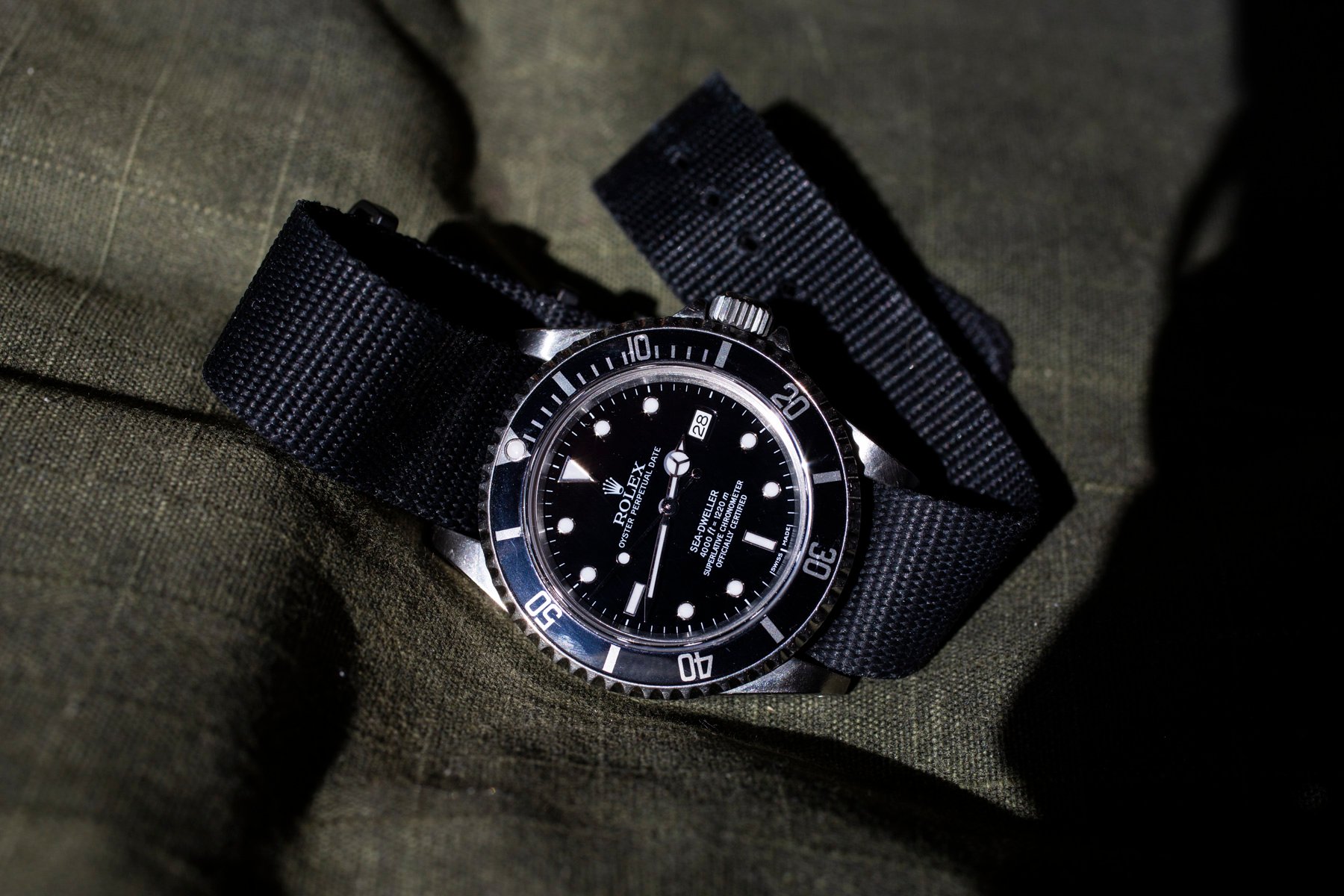
The Oyster architecture evolved across four major thresholds. In 1953, the Submariner took the case to 100 metres and added the Twinlock double-gasket crown. In 1967, the Sea-Dweller added a helium escape valve for saturation divers, allowing the case to bleed pressurised helium during decompression without losing seal integrity; rated to 610m in 1967, 1,220m in 1978. In 2008, the Deepsea Ringlock System added a compressible titanium ring that used water pressure to tighten the seal; rated to 3,900m. In 2022, the Deep Sea Challenge was rated to 11,000m, tested to 13,750m (full ocean depth plus 25% safety factor) in a titanium case worn by James Cameron on the Challenger Deep dive.
The industry influence of the Oyster is difficult to overstate. Every chronograph, dive watch, pilot's watch, and field watch made by every Swiss, German, Japanese, or French manufacturer since roughly 1960 uses an architecture traceable to the 1926 Oyster patent: a screw-down crown with at least one gasket, a gasket-sealed crystal, a screw or press-fitted caseback with a gasket. Minute repeater case-makers still study the Oyster's one-piece middle case architecture for acoustic reasons (a case machined from one block resonates more uniformly than one assembled from parts). The Oyster is arguably the single most influential invention in wristwatch construction.
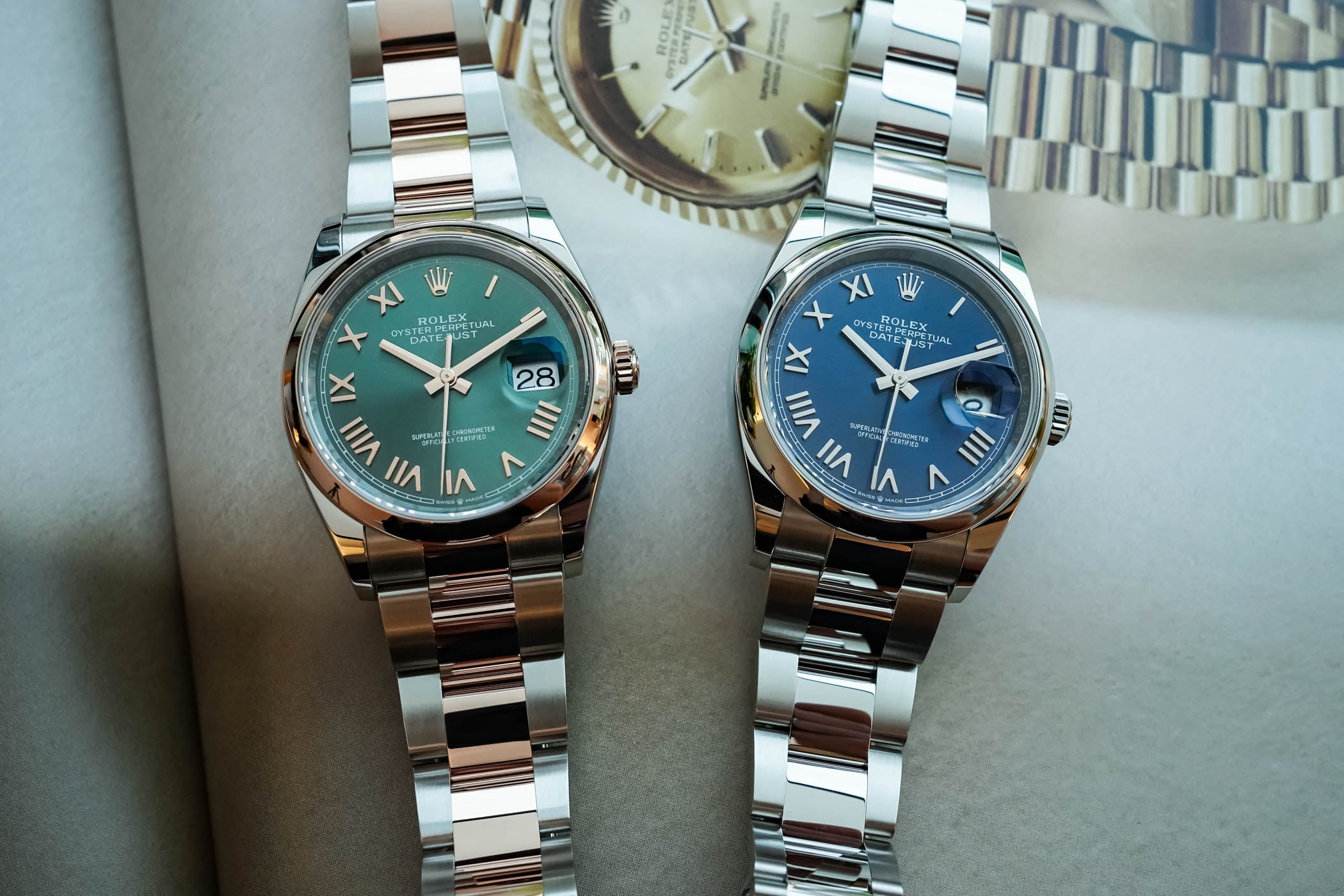
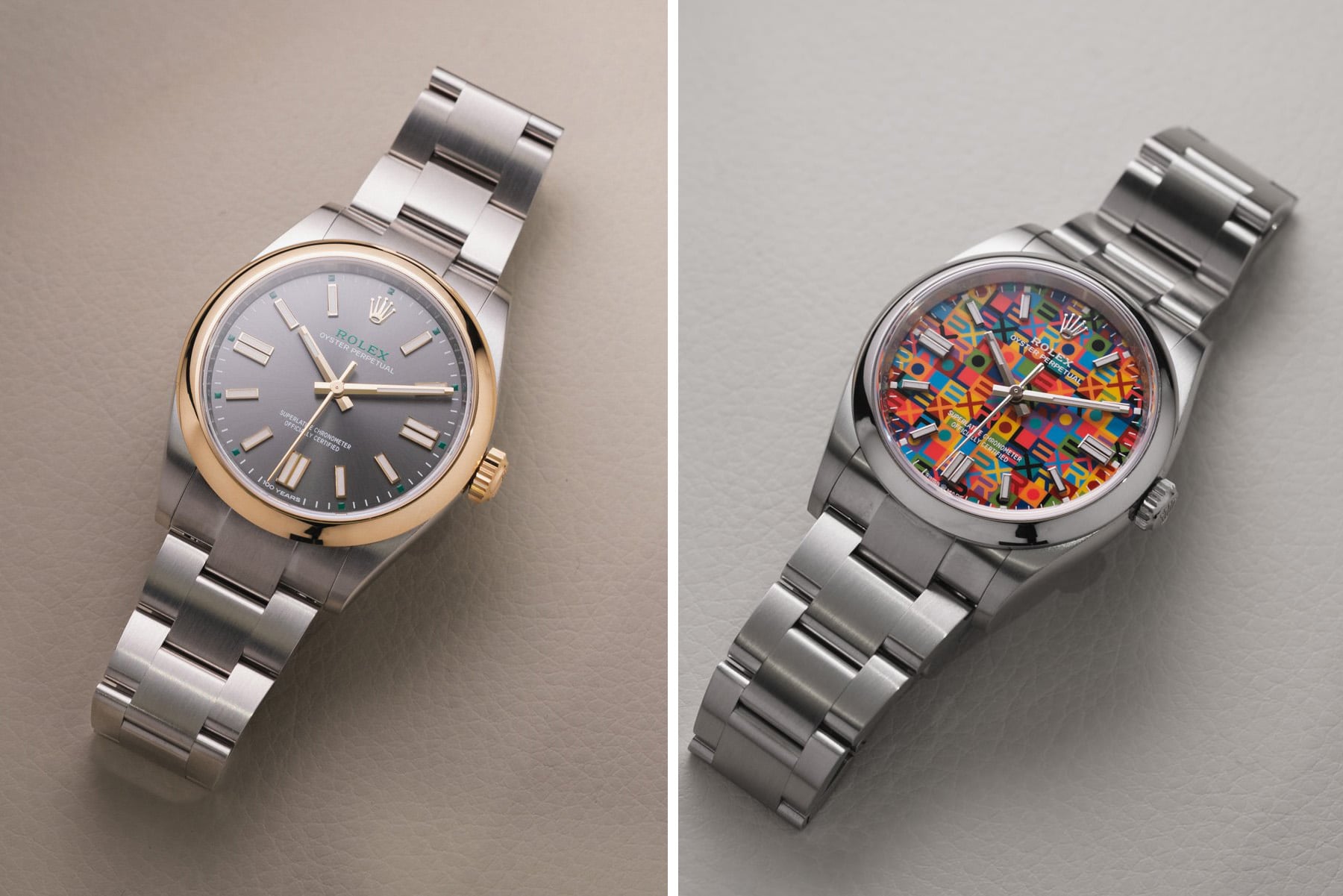
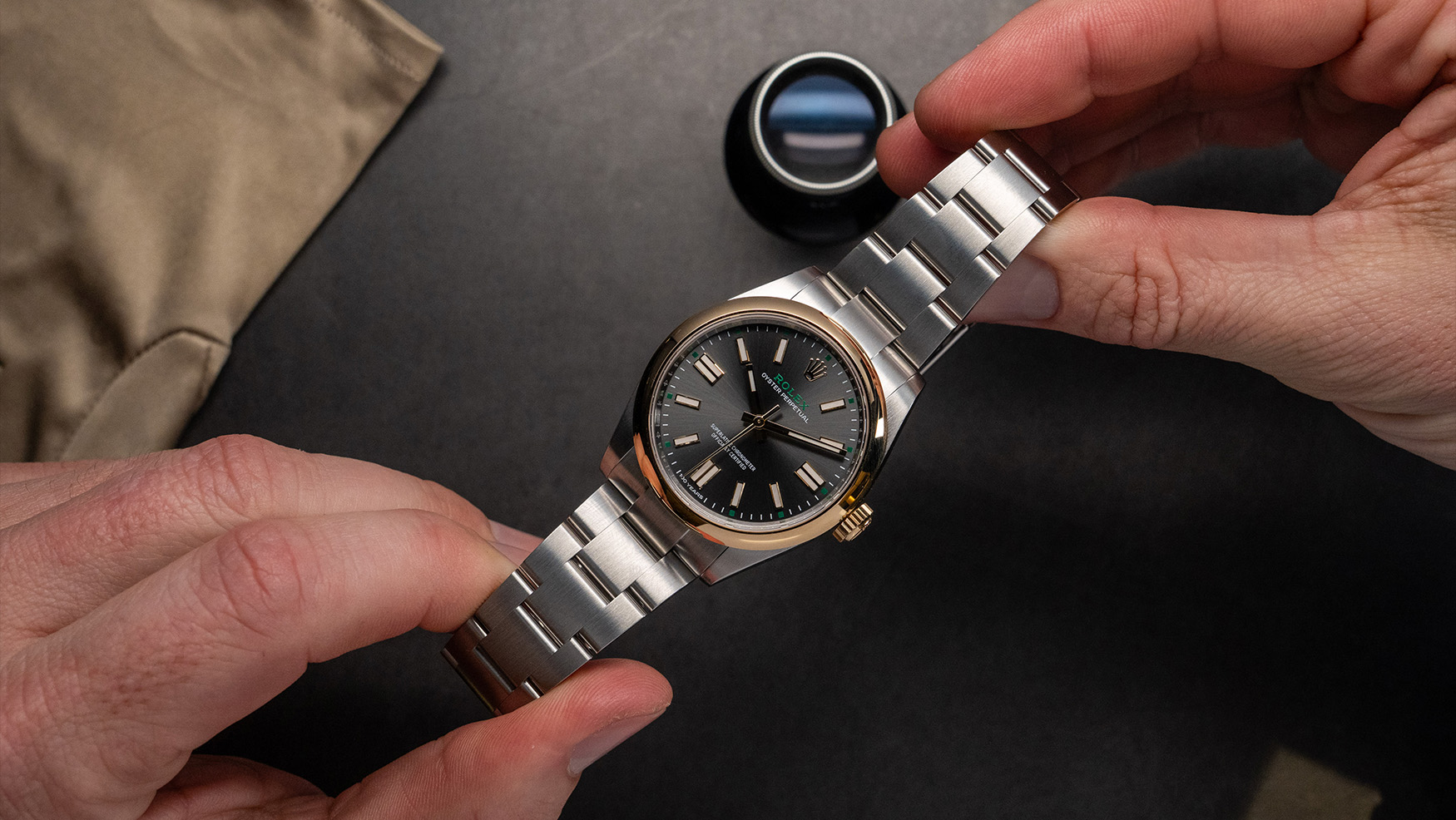
Today, "Oyster" is both an engineering heritage and a Rolex marketing term: every Rolex except the Cellini uses the Oyster case, with rated water resistance specified on the dial. The Submariner, Daytona, Datejust, Sea-Dweller, Yacht-Master, GMT-Master II, Explorer, Air-King, and Tudor Black Bay (which uses a Rolex-architecture Oyster-derived case) all descend directly from Wilsdorf's 1926 patent. The three-pointed Twinlock crown logo, and its double-triple-pointed Triplock successor (the latter used on watches rated 100m+), is the visible signature of Oyster-grade water resistance.






Comments 1