Watch brandsWatch wikiWatch videosVariousWatch calendarSaved articles
PopularRolexOmegaPatek PhilippeAudemars PiguetTudorGrand SeikoCartierSeikoIWCTAG HeuerBreitlingJaeger-LeCoultreA. Lange & SohneZenith

Results for Louis Brandt

869 articles · 26 videos found · page 25 of 30

Related pages

Wiki · Guide
Louis Brandt

La Chaux-de-Fonds watchmaker who founded the firm that became Omega in 1848.

Les Must de Cartier: The Misunderstood Entry-Level Cartier Teddy Baldassarre
Cartier Nov 10, 2025

Les Must de Cartier: The Misunderstood Entry-Level Cartier

The Cartier of today is undeniably a symbol of luxury and has strategically manufactured that imagery. From its quintessential deep red boxes with gold filigree border to its looping cursive script, even before you get to the object itself, whether it be jewelry or a watch, the brand has carefully crafted the entire experience of its product to position it as such. But today, we’re taking a look at an anomaly in the maison’s past, for which Cartier descended from its luxurious heights to extend its hand to the mass market. Les Must de Cartier is representative of a pivotal time in the history of watchmaking, and its contrasting accessibility played a crucial role in the maison’s longevity and its ability to weather shifting market trends. Down below, I’ll be walking you through how Must de Cartier came to be, some significant design codes, how the line has reemerged after its discontinuation, and share some musings and philosophical ponderings about this strange chapter in Cartier’s history.    Les Must de Cartier Context From its relatively humble beginnings as a local, artisanal jewelry workshop in 1847, by the turn of the 20th century, Cartier had already established itself as a global luxury powerhouse, operating in London, New York, and Paris by 1909. Each independent branch of Cartier at this time was operated by a trio of Louis-François Cartier’s grandsons, and while they often collaborated, each location developed its own unique flair and catered to ...

The Atmos Hermès clock, A Masterpiece Created By 3 Luxury Marques - Hermès, Jaeger-LeCoultre and Les Cristalleries de St. Louis. Revolution
Jaeger-LeCoultre Mar 9, 2013

The Atmos Hermès clock, A Masterpiece Created By 3 Luxury Marques - Hermès, Jaeger-LeCoultre and Les Cristalleries de St. Louis.

My 4th grade composition: “A most enjoyable dream” I had the most vivid dream on one wintry evening in early January. I didn’t know where I was from and when it begun. I remembered  I was seemingly flying freely in a little town at Valee de Joux, and floated effortlessly into a room which looked […]

13 Best French Watch Brands (2026) Teddy Baldassarre
Breguet actually born Sep 1, 2025

13 Best French Watch Brands (2026)

Switzerland is the modern world’s center of watchmaking, with Germany a distant but respectable second in Europe and Japan having long staked out its own spot as the premier watch producer in Asia. Great Britain and the U.S.A., while no longer world leaders, both have a proud history of watchmaking and maintain a small but steadily growing cottage industry in the modern era. But France has its own respectable horological heritage, centered around the commune of Besançon (below), which borders Switzerland’s own heartland of watchmaking, the Vallée de Joux.  France was, in fact, a home for many historically significant watchmakers and clockmakers, including Julien Cordray, Jean-Antoine Lépine, Ferdinand Berthoud, and Abraham-Louis Breguet (actually born in the Prussian principality that would become Neuchâtel, Switzerland, but renowned as a Paris-based watchmaker to French royalty). The latter three all plied their trade in workshops on Place Dauphine at the western tip of Paris' Île de la Cité in the Seine. Watchmaking was a thriving industry in France for a century, up until KIng Louis XIV’s (below) revocation of the Edict of Nantes in 1685, which ushered in the religious persecution of Huguenot watchmakers, who fled to Switzerland to essentially establish that nation as a horological power. The French Revolution in the 18th Century, which halted the sales of luxury goods like watches in France, further eroded the country’s watch industry, and it has never ...

Hands-on - The Updated Breguet Marine 5517, Navigating a More Classical Course Monochrome
Breguet Marine 5517 Navigating Oct 12, 2026

Hands-on - The Updated Breguet Marine 5517, Navigating a More Classical Course

Breguet’s maritime pedigree dates to 1815, when Louis XVIII appointed Abraham-Louis Breguet as watchmaker to the French Royal Navy. Although Breguet did not invent the marine chronometer (that was John Harrison), he improved its robustness and precision, enabling sailors to calculate longitude at sea more accurately. It wasn’t until 1990, though, that the brand tapped […]

The Art of Cloisonné at Patek Philippe SJX Watches
Patek Philippe Oct 12, 2026

The Art of Cloisonné at Patek Philippe

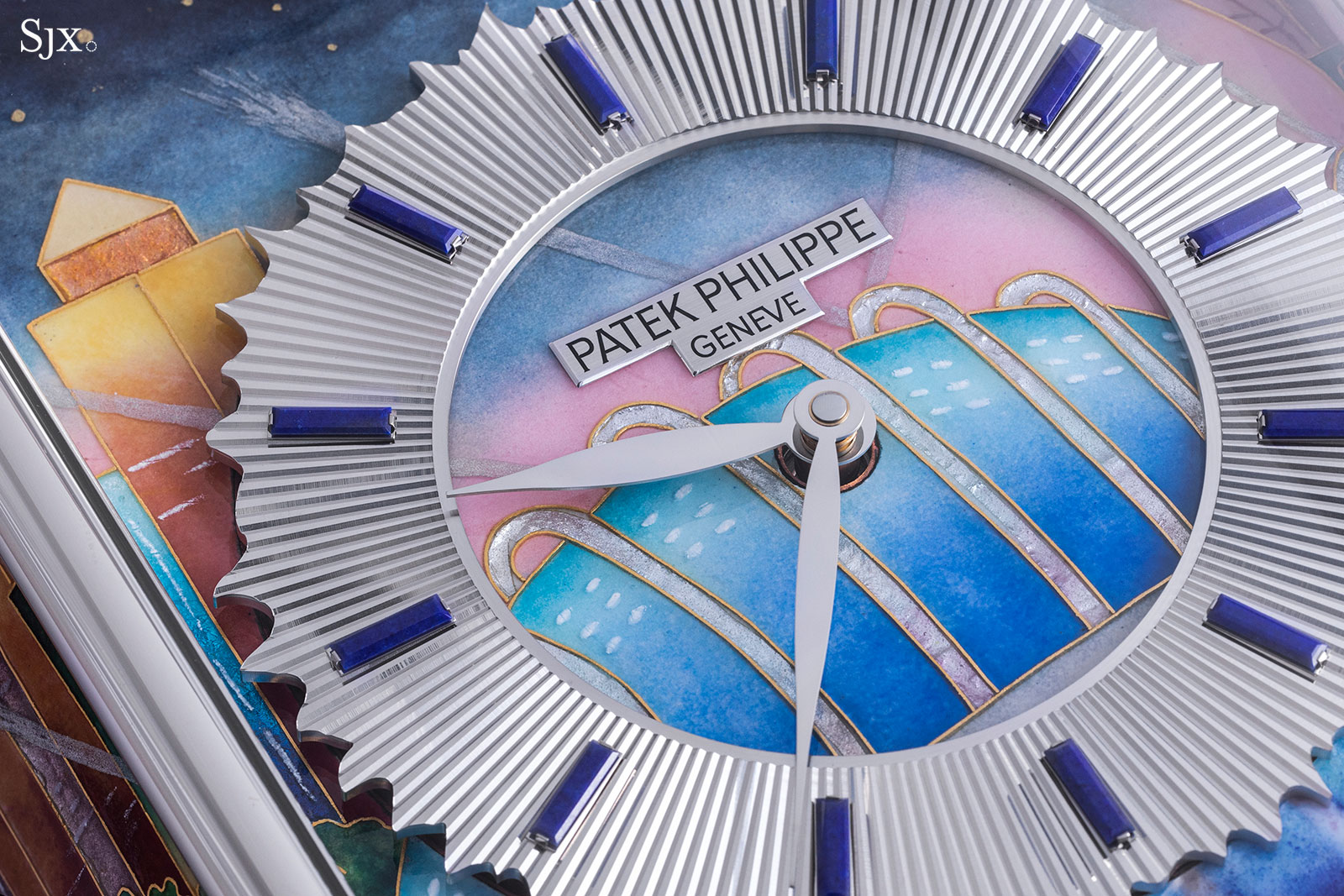
For some eight decades, Patek Philippe has been an important patron of cloisonné enamel, commissioning work that helped sustain the craft when demand for it had all but disappeared. From the enamel maps of Louis Cottier’s world time watches to the signed dials of Anita Porchet, its commissions trace a history of both the technique and the changing recognition of the artists behind it. Today, demand for artisanal dials, particularly those in cloisonné enamel, is at an all-time high. In May 2026, a Patek Philippe wristwatch sold for about US$10.2 million at an auction in Geneva, as collectors competed for a dial featuring a map of South America made with gold wire and enamel. The outcome ended up making headlines. The watch was a ref. 2523 from 1953, and the artist responsible for the dial — supplied by Stern Frères — remains anonymous. The Patek Philippe ref. 2523, with South America map. The story of cloisonné enamel at Patek Philippe is also one of artistic patronage. By choosing subjects, commissioning enamellers and eventually allowing them to sign their dials, the Genevan watchmaker has acted as a curator, shaping a body of work that reflects both its own tastes and the talents of individual artists. Drawing in fire Cloisonné is only one of several enamel techniques. Cloisonné begins with gold wire. The enameller bends it by hand, sometimes working with wire just 0.05 mm thick, to draw the design on the dial. The resulting compartments, or cloisons — Fren...

Introducing - The Two Patek Philippe World Time Minute Repeater 5531G Limited Edition Milano 2026 Monochrome
Patek Philippe World Time Minute Repeater Oct 1, 2026

Introducing - The Two Patek Philippe World Time Minute Repeater 5531G Limited Edition Milano 2026

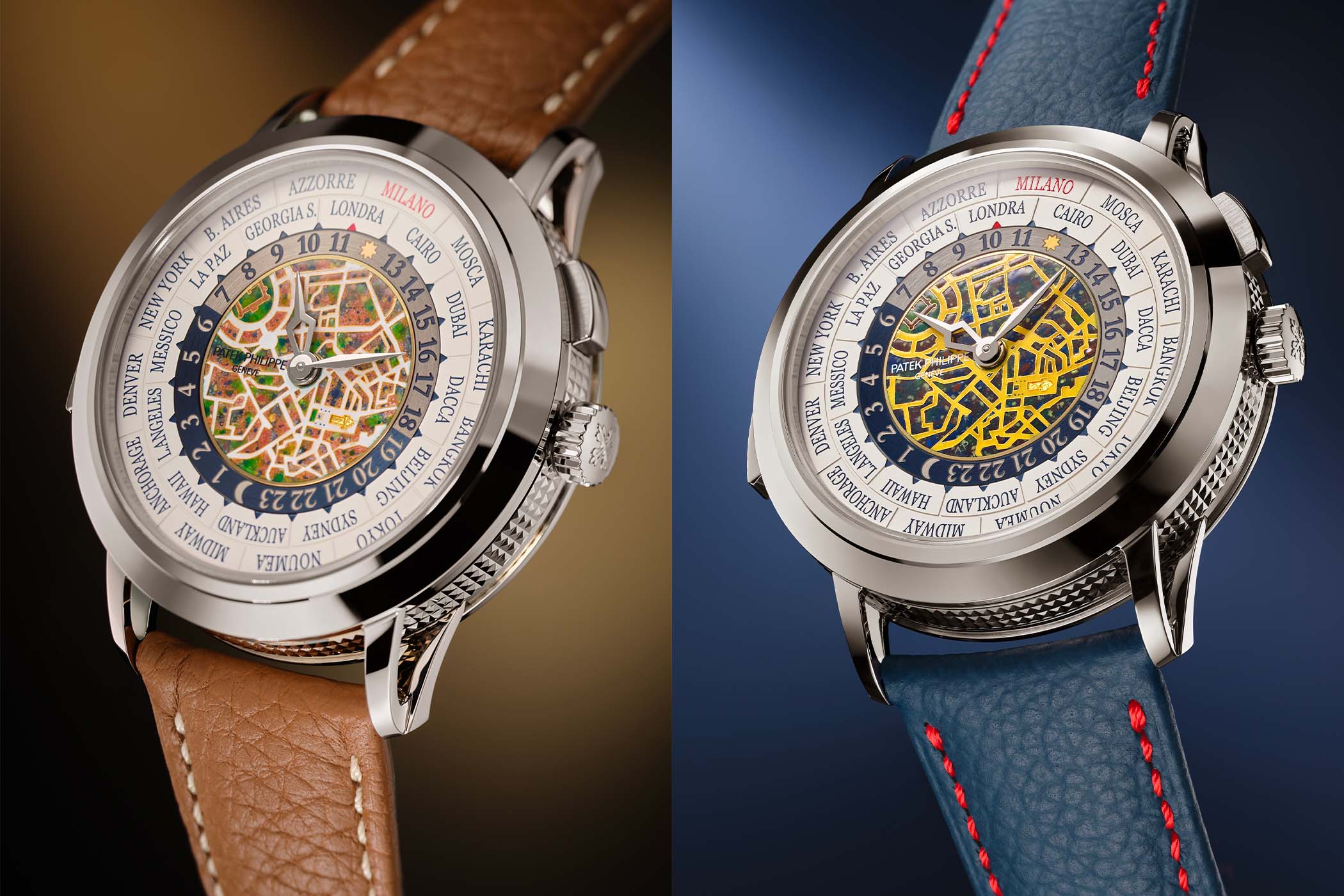
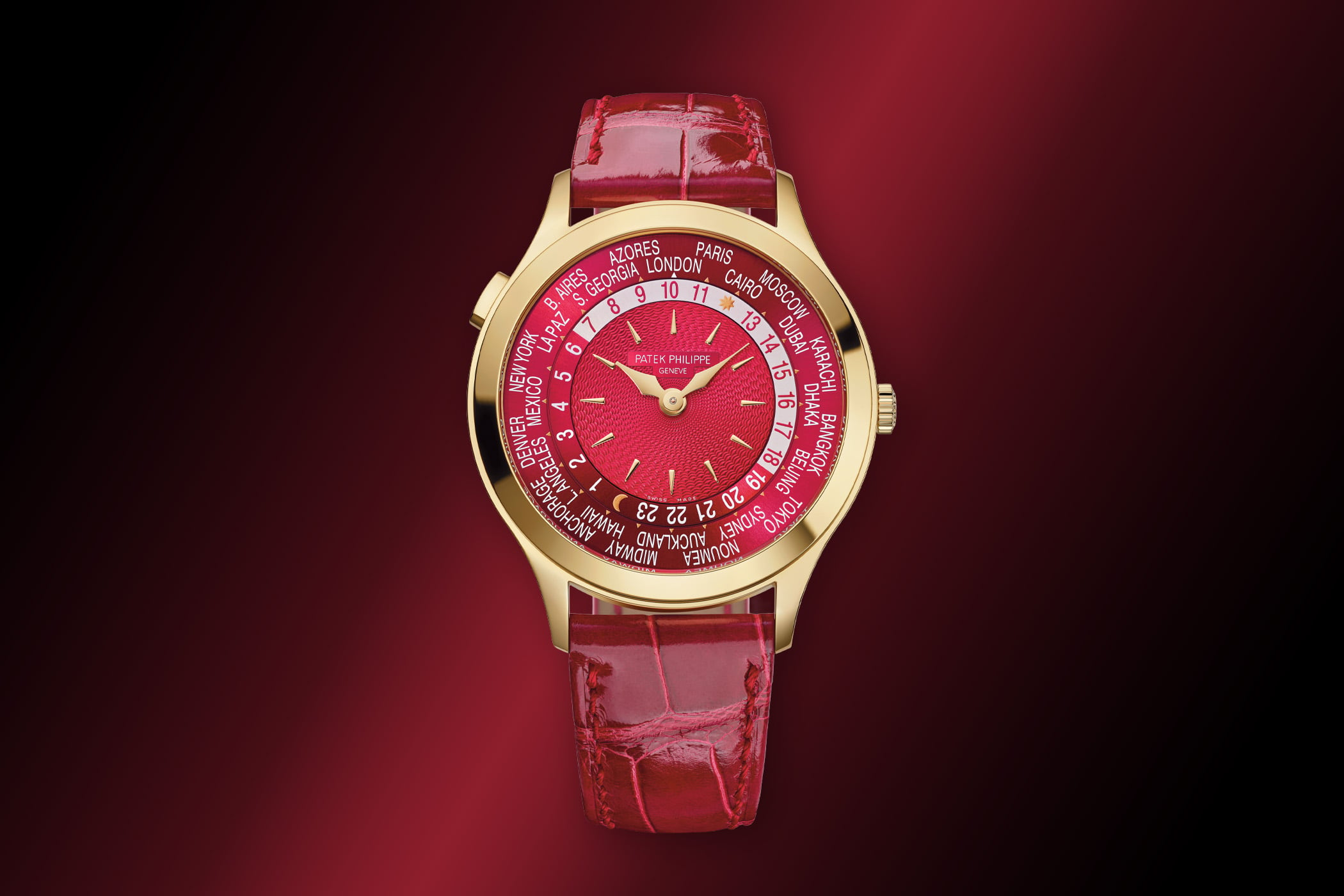
Among the special editions revealed for the Watch Art Grand Exhibition Milan 2026 are two variants of the reference 5531, first introduced in 2017 and since occupying a particular place in the modern collection. The 5531 brought together two complications strongly associated with the manufacture: the World Time display, rooted in the Louis Cottier tradition, […]

Breguet Revamps Its Iconic Marine Collection Worn & Wound
Breguet Revamps Sep 29, 2026

Breguet Revamps Its Iconic Marine Collection

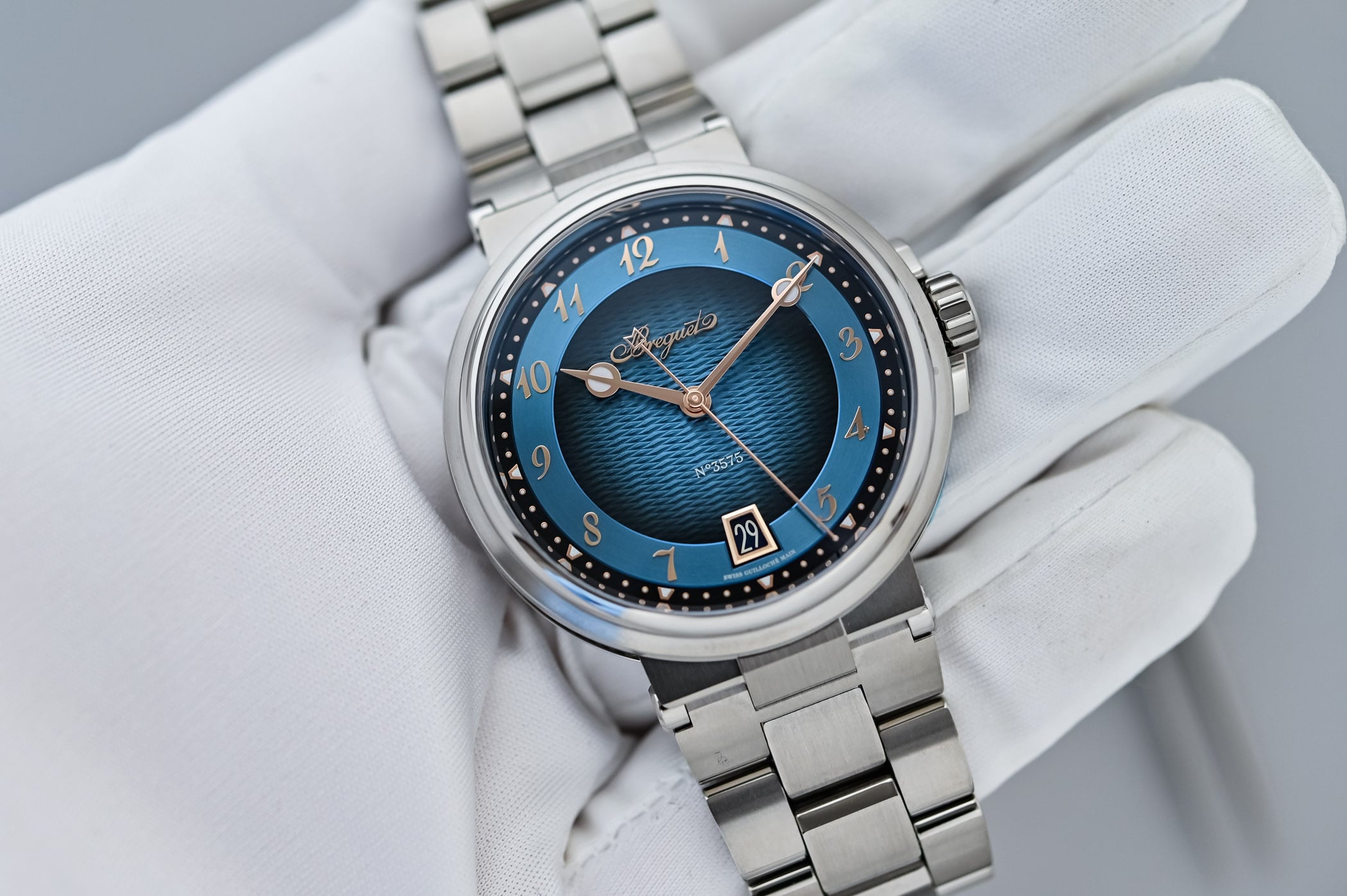
Breguet has long been a brand with a deep reverence to its history spanning over 250 years. In this tradition, Breguet’s designs have remained consistent and timeless. The brand’s Marine collection is a core part of this lineage, with roots that trace back to 1815 when Abraham-Louis Breguet was appointed watchmaker to the French Royal Navy by King Louis XVIII. At the time, these marine chronometers were crucial scientific instruments, but as years passed and needs changed, the collection later evolved throughout the 20th and 21st centuries. On the coattails of Breguet’s 250th anniversary last year, we’re really seeing the brand’s offerings come into the modern era with new design updates. The latest comes to the Marine collection, which the brand has revamped with a new aesthetic that aligns with its latest stylistic codes.Two references anchor the contemporary Marine line: the 5517, a classic time and date version, and the 5527, a chronograph. For the first time, both the Marine 5517 and 5527 will feature Breguet numerals and the “Quai de l’Horloge” guilloche pattern that was unveiled to mark the 250th anniversary. This motif takes its name from the address on the Ile de la Cite where Abraham-Louis Breguet established his workshop and where his early marine chronometers were produced. Its design draws inspiration from two sources: first, the contours of the Ile de la Cite and Ile Saint-Louis as well as the repetitive movement of ocean waves. Several other ...

Introducing - Breguet Updates its Marine 5517 and Marine Chronograph 5527 with More Refined Dials Monochrome
Breguet Updates Sep 24, 2026

Introducing - Breguet Updates its Marine 5517 and Marine Chronograph 5527 with More Refined Dials

While Breguet is mostly known for its classic watches adorned with guiloché dials and the numerous inventions of its founder, Abraham-Louis Breguet, the venerable manufacture nevertheless holds two sportier collections: one intended for aviation (the Type XX), the other for naval exploration (the Marine). And both are actually inspired by important historical moments in the […]

Introducing: The Newly Revamped Breguet Marine 5517 Time-and-Date And 5527 Chronograph Hodinkee
Breguet Marine 5517 Time-and-Date Sep 24, 2026

Introducing: The Newly Revamped Breguet Marine 5517 Time-and-Date And 5527 Chronograph

What We Know A refresh of Breguet's Marine line, inspired by Abraham-Louis Breguet's history of marine chronometers and scientific instruments, has been coming for some time now. If you've been following the sometimes sweeping, sometimes subtle, almost always welcome changes to Breguet's catalog over the last few years (and especially last year during the brand's year-long 250th fête), you knew the Marine was one of the few stones left unturned.  While the Experimentale 1 (a groundbreaking achievement) launched a new design language for the Marine last year, today's refresh is more subtle. The first thing that you probably will notice is that the eponymous "Breguet" numerals now replace the Roman ones on the previous models. But wait. There's more. Previous versions of both models had either soleil finishing centered around the boxed brand name (and number) or a larger, irregular wave guilloché, depending on the execution. In both new models, the watches now feature the new, finer "Quai de l'Horloge" guilloché pattern launched to honor the brand's 250th Anniversary last year, with a circular brushed hour track. Rather than just doing the same dial treatment for each case material, regardless of the complication, the brand has a mix of dials ranging from blue (in different shades) to grey and black. In general, the case material matches the tone of the hands, but there is an exception. The cases and movements have remained largely the same, 42.3mm by 13.9mm with a 50.7m...

First Look - Chopard Revives its Classic Regulator with the New L.U.C 1963 Heritage Regulator Monochrome
Chopard Revives Sep 1, 2026

First Look - Chopard Revives its Classic Regulator with the New L.U.C 1963 Heritage Regulator

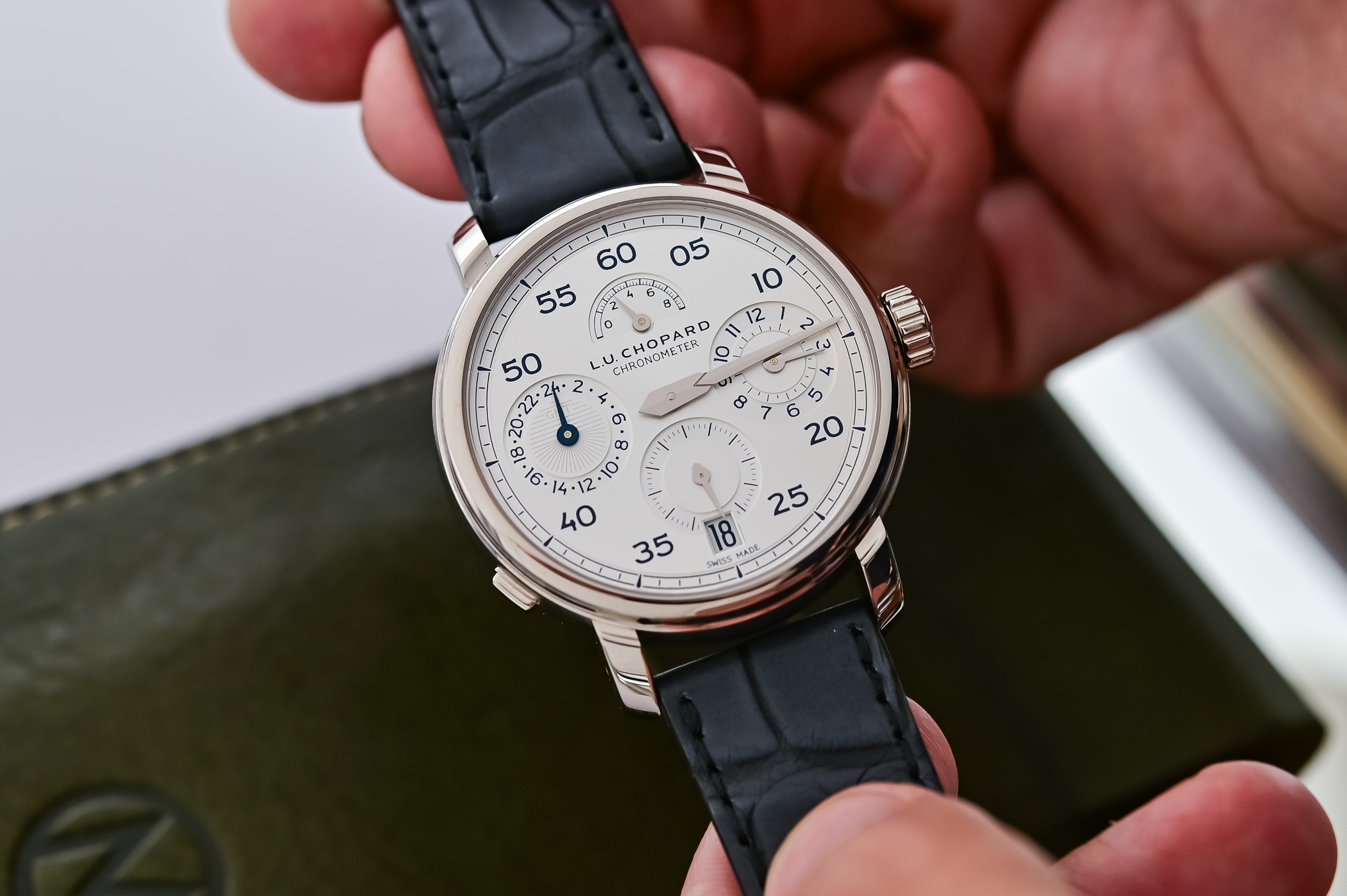
In the mid-1990s, Karl-Friedrich Scheufele embarked on an ambitious project to elevate Chopard’s watchmaking credentials by establishing an independent manufacturing facility in Fleurier – and succeeded. Following the development of the acclaimed ultra-thin automatic calibre 96.01-L, the manufacture released its first watch in 1997. Bearing the initials of founder Louis-Ulysse Chopard,  the L.U.C 1860 launched […]

History of the Cartier Santos: the first pilot watch, and arguably the first proper wristwatch WristBuzz
History of the Cartier Santos: the first pilot watch, and arguably the first proper wristwatch Aug 30, 2026

History of the Cartier Santos: the first pilot watch, and arguably the first proper wristwatch

Louis Cartier built it in 1904 for his aviator friend Alberto Santos-Dumont, who was fed up fumbling for his pocket watch mid-flight. 121 years later the square case with exposed screws is still the sharpest dress-sports piece on the shelf. Here is how it got there.

In Depth: Breguet’s Pendule à Trois Roues SJX Watches
Breguet s Pendule à Trois Aug 3, 2026

In Depth: Breguet’s Pendule à Trois Roues

The pendule à trois roues — three-wheel pendulum [clock] — was Abraham-Louis Breguet’s radical answer to a fundamental horological question: how much could a clock be reduced without sacrificing precision? On the February 3, 1788, A-L Breguet walked into the Académie Royale des Sciences on the rue Saint-Jacques and deposited a sealed envelope. A clerk assigned it the number 267. He told no one what was inside. The practice of the pli cacheté was well established in French scientific culture. An inventor who deposited a sealed description with the Académie secured a dated record of priority without surrendering the technical details to competitors. Breguet used it rarely, and this was the only time he used it for a clock. The envelope sat in the Académie’s archives through the Revolution, the Empire, the Restoration, the July Monarchy, and two more republics. It was still there nearly a century later, on December 5, 1881, when Louis Breguet, the founder’s grandson, asked for it to be opened. Inside was a description of a clock movement built around three wheels. By that point, the pendule à trois roues had been made in fewer than a dozen examples over roughly 23 years and had passed largely out of active horological discussion. The unsealing was a formality. The clocks themselves had already made their own argument, revealing another side A-L Breguet’s genius as an inventor. The idea and its ancestry The intellectual territory Breguet was entering in 1787 ...

Ranking my CARTIER tank alternatives WatchRider
Cartier tank alternatives Few watch Jul 23, 2026

Ranking my CARTIER tank alternatives

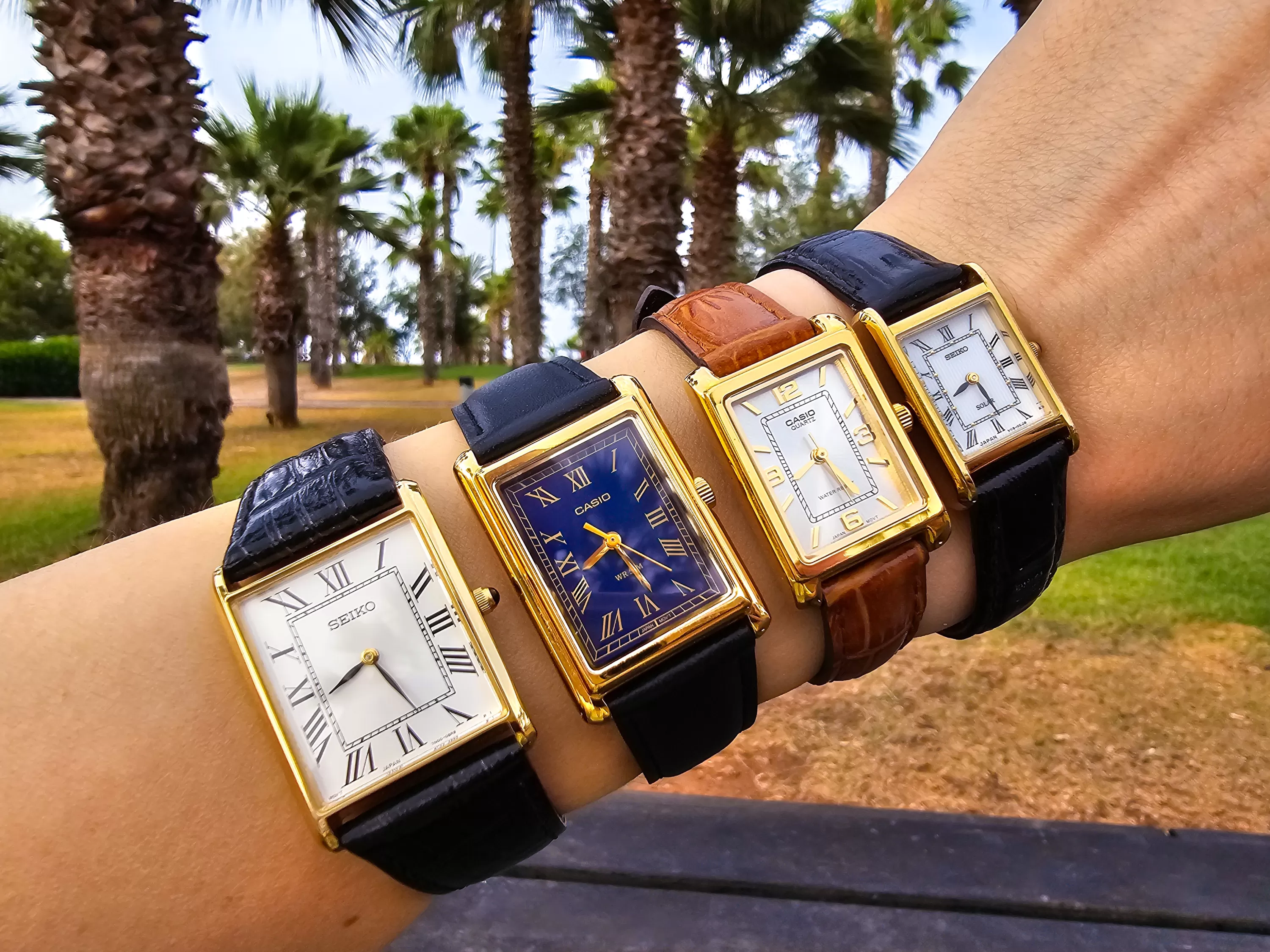
Few watch designs in history carry the timeless, effortless elegance of the Cartier Tank. Ever since Louis Cartier introduced the rectangular silhouette in 1917, it has been the gold standard for dress watches. But you don’t need to drop thousands of dollars to get that iconic Art Deco aesthetic on your wrist.  There is a specific kind of magic in the rectangular watch silhouette. It is an aesthetic that feels timeless, refined, and effortlessly chic, a design language that speaks of old-world elegance without being loud.  While the legendary Cartier Tank remains the gold standard for many, I have found that my own journey into watch collecting has been defined by finding that same “Tank” spirit in pieces that tell their own stories. Over the years, I have carefully curated a collection of rectangular timepieces that have become constant companions in my daily rotation. They aren’t just accessories, they are long-term partners that have seen me through countless days. Here is how I rank my personal collection of “Tank” alternatives. The Undisputed Champion: Seiko V115-0BE0 (SUP250) When searching for the ultimate homage to the Tank style minus the steep price tag, the Seiko V115-0BE0 (SUP250) easily emerges as the winner. Having spent years putting this watch through its paces, its status as my top pick is unquestionable. Its exceptional craftsmanship, refined finishing, and brilliant light play make it the ultimate spiritual heir to that luxury holy grail w...

In-Depth - The Origins & Evolution Of The Breguet Tradition Collection (Incl. Video) Monochrome
Breguet Tradition Collection Incl Video Jul 3, 2026

In-Depth - The Origins & Evolution Of The Breguet Tradition Collection (Incl. Video)

Steeped in tradition, perfectly in place in the present, and not shy about welcoming the future, the Tradition collection by Breguet is perhaps the finest representation of Abraham-Louis Breguet’s true watchmaking vision. This cornerstone collection was introduced in 2005 and has reshaped the perception of modern watchmaking through something remarkable: the creation of a pocket-watch-style […]

First Look - Breguet Releases 3 new Tourbillon Watches for the 225th Anniversary of its Invention Monochrome
Breguet Releases 3 new Tourbillon Jun 26, 2026

First Look - Breguet Releases 3 new Tourbillon Watches for the 225th Anniversary of its Invention

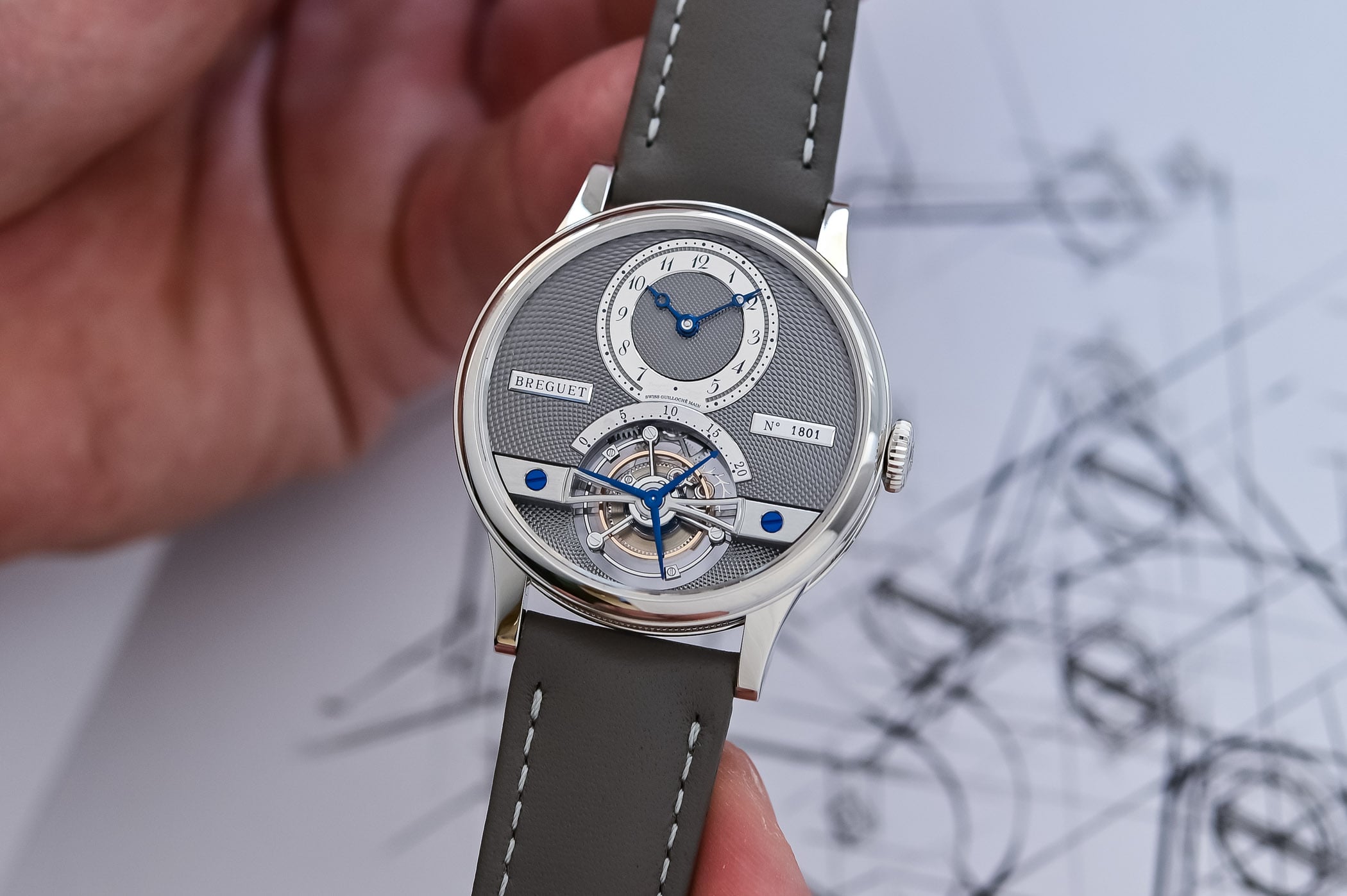
Precisely 225 years ago on this day (on June 26, 1801, or on 7 Messidor An IX, to use the French Republican calendar in force at the time), Abraham-Louis Breguet was granted the patent for what is, without a doubt, its most famous invention: the tourbillon. Designed to counter the problem of gravity affecting the […]

In-Depth - The Superbly Elegant new 35mm Breguet Classique Tourbillon 7357 Monochrome
Breguet Classique Tourbillon 7357 Tourbillon Jun 26, 2026

In-Depth - The Superbly Elegant new 35mm Breguet Classique Tourbillon 7357

Tourbillon and Breguet are two words that belong in the same story. Indeed, on 26 June 1801, and thus exactly 225 years ago, Abraham-Louis Breguet was granted the patent for his invention, an anti-gravity device that he would name the tourbillon. And today, the brand celebrates this crucial invention by releasing a series of new […]

Introducing: Breguet Celebrates the 225th Anniversary of the Tourbillon with Four New Releases, And the Return of a Collector Favorite (Live Pics) Hodinkee
Breguet Celebrates Jun 26, 2026

Introducing: Breguet Celebrates the 225th Anniversary of the Tourbillon with Four New Releases, And the Return of a Collector Favorite (Live Pics)

The year was 7 Messidor Year IX—or for those who don't follow the French Republican Calendar, June 26, 1801. After years of intense study and experimentation and some correspondence with his friend John Arnold (who similarly experimented with the concept before his death in 1799), Abraham-Louis Breguet was granted a 10-year patent for the "tourbillon." By 1829, Breguet and his workshop would only make 40 watches with the regulating organ, which was designed to eliminate positional errors and distribute oil (which often thickened in place), thereby lubricating parts more evenly. A Breguet four-minute tourbillon watch with échappement naturel, which sold at Sotheby's last year for CHF 1,880,000. Photo courtesy Sotheby's. Well, Abraham-Louis Breguet (and John Arnold) would be proud of how far the concept of the tourbillon has come—he may even be spinning himself if he saw some of the things that have happened with the tourbillon, like Alfred Helwig's invention of the flying tourbillon, let alone the first tourbillon wristwatch—and how many of those concepts have been integrated into watches made under his name. Add to that the fact that Breguet annually makes multiple times the number of his lifetime production, and it's just pretty cool how far things have come in 225 years. The Breguet Experimentale 1, which was launched late last year. The 10Hz, 1-minute tourbillon was one of the most extreme tourbillons ever made. Exposition out of the way, Breguet is celebrating t...

Hands On: Victor Kullberg Tourbillon Pocket Chronometer SJX Watches
Patek Philippe worldtime ref 2523 May 5, 2026

Hands On: Victor Kullberg Tourbillon Pocket Chronometer

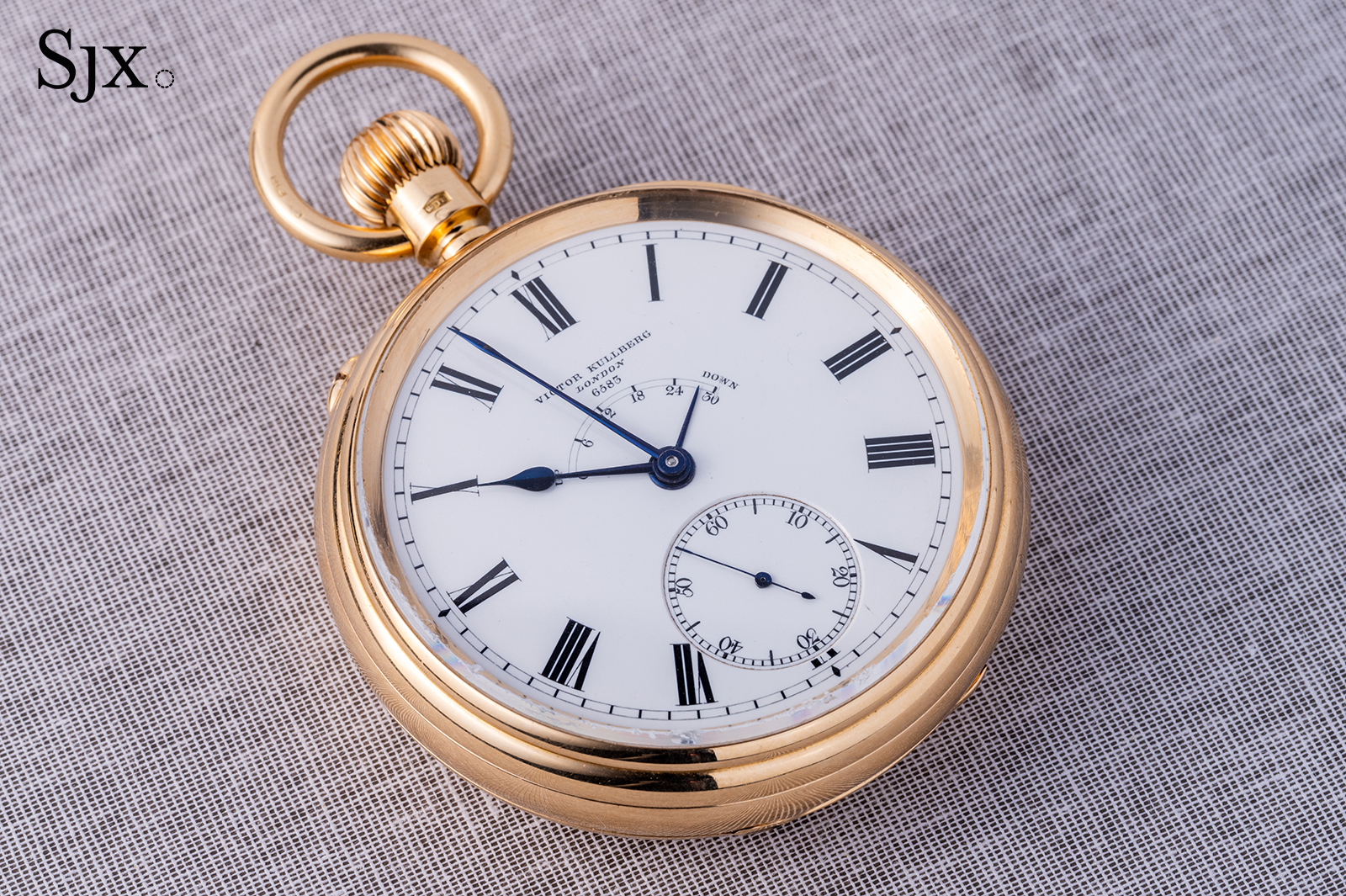
Phillips’s upcoming sale The Geneva Watch Auction: XXIII is packed with spectacular watches, including some already well known to collectors like the extra complicated La Royale by Louis Audemars, an unsual Patek Philippe worldtime ref. 2523, and the Golay Fils & Stahl astronomical watch. But among the finest is a simple watch that tracks only the time and state of wind, yet is comprised of several hundred parts: Victor Kullberg No 6583. Behind those three hands is a one-minute tourbillon equipped with an Earnshaw detent escapement, a massive free-sprung compensation balance, anti-magnetic helical balance spring and reverse chain and fusee, making it one of the most elaborate three-hand watches imaginable. Even at its high estimate of US$102,000, this pocket chronometer amounts to something of a steal, especially in an auction where multiple steel sports watches carry much greater estimates. The cult of the chronometer Swiss and English horologists disagreed on a great many things, from the ideal shape and material of escape wheels to the definition of a chronometer. To the Swiss, the title of chronometer was bestowed based on merit as a timekeeper. Any watch could be one if it kept good time, especially with a trusted, independent attestation of its accuracy. Watches submitted to observatory trials — or tested according to the ISO 3159:2009 standard today — are chronometers by this reckoning. England was dominated by the cult of the [marine] chronometer, unsurprisin...

Complicated Collectors: Edgar Mannheimer SJX Watches
Breguet watches assembled May 4, 2026

Complicated Collectors: Edgar Mannheimer

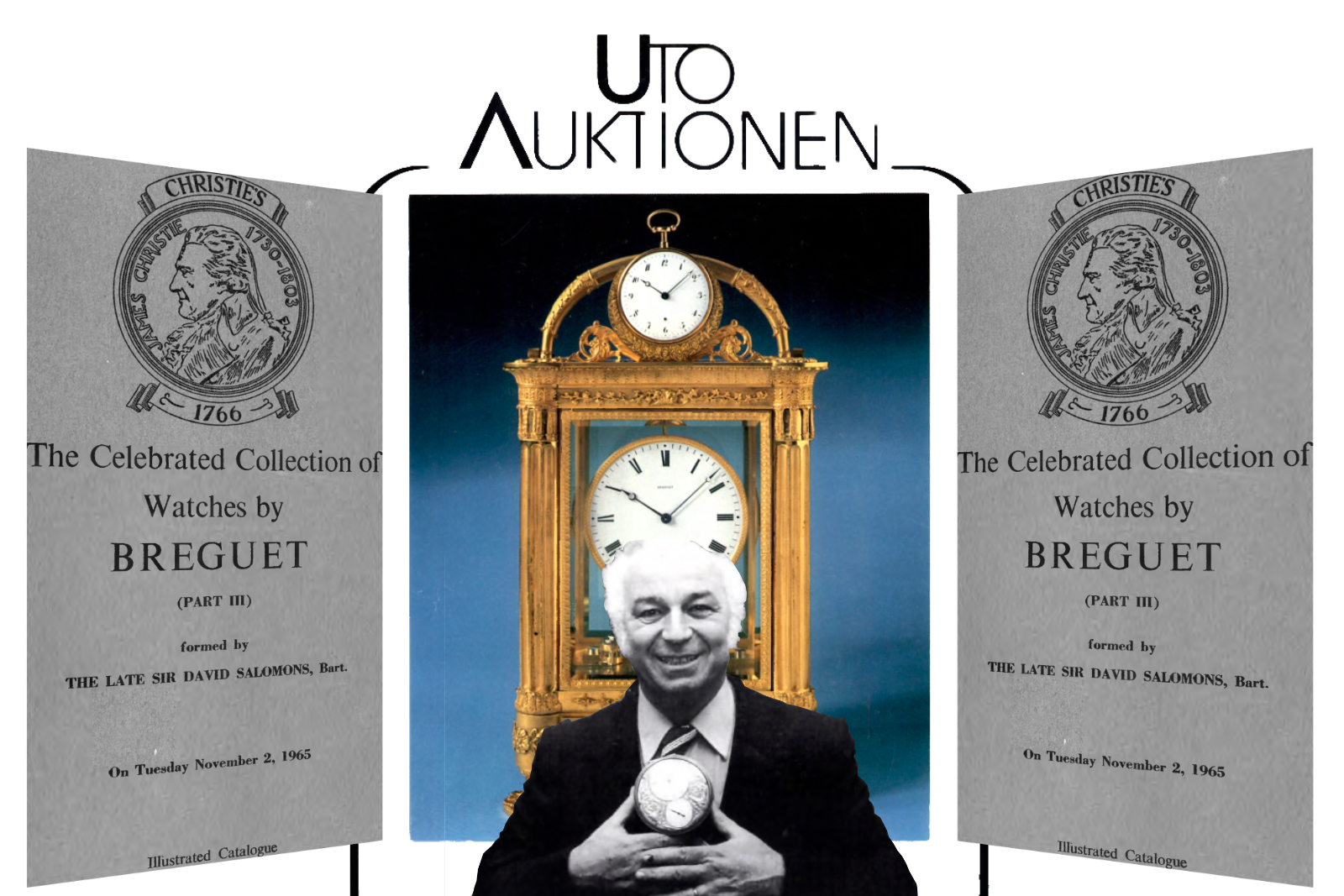
London, 1965. Christie’s had arranged the third and final part of the Sir David Salomons Collection for sale — a sequence of Breguet watches assembled by the Victorian baronet whose obsession with Abraham-Louis Breguet had produced the most important English-language study of the watchmaker’s work. When the bidding closed, one man had bought every lot in the catalogue. Continuing our ongoing Complicated Collectors series, Edgar Mannheimer left an indelible mark on watch collecting. He was 40 years old, and had settled in Zurich a decade earlier with nothing but the instincts he had developed in the post-war black markets of Germany. He was not a collector in the sense that he did not keep what he bought. What he did, with a consistency and conviction that separated him from every other figure in the mid-century horological trade, was understand, ahead of the market, what something was worth. The Salomons lots were subsequently divided between two collectors. It was, in miniature, a portrait of how Mannheimer operated: he absorbed the risk, resolved the complexity, and left his clients with the watches. Neutitschein and Auschwitz Edgar Mannheimer was born on December 23, 1925, in Neutitschein, Moravia, into a family whose presence in the town was visible and established. His father ran Marsmalz, a confectionery business prominent enough to operate the community’s first delivery van — a small but telling detail about the family’s position within a world where Je...

First Look - Chapter Two in the Revival of L. Leroy with the New Elyor Flying Tourbillon Monochrome
Apr 24, 2026

First Look - Chapter Two in the Revival of L. Leroy with the New Elyor Flying Tourbillon

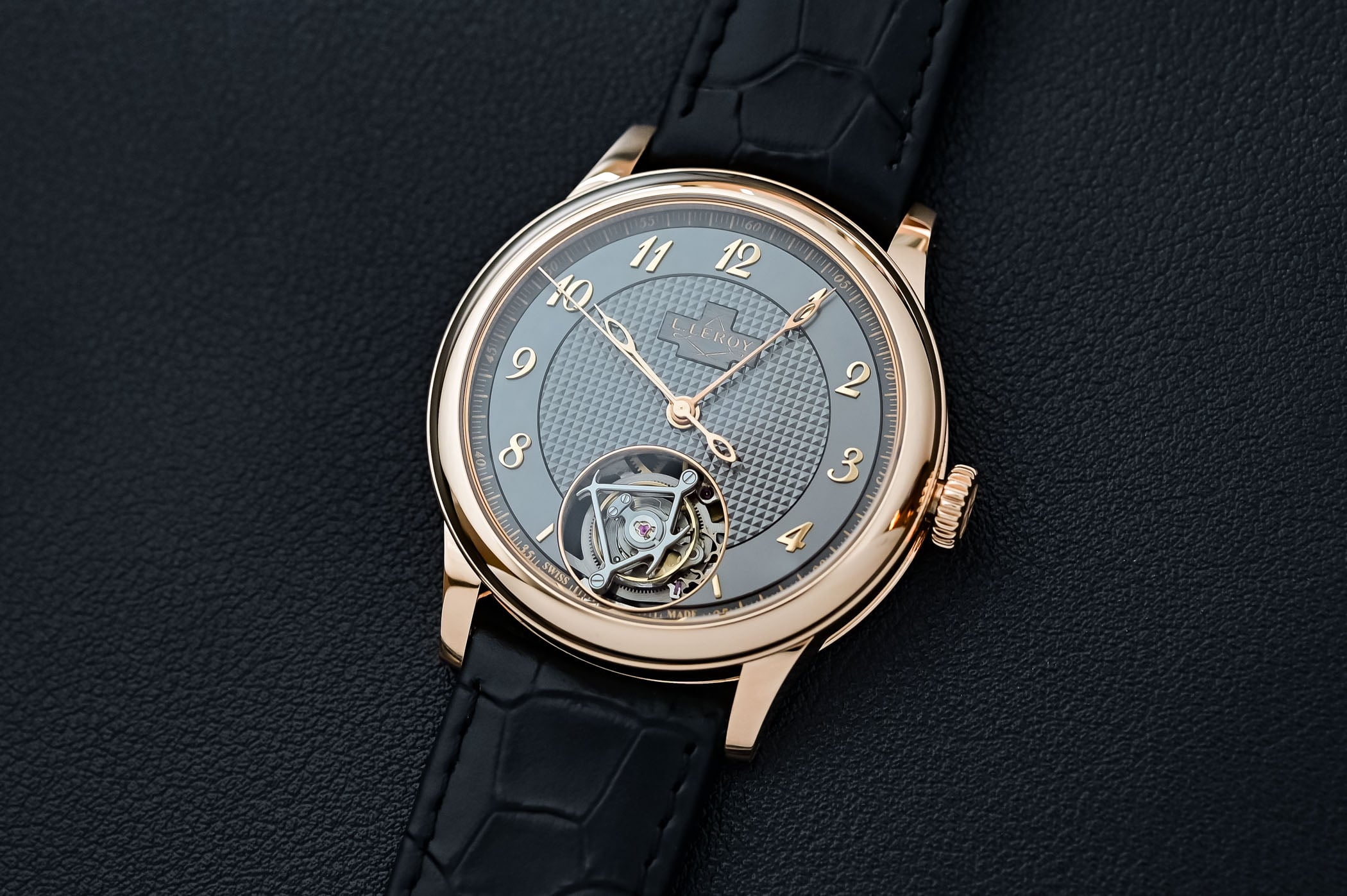
Parisian watchmaking maison L. Leroy was founded by Basile-Charles Le Roy in 1785 and became the official watchmaker to King Louis XVI and later to Napoleon I and Queen Victoria. Expanding operations to Switzerland, L. Leroy produced marine chronometers for the French Navy and amassed 384 gold medals in chronometry competitions. Iconic masterpieces like the […]

First Look - Cartier Unveils a Trilogy of Santos-Dumont with Precious Metal Bracelets Monochrome
Cartier Unveils Apr 16, 2026

First Look - Cartier Unveils a Trilogy of Santos-Dumont with Precious Metal Bracelets

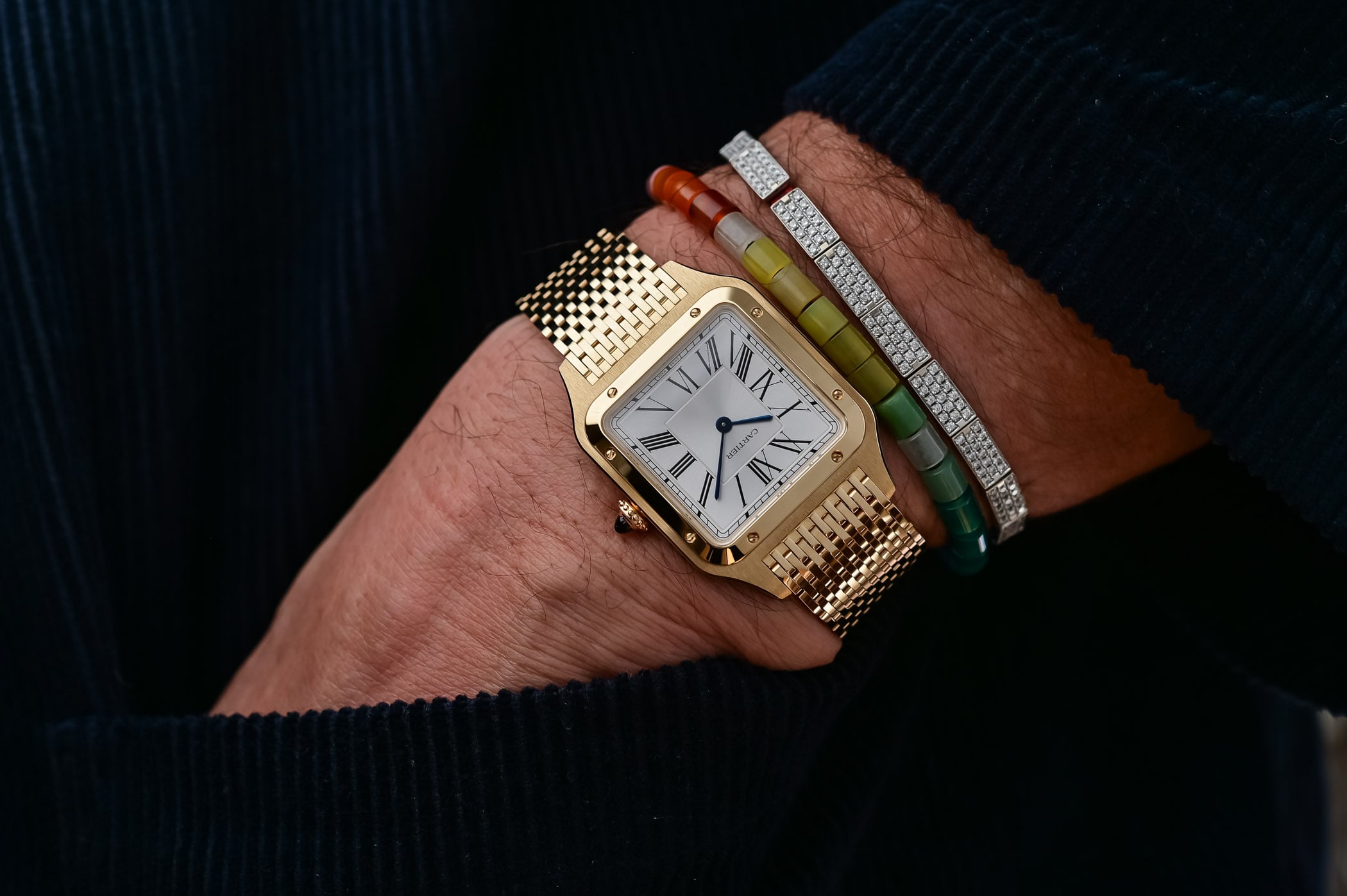
As they say, necessity is the mother of invention. In 1904, Brazilian aviator Alberto Santos-Dumont approached Louis Cartier, complaining that pocket watches were impractical in flight – he needed both hands on the controls. Louis Cartier’s solution not only marked the birth of an icon but is also widely considered the first purpose-built men’s wristwatch. […]

First Look - The Chopard L.U.C XPS Prussian Blue in Lucent Steel Monochrome
Chopard L.U.C XPS Prussian Blue Apr 15, 2026

First Look - The Chopard L.U.C XPS Prussian Blue in Lucent Steel

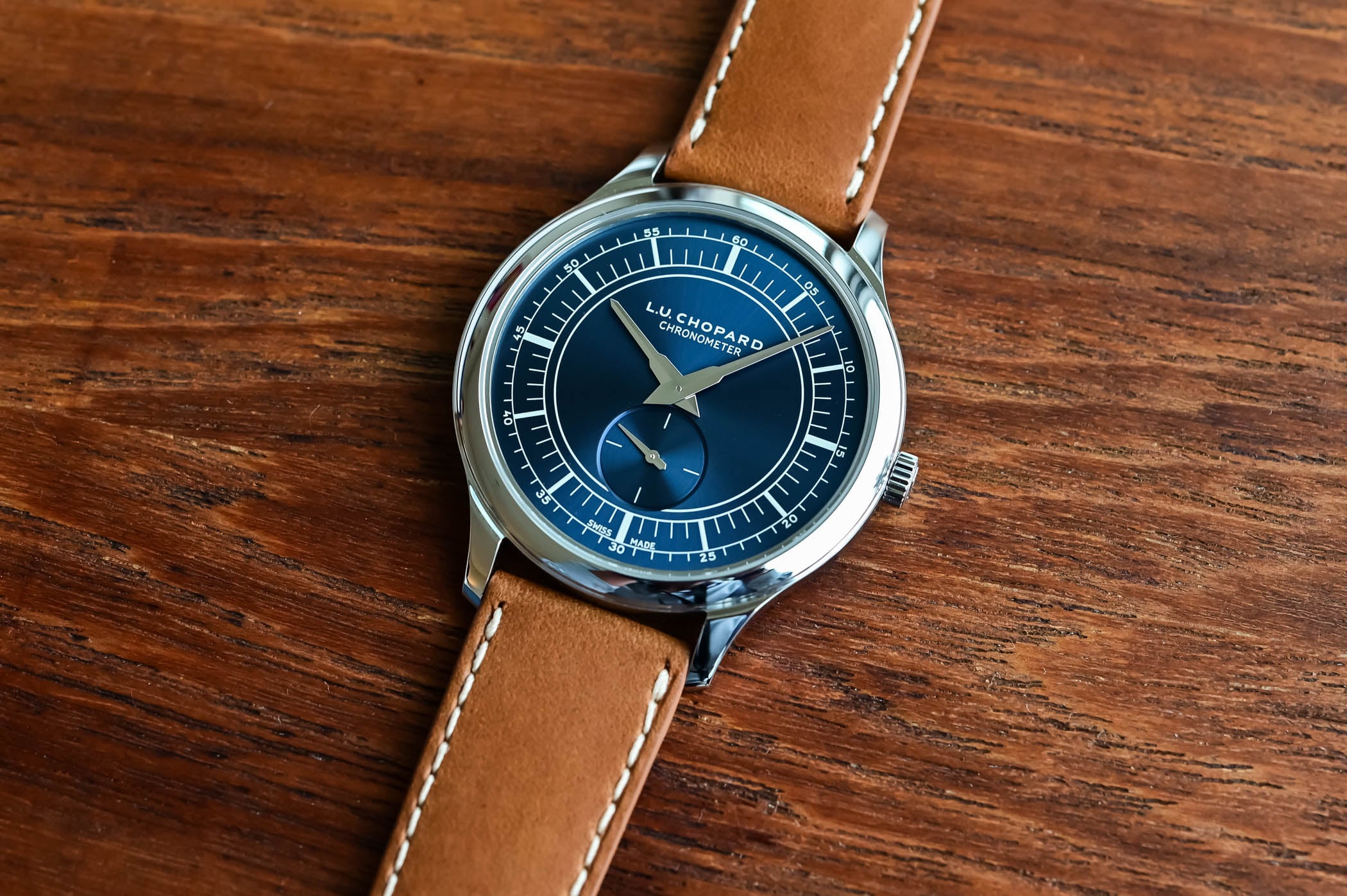
Chopard celebrates 30 years since the founding of its Manufacture in Fleurier, and the L.U.C collection, named after Louis-Ulysse Chopard, continues to highlight the brand’s most technical and refined timepieces. Among the anniversary releases, the new L.U.C XPS Prussian Blue presents an evolution of the sector-dial model in green introduced in 2024. This new edition […]

Watches & Wonders: The Chopard L.U.C. 1860 Chronometer, Like the Original from Three Decades Past, May be Worth The Wait Worn & Wound
Chopard L.U.C 1860 Chronometer Like Apr 14, 2026

Watches & Wonders: The Chopard L.U.C. 1860 Chronometer, Like the Original from Three Decades Past, May be Worth The Wait

Louis-Ulysse Chopard founded his eponymous watch company in 1860, but it took over 100 years for the brand to truly come into its own. In 1996, and after three years of development, the company debuted its own in-house movement. The wait seemed to have been worth it. The L.U.C 96.01-L immediately drew acclaim for beautiful finishing, embracing the microrotor, and COSC certification. It, and the subsequent L.U.C. 1860 dress watch, marked a sea change from reliance on third parties to true independence, arriving at a resurgence in fine mechanical watchmaking. Thirty years later, the L.U.C. family has expanded into dozens of variants, complications, and movements. But at 2026’s Watches & Wonders, Chopard pays tribute to 30 years of in-house manufacturing with a continuation of that vaunted original. The L.U.C 1860 Chronometer uses the same dial and microrotor movement from 1996, albeit with their own upgrades and unique design tweaks.  The intricate white-gold dial features guilloché finishing in the center, emanating in scalloped waves from the Chopard logo and nameplate. The concentric circles are separated by thin bands of white gold, and delicate spear-shaped markers point inward, toward the dauphine hands. At 6 o’clock, the small-seconds dial echoes the twin-circle pattern of the overall dial, and Chopard specifically mentions the lack of a date window “to preserve purity.”  Where the first L.U.C. 1860 had a white dial with gold accents, this Chronometer wears...

A Fresh Palette for the Breguet Tradition SJX Watches
Breguet Tradition Breguet refreshes Mar 31, 2026

A Fresh Palette for the Breguet Tradition

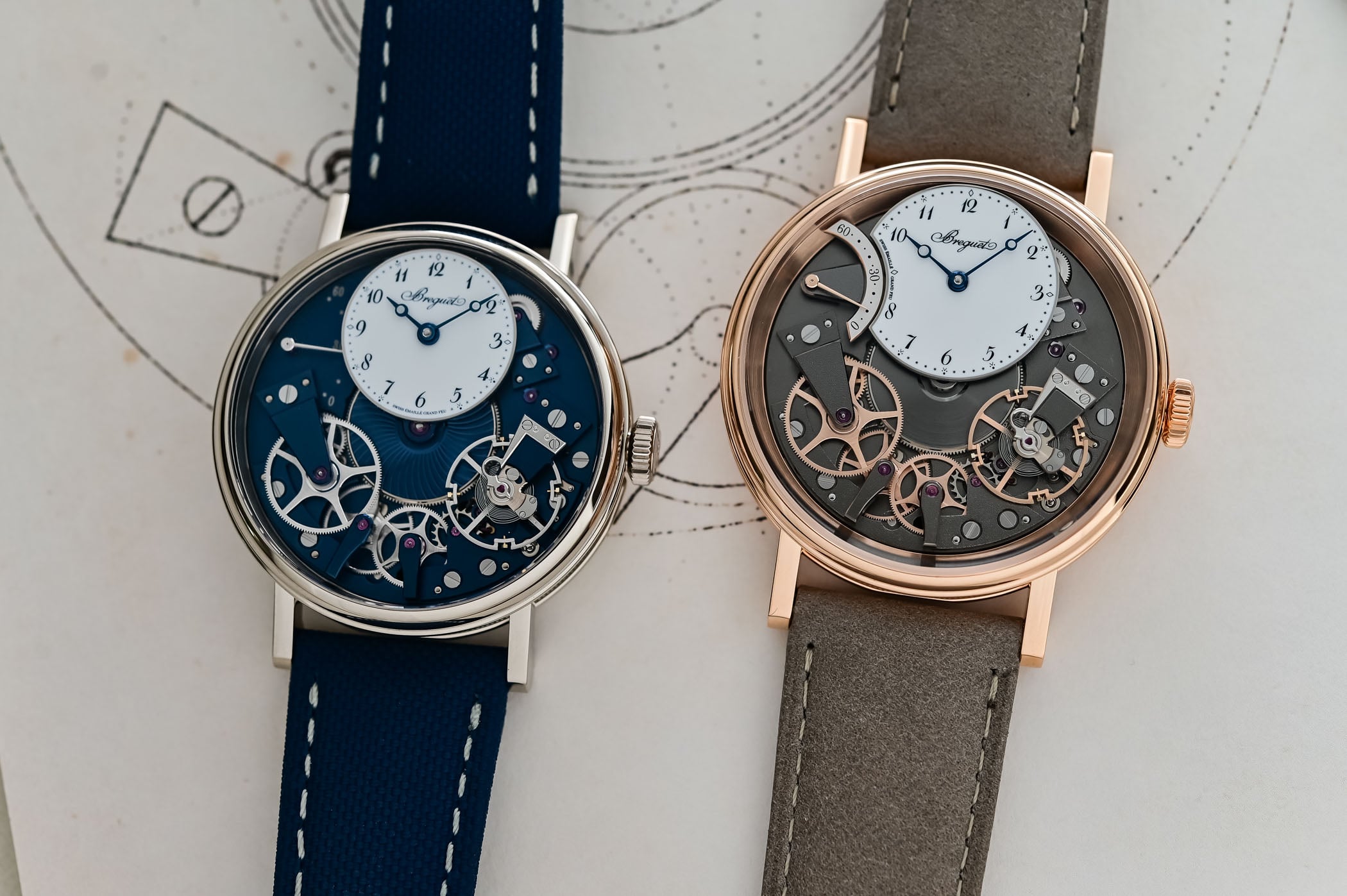
Breguet refreshes its Tradition collection for 2026 with new colourways and expanded grand feu enamel dial options across five references, building on the momentum of the brand’s 250th anniversary year. The line-up spans four automatic variants of the Seconde Rétrograde and one manually wound GMT, all underpinned by the architecturally distinctive cal. 505 that has defined the collection since its 2005 introduction. Initial thoughts Inspired by an original Abraham-Louis Breguet’s montres à tact pocket watch from the late 18th century, the Tradition collection, released in 2005, was Breguet’s first major new model family under Swatch Group management. The central barrel placement and unusual gear train arrangement perfectly captures the essence of the original pocket watches, and this aspect of the design remains as recognisable and distinctive as ever, despite the a growing number of independent watchmakers that have introduced watches with a similar layout. In fact, the cal. 505 is so successful as a contemporary interpretation of Breguet’s work that a variation of it was adapted for use in the award-winning Classique Souscription 2025 introduced last year. For 2026, the Tradition collection has been slightly refreshed with modern colourways and more grand feu enamel dial options. The five new models include four automatic variants of the Seconde Rétrograde, one of which features a diamond-set bezel, and one manually wound reference with a dual-time complicatio...

Celebrating The Spirit Of The 1920s With The Semicolon Anachron Jump-Hour Watch Fratello
Christopher Ward C1 Jump Hour Mk Mar 30, 2026

Celebrating The Spirit Of The 1920s With The Semicolon Anachron Jump-Hour Watch

It is safe to say that the past 12 months have been all about the renaissance of the jump-hour watch. With the Cartier Tank à Guichets, Audemars Piguet Neo Frame Jumping Hour, Christopher Ward C1 Jump Hour Mk V, Maen × Nico Leonard Jump Hour, and Louis Vuitton Tambour Convergence Pink Gold, we have seen […] Visit Celebrating The Spirit Of The 1920s With The Semicolon Anachron Jump-Hour Watch to read the full article.

In Depth: Breguet No. 160 Montre d’Or SJX Watches
Breguet No 160 Montre d’Or Mar 23, 2026

In Depth: Breguet No. 160 Montre d’Or

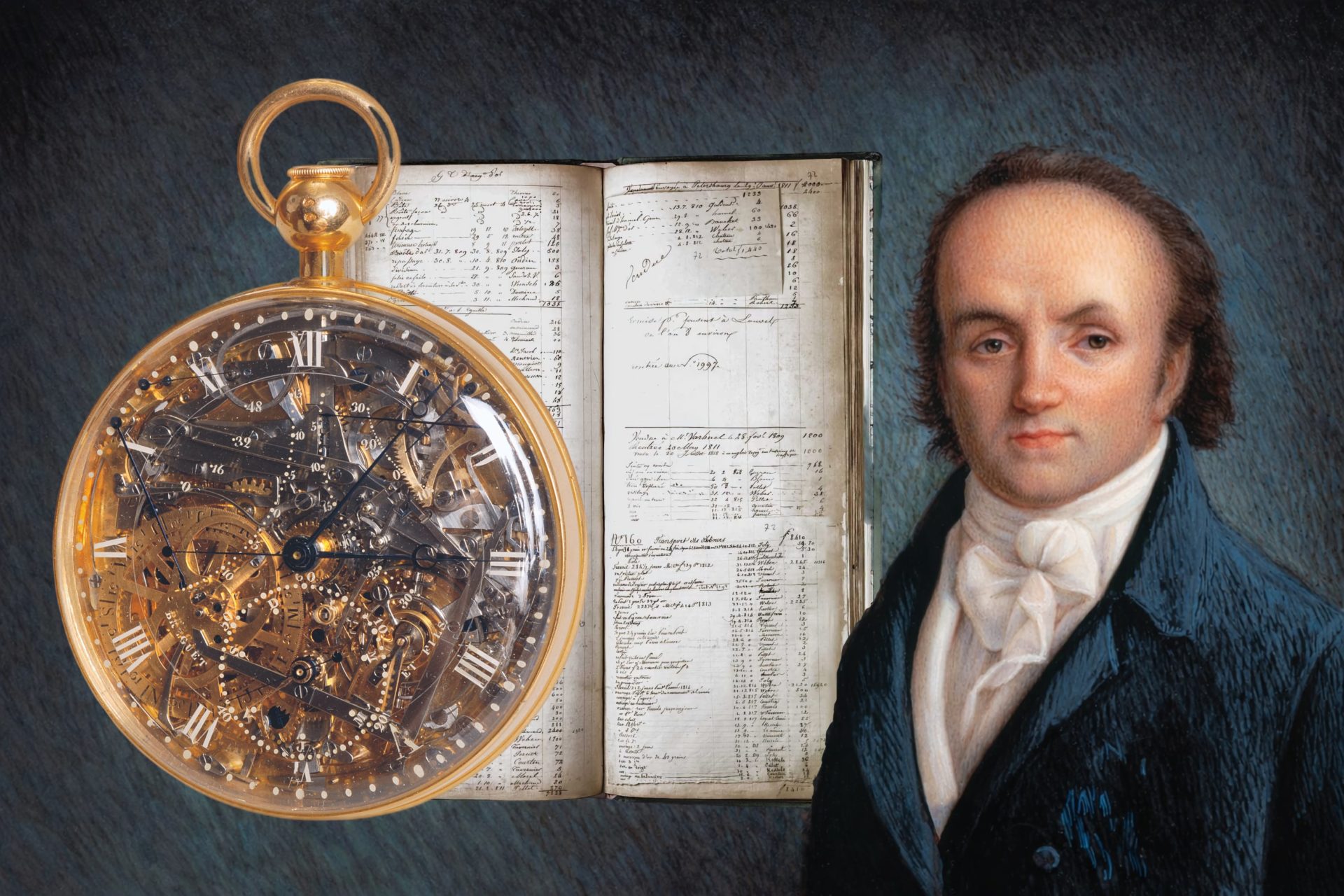
Abraham-Louis Breguet’s No. 160 exists first as legend. The standard account describes a secret commission for Marie Antoinette, incomplete when she faced execution, requiring forty-four years to finish. Theft, recovery, mystery, and royal romance: the narrative contains all the necessary elements of mythology. Yet this fame is recent. From its 1783 inscription in the order books through the 19th century, the watch remained largely unknown outside the Breguet workshop but for a few private collectors. Only when Sir David Lionel Salomons acquired it, nearly 140 years later, did the wider horological world learn of its existence, thanks to his careful cataloging and the watch’s public exhibition in 1923. Salomons gave credit to Breguet’s mastery on a scale previously unrecognised, establishing No. 160 as the supreme example of complicated watchmaking and the prime masterpiece of its maker. Sir David Lionel Salomons’s 1921 work on Breguet and the collection he assembled seems to be the first source to mention Marie Antoinette. Image SJX composite – Sotheby’s Subsequently, many sources have reported that the commission demanded every known watch complication and that no time constraints or limits were placed on its design or cost. The workshop records, however, tell a story that differs from both obscurity and legend. No. 160 appears in the 1783 order books as three words: “No. 160, Montre d’Or.” The entry stands alone, anonymous, unexplained and without cont...