 SJX Watches
Historical Perspectives: The Rise and Fall of Brazil’s Watch Clubs
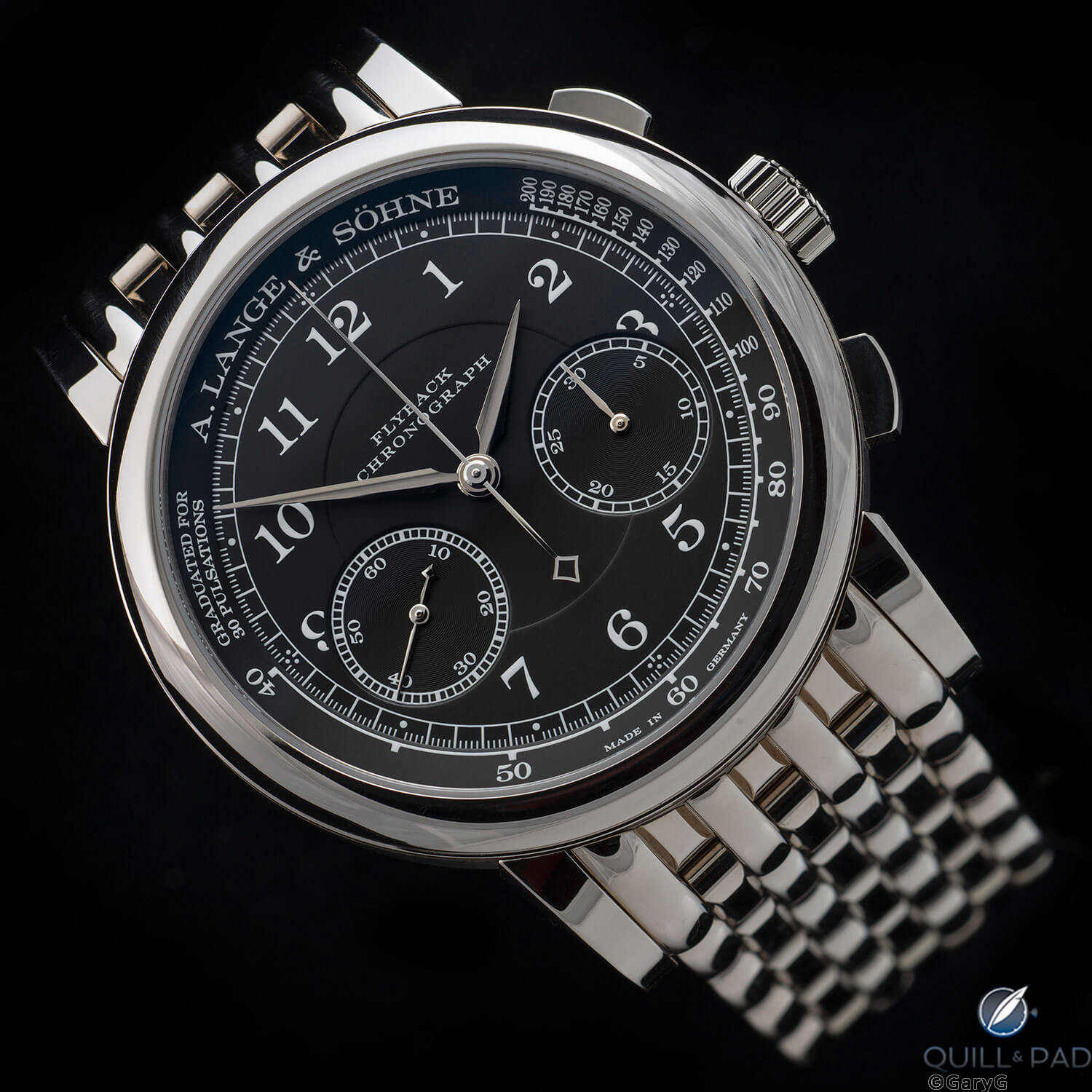
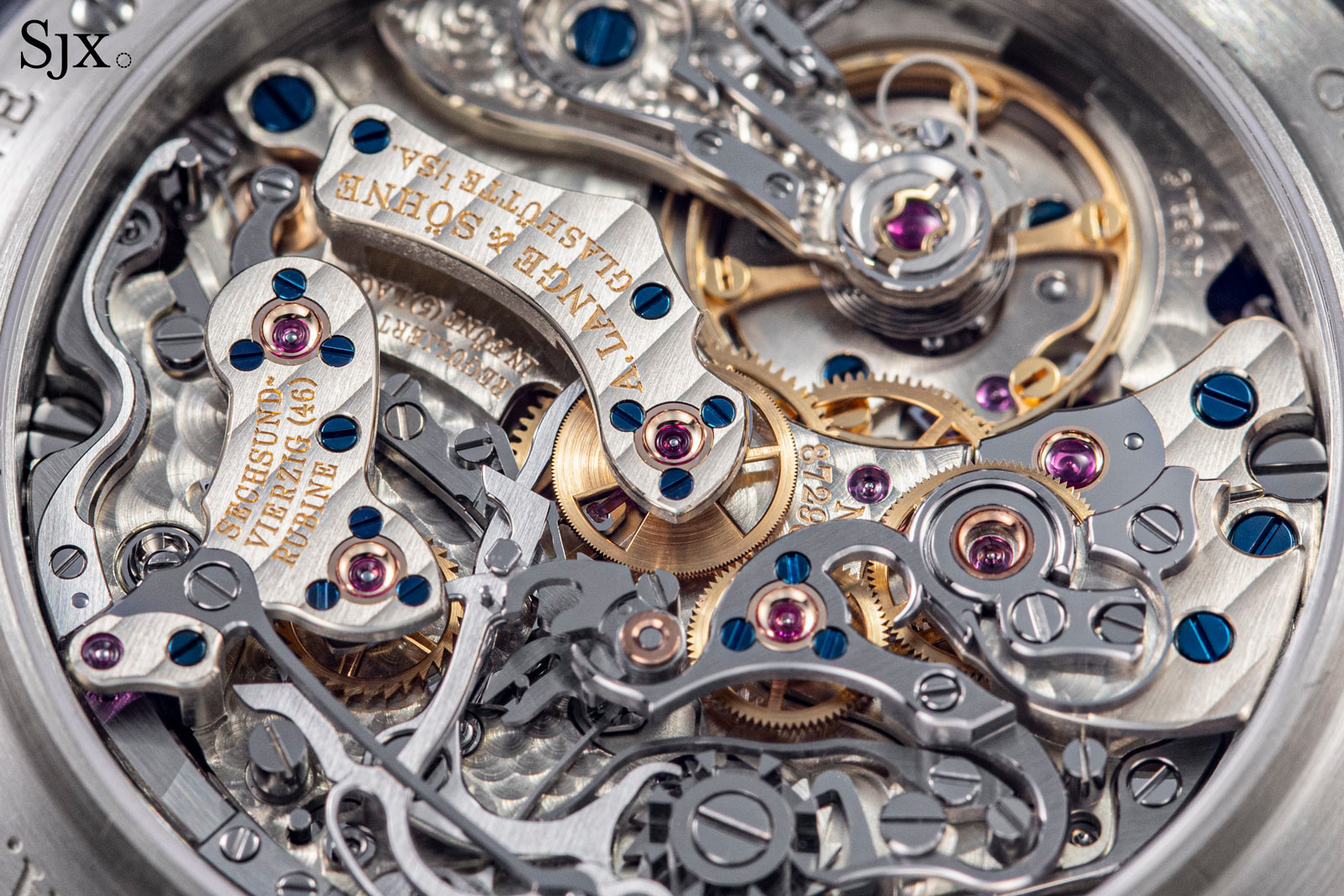
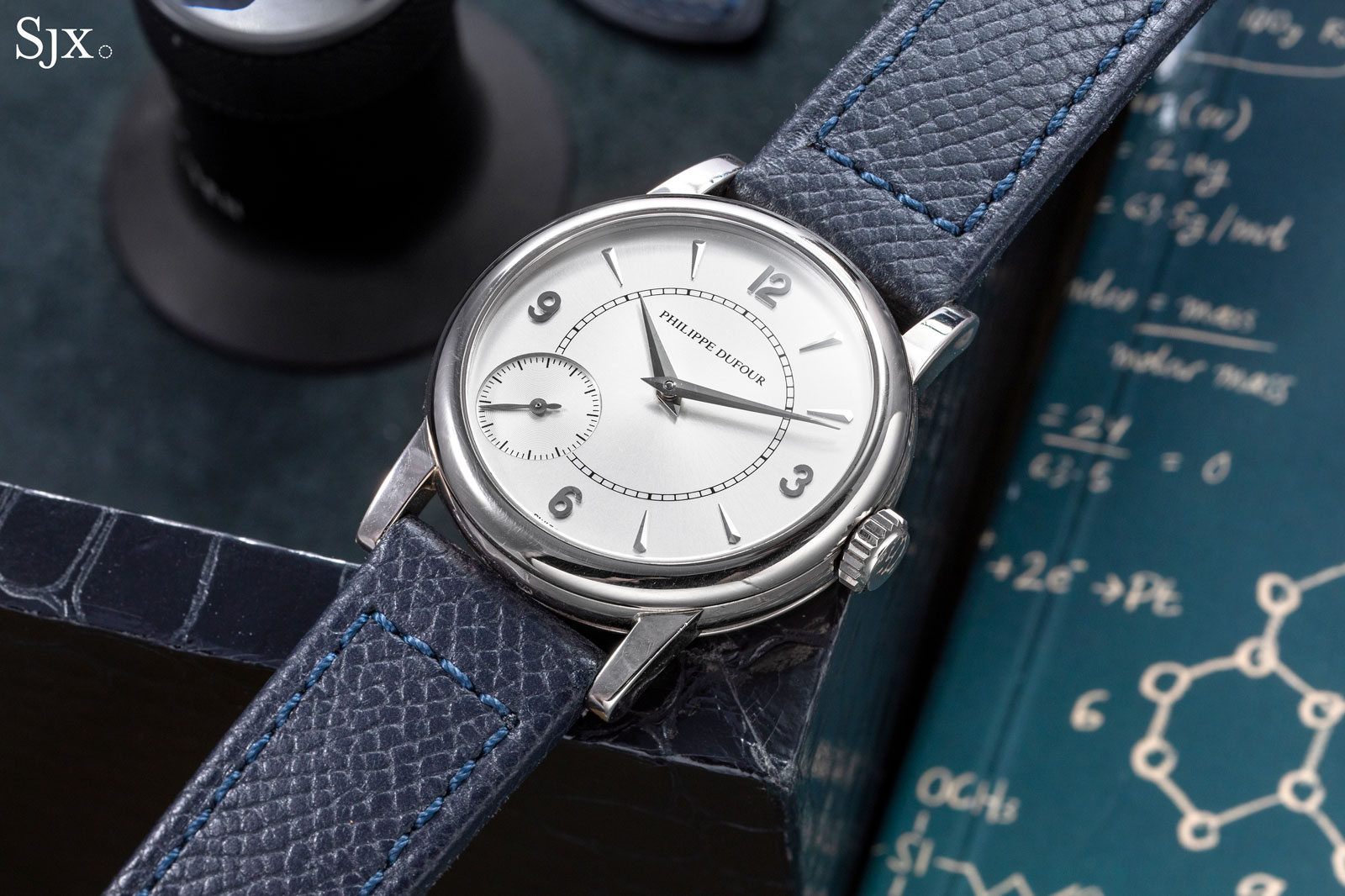
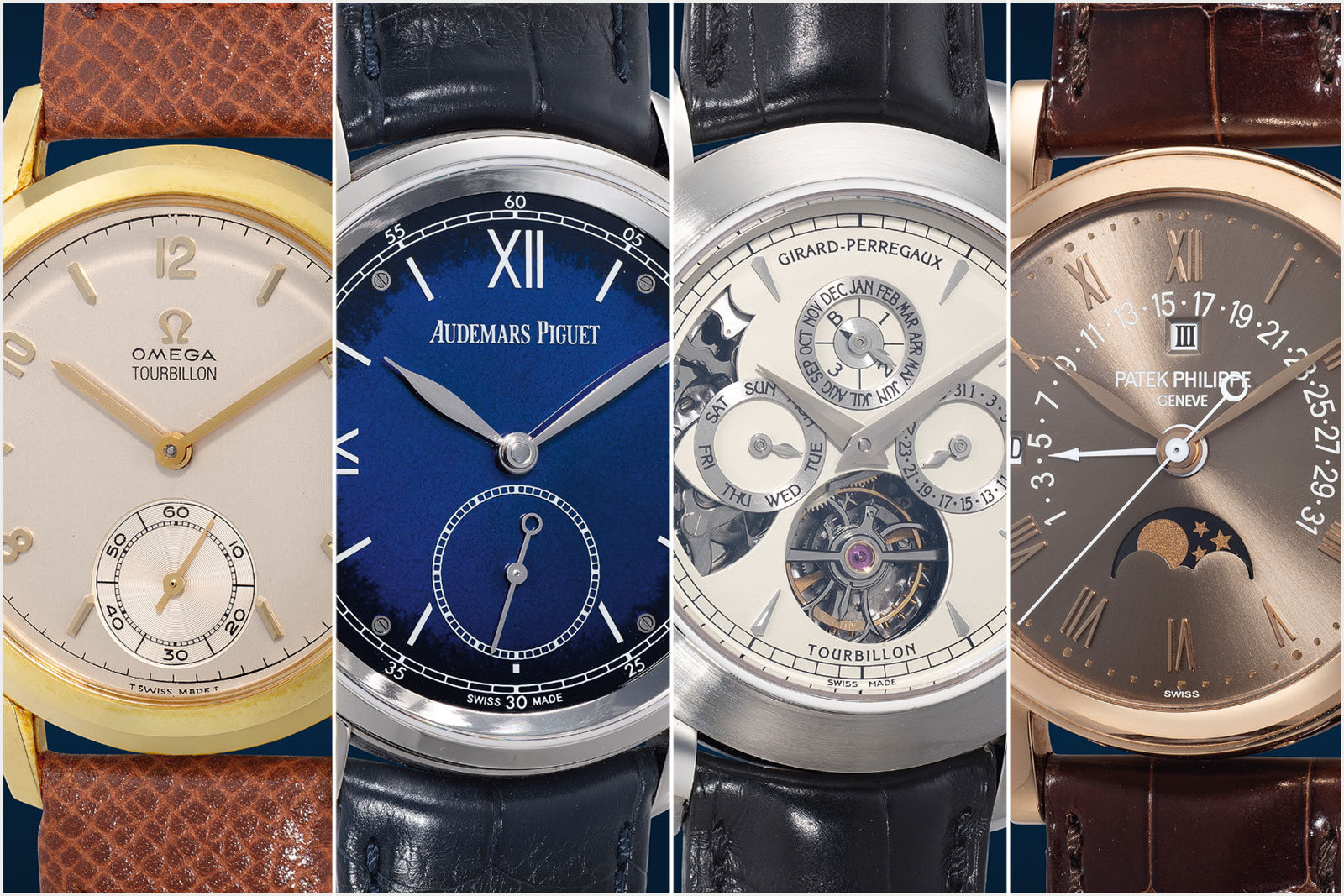
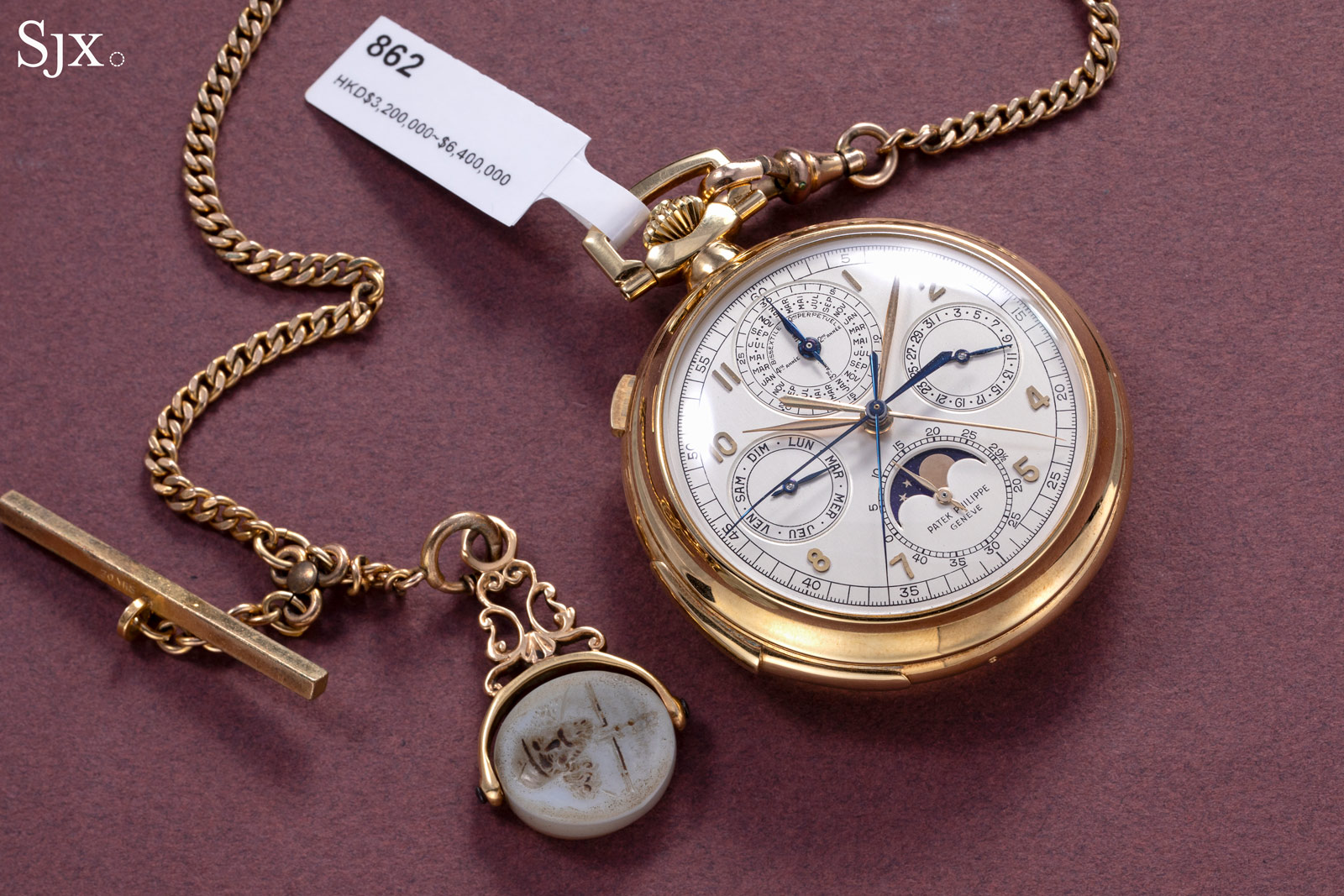
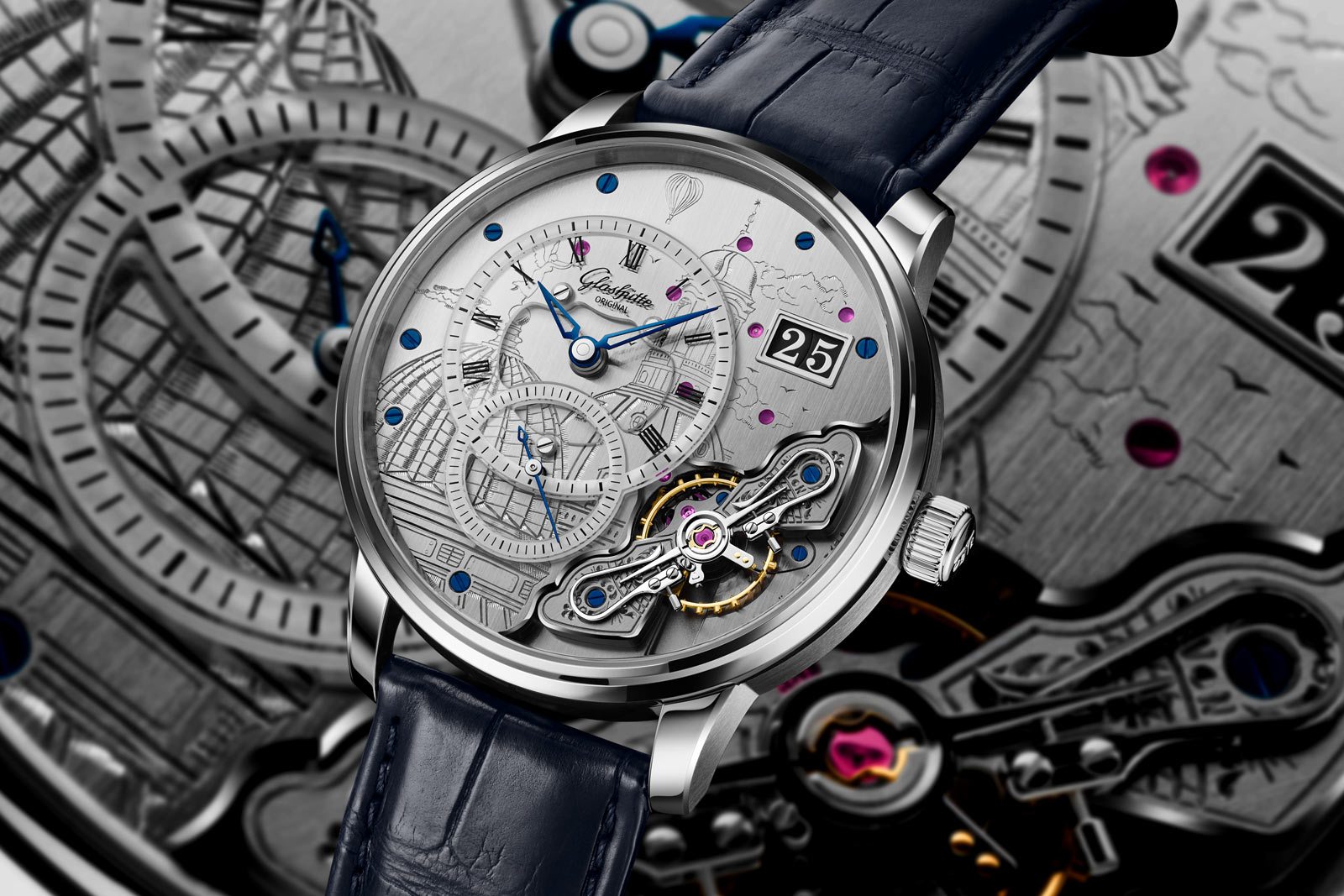
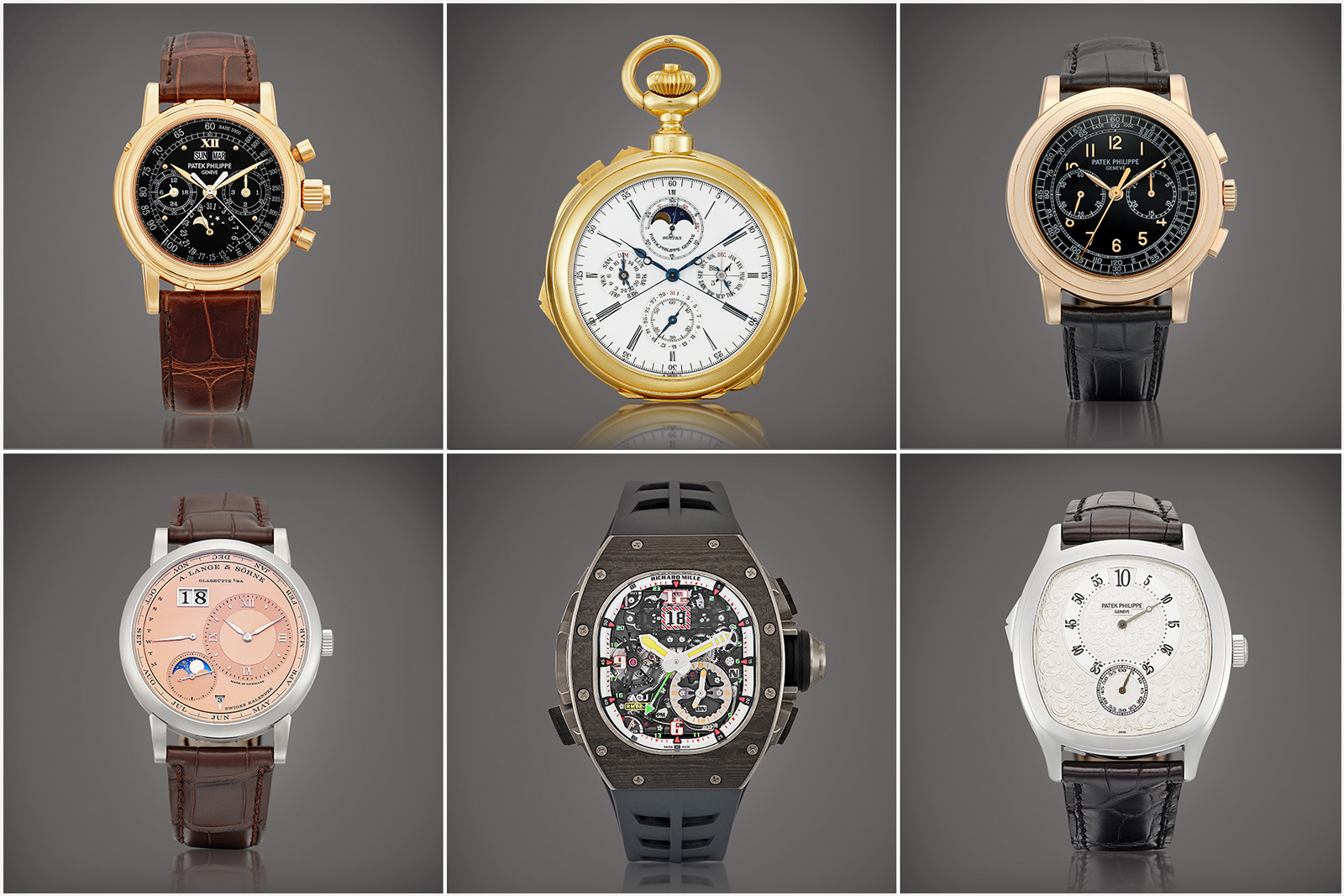
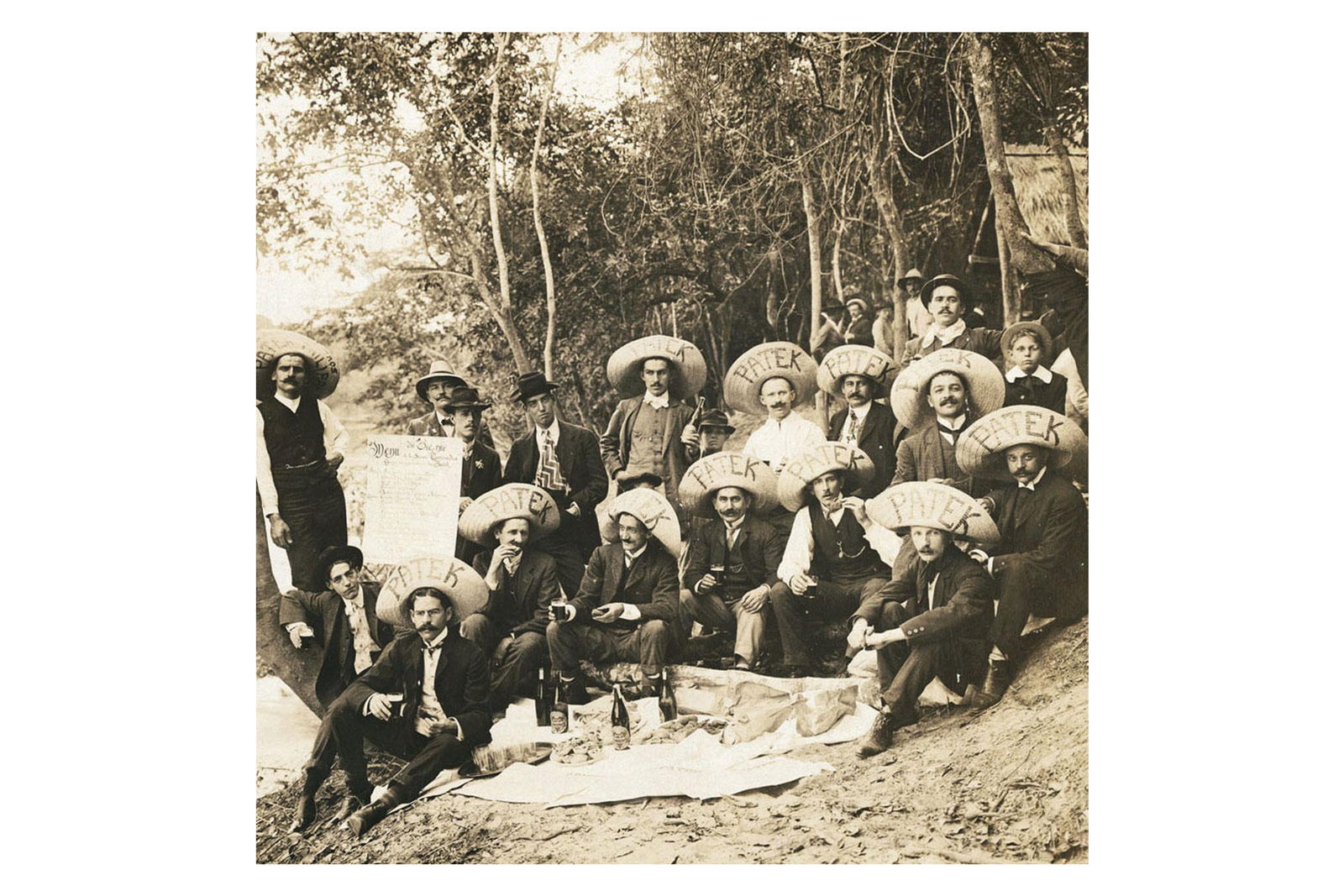
At the dawn of the 20th century, Brazil’s cities were brimming with energy, driven by booming commodity markets. In Rio de Janeiro, trams clattered along bustling streets while conversations about ambition and progress filled the air in crowded cafés. Few aspirations were as compelling for the growing middle class, eager to leave their mark in this modernising world, as owning European luxury goods. And among these, nothing spoke of sophistication and success quite like a fine watch. For many Brazilians, timepieces from brands like Patek Philippe, A. Lange & Söhne, and Vacheron Constantin were the ultimate symbols of precision and craftsmanship. Yet, their presence was confined to gleaming shop windows along the most prestigious shopping streets, tantalising but out of reach for all but the wealthiest. The dream of owning one of these masterpieces seemed no closer than the distant European watchmaking centres where they were crafted. But Brazil found a way to close this gap. Here, the concept of watch clubs took shape-an innovative model blending weekly instalments with the thrill of a lottery draw. This system turned the unattainable into something not just possible but accessible. Spearheaded by visionary retailers and embraced by Europe’s finest watchmakers, the clubs reflected Brazil’s unique ability to adapt global trends to its local reality. Three retailers organised the most iconic watch clubs and positioned themselves at the forefront of this movement: G...