 Deployant
New Release with Hands-On: MB&F; LM Split Escapement
Introducing the new MB&F; LM Split Escapement (LM SE) with live photographs and hands on commentary and analysis of this release.
228 articles · 2 videos found · page 3 of 8
Deployant
Introducing the new MB&F; LM Split Escapement (LM SE) with live photographs and hands on commentary and analysis of this release.
 Revolution
MB&F; introduce the fifth chapter of the Legacy Machine with the Legacy Machine ‘Split Escapement’, featuring a 11.78mm escapement shaft.
 Deployant
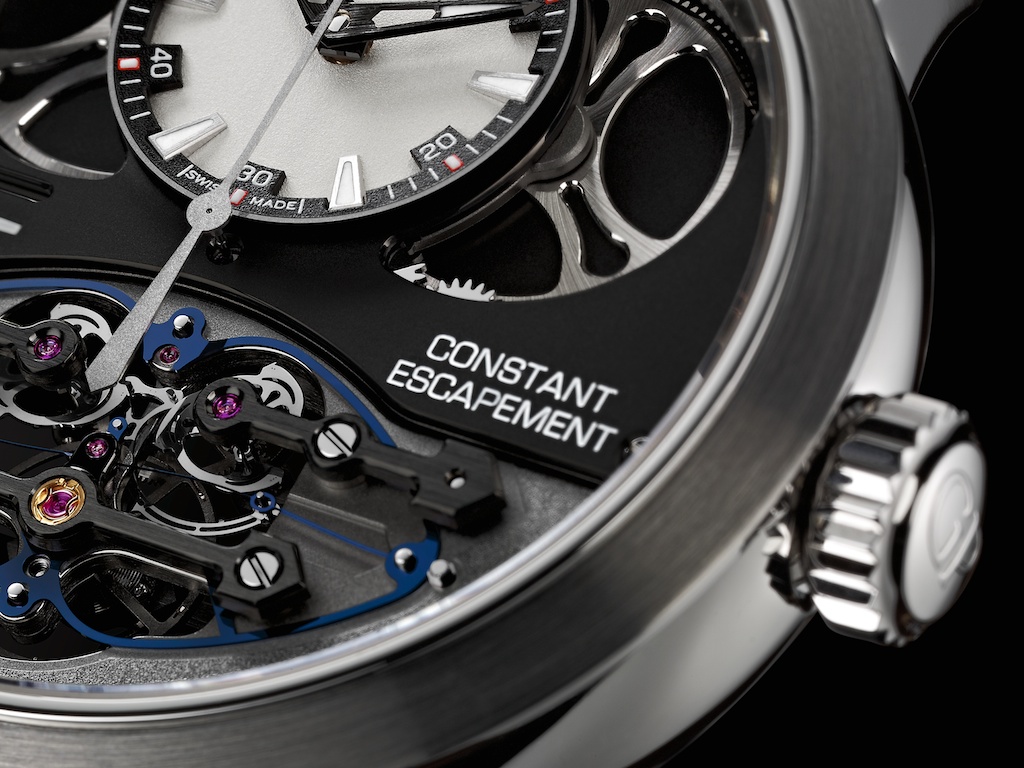
Girard Perregaux: a grand dame of watchmaking. Making beautiful and magnificent watches. GP is famous for their Tourbillon on Three Golden Bridges. But recently, GP shook the horological world at its roots. After centuries of the Swiss Anchor escapement, they came up a new escapement. Constant force escapement. Beautiful, magnificent. Girard Perregaux Constant Escapement: extremeRead More
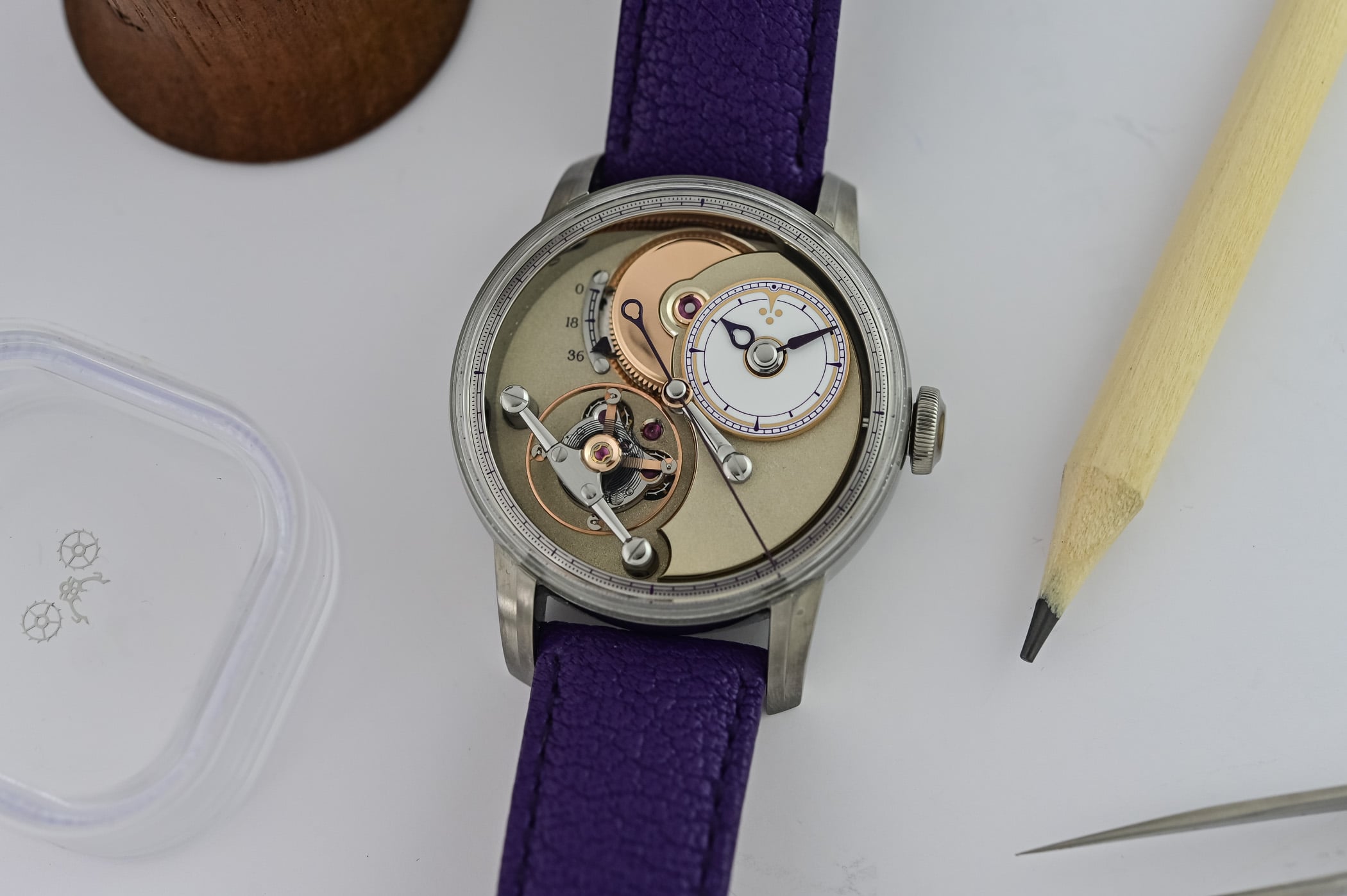 Monochrome
Discovering new independent watchmaking talents is a rare pleasure – especially when it’s as compelling as the debut of Mathieu Cleguer’s brand. With his first creation, this watchmaking engineer introduces a singular vision where aesthetic purity meets technicality. At first glance, the Inspiration One captivates with its clean, balanced design elevated by superb finishing and […]
 Hodinkee
Breguet celebrated its 250th Anniversary with a big technical achievement that has a lot to do with its founder’s vision and a decent amount to do with an odd little American pocket watch. We go deep on the Expérimentale 1.
 Hodinkee
The Land-Dweller is the talk of the watch world.
 Hodinkee
The first in a planned series of Experimentale watches, the watch also features a redesigned "Marine" case and dial aesthetic on top of a very impressive movement.
 Revolution
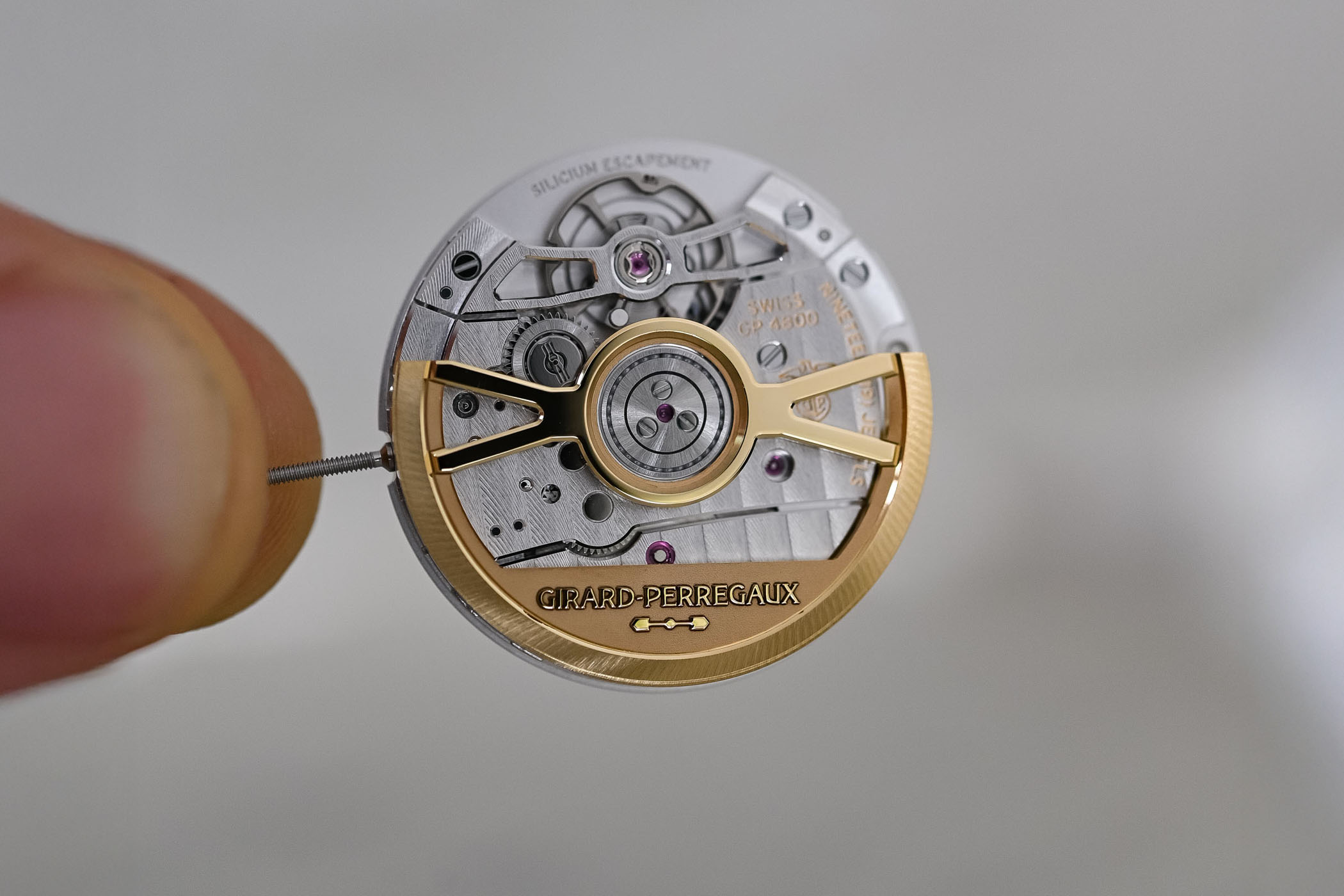 Monochrome
Girard-Perregaux has an extensive track record in watchmaking and is one of the most enduring integrated manufactures of the Swiss watch industry. In the 1980s, at a time when the quartz crisis had crippled mechanical watchmaking, the brand was among the first to champion the renaissance of traditional movements. Today, Girard-Perregaux announces the launch of […]
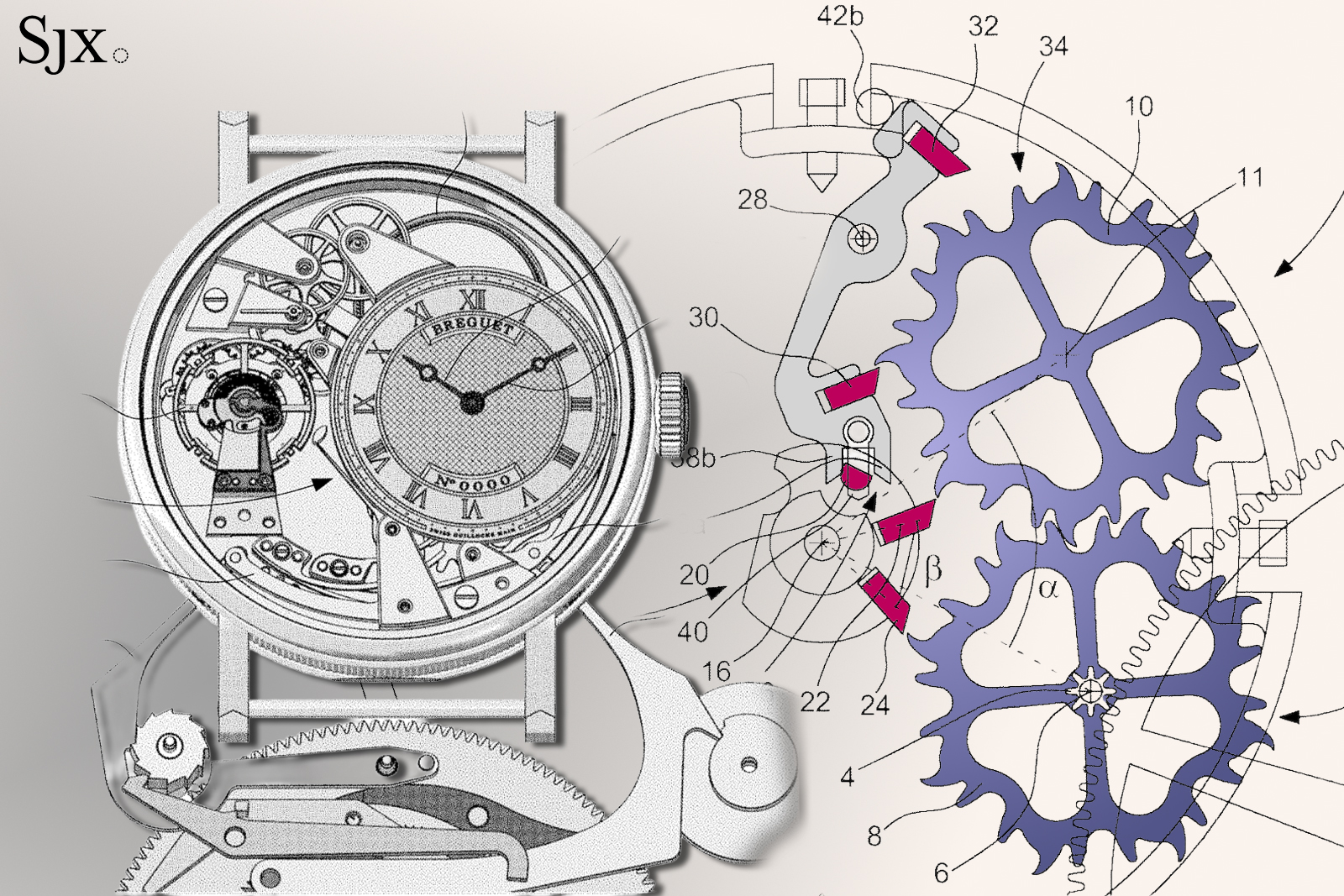 SJX Watches
Breguet will very likely close its 250th anniversary this year with a bang: launching a 21st century Sympathique as a tribute to perhaps Abraham-Louis Breguet’s greatest invention, a clock that could autonomously wind, correct, and regulate a removable watch. While the brand has released no details, and there haven’t been any leaks, a series of patents gives us a peek at the new Sympathique. Notably, the patent drawings illustrate two possible companion watches: a 60 m water resistant Marine tourbillon and a Tradition. The latter is more interesting as it uses a novel form of Breguet’s échappement naturel, or natural escapement. We explain both the new Sympathique 2025 and the natural escapement using information gleaned from Breguet’s patents. Breguet Sympathique No. 1 by Francois-Paul Journe Initial Thoughts Three of the most historied names in the watch industry are celebrating anniversaries this year. Vacheron Constantin marked the occasion with Solaria, the most complicated wristwatch to date, while Audemars Piguet introduced an all-new Royal Oak Perpetual Calendar (and promises more to come in the fall). In comparison, Breguet has debuted the Classique Souscription and Tourbillon Sidéral so far, both of which are objectively good watches but feel underwhelming in technical terms. A new Sympathique, on the other hand, would be the ideal centrepiece for the brand’s anniversary collection, being visually impressive, an icon of the brand, and entirely unique ...
 Revolution
 Revolution
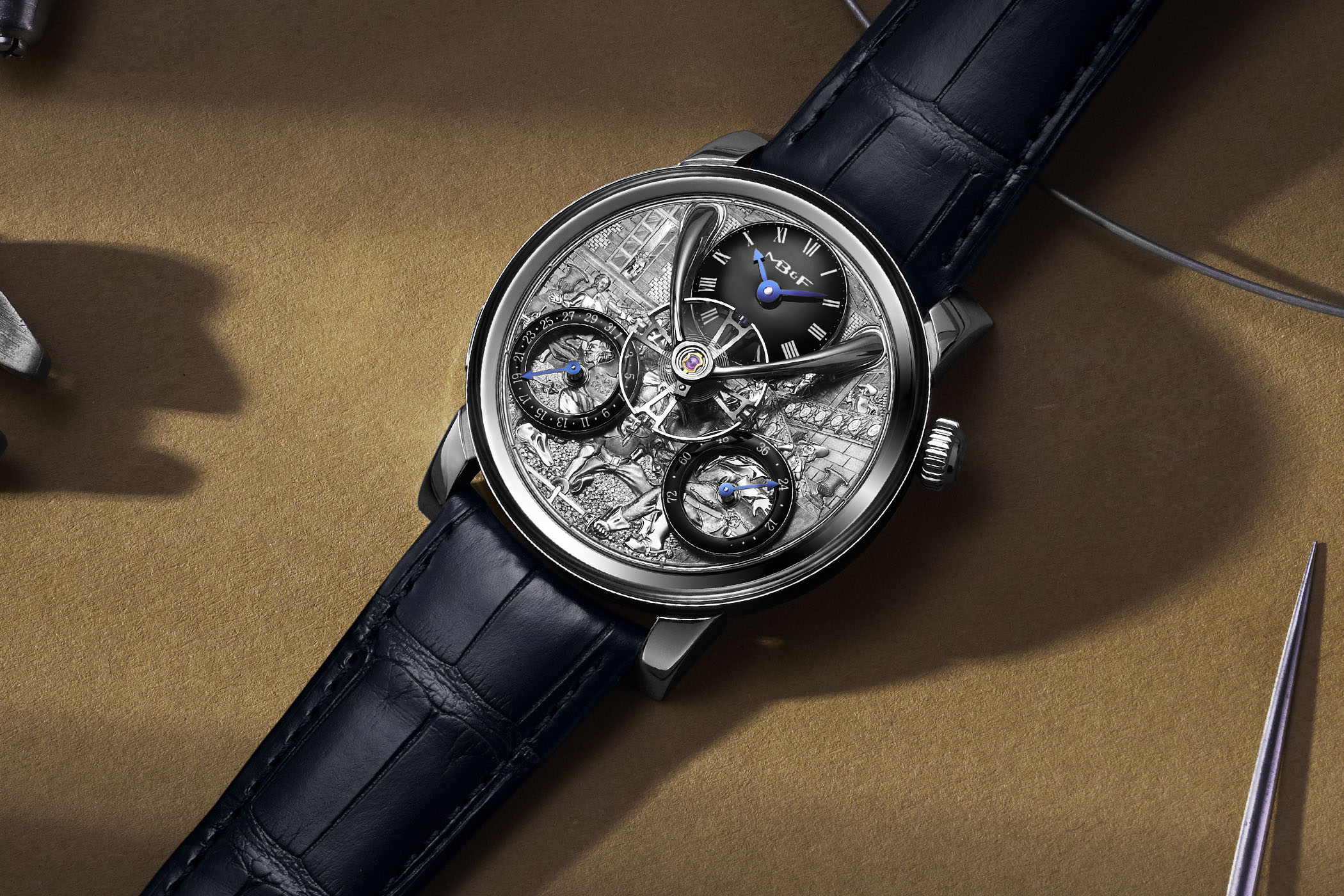 Monochrome
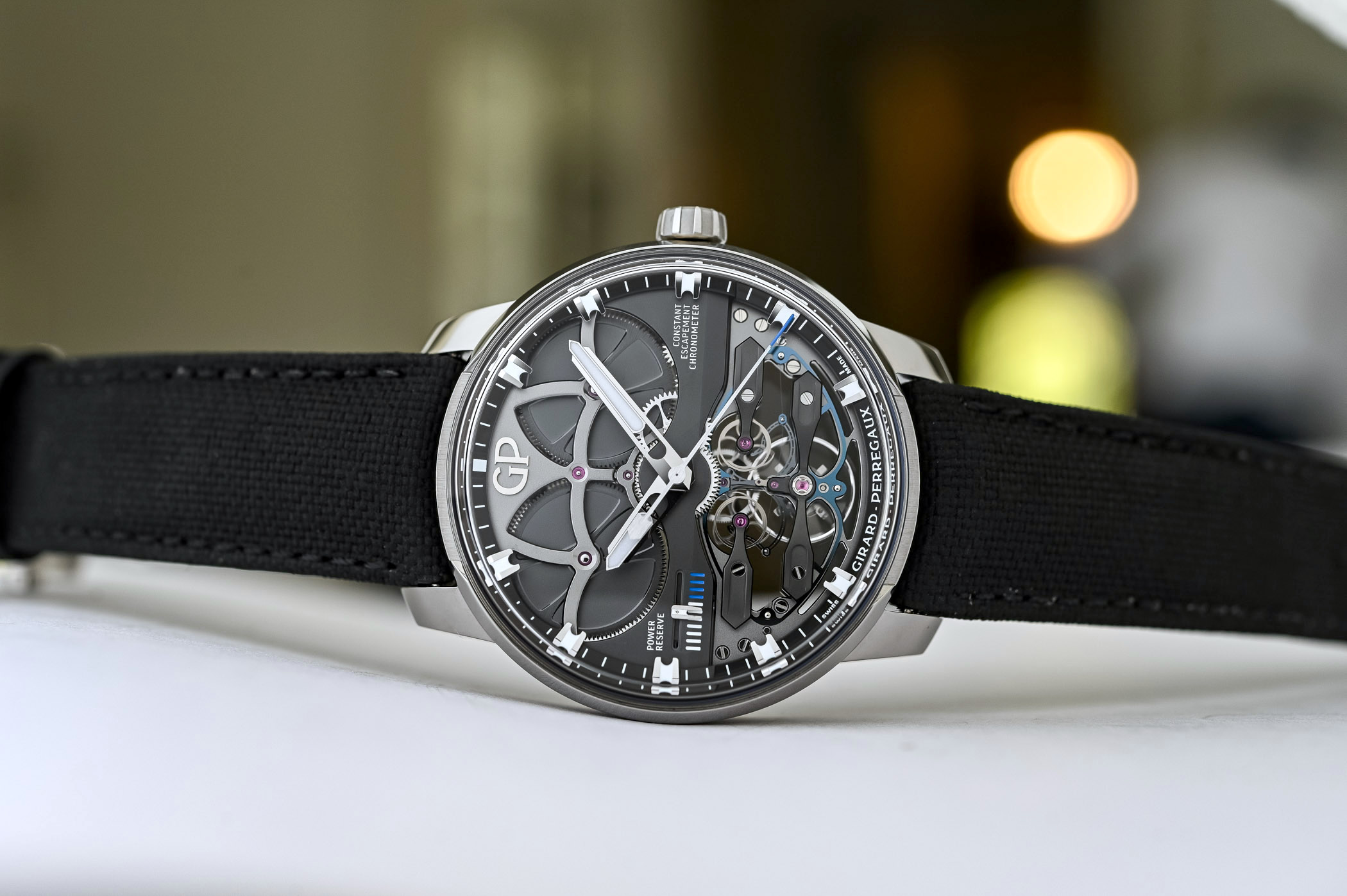
Inspiration at MB&F; comes from all sorts of places, including hypothetical musings like Max Büsser’s question: “What would have happened if I was born in 1867, one hundred years before my actual birth? What watch would I have conceived with the help of my friends?” The answer, as we know, was the motor behind the […]
 Monochrome
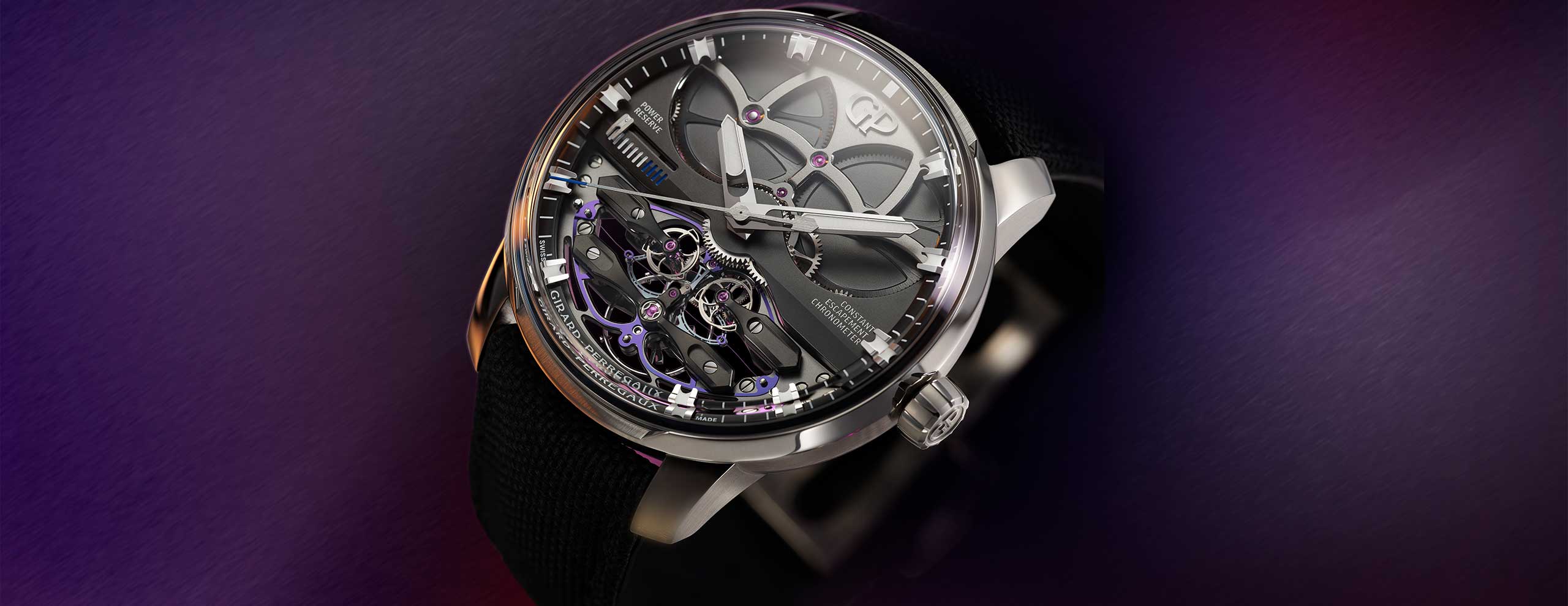
Like clockwork, every Sunday, we group together a bunch of watches around a common theme in our Buying Guide. This can revolve around a whole range of topics, such as colours, shapes and materials but also a certain style or even complications. Very rarely do we go deep into the movement to distinguish a series […]
 Revolution
 Hodinkee
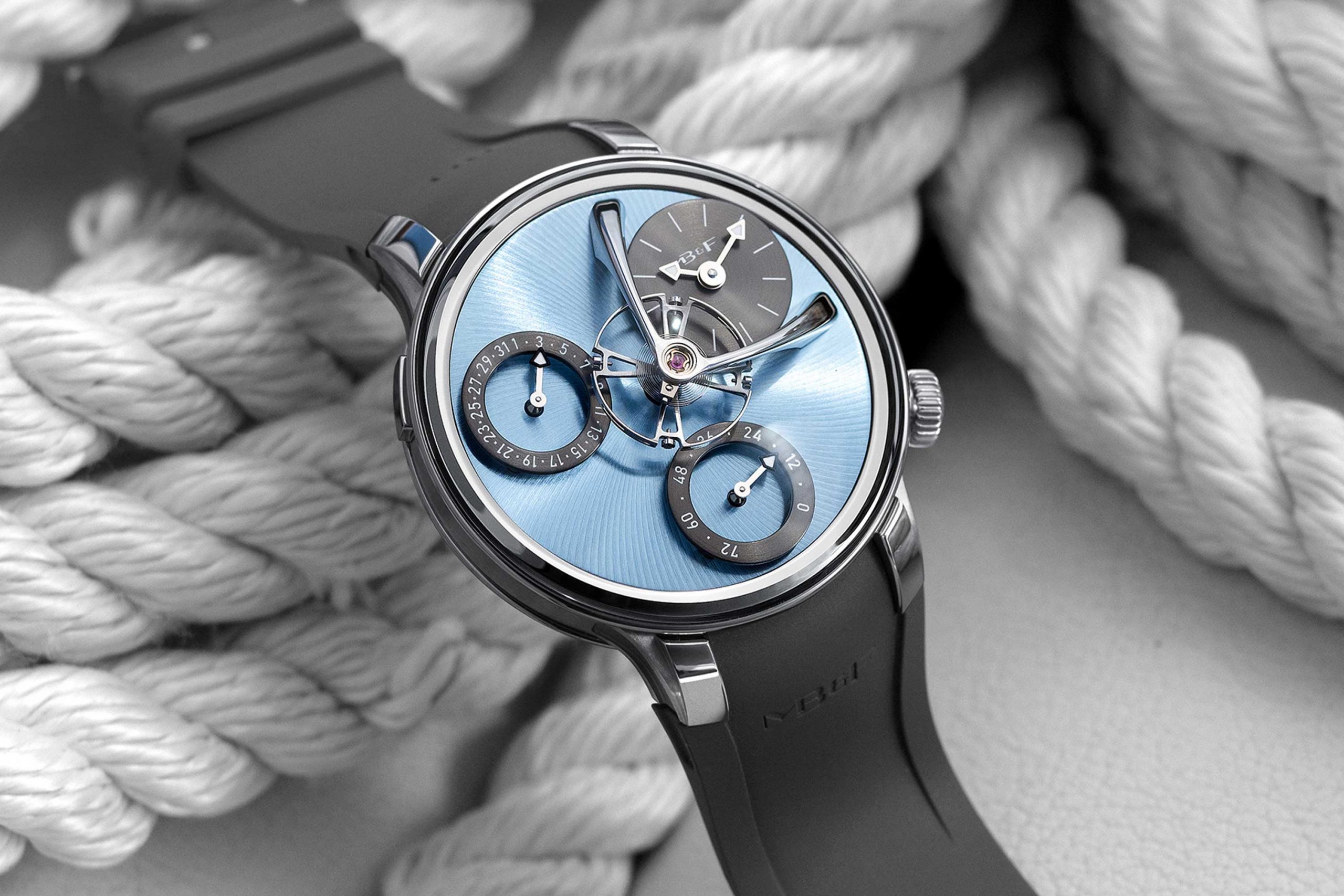
Sure, it might just be a new dial color for a year-old watch, but I'm taking the chance to dive into the history of it and where we think the brand could go next.
 Revolution
 Hodinkee
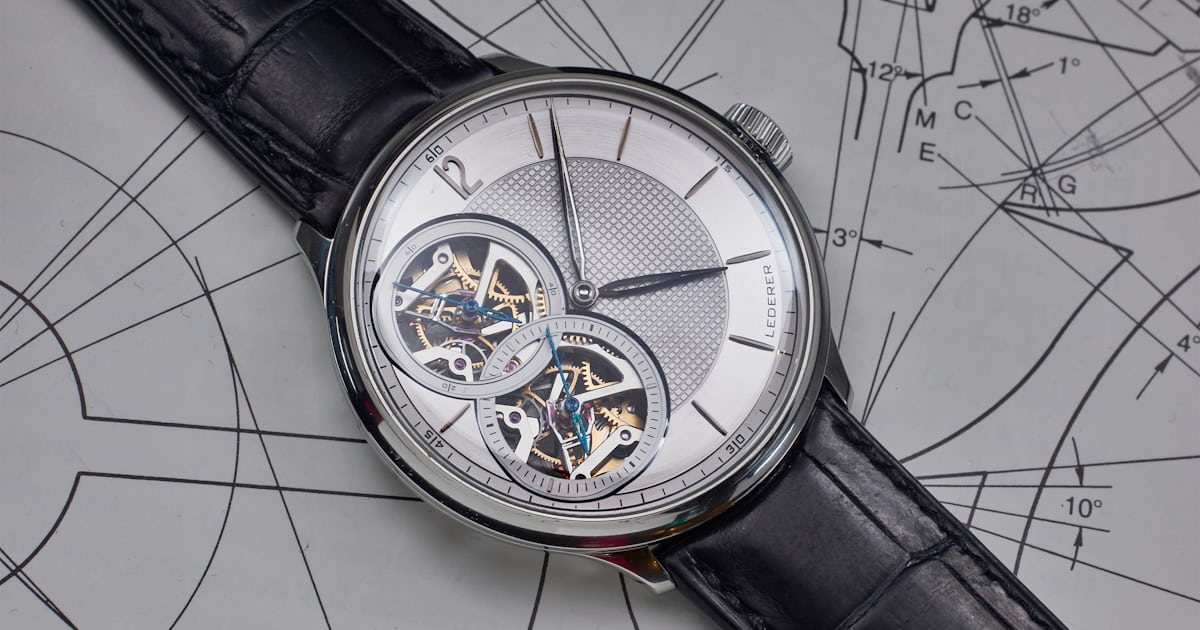
It's called the Central Impulse Chronometer. It's made by Bernhard Lederer. And for movement nerds (like me!), it's a revelation. Here's how it works.
 Quill & Pad
It’s no surprise that MB&F; would create a special limited series of Legacy Machines honoring Jules Verne and the type of retro-futurism found within his novels. Yet this project is also the artistic child of master engraver Eddy Jaquet who has worked with MB&F; for the last decade and was the driver behind the focus of each piece on and how to realize it. The results of these eight unique timepieces are simply spectacular.
 Hodinkee
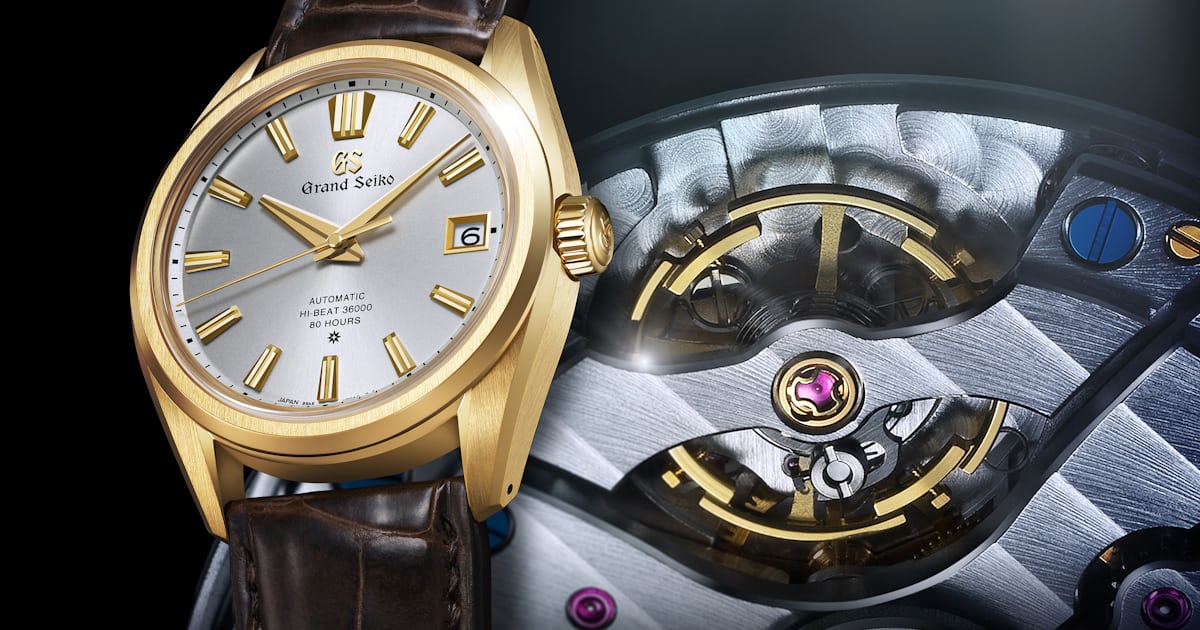
Grand Seiko's new Hi-Beat caliber 9SA5, in steel for the first time.
 Hodinkee
Of mainsprings and Tri-synchro regulators.
 Hodinkee
"An interest in escapements is a sign of horological maturity." –Jack Forster
 Hodinkee
The latest limited edition from Grand Seiko marks a major mechanical leap forward.
 SJX Watches
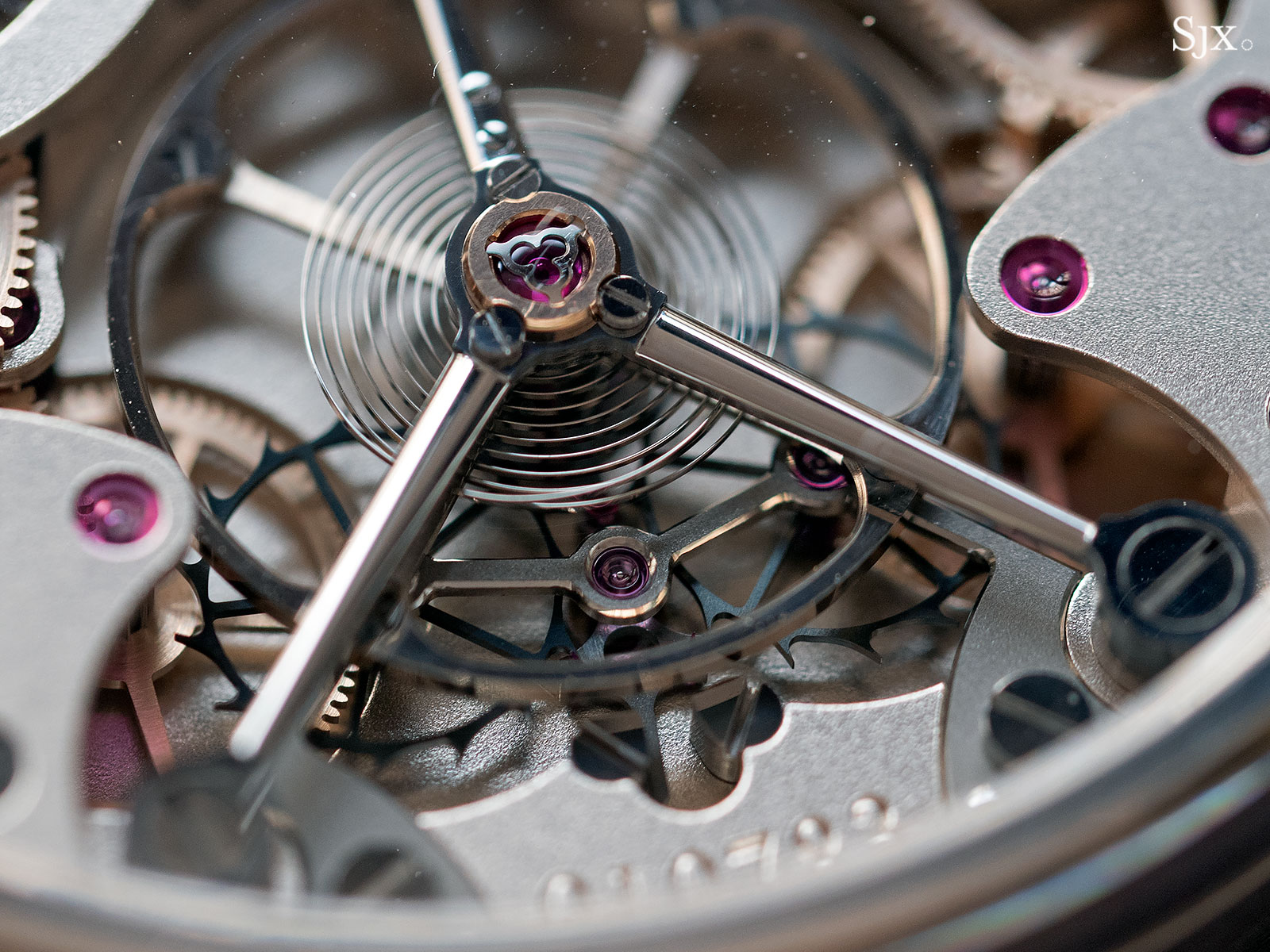
Abraham-Louis Breguet’s contributions to horology are as numerous as they are fundamental. Practically every avenue of watchmaking is built on the foundations he laid down, from the perpetuelle self-winding mechanism to pare-chute shock-protection for balance pivots. But most famous of all was the tourbillon, patented in 1801. It was crucial to the precision of mechanical pocket watches and clocks, the only kinds of timepieces in use then, which normally sat in an upright, vertical position. The Breguet Souscription pocket watch of the 1990s that replicated the 19th century originals, right down to the pare-chute escapement The tourbillon, however, was not Breguet’s only effort in improving chronometric performance. Prior to the tourbillon, he created the lesser known but more elegant echappement naturel, or natural escapement, in 1789. It was a double-wheel chronometer escapement that in theory, needed no oil. Breguet managed to incorporate it into just 20 pocket watches, but serial production of the natural escapement ultimately eluded him as its design had inherent shortcomings – primarily backlash in the motion of its wheels – that made it impossible to commercialise. The idea was ahead of its time, and it would take some 200 years before technology made the natural escapement feasible. The concept of natural escapements continues to fascinate watchmakers, many of whom have conceived modern-day descendants, the most recent of which is the Ch...
 Revolution
 Quill & Pad
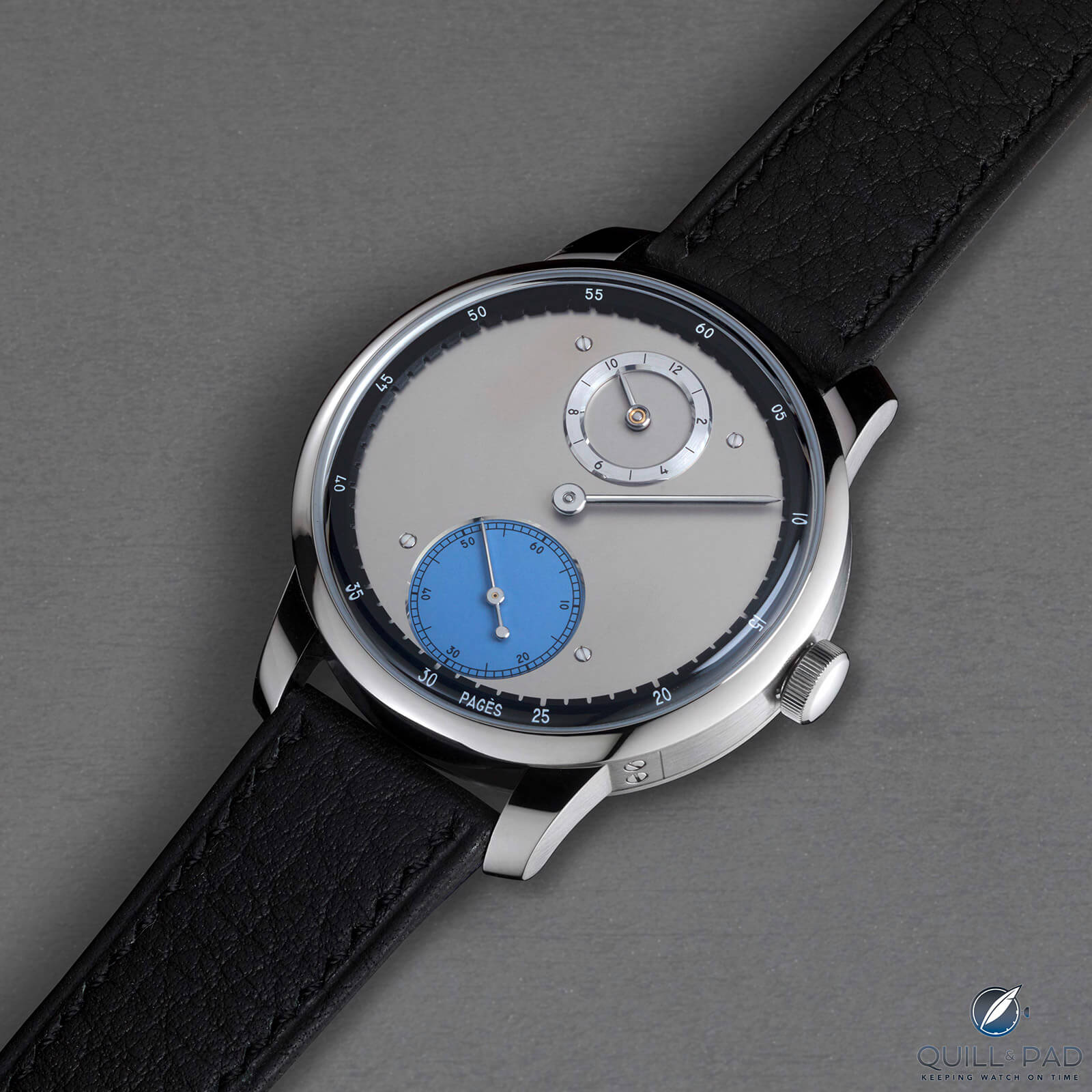
Congratulations to Raúl Pagès for winning the 2024 Louis Vuitton Prize for Independent Creatives with his RP1 Régulateur à Détente. The prize comes with a substantial grant of 150,000 euros and a 12-month mentorship with La Fabrique du Temps Louis Vuitton. Here's why he won.
 Deployant
Raúl Pagès announces the third chapter in his independent career with a new watch he designed and hand makes: the new Régulateur à détente RP1.
 SJX Watches
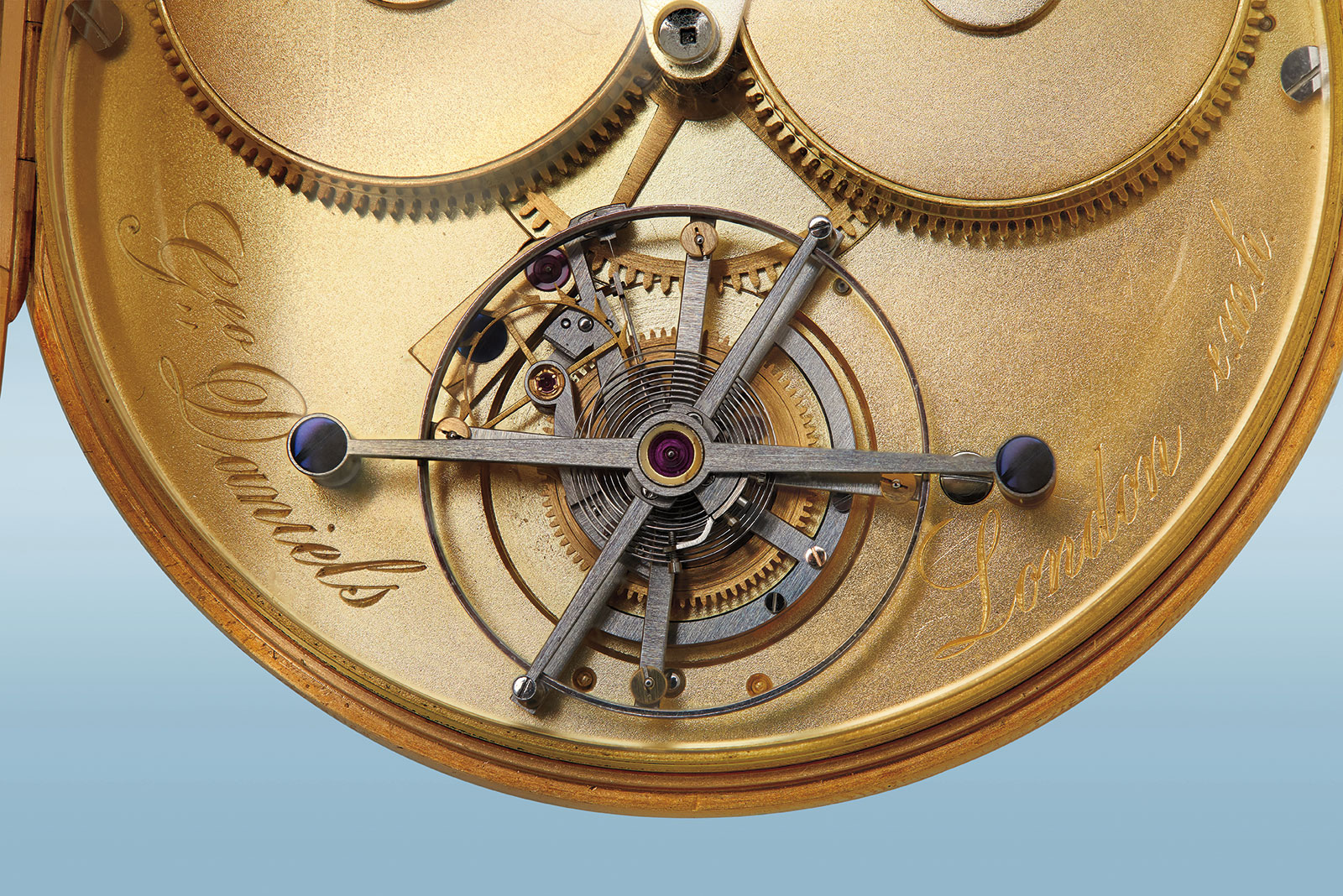
Mechanical escapements remain the most fascinating and enticing field of horological study even in the 21st century. At its core, an escapement has a simple purpose: restore lost energy to the oscillating organ while regulating the discharge speed of the going train – thus allowing for time measurement. Straightforward as the concept is, executing an escapement well is a completely different affair. The escapement is perhaps the element of the mechanical movement that has undergone the most iterations since its invention. The reason is simple: escapements were, and remain, imperfect systems. In fact, the escapement is often the least efficient aspect of a mechanical movement in terms of energy transfer. That’s why watchmakers and engineers have devised innumerable variants in the search of the ideal escapement. Explaining escapement efficiency In physics the efficiency of a system is the proportion of useful work done relative to the total work done by said system. The result, measured as a percentage, speaks to the energy conserved within the system. For example, an 80% efficiency means that 20% of the total available energy is lost, with the remaining 80% usefully conserved. That said, an efficient escapement isn’t necessarily chronometrically-potent, since there are more criteria, apart from energy conservation, which reflect in a movement’s accuracy. The way in which escapement parts impulse to the balance, the proximity of the equilibrium point and the deg...
 Revolution
Paying a visit to Bernhard Lederer’s atelier in St. Blaise, Wei nerds out with the German Master Watchmaker about a crucial component in a watch’s movement, the escapement, which has undergone hundreds of years of innovation. Lederer expounds on the efforts by past masters, Abraham-Louis Breguet and George Daniels to develop the perfect escapement and […]
 Monochrome
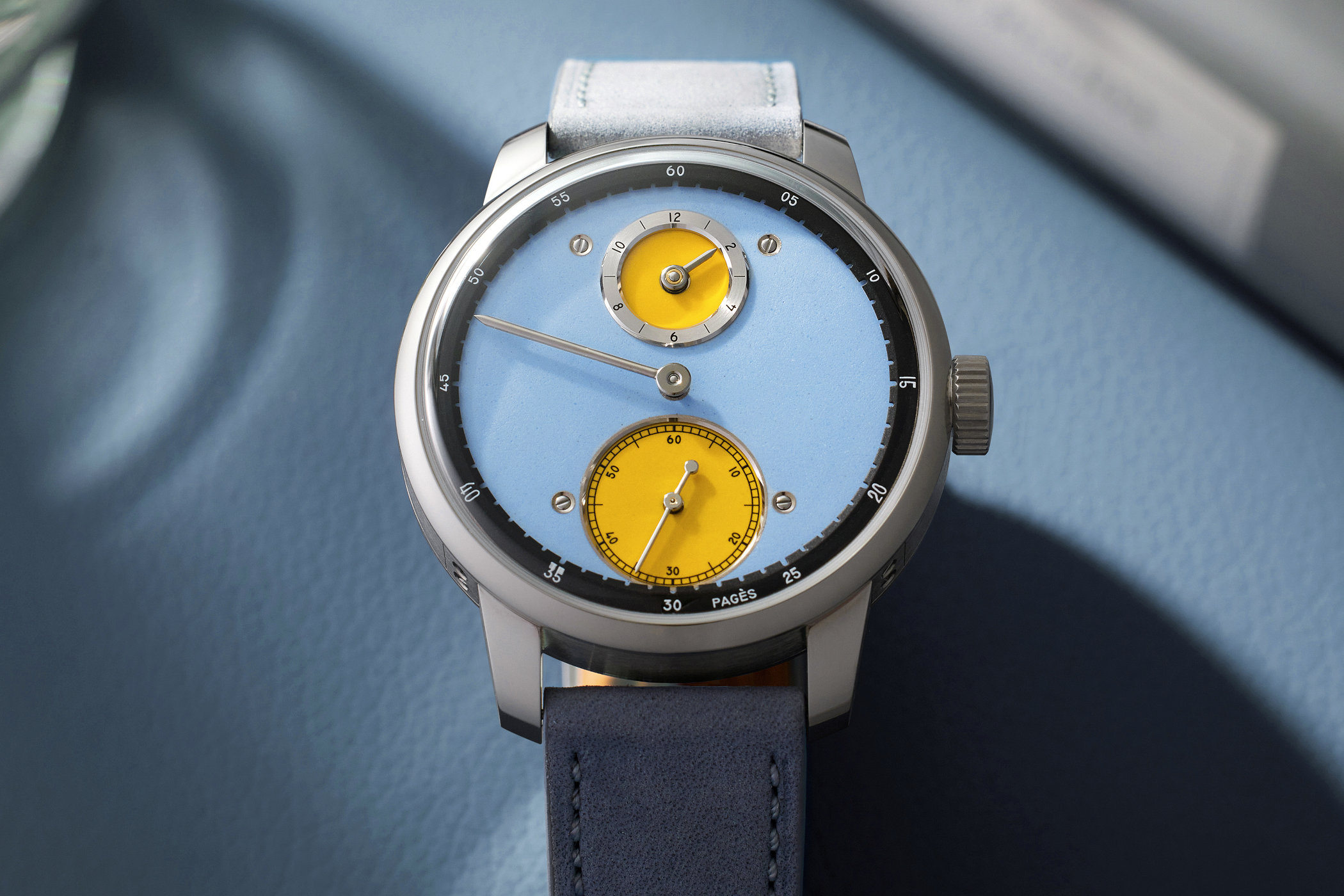
When two masters of their respective crafts meet, it’s very likely greatness will ensue. However, while masters may strengthen each other, it’s difficult to find common ground when crafts might seem at odds. Despite this, a positive and uniquely intriguing outcome is still a possibility. Such is the case with the collaboration of Raúl Pagès, […]
Question, suggestion, or just want to say hi? Drop a note.