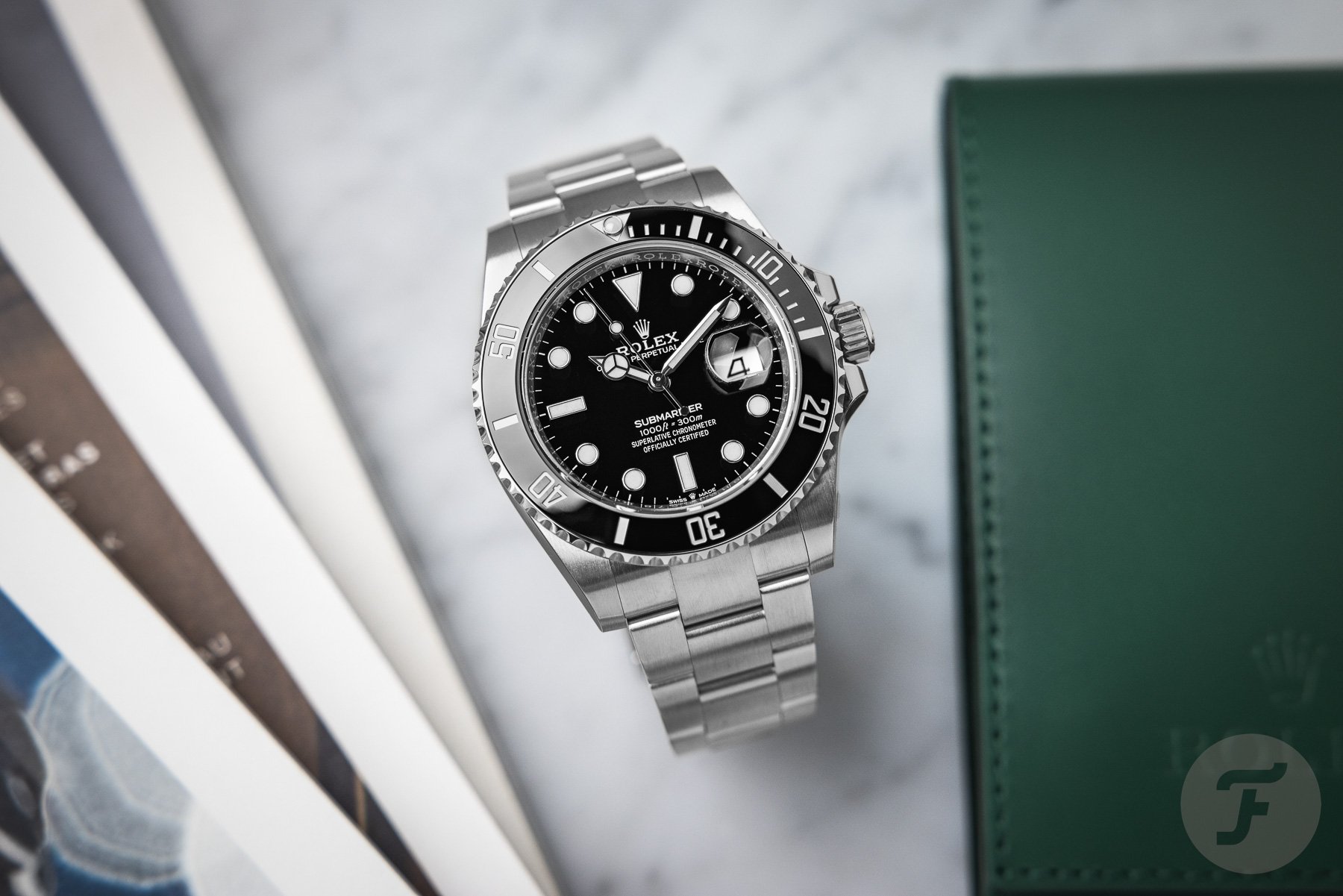
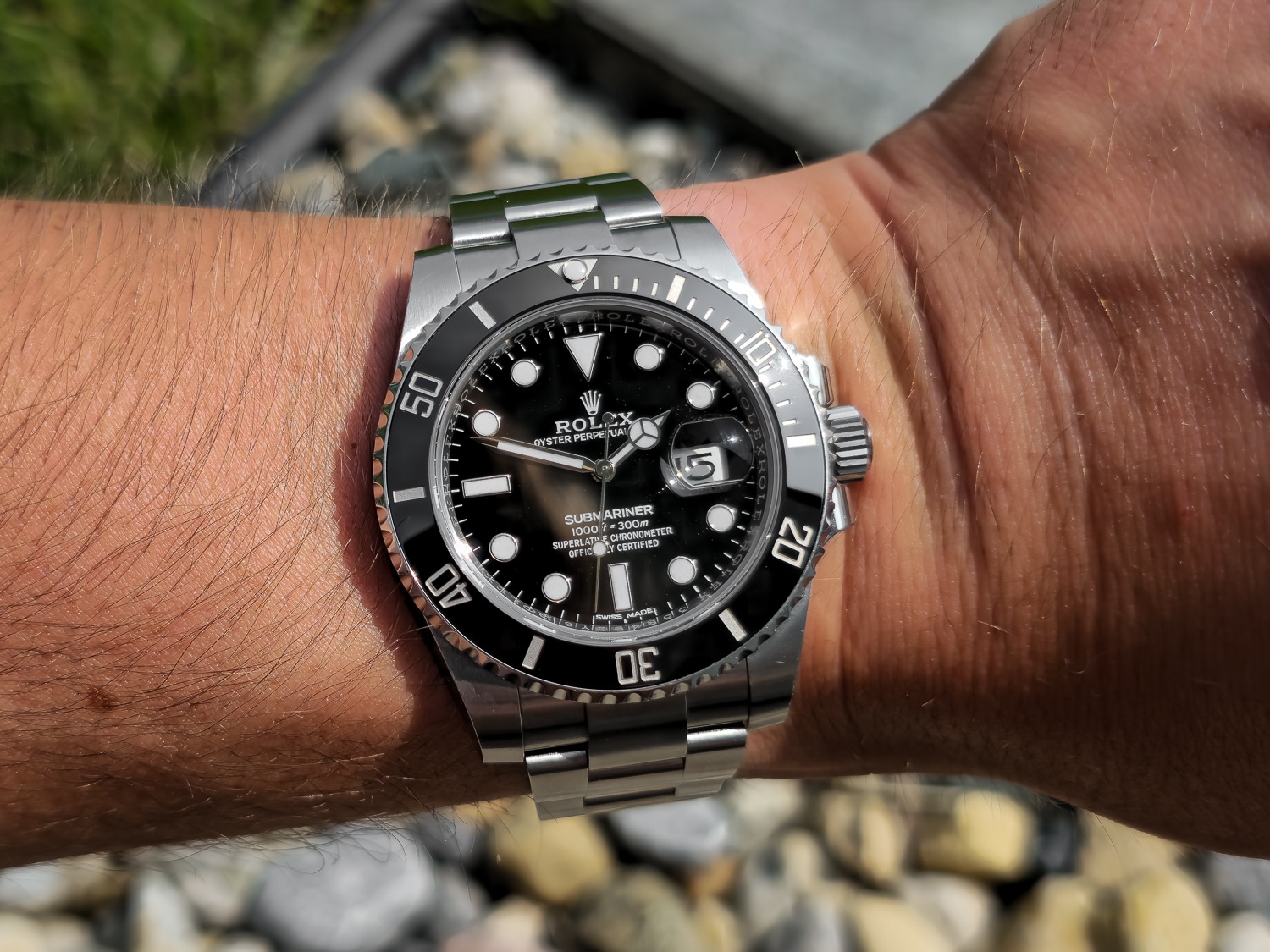
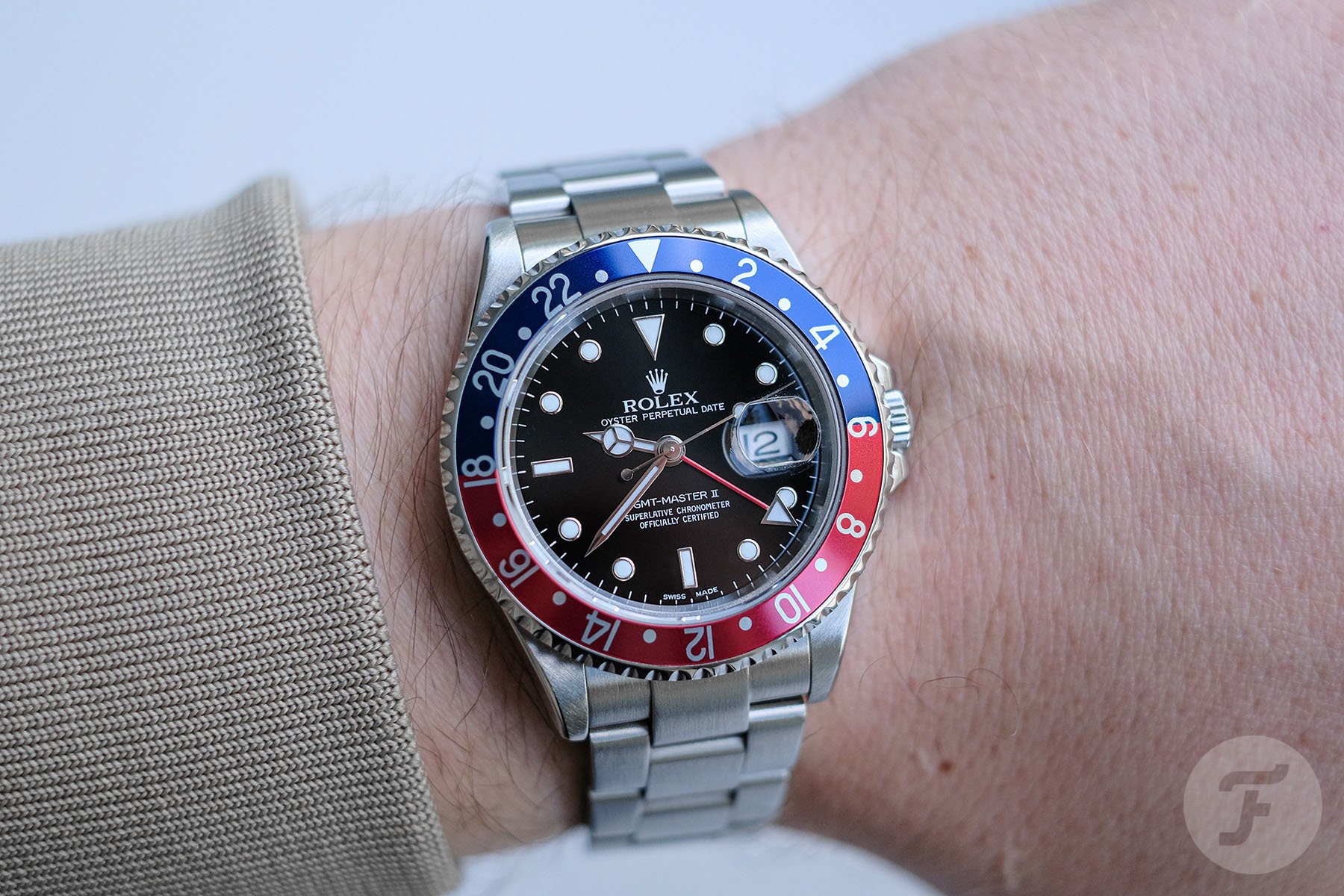
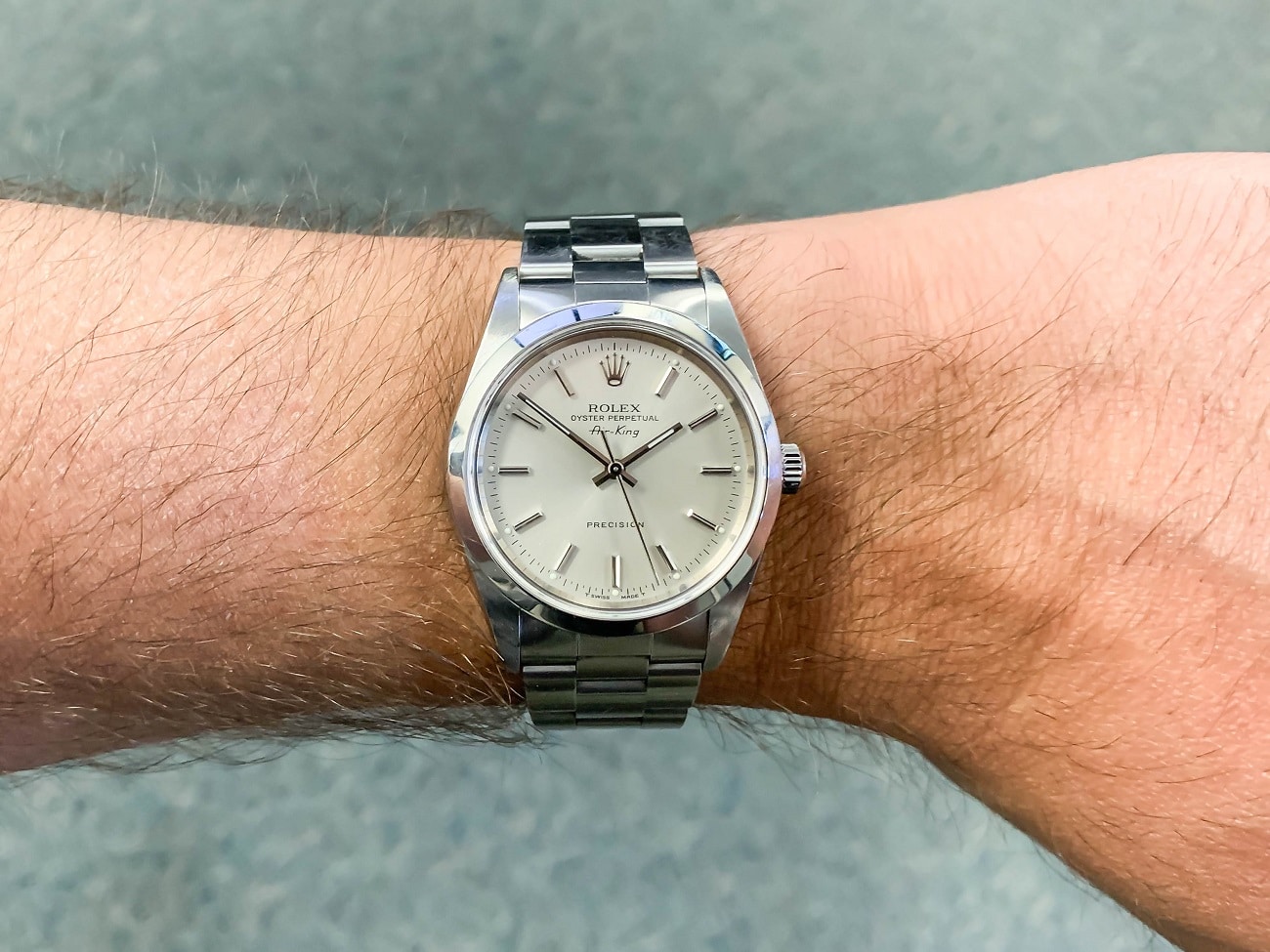
The Ultimate Affordable Rolex Alternative: Meet the New Citizen Tsuyosa 60 (NK0022-50A & NK0030-51X)
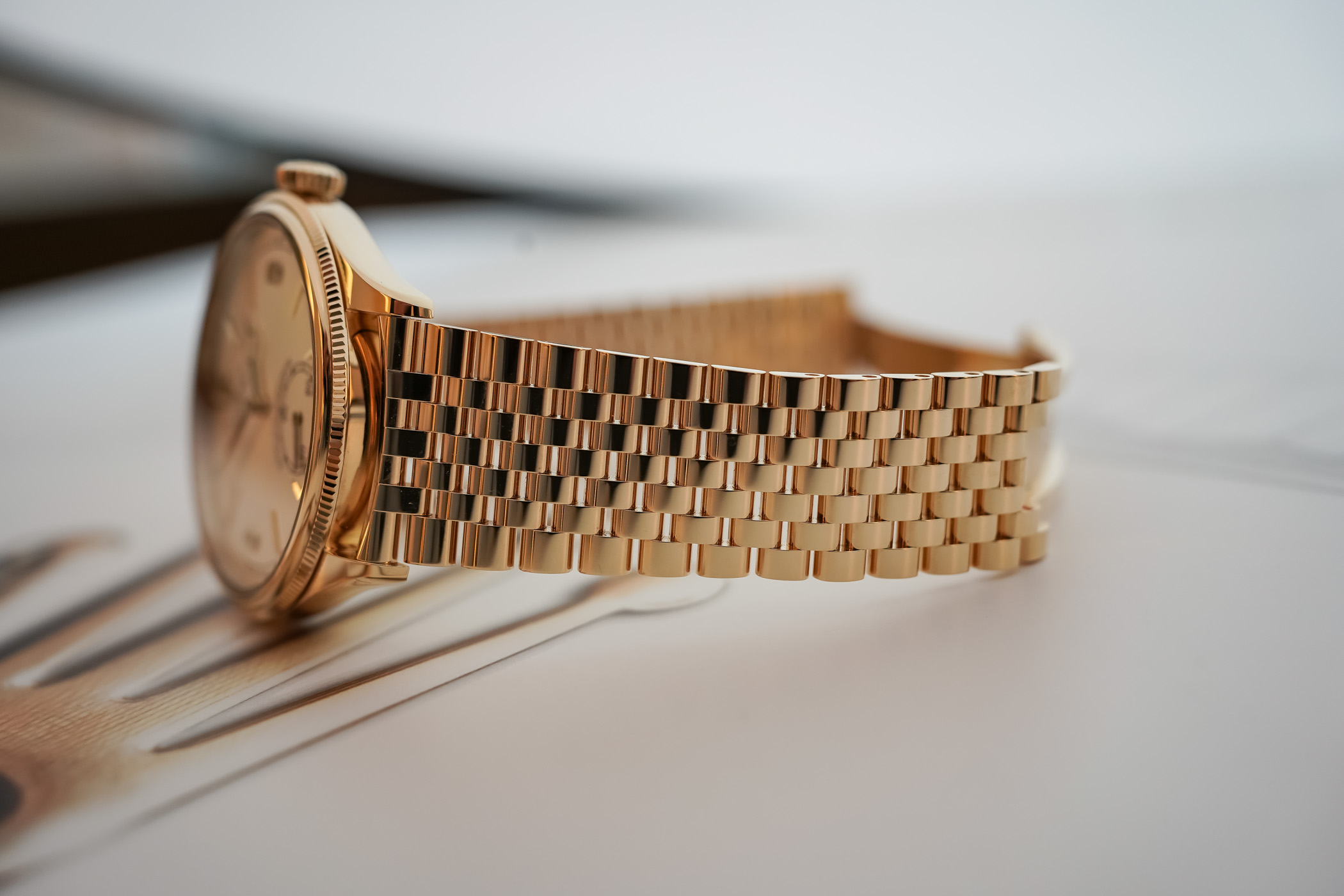
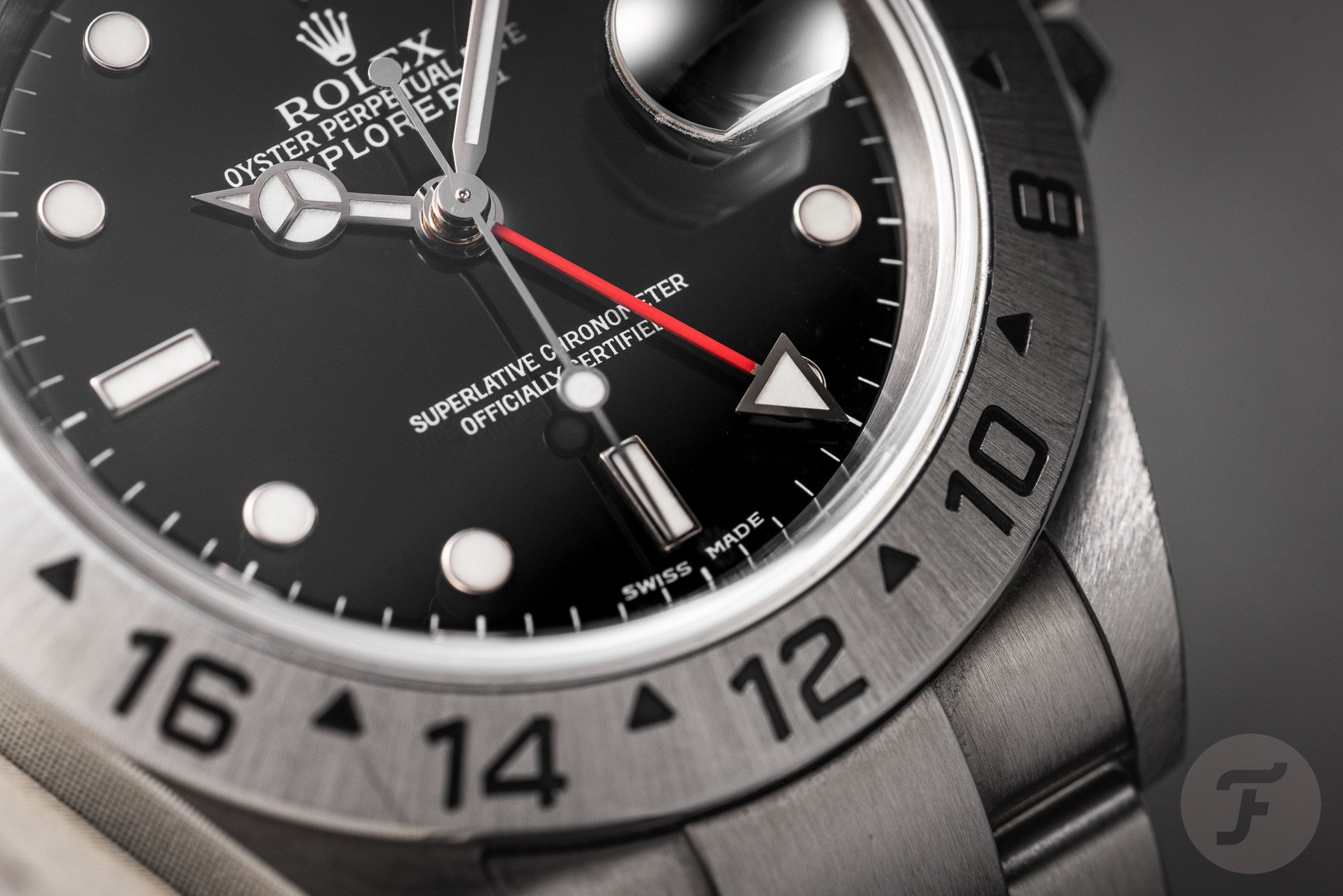
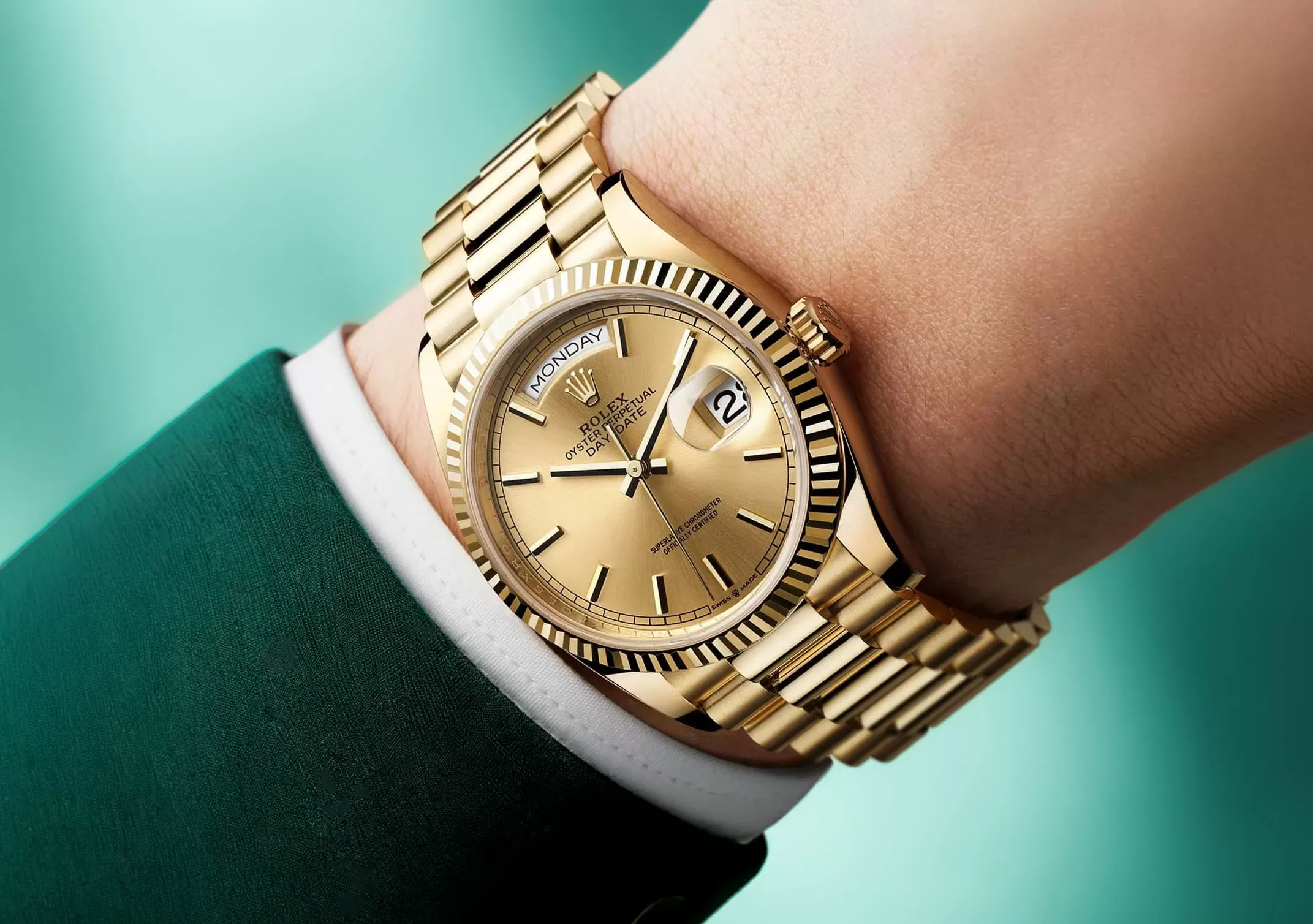
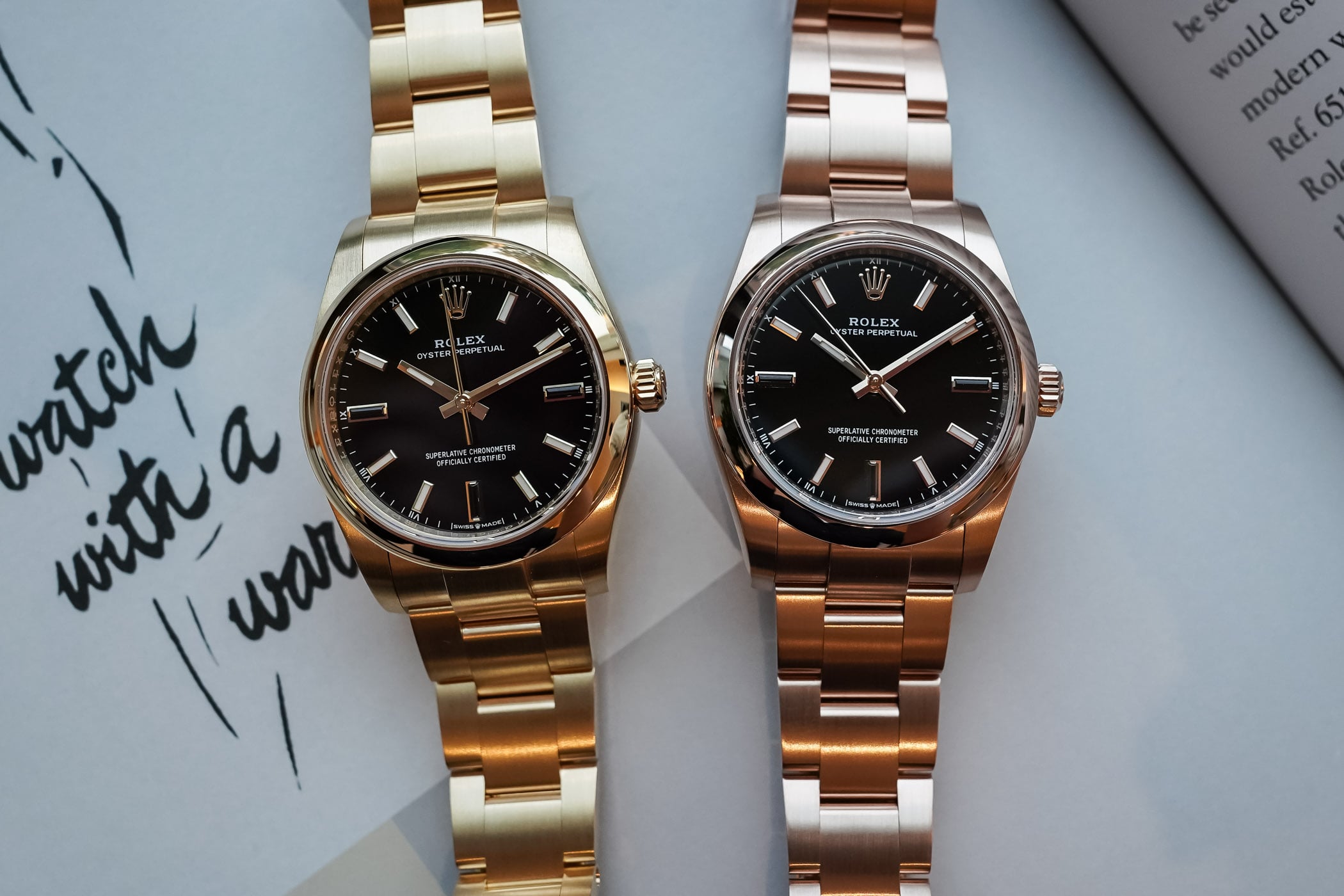
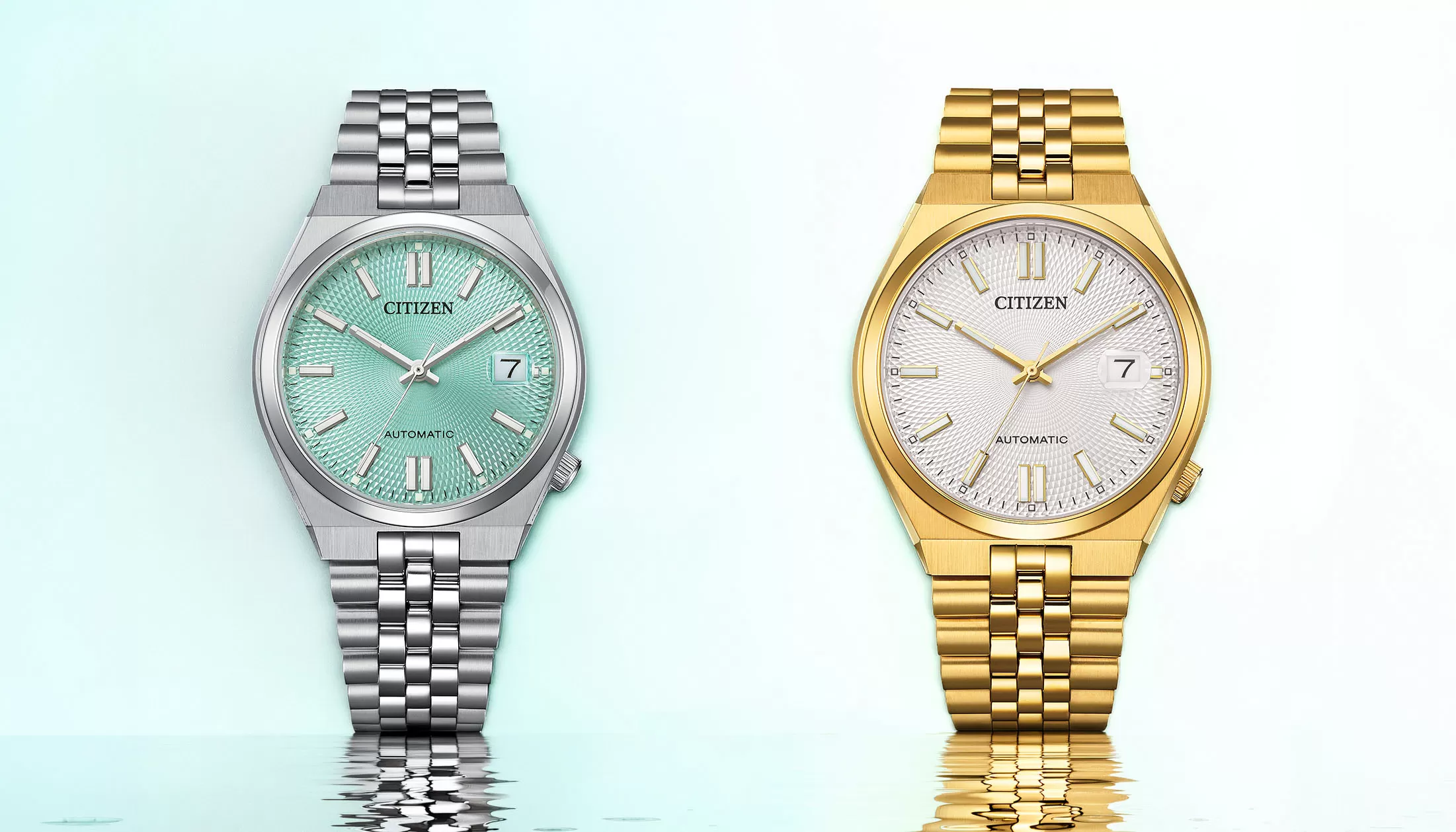
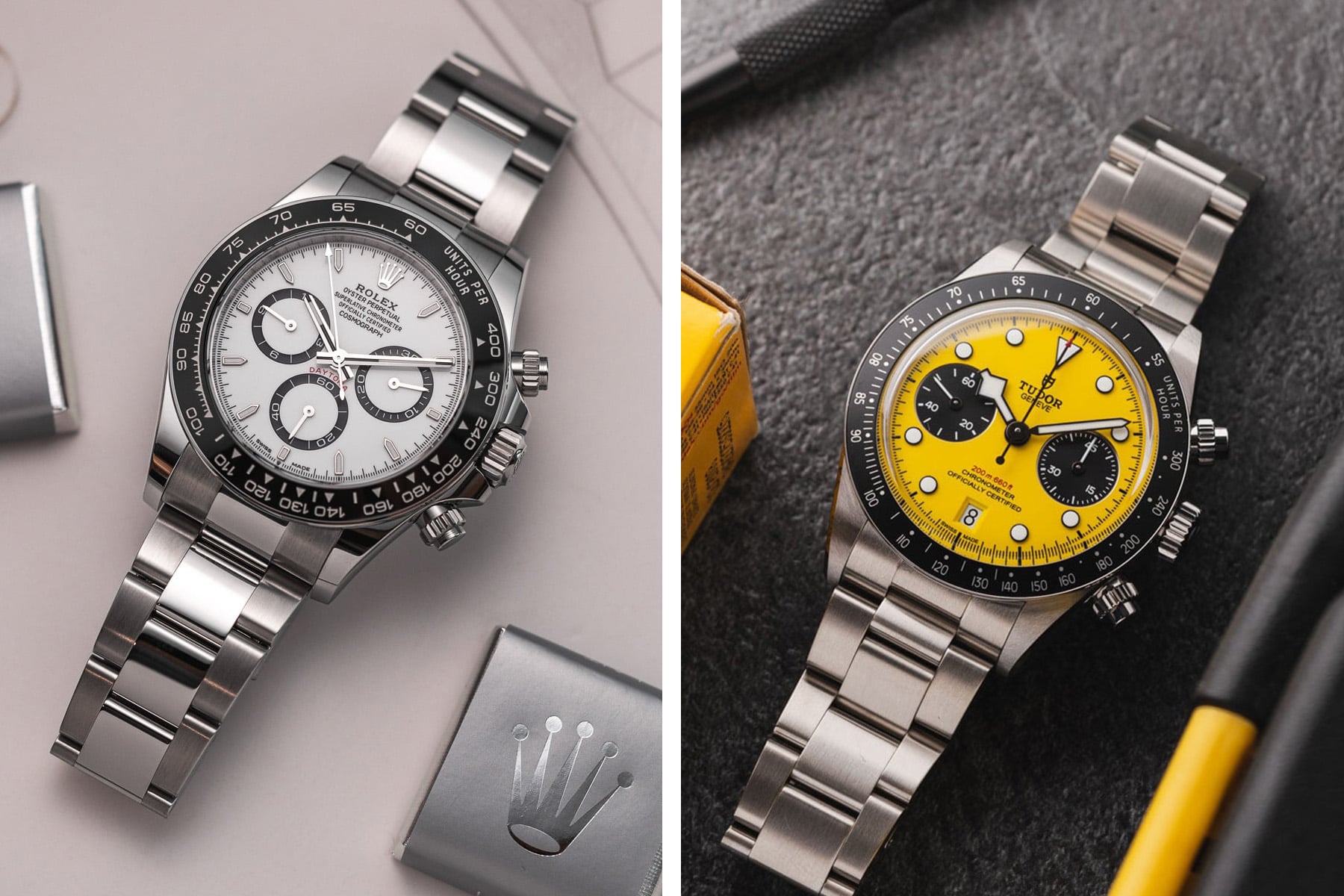
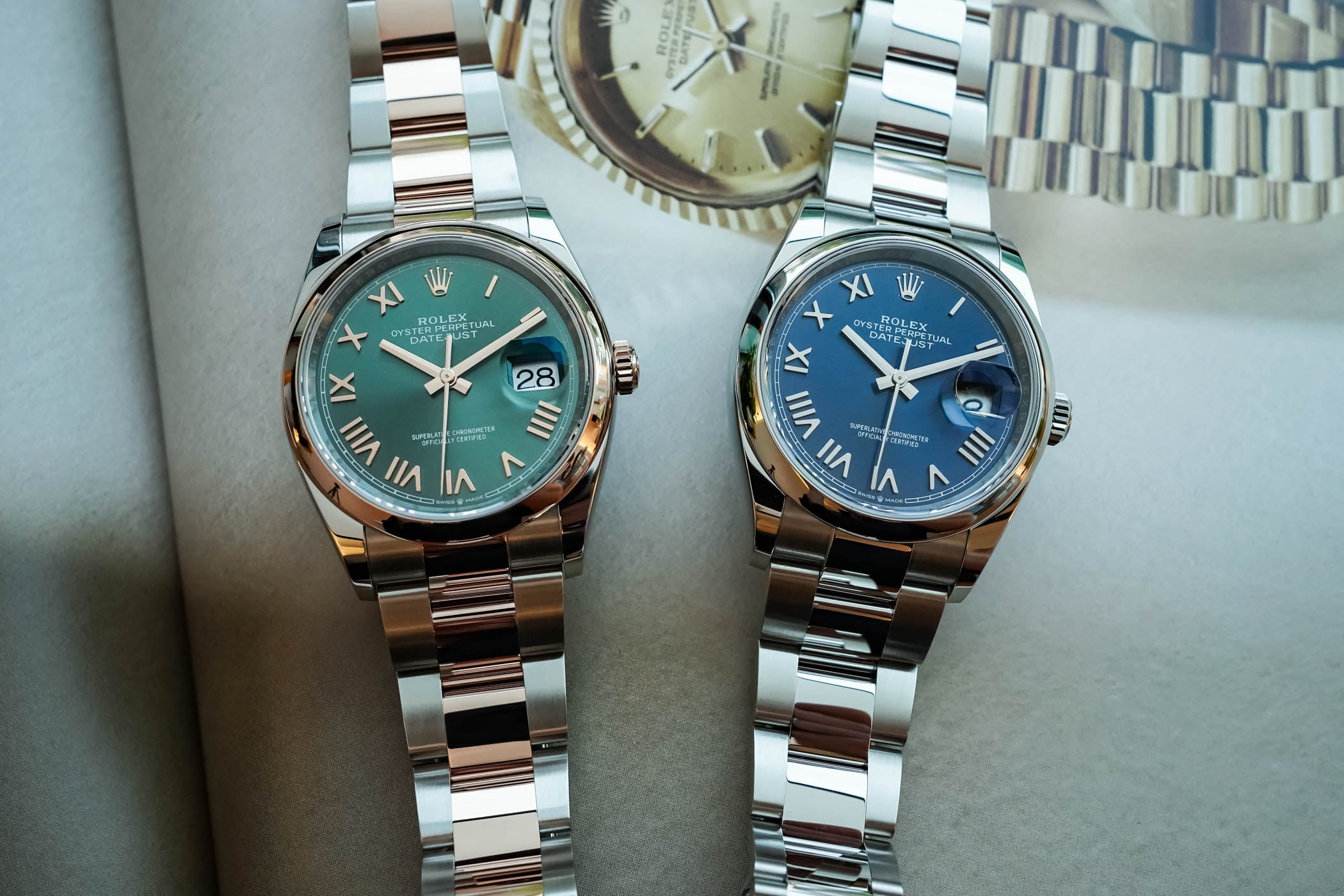
We all love the timeless elegance of a luxury watch, but not everyone has thousands of dollars to drop on a Rolex. Fortunately, you don’t have to drain your savings to get that premium, high-end “Rolex energy” on your wrist. Citizen has just expanded its legendary Tsuyosa line with two stunning mechanical models: the NK0022-50A and the NK0030-51X. Featuring exquisite guilloché textured dials, upgraded automatic movements, and sleek integrated bracelets, these models offer major luxury watch vibes for just a fraction of the price. A Tale of Two Sizes Citizen recognized that watch enthusiasts have different wrist sizes and style preferences, so they released these two models with distinct personalities. The Bold and Classic: Citizen NK0022-50A If you love the unmistakable presence of a gold Rolex Datejust, the NK0022-50A is designed to catch your eye. To clarify, the comparison is with the Datejust, not the Day-Date, because the Tsuyosa has a date display but no day of the week display. Pairs a modern, 40mm gold-tone ion-plated stainless steel case and integrated bracelet with a textured, silver-white guilloché dial. It’s loud, it’s proud, and it looks like a million bucks on the wrist (even if it costs less than a decent weekend getaway). The Refined and Compact: Citizen NK0030-51X Sized at a sweet-spot 37mm, this stainless steel beauty features a mesmerizing teal guilloché dial. For those who prefer a more understated look or have smaller wrists, the...
 WristBuzz