 Hodinkee
Hands-On: Raúl Pagès Turns The Page With His Old-School Régulateur à Détente
Handmade and unique.
228 articles · 2 videos found · page 4 of 8
Hodinkee
Handmade and unique.
 Time+Tide
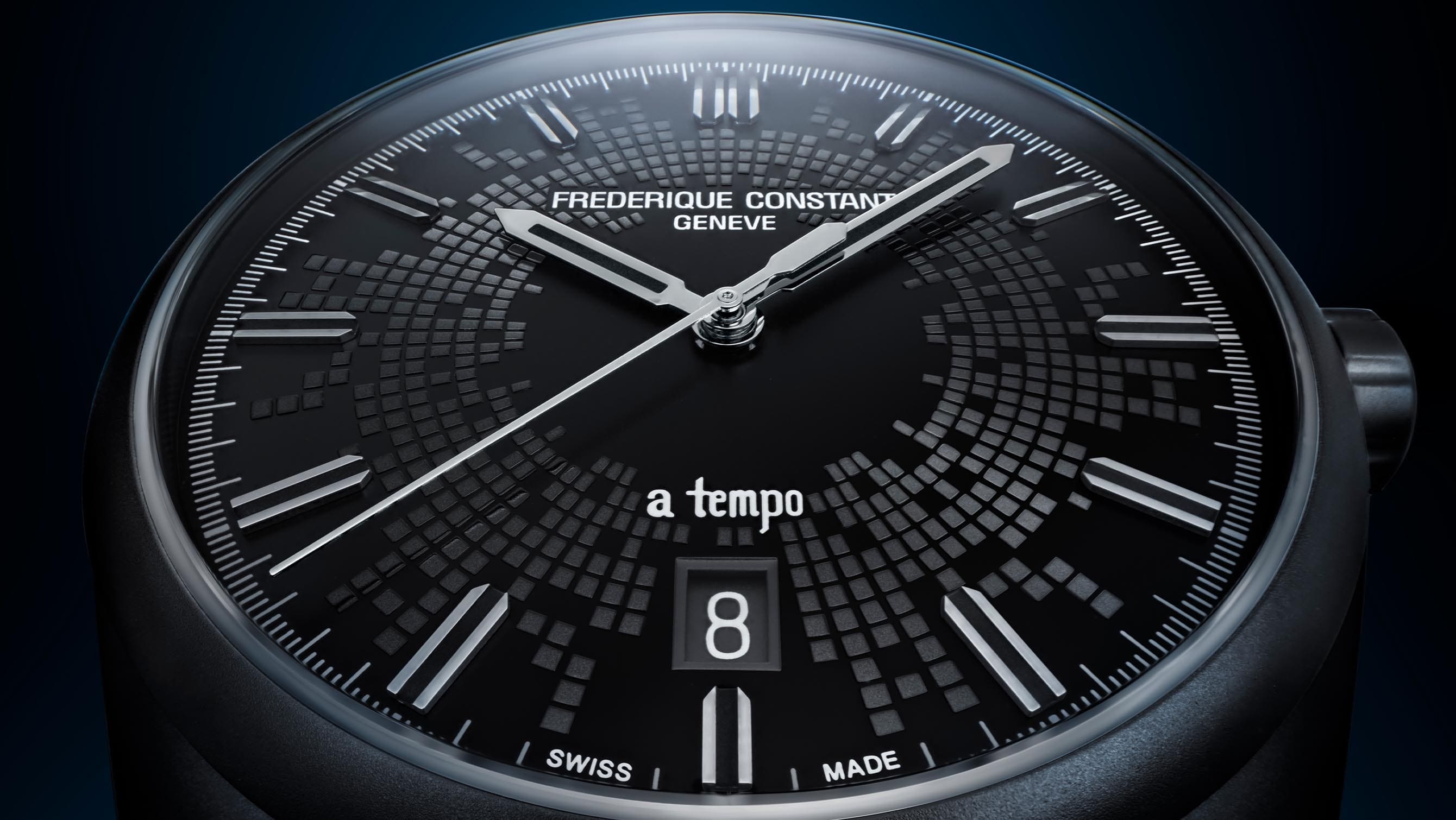
Deep house and tourbillons mark Frederique Constant's DWW releases.The post Frederique Constant spins tracks and escapements at Dubai Watch Week appeared first on Time+Tide Watches.
 Quill & Pad
Joshua Munchow talks about steel here, the metal that made the world! Watch cases and other movement components are commonly made from certain stainless steels, 304 and 316L being the most frequent. It also happens that some brands hold exclusive rights to use specific alloys in the production of its watches. Here's what you should know about steel.
Quill & Pad
Joshua Munchow talks about steel here, the metal that made the world! Watch cases and other movement components are commonly made from certain stainless steels, 304 and 316L being the most frequent. It also happens that some brands hold exclusive rights to use specific alloys in the production of its watches. Here's what you should know about steel.
 Quill & Pad
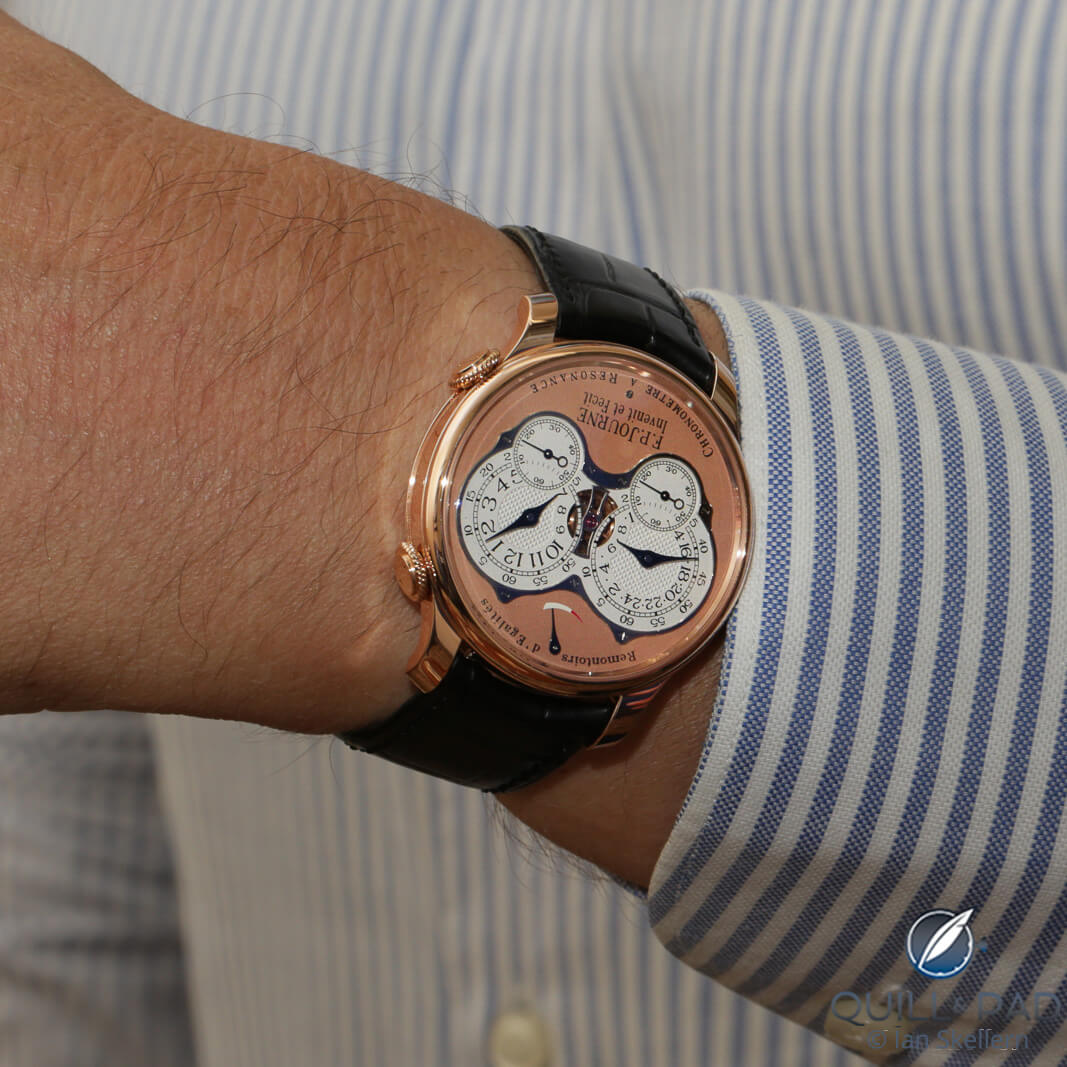
Launched in 2000, the Chronomètre à Résonance was the first wristwatch with a resonance mechanism and it catapulted F.P. Journe into the major leagues. This latest model in celebration of its 20th anniversary is an entirely new piece based on the resonance phenomenon that now incorporates a larger single mainspring (the original had two mainsprings) with a differential driving the two going trains and a pair of remontoire d’égalité escapements.
Quill & Pad
Joshua Munchow talks about steel here, the metal that made the world! Watch cases and other movement components are commonly made from certain stainless steels, 304 and 316L being the most frequent. It also happens that some brands hold exclusive rights to use specific alloys in the production of its watches. Here's what you should know about steel.
 Revolution
 Revolution
 Revolution
 Deployant
Review of the Bulgari L'Ammiraglio del Tempo Minute Repeater with Detente Escapement and Constant Force. Hands on analysis and explanations on how it works.
 Time+Tide
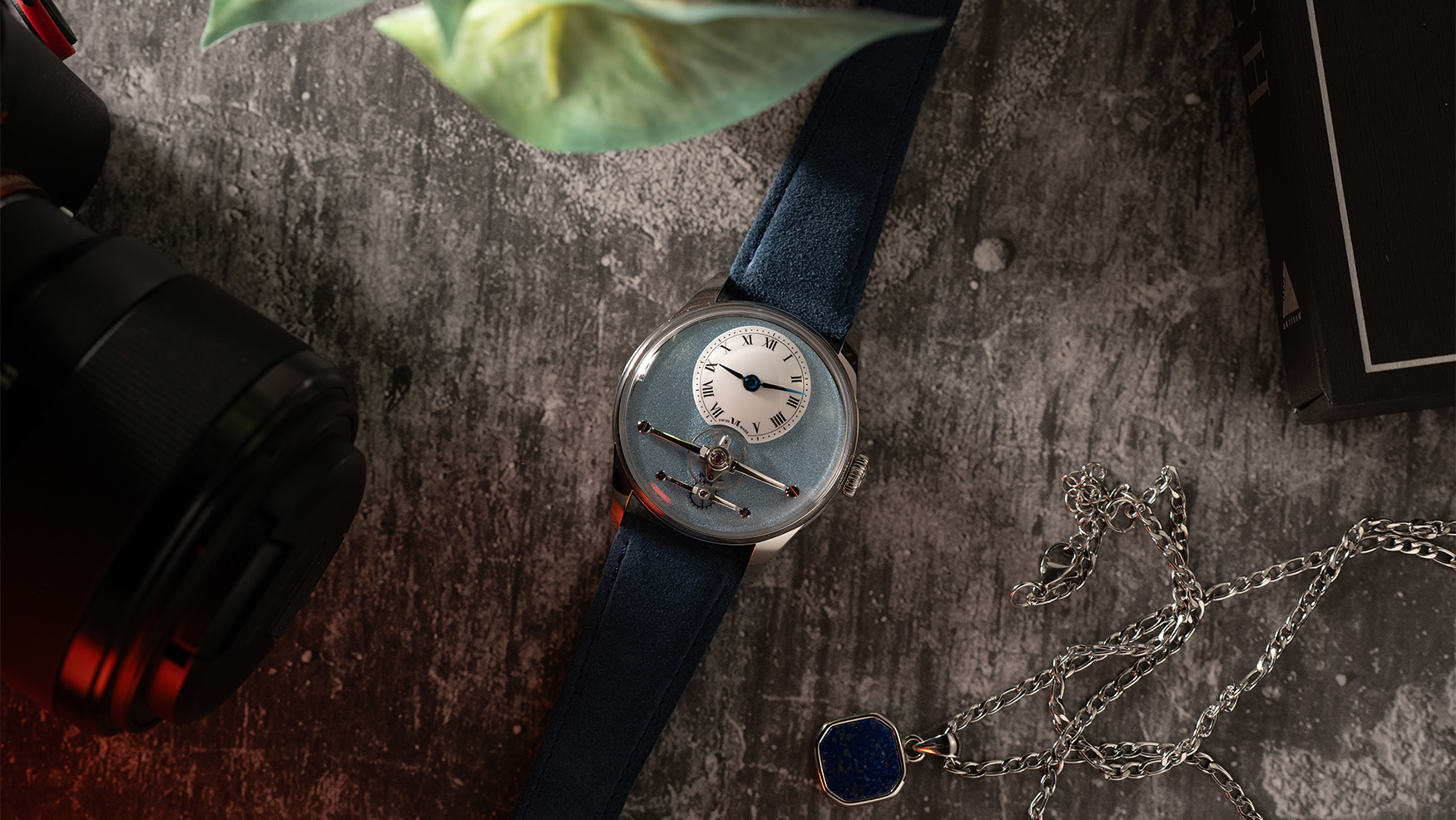
The GPHG-nominated Christopher Ward C1 Loco Classic features a six-day power reserve, exposed escapement, and beautifully traditional design.
 Hodinkee
What We Know We are six years into the reign of the Legacy Machine EVO, a sportier version of MB&F;'s most "traditional" (and I use that term loosely) watch designs, which had the added benefit of higher water resistance, a built-in FlexRing shock protection system, slightly less delicate dials, and a different case design that lends itself to the rubber straps. We've had the Perpetual EVO, Sequential EVO, Sequential Flyback EVO, Split Escapement EVO, and LM101 EVO. Now, the original Legacy Machine, the LM No. 1, joins the collection with two case materials: titanium and a limited-edition rose gold. It seems like case sizes are the most hotly debated topic these days, and MB&F; has never shied away from a large case. It's needed to accomplish the dramatic design and depth of the floating balance that hovers over the dual time display (now in sunburst-polished black, flat subdials). The cases are 42mm by 16.8mm, with a 52mm lug-to-lug and 18mm lug width. This brings one major update to the EVO series: these watches now have quick-change rubber straps, made possible by a case redesign (so this won't apply to swapping into other EVO series models). Another update: the original's vertically moving power reserve indicator is now more traditional, rotating side to side and pointing at an inclined scale. One of my favorite things about the Legacy Machine is that it's so wild in the front and more traditional in the back. The movement is still the Jean-François Mogard-designed cali...
 Worn & Wound
Earlier this year, I got a whole new appreciation for the Nomos Metro after sitting down with its creator, Mark Braun. The collection first came into the Nomos catalog back in 2014 and debuted the brand’s proprietary swing escapement system, which was developed over seven years with the Fraunhofer Institute and TU Dresden. Form was equally important to function in the original design, featuring a galvanized and silver-plated dial with a soft white color punctuated by black, red, and green markings in an arrangement that subtly played with asymmetry. Over the past 12 years, the Metro has gone on to take many other forms – some ditching the asymmetry by removing the power reserve indicator and shifting the Nomos logo to 12 o’clock and others ditching the white dial for full color alongside versions in rose gold as well as special editions for select markets. Today, we get the next evolution with the Metro Date Power Reserve Ice Blue. True to the collection’s DNA, this new incarnation offers new details both aesthetic and technical, including a brand-new mechanical caliber.With the latest addition to the Metro lineup, we see Nomos continue to use this collection as a launch point for new technical advancements. It marks the first model in the Nomos catalog to house the new hand-wound caliber DUW 4701, which offers a patented quick-set date and a power reserve of up to 52 hours. This entirely new movement continues the story of mechanical innovation that began with the...
 Monochrome
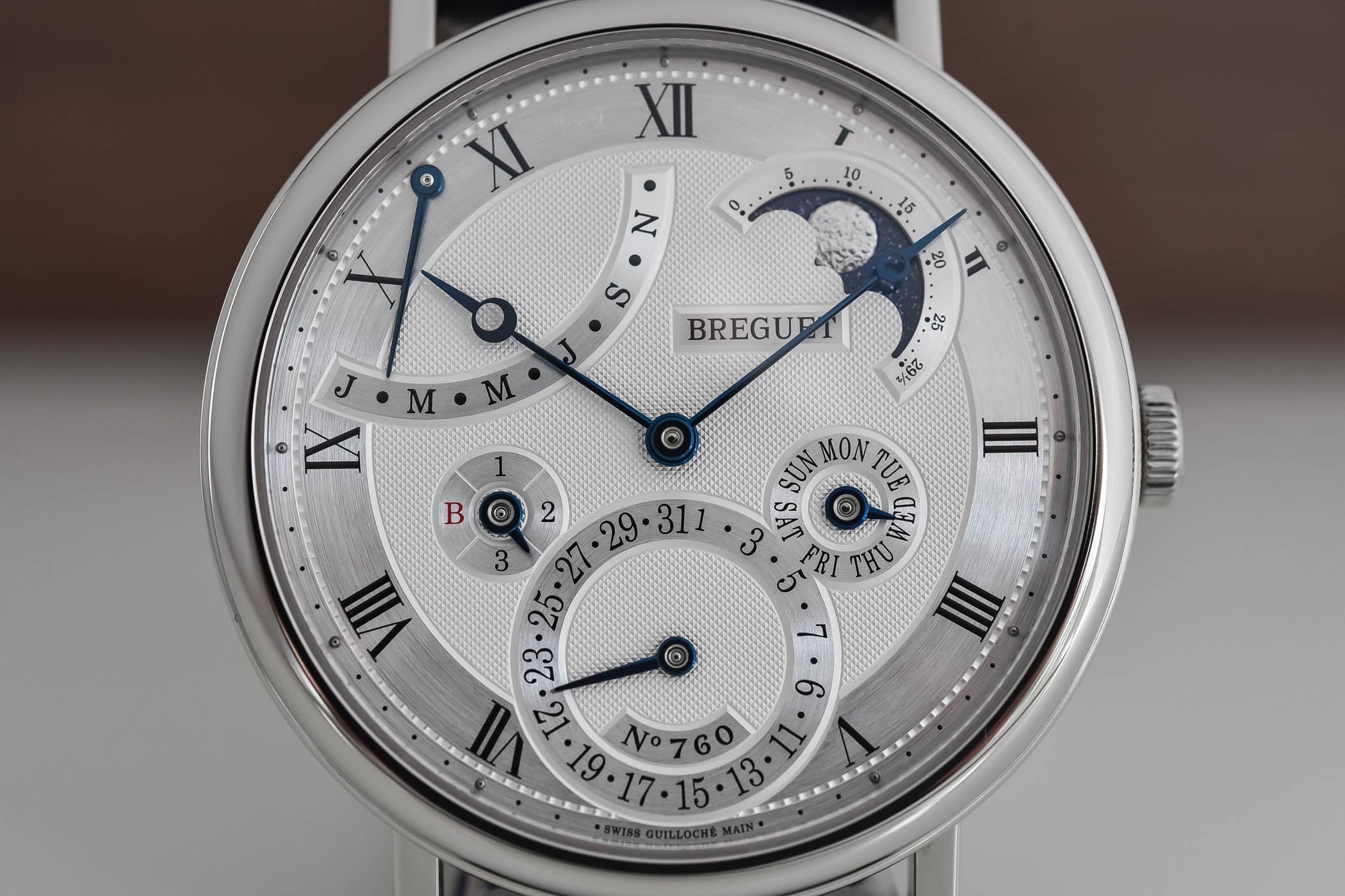
In many cases, particularly with in-house calibres, movements are the star of the show. Finishing, complexity and technology like silicon components and new escapement designs easily steal the limelight through exhibition case backs, but dials remain the centrepiece and what you see most of the time. Even in the mid-range segment where calibres are off-the-shelf […]
 Monochrome
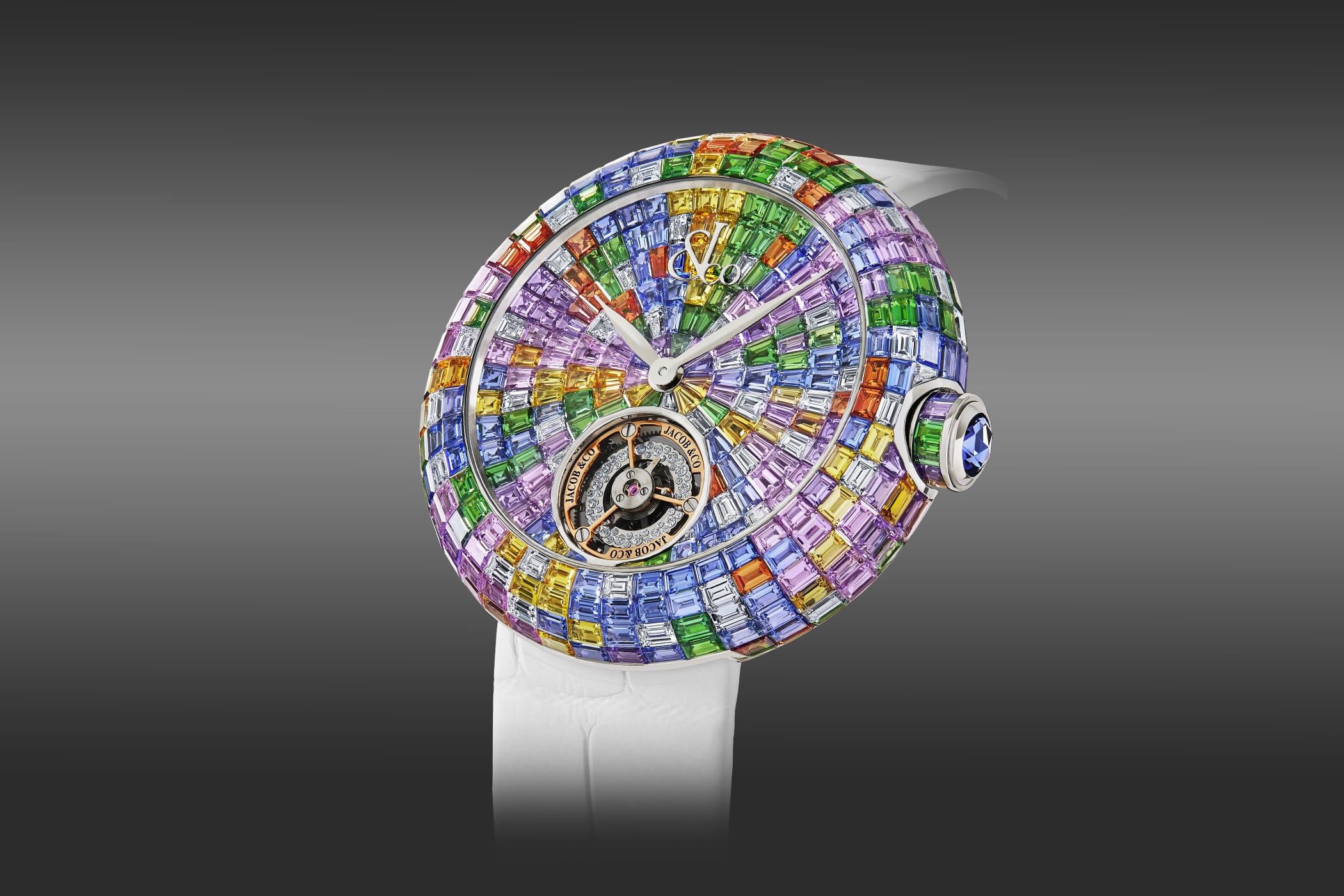
You might have heard of diamonds as endstones on the balance staff and the escapement, but putting them onto the balance wheel? Now, if you were to think of one watchmaker to do it, though, it would be Jacob & Co, never shy about challenging the conventions of high watchmaking. The new Brilliant Flying Tourbillon […]
 Time+Tide
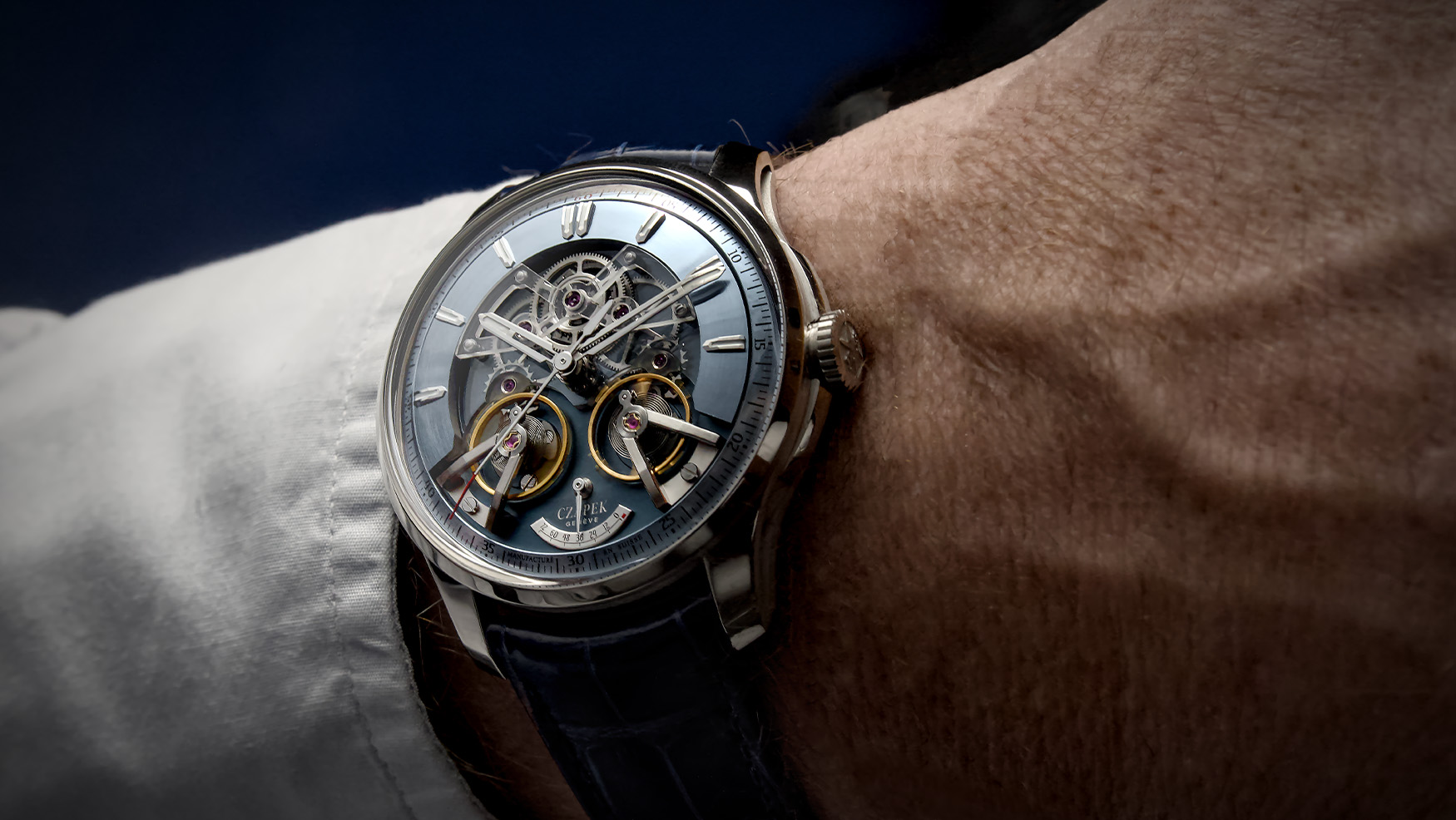
Czapek celebrated its new flagship at Quai des Bergues 27 by releasing two limited editions during Geneva Watch Days 2026. The Quai des Bergues Midnight in Geneva pairs a 40.5mm steel case with a dark blue aventurine dial and Czapek’s seven-day, manually wound Calibre SXH1. The Place Vendôme Complicité Glacier Blue places its open-worked double-escapement … Continued
 SJX Watches
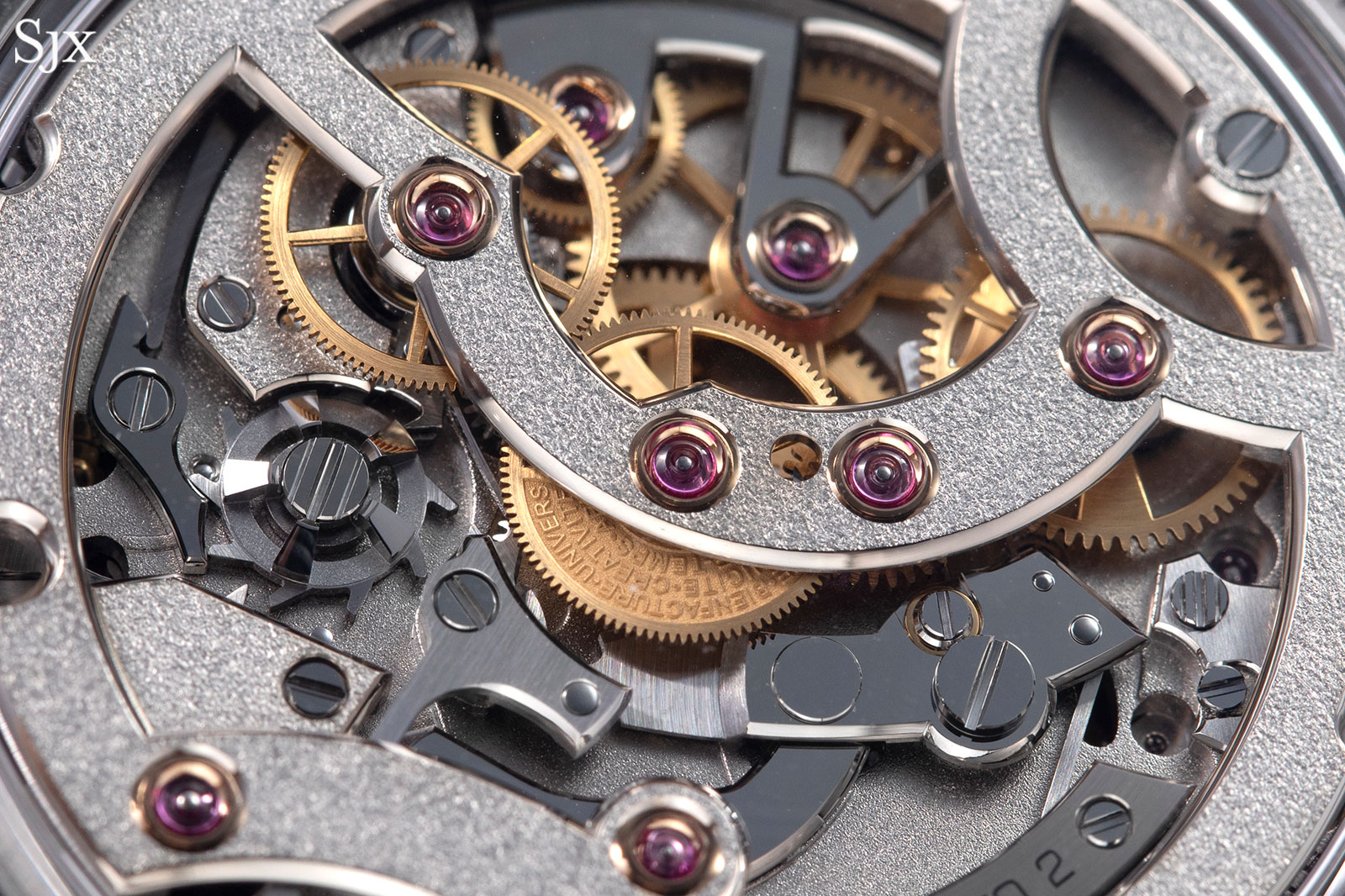
Having explored several concepts related to energy systems in watchmaking, from mainspring barrel capacity to automatic winding and the chain and fusee, our technical series continues with a detailed examination of how that energy reaches the escapement. A vital part of all watch movements, gears are usually taken for granted and generally not given much thought. But upon closer look, gear tooth profiles vary in shape and size. These seemingly minor variations have big implications and reveal various calculated trade-offs. We take a closer look at the different gear profiles used in watchmaking and review their particularities and evolutions over time. History and curves Mechanical timekeeping is inextricably linked to the concept of gears and transmissions. Long before the invention of the hairspring, early craftsmen and horologists were already using toothed wheels in conjunction with weights, verge escapements, and pendulums to measure the passage of time. Historically, gear-cutters were separate professionals who catered to clock makers. Horological lore has it that the tooth profiles used during the 1600s were traced after the thumb’s shape, although it’s difficult find evidence for this theory. The invention of the hairspring marked a step-change in the technical evolution of the watch, and the later development of detached escapements enhanced precision further. These advances revealed transmission problems that had previously been masked by larger timing er...
 Deployant
Technical review of the Cleguer Horology Inspiration One. Explore Mathieu Cleguer’s proprietary Innate Escapement, movement finishing, and pricing.
 SJX Watches
The return of the Vacheron Constantin Twin Beat Perpetual Calendar got us thinking about other technically interesting watches that showed promise but never truly found their footing. In episode 47 of the SJX Podcast, SJX and Brandon discuss recent releases from Seiko, IWC, and Swatch before turning to candidates for a second chance, including the Audemars Piguet Jules Audemars AP Escapement, the TAG Heuer Monaco V4, and the elusive Breguet Hommage à Nicolas G. Hayek 7887. Listen now on Apple Podcasts, Spotify, and YouTube.
 Monochrome
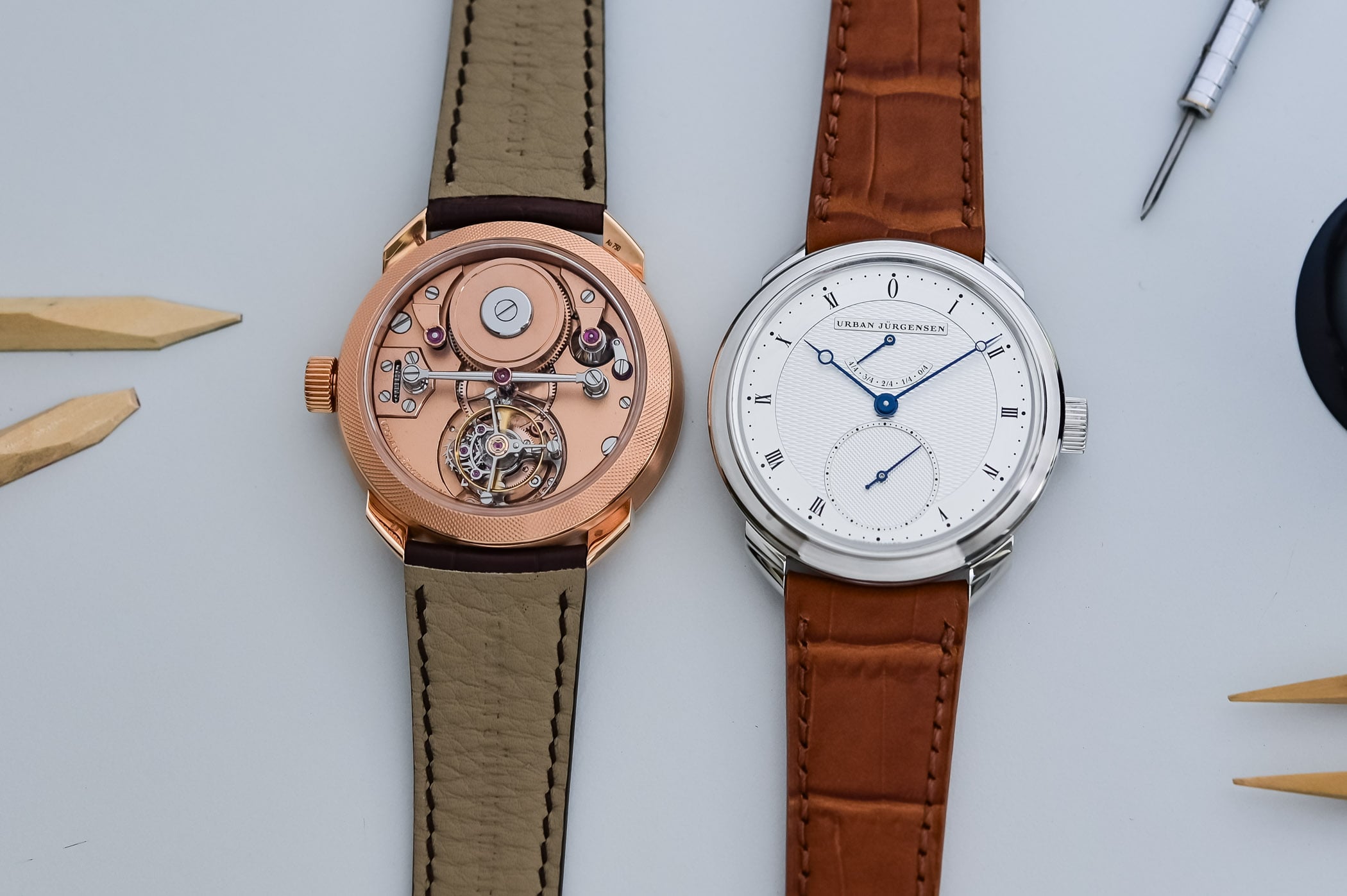
When Urban Jürgensen returned in 2025 under the co-direction of Kari Voutilainen and Alex Rosenfield, three watches formed the inaugural collection. The UJ-2 introduced a time-only calibre with a double-wheel natural escapement; the UJ-3, an integrated perpetual calendar; while the UJ-1 Tourbillon 250th Anniversary Watch was meant to be the technical masterpiece for the return […]
 Hodinkee
At the June 2026 lecture of the Horological Society of New York (HSNY), independent watchmaker Roger W. Smith OBE will trace the remarkable story of the co-axial escapement from George Daniels' original invention in the early 1970s through to its continuing modern evolution. Beginning with Daniels' determination to address the fundamental limitations of the Swiss lever escapement, the talk explores the development of his early experimental pocket watches, together with the long and often difficult process of persuading a skeptical Swiss watch industry to adopt an entirely new escapement system. Drawing on firsthand experience working alongside Daniels during the Millennium Watch project and the launch of the first Omega co-axial wristwatch in 1999, Smith will provide a rare personal insight into a pivotal moment in modern horological history. The second half of the presentation will examine the subsequent technical evolution of the escapement from 2005 onwards, including the development of the single-wheel co-axial and the changing philosophy behind escapement design — moving beyond pure chronometric performance towards long-term stability, durability, and extended service intervals. Due to limited seating, tickets will be released according to this schedule: Gold Members...............May 26 (12 PM ET)Silver Members..............May 28 (12 PM ET)Bronze Members............June 2 (12 PM ET)General Public................June 4 (12 PM ET) A dedicated email with a unique cod...
 Hodinkee
The Horological Society of New York's award-winning classes are on the road again! HSNY is visiting St. Louis on July 18 and 19, 2026, hosted by RedBar St. Louis. At HSNY's Horological Education classes, students discover what actually makes a watch tick under the guidance of HSNY's staff of professional watchmakers. Students work on a mechanical watch movement, studying the gear train, winding and setting mechanisms, and escapement. The weekend half-day classes cover everything taught during the individual evening classes held in New York. Enrollment is now open for the classes, and we look forward to seeing you there! HODINKEE is a sponsor of the Horological Society of New York.
 SJX Watches
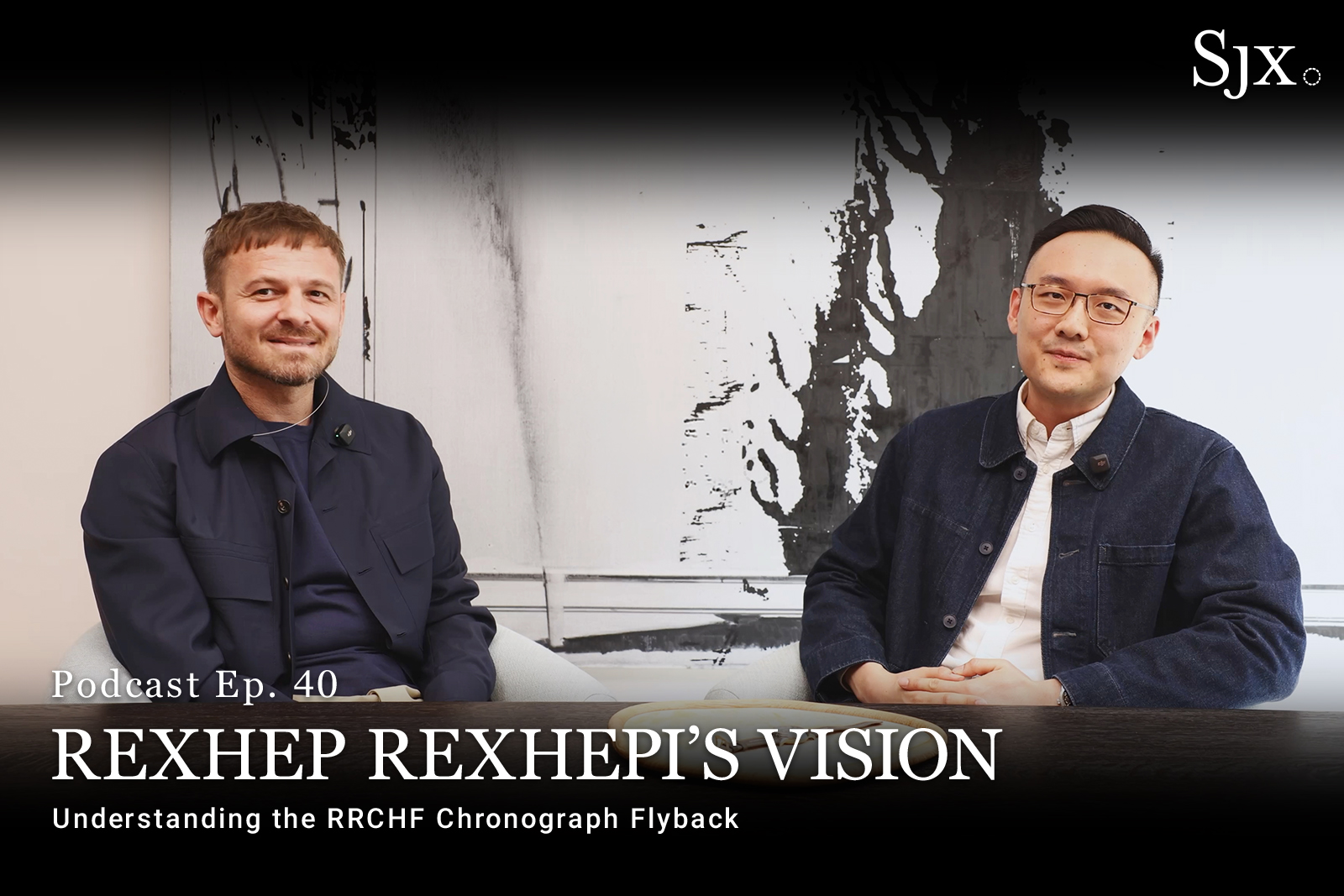
For the 40th episode of the SJX Podcast, we sat down with Rexhep Rexhepi in Geneva to learn more about his latest watch — the RRCHF Chronograph Flyback. Rexhep explains why he wanted to make a chronograph, and how the self-imposed constraint of a symmetrical layout resulted in a more refined overall construction. He also discusses the RRCHF’s in-house escapement, and the trade-offs that were considered in its development. Listen now on Apple Podcasts, Spotify, and YouTube.
 SJX Watches
During Watches & Wonders, all eyes are on the major brands exhibiting inside the cavernous Palexpo. Episode 38 of the SJX Podcast rounds up the highlights from the smaller fairs like AHCI and Time to Watches, and the independents exhibiting on their own around town. Among the standouts were Mathieu Cleguer, who debuted a novel escapement of his own design, Dominique Renaud who launched a 1 Hz balance, and Franc Vila, who seems to be entering a new era of creativity. Listen now on Apple Podcasts, Spotify, and YouTube.
 SJX Watches
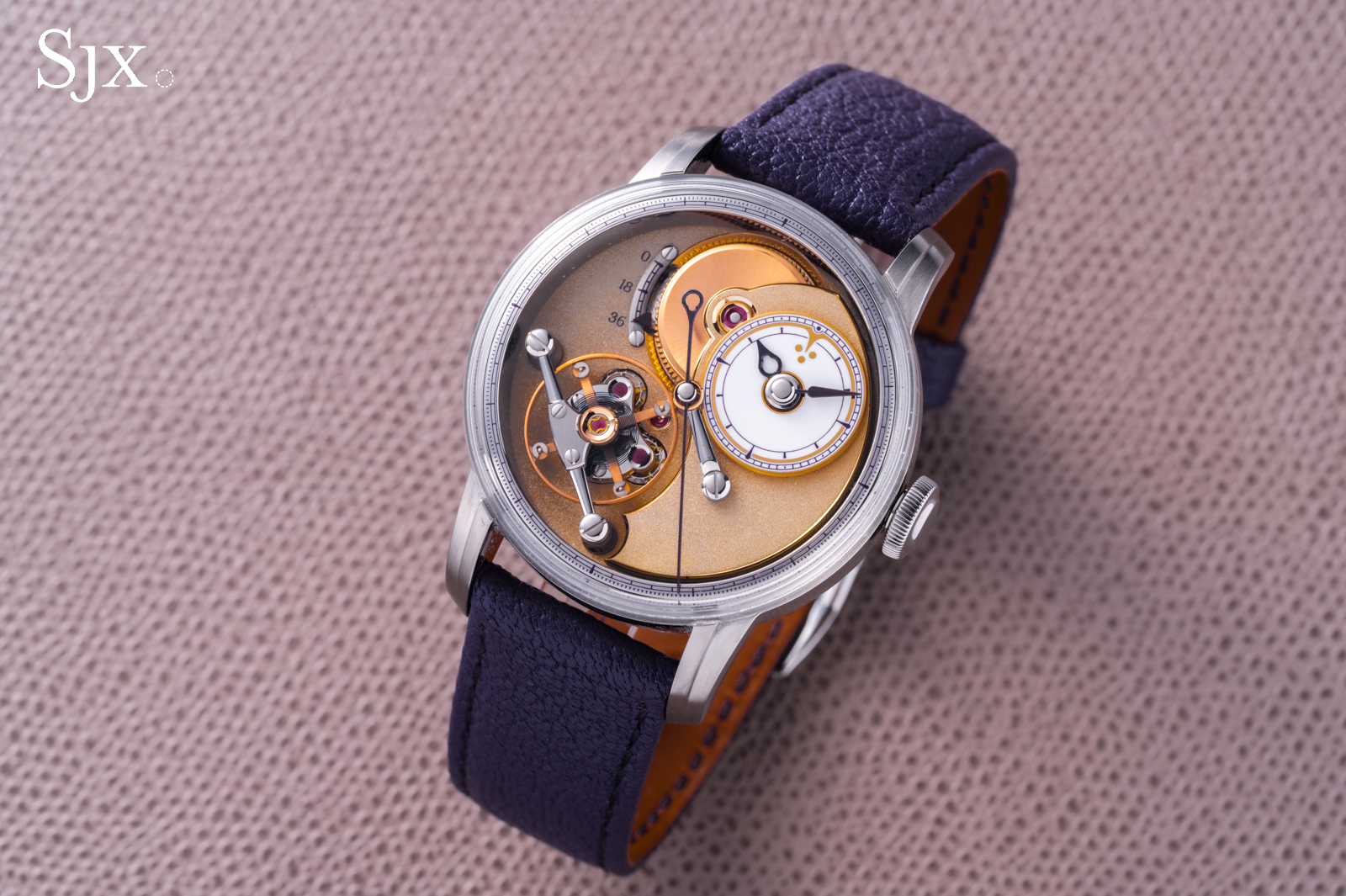
Mathieu Cleguer makes his debut under his own name, with the intricate Inspiration One. The relatively young movement constructor is well known in the industry but has not produced watches under his own name until now. Having worked for various movement specialists — including a stint at Akrivia — Mr Cleguer launches Cleguer Horology with a thoroughly impressive debut featuring a proprietary escapement. Initial thoughts Although the market for artisanal time-only watches has becoming increasingly crowded, sometimes a new creation comes along that genuinely stands apart. This is the case with Cleguer Horology’s Inspiration One — a watch that that is surprisingly refined and technically imaginative for a new maker’s debut. Mathieu Cleguer is representative of a new class of independent watchmakers who are not ‘watchmakers’ in the traditional sense. Instead, he is an engineer, with the training and experience to bring fundamentally new concepts to life, so long as he can find the manufacturing partners and bench watchmakers to help realise his vision. It’s a fundamentally different background than what we’re used to seeing — George Daniels, Kari Voutilainen, and François-Paul Journe started their careers doing hands-on restoration work long before they designed movements of their own. But times have changed, and the emergence of engineer-led brands is a new trend made possible by the depth of the supplier network in Switzerland. For the visual design of...
 SJX Watches
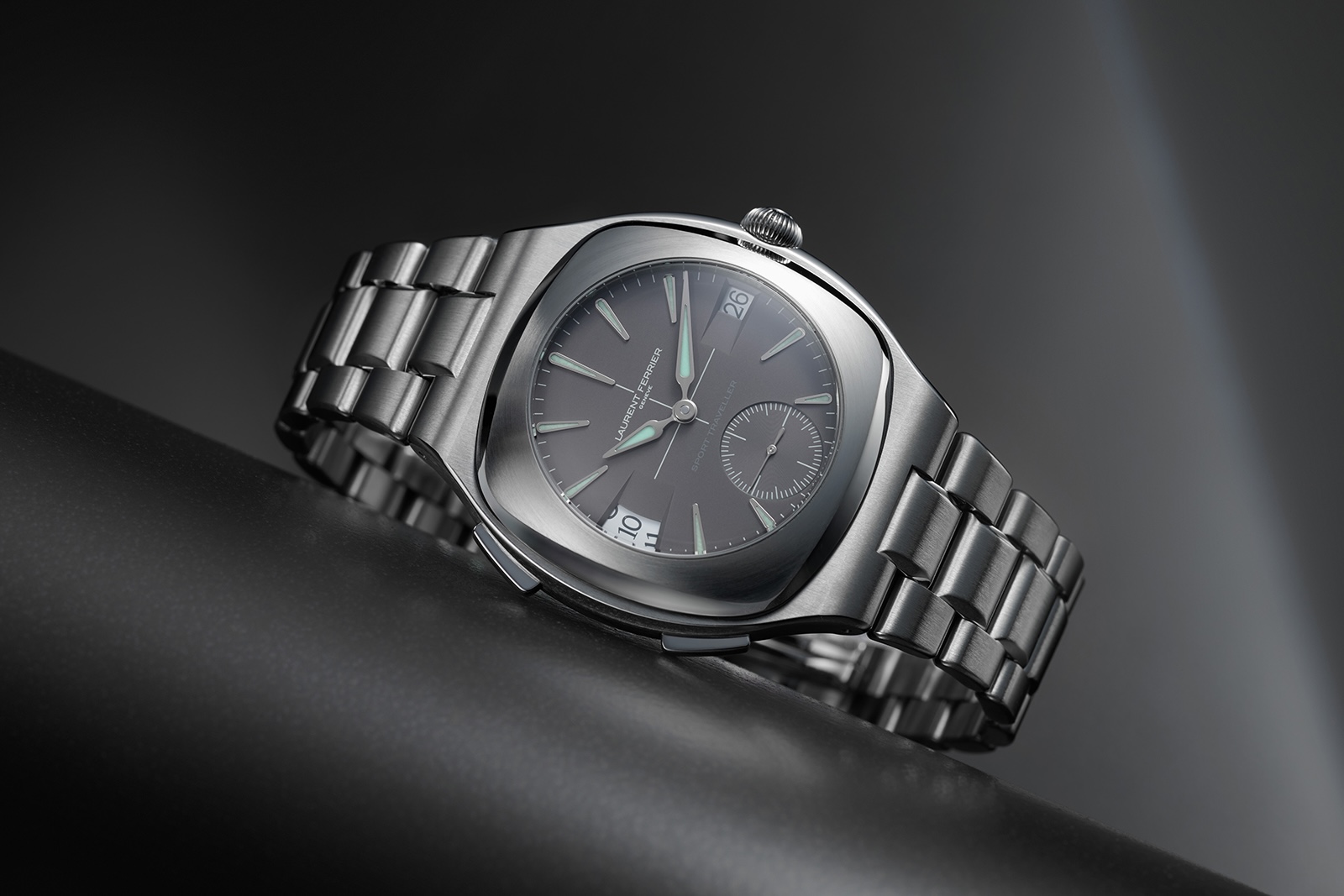
Laurent Ferrier’s Sport Traveller is a meaningful addition to its collection of sport watches. While the brand’s convenient push-button dual-time complication is not new, it has never been available in the go-anywhere, do-anything format of the Sport line - where it arguably makes the most sense. It’s also the first time this travel complication has been paired with one of the brand’s lever escapement movements, a change that should provide the resilience against shocks that one expects from a sport watch. Initial thoughts The sport has proven to be one of Laurent Ferrier’s most popular watches, introducing the brand to a wider audience by combining sports watch ruggedness with the high-horology independent watchmaking that the brand has become famous for. In this sense, the Sport Traveller is similar in philosophy to other luxury sport watches. That said, few manage to elevate the concept quite as high as Laurent Ferrier. The A. Lange & Söhne Odysseus and F.P. Journe Octa Sport Titanium are natural peers, as is the Patek Philippe 5164, but only the latter offers a travel time complication. The Sport Traveller is made from grade 5 titanium for a featherweight wrist presence, and debuts in what is likely to be a popular grey-on-grey colourway. Even the Sport Traveller dial text is grey, blending in with the dial to help keep the clutter to a minimum. The cal. LF275.01 continues the monochromatic look with grey-coated bridges and a solid platinum oscillating wei...
 Fratello
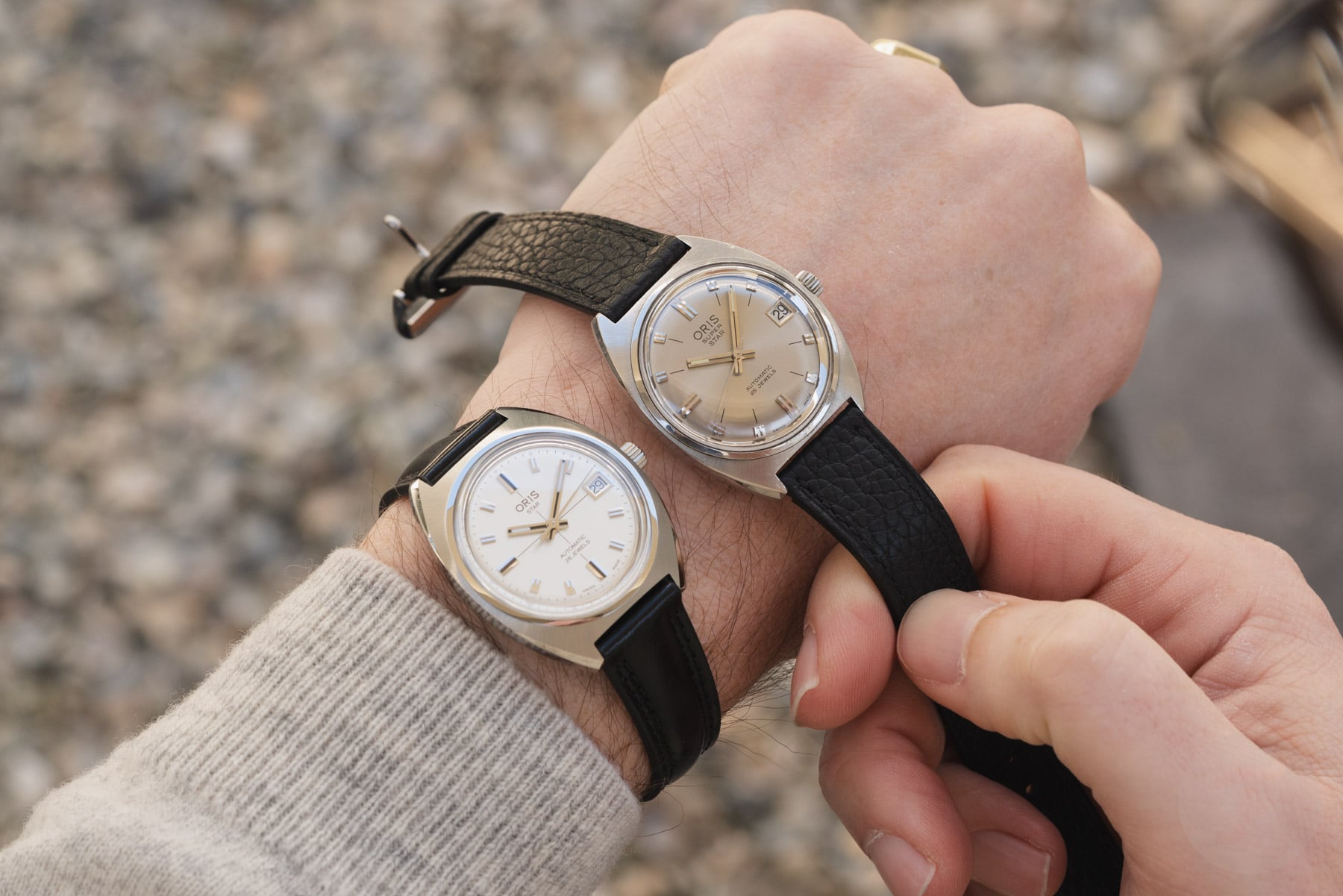
Today, Oris introduces its Star re-edition. It’s a celebration of the very first Oris watch to feature a lever escapement, from 1966. But “Oris Star” sounds familiar, doesn’t it? Back in 2023, we collaborated with the company from Hölstein on the Fratello × Oris Divers Sixty-Five with “Star” on the dial, just like its 1968 […] Visit Hands-On With The New Oris Star Re-Edition to read the full article.
 Monochrome
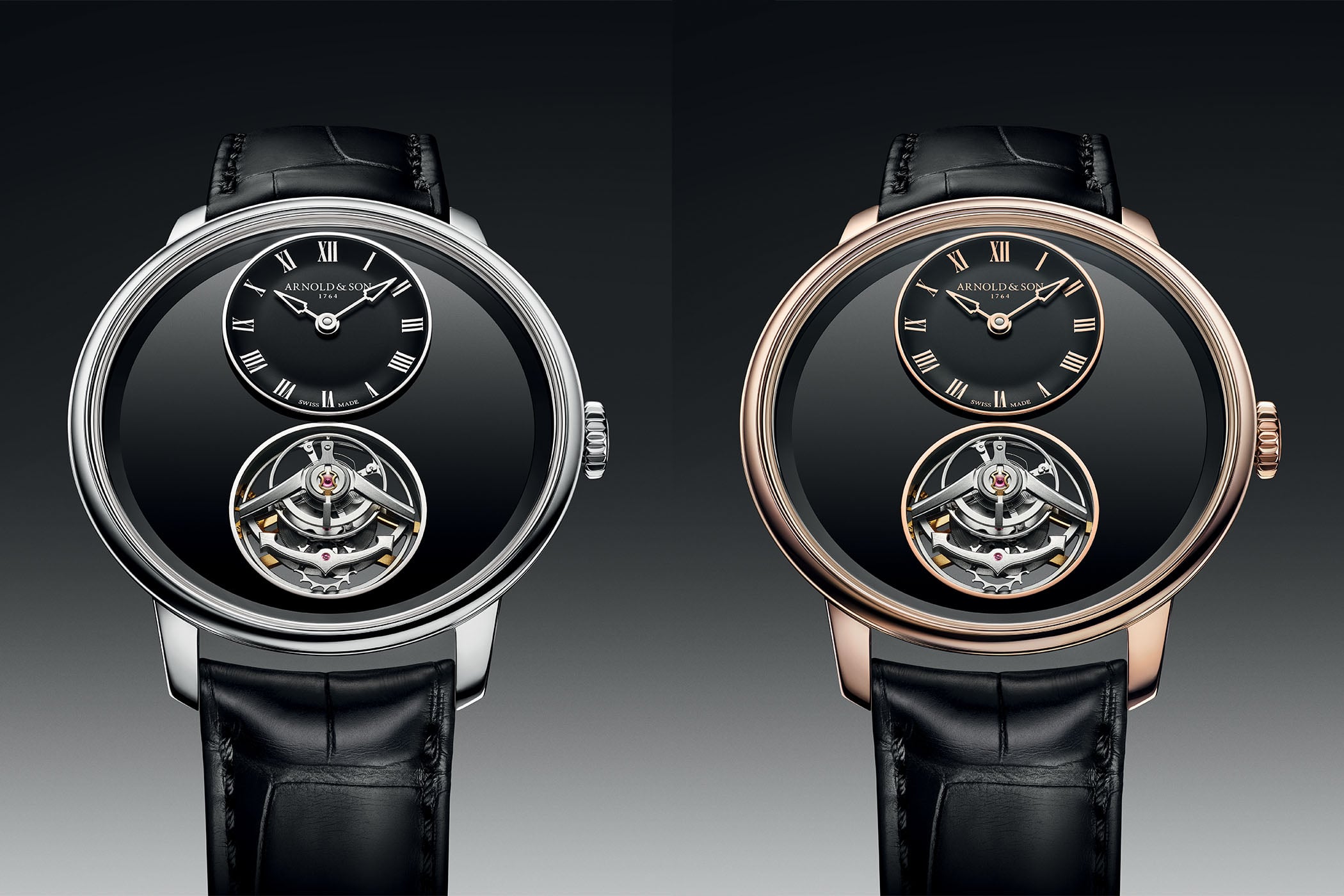
Arnold & Son’s UTTE – Ultra Thin Tourbillon Escapement – debuted at Baselworld 2013, powered by the ultra-thin 2.97mm hand-wound calibre A&S;8200. Recognised as the world’s thinnest tourbillon wristwatch, the title was stolen from Arnold & Son just one year later with Bulgari’s 1.95mm Octo Finissimo Tourbillon. Still remarkably thin, Arnold & Son’s Ultrathin Tourbillon […]
 Hodinkee
The watch features a massive balance running at an unusual 1Hz, an unusual escapement design, and a surprisingly approachable price for an independent release.
 Monochrome
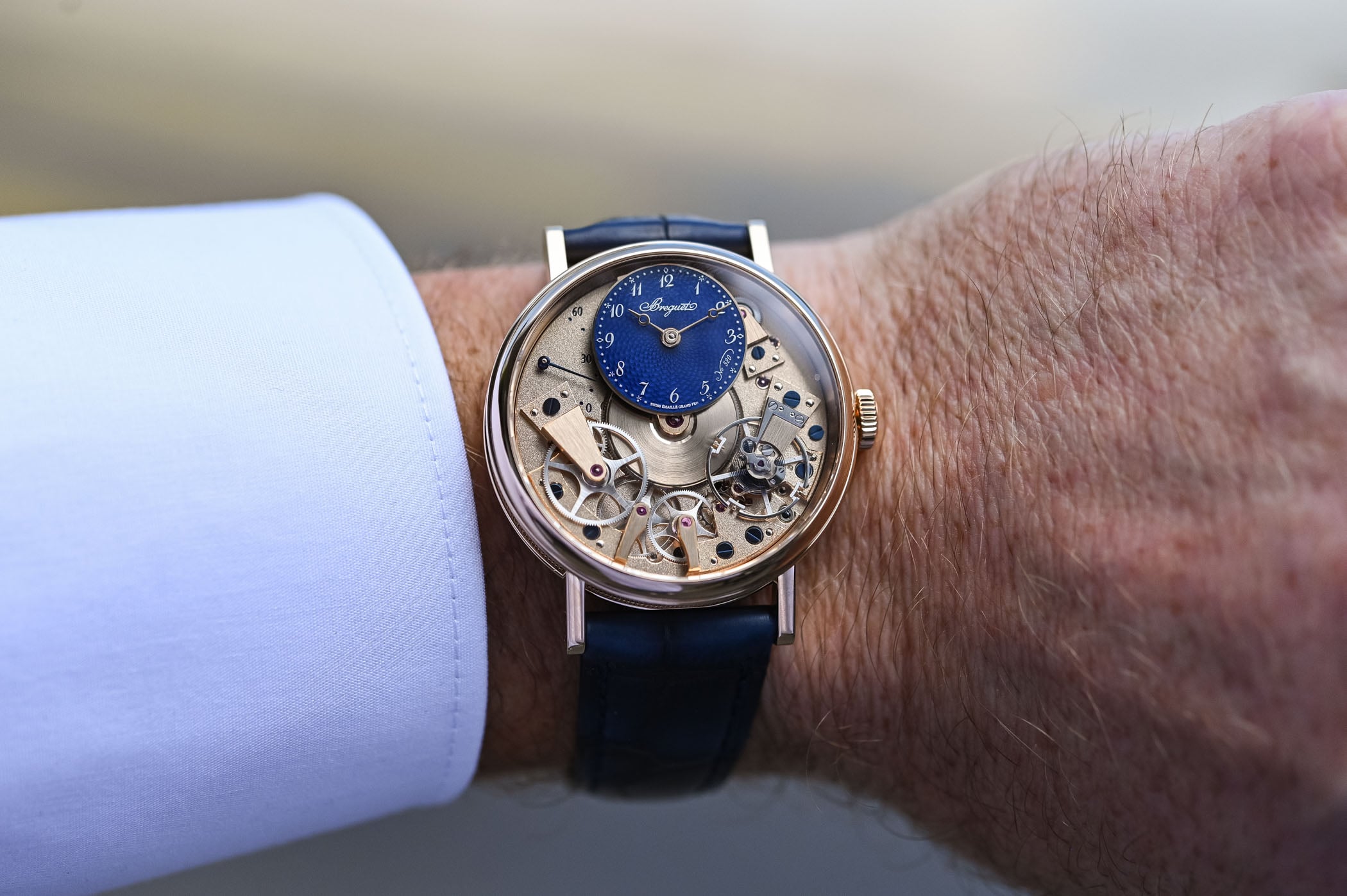
I’ve always been a big fan of watches that have something moving on the dial, other than the smooth and consistent running of hour, minute and second hands. Whether it’s a dial-mounted balance wheel, a tourbillon escapement or even a winding rotor, I just love to see some type of action that goes beyond pure […]
Question, suggestion, or just want to say hi? Drop a note.