 Hodinkee
Introducing: Omega Releases A White Ceramic Seamaster 300M For Milano Cortina 2026
A frosty new design rounds out a trio of winter Olympics editions from the brand.
2,436 articles · 1,317 videos found · page 46 of 126
Hodinkee
A frosty new design rounds out a trio of winter Olympics editions from the brand.
 Hodinkee
With a new case, updated movement for the core collection, and a new bracelet. New, new, new.
 Hodinkee
He set a world record height of 6.25m with something special on his wrist. Now we have the answer.
 Hodinkee
A curated selection of what the Hodinkee Shop has to offer.
 Hodinkee
Lasers, ceramic, and travel – these watches have it all.
 Video
Video
 Hodinkee
Today Omega celebrated 75 years of Seamaster, and today we react to it all.
 Teddy Baldassarre
The Omega Constellation is not only the Swiss luxury brand’s oldest collection (if we’re tracing the Seamaster back to its first “Professional” dive-watch model in 1957); it’s also the dressiest, with a design heritage that hinges on two classic and very iconoclastic watches from two distinctively different eras: the cult-classic original from the 1950s and the influential revamp in the 1980s. Here’s an in-depth look at the Omega Constellation, its half-century-plus of revolutionary design, and what the collection looks like today. 1952: Making a Pie Omega, founded in 1848 by an ambitious young Swiss watchmaker named Louis Brandt, celebrated its 100th anniversary in the postwar year of 1948. The most memorable watch the company released during that milestone year, most would agree, was the first Seamaster, which introduced the innovative waterproof system that would give rise to today’s sprawling Seamaster Professional collection of dive watches. A rarer and more obscure timepiece introduced that year was the Centenary, Omega’s first chronometer-certified wristwatch. An iconoclastic gold dress watch, highly limited in production, the Centenary took its name from the 100-year anniversary it commemorated and its design would provide the template of a collection that would debut several years later, in 1952, called the Constellation. (Both the Seamaster and the Centenary, incidentally, were the brainchildren of watch designer René Bannwart, who would go on to...
 Quill & Pad
Out of the Big Three, Patek Philippe prices fell the most in both the past month and past year. Audemars Piguet prices were effectively flat in February, and Rolex prices rose very slightly.
 Hodinkee
From Ploprof to Planet Ocean – this weekend, we're looking at them all.
 Hodinkee
The two-time Masters Champion wears a special Omega to celebrate the victory.
 Video
Video
 Worn & Wound
eBay Finds is back! This bi-monthly installment will feature a selection of watches currently listed on eBay that have caught the eye of editor Christoph McNeil (@vintagediver). If you come across any hidden gems on the ‘Bay drop us a note at info@wornandwound.com for potential inclusion. Omega Constellation First up this week is a nice vintage Omega Constellation. Now, this isn’t the more well known pie-pan version, but it’s still a stunning piece made with the same attention to detail. This is a later 1960s version, with a large “C” style case that is in excellent condition. Nice crisp edges with the original brushed and polished finish. The caseback observatory medallion is not an added gold piece, but rather engraved directly into the steel back. The crown is signed and looks correct. The dial has a beautiful cross-hatch linen texture to it, with thin stick markers and stick hands. There is a day/date window at three o’clock. Dial looks clean and original. The watch comes on the original brick link bracelet, although one of the links is broken and it will need repair. No movement picture but the watch runs per the seller. View auction here Seiko JDM Sport Diver Here’s a great Seiko diver that is a modern re-issue of a vintage model. In the late 1990s Seiko did a series of Sport Diver re-issues with modern specs and movements. These are a great way to have that vintage vibe but not have to worry about babying the watch. This one has a tonneau shaped...
 Teddy Baldassarre
When it comes to household-name Swiss watch brands, Omega is near the top of the list, and for plenty of good reasons. Now more than 175 years old, the company can lay claim to several icons of the watchmaking world. They’ve also never relented in their pursuit of cutting edge chronometric technology, with many innovat
 Teddy Baldassarre
When it comes to household-name Swiss watch brands, Omega is near the top of the list, and for plenty of good reasons. Now more than 175 years old, the company can lay claim to several icons of the watchmaking world. They’ve also never relented in their pursuit of cutting edge chronometrric technology, with many innova
 Teddy Baldassarre
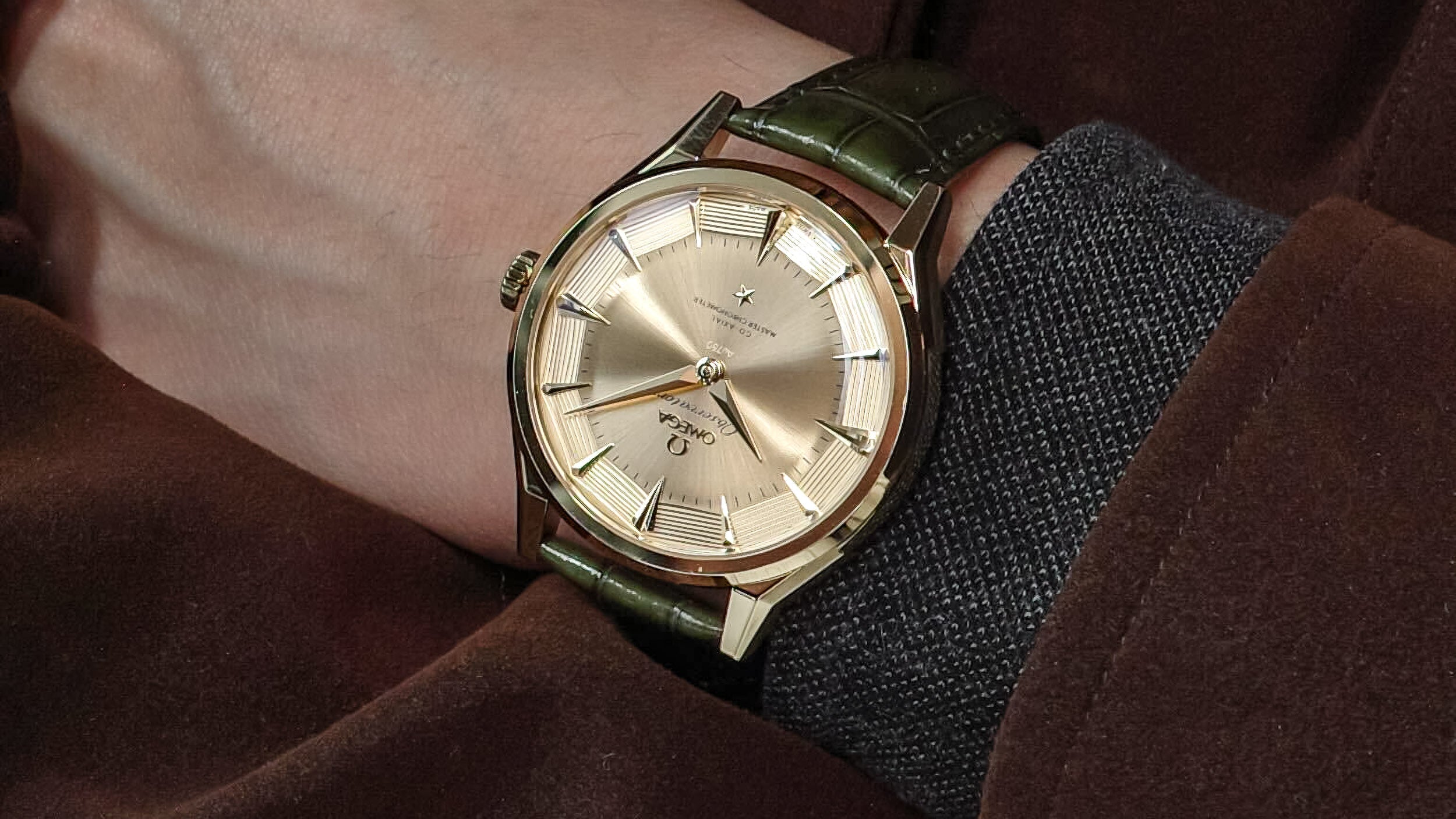
I am here in Biel, Switzerland, to witness the unveiling of a brand new Constellation line from Omega – only this fact has proven to be just half the story. While there are nine new references in this new line of watches, Omega has also taken the next step since it launched its neutral accuracy testing program, the Laboratoire de Précision (LDP). While I continue slowly burying the lede here, let’s at least introduce the audience to the new Omega Constellation Observatory, a 39.4mm fresh approach to a classic design format that sees overt nods to the “pie-pan” dial layout as well as a mid-century construction of the case and lugs. The TLDR of this release is as follows: 9 new watches (4 in gold, 4 in steel, and one in platinum gold), two new movements (two done in precious metal, and one rhodium plated), and a new breakthrough in chronometric excellence which allows for both Chronometer and Master Chronometer certification to be done acoustically obviating the need for a seconds hand in the certification process. But don’t worry, we will break down everything about this new collection and new technological feat in the (many) words below. These watches offer a decidedly dressy take on the Constellation format in that they are two-hand watches, meaning there is no visible running seconds hand to be seen anywhere on the dial. This visual marker (or rather, lack thereof) is the key to bridging the external design with the internal significance and connection to the ...
 Hodinkee
Omega's mid-century design language is back in nine new references, across stainless steel and precious metals.
 Video
Video
 Teddy Baldassarre
As voted by subscribers, in this video we go head-to-head in Omega's deep catalog to find the best Omega watch with a 32-watch tournament chosen & voted for by our audience members.
 Teddy Baldassarre
In November of 2025, OMEGA introduced a redesign of the Planet Ocean 600M, featuring the biggest slate of changes to the model since its introduction in 2005. With this take, the Planet Ocean has been redrawn from top to bottom, with a new case, a set of dimensions, a movement update, a new bracelet, and the deletion o
 Two Broke Watch Snobs
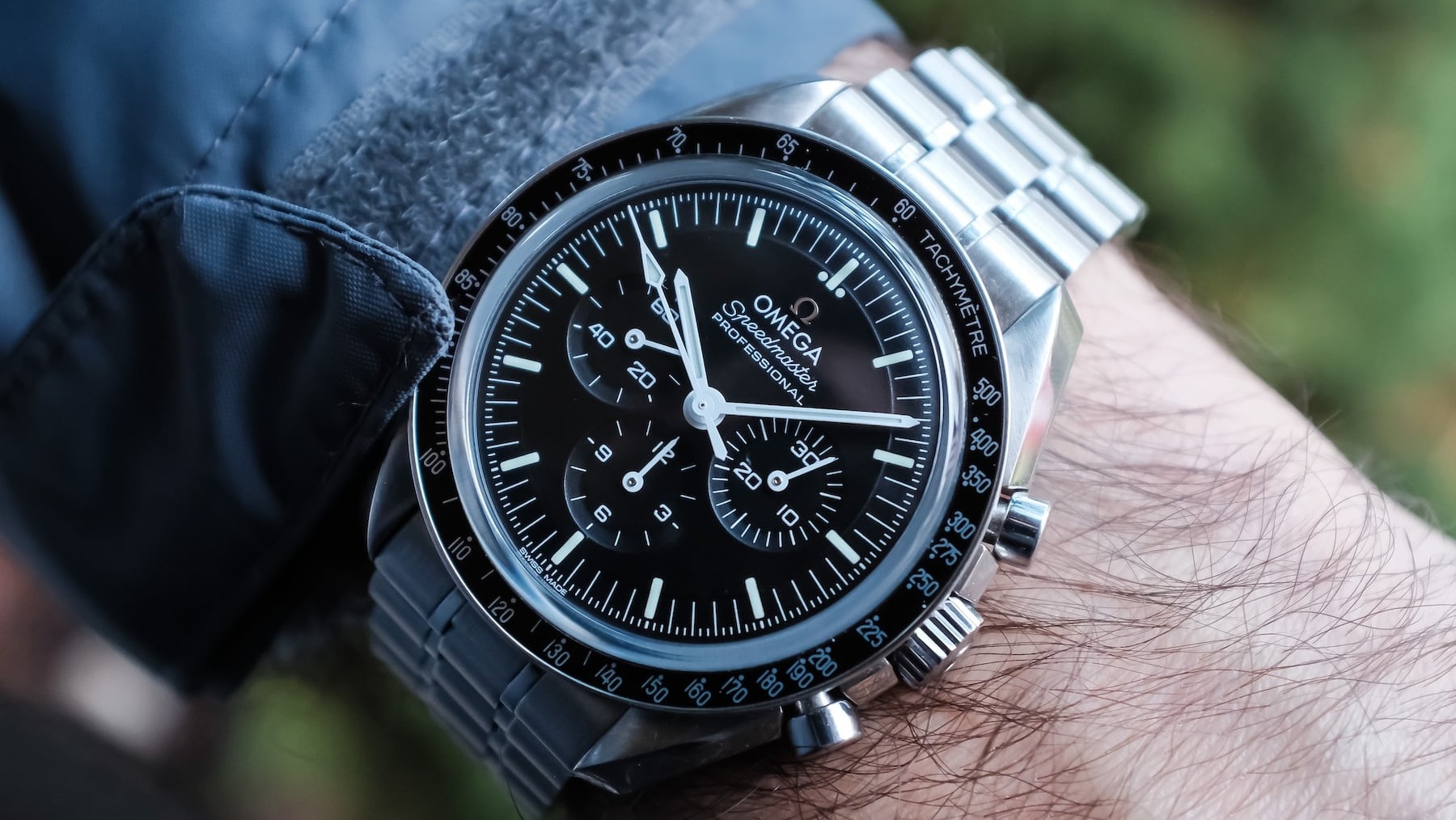
We reviewed the Omega Speedmaster 3861 and Bulova Lunar Pilot side by side. See which moon watch makes more sense once price, wear, and design are factored in.
 Teddy Baldassarre
When you think of the Omega Speedmaster, the first thing that comes to mind is likely the brand’s golden child, the Speedmaster Moonwatch Professional. It’s a modern grail with its NASA connection, and its intertwined history with the Moon landing and space exploration is its calling card. But today, we’re looking at a different Speedmaster that has been eschewed from Omega’s current lineup. One that’s a little more playful, a little more unconventional, than the brand’s well-established Moonwatch Professional formula: the Speedmaster Mk40. Down below, I’ll be breaking down the history, context, and all the aesthetic oddities of the watch, all of which work together to create one of the most compelling non-Moonwatch Speedmasters of all time, in my humble opinion. [toc-section heading="Some Speedmaster Context"] Image: S.Song From first glance, the Speedmaster Mk40 that made its debut in the ‘90s defies all the utilitarian, tool-watch-oriented austerity that is the key DNA of the Moonwatch Professional, from its functionality to its experimentation with color, shapes, and typography. But the Mk40 is part of a short-lived and often forgotten legacy of Omega’s experimentation with the Speedmaster formula, before things were so rigidly codified as they are today. It is also important to note that the moniker “Mk40” itself is a completely enthusiast-driven nickname, which Omega itself has never officially used (the brand denotes the different models wi...
 Teddy Baldassarre
We asked you on social media if there was someone you know that deserves the watch of their dreams. We received dozens upon dozens of stories highlighting potential worth recipients, but one stood out the most. Learn more about Lucas and why we chose to gift him his grail watch: the Omega Speedmaster Moonwatch.Is there
 Video
Video
 Teddy Baldassarre
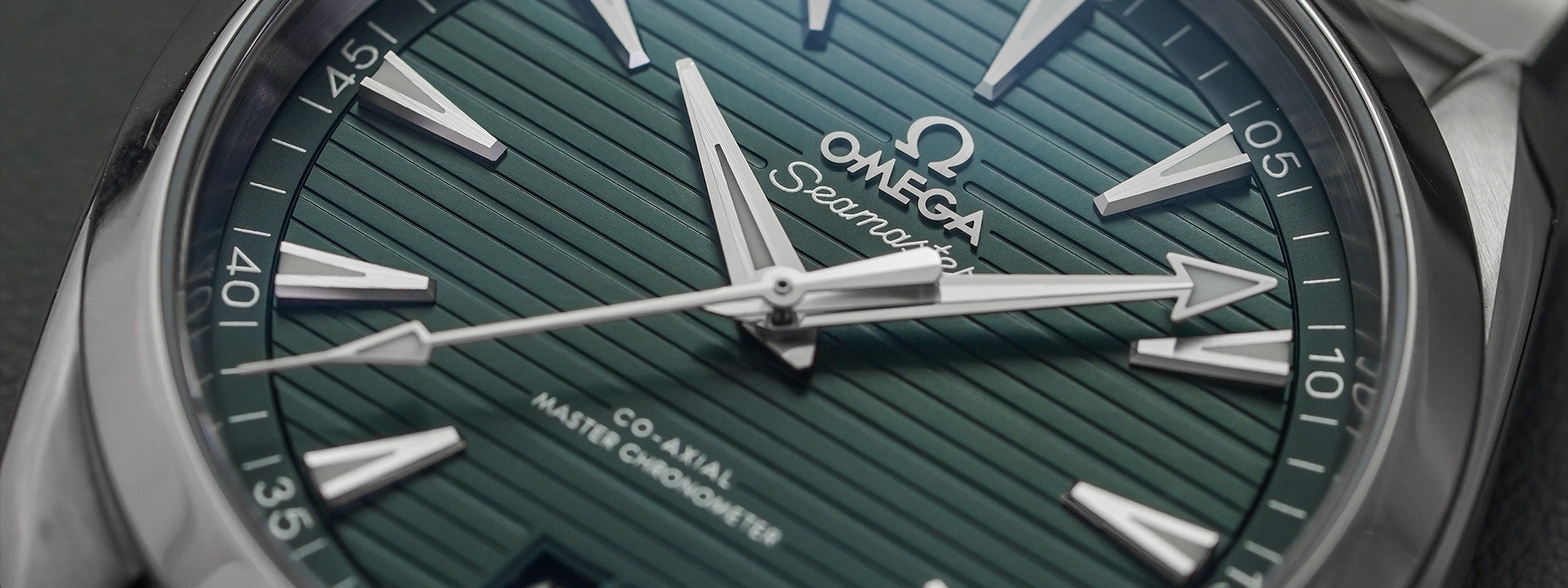
What is a Co-Axial Movement? More specifically, what is the now-famous Co-Axial Escapement that has become a standard feature on most all Omega watches? In short, it's both a radical concept by one of the modern era's most revered watchmaking geniuses and the culmination of a Swiss watch brand's longtime dedication to improving watchmaking accuracy. Here is the story of Omega's co-axial movements. [toc-section heading="Early Omega Movements"] While it is best known these days for its signature watch models, like the Speedmaster “Moonwatch” and the James Bond-worn Seamaster, Omega has also been a pioneer in movement-making since nearly the beginning. The company was founded in 1848 by 23-year-old watchmaker Louis Brandt (with family, above) in the Swiss village of La Chaux-de-Fonds. Originally called La Genérale Watch Company, and eventually renamed Louis Brandt et Fils after Brandt’s sons joined the business, it originally produced key-wound pocket watches from parts supplied by local artisans, After the growing company moved from La Chaux-de-Fonds to the more bustling town of Bienne, in the Swiss Canton of Bern, it pioneered a series of industrial watchmaking techniques and also began making its own in-house movements. The first one, called the Labrador, launched in 1885 in a now-legendary series of pocket watches. Nearly a decade later, in 1894, came the company’s chef d’oeuvre, the 19-ligne Omega Caliber, which was notable at the time for its enviable acc...
 Teddy Baldassarre
Teddy Baldassarre is an authorized luxury watch retailer of brands like TUDOR, OMEGA, IWC, Grand Seiko, Breitling, Blancpain, Glashütte Original, Zenith, Longines, ORIS, MIDO, Tissot, Hamilton, NOMOS Glashütte, Baume & Mercier, and more.
 Teddy Baldassarre
Teddy Baldassarre is an authorized luxury watch retailer of brands like TUDOR, OMEGA, IWC, Grand Seiko, Breitling, Blancpain, Glashütte Original, Zenith, Longines, ORIS, MIDO, Tissot, Hamilton, NOMOS Glashütte, Baume & Mercier, and more.
 Teddy Baldassarre
Teddy Baldassarre is an authorized luxury watch retailer of brands like TUDOR, OMEGA, IWC, Grand Seiko, Breitling, Blancpain, Glashütte Original, Zenith, Longines, ORIS, MIDO, Tissot, Hamilton, NOMOS Glashütte, Baume & Mercier, and more.
 Teddy Baldassarre
Teddy Baldassarre is an authorized luxury watch retailer of brands like TUDOR, OMEGA, IWC, Grand Seiko, Breitling, Blancpain, Glashütte Original, Zenith, Longines, ORIS, MIDO, Tissot, Hamilton, NOMOS Glashütte, Baume & Mercier, and more.
 Video
Video
Question, suggestion, or just want to say hi? Drop a note.