 WristBuzz
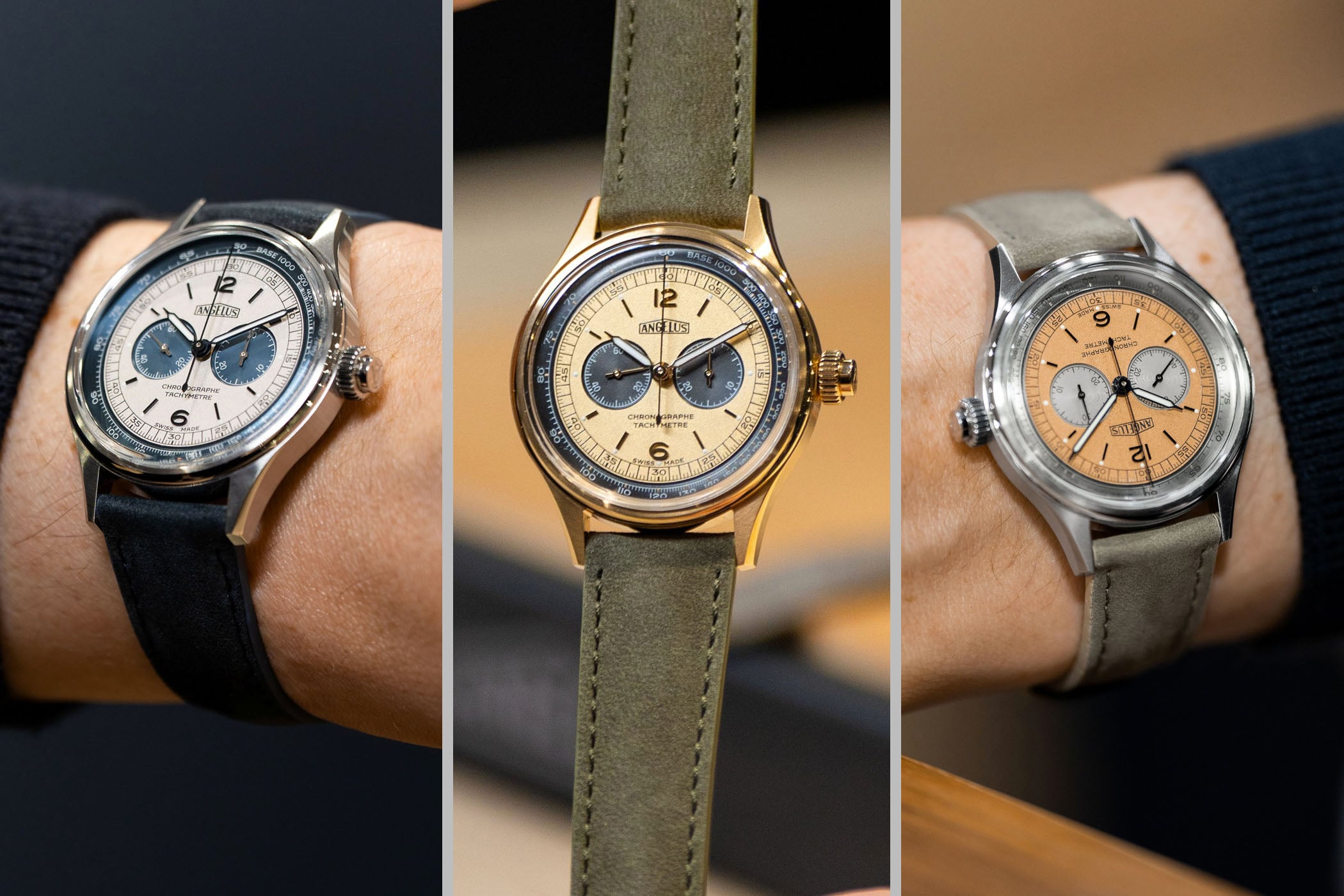
Angelus Chronographe Tachymètre: The Télémètre's Speedier Sibling Arrives
Three new limited-edition monopushers swap the distance scale for a tachymeter, keeping everything else that made the Télémètre a GPHG winner
4,329 articles · 140 videos found · page 49 of 149
WristBuzz
Three new limited-edition monopushers swap the distance scale for a tachymeter, keeping everything else that made the Télémètre a GPHG winner
 WristBuzz
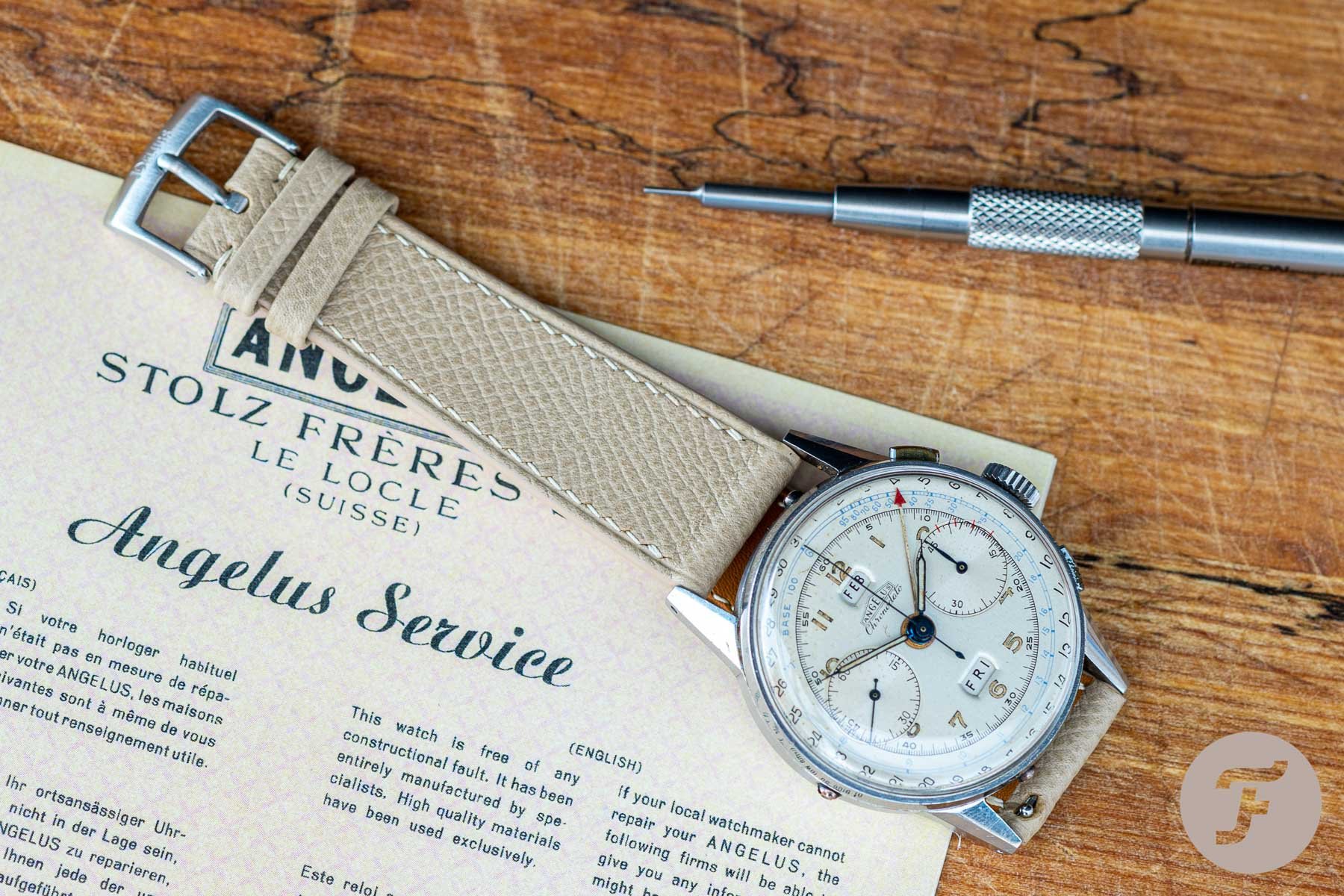
Changing the strap is the cheapest way to fall in love with a watch you already own. These three makers, one American, one Singaporean, one French, cover every price point and material you actually need.
 WristBuzz
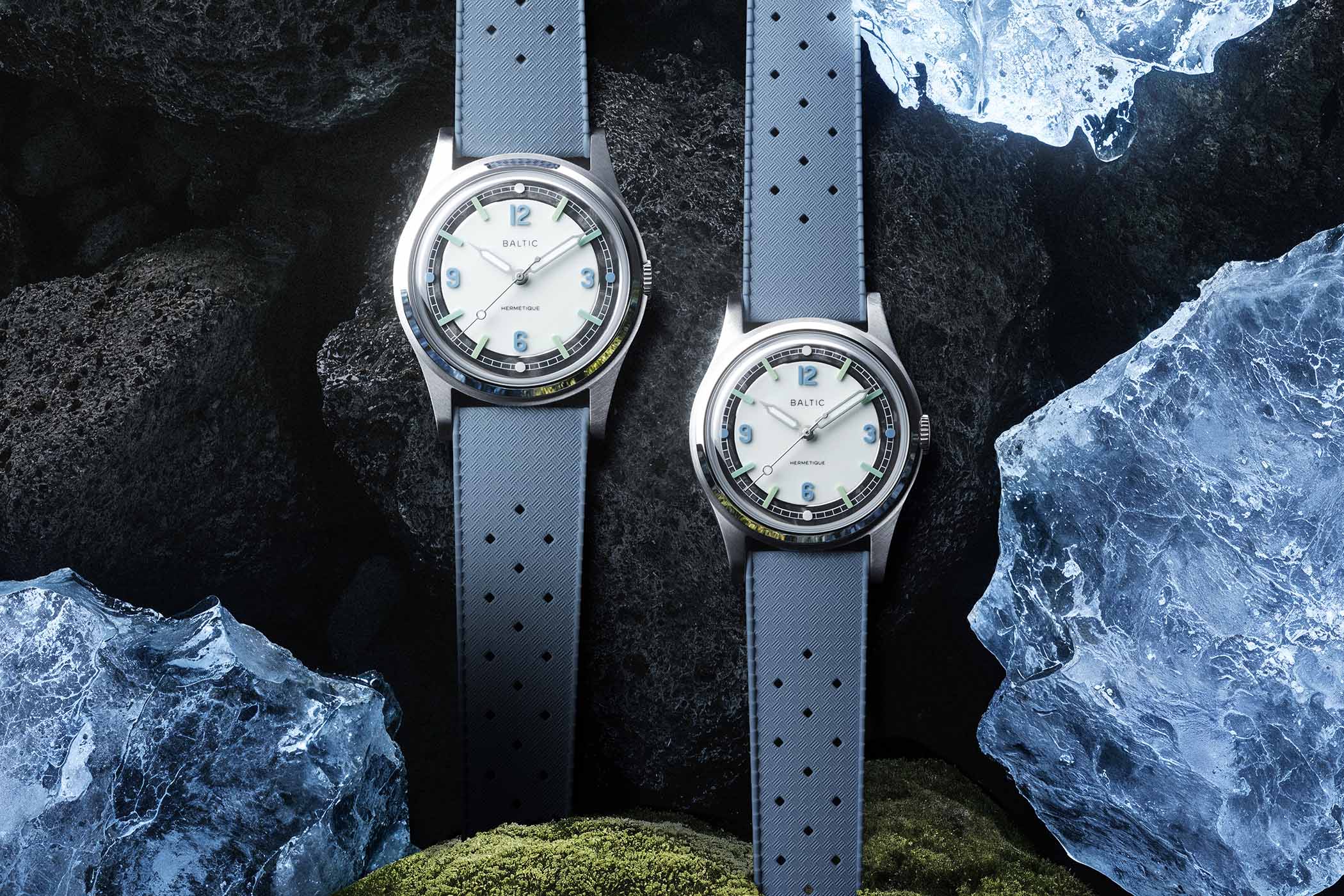
Baltic's rugged field watch goes full lume and full color, inspired by the dramatic terrain of southern Iceland, and now comes in a new 34mm case.
 WristBuzz
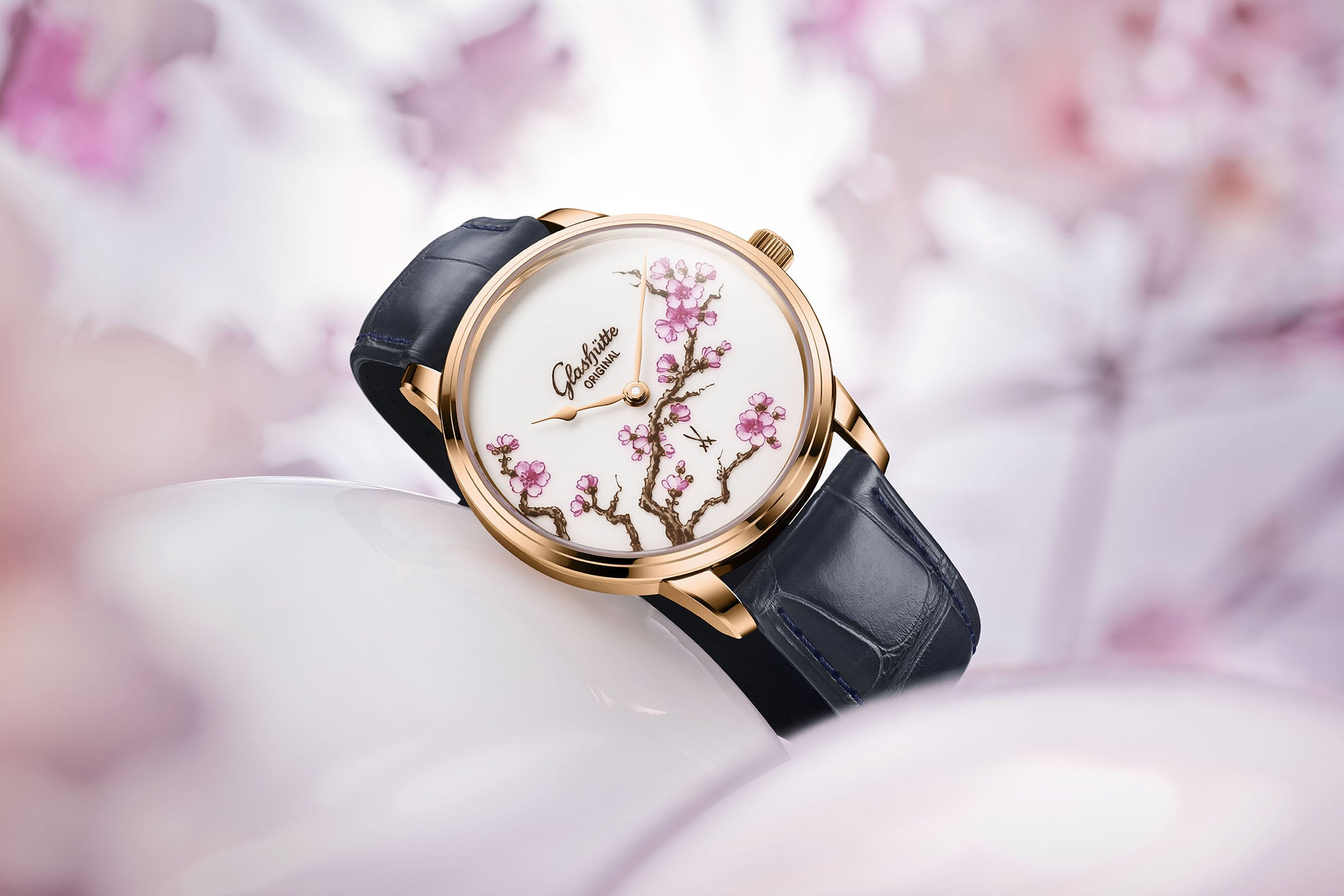
The latest GO x Meissen collab brings a hand-painted Jugatsu-zakura cherry blossom dial to the Senator family
 Hodinkee
Ebel, once one of the most successful and top-selling Swiss watch brands, which has fallen into relative obscurity under the ownership of Movado Group, is being sold to a consortium of high-profile buyers, including François-Paul Journe and Chanel, who plan to revive the Ebel marque with hopes of returning it to its former glory. Vintage Ebel chronographs. Photo courtesy of Phillips; credit: James Kong. Movado Group, Inc. says it entered into a binding agreement to sell a 95% interest in the Ebel brand for $66.5 million to a strategic buyer group led by Geneva-based Montres Journe SA, with the participation of French luxury house Chanel and Pierre Jacques, a long-time industry executive. Jacques, who previously headed De Bethune for more than a decade, will take over as CEO of Ebel while Movado, with shares publicly listed on the New York Stock Exchange, which purchased the brand from LVMH in 2004, will retain a 5% stake in the business when the deal is completed, the parties said in a statement. The agreement underscores the growing business interest in reviving faded luxury Swiss watch brands once revered by watch consumers. Breitling paid more than CHF 60 million to acquire the Universal Genève brand and archives and relaunched it as a high-end luxury marque earlier this year. Ebel was once a major player in the industry, thriving during the quartz crisis era of the 1970s, 1980s, and 1990s under Pierre-Alain Blum, a third-generation leader of the family-owned busi...
 Hodinkee
With the massive rise in interest in independent brands over the past few years, it seems like it's basically impossible to even begin to meet with watchmakers these days, let alone have a meaningful conversation with them or see their watches. I have to field the question "How do I meet ___" at least once a week. No matter the answer, it requires some effort. But what if I told you that you could walk into a room and see Rexhep Rexhepi chatting with Max Büsser, right next to Kari Voutilainen, who is looking at Jean-Claude Biver's watch while Jean Arnault looks at Trilobe. All while Rémy Cools, Theo Auffret, Gaël Petermann, and Florian Bédat are chatting at a table nearby, their watches in hand. That's IAMWATCH in Singapore, and it's happening again from November 12 to 15 at the Singapore Edition. Kari Voutilainen and Jean-Claude Biver. I was there two years ago at the first iteration of what I will say is one of the most "me" watch fairs ever made; you can see my 2024 Photo Report here for a sense of the event. I love the people of the watchmaking as much as I love the watches—maybe even more because I can't afford most of the big-name independents, but I can enjoy talking to them and learning from them all the same. The Hour Glass, one of the world's largest retailers, is also putting it on, and it's run by long-time avowed independent watchmaking acolyte and Managing Director Michael Tay. Proof of how stacked this event is comes from the list of names I'm going to...
 Hodinkee
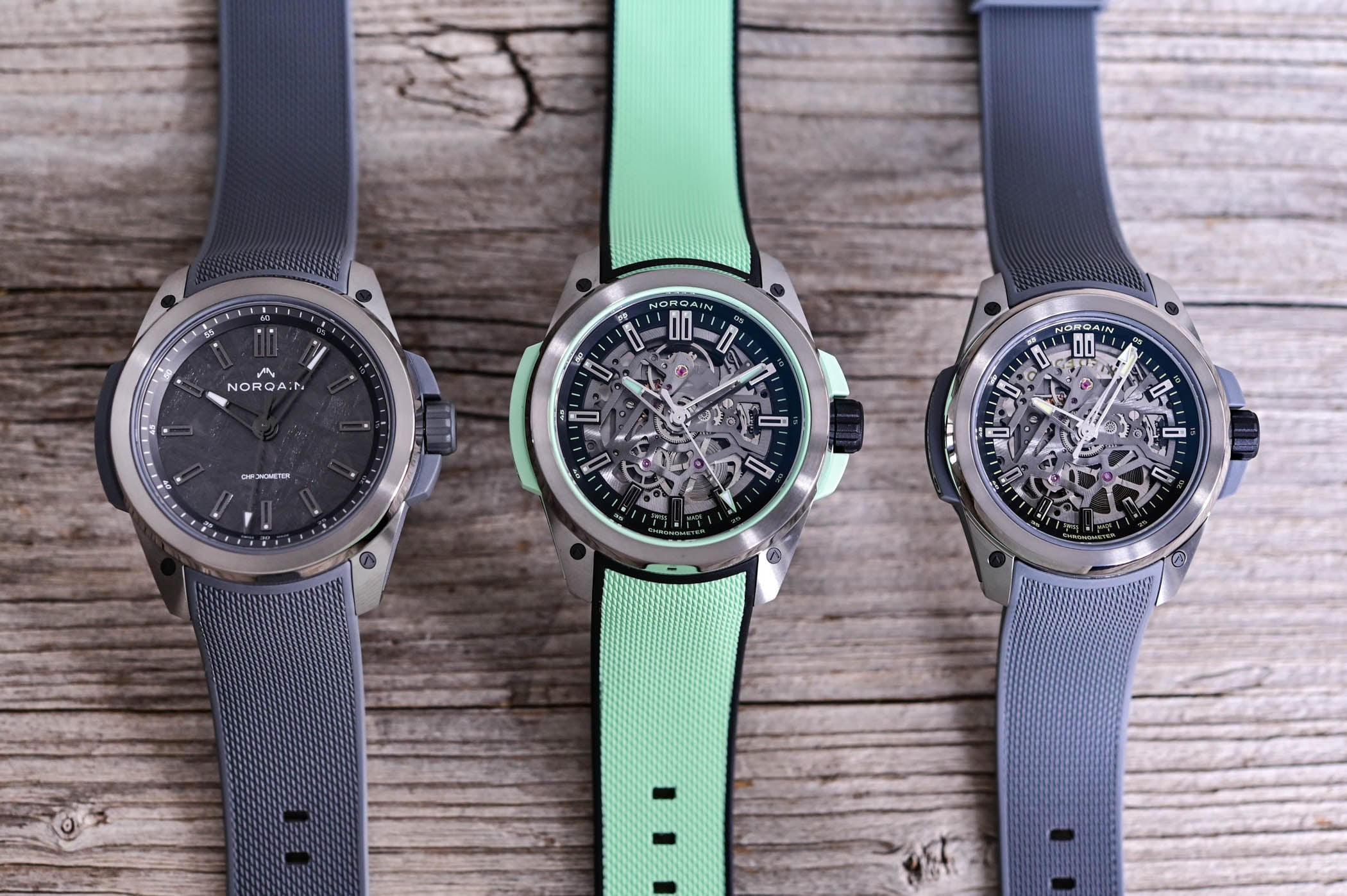
Challenging conventions is part of NORQAIN's DNA. For CEO Ben Küffer, that aim to "redefine what a Swiss mechanical sports watch could be" has been instrumental to the brand's success. For its latest release, the family-owned Swiss brand announced three new models in a first for the brand: grade 5 titanium. The Wild ONE Skeleton Titanium 39mm and 42mm reimagine the brand's signature sports watch, incorporating grade 5 titanium into the watch's top plate with the bottom retaining NORQAIN's signature NORTEQ carbon-fiber-composite.The result is a rich visual contrast and lightweight construction. "Titanium certainly has a future within NORQAIN," Küffer says, "but only where it adds something meaningful to the design and performance of the watch." Each possesses a distinct identity, with the 39mm—limited to 400 pieces—opting for a grey palette based on titanium's muted character, featuring light yellow dial accents and Super-LumiNova for technical performance and legibility. The 42mm, by contrast, opts for a slightly bolder coloring with mint green details for a bolder visual presence. Both are powered by the skeletonized in-house NK26/1 automatic movement, a COSC-certified chronometer with a 65-hour power reserve. The star of the new collection, however, is the all-new Wild ONE Meteorite Titanium 42mm. The Meteorite takes the brand's flagship watch and incorporates Grade 5 titanium and an anthracite iron meteorite dial, combining contemporary high-tech design with ancie...
 SJX Watches
The Bremont Supermarine Full Ceramic Deep Blue adds a dark blue ceramic case to the brand’s 500 m dive watch collection. It’s a more casual take on the Supermarine, with a restrained colour and carefully finished case that give the Sellita-powered diver a more stylish, less tactical character. Initial thoughts Sometimes it’s surprising how much difference a colour can make. In the case of the Bremont Supermarine, the navy blue hue of the ceramic case and bezel results in a look that is quite different from that of its black ceramic stablemates. The deep blue colour is very subtle, and to my eye looks less plasticky than some brighter blue ceramic competitors. The prominent texture of the brushing on the case gives it vaguely a metallic appearance, and it at a glance it could almost pass for PVD-coated steel. While ceramic is not a perfect material and can crack under extreme torsion or if dropped onto a sufficiently hard surface, the real-world benefits outweigh these edge cases. The natural scratch-resistance of ceramic pays dividends when changing straps, for example, as the spring bars cannot scratch the inside of the lugs when finding their seat. There’s also an ancillary benefit to ceramic, which is that service watchmakers will not be tempted to try to polish it. The Supermarine’s strengths lie in its finely executed dial and relatively slim case. The wave-inspired dial pattern is dramatic without being overpowering, while the 13 mm thickness and flat case ...
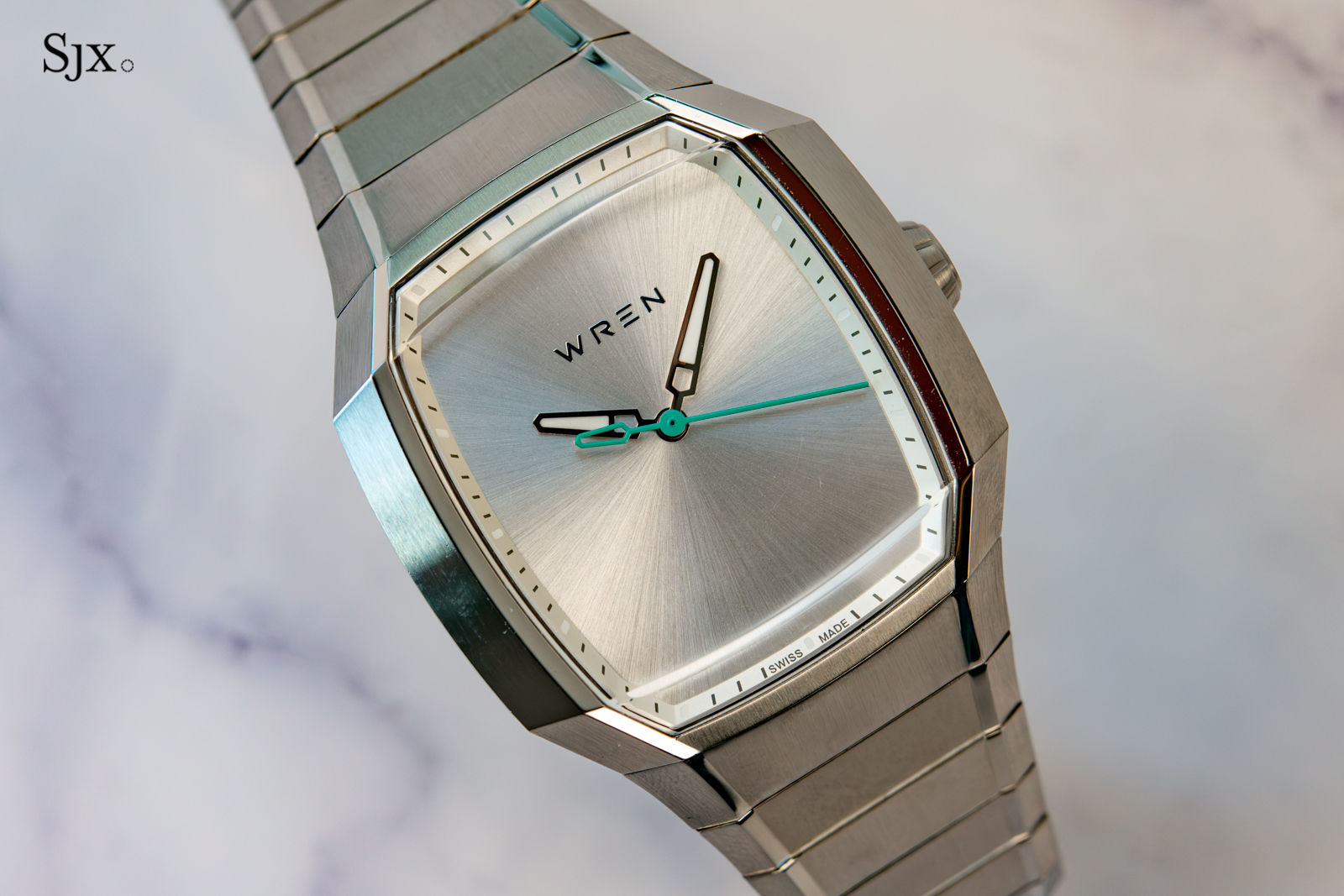 WristBuzz
Craig Karger's brand pivots hard with a futuristic integrated-bracelet sports watch built around a genuinely wild sapphire crystal
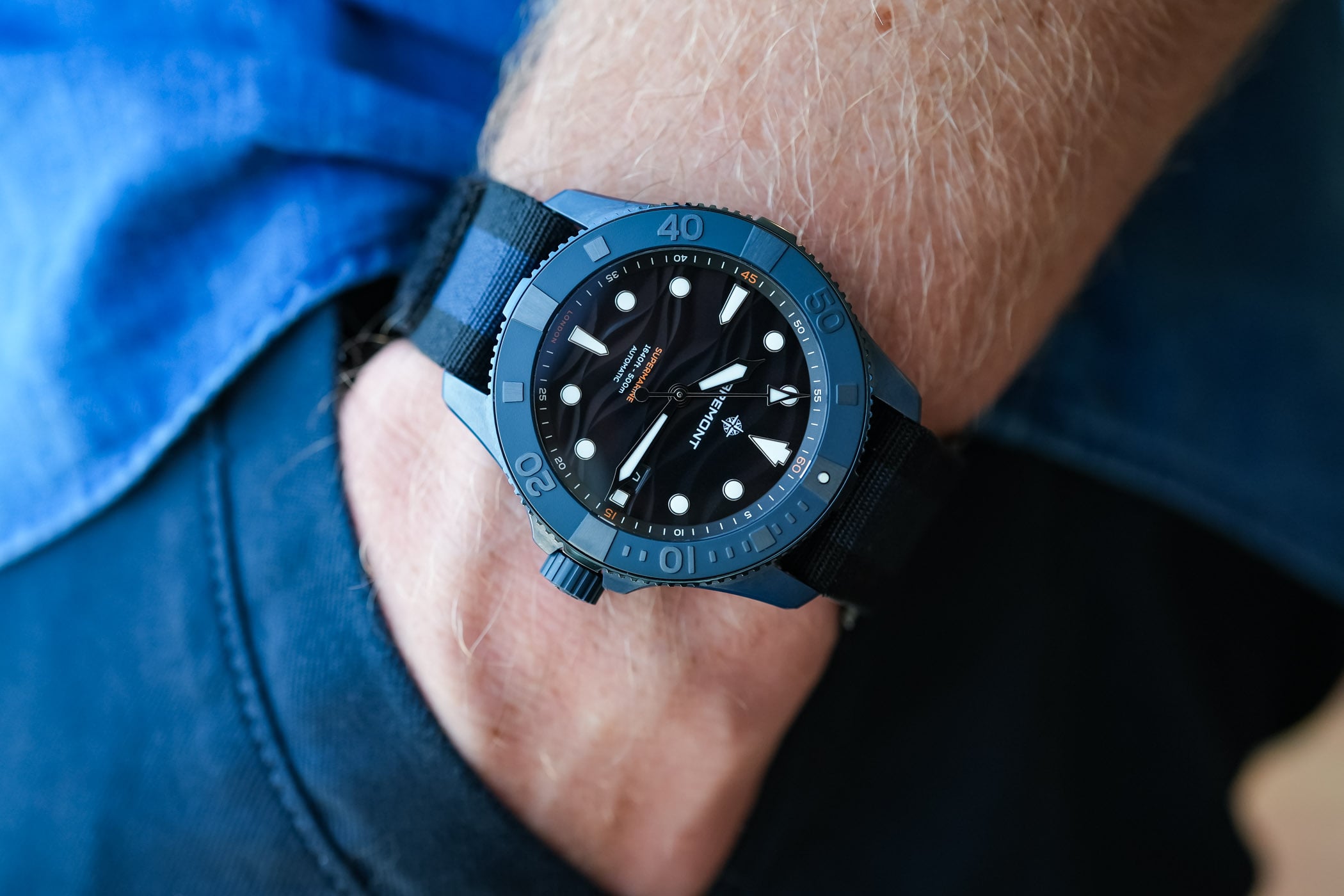 WristBuzz
A 250-piece limited edition in dark blue ceramic that gives Bremont's 500m diver a more wearable, less tactical personality
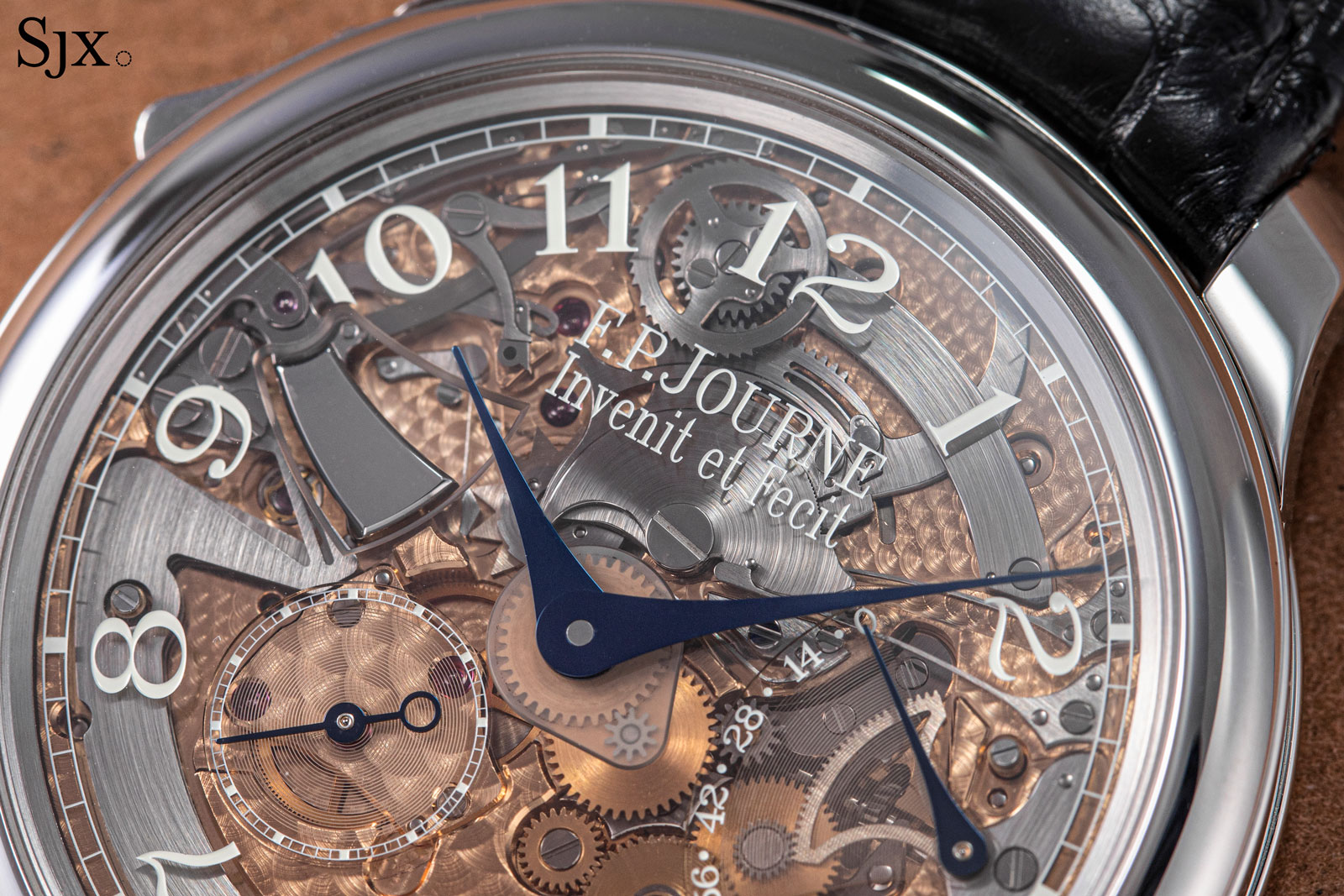 SJX Watches
In a surprise move, a consortium led by Montres Journe and comprising Chanel and Pierre Jacques, the former chief executive of De Bethune, has acquired Ebel from its longtime American owners, the Movado Group. According to the deal announcement, the consortium is buying 95% of Ebel for US$66.5 million, with the remaining shares to be retained by Movado. The three-party consortium evidently brings different skills to the table, including the financial firepower of Chanel, the watchmaking know-how of François-Paul Journe, and the operational and managerial expertise of Mr Jacques. Movado, on the other hand, might be relieved to have unloaded Ebel, which it unsuccessfully tried to revive over its two decades of ownership. From left: François-Paul Journe, Efraim Grinberg of Movado, Frédéric Grangié of Chanel, and Pierre Jacques. Image – Pierre Jacques Once a high flying brand that was one of the biggest in Switzerland during its 1980s and 1990s heyday, Ebel was famous for its Sport Classique, often nicknamed “wave”, which featured integrated bracelets resembling a wave. Launched in 1977, the model launched Ebel into the stratosphere, with its workforce growing 15 times and revenue reaching nine figures. Ebel was led during this time by Pierre-Alain Blum, grandson of its founders and a shrewd marketer. In the year just after the Quartz Crisis, Ebel was a luxury giant. Amongst the indicators of Ebel’s success and scale during this period: Cartier turned to Ebel to p...
 Hodinkee
What We Know Last year, Glashütte Original released a trio of porcelain-dial watches as part of its collaboration with Meissen, Europe's oldest porcelain manufacturer, dating back to 1710. Today, the two historic German houses are partnering again, this time to release a new porcelain-dial watch inspired by Jugatsu-zakura, a Japanese cherry blossom that flowers intermittently during the colder months. The "Cherry Blossom" Senator Meissen retains all of the original collaboration's specs: It measures 40mm wide and 10.2mm thick, is set in red gold, and features an exhibition sapphire crystal caseback. It also comes on a dark blue Louisiana alligator leather strap with a red-gold pin buckle. The dial is made of a thin slice of white porcelain that acts as a canvas for the hand-painted layers, which are fired at 900° Celsius between each layer to achieve maximum depth and intensity. Glashütte Original's lettering and Meissen's crossed swords logo are hand-painted near the center, but besides that, the dial has a blank format. The exclusion of any hour markers, numerals, or indices allows the cherry blossom motif, with its slender branches that extend upward and delicate, pale-pink flowers, to shine—punctuated only by solid-gold hour and minute hands. Powered by Glashütte Original's in-house automatic Caliber 36-16, the watch offers 100 hours of power reserve and operates at 4 Hz. The movement also features a silicon balance spring and a stop-seconds mechanism. (aka hacki...
 SJX Watches
The Jacob & Co. Palatial Flying Tourbillon Minute Repeater returns with a transparent red mineral crystal dial and an updated movement, 12 years after the original introduced chiming complications to the brand. Combining a wearable case with a clear view of the striking racks, it makes a convincing addition to the more mechanically focused side of the collection. Initial thoughts After 12 years of minute repeaters and musical wristwatches, it’s easy to take Jacob & Co.’s presence in the category for granted. Working closely with external specialists, the brand has developed an impressive portfolio of striking watches in a remarkably short time. That repertoire encompasses the decimal repeater of the Twin Turbo Furious, the three-gong carillon of the Astronomia Maestro, and the combination of a music box and minute repeater in the Opera Godfather. These different approaches to sound illustrate the breadth of the brand’s ambitions and its relationships with specialist movement makers. We recently sat down with Jacob & Co. chief executive Benjamin Arabov to discuss how smaller watches like the Palatial have helped broaden the brand’s clientele. Mr Arabov admitted that he is affectionately known by some of his staff as the “size dictator”, due to his insistence on reducing dimensions while retaining the mechanical creativity. While the brand still makes a number of extremely large watches, the increase in smaller, more wearable options has attracted a new clientele...
 Hodinkee
The fall auction season is already upon us. Or, I guess you could say, it's been here since the strong showing by Sotheby's in Hong Kong—though that technically ended right before the official start of fall. The Cartier Cheich in white gold (which traded hands among dealers and collectors for a few years at far less than that) sold for $3.4 million, setting a record as the most expensive Cartier and most expensive quartz watch ever sold. Weeks later, if you asked me what this means for the market, I'd probably stare at you blankly. Ben would probably do the same, as he's said on the site that it's just hard to make sense of prices both at retail and at auction anymore. Let's chat about that all first. What The Heck Is Going On With The Market? As we head into the bulk of the auctions, I currently feel far less confident telling you where prices will land. I think most prognosticators—myself included—would say that we have to be nearing the height of the bubble for F.P. Journe and A. Lange & Söhne. But then again, over breakfast the other day, a friend asked if I knew someone who'd want a very historically important watch from a more traditional brand that went underpriced nearly 10 years ago and now was available for double that—into the seven figures. Some things (like that very vague story, probably) make sense; some can leave you scratching your head. European Watch Co. has this Tourbillon Pour le Mérite listed for $1,100,000 right now. There was an interestin...
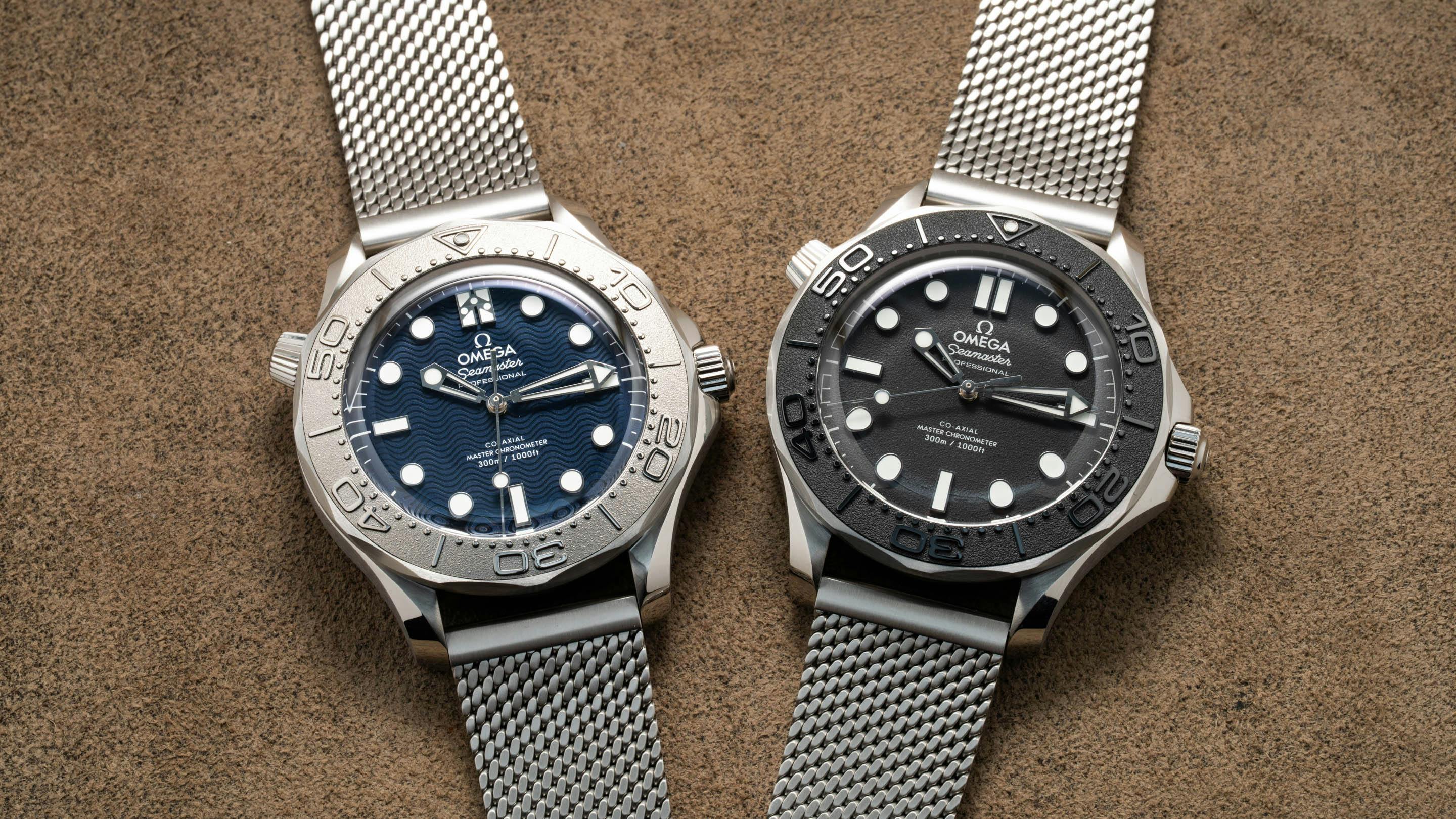 WristBuzz
Omega splits the Spectre universe into two distinct watches, and the choice of which one you want says a lot about you
 Hodinkee
It's funny the way a brand can sneak up on you. Maybe you hear the name on a podcast, and then, a few months later, you run into the brand at a watch fair, or on a friend's wrist. Still, despite repeated encounters, it's remarkable how a brand can continue to exist entirely outside your awareness. Until it doesn't. Until you somehow find a brand, or a watch, completely inescapable, unavoidable, inevitable. 18 months ago, I'm not sure I'd ever given an independent thought to Traska; today, that couldn't be further from the truth, and the brand's Chronograph (aptly named, the Chronograph) is the perfect example of why. If you don't yet know Traska, I don't blame you. Traska is just one of many small brands that have popped up over the last decade, and they've broadly followed a familiar formula: Kickstarter launch, followed by a slowly expanding stable of somewhat conservatively designed, three-handed sports and dive watches, all powered by reliable but unassuming Japanese movements, and all drawing a heavy dose of inspiration from well-known (but far less accessible) watch brands. So, if the broad strokes are familiar, where Traska has separated itself from the pack is in the details. For one thing, unlike so many other Kickstarter brands with similar stories who have come and gone with barely a whisper, Traska has stuck around and, each year, their watches have gotten better. I finally reached my tipping point with Traska last year, when I picked up a second-hand Venturer ...
 WristBuzz
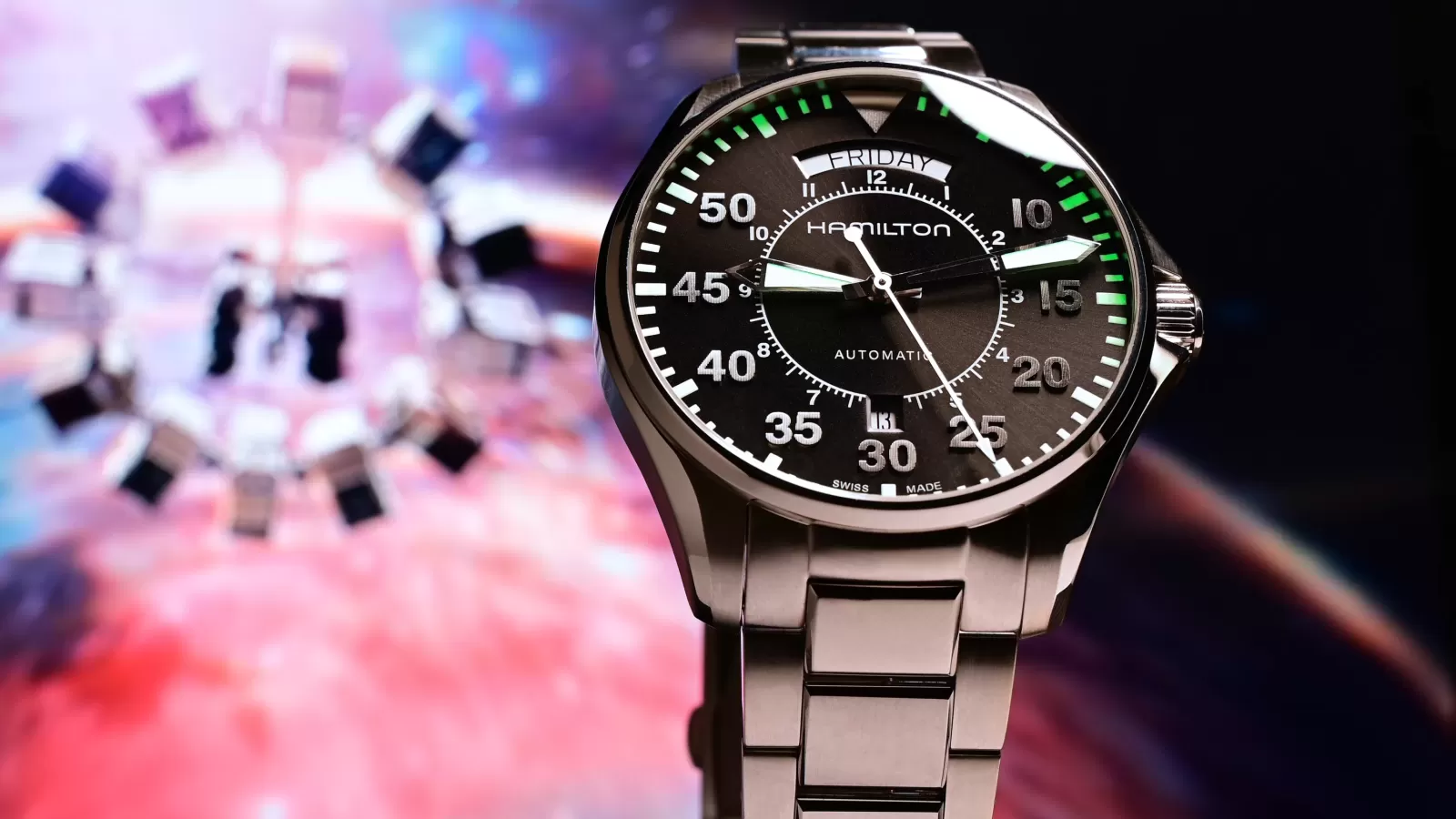
The Interstellar pilot watch that turned a generation of Nolan fans into watch people
 Fratello
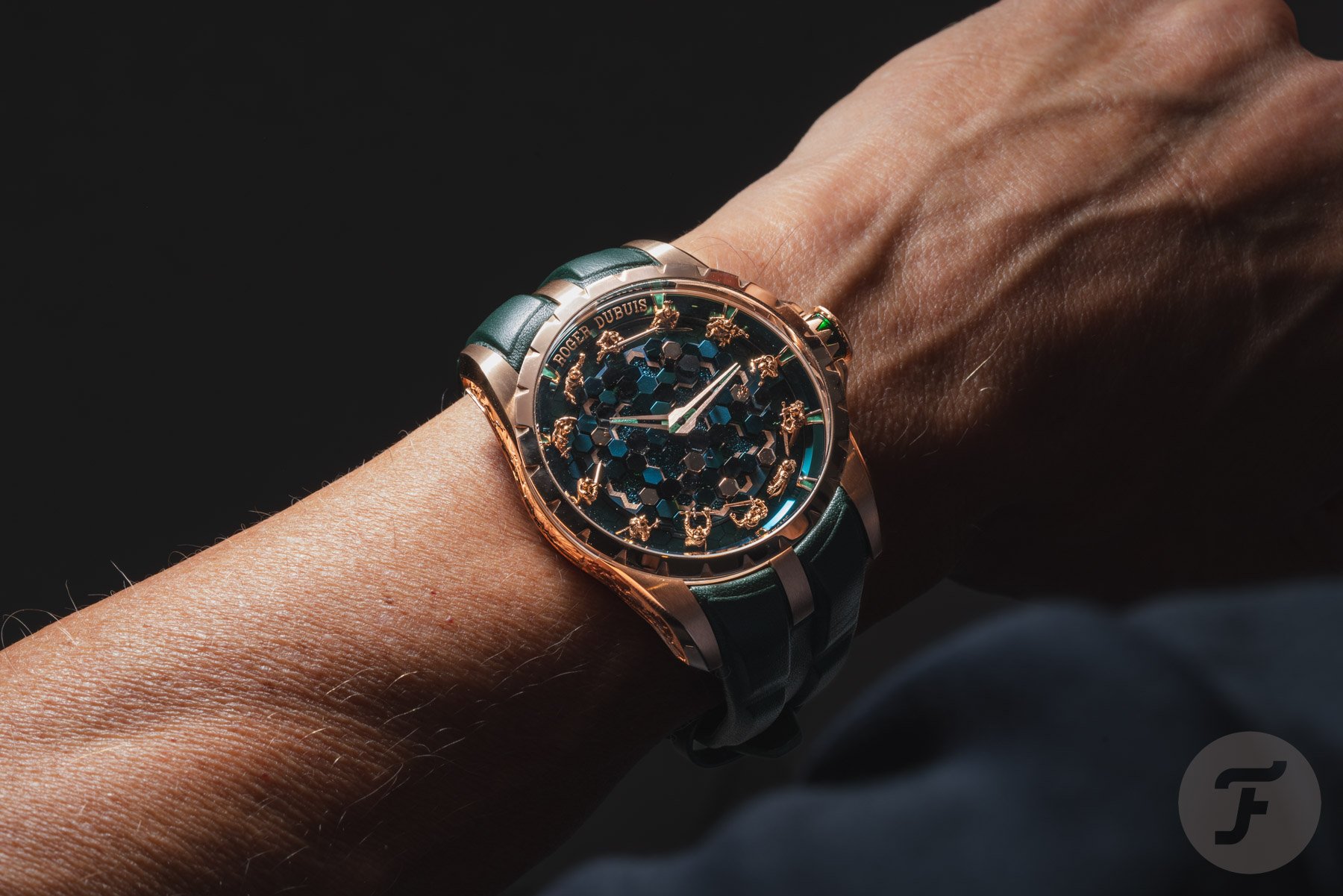
Welcome to a realm where time is told by 12 knights. Introducing the 13th Roger Dubuis Excalibur Knights Of The Round Table, a watch in forest green and, for the first time in the long-running series, a pink gold case adorned with handmade engravings called The Metamorph Merlin. The final watch in the Tale of […] Visit Beware Of The Shapeshifter: Introducing The 13th Roger Dubuis Excalibur Knights Of The Round Table to read the full article.
 Fratello
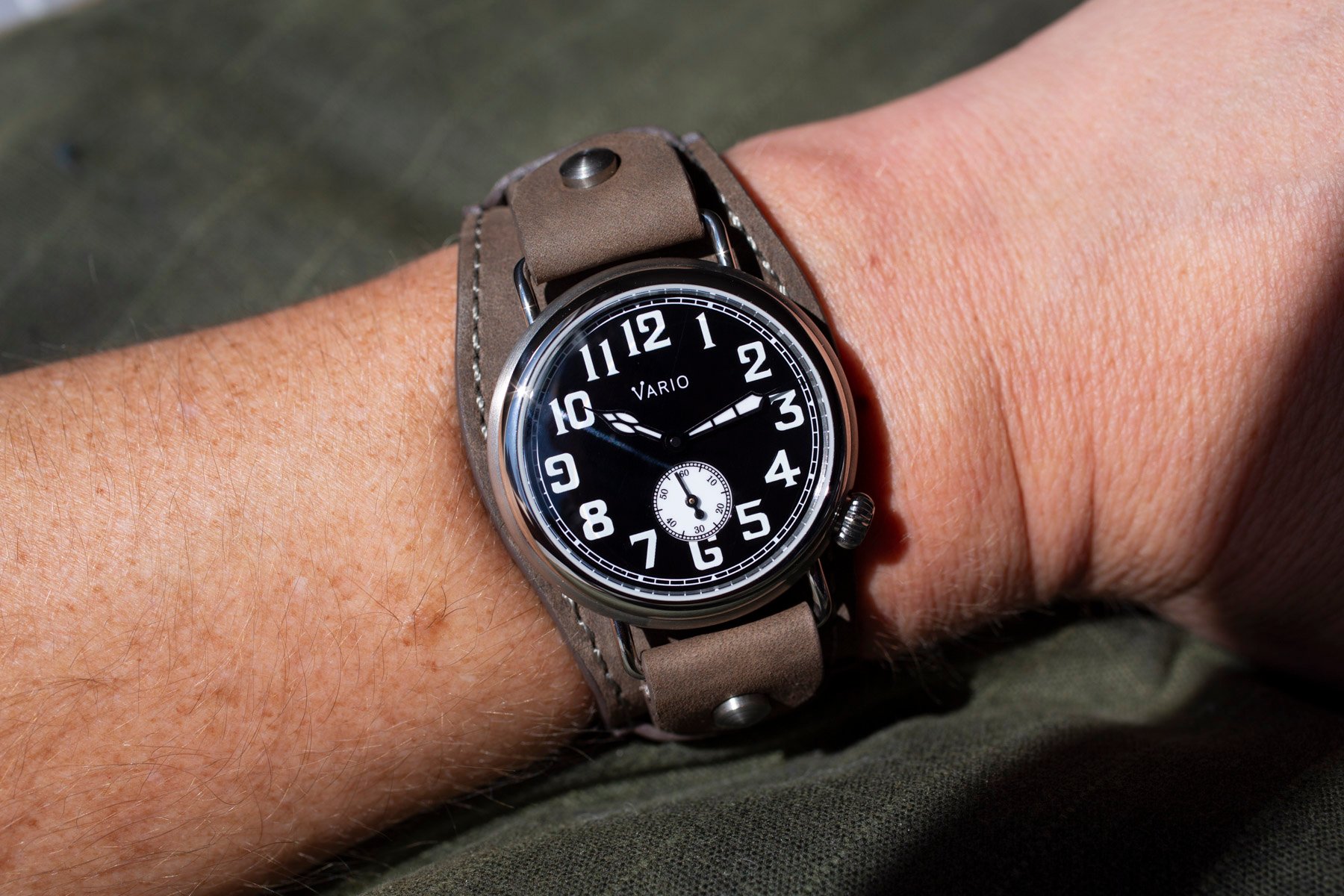
Recently, I’ve experienced several watches that all wrestle with the same problem in different ways. Vario, Timor, and Ollech & Wajs each draw heavily on history, yet each brand has landed on a different answer to a question that sounds simple and is not: how much of a vintage design should a modern watch actually […] Visit How To Juggle Vintage Inspiration And Modern Reinterpretation to read the full article.
 WristBuzz
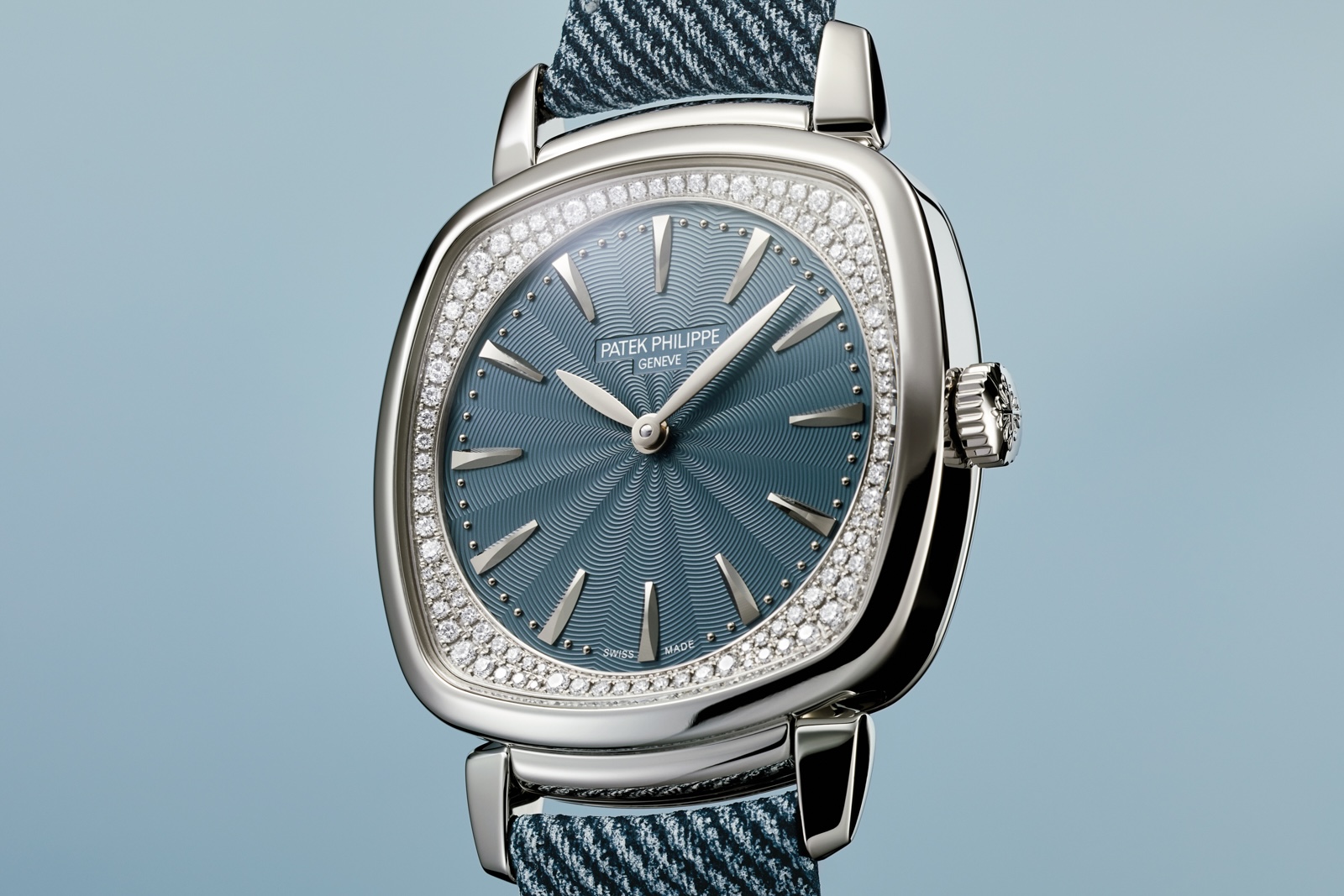
Patek revives the Ladies First name with an ergonomic Gondolo case, quartz movement, and a diamond ladder that goes as far as you're willing to climb.
 Hodinkee
What We Know This week, Hamilton dropped the latest in their series of vintage-inspired watches. But where most brands lean hard on their mid-century offerings for their re-editions, here Hamilton takes a different tack, reaching deep into their archive to resurrect watches so old, they'd be better described as antique rather than vintage. So, it is with the Hamilton American Classic Cushion, which breathes new life into a century-old design. And before you ask, these aren't quartz fashion watches dressed up in vintage clothing; these are tried-and-true hand-wound mechanical watches. The new collection — and it really is a collection, with six models split across two case sizes — is directly inspired by cushion-case watches made by Hamilton in the 1920s. If they seem eerily familiar for watches designed 100 years ago, it may be because Cillian Murphy wore an antique Hamilton cushion watch in Oppenheimer. Here, those watches have been quite respectfully updated for 2026, and though absolute fidelity was not the goal here, these remain easily among the most faithful-feeling reissues we've seen from Hamilton recently. As I mentioned earlier, a big part of the appeal of these watches comes down to the choice to use a hand-winding mechanical movement in these watches, rather than the quartz movements so often used in these small-size vintage reissues. Here, Hamilton is using the H-42, a manual-wind caliber that is, in essence, Hamilton's branded version of the ETA 7001. It'...
 Hodinkee
What We Know Sinn just dropped a new take on their classic 103 St pilot chronograph to celebrate the 100th anniversary of Lufthansa, one of the world's largest airlines. The new watch, which — fittingly — is limited to just 100 pieces, takes the model 103 and strips it down to the bare essentials. The result is the Sinn 103 St Sa Lufthansa, a watch that's slightly outside the norm for Sinn and replete with details nodding to the German flag carrier. The most obvious of these is the use of Lufthansa's signature shade of yellow for the hands and subdials markings associated with the chronograph function. The only other "colors" used are several shades of grey, each of which is pulled directly from Lufthansa's style guide (Lufthansa's iconic dark blue didn't make the cut for this one). Other Lufthansa-inspired details include a special engraving on the watch's rotor, visible through a sapphire display caseback, and an opening in the chronograph seconds hand meant to evoke the shape of an airliner window. Notably, this is not the first collaboration between Sinn and Lufthansa (though it is the most limited I'm aware of). The first of these (again, that I'm aware of), was the 747-piece limited edition Sinn 144-747.CARGO. Released 25 years ago, this was a very cool take on the Sinn 144 that included a scale around the rehaut that indicates target flight altitude for a Boeing 747 loaded to a given gross weight under normal atmospheric conditions. This was followed up by the 7...
 Monochrome
Norqain, the independent, family-owned Swiss watch brand, has amassed a solid reputation for robust, action-oriented sports watches. CEO Ben Kuffer has relied on exceptional friends since he started the brand in 2018; one is Jean-Claude Biver, whose valuable input helped create the Wild One. Beefed up with components made from the brand’s proprietary Norteq carbon […]
 Worn & Wound
It started with a topic that’s readily on watch collectors’ minds over the past few years in particular – a topic we even discussed on a recent podcast: watch prices are climbing and pricing younger collectors out of the hobby. Jonathan Chan, a collector himself and co-founder of The Horology Society (a Hong-Kong based global collector community), decided to create the brand he wanted to see in the market. After two years of conceptualization, research, development, and prototyping, he founded Earthen Company in 2025 with a mission to democratize watches with a focus on high-tech ceramic and a goal to keep price tags below $1,000. The brand’s inaugural offering, the Summit Collection, presented a mix of old and new, past and present with dichotomy of vintage pilot and field watch design codes rendered in modern ceramic. Over the past year, Earthen Company’s offerings have continued to expand with an evolution of the original line called the Summit Mark II and a totally new addition with the Aventurine Collection. The Summit MK II refined the composition of the collection that started it all. It retained the original proportions and signature ceramic build while upgrading the finer details like dial symmetry and legibility. Now, we get the latest additions to the MK II lineup with a trio of new colors.As a journalist in this industry for the better part of almost 15 years, I’m often a bit underwhelmed when the headline of a new release is simply a new colorway. ...
 WristBuzz
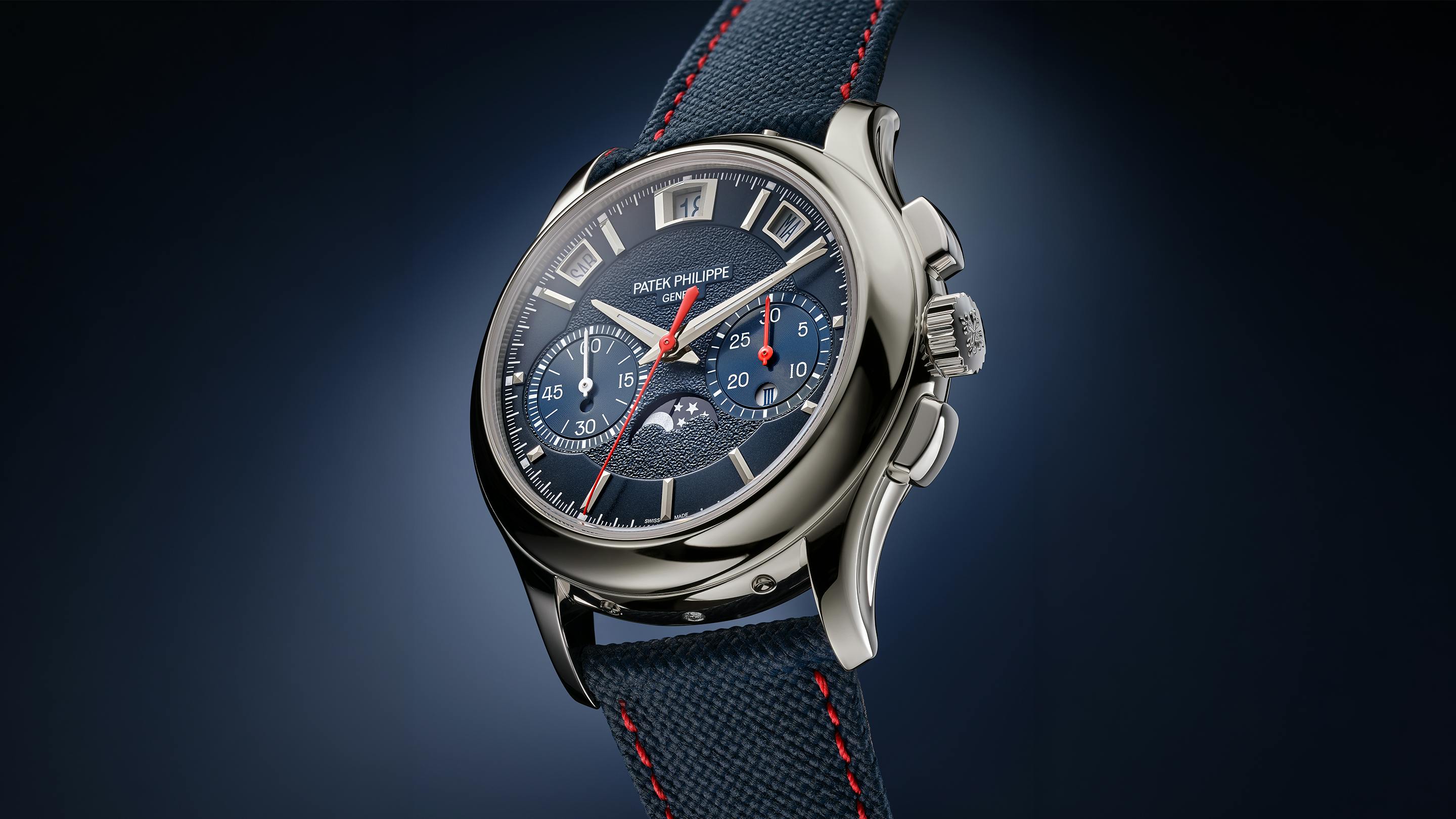
A Milan exclusive, a platinum case, and an instantaneous perpetual calendar chronograph that marks only the seventh such reference in Patek Philippe history
 Hodinkee
Earlier this summer, I sat down in a fluorescent-lit meeting room in Yamagata, Japan, as a group of Casio associates plopped down a heavy box in front of me. I thought I was just going to Casio's Yamagata factory for a tour of the production line, but I had no idea that I was about to see something absolutely bonkers. Turns out, they were about to show me the watch released to the world today—G-SHOCK's first-ever production watch constructed out of sapphire crystal, in a limited edition of 20 pieces. Let's get to the important detail first—the new MRG-D5000 is priced at $80,000 (JPY 1.1 million). Is this the craziest new G-SHOCK we've seen in a while? Certainly yes. But is it surprising? Well, maybe not quite. The clues were kind of there all along. In the MR-G series, which already represents G-SHOCK at its highest end, the new Blue Rose Project stands out for its material choice and a price tag still an order of magnitude higher than even the most expensive typical MR-G models. If you're not familiar with the series, it's essentially G-SHOCK's flagship lineup: it takes the familiar digital module and durability specs demanded of G-SHOCK and combines them with a much higher level of materials and finishing, along with a much more complex construction. I've owned an MR-G (the MRGB5000R-1, to be specific) for a few years now, and I have to say that I'm a big fan. Yes, it's certainly one of the easier watch concepts to ridicule online, but these models feel extremely imp...
 Hodinkee
Formex holds a unique place in the Swiss watch industry. Born in the early 2000s, it featured a proprietary case suspension system and designs that reflected the origin of its name, 'forme extrême' (extreme shapes in French). However, the recession spurred by the Global Financial Crisis of 2008 dealt the brand a near-fatal blow, and it entered a period of relative dormancy. Then, in 2016, a group backed by one of its suppliers, Dexel, a Swiss component maker specializing in bracelets, clasps, and cases, as well as dials through its subsidiary Cadranor, took over Formex. Raphael Granito, now in his mid-thirties, is part of the family business behind Dexel and led the takeover and revival of the Formex marque. He has steered the brand's development ever since, and a decade later, Formex is leveraging Dexel's manufacturing savoir-faire and R&D; to produce innovative, approachable-priced Swiss-made watches. The brand's evolution culminated recently with the Aria, a high-end integrated-bracelet titanium sport watch with an ultra-thin, micro-rotor manufacture movement designed by Horage, priced below CHF 6,000. That's a significant step up compared to the CHF 1,800 average price point for its watches. Granito outlines how the brand has grown and connected with more customers, operating mainly outside the traditional retail structure. Still a family business, he hired his best friend from university to lead marketing and sales efforts. Formex has distinguished itself by offe...
 WristBuzz
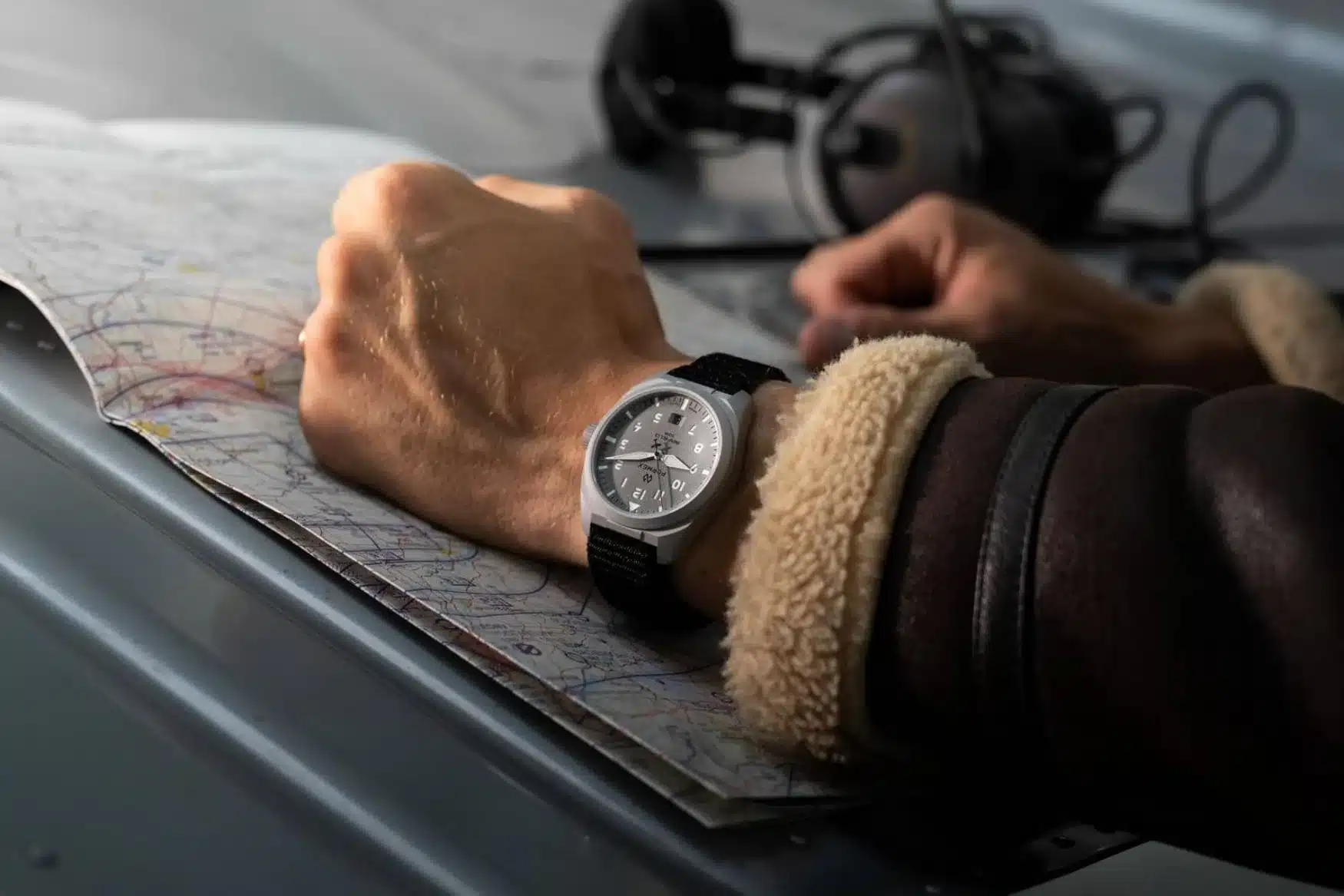
Formex grafts a recessed, aviation-inspired dial onto its proven titanium Field platform, and the result is something genuinely worth your attention.
 SJX Watches
Raymond Weil kicked off its 50th anniversary earlier this year with the Fifty, a vintage-inspired limited edition chronograph powered by an appropriately historical vintage calibre. The party continues with the Millesime Jubilee, a larger but more accessible “panda” variant that borrows the Millesime’s “sector” dial and appealing “pump” pushers. Limited to 500 pieces, the Jubilee exchanges the vintage movement for a modern automatic calibre, and looses its predecessor’s white gold bezel. But it retains much of what made the Fifty attractive at less than half the price. The Fifty (left) with the Jubilee Initial thoughts Raymond Weil appears to be claiming renewed relevance after years in the wilderness. Established in 1976, it was one of the few watch brands founded during that difficult period to survive and prosper. Classical designs at accessible prices, backed by widespread advertising, made it a familiar name. At its peak in the late 1980s and early 1990s, the brand was selling some half a million watches per year. But the affordable luxury category became crowded, and Raymond Weil gave up ground to new entrants, languishing for a number of years. The Millesime has given the brand a more convincing identity, combining familiar vintage styling with unusually good attention to detail for the money. The Jubilee chronograph is no exception. The conical flange carrying the tachymeter scale is particularly appealing. Attractively snailed, it slopes gently tow...
 Worn & Wound
One of the recurring topics of conversation I’ve long heard among watch collectors is the fantasy of a pared down collection. Sometimes, the dream is by the numbers – a seven-watch collection (one for each day of the week), the sweet spot three-watch collection (dress, sport, and wild card), or the ultra-ambitious one-watch collection (but how could you ever choose just one?!). Other times, the musings on a pared down collection get more specific – a single brand, a single style, a single material. For me, the collecting fantasy revolves around color – or rather, the absence of color – an all-white collection. At the current moment, I only have three, but there is one in particular that has solidified my love of white watches not just for summer but all year round (yes, white watches look just as good on snow bunnies). This is the story of my Norqain Adventure Sport. For those of you who know me outside the page, I’m the antithesis of the all-black New Yorker. Perhaps it’s my southern roots showing (shoutout ATL), but in recent years, I’ve become a self-proclaimed rainbow girl. This wasn’t always the case. In high school, I hailed from the emo era, and to the horror of my fairly traditional Midwest parents and southern upbringing, I dyed my hair dark, cut asymmetrical bangs, painted my nails black, and wore clothes that matched my angst and musical taste (btw we will circle back to this seemingly superfluous detail later on in the story, stay tuned). When...
Question, suggestion, or just want to say hi? Drop a note.