 Hodinkee
Introducing: The Longines Master Collection Refreshed For 2026
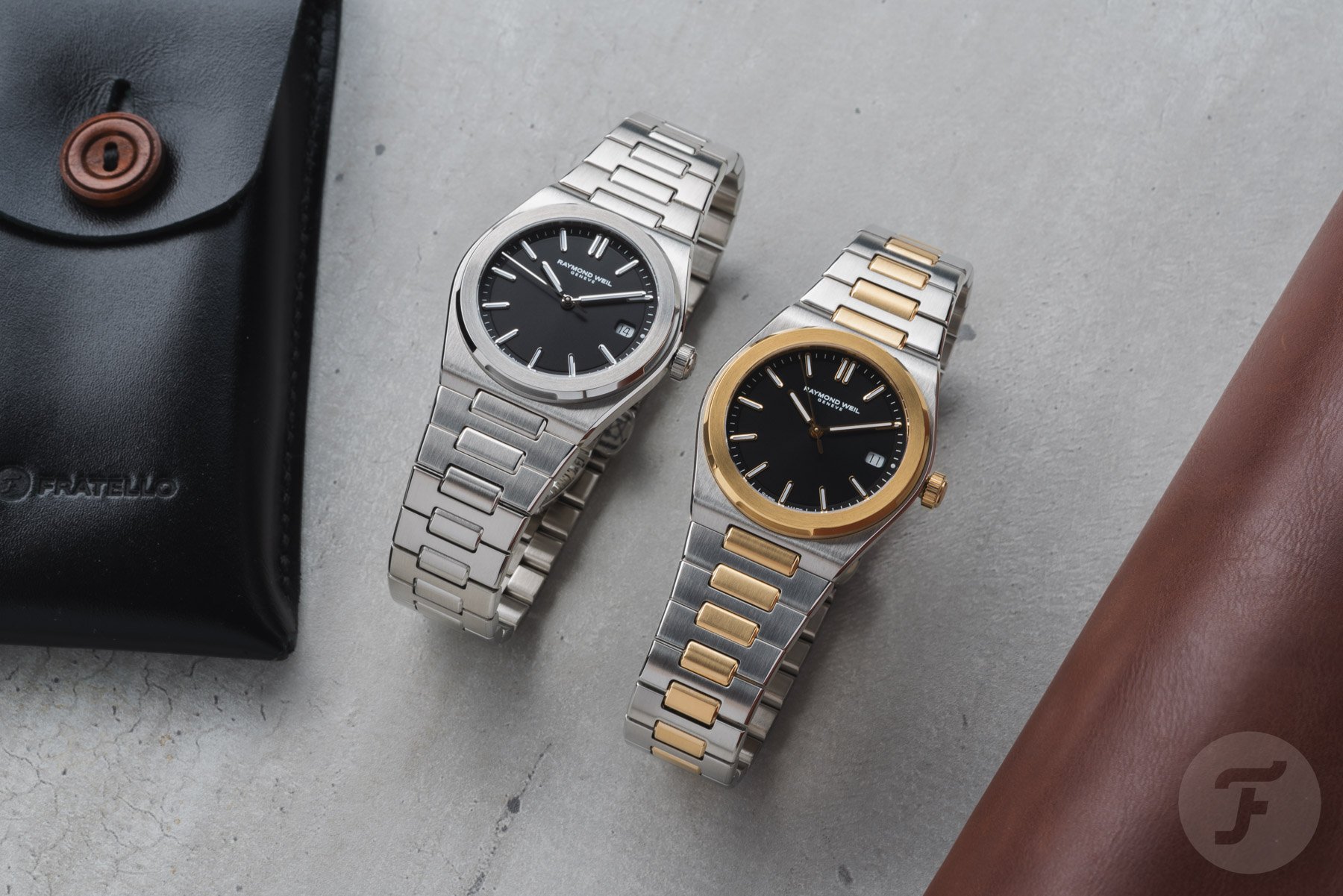
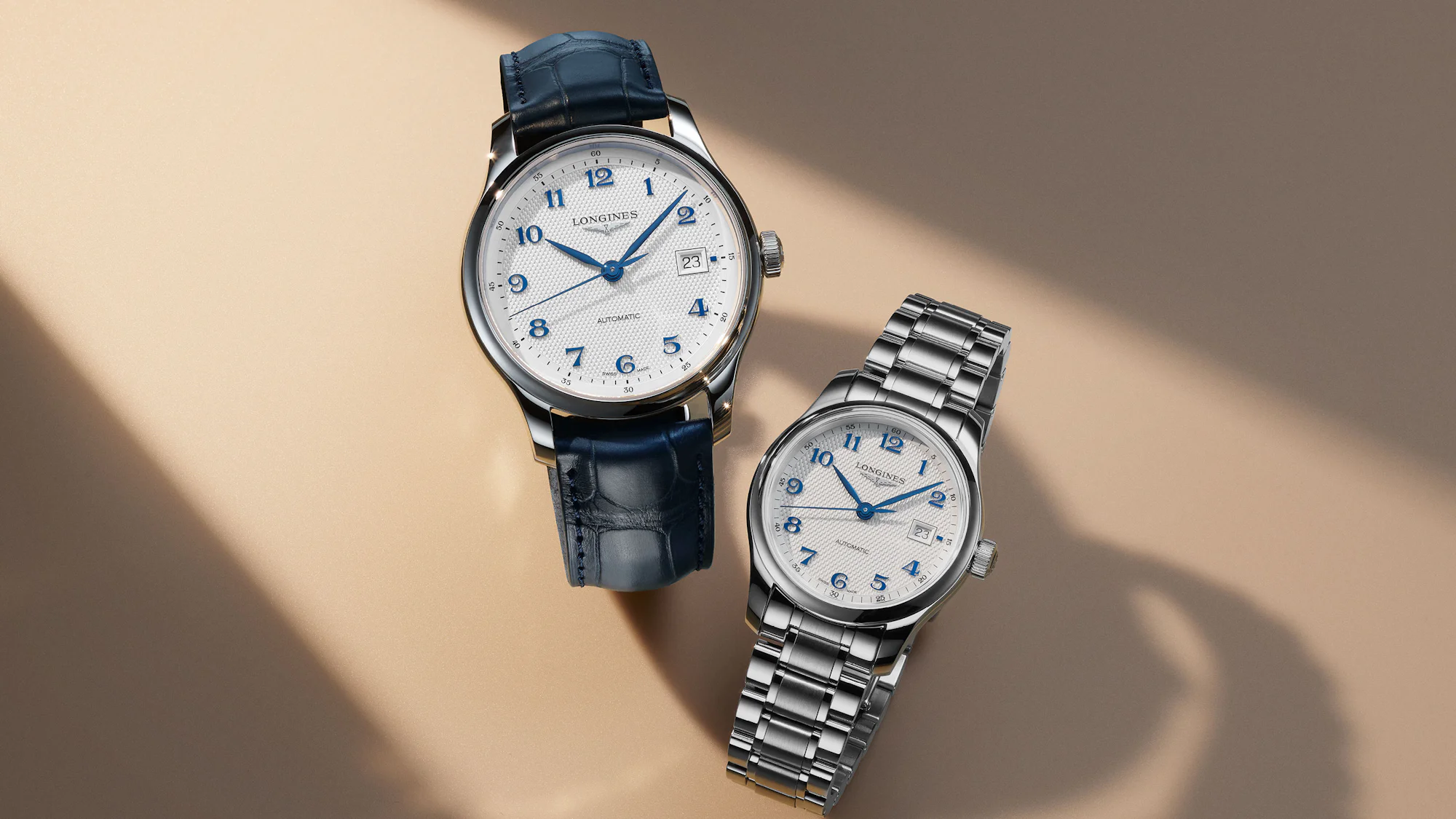
What We Know When Longines launched the Master Collection in 2005, it established the line as the brand's flagship dress watch offering—a position the line has held for two decades. Today, the Saint-Imier-based brand is announcing a comprehensive rethinking of the collection, spanning 30mm, 34mm, 39mm, and 41mm cases across some twenty new references. It's the second significant collection update Longines has made in 2026, following the successful and much-in-demand Hydroconquest refresh announced in March. All twenty references share the same core design language. Cases are stainless steel throughout. The barleycorn dial texture runs across the line, though the 30mm and 34mm models offer silver barleycorn only, and offer a two-tone option with yellow or rose gold-capped bezels and matching crowns. While the 39mm and 41mm expand to include blue barleycorn options. The 41mm also adds a variant with Eastern Arabic numerals, which is not offered in any other size. All models display hours, minutes, and seconds centrally, with a date aperture at 3 o'clock. The 30mm references are powered by the Caliber L592.5, a self-winding movement with a silicon balance spring and a power reserve of up to 45 hours. The 34mm, 39mm, and 41mm models all use the Caliber L888.5—also self-winding, also silicon balance spring—with a power reserve of up to 72 hours. Both are exclusive Longines calibers. Across all sizes, watches are offered on stainless steel bracelets with newly designed sho...