
Project Mercury was NASA's first manned spaceflight programme; six American astronauts flew between 1961 and 1963. The fourth manned mission and second orbital flight was Mercury-Atlas 7, callsign Aurora 7, piloted by M. Scott Carpenter. Launch was on 24 May 1962; Carpenter completed three orbits and splashed down 250 nautical miles past the planned recovery zone after a procedural error during retrofire, recovered safely after a several-hour drift.
Carpenter's standing requirement, communicated to Breitling in 1961 through the firm's American distributor Wakmann, was for a cuff-mountable wristwatch chronograph with a 24-hour dial. The reasoning was operational: in low Earth orbit at ~28,000 km/h the spacecraft completed one revolution every ~90 minutes, with sunrise and sunset accordingly; a conventional 12-hour AM/PM dial gave no useful indication of orbital ground time, while a 24-hour dial mapped cleanly to the mission elapsed time clock used by Mission Control.
"In orbit, day and night cycle every 90 minutes. A 12-hour dial is meaningless. I asked Breitling for 24."- Scott Carpenter, on commissioning the Cosmonaute
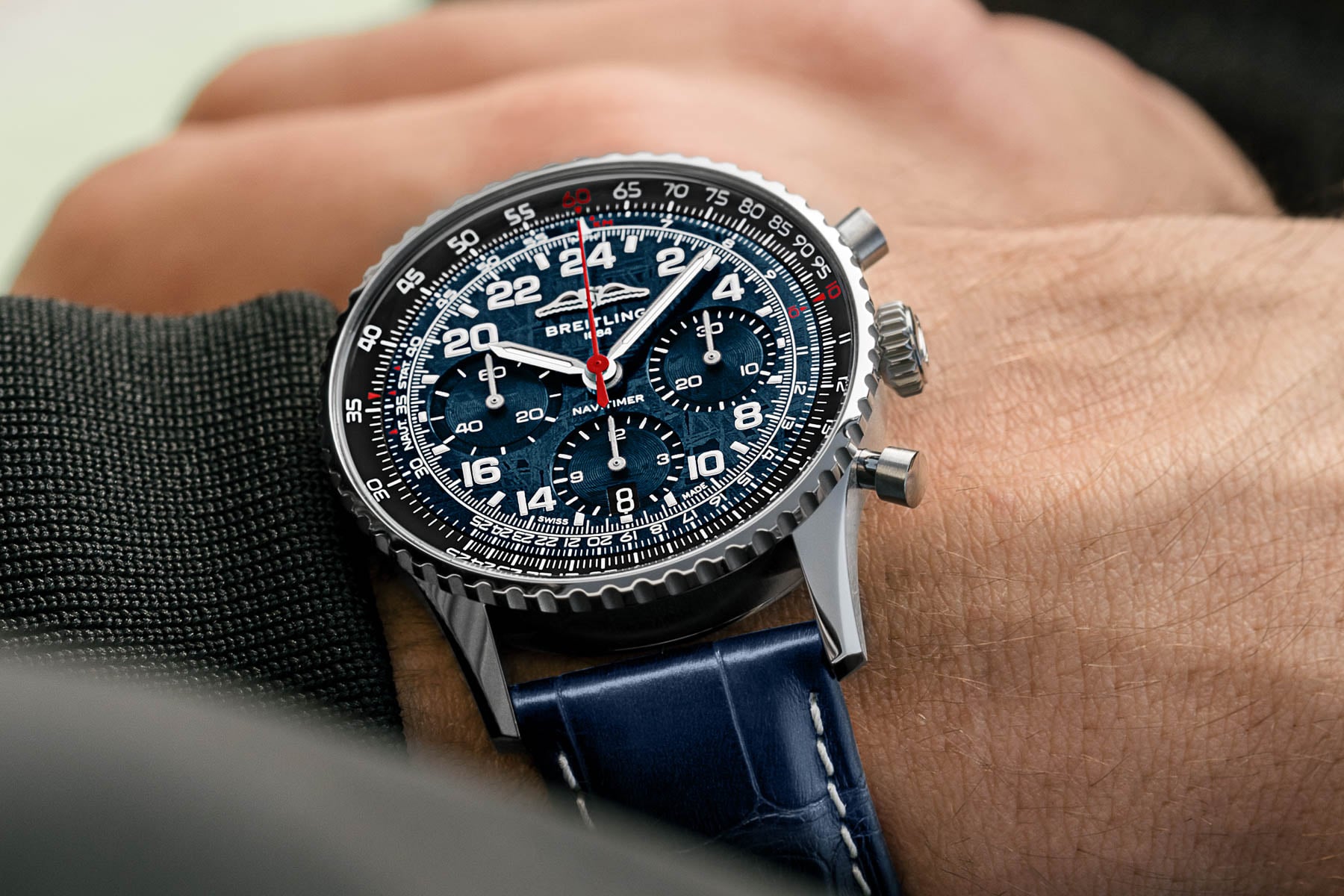
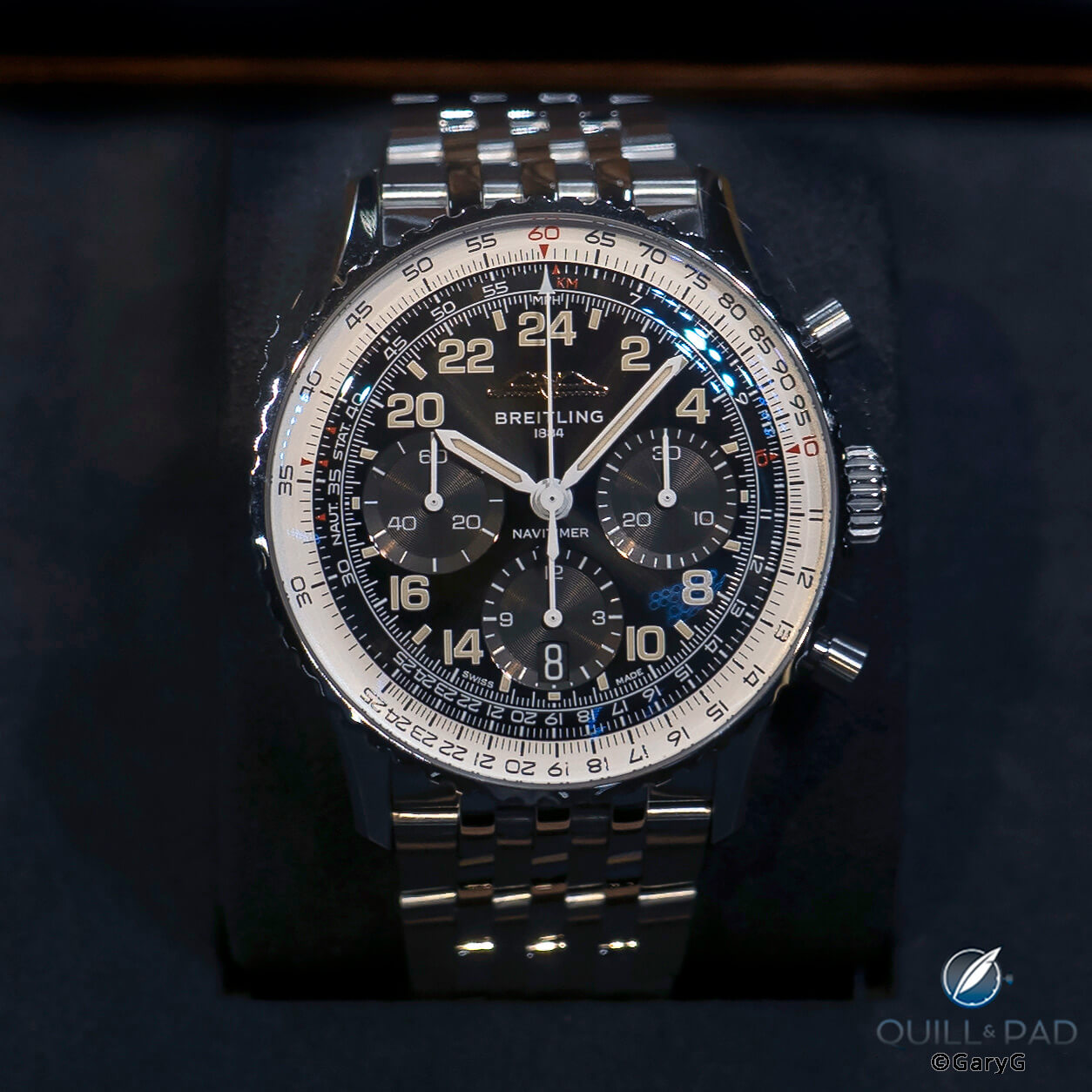
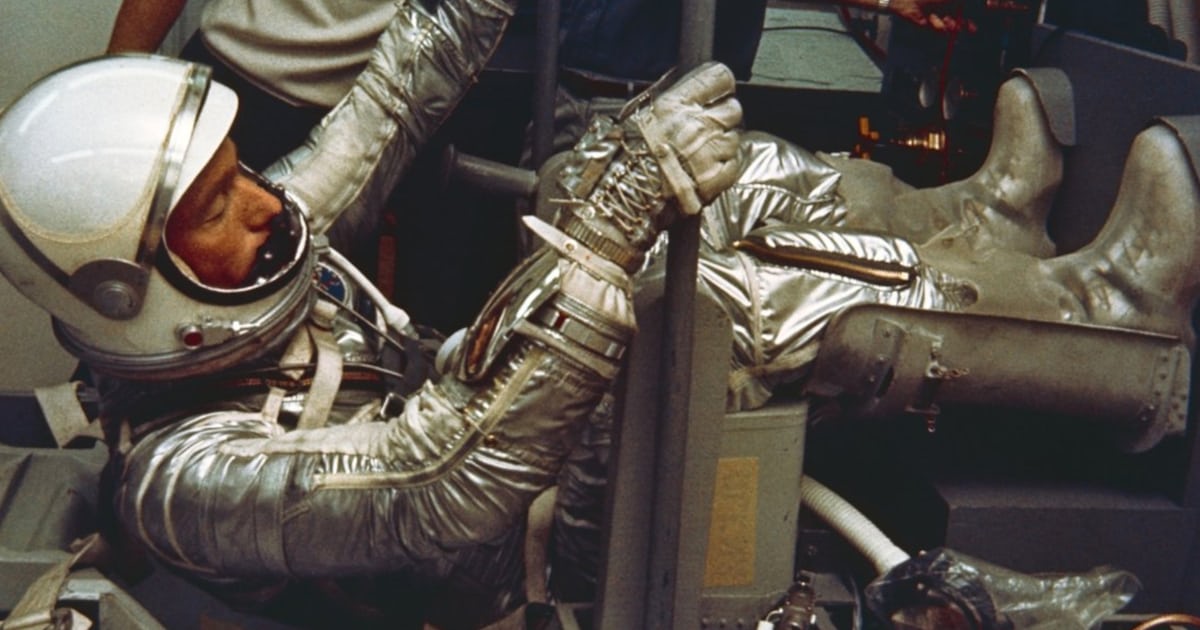
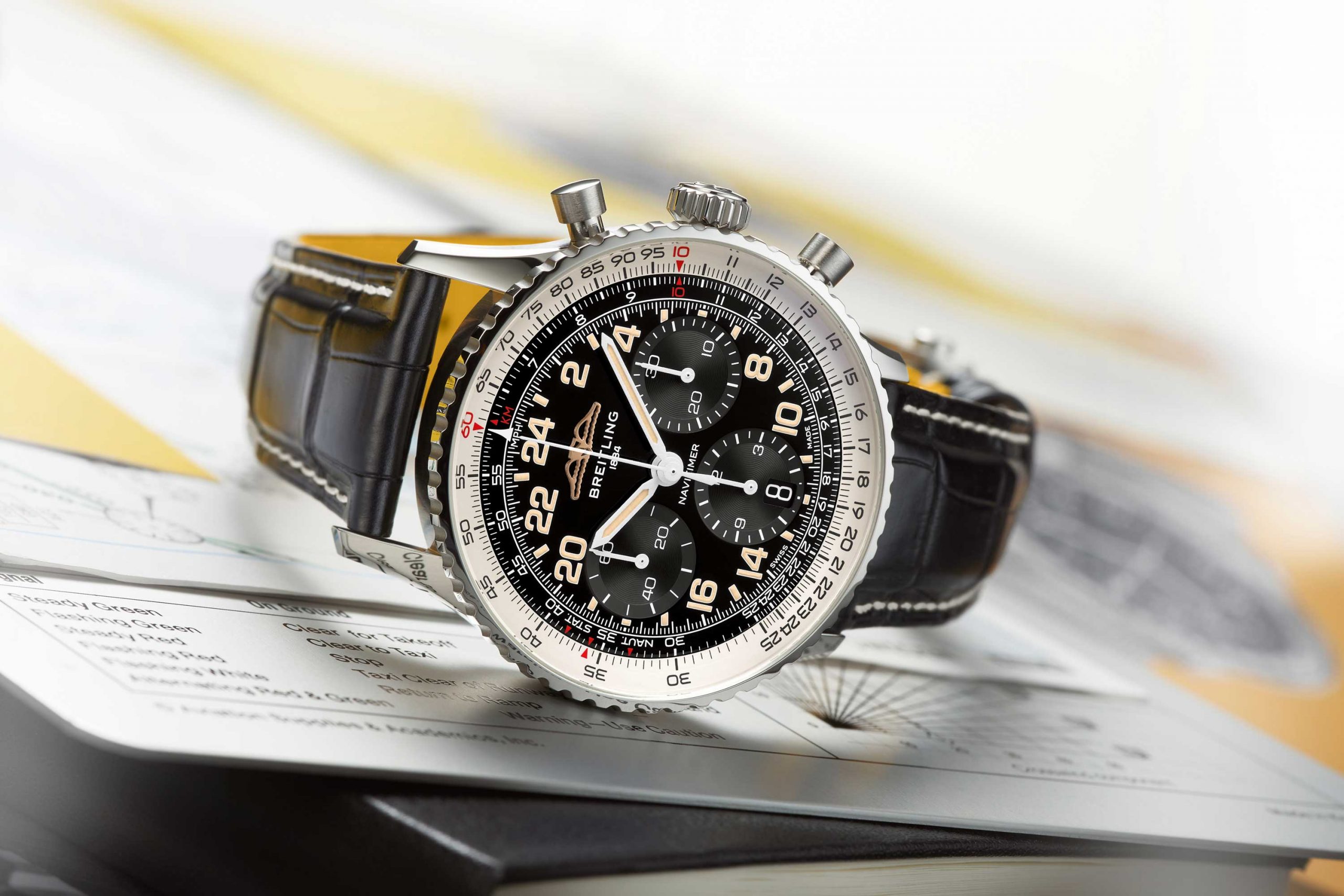
Breitling delivered a custom variant of its Navitimer chronograph (introduced 1952 with the AOPA for civil pilots): the case, slide-rule bezel, and movement architecture remained unchanged but the dial was redrawn with 1-24 hour graduations, the hour hand was geared to rotate once per 24 hours, and the calibre (Venus 178 hand-wound chronograph) was modified at the motion-works to drive the new gearing. The watch was branded "Cosmonaute" on the dial, an explicit reference to its space-flight purpose. Carpenter wore his on a long Velcro strap over the pressure-suit gauntlet.
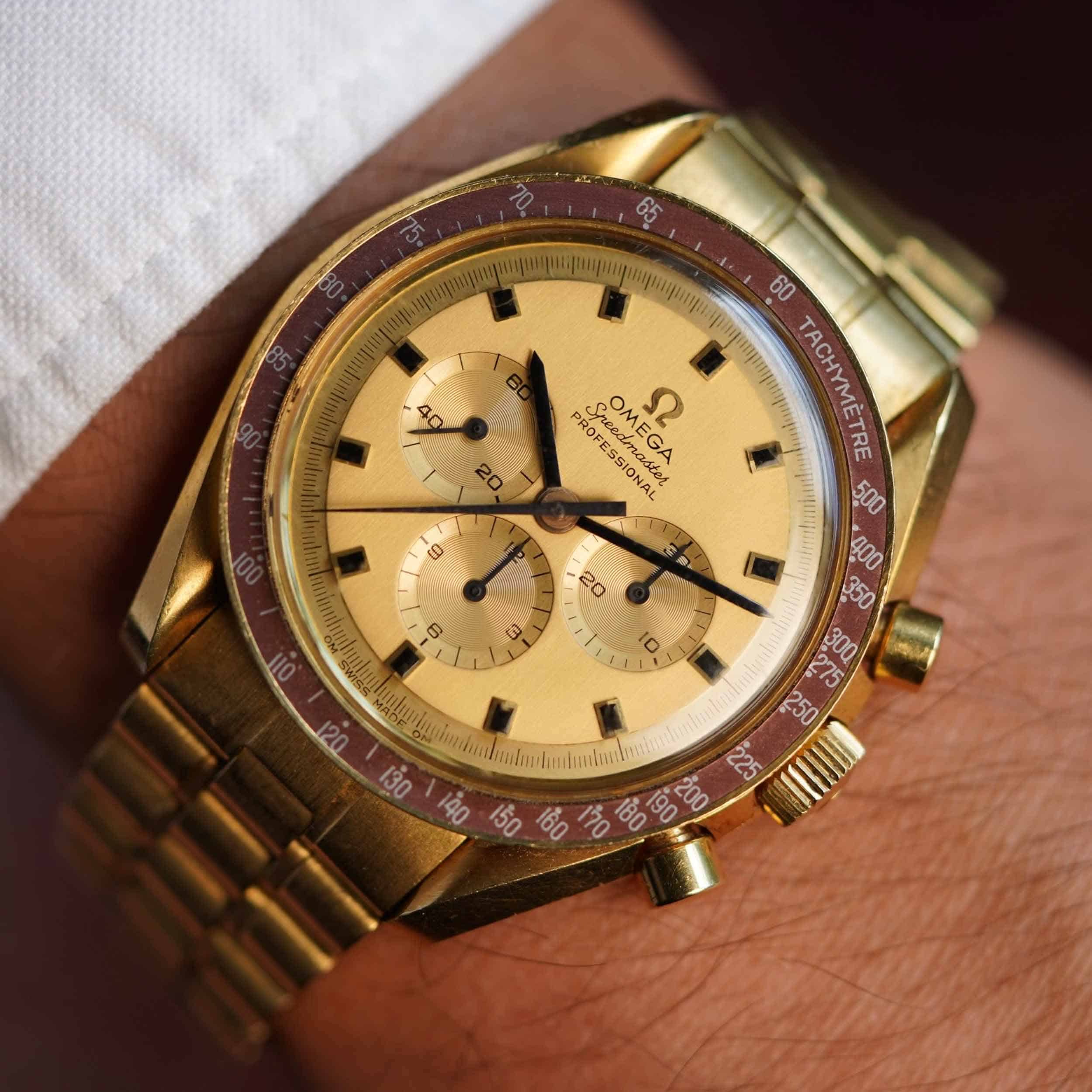
The Cosmonaute is widely accepted as the first Swiss wristwatch worn in Earth orbit. Yuri Gagarin's 1961 Vostok 1 flight (the first manned orbital flight) carried a Soviet Sturmanskie-type wristwatch, not a Western product. Omega's Speedmaster NASA qualification was completed on 1 March 1965, three years after Carpenter's flight; the Speedmaster's first flight was Wally Schirra's personal Speedmaster on Sigma 7 (October 1962, also Mercury, after Aurora 7). The Speedmaster's later cultural dominance, driven by Apollo 11 (1969), often overshadows the earlier Cosmonaute story.
A persistent confusion exists in popular accounts that places John Glenn as the wearer of the Cosmonaute. Glenn's mission was Mercury-Atlas 6 (Friendship 7), three months before Aurora 7, on 20 February 1962; Glenn carried a Heuer 2915A handheld stopwatch on a strap over his pressure-suit gauntlet, not a Breitling wristwatch. The Heuer is preserved in the Smithsonian Air and Space Museum collection. The Glenn-Cosmonaute confusion appears to have entered popular accounts in the 1990s and remains common.
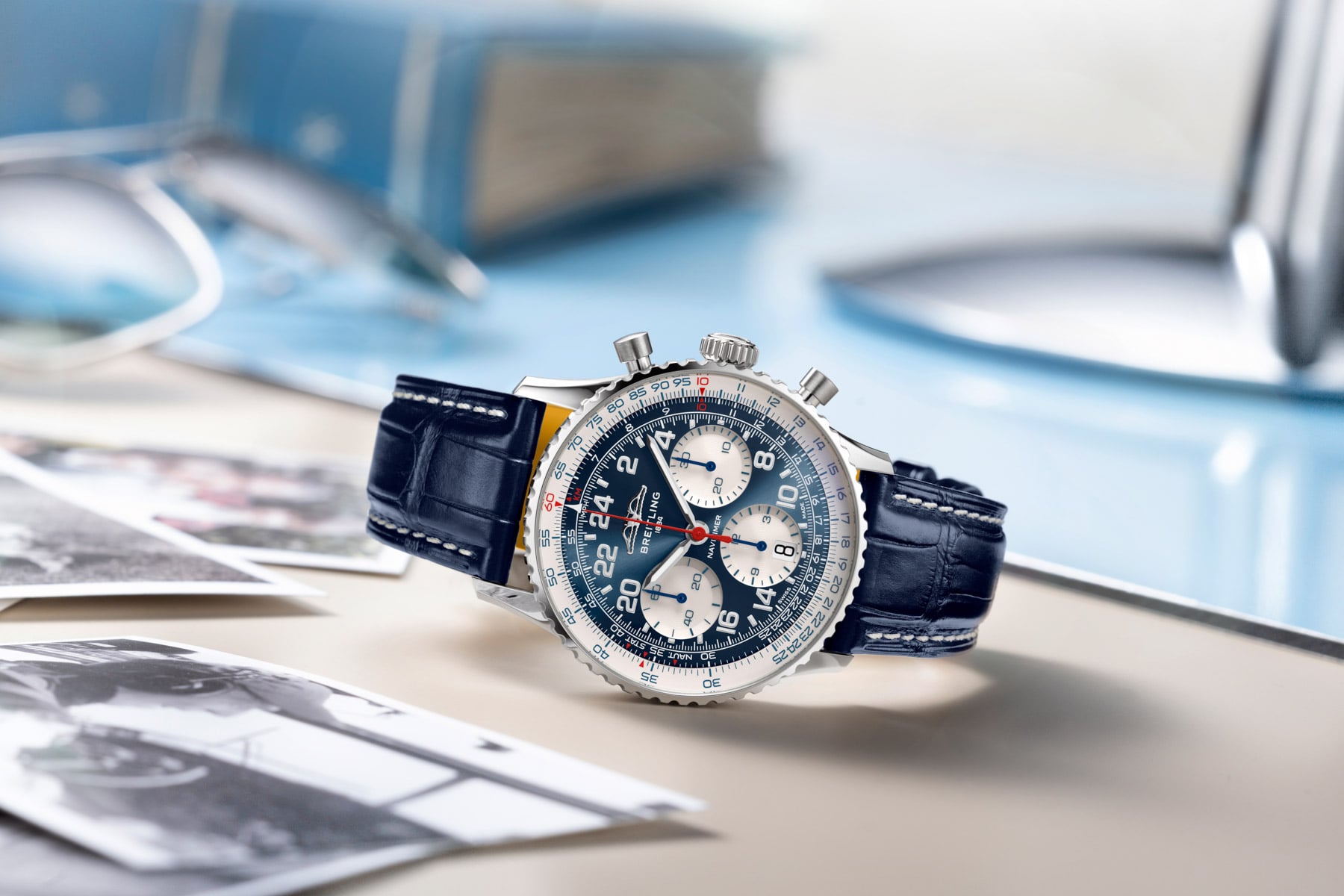
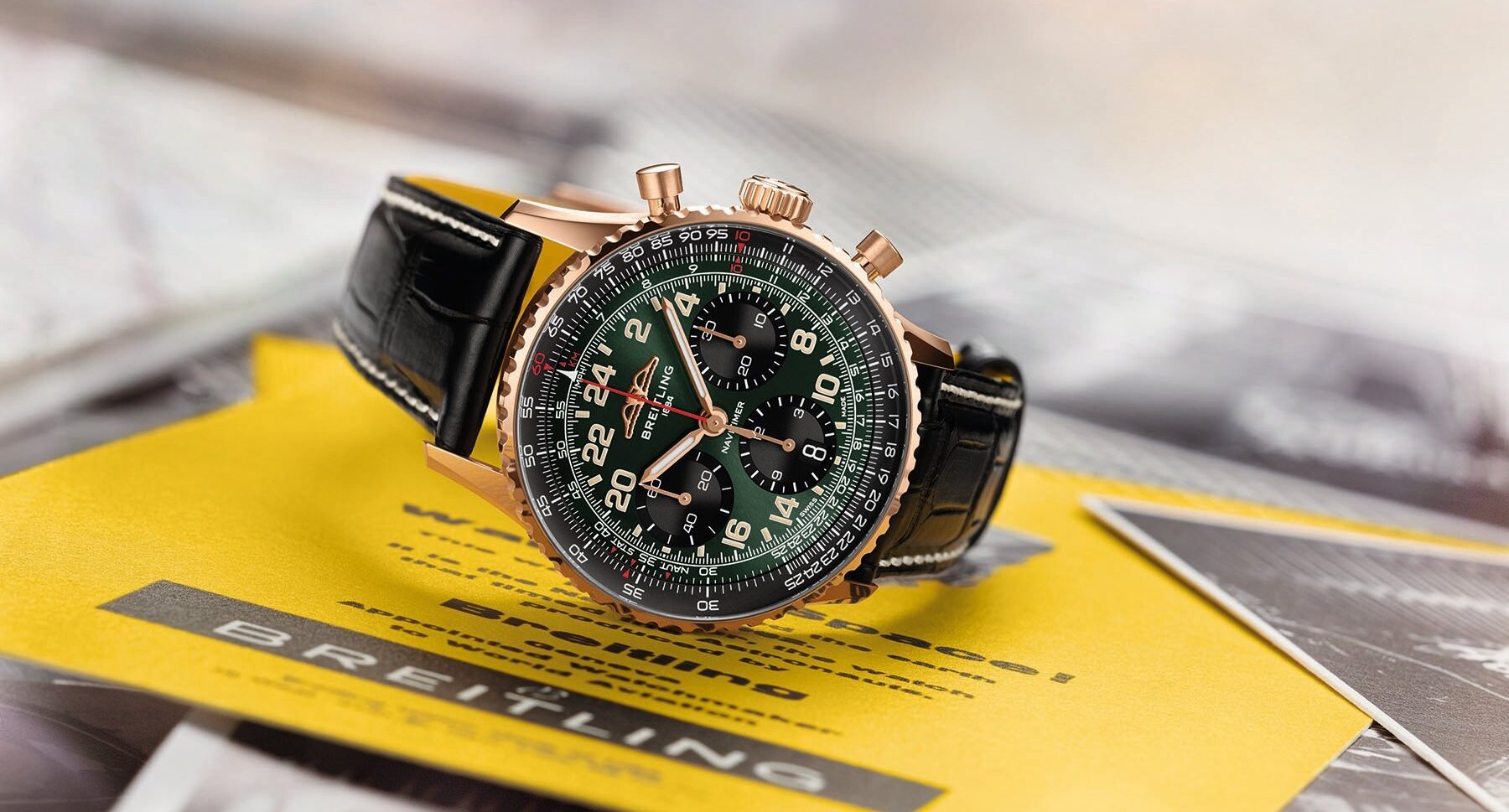
The Cosmonaute remains in continuous production at Breitling; the modern Navitimer Cosmonaute B02 (with in-house Cal. B02 manual chronograph) is a faithful reissue of the 1962 Carpenter specification. The original Carpenter watch was lost during recovery: Aurora 7 splashed down off-course, and the watch was reported as having gone overboard during the drift recovery. Breitling produced a faithful replica from period drawings for the Smithsonian; original 1960s 24-hour Navitimer Cosmonautes (commercial production began 1962 after Carpenter's mission) trade at USD 30,000 to USD 80,000+ at vintage auction depending on condition and provenance.



Comments 2