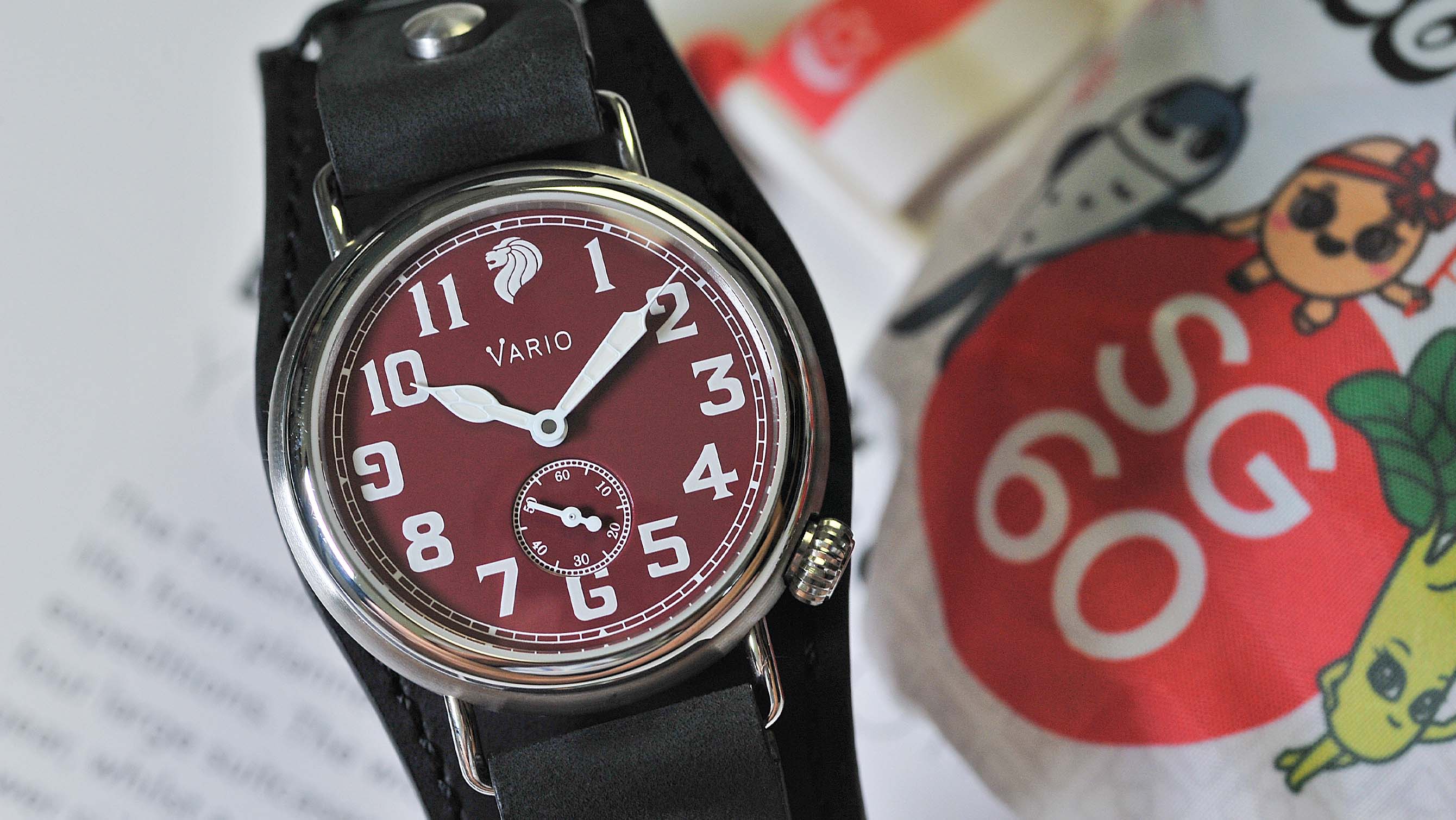
The pre-war wristwatch market was small and almost exclusively female. Abraham-Louis Breguet made wristwatches as bespoke commissions for European royalty (Queen of Naples, 1810). Cartier launched its Santos wristwatch in 1904 for aviator Alberto Santos-Dumont, an early genuine men's wristwatch, but the cultural assumption through 1914 was that men carried pocket watches on chains; a man wearing a wristwatch was effeminate. The wristwatch market, what little of it existed, was dominated by makers like Patek Philippe producing tiny ladies' bracelet watches, jewel-set, on chains.
Trench warfare changed this in months. The British, French, German, and Austrian armies reached deadlock in late 1914; thereafter coordinated artillery barrages timed to synchronised infantry advances became the central tactical practice. An officer launching an assault at "H-hour plus 5 minutes" needed visible time on his wrist, not in a pocket; reaching into a great-coat pocket under fire to consult a watch was suicidal. The British "wristlet watch" entered military supply almost immediately; French and German equivalents followed.
"Before 1914 the wristwatch was a woman's ornament. By 1918 it was a man's tool. No accessory in modern history has changed gender so completely or so fast."- Watch historian on the cultural shift caused by WWI
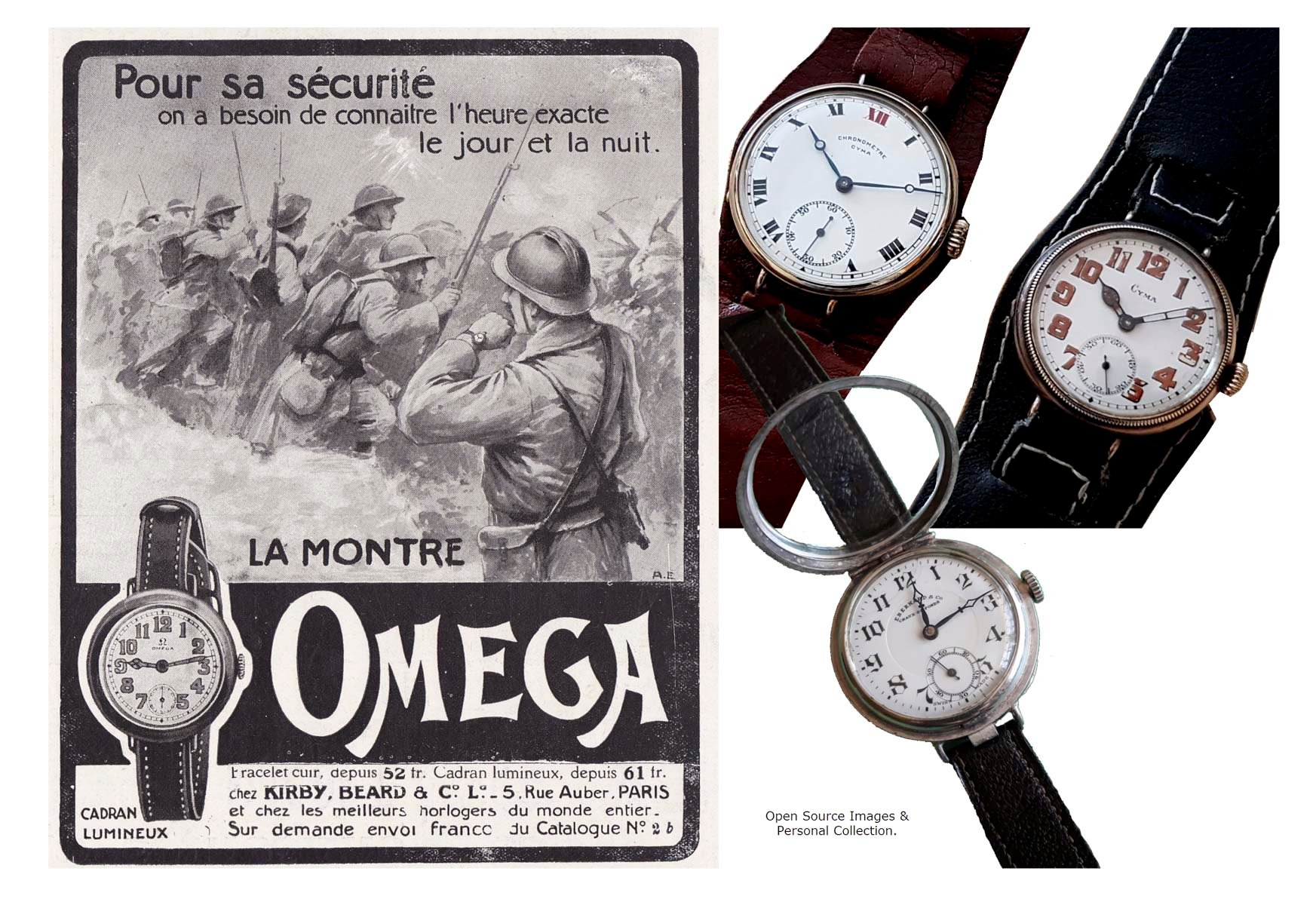
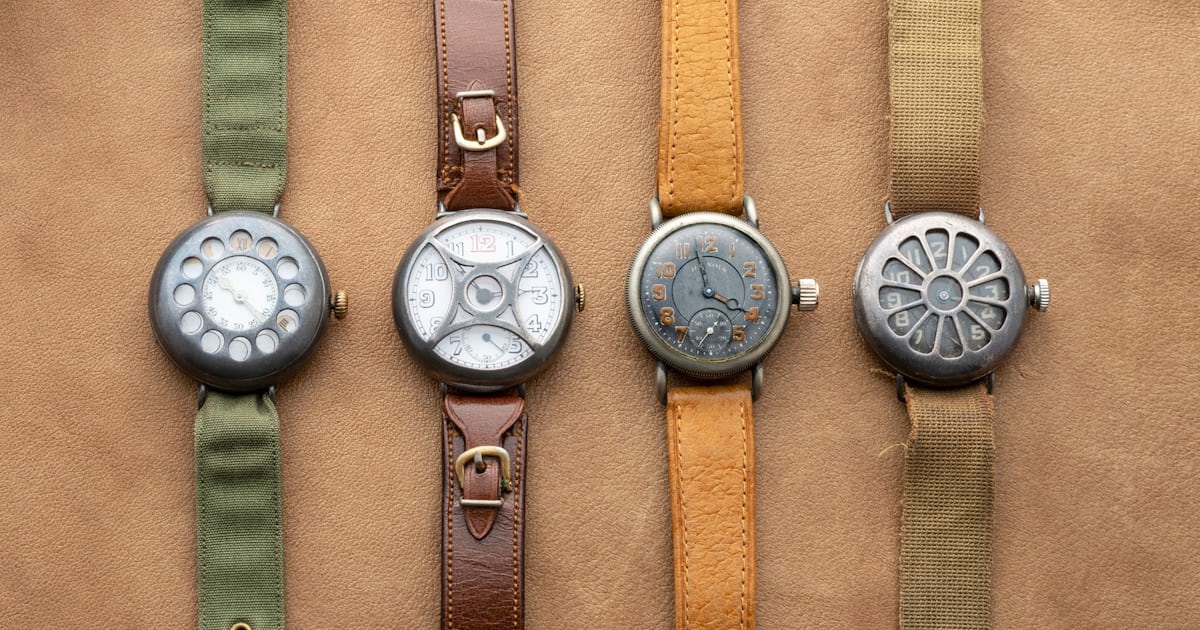
The earliest military trench watches were literally pocket watches with wire lugs welded onto the case, fitted to a leather strap. The dial layout was the contemporary pocket-watch convention: large arabic numerals (legible at a glance), sub-seconds at 6, often a red 12 for orientation. Lume was radium painted on hands and indices (introduced commercially around 1908; the health consequences were not yet understood; the "Radium Girls" scandal would not break until 1925). The crystal was either a hinged metal grille ("shrapnel guard") protecting a glass crystal, or an early acrylic / unbreakable in later years. Cases were typically silver or chromed; gold was rare.
Major Swiss makers who supplied wristwatches in volume to Allied armies during WWI included Longines, Omega (which produced approximately 100,000 wristwatches for British forces alone by 1918), IWC, Zenith, and Movado. American makers Waltham, Elgin, and Hamilton supplied AEF (American Expeditionary Forces) wristwatches from 1917 onward. The most famous direct civilian product of trench-watch design is the Cartier Tank, designed by Louis Cartier in 1917 with case proportions consciously inspired by the Renault FT-17 light tank.
By 1918, a survey by Dimier Frères (Swiss watch import agents in Britain) reported that the wristwatch had become the dominant timepiece among demobilised British servicemen; pocket watches were retained for formal civilian dress only. The same shift propagated through French, American, and German civilian markets in the early 1920s. By 1930 the wristwatch had displaced the pocket watch globally as the standard men's timepiece, and the watch industry had reoriented around wrist sizes (33-37 mm cases) rather than pocket sizes (50+ mm).
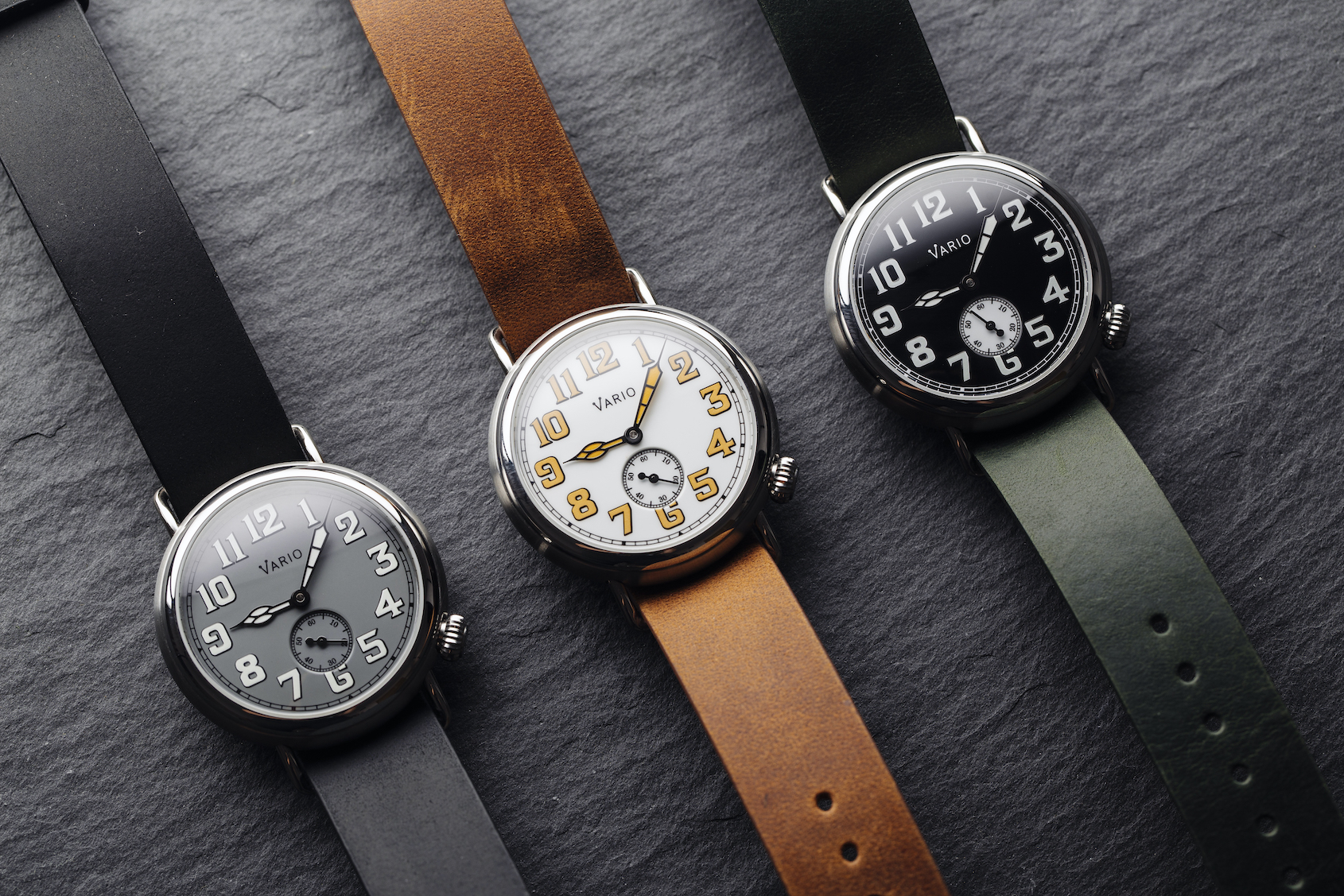
The trench watch's direct lineage runs through the 1930s civilian sport watch (sub-seconds, lume hands, sturdy steel case), the WWII Dirty Dozen British MoD W.W.W. specification (effectively a refined trench watch with hacking seconds and 30 m water resistance), the post-war Hamilton Khaki Field and military-issue field watches of the 1950s-70s, and the modern microbrand field watch revival. Vintage market interest in original WWI trench watches has grown sharply since the centenary commemorations of 2014-2018; original silver-cased examples in working condition typically fetch £800-£3,000 at auction, with attributable battlefield-provenance examples (regimental marking, unit attribution) commanding multiples.



Comments 1