
In the late 1960s the automatic chronograph was the last great unsolved problem of mechanical-watch development. Mechanical chronographs (manually wound) had existed for over a century; automatic winding had been productionised in the 1930s. But combining the two was hard: the chronograph mechanism (column wheel or cam, driving wheel, clutch, reset hammer) and the rotor mechanism (heavy off-centre weight on a ball-bearing axis) competed for the same space, and the chronograph's reset shock could damage the automatic train. A working automatic chronograph was the trophy.
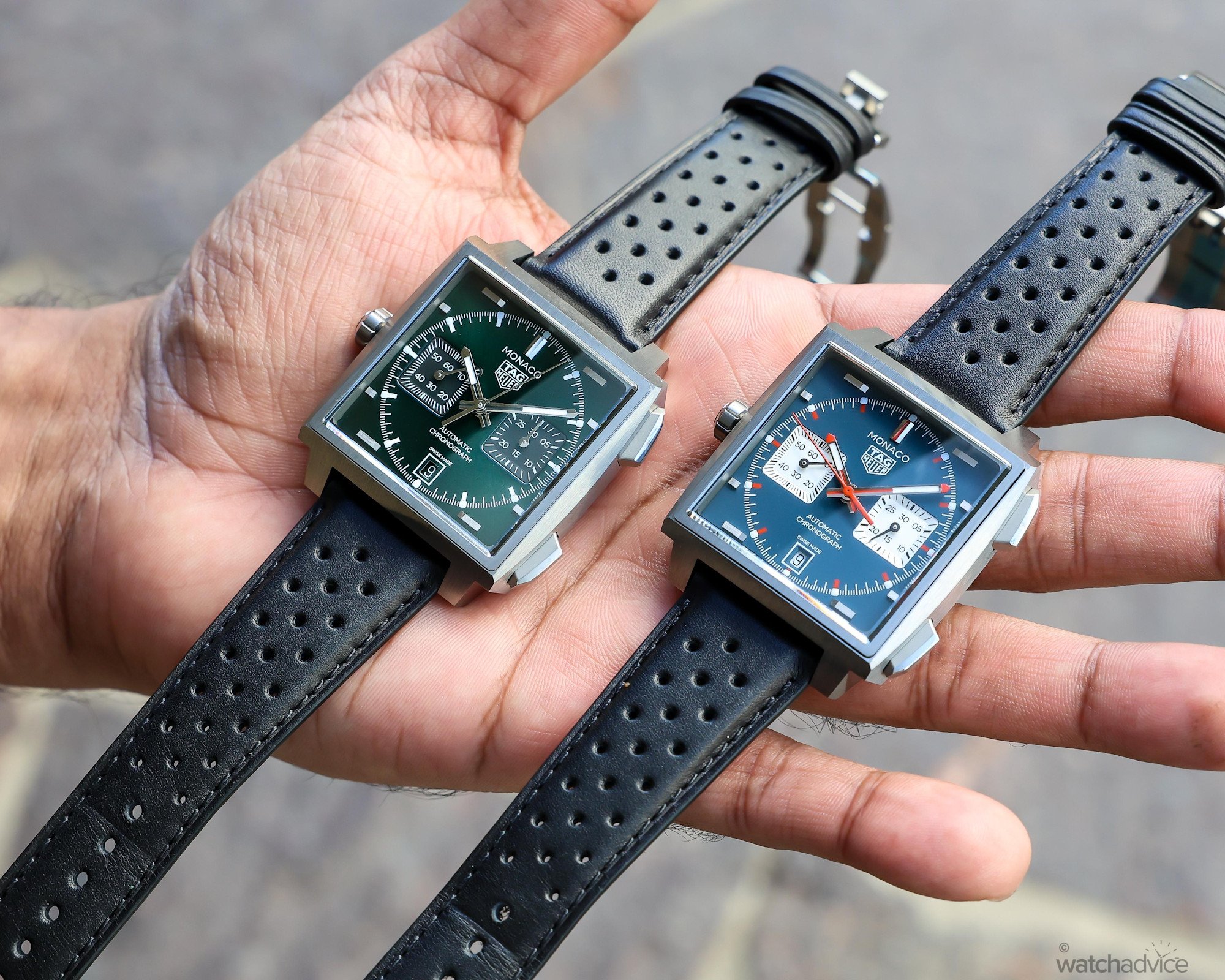
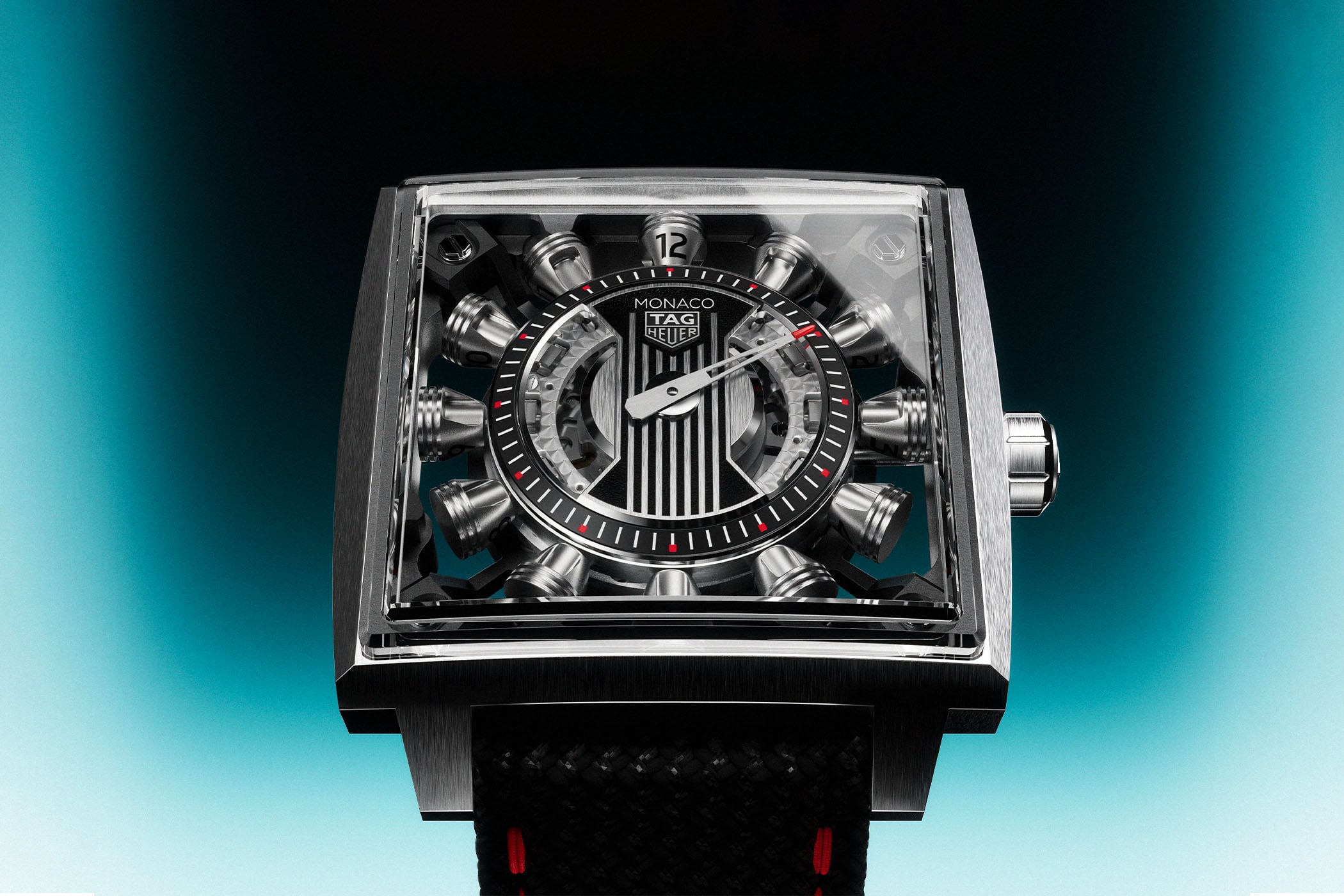
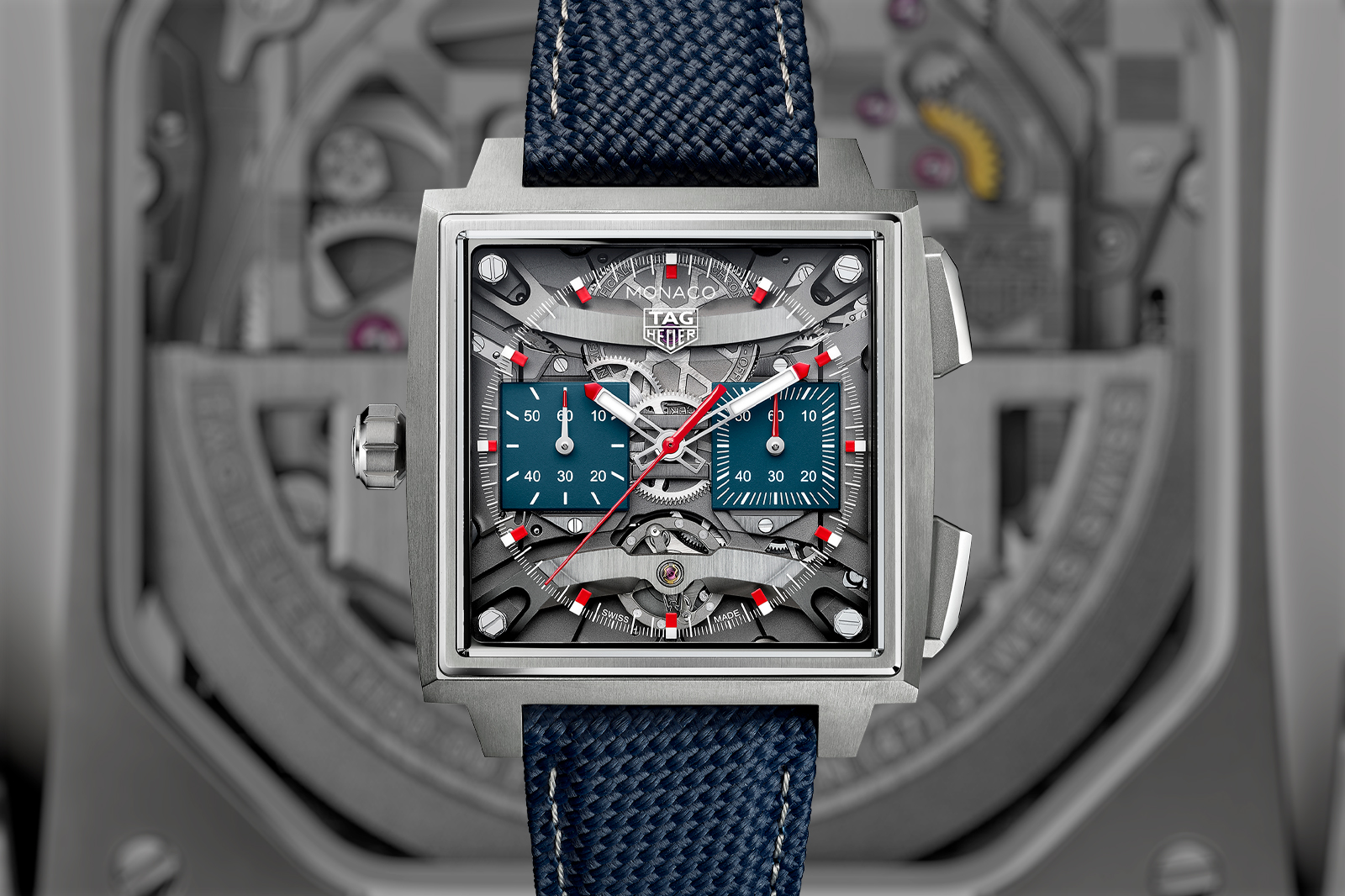
Project 99 was a secret Swiss consortium formed in 1965 by Breitling (Willy Breitling), Heuer-Leonidas (Jack Heuer), and Hamilton-Buren (movement supplier), with the chronograph module designed by the independent Dubois Dépraz module specialist in Le Lieu. The architecture was modular: a Buren micro-rotor automatic base (Cal. 1280-derived) with a Dubois Dépraz chronograph module stacked on top. The crown sat at 9 o'clock on the case (because the chronograph module displaced it). The result was the Caliber 11 "Chrono-Matic", announced jointly in Geneva and New York on 3 March 1969.
"In hindsight the question of who was first does not really matter. What matters is that three independent teams cracked the same problem at the same time, and gave us three of the most influential calibres of the 20th century."- Watch historian on the 1969 race
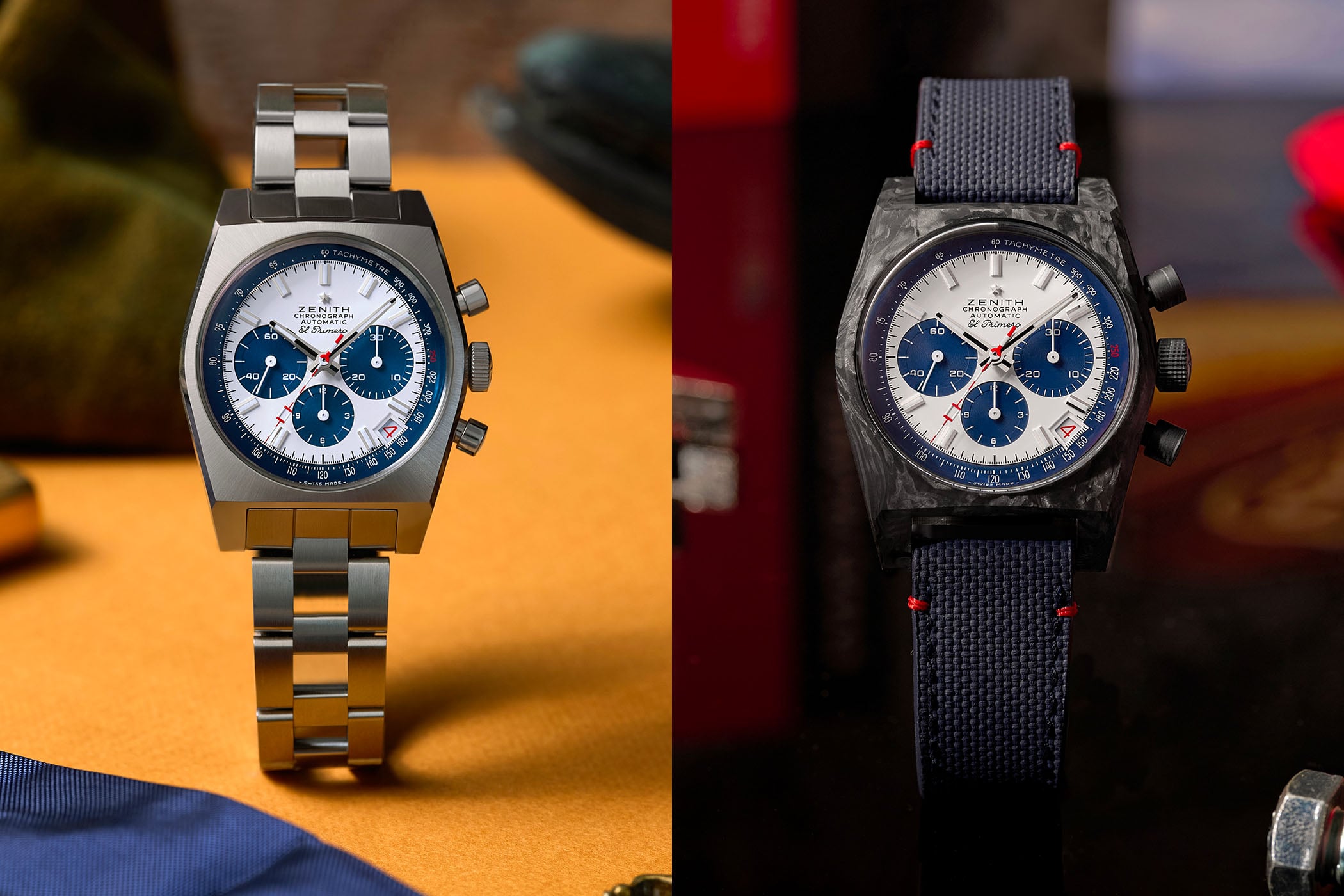
Zenith was working independently on a competing solution. Zenith's movement-design head Charles Vermot and his team had spent the late 1960s developing an integrated automatic chronograph: not a module on top of a base, but a single in-house automatic chronograph caliber with column wheel, vertical clutch, and a high-frequency 5 Hz / 36,000 vph balance (faster oscillation = finer time resolution; the chronograph could time to 1/10 second rather than the conventional 1/5). The result was the El Primero, announced in Le Locle on 10 January 1969, fully two months before Project 99's announcement.
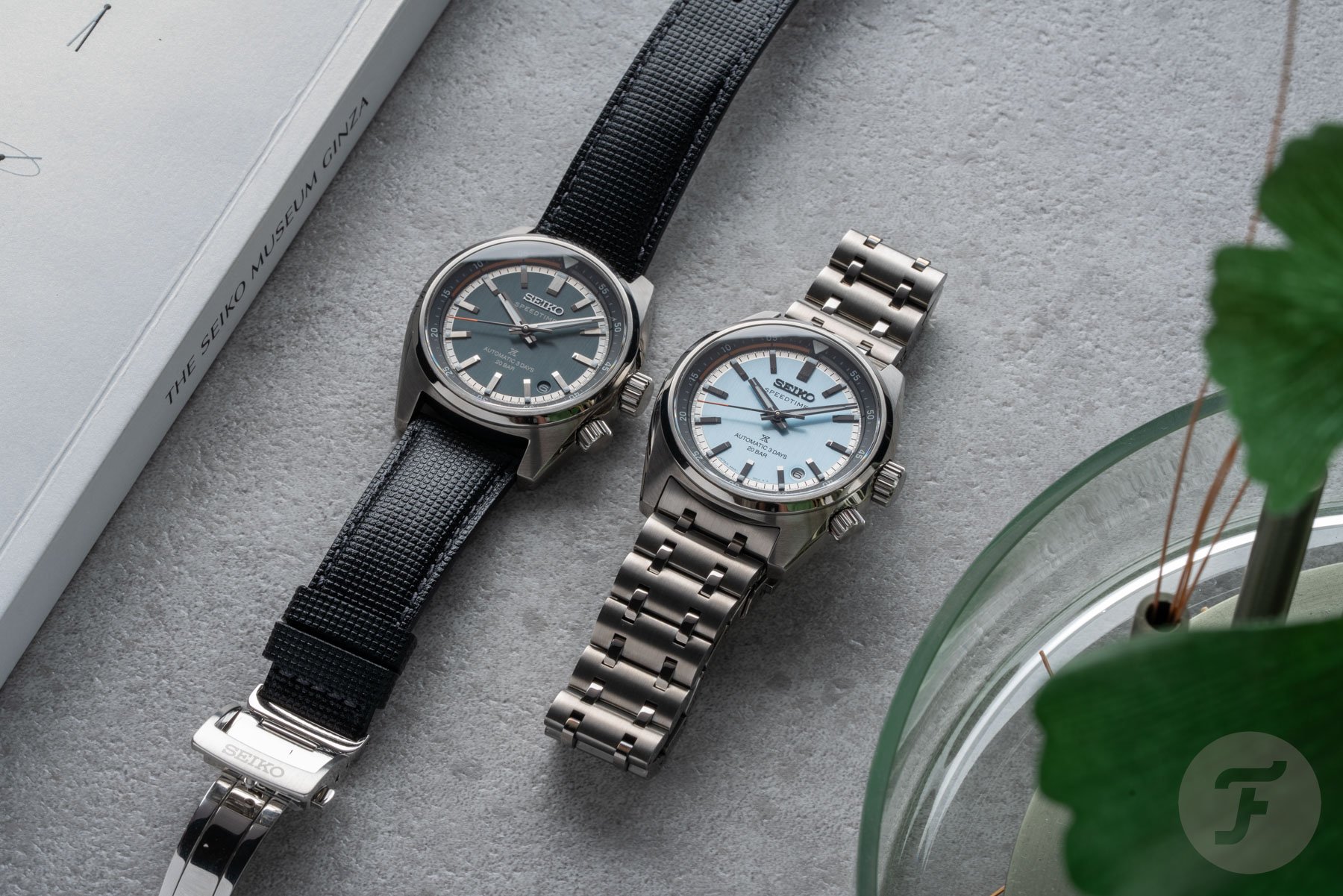
Seiko in Japan, completely independent of the Swiss developments and not aware of either, was simultaneously developing the Caliber 6139: an automatic chronograph using Seiko's patented magic-lever bidirectional automatic winding. The 6139 launched in the Japanese domestic market in May 1969, fitted to the Seiko 5 Sports Speed-Timer 6139-6000. By the conventional standard ("first one shipped to consumers", in some accounts), Seiko was first to market in Japan; in some accounts the European launches preceded actual deliveries.
The "first" debate breaks down into three different claims: (1) First publicly announced: Zenith El Primero (10 January 1969). (2) First publicly demonstrated at a press event: Project 99 Cal. 11 (3 March 1969 in Geneva and New York simultaneously). (3) First in consumer hands: contested between Seiko 6139 (May 1969 Japan) and Cal. 11 watches (which Heuer claims to have shipped by mid-1969). Mainstream watch historians consensus: all three are effectively simultaneous; arguments over "first" depend on which definition you accept.
All three calibres survived in some form. The El Primero had the most dramatic survival: production was halted in 1975 during the quartz crisis; Charles Vermot famously hid the tooling and machinery in an attic in Le Locle against management orders; production resumed in the 1980s and the calibre is still in production (now Cal. 3600 with 1/10 second sub-dial in the Chronomaster Sport). Cal. 11 was discontinued in the late 1970s; modern Heuer (now TAG Heuer) has revived it in collector reissues. The Seiko 6139 ran in volume through the 1970s and was succeeded by the 7T... and modern mecaquartz lineages; original NASA-flown 6139 examples (the "Pogue", flown by Colonel William Pogue on Skylab 4 in 1973-74, the first automatic chronograph in space) are now significant collector items.





Comments 3