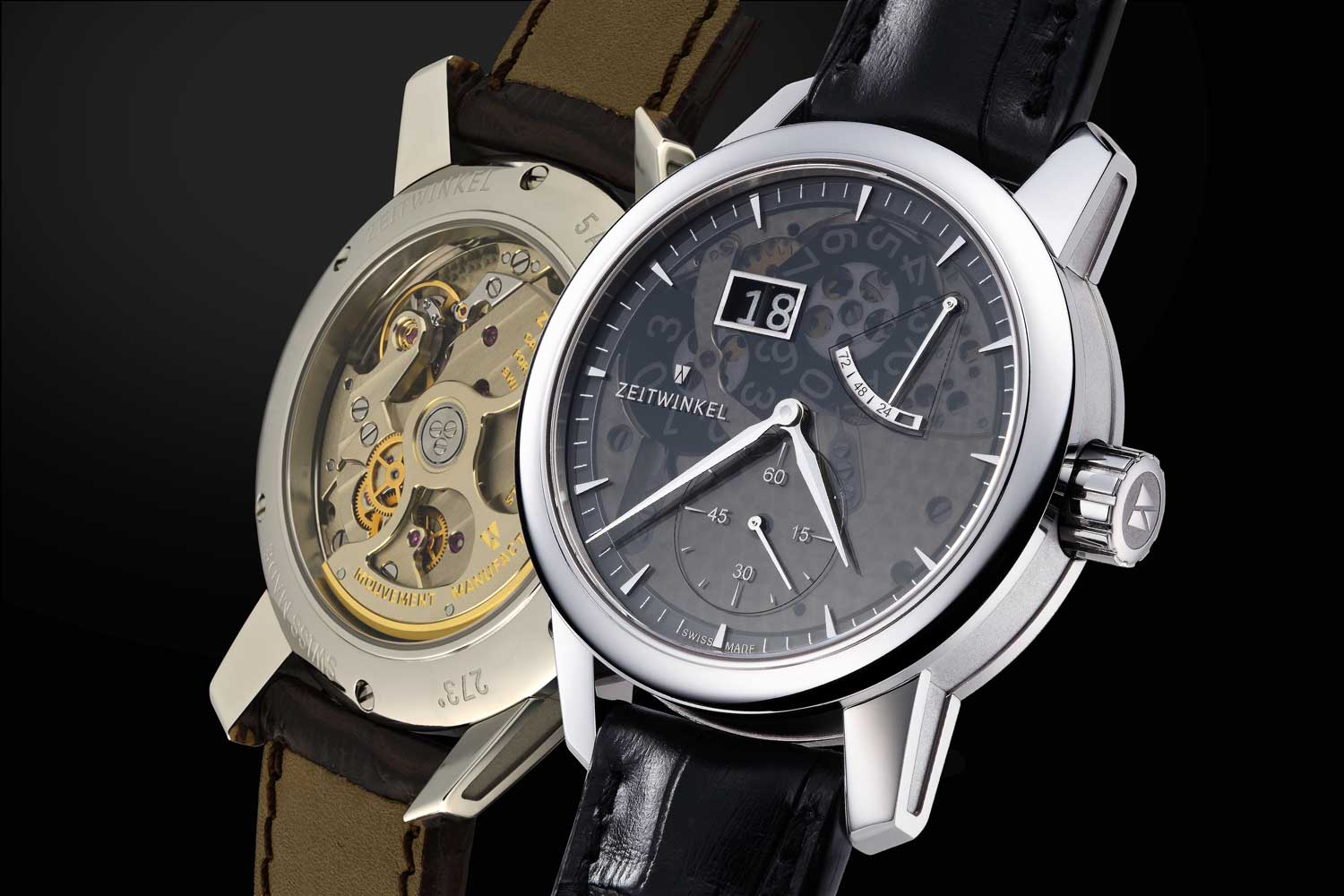
 Revolution
Zeitwinkel’s 273° Saphir Fumé Stands Out
The Zeitwinkel 273° Saphir Fumé leaves the brand’s watchmaking philosophy in plain sight, and that’s a great thing.
2,173 articles · 157 videos found · page 70 of 78
Revolution
The Zeitwinkel 273° Saphir Fumé leaves the brand’s watchmaking philosophy in plain sight, and that’s a great thing.
 Time+Tide
As a watch journalist in 2020, based in Europe under the draconian rule of the pandemic, it’s easy to lose perspective and here is a particular example. Despite my missionary preachings and personal taste, 38-39 millimetres is not the Goldilocks size for everyone. So, with this self-realisation in mind, the TAG Heuer Carrera Collection is … ContinuedThe post IN-DEPTH: The TAG Heuer Carrera Collection, powered by a movement from the present, with an all-time classic design from the past appeared first on Time+Tide Watches.
 SJX Watches
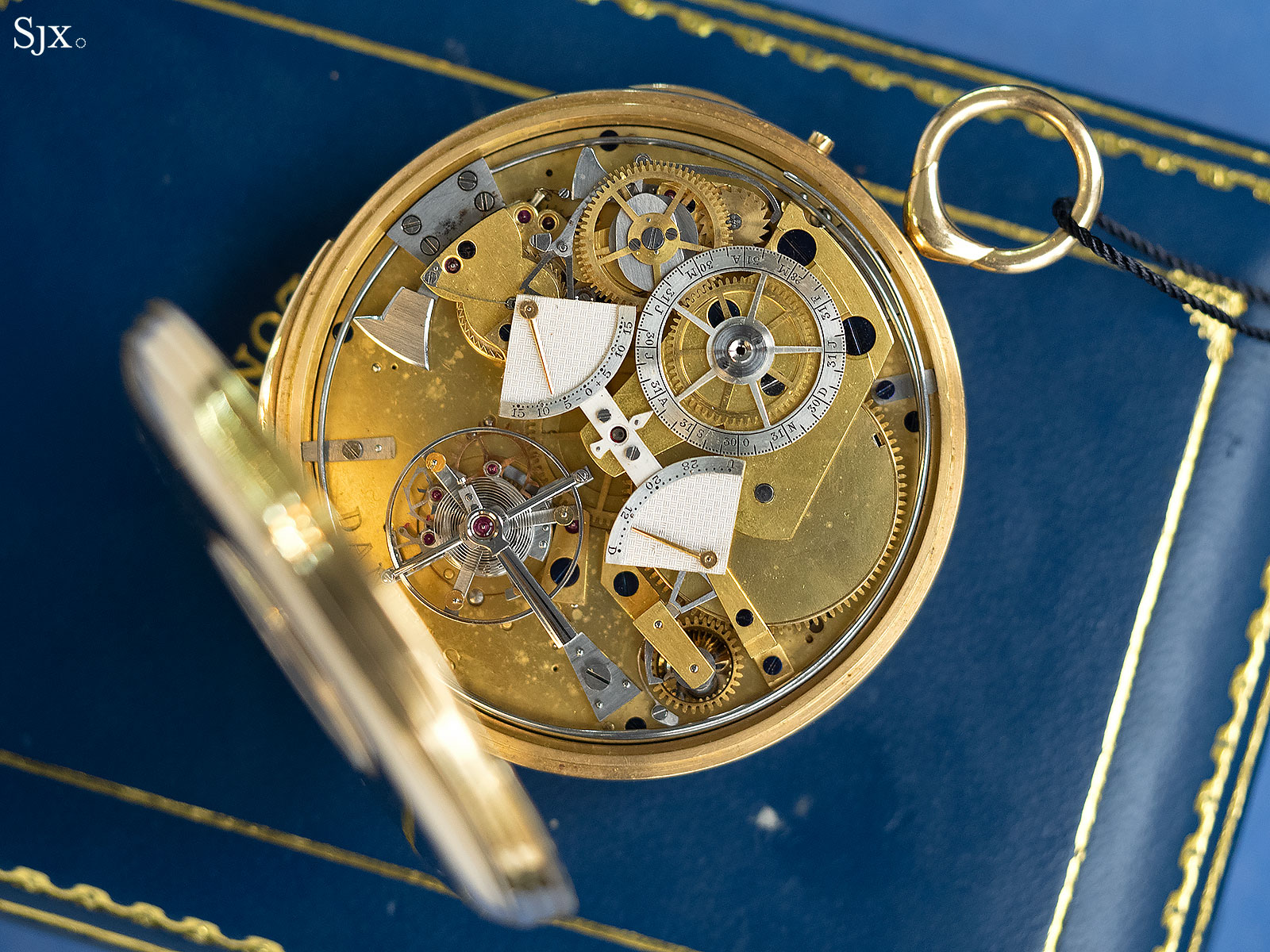
Fine finishing in high-end watchmaking automatically brings to mind polished bevels, black-polished steel, Cotes de Geneve, blueing, and even perlage. But less thought is given to frosting, even though it is prominent in the grandest of timepieces made by leading independent watchmakers. Put simply, frosting is the treatment of a metal to create an uneven, pitted surface. A beautifully rough finish, frosting dulls the appearance of the component it is applied to. Many brands rely on the technique for decoration, but often in strikingly different forms. Akrivia, Greubel Forsey, Masahiro Kikuno, and Roger W. Smith are all known for their frosted finishes, but each differs from the other in technique and aesthetic effect. The frosted bridges on the front of the Greubel Forsey Hand Made 1 Heroes and sidekicks When it comes to finishing methods in horology, I like to separate them into two categories: heroes and sidekicks. The sidekicks – such as perlage, graining, and of course frosting – are the methods that help the heroes stand out. Do not think any less of the sidekicks because without them, the heroes would not get the attention they deserve. The heroes are the methods that make you wonder: “This is beautiful – how did they do that?” Black polishing, blueing and engraving are just a few of them. As in the comic books, heroes and sidekicks work together to make each other look good. But as is frequently the case in fiction, sidekicks are often forgotten. Take fo...
 Time+Tide
Against all odds. That was spirit of the conversation I had with Paxton Wong a couple of weeks ago, when we were discussing what he had planned for WatchFest 2020. The COVID-19 pandemic wasn’t a reason to cancel the event this year, it was the reason it had to go ahead. Not just because Paxton … ContinuedThe post If you missed out on the Sydney-based WatchFest 2020, prepare for SOMO (the Sadness Of Missing Out) appeared first on Time+Tide Watches.
 Time+Tide
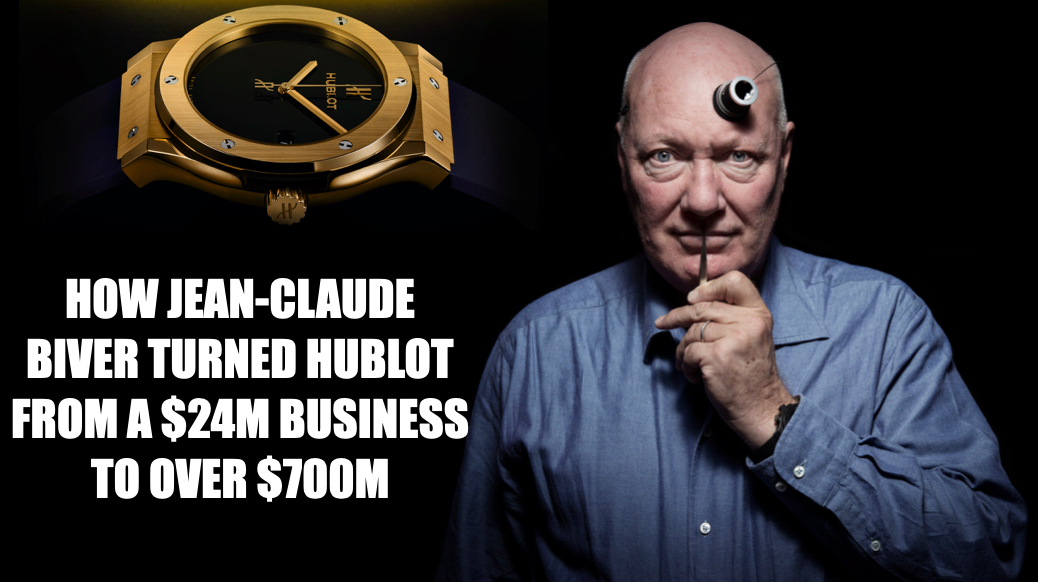
Jean-Claude Biver and his team bought Hublot 24 years ago. At that time it was a tiny brand, big in Spain, but netting $24-million. But Biver considered that it had reached less than 20% of its potential and could be a mega-brand, with its youthful re-casting of luxury in a more casual, sporty and fun … ContinuedThe post “We thought the world needed a luxury Swatch watch.” Explosive Jean-Claude Biver interview tells the Hublot story like never before appeared first on Time+Tide Watches.
 Hodinkee
Whew, one less thing to worry about.
 Quill & Pad
In perusing the names of the 2020 jury of the Grand Prix d’Horlogerie de Genève, two distinct things became obvious to former jury member Elizabeth Doerr: that the entire jury is based in Switzerland and that it is far less diverse than it has been over the last decade. Here she breaks down why that is and provides some commentary and background on the new members.
 Hodinkee
"Never copy; only create." – Louis Cartier
 Time+Tide
Now, we all have an image of the Speedmaster Professional, the icon, the Tool of Tool watches, the Moon Watch. A beautiful 42mm piece of history, with its delicate white lumed baton hands pointing to a still timeless sixties minute track, and delicate slightly recessed sub chronograph registers on a plain, matt monochromatic dial. Twisted … ContinuedThe post Would you pay $13,000USD for a Speedy that’s spent 188 days in space? Because that’s the current online bid… appeared first on Time+Tide Watches.
 Hodinkee
Sometimes less really is a whole lot more.
 Time+Tide
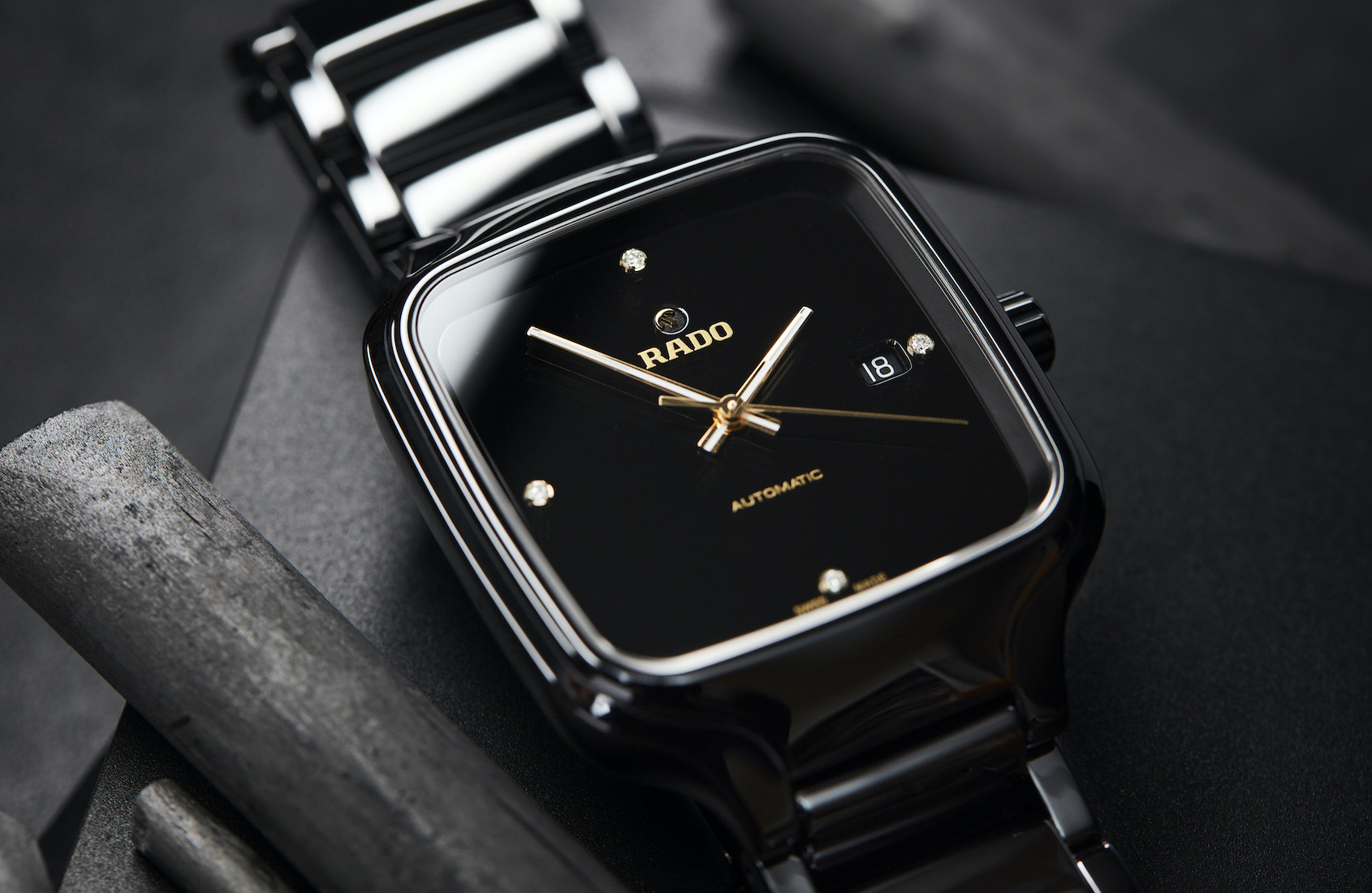
If it’s the rugged tool watch charm of the Captain Cook or the historically energised dimensions of the Golden Horse, Rado is probably best remembered in recent years for the watches inspired by the archives of the brand. But there’s a part of the Rado family that watch enthusiasts might be less familiar with, a … ContinuedThe post HANDS-ON: The liquid ceramic of the Rado True Square collection is something only this brand can do appeared first on Time+Tide Watches.
 Hodinkee
"Ever bought a fake picture? The more you paid for it, the less inclined you are to doubt it. Silly, but there we are." – George Smiley, Tinker, Tailor, Soldier, Spy
 Time+Tide
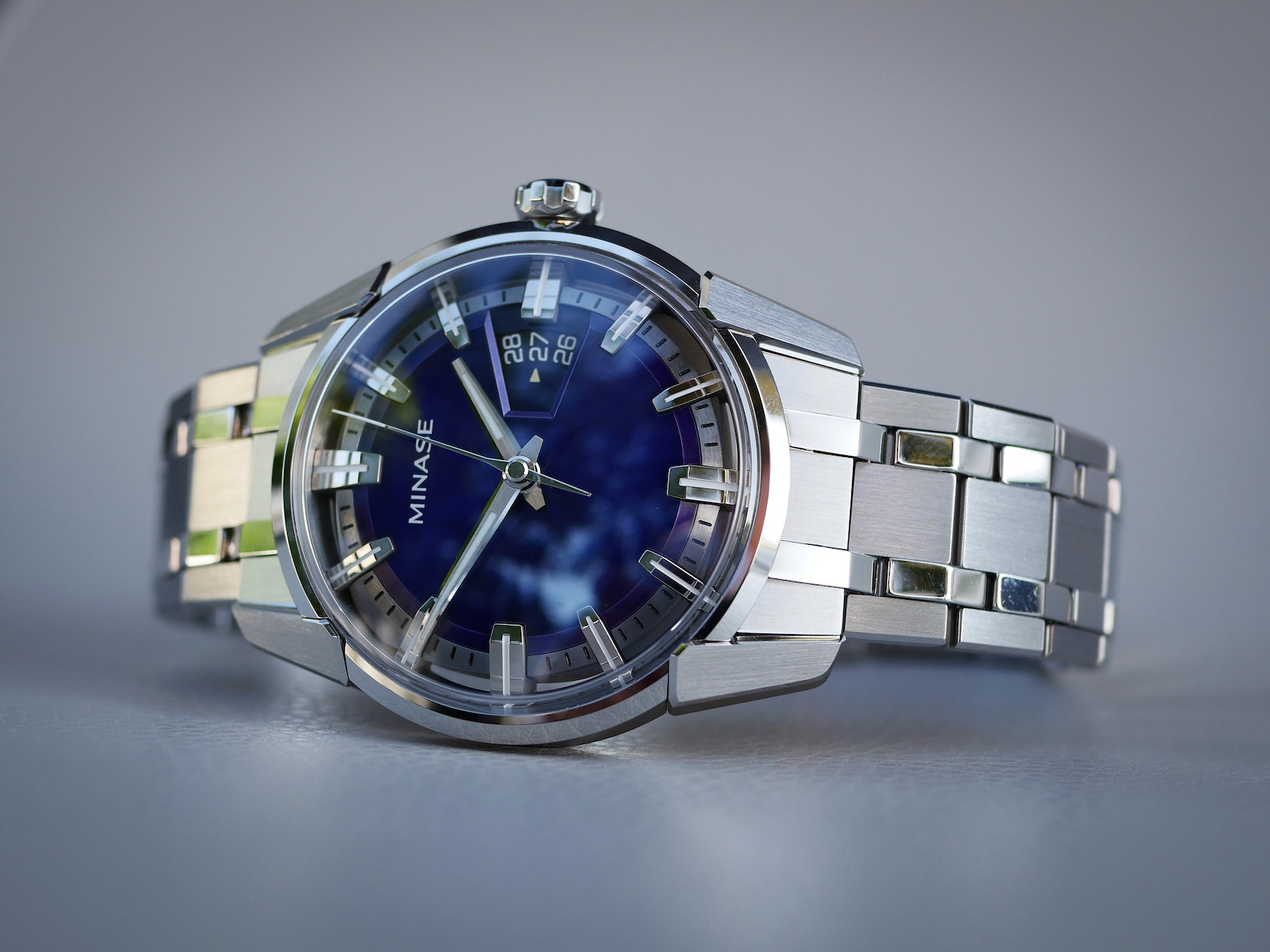
A round watch case like few others, sharp angles, quirky Japanese design and a Swiss movement? Surely that can grab your attention, even in these weeks of big stories from Switzerland. At a time when just as many gravitate towards the well known, we have the ones that turn towards another path, a path less … ContinuedThe post MICRO MONDAYS: The Minase Divido appeared first on Time+Tide Watches.
 Time+Tide
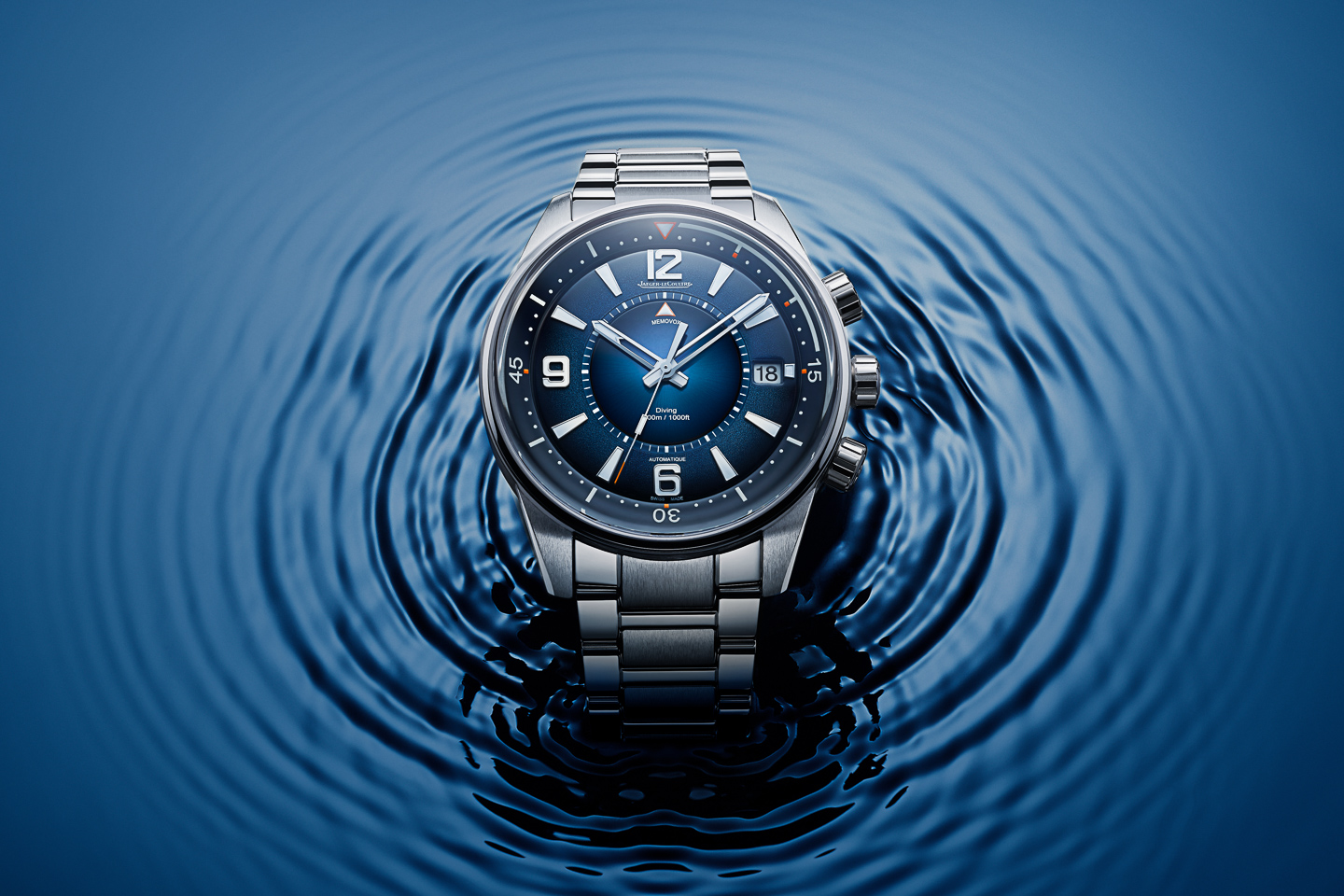
Although it’s never really taken off as an uber-popular complication like a chronograph or moonphase, the alarm function of JLC’s Memovox watches has, since they were first unveiled in 1968, been exceedingly practical. But it’s a complication that’s usually been found in the watchmaker’s daintier, and perhaps less practical, dress watches. This has meant that … ContinuedThe post INTRODUCING: The Jaeger-LeCoultre Polaris Mariner Memovox is an alarmingly different type of Polaris appeared first on Time+Tide Watches.
 Revolution
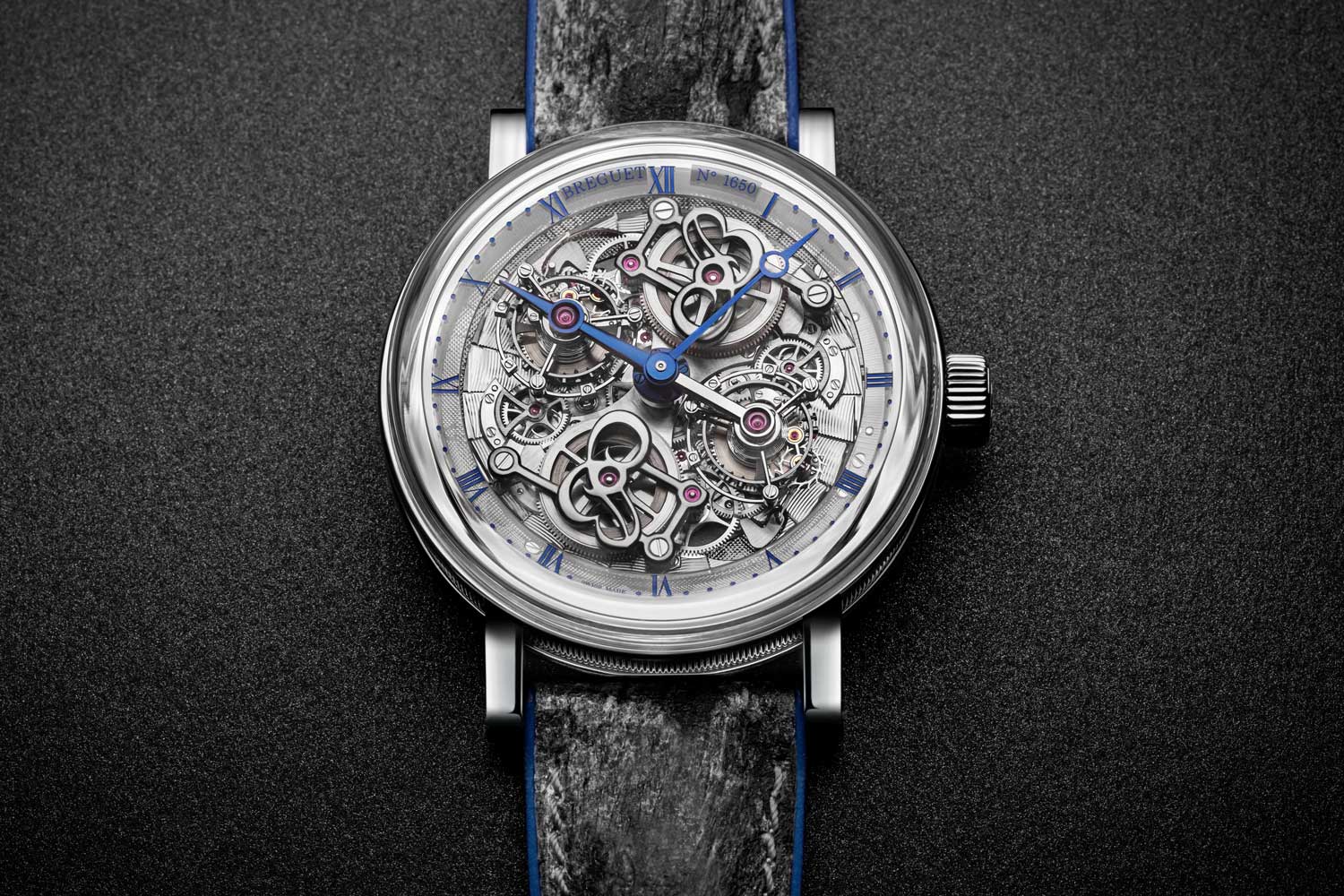
Breguet reincarnates the legendary double tourbillon Calibre 588 with a new timepiece that showcases all of its intricacies in plain sight.
 Quill & Pad
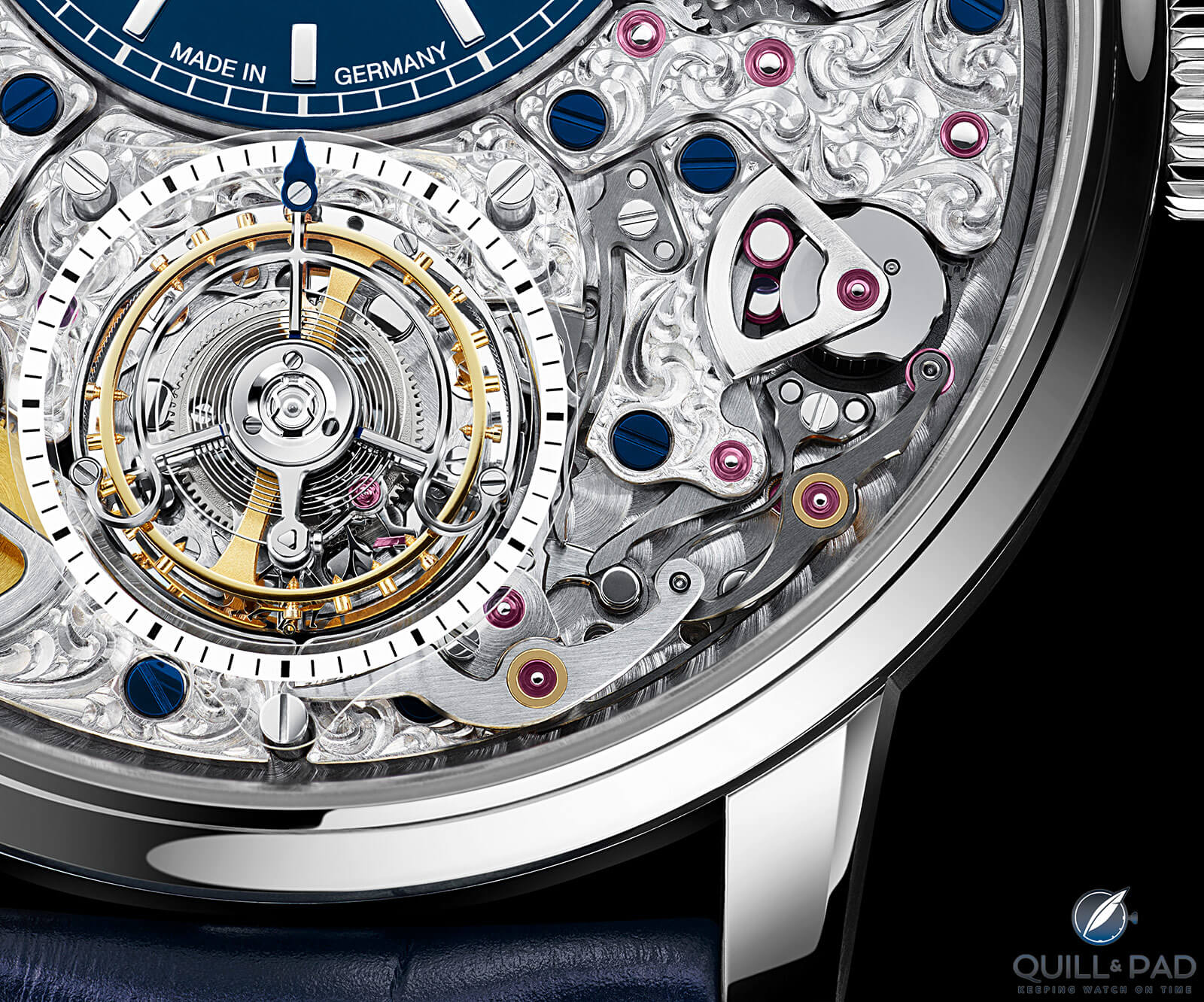
Close to 120 years after Abraham-Louis Breguet patented the tourbillon, master watchmaker Alfred Helwig (1886-1974) created a “flying” tourbillon at the German School of Watchmaking in Glashütte. The flying tourbillon became somewhat characteristic of Glashütte and lives on in a few very special watches today. Who was Alfred Helwig? Find out here.
 SJX Watches
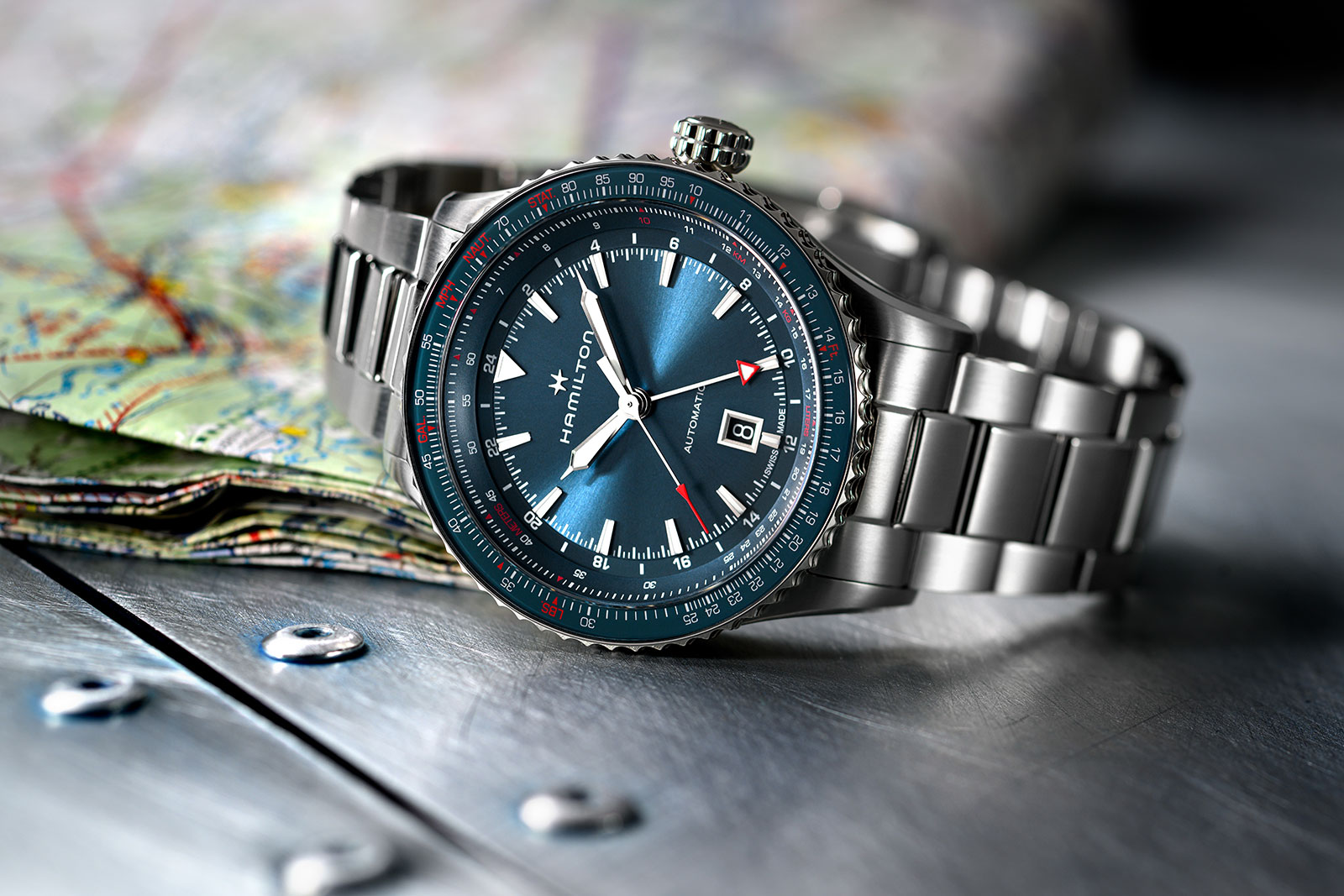
Once an American watchmaker that was a global giant, Hamilton is today a Swiss brand best known for its value-proposition, vintage-inspired watches – and providing watches for several Hollywood films. Its speciality is exemplified by watches like the Khaki Field Mechanical, a robust, military-style watch that costs less than US$500. Hamilton has just unveiled a new collection of affordable pilot’s watches, the Khaki Aviation Converter. The line up is made up of three watches – time and date, GMT, and chronograph – all equipped with a slide-rule bezel for cockpit calculations and conversions. From left: the base model automatic, the GMT, and the chronograph in two variants Initial thoughts As with the most of the watches in the Khaki collection, the Converter is appealing in design and no doubt solidly, if simply, constructed. While it might not be the most original in design – the slide-rule bezel is synonymous with Breitling’s Navitimer but used by many brands – the Converter is strong value. Starting at US$995 for the automatic and rising to US$2,145 for chronograph, the collection is a good entry into watches featuring a slide-rule bezel. The bezel features double-row knurling for good grip The generic design aside, it is heartening to see that attention has been paid to the details. With the large, luminous hands and contrasting colours, legibility appears good. The movements are visible through the case back, something that can be captivating for a beg...
 Time+Tide
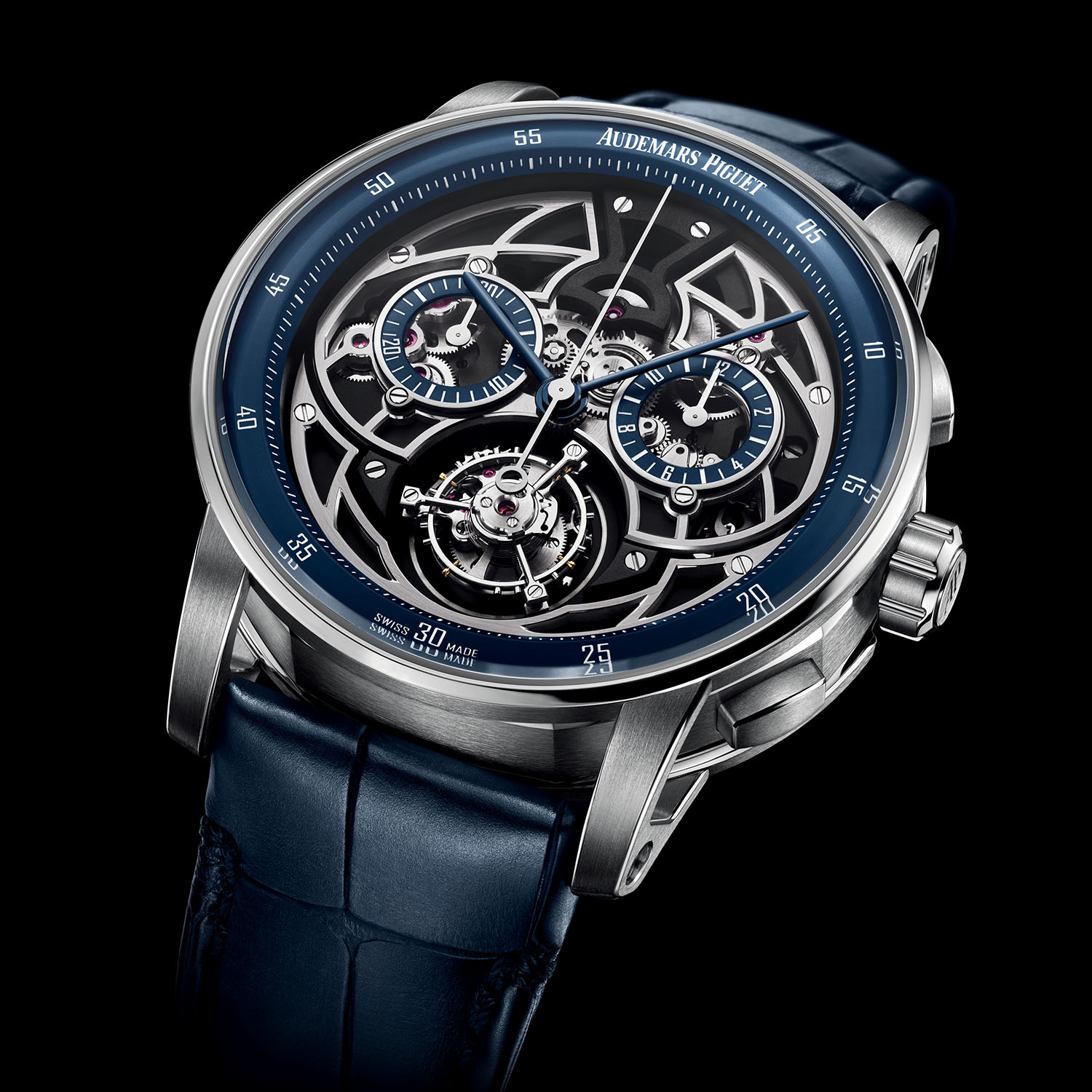
Close to being at a loss for words … almost thankful that I haven’t got this on my wrist for a hands-on review as I would not leave the house. Email to Director: Self-imposed lockdown initiated, reason - the new Audemars Piguet CODE 11.59 Flying Tourbillon Chronograph needs a full 10 days of attention, all … ContinuedThe post INTRODUCING: The Audemars Piguet CODE 11.59 Flying Tourbillon Chronograph, a pinnacle of complexity within the range appeared first on Time+Tide Watches.
 Quill & Pad
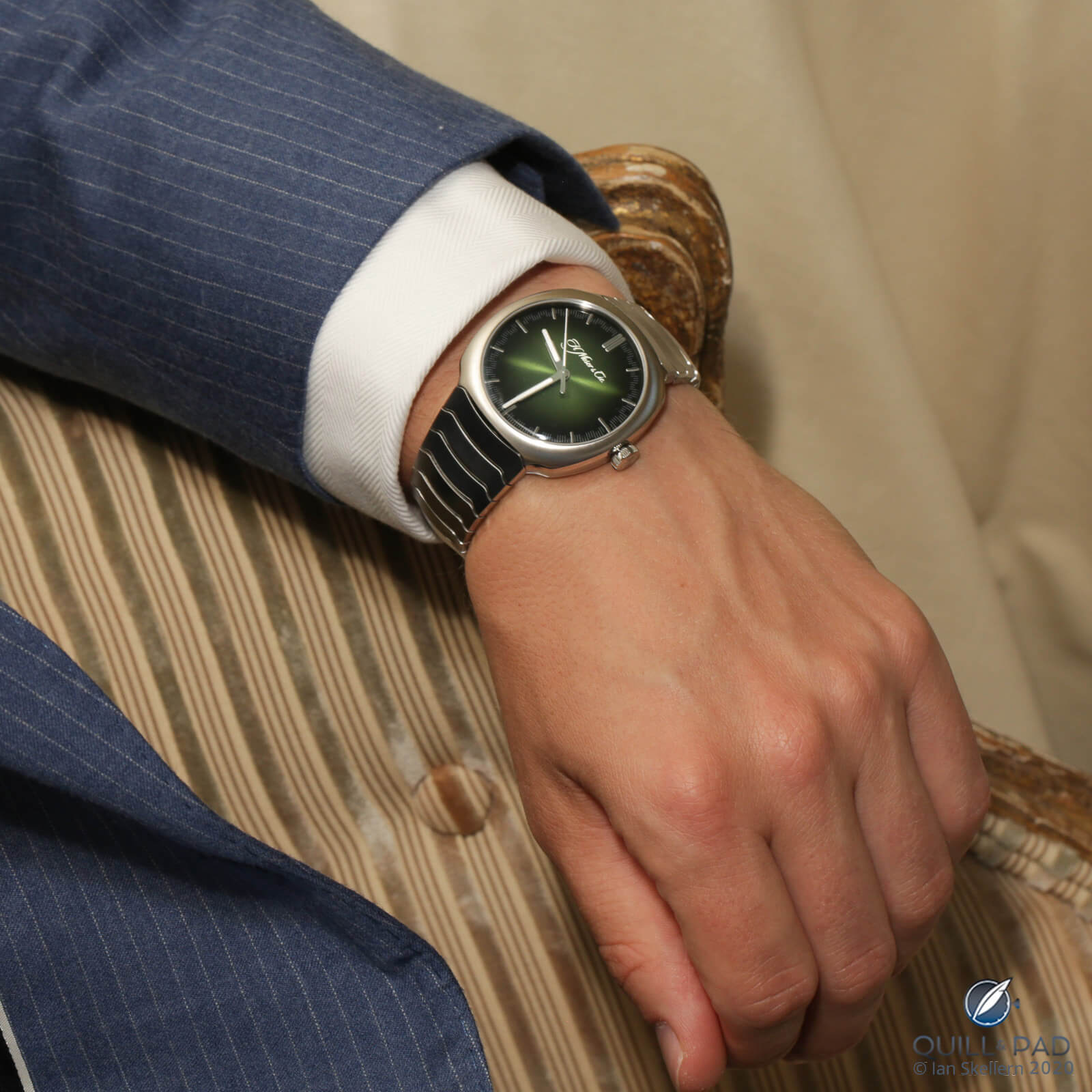
Martin Green reports on five green-themed watches he saw during the loose Geneva Watch Days fair, timepieces that made such impressions that they have stuck with him this past week.
 WatchAdvice
INTRODUCTION: Born from a friendship between Louis Cartier and his pilot pal – Brazlian Aviator Alberto Santos-Dumont – the Cartier Santos was created as a tool to help Alberto tell the time when flying. In the century or so since, Cartier’s Santos has been at the forefront of the brands watch collection, widely loved for its timeless design and icon status. In more recent years, Cartier’s watch department has been hard at work updating and refining their watch offering, collecting heaps of praise along the way. Earlier this year, the brand released a trio (the Santos-Dumont “Le Brésil,” “La Baladeuse,” and “No. 14 Bis” Limited Editions) of Large size limited editions during Watches & Wonders 2020. Each of these three watches feature Cartier’s in-house and hand-wound movement, a 430 MC. They’re also made from a combination of different metals with a dial to match, and were made in different quantities. Each of the trio is named after one of Alberto Santos-Dumont’s famous aircraft, which is featured on the caseback, alongside a corresponding motif engraving. Today, we’re taking a closer look at the No. 14 Bis Limited Edition, named after a biplane designed and built by Alberto Santos-Dumont, which made the first ‘publicly witnessed’ manned powered flight way back in 1906. The 14-Bis was also known as ‘Oiseau de proie’, French for ‘bird of prey’. FIRST IMPRESSIONS: I was blown away by my instantaneous affection for the Santo...
 Quill & Pad
Roland Murphy is a red-blooded watchmaker, and in this well-shot video by The Naked Watchmaker that comes out in full force. Asked what he likes least about the business he’s in, for example, Murphy reveals that he is less of a businessman and more of a creator.
 SJX Watches
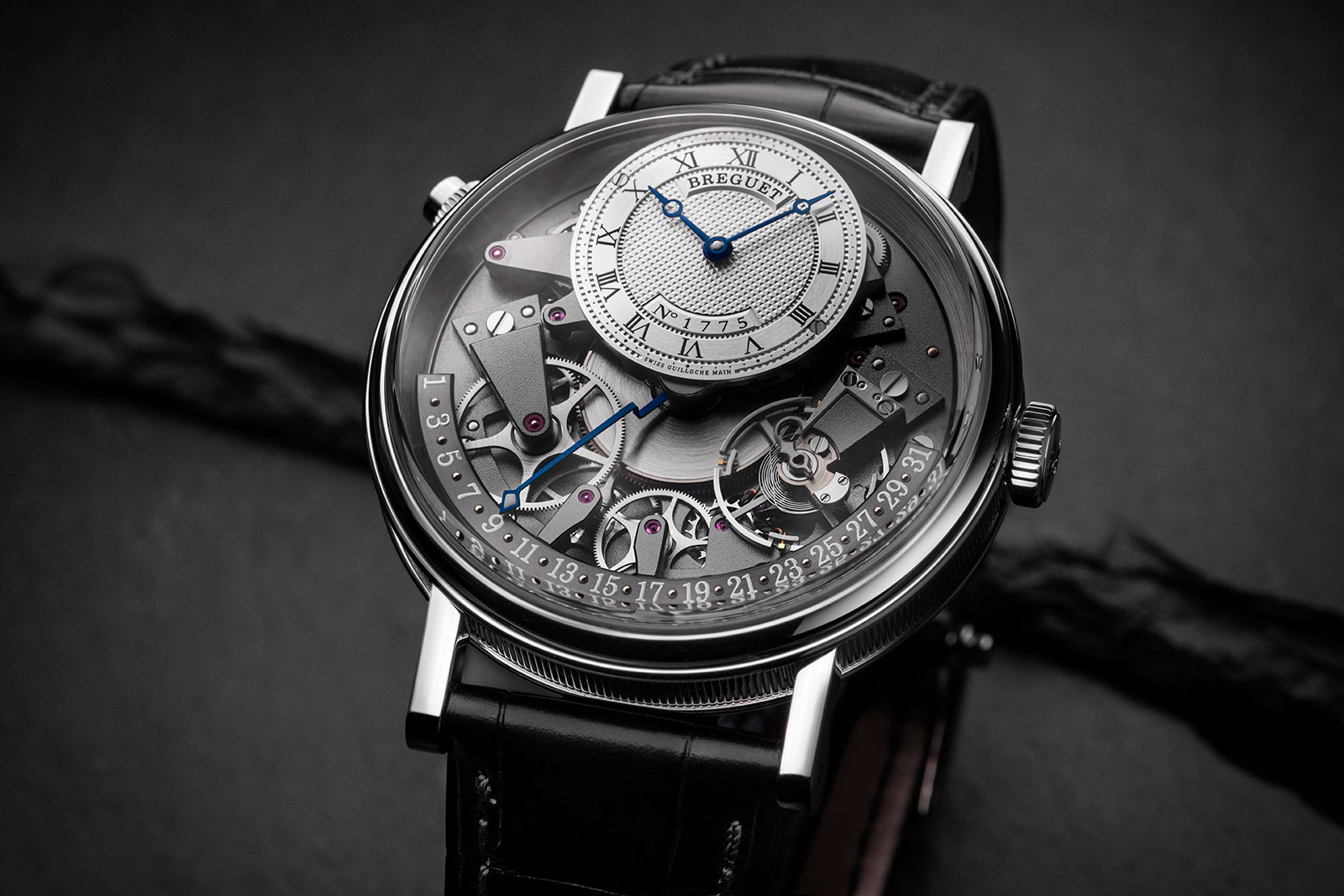
Endowed with an unmistakable aesthetic, the Breguet Tradition is based on the souscription calibre made by Abraham-Louis Breguet in 1796. Arguably the pioneer with the open-dial design that exposes the movement, the Tradition’s construction allows for creativity even with basic complications, like a retrograde seconds for instance. The new Tradition Quantième Retrograde 7597 continues with the overarching theme of the line. Based on the Automatique Seconde Rétrograde 7097, the 7597 does away with the seconds display and instead installed an oversized retrograde date complication. Initial thoughts I find the Tradition aesthetic unique and charming, thanks to the characteristic, exposed movement construction that can seem haphazardly arranged at times. Despite the angular and geometric shapes of the bridges, most of them are trapezoidal in shape with few parallel edges, bestowing a more organic appearance to the highly mechanical appearance. While a conventional date window is mundane, the retrograde date elevates the complication both visually and mechanically. Retrograde displays are often encountered in Breguet watches – something that started with A.-L. Breguet himself – and are typically done well, both stylistically and technically. The Tradition 7597 is, in short, an attractively designed watch that sticks to Breguet’s tradition strengths in design and mechanics, while offering a useful complication executed in an elegant manner. Tradition restyled The 759...
 Time+Tide
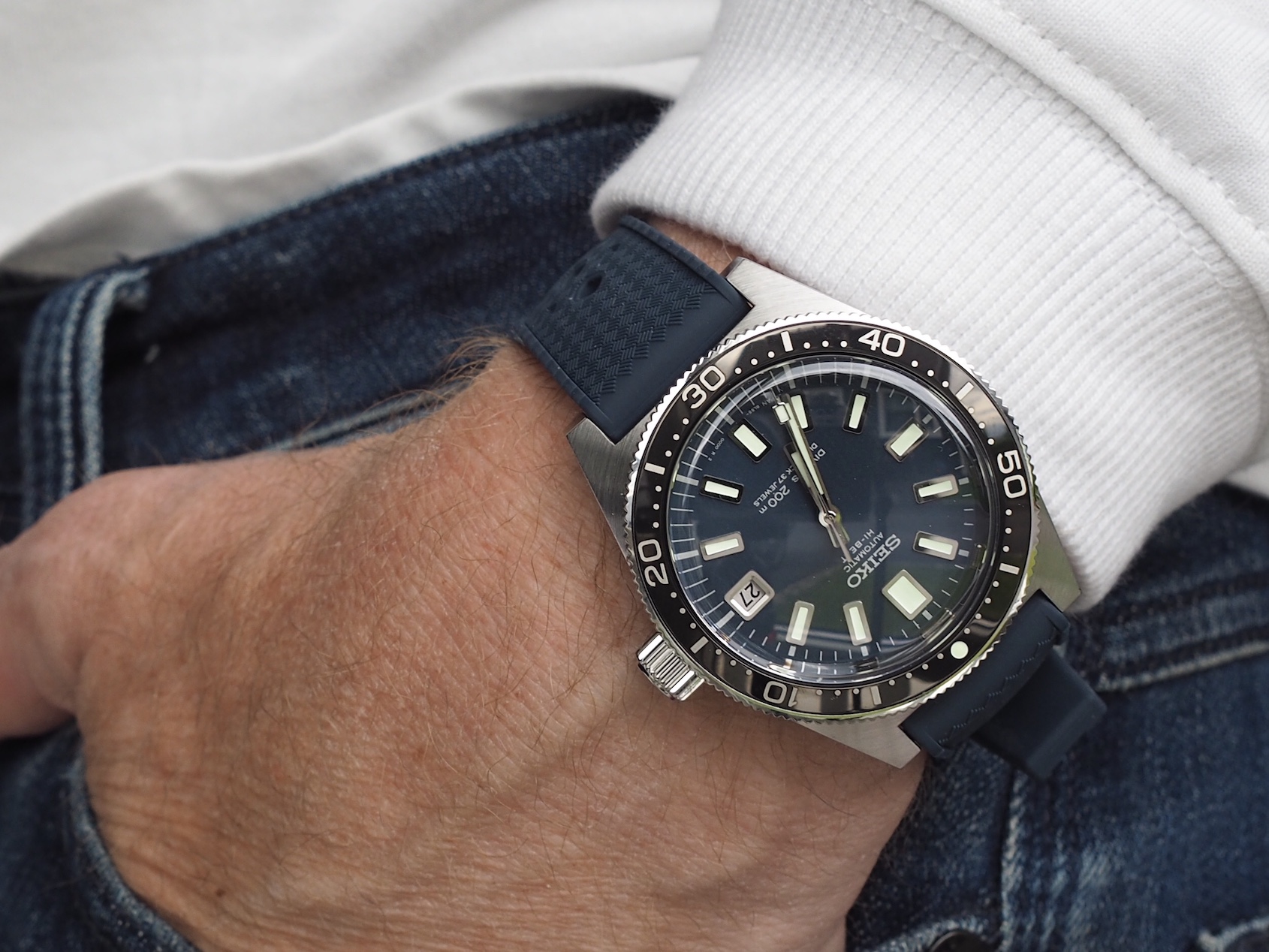
Editor’s note: Here we continue a new style of review that pits two similarly specced watches against each other, in an arena that is less touched up, and more true to the naked eye than our usual images. Last week we had a super-popular Seiko and the Tudor Black Bay Fifty-Eight. While both alike in … ContinuedThe post IN-DEPTH: A top-of-the line Seiko diver, SLA037 Vs. the lesser-seen Omega Seamaster 300, same price, different experience? appeared first on Time+Tide Watches.
 Hodinkee
Less practical. More fun.
 SJX Watches
Casio has been on a roll with the G-Shock Full Metal, which is essentially the original G-Shock DW-5000 of 1983 but reproduced in steel or titanium with a matching metal bracelet. Originally launched in gold-plated steel, the Full Metal has since been iterated endlessly – from titanium to “grid” to steel to aged gunmetal – making the concept a little less interesting because there are now so many variants. And then there is the G-Shock Dream Project “Pure Gold”, the most expensive G-Shock ever made, executed entirely in 18k gold, from screws to clasp. A watch that took over a decade to materialise, the idea for a solid-gold G-Shock originated in 2007 with the founder of Japanese watch retailer Eye Eye Isuzu, Yasuyuki Iima, who wanted “a symbolic product for the iconic digital wristwatch born in Japan”. Mr Iima’s suggestion was the genesis of the “Dream Project” of G-Shock inventor Kikuo Ibe. And when the solid-gold G-Shock was finally delivered in late 2019, Mr Iima received the very first example. One example of the Dream Project was delivered to Singapore – you’ll find the arrival and unboxing here – and I got to examine it up close. Initial thoughts The Dream Project is a magnificent and preposterous watch that costs US$70,000 – an iconic watch executed in a ridiculously over-the-top manner, akin to installing the W16 engine from the Bugatti Chiron in a Volkswagen Beetle. And that makes it cool. Dense, shiny, and very gold, the Dream Pro...
 Time+Tide
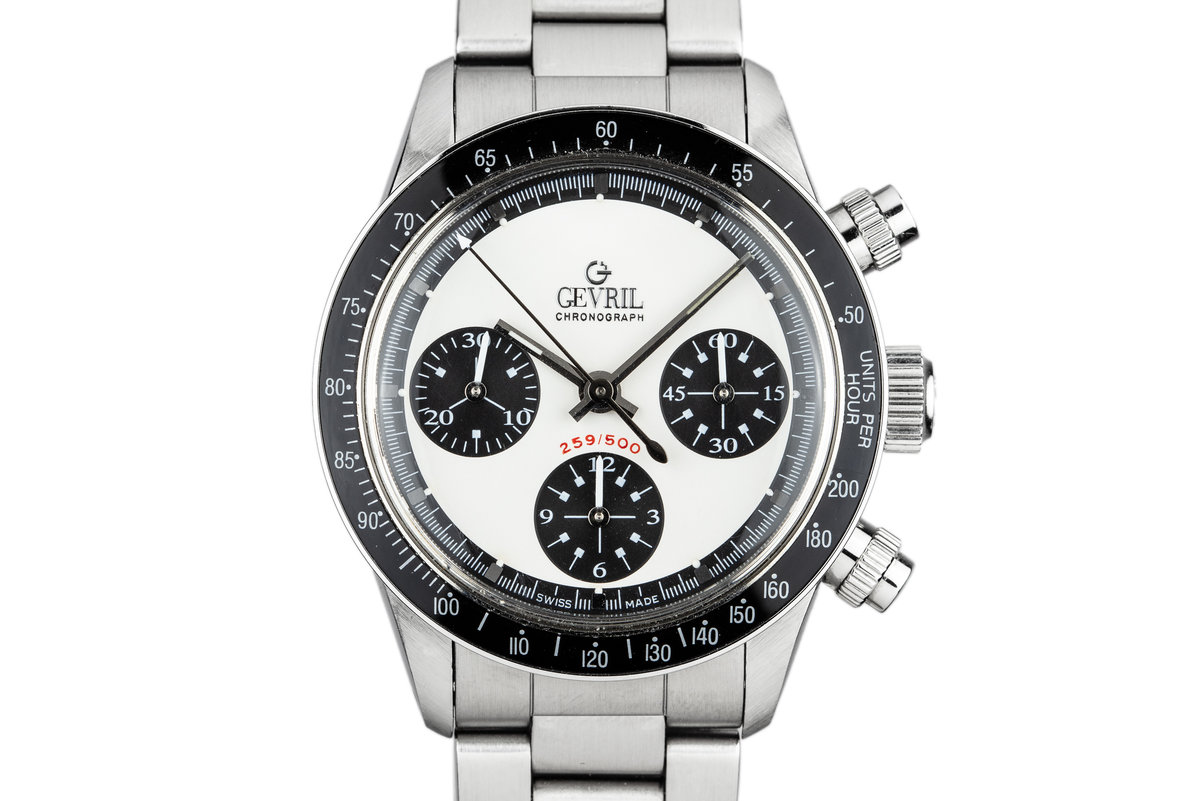
Homage watches within the enthusiast community can be quite a contentious topic at times. Are they rip-offs? Cash cows? Sell-outs? Unoriginal? The reality is opinions can vary, but the true metric or equaliser of any watch to an extent is how they perform on the grey or second-hand market. While the objective of most homage … ContinuedThe post The curious case of the Gevril Tribeca: 5 reasons why it is the king of homage watches appeared first on Time+Tide Watches.
 SJX Watches
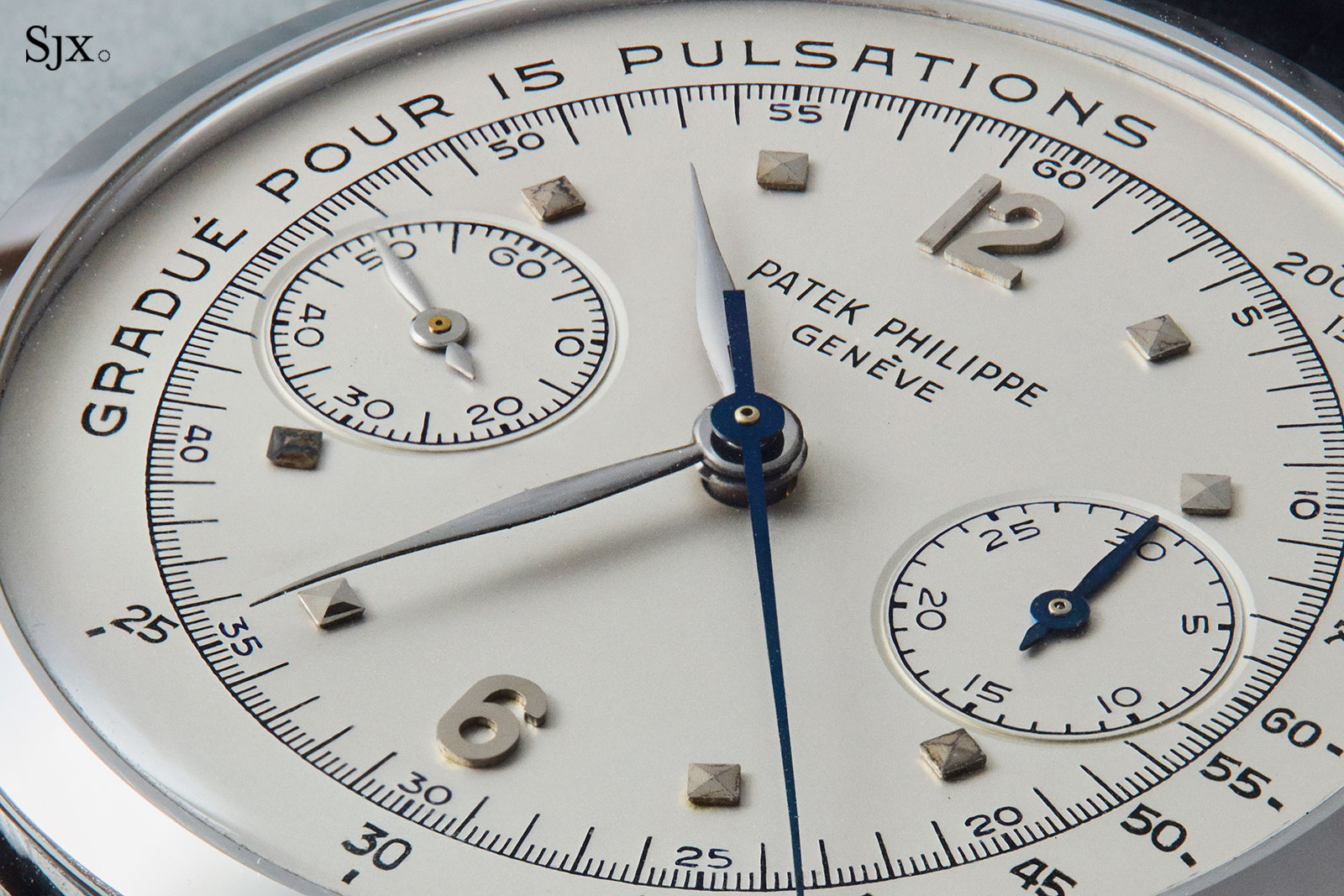
In 1816, Louis Moinet accomplished a first in watchmaking: a timepiece that could precisely track elapsed time. Measuring periodicity on demand had been accomplished before, but the French watchmaker’s invention gave it the functionality and exactness that we expect today. In assessing prototypes, we often tend to forgive their shortcomings and rosily reminisce, rewriting flaws as charms. Moinet’s timepiece, however, was a prescient opus. The layout of the dial had the now-familiar large central hand and elapsed time in subdials. Two pushers controlled the start, stop and reset functions, the power reserve lasted over 30 hours, and the mainspring could be wound while the timing mechanism was engaged to allow for longer timing runs. Most impressive, though, was its precision. Louis Moinet’s compteur de tierces of 1816. Image – Louis Moinet Named the compteur de tierces, or “timer of thirds”, Moinet’s invention ran at 216,000 beats per hour, measuring time down to one-sixtieth of a second. To allow for this ambitious exactitude to be utilised, the central chronograph hand completed revolutions once per second – such that the user could easily see which sixtieth of a second the period in question ended on - and the watch had an extra sub-dial for tracking elapsed seconds in addition to those for the minutes and hours. Whys and wherefores An impressive story, except that it’s missing something. Why did Moinet build it? And what did he use it to measure? A...
 Deployant
The death of Abraham-Louis Breguet in 1823 was a significant blow to the firm. Nevertheless, the Breguet name persists through the ages.
 Quill & Pad
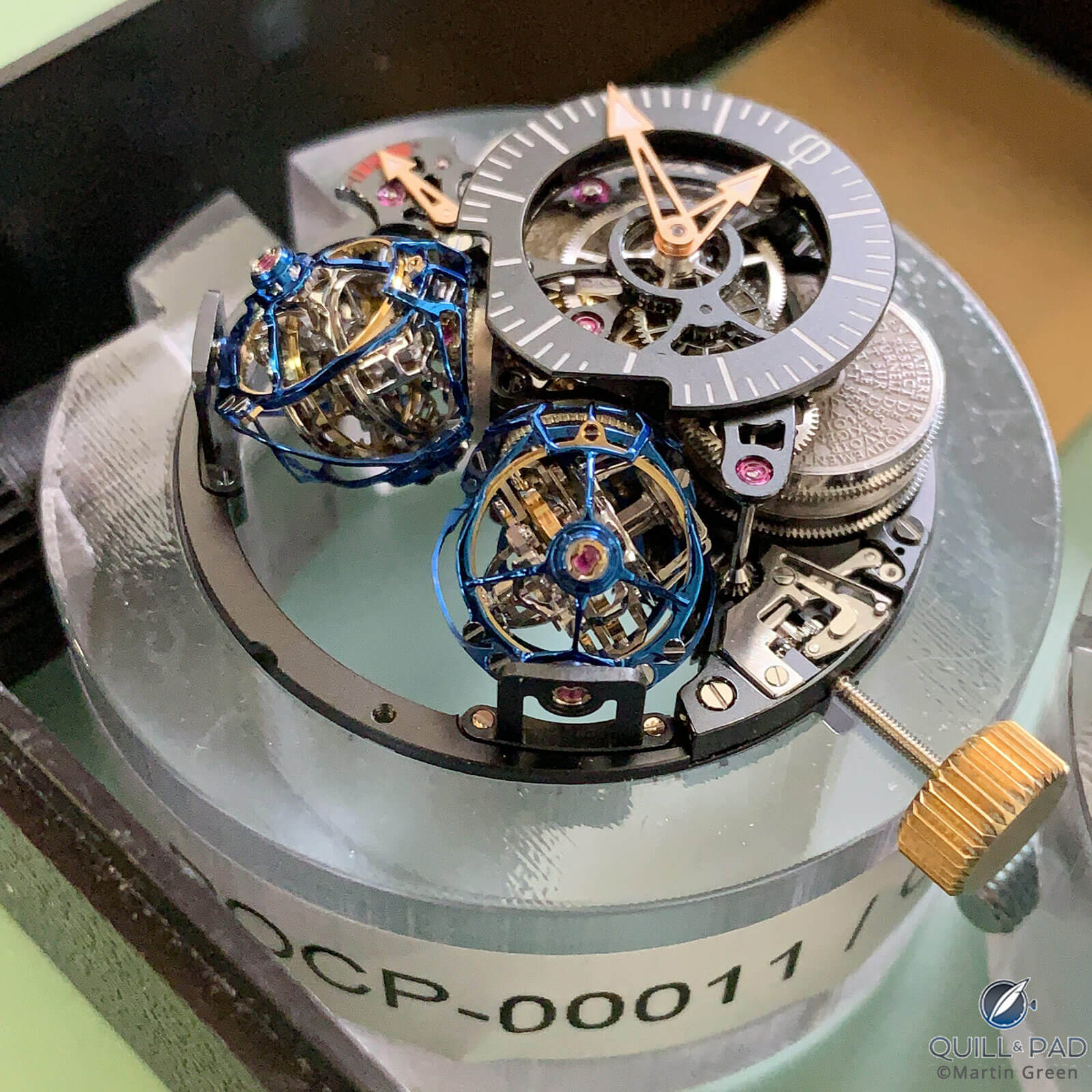
Complicated haute horlogerie doesn’t get much better than twin triple-axis spherical tourbillons as found in the Purnell Escape II Double Tourbillon. And while in some cases less is more, here more is definitely more. The tourbillons are mesmerizing in part thanks to their high rotation velocity; they make full revolutions in respectively 8, 16, and 30 seconds. What is behind this masterful piece of high watchmaking?
 Quill & Pad
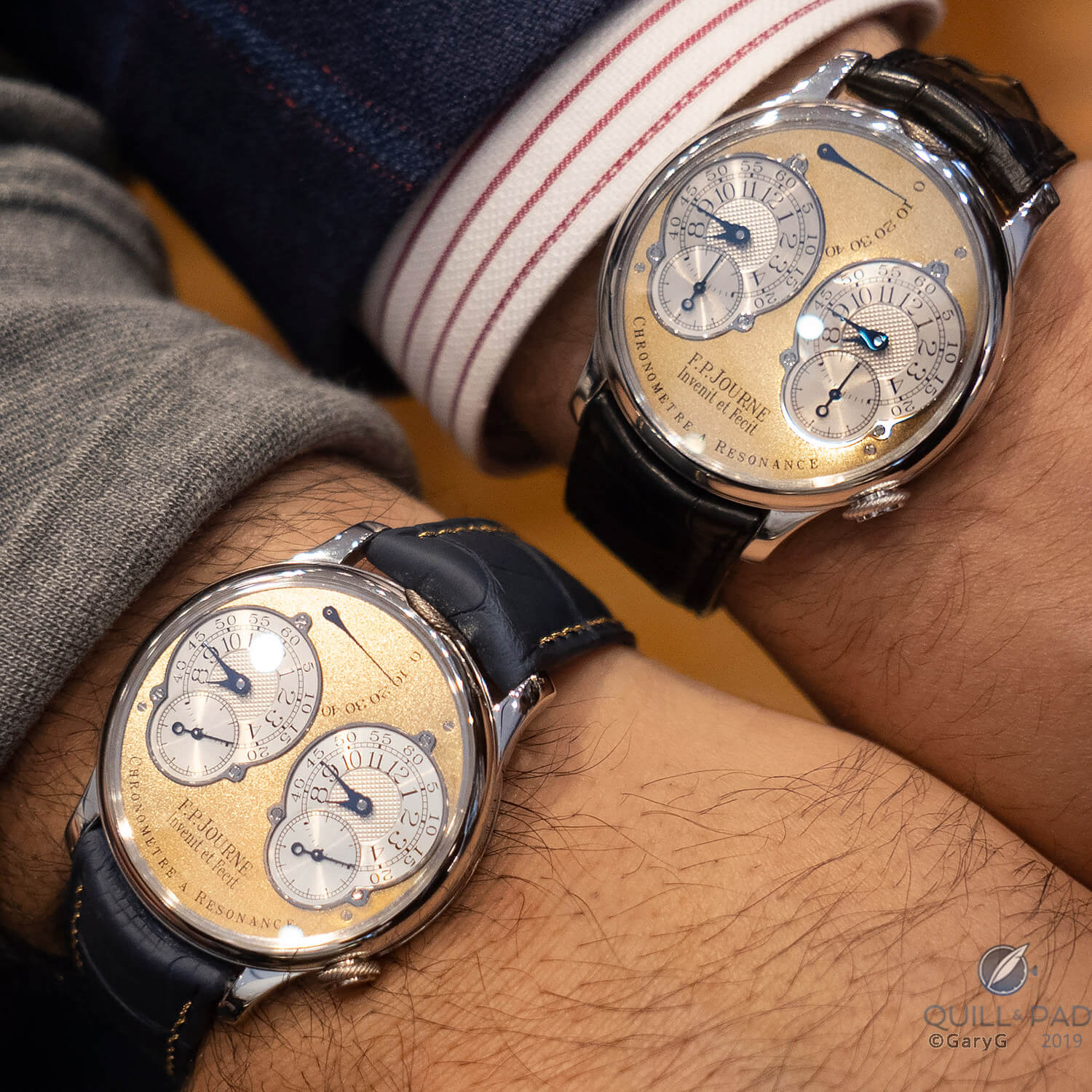
Many people believe resonance to be very rare, when in fact every single timekeeping device (yes, even quartz) is a resonant mechanism. But clocks and watches featuring resonance as we generally understand it in watchmaking are few and far between. In the last few decades, less than a handful of highly skilled watchmakers have taken up the challenge of creating a resonance watch. Here, Joshua Munchow looks at the pros and cons of the different approaches taken by the three leaders in this technology.
Question, suggestion, or just want to say hi? Drop a note.