 Teddy Baldassarre
Rolex Bracelet Types Explained
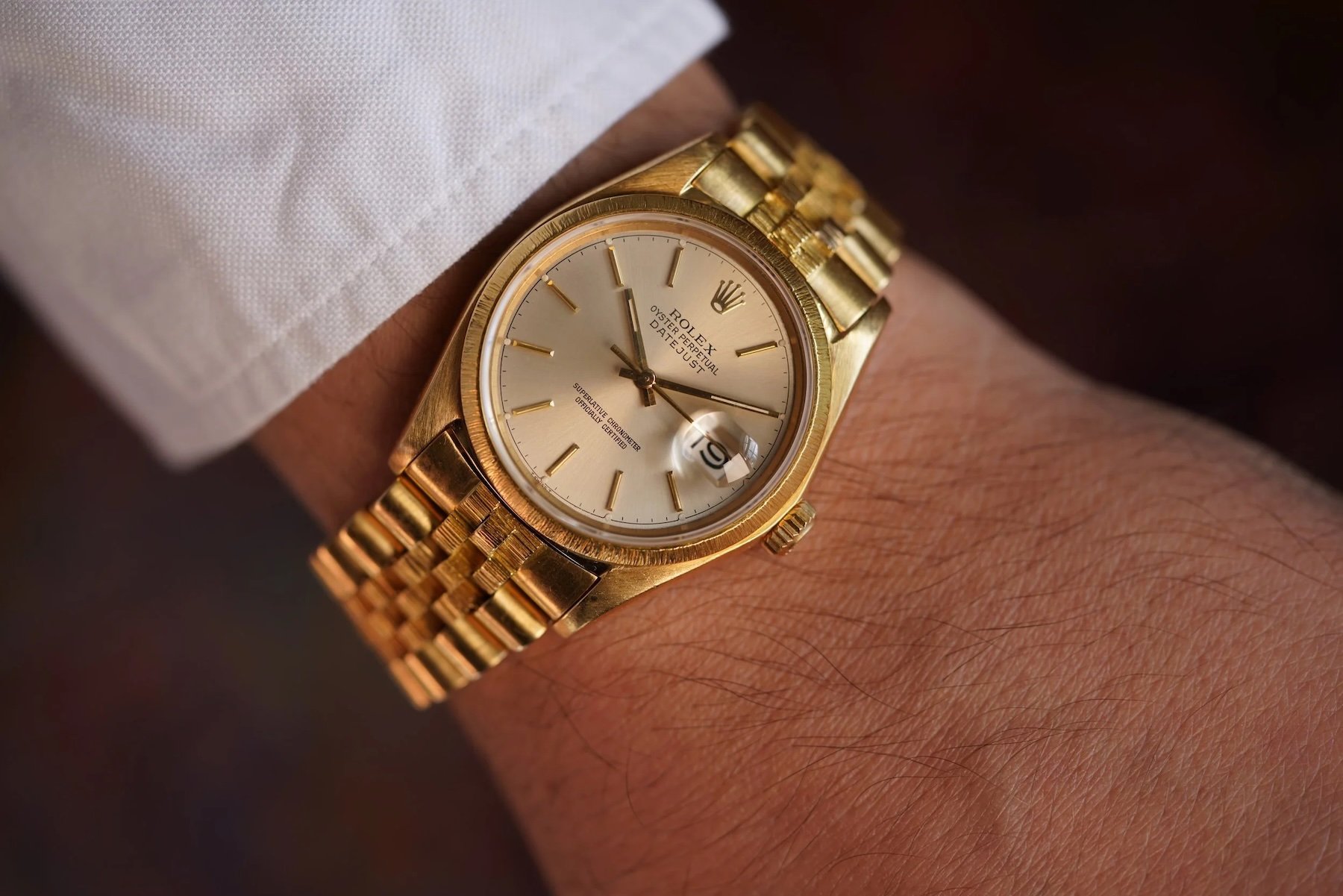
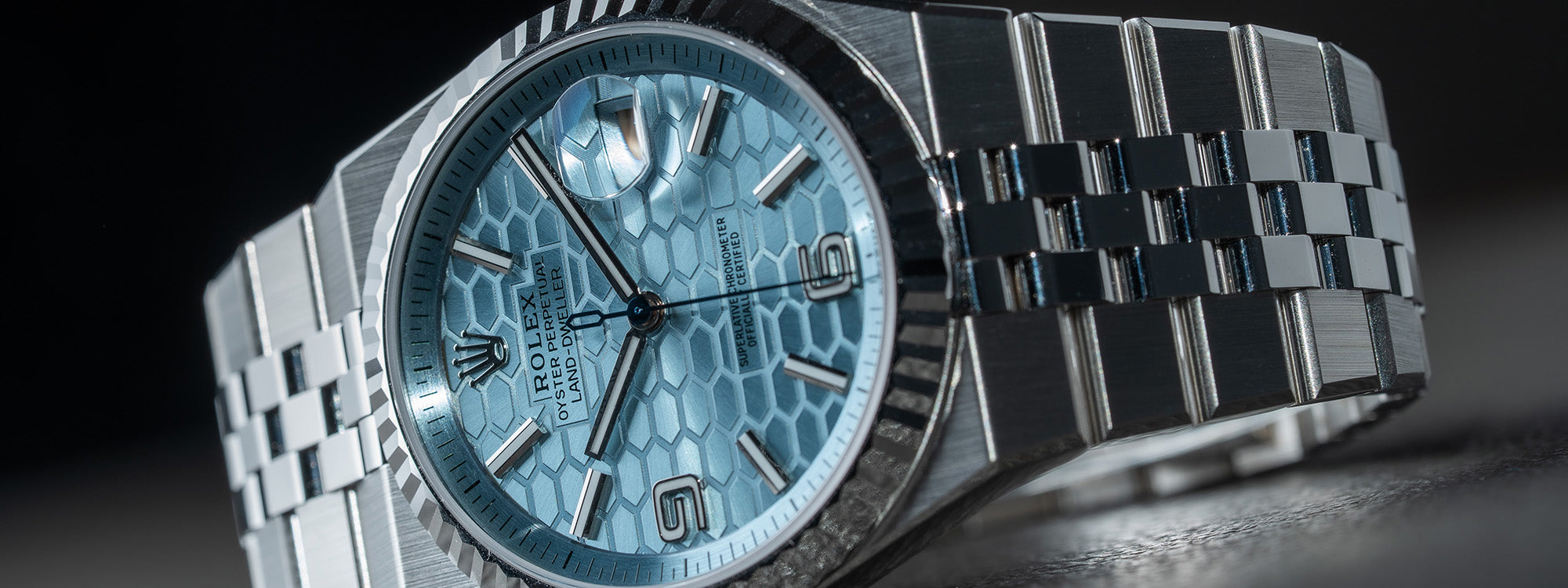
Rolex has made many lasting contributions to the world of watchmaking since its foundation in 1905, not the least of which has been an array of massively popular and widely emulated bracelet designs. Here we take a close look at every type of Rolex bracelet, what makes it special, and which Rolex watches, if any, are using them today. Rolex Oyster Bracelet Rolex’s iconic Oyster bracelet is the template from which many other three-link bracelet styles have been drawn. Its name comes from its association with the Oyster case - introduced by Rolex founder Hans Wilsdorf in 1926, and the most water-resistant watch case that had been made up to that point - and for which the original version of this bracelet served as an extension. Oyster bracelets are recognizable for their wide center links bordered by thinner end-links. Rolex patented the design in 1947 and fitted one on a watch in 1948. In the early versions, the links were riveted; these were phased out in favor of a “folding” style in 1967, which eventually gave way to the modern, solid-link style in 1975. Oyster bracelets come equipped with the accompanying Oysterlock clasp, a triple-deployant metal clasp with a safety-lock mechanism. Three-link bracelets like the Oyster and its various descendants are particularly popular on sports watches and dive watches, and this bracelet appears, as you’d expect on most of Rolex’s most popular “professional” models, including the Submariner, GMT-Master II, Explorer,...