Introducing: TAG Heuer Monza Flyback Chronograph Carbon Limited Edition
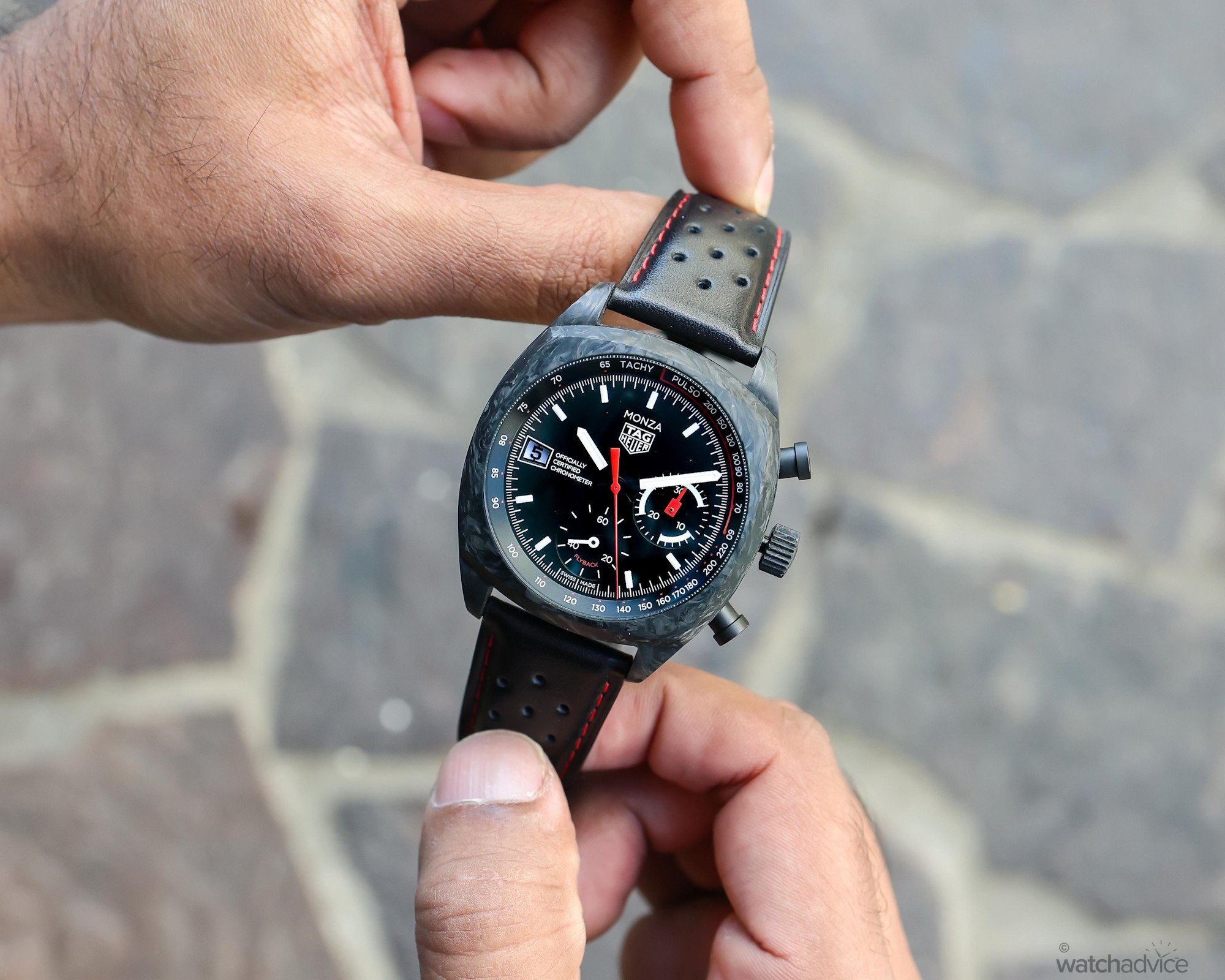
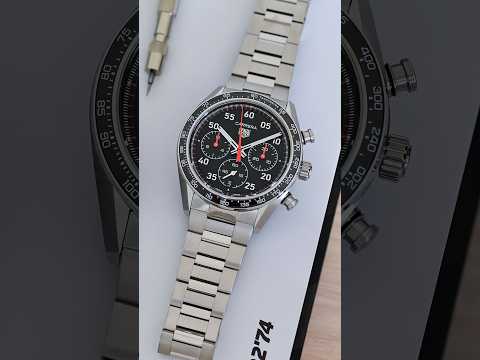
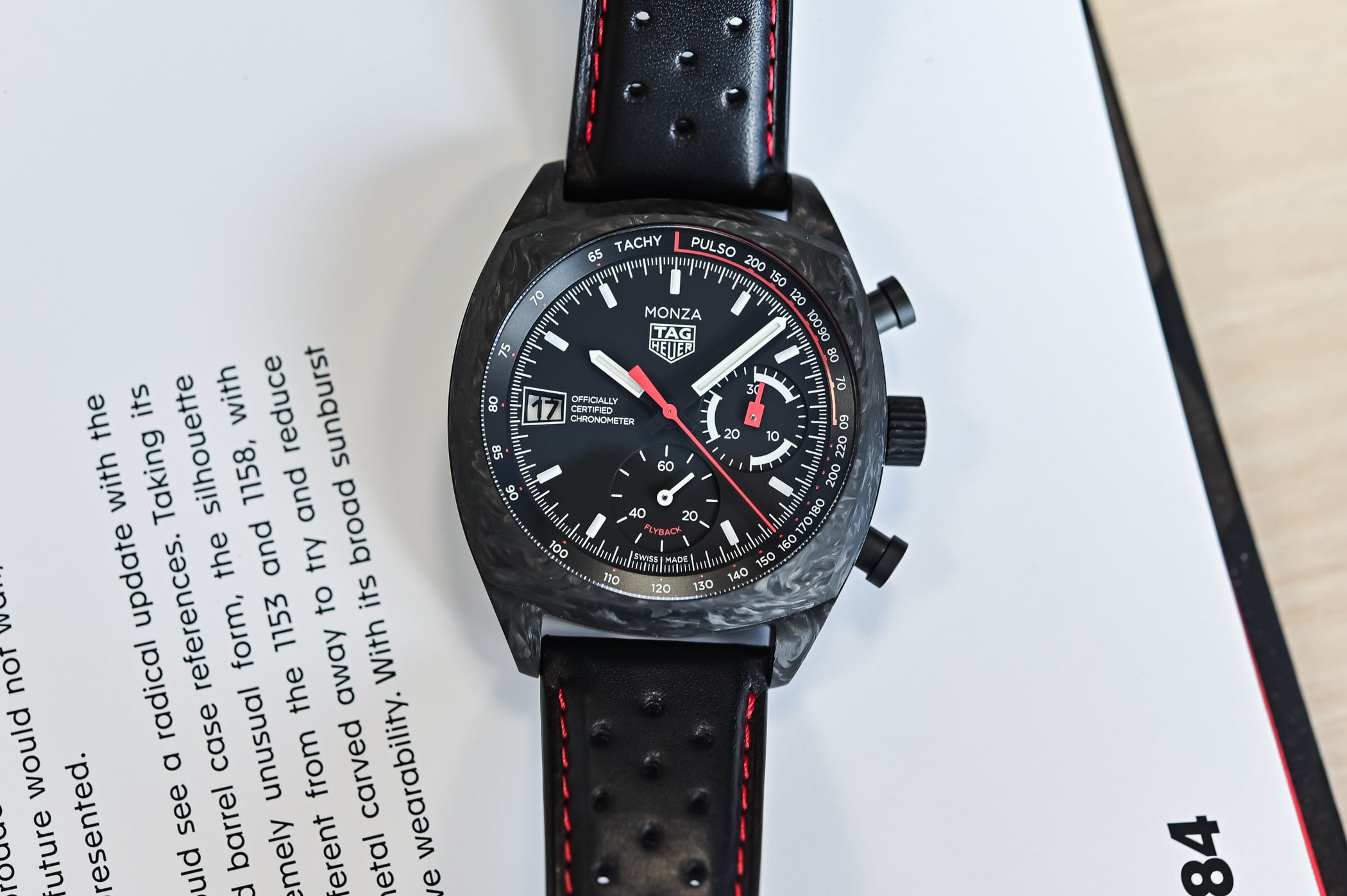
What We Know This weekend, Formula 1 returns to Ferrari's home track (for the series, at least) of Monza, and with that return, TAG Heuer is releasing a new version of the eponymous Monza Flyback Chronograph. The watch was originally released in 1976 to celebrate Ferrari's return to the top with the constructors' and drivers' Formula 1 championships, with its black-coated case setting the stage not only for the model's future but also for similar releases from Heuer (and later TAG Heuer). A Monza isn't a Monza unless it's black, so this new release fits the remit perfectly: a 42mm by 15.22mm case in forged carbon, with red accents on the dial. Often known as the Niki Lauda (after the driver who won the title in 1976), the original watch featured a lot of red (and was reissued over a decade ago), though the dial layout has changed significantly from the original. This time, that red has been swapped around, with accents on the minute-counting and chronograph hands, the combination pulsometer and tachymeter flange scale, and the flyback mark at 6 o'clock. The date is still included, moved to 9 o'clock (which in turn puts running seconds at 6 o'clock), but with an angled window. The indices are all printed, and the hands and hour markers use white Super-LumiNova. The watch is powered by the COSC-certified Caliber TH20-12 automatic movement, running at 4Hz. TAG Heuer didn't provide specifications here, but past versions of the Monza with this movement had an 80-hour power rese...
 Monochrome