Watch brandsWatch wikiWatch videosVariousWatch calendarSaved articles
PopularRolexOmegaPatek PhilippeAudemars PiguetTudorGrand SeikoCartierSeikoIWCTAG HeuerBreitlingJaeger-LeCoultreA. Lange & SohneZenith

Results for Quartz Crisis

932 articles · 63 videos found · page 1 of 34

Related pages

Wiki · Guide
Quartz Crisis

1969-1985 industry collapse triggered by the Seiko Astron. Cost Swiss watchmaking two-thirds of its workforce; rebounded via Swatch Group consolidation and Biver's Blancpain.

Articles & videos

All Quartz Crisis videos ›
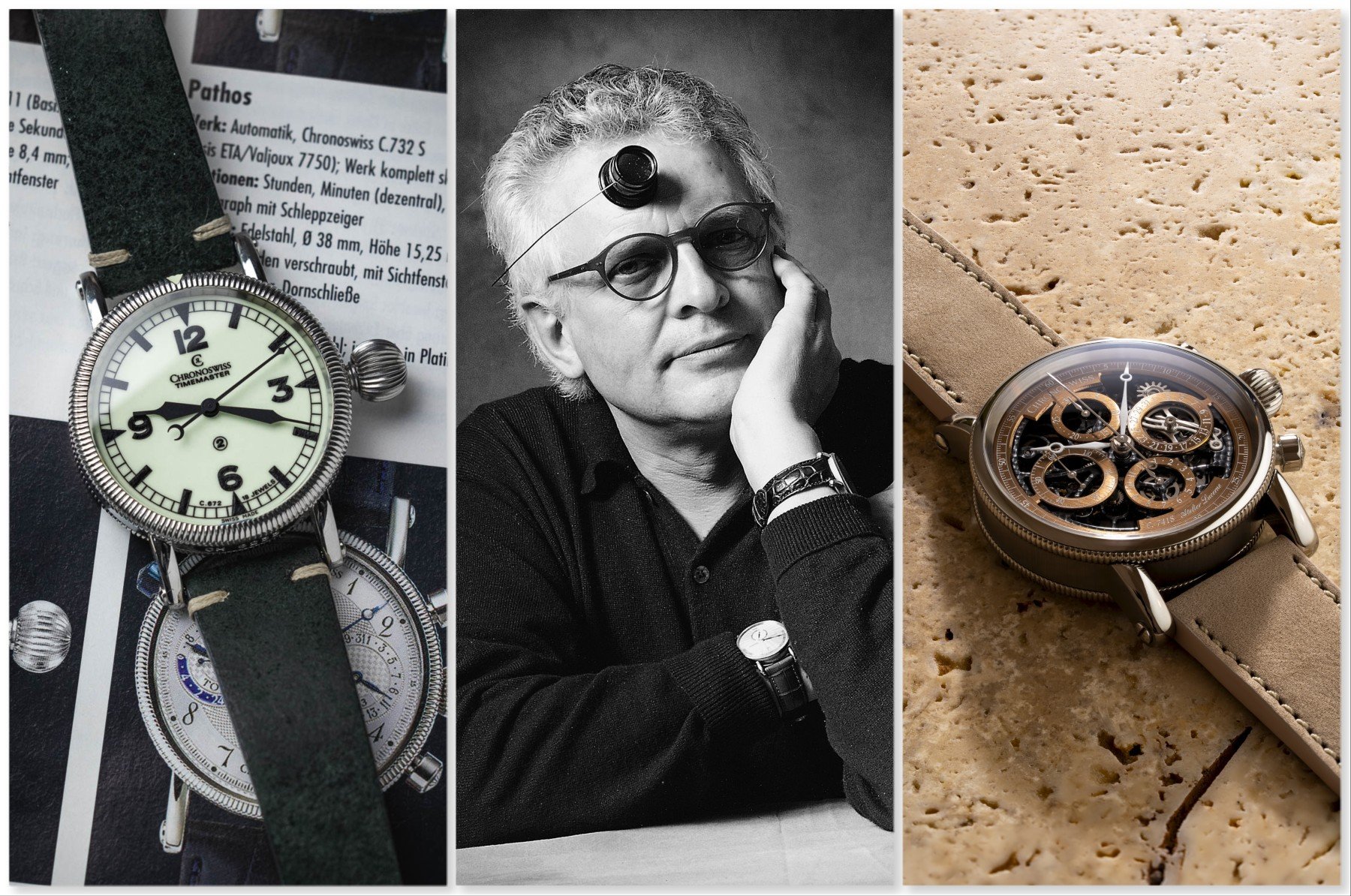
This Is Chronoswiss: The Independent Brand That Defied The Quartz Crisis Fratello
Chronoswiss Oct 18, 2025

This Is Chronoswiss: The Independent Brand That Defied The Quartz Crisis

It’s not exactly a secret that I love my Chronoswiss Timemaster. It’s a love that won’t die. When you own a watch for over 25 years and still feel a spark when you strap it on, you know this is the real deal. It also means I closely follow what the brand is up to. […] Visit This Is Chronoswiss: The Independent Brand That Defied The Quartz Crisis to read the full article.

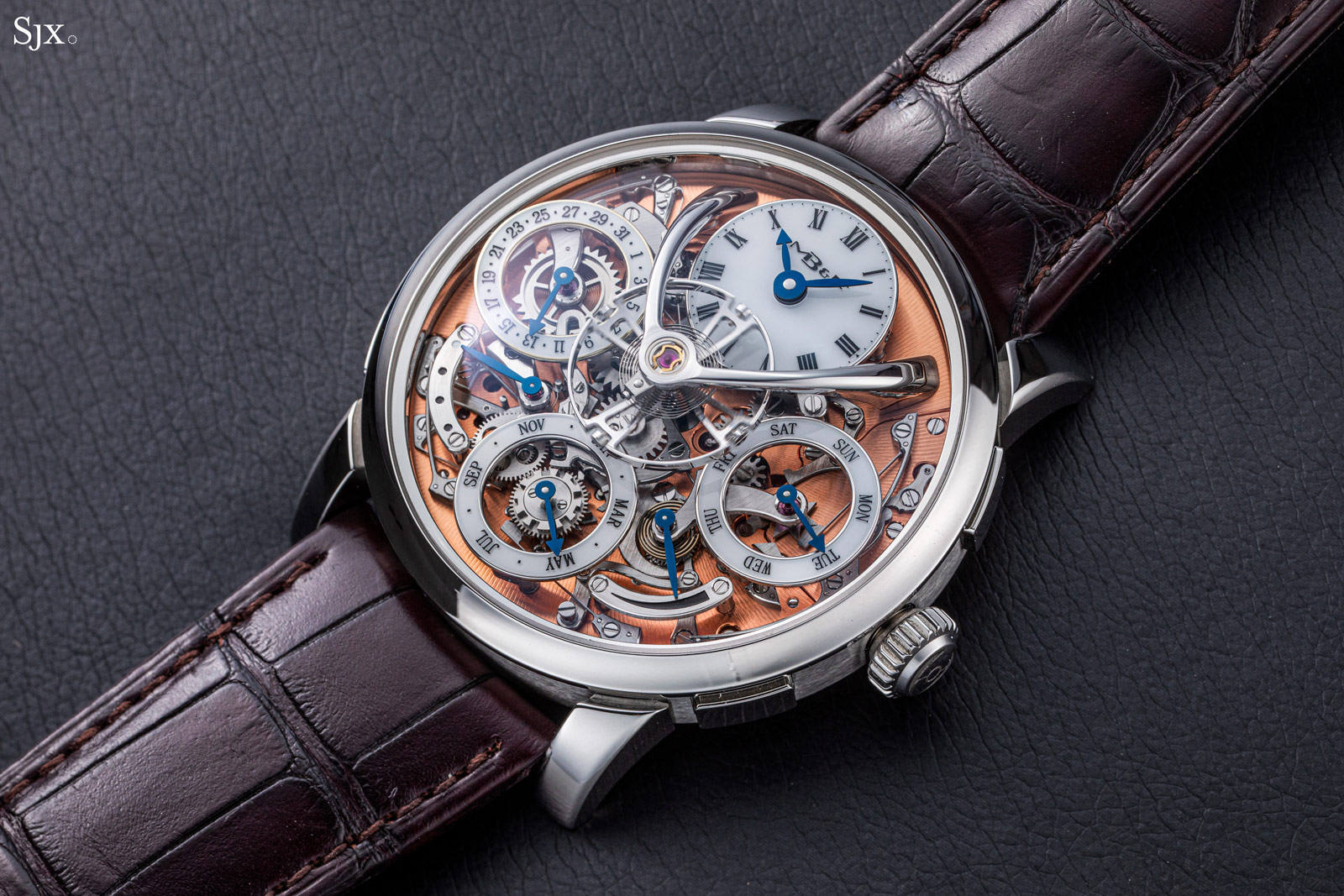
Insight: Perfecting the Perpetual from Quartz Crisis till Today SJX Watches
Audemars Piguet ref 5516 which was Feb 27, 2024

Insight: Perfecting the Perpetual from Quartz Crisis till Today

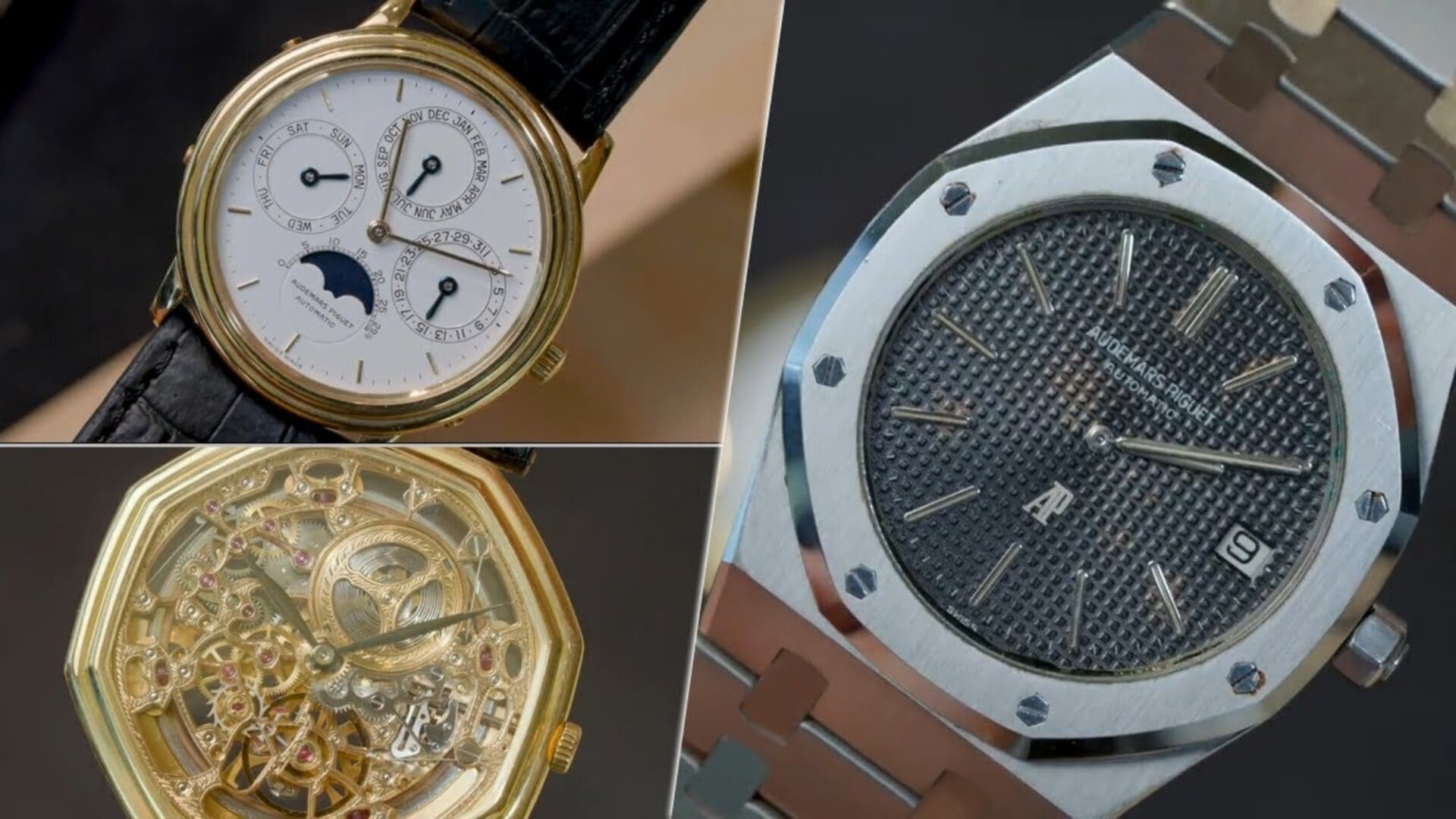
As we approach the leap day of February 29, the unofficial day of commemoration for perpetual calendar owners, it’s worth considering the technical advances in perpetual calendar movements of the past 20 years. The perpetual calendar is, and has always been, a staple of haute horlogerie. But for most of its history, the technology remained largely stagnant. It wasn’t until the beginning of the modern era, in the 1980s when Swiss watchmaking was regrouping after the Quartz Crisis, that a new generation of watchmakers revisited this complication in earnest. In particular, they sought to address fundamental weaknesses in the way traditional perpetual calendar designs switch from one date to the next. The quintessential perpetual calendar layout, here in the first serially-produced perpetual calendar wristwatch with a leap year indicator, the Audemars Piguet ref. 5516, which was produced in the late 1950s One of the more recent – and most notable – efforts at reimagining the complication came from Stephen McDonnell, who developed the MB&F; Legacy Machine Perpetual. According to Mr McDonnell, the traditional approach to the perpetual calendar was a flawed premise. “For decades in the Swiss watch industry, and even until the present day, it has been accepted and expected that [perpetual calendar] watches would often be damaged by owners while trying to correct them,” explains Mr McDonnell, “This was seen simply as an unavoidable factor of [perpetual calendar] owner...

WHAT IF… The quartz crisis never happened? Time+Tide
Aug 28, 2023

WHAT IF… The quartz crisis never happened?

Likely the most significant horological event of the previous century, the quartz crisis (or revolution, depending on which side you stood), not only signalled the beginning of the end for many smaller watch manufactures, but also influenced the way we look at watches to this very day. Quartz is often looked down upon, and incorrectly … ContinuedThe post WHAT IF… The quartz crisis never happened? appeared first on Time+Tide Watches.

The Quartz Crisis wasn’t solely to blame for the industry downfall, real trouble was brewing for years Time+Tide
Brew ing Apr 18, 2023

The Quartz Crisis wasn’t solely to blame for the industry downfall, real trouble was brewing for years

The history of timekeeping dates back to whenever the first creature wondered where the sun was in the sky, and the earliest evidence for calendars comes from Babylon and Egypt 5,000 years ago. In all that time, there haven’t been any horological events that are mentioned with as much dread as the Quartz Crisis. After … ContinuedThe post The Quartz Crisis wasn’t solely to blame for the industry downfall, real trouble was brewing for years appeared first on Time+Tide Watches.

VIDEO: How Audemars Piguet used the quartz crisis to refine their brand vision Time+Tide
Audemars Piguet used Oct 30, 2022

VIDEO: How Audemars Piguet used the quartz crisis to refine their brand vision

It’s well-known that between 1975 and 1985, the Swiss watch industry collapsed and its chances of survival looked slim. Many manufacturers went bust or were forced to join larger conglomerates. The primary cause of the disruption was, of course, the innovation of electronic quartz movements. On Christmas day, 1969, Seiko released the Astron, the first-ever … ContinuedThe post VIDEO: How Audemars Piguet used the quartz crisis to refine their brand vision appeared first on Time+Tide Watches.

Coronavirus projected to wipe out 60 ‘Swiss Made’ watch brands, while downturn surpasses Quartz Crisis and GFC Time+Tide
May 13, 2020

Coronavirus projected to wipe out 60 ‘Swiss Made’ watch brands, while downturn surpasses Quartz Crisis and GFC

Coronavirus has surpassed all previous crisis’ in terms of its negative impact on the Swiss watchmaking industry, with a 25 per cent downturn anticipated for 2020, according to a report by Bank Vontobel. This is worse than the Quartz Crisis, which saw a 15 per cent decline, and the 22 per cent downturn in the … ContinuedThe post Coronavirus projected to wipe out 60 ‘Swiss Made’ watch brands, while downturn surpasses Quartz Crisis and GFC appeared first on Time+Tide Watches.

Is this evidence of the next Quartz Crisis? Time+Tide
Feb 8, 2020

Is this evidence of the next Quartz Crisis?

Watch enthusiasts face a somewhat unique challenge. When asked, “What are your hobbies?”, if you answer “rugby” or “dining out”, your response is almost immediately understood. In my own experience, when I say “watches”, the response is, more often than not, another question. “Watches?” My answer only seems to create echoing confusion. There are a … ContinuedThe post Is this evidence of the next Quartz Crisis? appeared first on Time+Tide Watches.

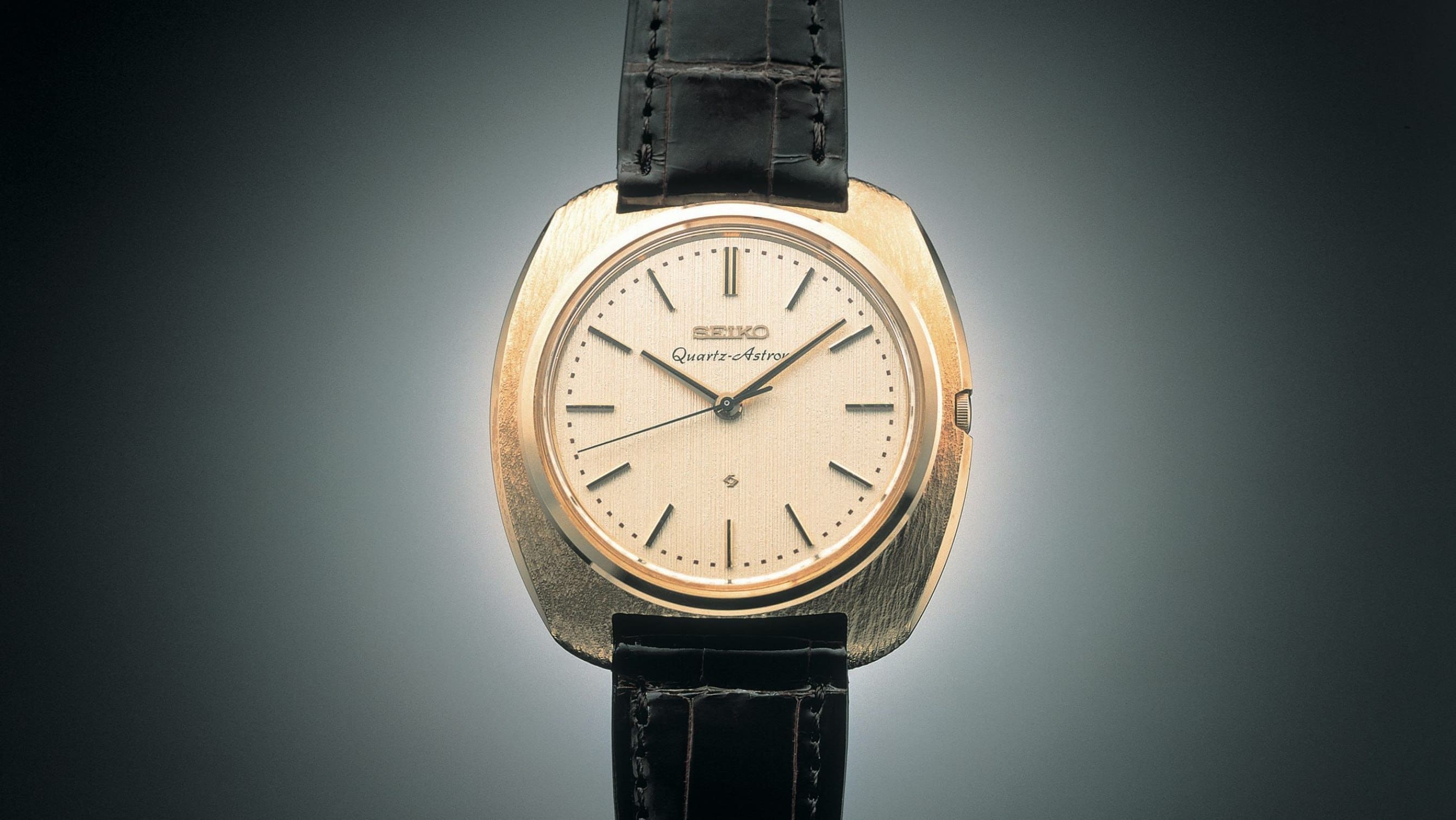
Seiko Marks 50 Years of the Watch that Started the Quartz Crisis SJX Watches
Citizen introduced Oct 31, 2019

Seiko Marks 50 Years of the Watch that Started the Quartz Crisis

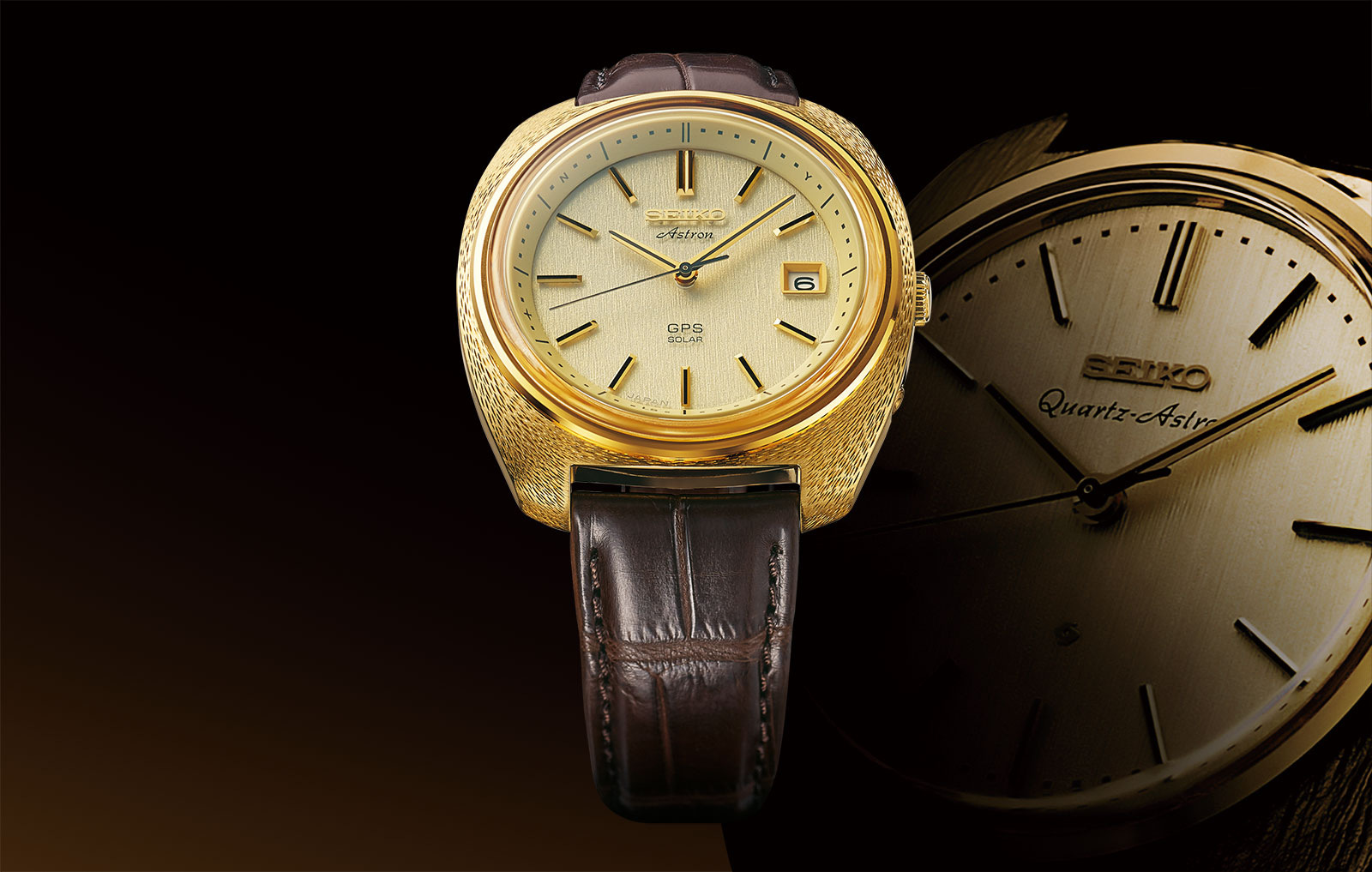
Seiko changed watchmaking when it introduced the Quartz Astron in December 1969. Though it cost as much as a small car, it was the first commercially available quartz watch. Technology and economies of scale would rapidly reduce the cost of the quartz watch, enough that by the late 1970s the Swiss watch industry was in full blown meltdown – the Quartz Crisis. To mark the 50th anniversary of that landmark watch, Seiko has just introduced the 1969 Quartz Astron 50th Anniversary Limited Edition. Though powered by a latest generation, solar-powered and GPS-enabled quartz movement, the Astron anniversary edition is visually a remake of the original – and it still costs as much as a small car, or about US$35,000. Notably, the Astron anniversary comes a couple months after Citizen introduced its own an ultra-high end quartz watch, also with a solid gold case, but with a different approach to technology. The case of the Astron anniversary is 18k yellow gold and cushion-shaped like the original, but slightly larger at 40.9mm in diameter. The top surface of the case is “hand carved” with a fine, grain-like motif echoing the textured finish of the vintage Quartz Astron. And the pattern on the remake is a reference to itself: the carved grain motif is executed in a circular manner around the bezel, a nod to the fact that Seiko has come full circle in reproducing the 1969 design. Similarly, the dial on the new watch has a vertical, linear graining, also inspired by the finish...

Watches & Wonders: Oris’ 24-Year-Old Product Design Engineer Just Reworked a Classic – This is the Sleek New Artelier Complication Worn & Wound
Oris 24-Year-Old Product Design Apr 15, 2026

Watches & Wonders: Oris’ 24-Year-Old Product Design Engineer Just Reworked a Classic – This is the Sleek New Artelier Complication

Oris first introduced its Artelier Complication in 1991 alongside the Caliber 581, which notably featured a moonphase module developed in-house by the brand. The release marked another significant moment for the maison in its commitment to manufacture movements following the quartz crisis. The model’s presence ultimately faded but received new life in 2017 with an updated design that featured a more modern, cleaner style with slimmer, tapered lugs, and a redesigned bezel. At Watches & Wonders, we get the next evolution of the Artelier Complication.  The newest incarnation gives us another redesign from the 2017 edition while keeping the focus on highlighting the romantic moonphase. This updated take on the Artelier Complication comes from 24-year-old Lena Huwiler, Oris’s new Product Design Engineer. Huwiler has been able to achieve the perfect balance between honoring the model’s place in the history of the brand and propelling it forward with a design that will resonate with her generation. An old soul at heart, Huwiler admits she does not just find inspiration online but still appreciates architecture, crafts, and interior design. She clearly brings the duality of these sensibilities into her design for the new Artelier Complication. Here, Huwiler has given an Oris classic a modern, urban profile and reworked the moonphase display designed by and for the next generation of watch collectors. The major update here is in the complication and how it is presented thank...

Oris Big Crown Pointer Date “Bullseye” Review Teddy Baldassarre
Oris Mar 27, 2026

Oris Big Crown Pointer Date “Bullseye” Review

Before we get into my review of the Oris Big Crown Pointer Date Bullseye, let's get some context about the brand out of the way. Oris traces its foundation to 1904, when two natives of the Swiss watchmaking town of Le Locle, Paul Cattin and Georges Christian, opened their watch factory in the German-speaking Swiss town of Hölstein. Cattin and Christian named their company “Oris” after the Orisbach tributary, a brook near the factory.A maker of pocket watches and, by 1925, the increasingly popular wristwatches, Oris enjoyed a long period of growth and expansion throughout the following decades and even made its own movements. Losing its independence during the consolidation years of the Quartz Crisis, Oris regained it in the 1980s, when a management buyout transformed the company and solidified its mission to make only mechanical watches going forward. Today, Oris is well established as a staple for value-conscious collectors of Swiss-made watches.  While much of its modern output is devoted to sport-oriented timepieces, like the popular Aquis and Divers (formerly Divers Sixty-Five) diving watches, the brand’s most recognizable and emblematic collection is the Big Crown Pointer Date, which has been a mainstay of the brand’s portfolio - and in constant production - since 1938. It was the first watch with a date indication displayed via a central hand on an outer scale, and it took the other part of its model name from its signature design element - an oversiz...

Raymond Weil’s Well-Dressed Millesime “Tuxedo” SJX Watches
Raymond Weil Feb 26, 2026

Raymond Weil’s Well-Dressed Millesime “Tuxedo”

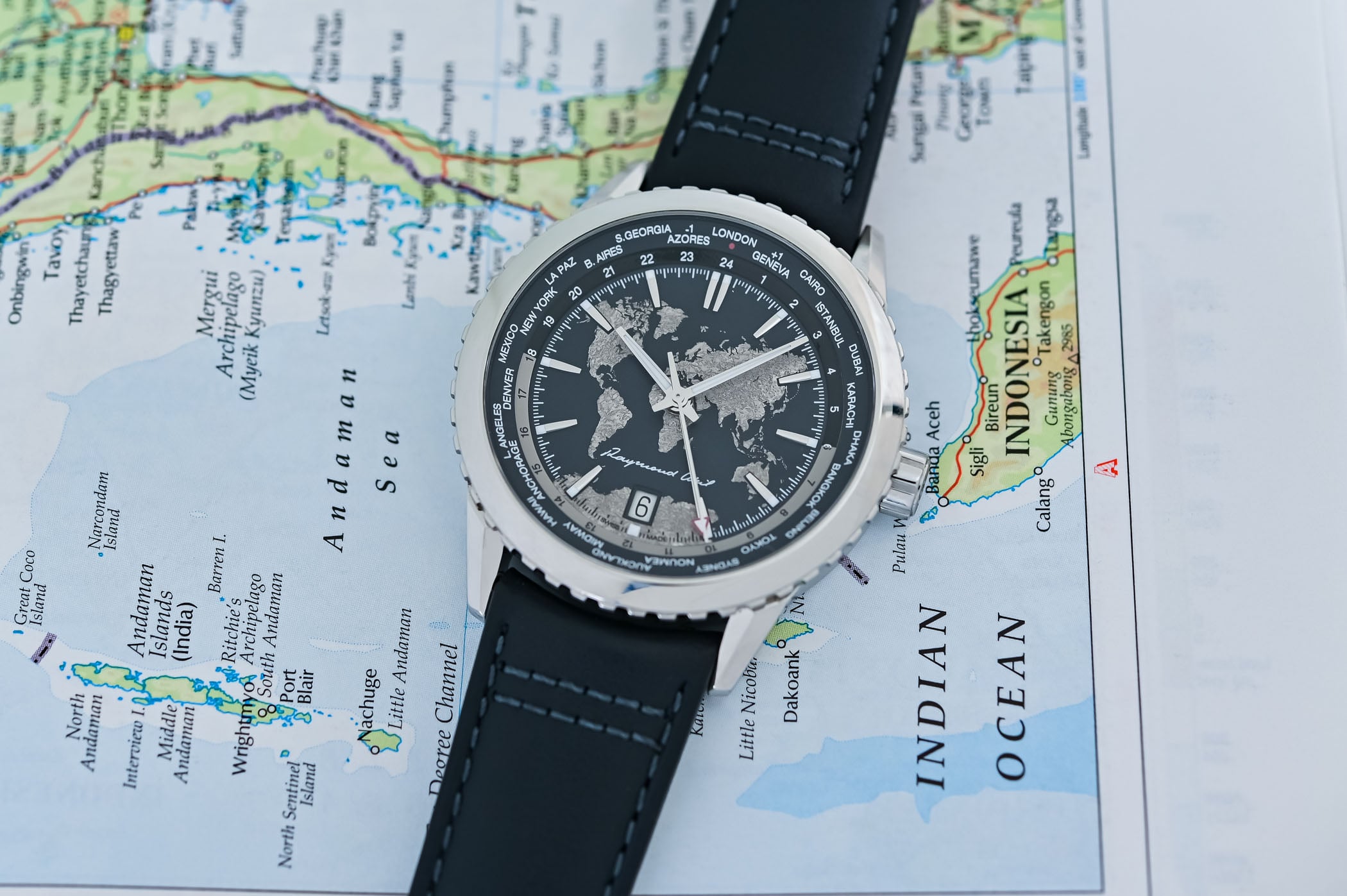
An eighties icon that is finding fresh footing, Raymond Weil has extended its GPHG-winning dress watch collection with the Millesime Small Seconds 39 mm “Tuxedo”. Available in three appealing colourways, the Millesime features Art Deco-inspired typography that brings a surprising degree of energy to the line-up’s familiar sector-style dial. Initial thoughts Raymond Weil was one of the biggest names in Swiss watchmaking in the 1980s and 1990s. Raymond Weil himself was one of the first entrepreneurs to see a future for mechanical watchmaking amidst the rubble of the quartz crisis, launching his eponymous brand in 1976. While peak production is in the past, the brand seems to have rebounded with a collection of well-received dress watches and savvy limited editions. The new Millesime Small Seconds embodies the carefully considered details that have underpinned the brand’s recent resurgence. It’s not revolutionary by any means, but at just US$2,295 it offers an affordable entry point to the world of Swiss dress watches. Affordability is one thing, but appeal is another. Fortunately the 39 mm Millesime hits many of the right notes in each of the three colourways, including a so-called ‘tuxedo’ configuration in either classic back and white or on-trend burgundy, as well as a dark blue option that might be the dark horse favourite. Art Deco trio All three models have a few key things in common, starting with the stainless steel case. The Millesime measures 39 mm in ...

First Look – The New Yema Wristmaster Slim Small Seconds, Including a Surpising Camo Version Monochrome
Seiko until Feb 19, 2026

First Look – The New Yema Wristmaster Slim Small Seconds, Including a Surpising Camo Version

Founded in 1948 by Henry Belmont, Yema was France’s top producer and exporter by the 1960s. Renowned for legendary models such as the Superman, which appealed to professional and amateur divers alike, Yema went the way of many other mechanical watch brands during the quartz crisis and changed hands, including a stint with Seiko, until a French […]

Introducing – Eska Launches the New Racing Chronograph Automatic, a Sub-500 Euros Take on Motorsport Design Monochrome
Dec 8, 2025

Introducing – Eska Launches the New Racing Chronograph Automatic, a Sub-500 Euros Take on Motorsport Design

Originally founded in 1918 in Granges, Switzerland, Eska Watches vanished during the quartz crisis and was revived in 2024 by Christophe Chevreton and Sinicha Knezevic. The partners quickly captured the essence of Eska’s heritage and adapted it to modern trends. The rebirth began with the Amphibian 250 dive watch and the Heritage Chronograph, both assembled […]

Oris ProPilot Date Review: The Big Crown ProPilot Evolved Teddy Baldassarre
Oris Nov 19, 2025

Oris ProPilot Date Review: The Big Crown ProPilot Evolved

The Oris Big Crown ProPilot Date has a prestigious history starting with the founding of the independent Swiss brand that makes it. Oris began making watches in 1904, when it was founded in Hölstein, Switzerland, by Paul Cattin and Georges Christian, who named the company after a nearby brook. A maker of pocket watches and, by 1925, the increasingly popular wristwatches, Oris enjoyed a long period of growth and expansion throughout the following decades and even made its own movements. Losing its independence during the consolidation years of the Quartz Crisis, Oris regained it in the 1980s, when a management buyout transformed the company and solidified its mission to make only mechanical watches going forward. Today, Oris has become a staple for value-conscious collectors of Swiss-made watches, particularly sport-oriented models. Among the brand’s modern pillars are the dressy Big Crown Pointer Date and the more aviation-centric Big Crown ProPilot, which trace their existence all the way back to 1938. That year marked the launch of the first Oris watch dubbed “Big Crown,” named after its signature element, an oversized, fluted winding crown meant to be easy to grasp and to operate by a pilot wearing heavy gloves. The modern edition of the Big Crown ProPilot debuted in 2014 (example above), notably adding what is today one of its signature features: a knurled bezel that resembles a jet turbine.  Oris has revamped, tweaked, and added complications to the original, ...

TAG Heuer Formula 1 Review: The Retro Classic Returns Teddy Baldassarre
TAG Heuer Oct 18, 2025

TAG Heuer Formula 1 Review: The Retro Classic Returns

The twangs and pangs of nostalgia are a powerful emotional experience, and as we’ve seen across nearly every commercial industry in recent years, they make for an effective marketing strategy. We’ve been subjected to the ploys of the nostalgia scheme for the past decade and some change, and there has been no other watch release this year that has channeled it more intensely than the revival of TAG Heuer’s Formula 1. I would also say that, despite being something people wanted to see happen for years now, the new 2025 reimagining of the brand’s colorful, so-80s-it-almost-hurts line has been one of the most polarizing releases of the year – a mixed bag of people welcoming the collection with open arms, and others who were already exhausted from the hype of the limited edition KITH collaboration that predated it by just a few months. Today, we’ll be running through the controversy and sentimentality of the current TAG Heuer Formula 1 collection, making a pit stop in the '80s to trace the evolution of the line before racing into the quick and dirty of what you need to know about it as it stands.  TAG Heuer Formula 1 Solargraph Context Our story begins with the ultimate crisis point for the watch industry – the quartz crisis. Heuer was becoming a casualty in the advent of quartz movements, and, in spite of its racing history, the brand was struggling to keep up the pace with Japanese brands like Seiko and Citizen that were pumping out cheaply priced quartz watche...

Girard-Perregaux’s Brand New Caliber GP4800 Finds Its Home in the Laureato Fifty Worn & Wound
Girard-Perregaux s Brand New Caliber Oct 7, 2025

Girard-Perregaux’s Brand New Caliber GP4800 Finds Its Home in the Laureato Fifty

Let’s orient ourselves in the watch world five decades ago. The year is 1975, and we are in the height of the quartz crisis. Just six years prior in 1969, the watchmaking landscape forever changed with Seiko’s introduction of the first quartz timepiece, which called into question the future of mechanical timekeeping as we knew it. The era also marked the advent of the luxury sport watch, beginning with Gerald Genta’s Royal Oak for Audemars Piguet between 1970 and 1972. These two pivotal moments in horological history gave birth to an icon: the Girard-Perregaux Laureato. The first Laureato entered Girard-Perregaux’s catalog in 1975. The model was modestly sized by today’s standards and was even rather mid-sized for the era with a case measuring just 36mm (by comparison, the first Royal Oak began to set the tone for more oversized watches clocking in at 39mm, but was considered notably large and given the nickname “Jumbo”). The 1975 Laureato featured a two-tone construction, highlighting its mix of curves and geometric shapes. The design echoed Genta’s but with softer edges and a slightly more elevated look thanks to the addition of yellow gold elements combined with stainless steel. In line with the times, the model housed a quartz caliber, but not just any quartz caliber – it was COSC-certified. “The Laureato was more than just a new model for Girard-Perregaux’s catalog,” confirms Beatrice Morelli, Chief Customer Experience Officer. “It represente...

Favre Leuba: How The Brand’s History Has Shaped Its Future Fratello
Favre Leuba How Sep 30, 2025

Favre Leuba: How The Brand’s History Has Shaped Its Future

Favre Leuba - formerly Favre-Leuba - is a historic brand we’re excited to cover here on Fratello. The world’s second-oldest watch company, just two years behind Blancpain, has a fascinating history and has produced some incredible watches. As was true for many marques, the Quartz Crisis proved challenging. While the brand never truly disappeared, it […] Visit Favre Leuba: How The Brand’s History Has Shaped Its Future to read the full article.

First Look – Girard-Perregaux Launches the Calibre GP4800, its Next-Gen, In-House Movement with a Silicon Escapement Monochrome
Girard-Perregaux Launches Sep 23, 2025

First Look – Girard-Perregaux Launches the Calibre GP4800, its Next-Gen, In-House Movement with a Silicon Escapement

Girard-Perregaux has an extensive track record in watchmaking and is one of the most enduring integrated manufactures of the Swiss watch industry. In the 1980s, at a time when the quartz crisis had crippled mechanical watchmaking, the brand was among the first to champion the renaissance of traditional movements. Today, Girard-Perregaux announces the launch of […]

In-Depth: Girard-Perregaux Debuts All-New Automatic Calibre SJX Watches
Vacheron Constantin Sep 23, 2025

In-Depth: Girard-Perregaux Debuts All-New Automatic Calibre

Girard-Perregaux (GP) has just taken the covers off a new in-house movement that will serve as a versatile platform for the brand, the Girard-Perregaux GP4800. Historically a significant producer of automatic movements, GP marks a milestone with the new, high-performance base movement that will gradually replace the 3000 family of movements that was once a workhorse employed by several high-end brands. Initial thoughts GP’s most famous creations are undoubtedly the historical Tourbillon with Three Gold Bridges and the more recent Constant Escapement. Significant as they may be, neither illustrates the brand’s past strength as a manufacture in the early decades of contemporary watchmaking post-Quartz Crisis, in particular GP’s position as a leading supplier of automatic movements.  It all began with the 3000 family of calibres introduced in 1994. Desirable for its slimness and high performance – the 3000 series was sub-3 mm thick while ticking at 4 Hz – this versatile platform served not only as a base for many of the brand’s own timepieces, but also powered well-known watches made by a number of prominent brands, including Cartier, Daniel Roth, Vacheron Constantin, and even MB&F;. A GP3000 found in the MB&F; HM2 And then inverted in the MB&F; HM8 Mark 2 The new GP4800 is clearly meant to replace the venerable-yet-aging 3000-series. Boasting a modern architecture and fine technical chops, the GP4800 is a step towards reclaiming GP’s past success as a movement ma...

ETA 2824: The History and Legacy of a Legendary Workhorse Caliber Teddy Baldassarre
Sep 16, 2025

ETA 2824: The History and Legacy of a Legendary Workhorse Caliber

The ETA 2824 caliber has been a presence in the world of mechanical wristwatches for more than 50 years, helping the Swiss watchmaking industry forge a path through the Quartz Crisis and serving as the engine for hundreds of three-handed timepieces from an array of brands, large and small. While it is a rarity here in the 21st Century, its legacy can still be seen across the horological world - from the proliferation of similar movements by makers like Sellita to the increasing ubiquity of the ETA 2824’s souped-up successor, the Powermatic 80. Read on to learn everything you need to know about the ETA 2824. A (Very Brief) History of ETA Nearly everyone that follows the wristwatch industry has heard of ETA, and most of those have probably worn a watch with an ETA movement, but few are likely aware of the Swiss movement maker’s long and convoluted history. We generally trace its origins back to the formation of the historical watchmaking firm Eterna, in 1856 in the Swiss town of Grenchen. But in reality its roots reach even deeper. Eterna is perhaps most famous today as the maker of the Kon-Tiki dive watch, and it is currently owned by the Hong Kong-based Citychamp Watch and Jewellery Group. Originally however, the firm was a manufacturer of ébauches - unassembled movements for sale to outside watchmakers - and was named “Dr. Girard & Schild” for its founders, Dr. Joseph Girard and Urs Schild. Renamed Schild Frères by the next generation of owners, the compan...