Introducing: The MING Polymesh Straight Brings The Wild Hybrid Strap/Bracelet To More Watches
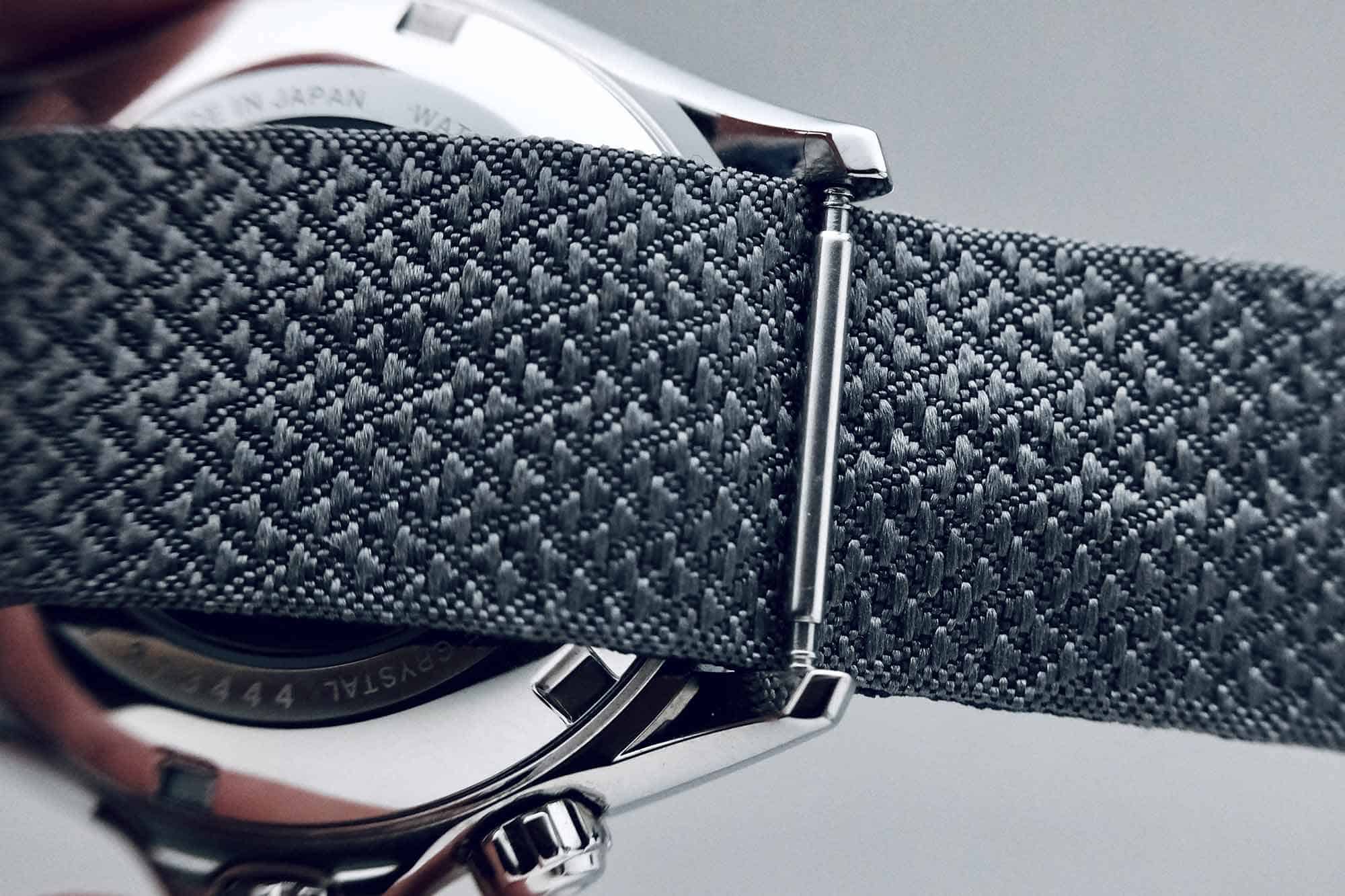
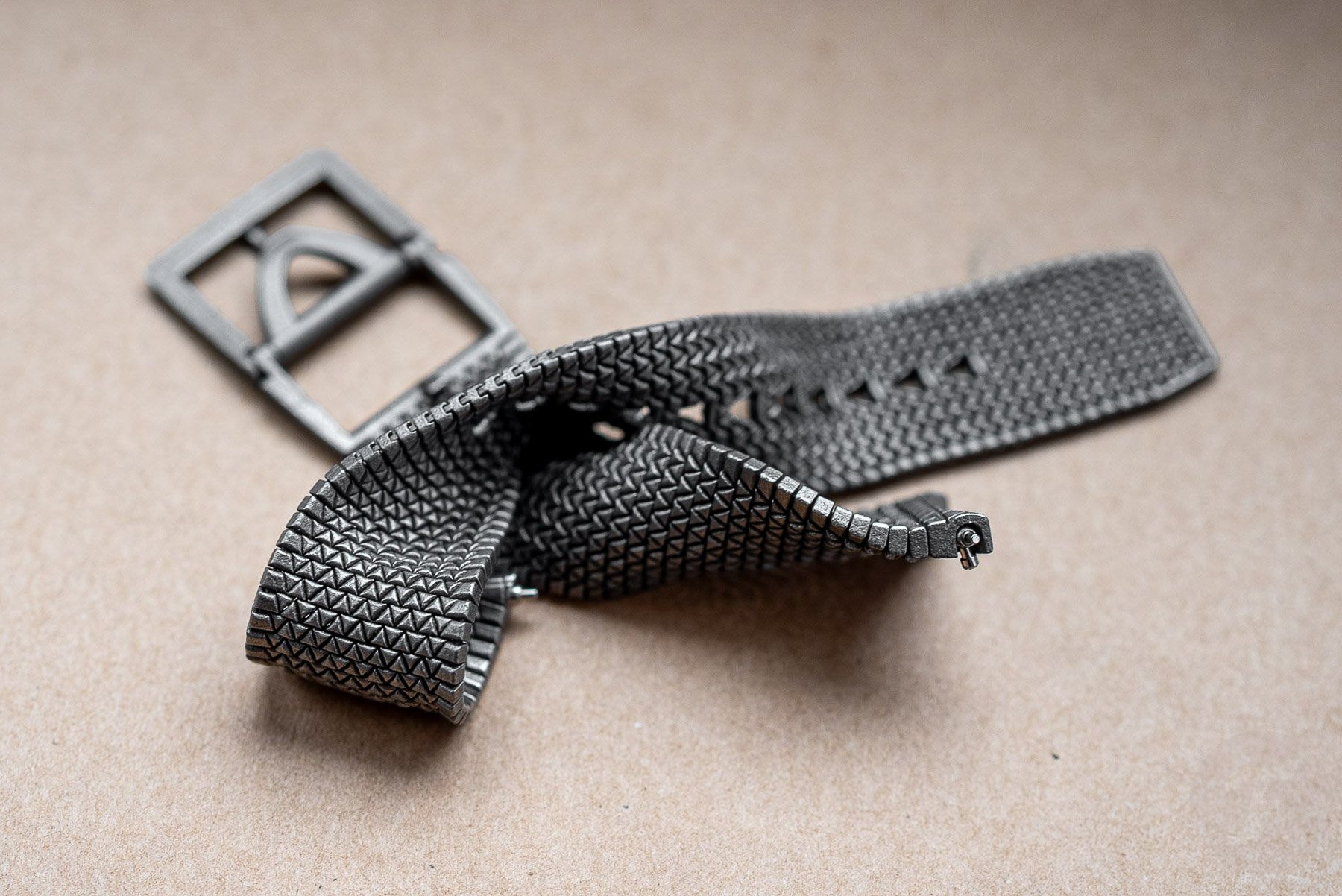
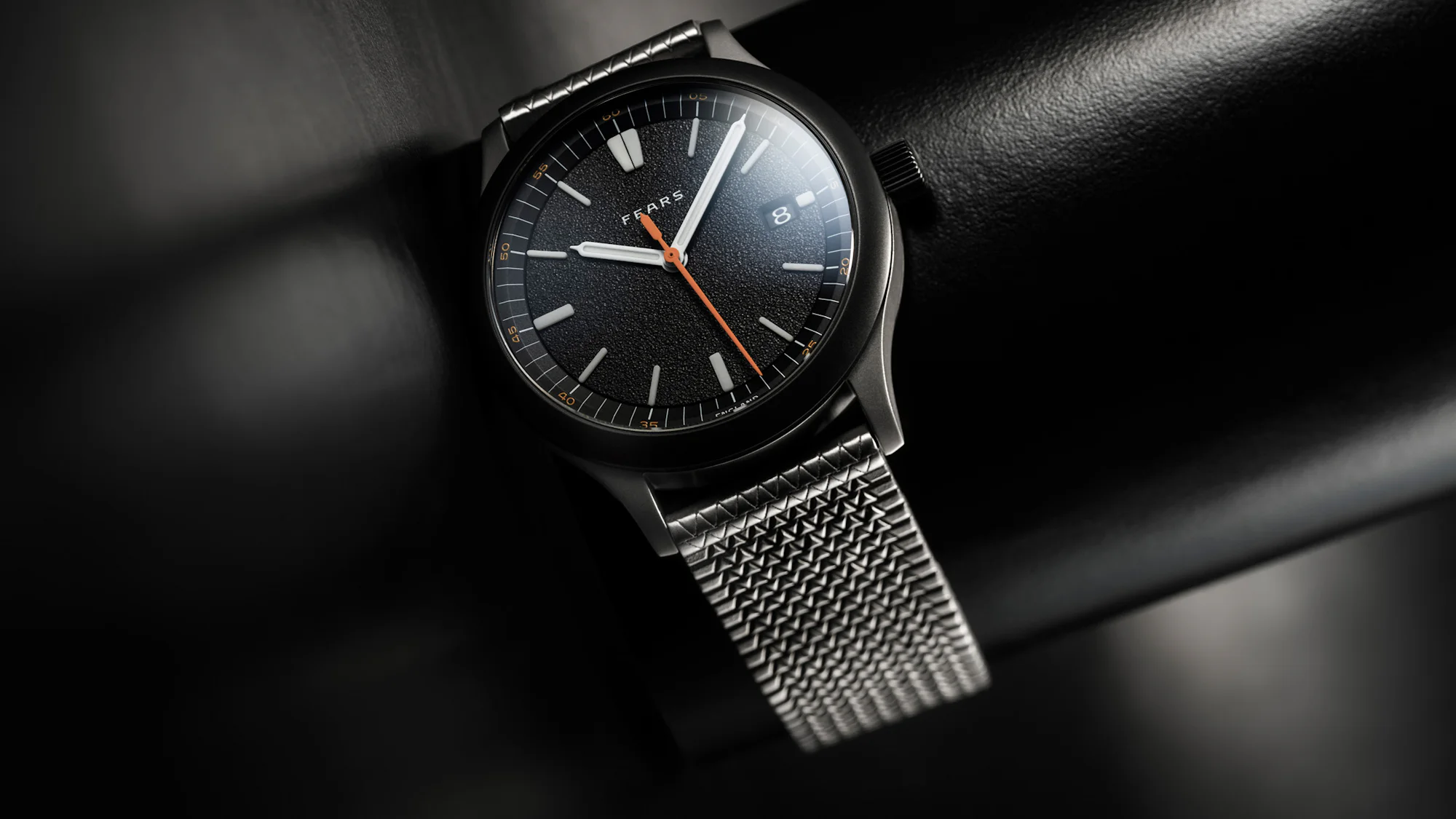
What We Know Fans of titanium watches now have another truly notable bracelet/strap option for their favorite titanium watches, as Ming has just announced that the brand's frankly jaw-dropping Polymesh bracelet will now be sold in a straight springbar setup. Ming launched the original Polymesh spec back in October of last year, with curved links designed to work well with the brand's own watches. As of today, all 1742 components of this impressive design are now compatible with watches featuring 20mm lug widths, no curved spring bar needed. For those who need a refresher, the Polymesh is a titanium design that is technically a bracelet but wears like a piece of fabric. It's soft, flowy, and incredibly comfortable. As mentioned, it's a 3D-printed design printed in place using laser sintering with titanium powder. This includes the buckle and endlinks. There are no pins or screws in the design; only the quick-change spring bars are added after the grade-5 titanium bracelet has been printed (which takes about 20 hours). Just as with the original curved-end version, the Polymesh Straight will retail for CHF $1,500 (~$1,900) with first-week availability limited to Ming, Fears, and Massena LAB (all part of the Alternative Horological Alliance), after which, availability will also include Ming's own retail locations and partners. What We Think I'll cut to the chase here: I love a good strap and/or bracelet, I have a handful of titanium watches, and this is a release I have ...
 Time+Tide